Cuba – Destination Guide
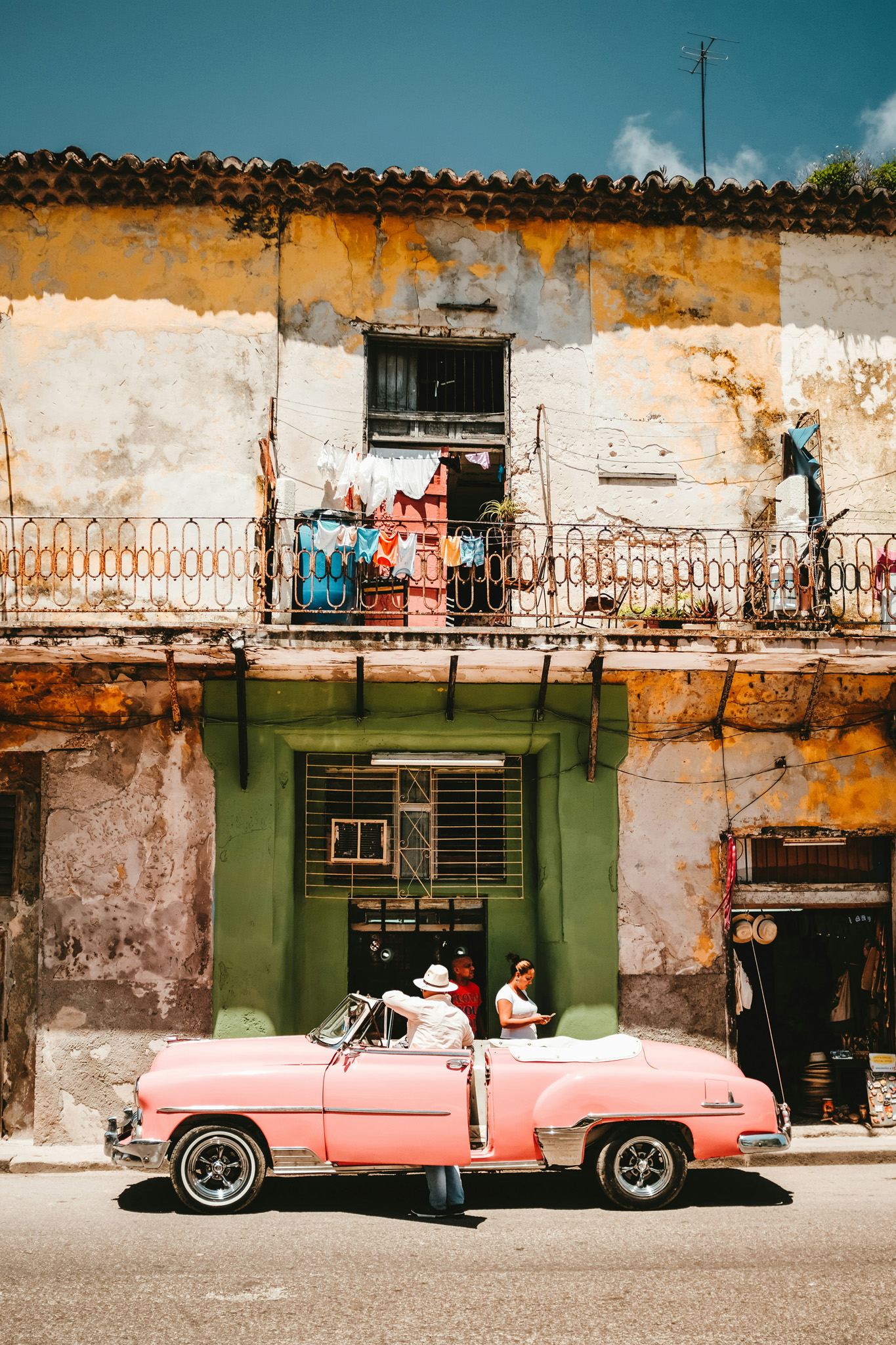
Cuba is the largest island in the Caribbean and one of the most singular destinations in the Americas, a place where 1950s Chevrolets rumble past peeling colonial facades, son and salsa spill out of doorways into the warm night, and the rhythms of daily life feel utterly distinct from anywhere else. Half a century of relative isolation has preserved a country that looks, sounds and moves to its own beat – one shaped by Spanish colonial heritage, African ancestry, Afro-Cuban spirituality, and a revolutionary history still visible on every wall.
Beyond the iconic streetscapes of Havana, Cuba unfolds into limestone mogotes and tobacco fields in Viñales, baroque plazas in Trinidad, coral cays off the northern coast, the cobbled colonial heart of Camagüey, and the green mountains of the Sierra Maestra where Castro and Che once hid out. The food is improving fast, the music is everywhere, and the people are some of the most resourceful, warm and quick-witted hosts in the world.
Cuba is not always an easy country to travel in – shortages, power cuts and infrastructure quirks are real – but that is part of why arriving here feels like stepping into a place still firmly itself. For travellers willing to roll with it, the rewards are immense.

🗺️ Regions to Explore
Havana
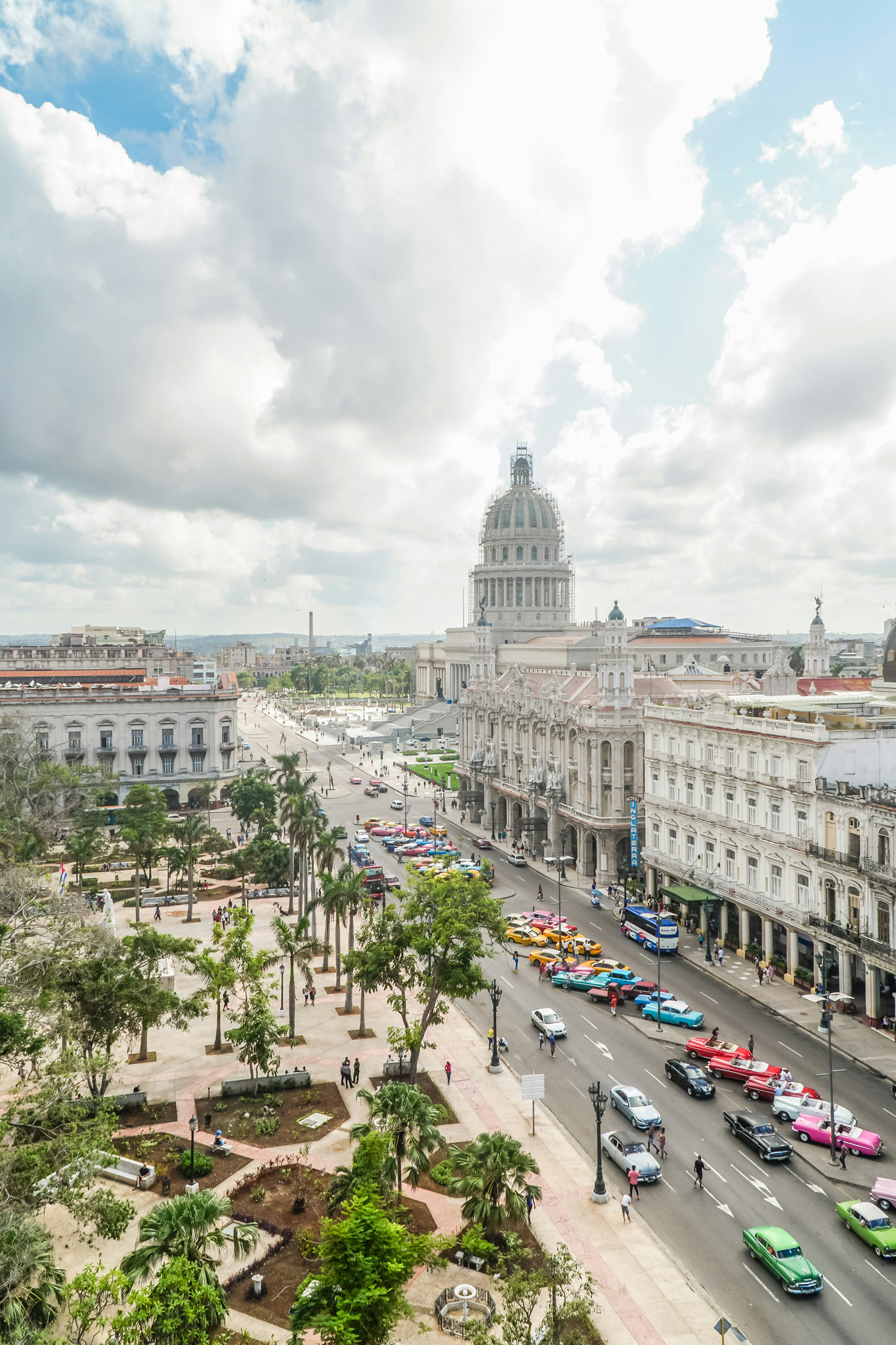
The capital is a sensory overload of crumbling grandeur, vintage cars, sea spray off the Malecón, and live music drifting from every other doorway.
- Wandering Habana Vieja and the four colonial plazas
- Sunset drinks and a stroll along the Malecón seawall
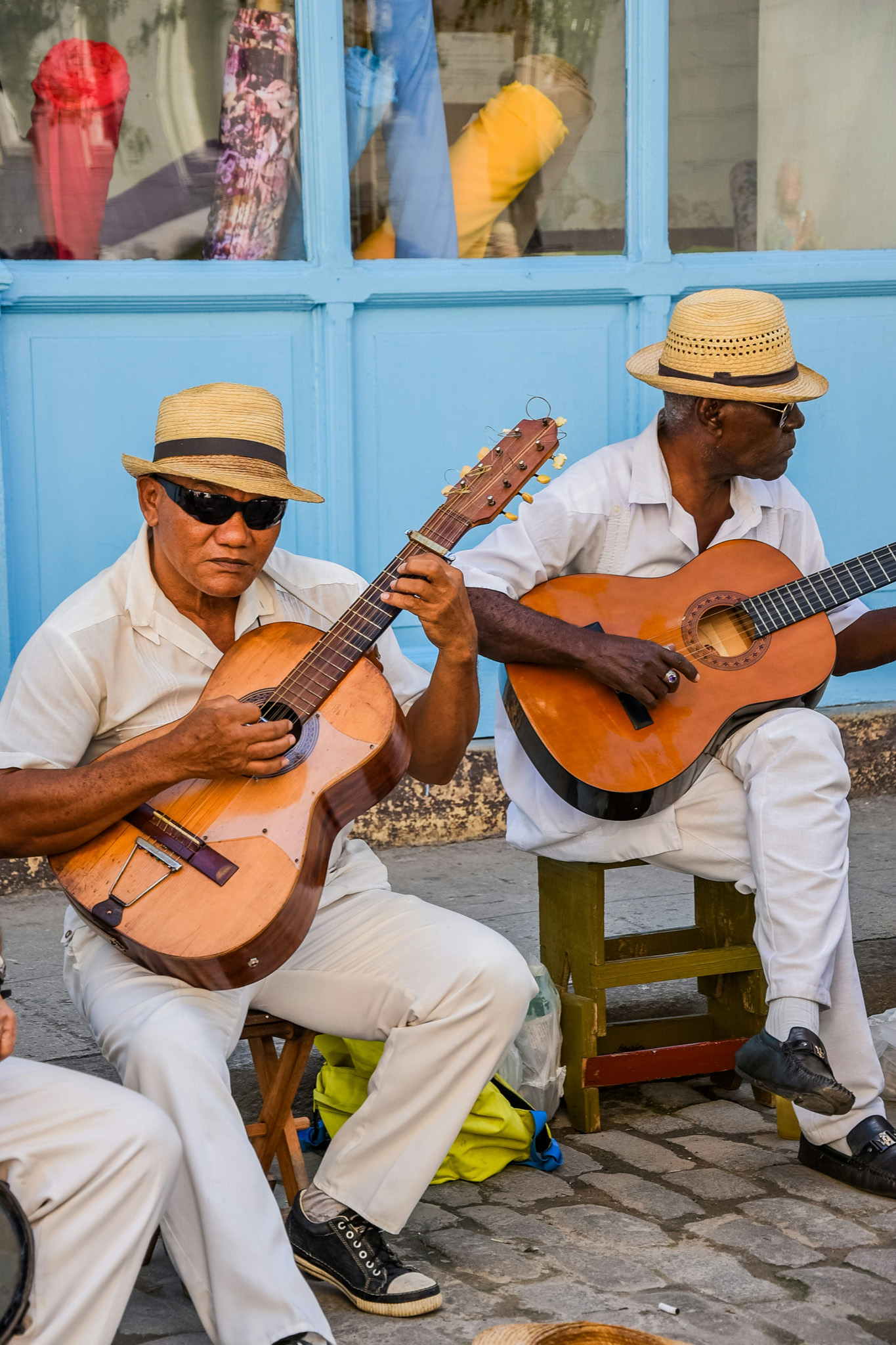
- Live son, jazz and rumba at La Fábrica de Arte Cubano
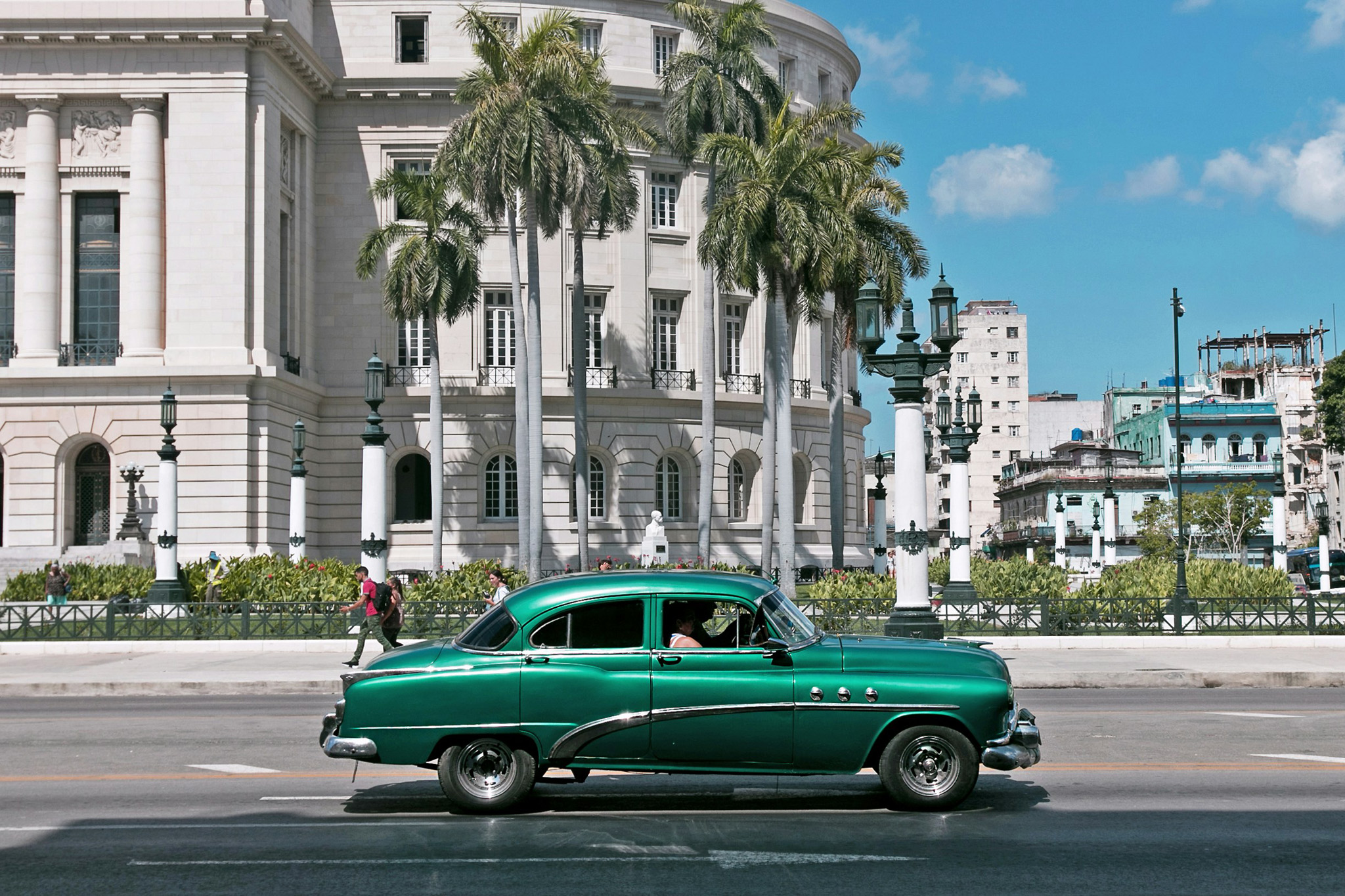
- Riding in a classic American convertible
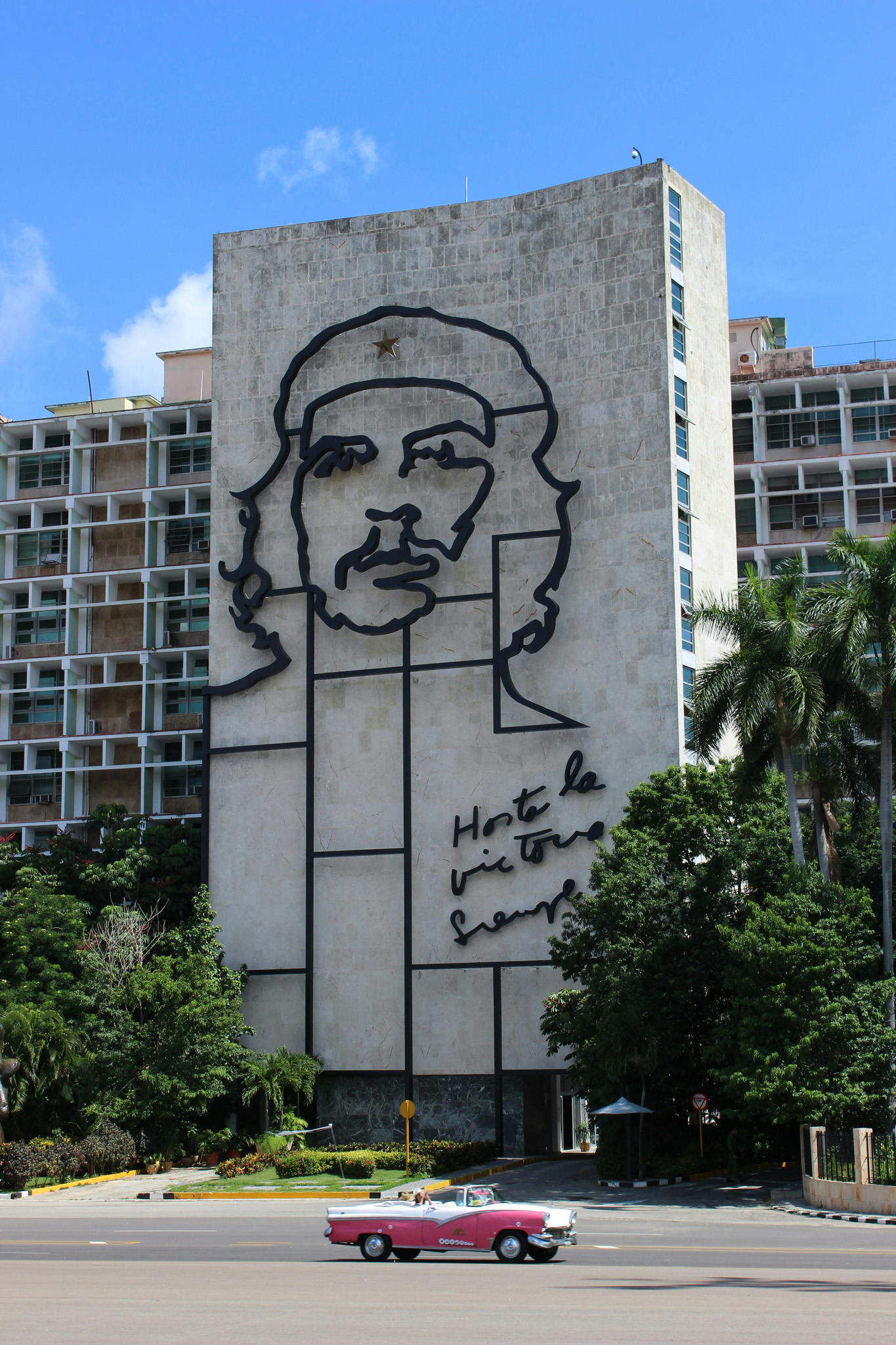
- Plaza de la Revolución and Museo de la Revolución
- Coffee and rooftop views in Vedado
Viñales and Pinar del Río
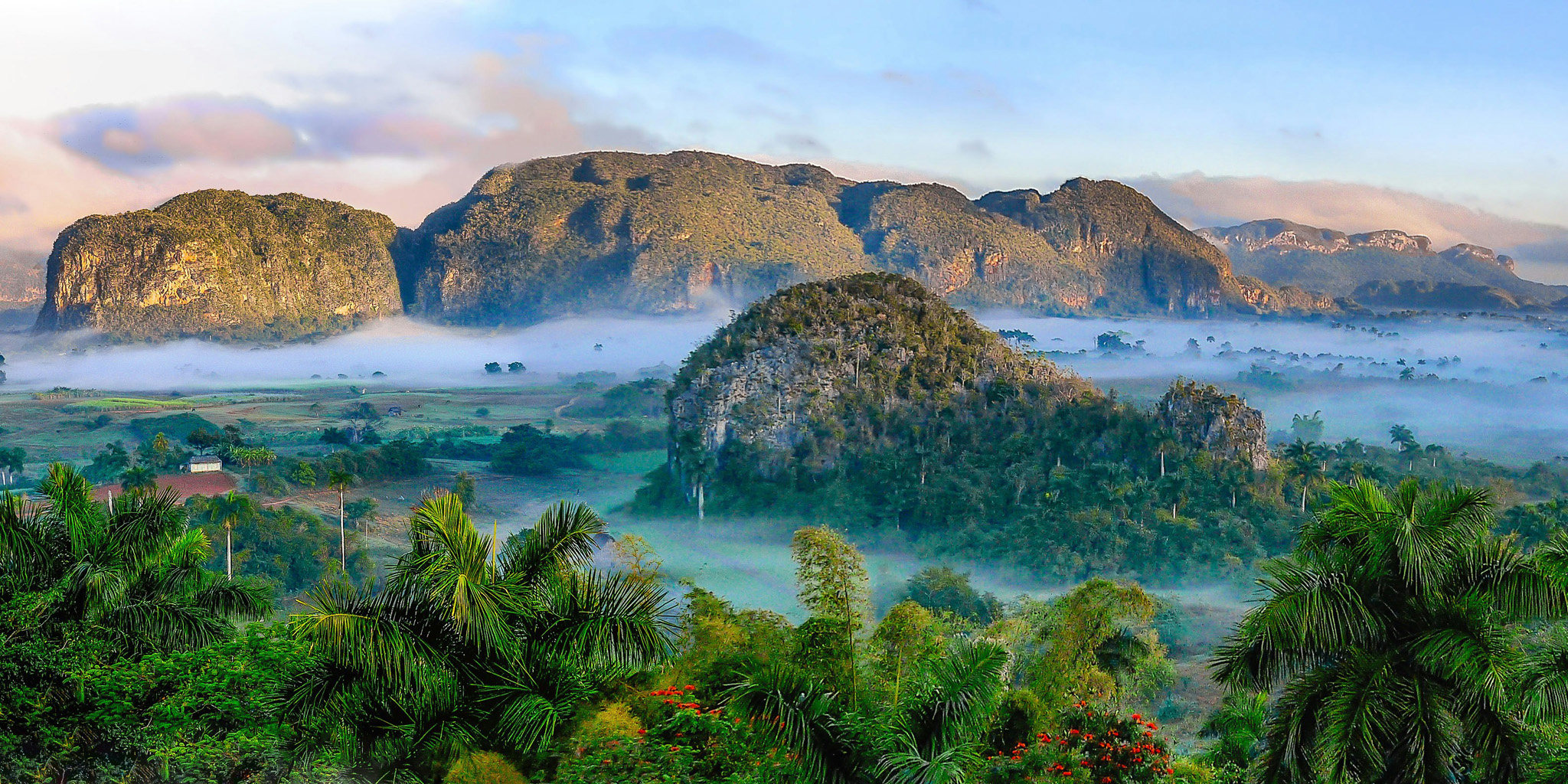
The lush western tobacco country, where dramatic limestone mogotes rise out of red-earth valleys and farming life carries on as it has for generations.
- Horse riding through tobacco plantations
- Visiting a working tobacco farm and seeing cigars hand-rolled
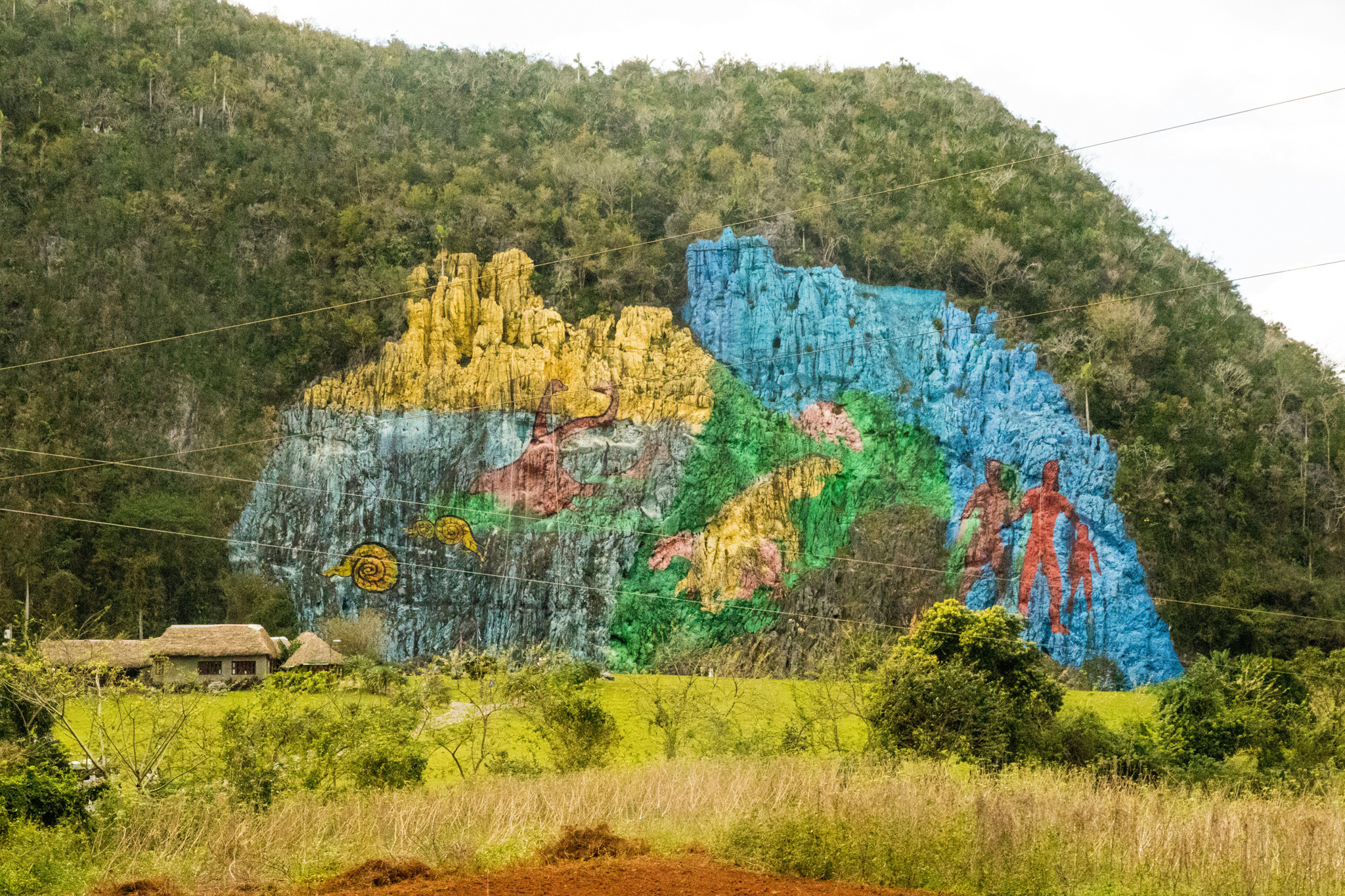
- Hiking and cave exploration in Parque Nacional Viñales
- Sunset over the mogotes from a rural finca
- Day trip to Cayo Jutías or Cayo Levisa
Trinidad and the Central South
A UNESCO-listed colonial gem of pastel houses and cobbled streets, with mountains and beaches both within easy reach.
- Roaming the colour-saturated streets of the old town
- Dancing salsa at Casa de la Música on the steps
- Hiking to waterfalls in Topes de Collantes
- Beach days at Playa Ancón
- A steam train through the Valle de los Ingenios
Cienfuegos and Santa Clara
A pair of underrated central cities, one with French colonial elegance, the other steeped in revolutionary history.
- The neoclassical grandeur of Cienfuegos’ Parque José Martí
- Boating around the Bahía de Cienfuegos
- The Che Guevara Mausoleum and memorial in Santa Clara
- Live music in Santa Clara’s youthful, arty bar scene
Camagüey and the Eastern Heartland
A maze-like colonial city of clay tinajones and hidden plazas, gateway to less-visited eastern Cuba.
- Getting pleasantly lost in Camagüey’s UNESCO-listed centre
- Ballet, theatre and the lively local arts scene
- Side trips to the beaches of Playa Santa Lucía
- Exploring rural Cuba on quiet back roads
Santiago de Cuba and the Far East
The country’s second city, hotter, more Caribbean and more African in feel, with the Sierra Maestra rising behind it.
- Live son and trova at Casa de la Trova
- The Castillo del Morro fortress above the bay
- Hiking in the Sierra Maestra to revolutionary hideouts
- Day trips to Baracoa, Cuba’s oldest Spanish settlement
- Carnival in late July, the wildest in the country
Cayo Coco, Cayo Guillermo and the Northern Cays
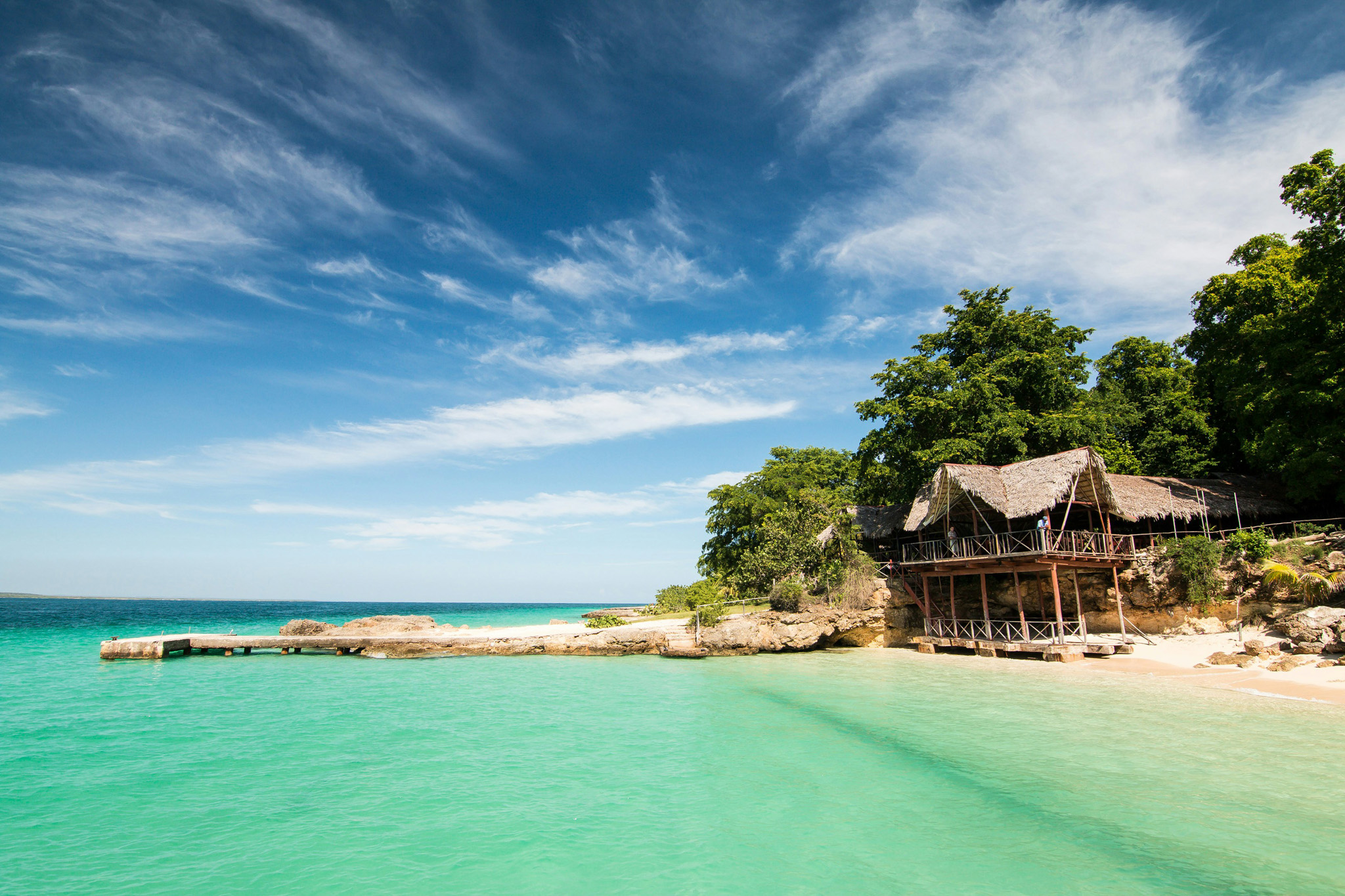
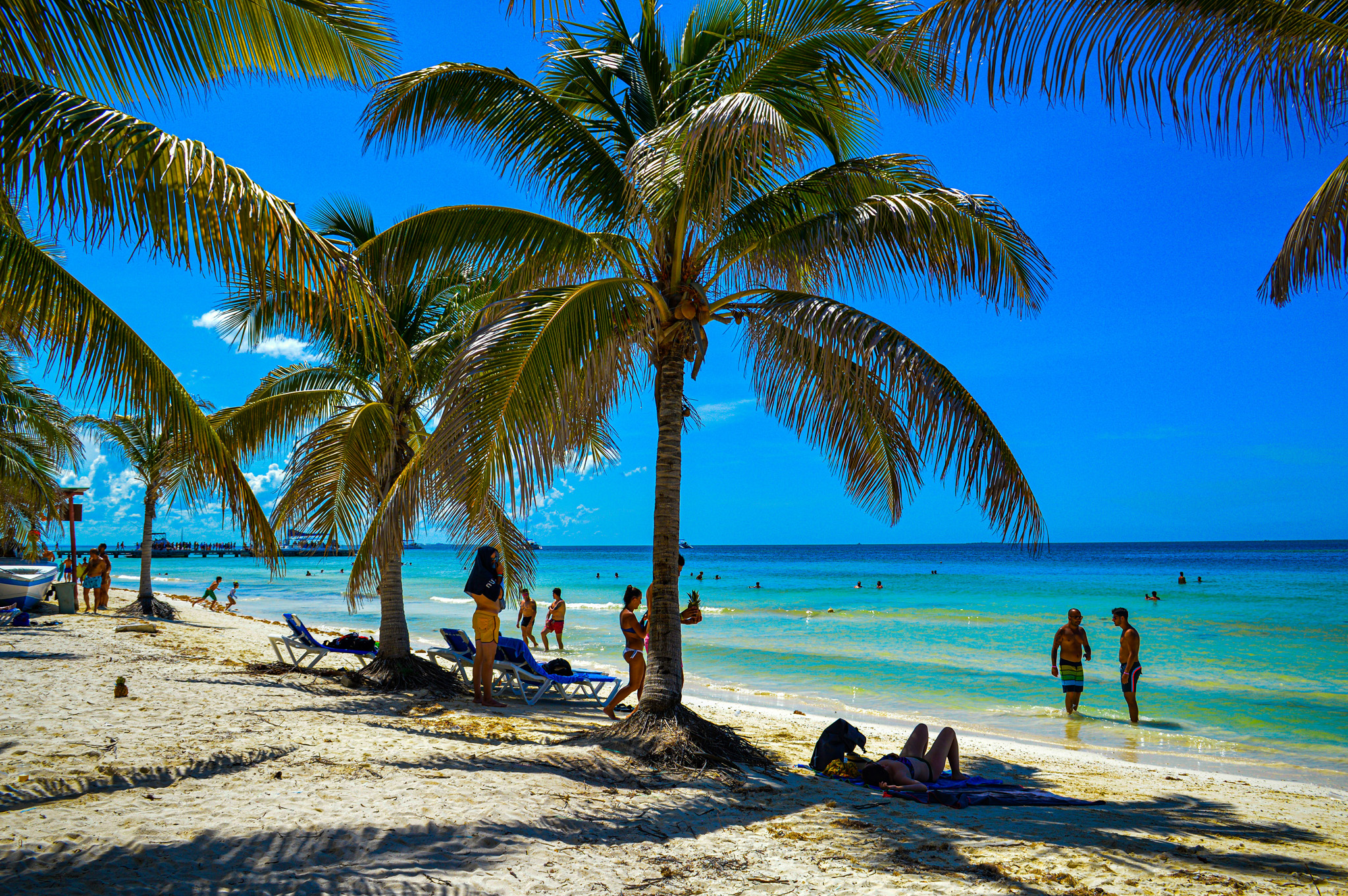
Long stretches of white sand and turquoise shallows linked to the mainland by a 27 km causeway across the sea.
- Swimming and snorkelling on Playa Pilar
- Catamaran trips out to coral reefs
- Flamingo spotting in the surrounding lagoons
- Slow days with a good book and a daiquiri
🎒 Things To Do
- Wander the four colonial plazas of Habana Vieja
- Drive or be driven across the country in a vintage American car
- Learn to dance salsa with a local instructor
- Visit a working tobacco farm and hand-roll your own cigar
- Hike through mogotes, caves and tobacco fields in Viñales
- Take a steam train through the Valle de los Ingenios near Trinidad
- Dive or snorkel the Jardines de la Reina or Bay of Pigs
- Drink mojitos and daiquiris in the bars Hemingway made famous
- Catch live son, rumba and trova in any city after dark
- Spend a few slow days on the cays of the north coast
- Pay your respects at the Che Guevara Mausoleum in Santa Clara
🍽️ Food & Drink
Cuban food has come a long way thanks to the rise of private paladares, where home cooks turn out vibrant plates of grilled fish, roast pork and seasonal vegetables that often outshine anything on a state-run menu. Expect rice and beans at every meal, plenty of citrus and garlic, and a rum and tobacco culture that runs through everything.
- Ropa vieja, the iconic shredded beef stew with peppers and onions
- Lechón asado, slow-roasted suckling pig with crackling
- Moros y cristianos, black beans and rice cooked together
- Tostones and yuca con mojo as classic sides
- Fresh lobster and grilled fish in coastal towns
- Mojitos, daiquiris and Cuba Libres made with local rum
- Strong, sweet Cuban espresso, often served in tiny cups all day
🌦️ Weather
Cuba has a warm, tropical climate with two clear seasons: a drier, cooler winter and a hotter, wetter summer. The island sits squarely in the Caribbean hurricane belt, which shapes the best times to travel.
- Year-round temperatures generally sit between 20-32°C
- Dry season runs November – April, with cooler nights and lower humidity
- Wet season runs May – October, with afternoon downpours and higher humidity
- Hurricane season runs June – November, peaking August – October
- Eastern Cuba (Santiago, Baracoa) is hotter and more humid year-round
- Sea breezes keep the coasts comfortable even in peak summer
📅 Best Time To Visit
December – April (Peak Dry Season)
- Warm sunny days, low humidity and minimal rain
- The most reliable weather for beaches, hiking and city exploring
- Highest prices and busiest sites, especially around Christmas and New Year
- Carnival in Havana and lots of music festivals through these months
May and November (Shoulder Season)
- Pleasant warm weather with occasional rain showers
- Fewer crowds and better value on accommodation
- May is great for music lovers with Havana’s Cubadisco festival
- Generally outside peak hurricane risk
June – October (Wet and Hurricane Season)
- Hottest, most humid months with daily afternoon storms
- Cheapest prices and the quietest tourist sites
- Some accommodation and tours on the cays may close
- Hurricane risk is real, so flexible plans and good insurance are essential
🎒 Packing List
- Lightweight breathable clothing for hot, humid days
- A light layer or shawl for cooler winter evenings and air-conditioned interiors
- Comfortable walking shoes for cobbled streets and dance floors
- Swimwear, sandals and a quick-dry towel for beaches and cays
- A light rain jacket or compact umbrella, especially in wet season
- Reef-safe sunscreen, sunglasses and a wide-brimmed hat
- Insect repellent for evenings and rural areas
- Universal power adapter (Cuba uses both Type A and Type C plugs)
- A reusable water bottle with built-in filter
- A small torch or headlamp for power outages
- Personal medical kit including basic medications, plasters and rehydration salts
- Electrolytes for hot days and any stomach upsets
- Plenty of cash in Euros or another non-USD currency
🛂 Visas & Entry Requirements
Most travellers need a tourist eVisa to enter Cuba, which from January 2026 fully replaced the old paper Tourist Card system.
- The Cuba eVisa is applied for online before departure and emailed as a PDF
- It allows a stay of up to 90 days and is valid for one year from issue
- Passport must be valid for at least six months beyond your travel dates
- All travellers must also complete the online D’Viajeros form within 7 days of arrival, which generates a QR code required at check-in and immigration
- Cuba has a mandatory inbound travel insurance requirement (see Mandatory Inbound Travel Insurance section below)
Official information: https://www.evisacuba.cu
🛡️ Mandatory Inbound Travel Insurance
Cuba has required all foreign visitors to hold valid medical travel insurance since 2010 under Resolution 168/2010, and this remains strictly enforced at all points of entry. The policy must cover the full duration of your stay, and immigration officers can ask to see proof of cover on arrival. Travellers who arrive without it will be required to purchase a Cuban policy on the spot before being allowed through, and in some cases entry can be denied.
This requirement sits alongside, not in place of, comprehensive personal travel insurance. The Cuban rule is specifically about medical cover, so you should still arrange a separate, full-cover policy for cancellations, baggage, delays and other risks.
Cuban Medical Insurance Requirement
- Policy must be valid for the entire length of your stay in Cuba
- Must include cover for emergency medical treatment and hospitalisation
- Minimum medical cover commonly cited at around USD 10,000, though higher is strongly recommended
- US-issued health insurance and policies from US-based insurers are not accepted
- Travellers without proof of cover must buy a local policy at the airport, typically a few US dollars per day, payable in non-USD cash
- Print a copy of your insurance certificate (in English or Spanish) showing dates, insurer and cover details, and carry it with your travel documents
Official portal: https://www.cubatravel.cu
Important Notes
- This mandatory cover is medical-only and does not replace a full personal travel insurance policy
- Reputable tour operators can advise on suitable policies but will generally not purchase one on your behalf
- Rules and accepted insurers can change with little notice, so check official sources close to departure
- Medical evacuation cover is strongly recommended given limited specialist facilities outside Havana
💰 Money
- The Cuban Peso (CUP) is the only official currency since the CUC was retired in 2021
- Cuba is overwhelmingly a cash economy, especially in private restaurants, casas particulares and rural areas
- Bring crisp Euros (EUR) or another non-USD currency to exchange at CADECA exchange houses or banks, as USD attracts an 8% surcharge
- Cards issued by US banks (including Wise and Revolut) do not work anywhere in Cuba
- Non-US Visa and Mastercard can be used in some state hotels and at ATMs in major cities, but only Cuban Pesos can be withdrawn
- Power outages regularly knock out ATMs and card terminals, so always carry enough cash for several days
- Tipping is expected: around 10% in restaurants, a few CUP for porters and housekeeping, and small tips for musicians and guides
💸 Hotel & Tourist Taxes
Cuba does not charge a separate nightly tourist or accommodation tax in the way many other countries do, but there are a few fees worth knowing about.
- Hotel rates almost always include any applicable service charges and taxes
- A departure tax is now built into your international airline ticket rather than paid at the airport
- Some museums, beaches and protected areas have small entry fees, payable in cash on the day
- Optional excursions, marina fees and national park access are charged separately
🌈 LGBTQIA+ Travellers
Cuba has shifted significantly in recent years, with same-sex marriage legalised in 2022 and an increasingly visible LGBTQIA+ scene, particularly in Havana.
- Same-sex marriage and adoption have been legal nationwide since 2022
- Anti-discrimination protections are written into the constitution
- Havana has an established LGBTQIA+ social scene around Vedado, with bars, clubs and an annual conga against homophobia each May
- Public attitudes are generally tolerant in cities and tourist areas but more conservative in rural and religious communities
- Public displays of affection by anyone, gay or straight, are not especially common outside nightlife venues, so a degree of discretion is the norm
⚠️ Traveller Safety
Cuba is one of the safer destinations in the Caribbean, with low rates of violent crime, though petty theft and scams in tourist areas do happen.
- Pickpocketing and bag-snatching are the main risks, especially in Habana Vieja, Centro Habana and around major tourist sites
- Be wary of overly friendly strangers offering cigars, restaurants or “special” experiences, as these often lead to inflated prices or scams
- Stick to licensed taxis or those arranged through your accommodation, especially at night
- Power outages can leave streets very dark, so a torch and awareness of your surroundings are useful
- Avoid any political gatherings or demonstrations as a foreign visitor
- Emergency number is 106 (police), 105 (fire) and 104 (ambulance)
💉 Vaccinations & Health
Cuba is generally a low-risk destination for serious illness, but it is still important to be up to date on routine vaccinations and aware of a few local health considerations.
- No vaccinations are required for entry unless you are arriving from a country with yellow fever risk
- Recommended: hepatitis A, hepatitis B, typhoid, tetanus and MMR
- Mosquito-borne illnesses including dengue and (occasionally) Zika are present, so insect repellent is essential
- Pharmacies can be poorly stocked, so bring all personal medications in original packaging with a doctor’s note
- Tap water should not be drunk anywhere in Cuba
Official information: https://www.smartraveller.gov.au/destinations/americas/cuba
🚗 Getting Around
- Domestic flights connect Havana with Santiago, Holguín and Camagüey but are prone to last-minute changes
- Viazul long-distance coaches link the main tourist cities and are the most reliable public option for independent travel
- Private taxis, classic-car transfers and shared colectivos are popular for shorter intercity hops
- Hiring a car is possible but pricey, with patchy signage and frequent fuel shortages
- Guided small-group tours are by far the easiest way to see Cuba, handling transport, accommodation and the logistics that can otherwise eat into your trip
- Within cities, walking, bici-taxis, coco-taxis and classic-car tours are the most fun ways to get around
✈️ Airports
José Martí International Airport (HAV)
- Havana’s main airport and the primary gateway for almost all international visitors to Cuba.
Juan Gualberto Gómez International Airport (VRA)
- Serves Varadero and the northern beach resorts, with strong seasonal links to Canada and Europe.
Frank País International Airport (HOG)
- The main airport for Holguín province and gateway to eastern beach destinations like Guardalavaca.
Antonio Maceo International Airport (SCU)
- The international airport for Santiago de Cuba, useful for travellers focusing on eastern Cuba.
🗣️ Language
The official language of Cuba is Spanish, spoken with a distinctive Caribbean rhythm, plenty of dropped consonants and a vocabulary peppered with Afro-Cuban and indigenous Taíno words. English is spoken to a reasonable level by guides, hotel staff and many young Cubans in tourist areas, but drops off quickly in rural towns and with older Cubans, so even a handful of Spanish phrases will go a long way and is genuinely appreciated.
Common Phrases
- Hello – Hola (OH-lah)
- Goodbye – Adiós (ah-DYOHS)
- Please – Por favor (por fah-VOR)
- Thank you – Gracias (GRAH-syahs)
- Yes – Sí (SEE)
- No – No (NOH)
- Excuse me – Permiso (per-MEE-soh)
- Sorry – Lo siento (loh SYEN-toh)
- Do you speak English? – ¿Habla inglés? (AH-blah een-GLEHS)
- How much? – ¿Cuánto cuesta? (KWAHN-toh KWEHS-tah)
- Where is…? – ¿Dónde está…? (DOHN-deh es-TAH)
- Help – Ayuda (ah-YOO-dah)
- Cheers – Salud (sah-LOOD)
- One, two, three – Uno, dos, tres (OO-noh, dohs, trehs)
- What’s up? (very common Cuban greeting) – ¿Qué bolá? (keh boh-LAH)
ℹ️ Practical Info
Electricity
- Cuba uses both Type A and Type C plug sockets at 110V and 220V, often in the same building, so a universal adapter is essential.
Internet & WiFi
- WiFi is available in most hotels, casas particulares and public plazas, though speeds are slow and outages frequent; expect to be largely offline in rural areas.
Water
- Tap water is not safe to drink anywhere in Cuba – stick to bottled or filtered water, including for brushing teeth, and avoid ice from unknown sources.
Travel Insurance
- Comprehensive personal travel insurance is strongly recommended for any trip to Cuba, with cover for medical care, evacuation, cancellations and storm-related disruption during hurricane season. This is in addition to the mandatory inbound medical cover detailed above, not a replacement for it.
Connectivity SIM / eSIM
- Local SIM cards from ETECSA can be purchased at the airport or in Havana, though queues are often long and data is slow
- Using an eSIM is our recommended choice while travelling anywhere in the world, and our recommended provider is Holafly. For more information on eSIMs, check out this blog.

❤️ Why Visit Cuba
There is nowhere quite like Cuba. The country runs on a tempo all its own, shaped by music that pours out into the streets every night, by the colour and grit of cities that have been allowed to age in place, and by people whose warmth, humour and resilience leave a deeper impression than any landmark. You come for the classic cars and the cigars, and you leave talking about a conversation on a stoop in Trinidad or a salsa lesson with a grandmother in Cienfuegos.
Beyond the obvious icons, Cuba rewards travellers willing to slow down and let the country unfold. The white sand of the cays, the tobacco fields of Viñales, the colonial squares of Camagüey, the wild east around Baracoa – all of it sits within a single small island, but each corner feels like its own world.
Cuba is changing, and travelling here now means seeing a country at a genuinely interesting moment in its history. Come with patience, an open mind and an appetite for music, rum and stories, and Cuba will hand you a trip you’ll be talking about for years.