Maldives – Destination Guide
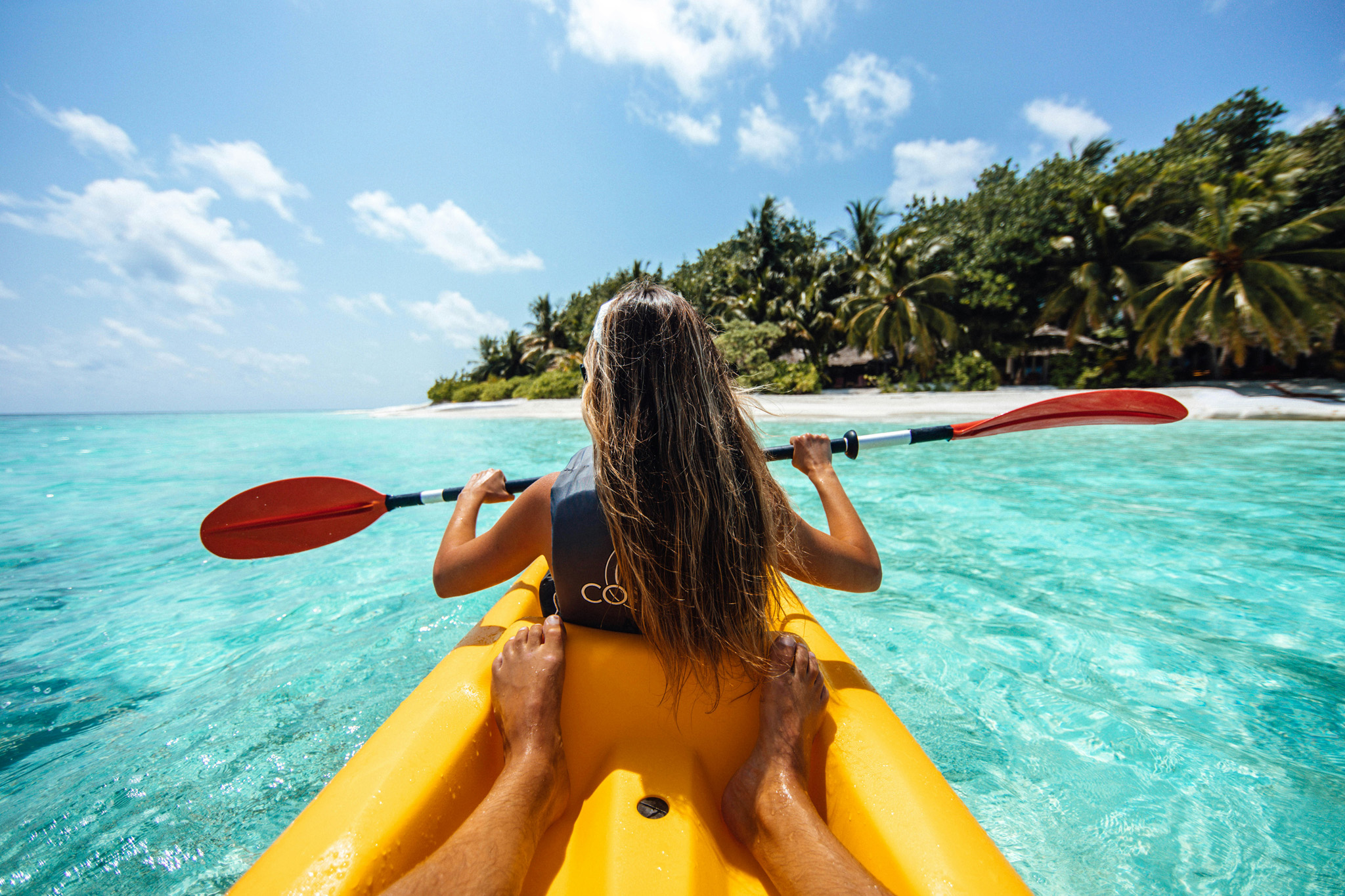
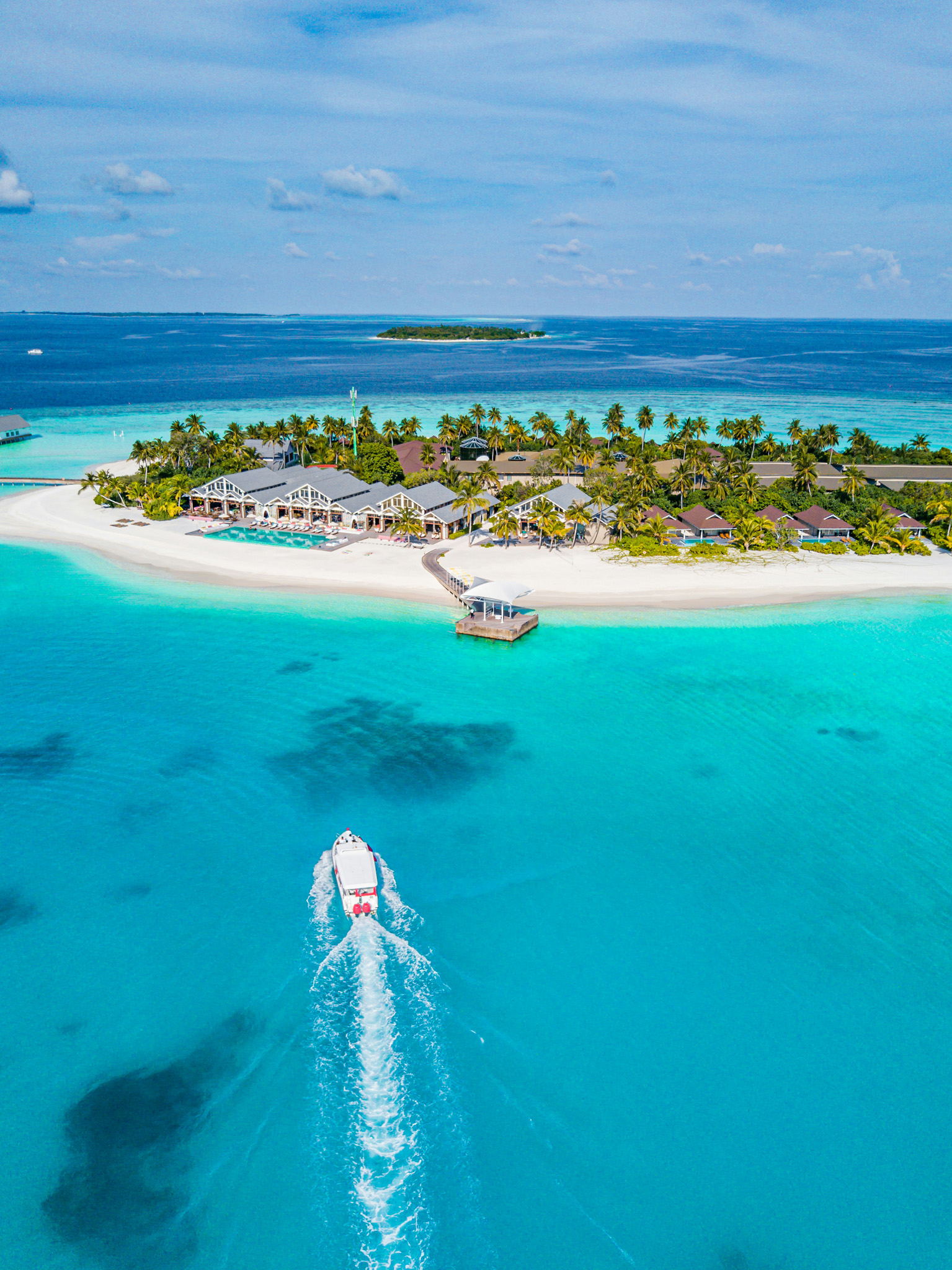
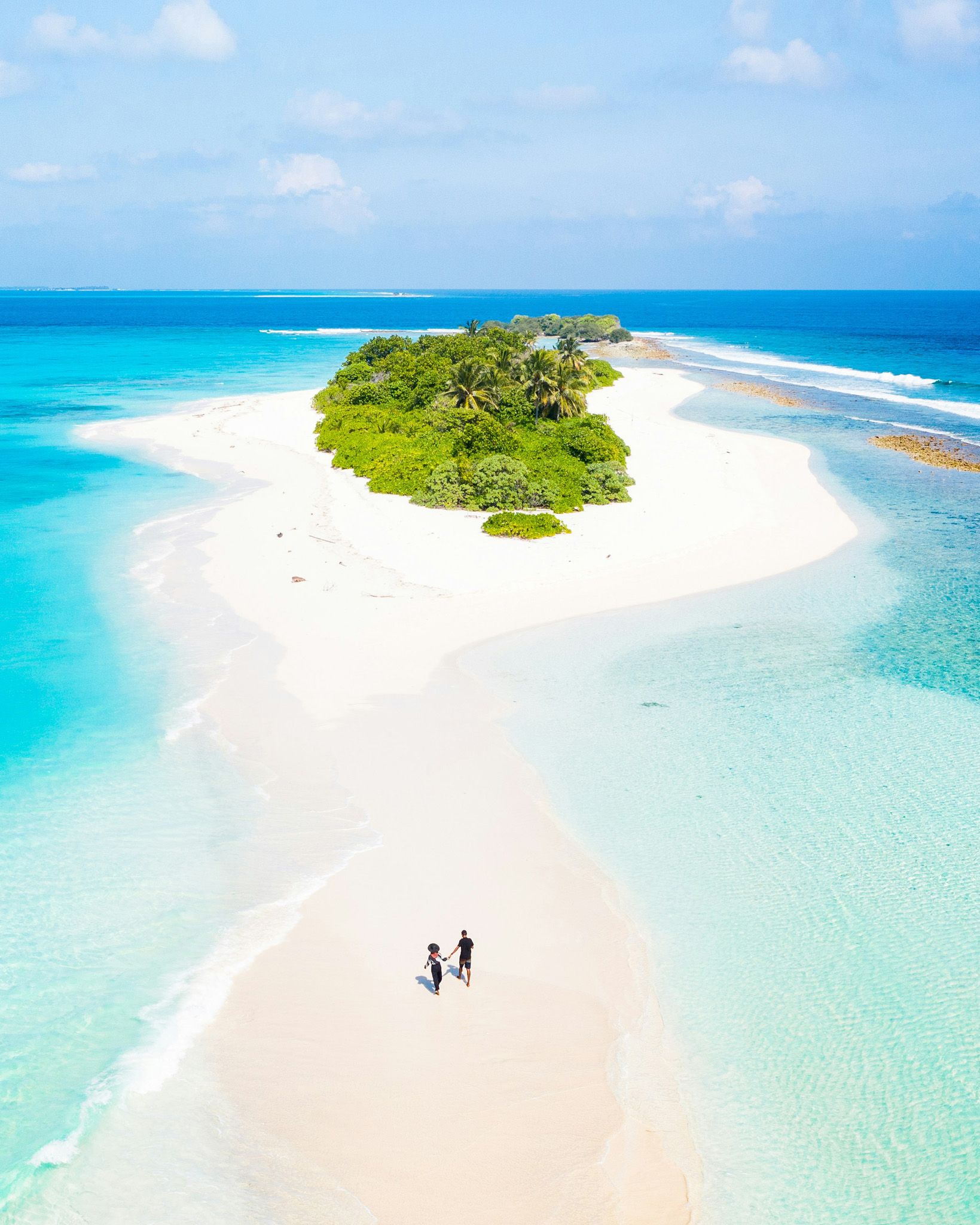
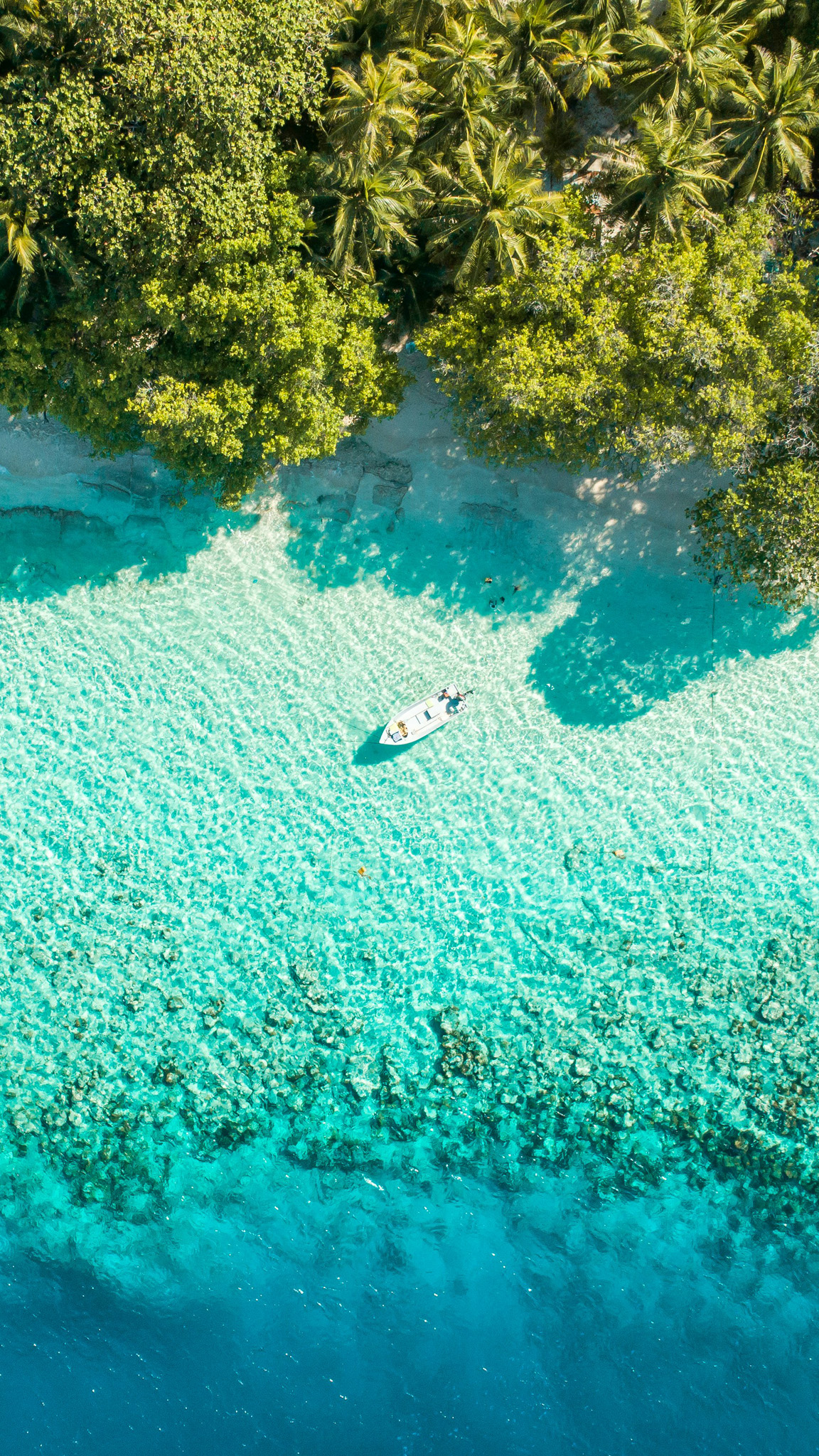
Scattered across the Indian Ocean like a handful of jewels, the Maldives is a nation of nearly 1,200 coral islands grouped into 26 natural atolls. It is a place where the horizon dissolves into endless shades of turquoise and sapphire, where overwater villas perch above lagoons so clear they barely seem real, and where powder-white sandbanks appear and disappear with the tides. Few destinations on earth deliver the sense of pure escape that the Maldives does.
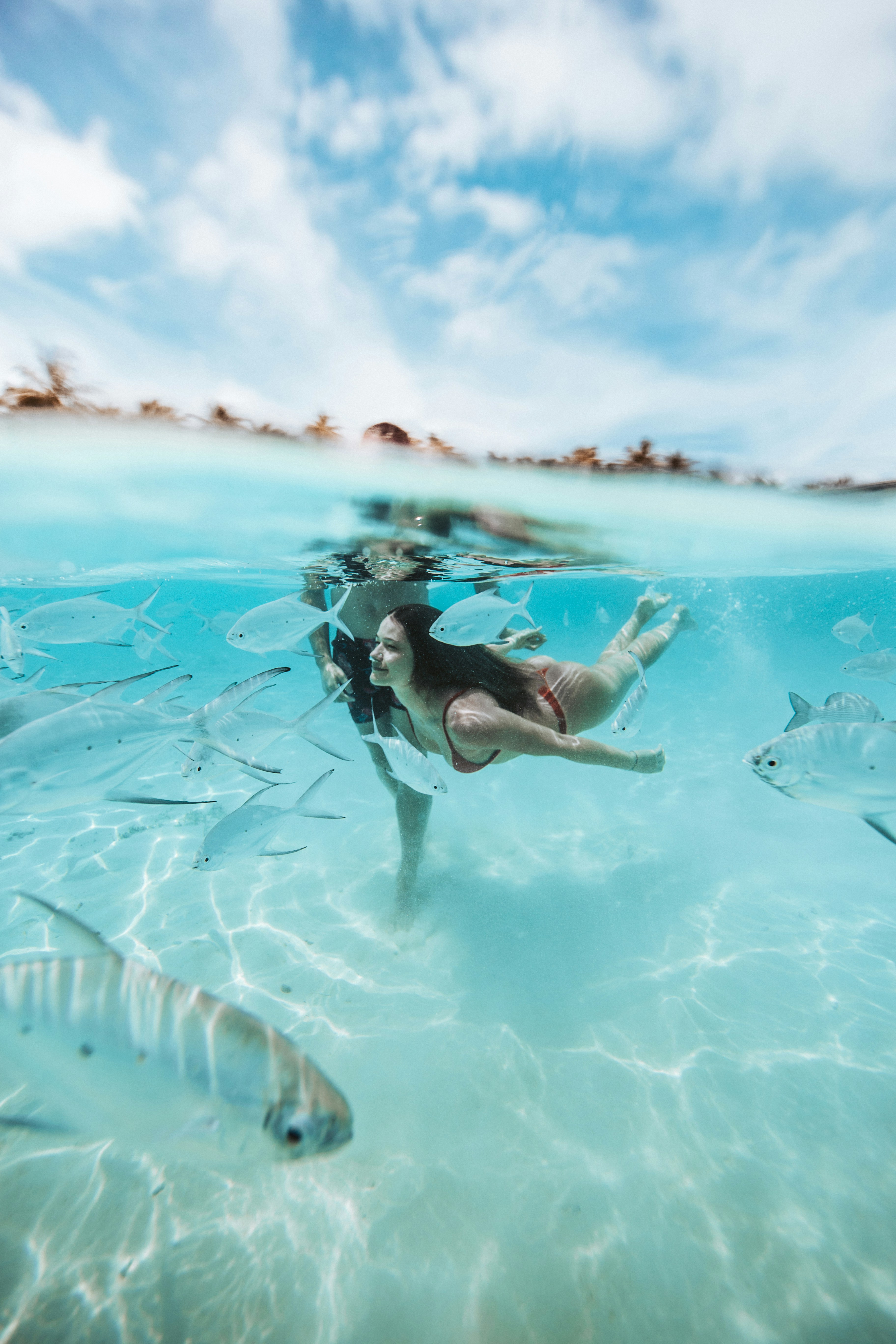
Beneath the surface, the country is just as extraordinary. The reefs that ring each island teem with life – reef sharks, manta rays, sea turtles, and the gentle giants of the deep, whale sharks. Above the water, the rhythm of life is slow and unhurried, shaped by the ocean, the sun, and the warm hospitality of Maldivian islanders. Whether you choose a private resort island, a local-island guesthouse, or a liveaboard drifting between dive sites, the Maldives invites you to step away from the pace of the world.
This is a destination that rewards both indulgence and curiosity. Come for the barefoot luxury, the sunsets, and the snorkelling straight off your deck, but stay for the culture of the inhabited islands, the freshly grilled reef fish, and the quiet thrill of swimming alongside creatures most people only ever see on a screen. The Maldives is paradise distilled, and it lives up to every expectation.
🗺️ Regions to Explore
North and South Malé Atolls
The gateway to the Maldives and home to the capital, these atolls combine accessibility with world-class diving and surfing.
- Exploring Malé, one of the most densely populated capitals in the world
- Surfing legendary breaks such as Chickens and Cokes
- Snorkelling and diving at HP Reef and Banana Reef
- Staying on guesthouse islands like Maafushi for an affordable base
- Quick speedboat transfers from the airport, ideal for short stays
Ari Atoll
A large western atoll famed for its big marine life and exceptional dive sites.
- Snorkelling with whale sharks year-round in the south
- Diving with manta rays at cleaning stations
- Visiting classic sites such as Maaya Thila and Fish Head
- Relaxing on remote resort islands away from the crowds
- Exploring local islands like Dhigurah and Dhangethi
Baa Atoll
A UNESCO Biosphere Reserve celebrated for its protected reefs and seasonal manta gatherings.
- Snorkelling at Hanifaru Bay during the manta and whale shark season
- Diving pristine, well-managed coral reefs
- Staying at eco-conscious luxury resorts
- Spotting turtles, reef sharks, and vibrant fish life
- Joining marine conservation and research experiences
Addu Atoll
The southernmost atoll, with a distinct character, lush vegetation, and a wartime history.
- Cycling the linked islands of Addu via causeways
- Diving the British Loyalty wreck
- Snorkelling with resident manta rays
- Exploring wetlands and birdlife at Eydhigali Kilhi
- Discovering the area’s British Royal Air Force heritage
Lhaviyani and Noonu Atolls
Northern atolls known for upscale resorts, calm lagoons, and excellent house reefs.
- Diving healthy reefs with abundant marine life
- Snorkelling directly from overwater villas
- Enjoying secluded, design-led luxury resorts
- Exploring shipwreck dive sites
- Taking sunset dolphin cruises across glassy waters
🎒 Things To Do
The Maldives is built around the ocean, but there is more to fill your days than sun and sand.
- Snorkel and dive vibrant coral reefs teeming with tropical fish
- Swim with whale sharks and manta rays in season
- Take a sunset dolphin cruise across calm lagoons
- Surf consistent reef breaks from March to October
- Visit a sandbank or uninhabited island for a private picnic
- Explore inhabited local islands and learn about Maldivian daily life
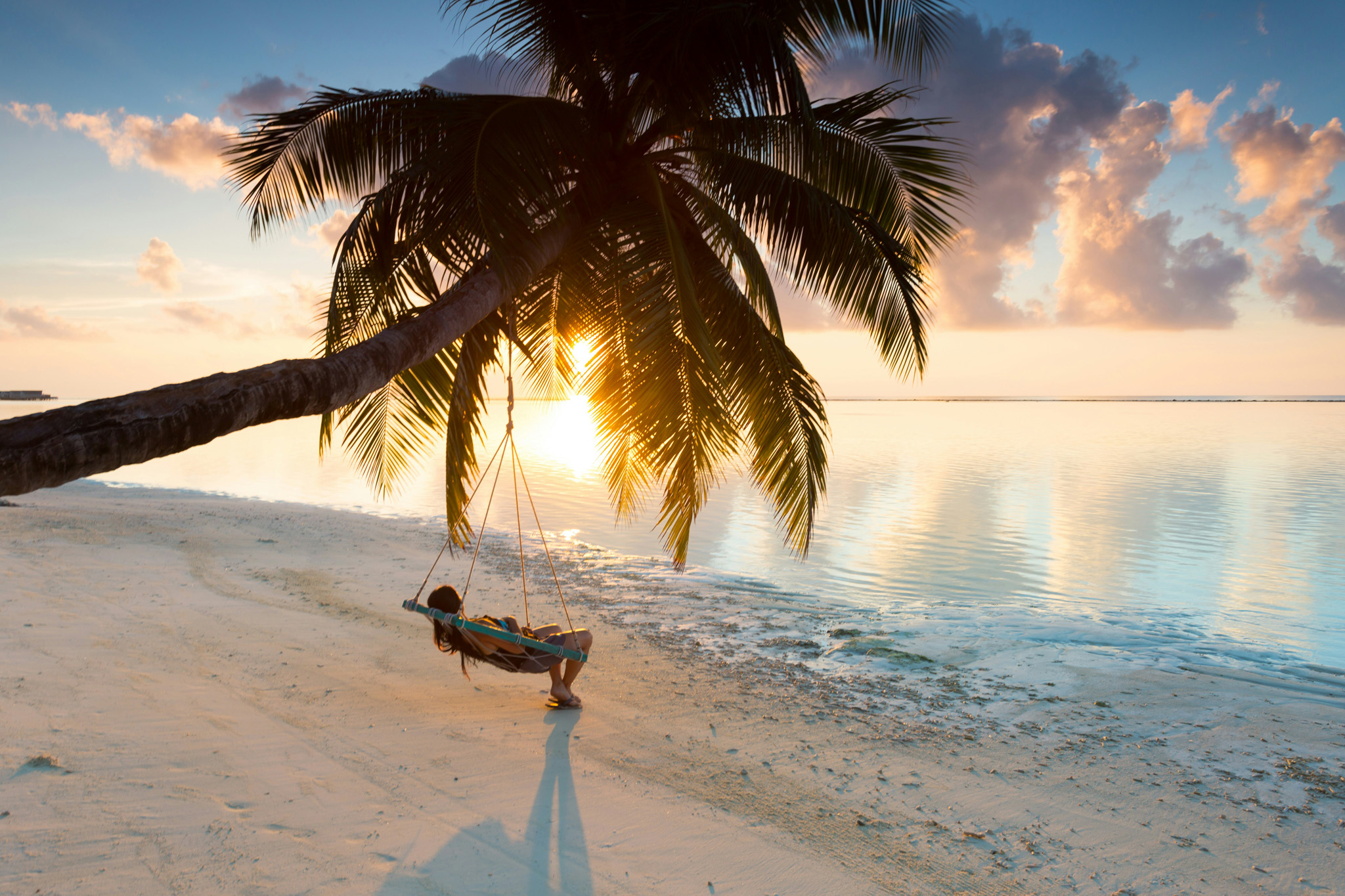
- Try a sunrise yoga session or an overwater spa treatment
- Go night fishing in the traditional Maldivian style
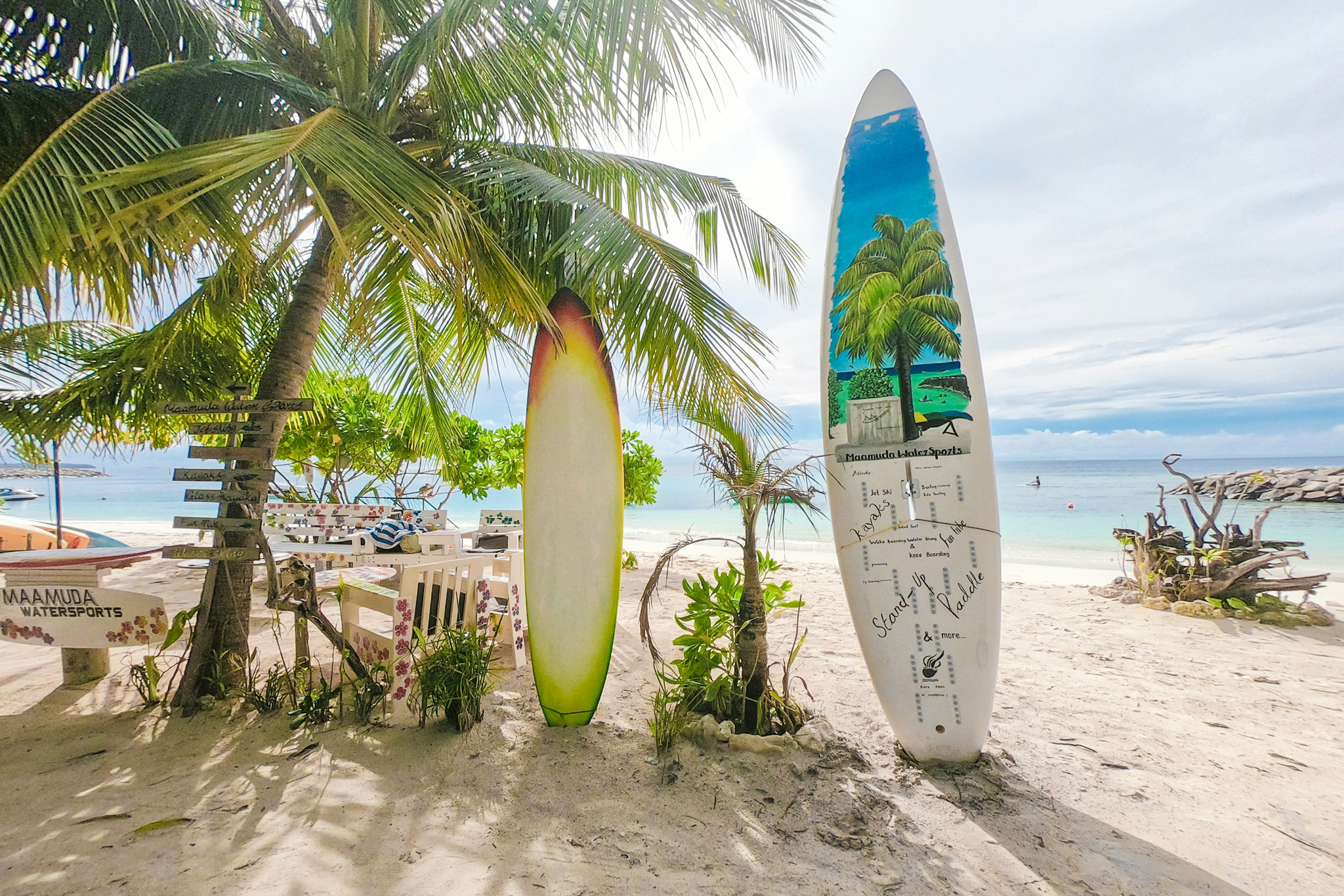
- Kayak, paddleboard, or sail across sheltered lagoons
- Experience an underwater restaurant or spa for a once in a lifetime meal
🍽️ Food & Drink
Maldivian cuisine is built around the sea, with tuna in countless forms, coconut in nearly everything, and a fragrant hit of spice. Resort dining spans the globe, but the local island food is where you taste the country’s true character.
- Garudhiya, a clear and comforting tuna broth served with rice, lime, and chilli
- Mas huni, a breakfast staple of shredded smoked tuna, coconut, and onion
- Fihunu mas, reef fish marinated in chilli paste and grilled over coals
- Hedhikaa, a spread of savoury short eats such as bajiya and gulha
- Fresh tropical fruit and coconut water served straight from the husk
- Sai, sweet Maldivian tea, enjoyed throughout the day
🌦️ Weather
The Maldives has a warm tropical climate all year, with consistent temperatures and two distinct monsoon seasons that shape conditions more than temperature does.
- Daytime temperatures sit steadily around 28-31°C year-round
- Sea temperatures stay warm at roughly 27-30°C, ideal for water activities
- The dry northeast monsoon runs from December to April with sunny skies
- The wet southwest monsoon runs from May to November with more rain and wind
- Humidity is high throughout the year, typically 75-85 percent
- Rain often arrives in short, heavy bursts rather than all day
📅 Best Time To Visit
December – April (Dry Season)
- The most popular time, with sunny days, calm seas, and clear skies
- Excellent visibility for diving and snorkelling
- Higher prices and busier resorts, especially over Christmas and New Year
- Best booked well in advance for peak weeks
May and November (Shoulder Season)
- A balance of decent weather and lower prices
- Occasional showers but plenty of sunshine between them
- Fewer crowds and good value on resort stays
- A sweet spot for travellers seeking quieter islands
June – October (Wet Season)
- The greenest, most affordable time to visit
- Short, heavy downpours interspersed with sunshine
- Best season for surfing on the southern atolls
- Prime whale shark and manta ray activity in some regions
🎒 Packing List
- Lightweight, breathable clothing in cotton or linen
- Swimwear, ideally two or more sets
- A rash guard or UV swim shirt for snorkelling
- A light rain jacket or compact umbrella
- Reef-safe sunscreen and high-SPF protection
- A wide-brimmed hat and polarised sunglasses
- Insect repellent for evenings on local islands
- A modest cover-up for visiting inhabited islands and mosques
- Water shoes or sandals for reef walking
- A reusable water bottle and electrolyte sachets
- A universal power adapter
- A small medical kit with motion sickness tablets and any personal medication
🛂 Visas & Entry Requirements
The Maldives offers straightforward entry for most travellers, with a free visa issued on arrival.
- A free 30-day visa on arrival is granted to all nationalities holding a valid passport
- Your passport should be valid for at least the duration of your stay, with six months recommended
- Proof of onward or return travel is required
- Confirmed accommodation, such as a resort or guesthouse booking, must be shown
- All travellers must complete the online IMUGA travel declaration within 96 hours before arrival and again before departure
Official information: https://immigration.gov.mv
💰 Money
- The local currency is the Maldivian Rufiyaa (MVR), though US dollars are widely accepted
- Resorts, hotels, and most tourist services bill in US dollars
- Credit and debit cards are accepted at resorts and larger establishments
- Carry some cash for local island shops, cafes, and small guesthouses
- ATMs are available in Malé and on larger inhabited islands, but rare on resort islands
- Tipping is appreciated but not mandatory, as a service charge is usually added
💸 Hotel & Tourist Taxes
The Maldives applies several mandatory taxes and charges to tourist accommodation, and these are often quoted on top of the headline room rate.
- Green Tax is a per person, per night environmental fee of USD 12 at resorts, integrated resorts, tourist vessels, and larger establishments
- Green Tax is USD 6 per person, per night at hotels and guesthouses with 50 rooms or fewer on inhabited islands
- Children under 2 years of age at check-in are exempt from Green Tax
- A 17 percent Tourism Goods and Services Tax (TGST) applies to accommodation, dining, and tourism services
- Most resorts add a service charge of around 10 percent, and taxes are typically collected at check-out
🌈 LGBTQIA+ Travellers
The Maldives is a conservative Muslim country, and its laws and social norms differ significantly from those of more liberal destinations.
- Same-sex relations are criminalised under Maldivian law, which is based on Islamic principles
- These laws are primarily directed at residents, and prosecution of tourists is very rare
- Resort islands operate as private enclaves and are generally discreet and welcoming
- Public displays of affection by any couple are best kept minimal, particularly on inhabited islands
- LGBTQIA+ travellers commonly visit the Maldives without issue, especially on resort stays
⚠️ Traveller Safety
The Maldives is a very safe destination for travellers, with low crime and a strong focus on tourism.
- Petty crime is uncommon, though normal precautions with valuables still apply
- Water-based activities carry the main risks, so follow guide instructions and check currents
- Always dive and snorkel with reputable, licensed operators
- On inhabited local islands, dress modestly and respect local customs and alcohol restrictions
- Emergency number is 102 for ambulance, with 119 for police
💉 Vaccinations & Health
The Maldives has no mandatory vaccinations for most travellers, but standard precautions are sensible.
- No vaccinations are required for entry from most countries
- A yellow fever certificate is required if arriving from a country with risk of transmission
- Routine vaccinations such as MMR, tetanus, and hepatitis A should be up to date
- Mosquito-borne illnesses such as dengue can occur, so use repellent on inhabited islands
- Medical facilities are limited outside Malé, making evacuation cover important
- Official information: https://www.cdc.gov/travel/destinations/maldives
🚗 Getting Around
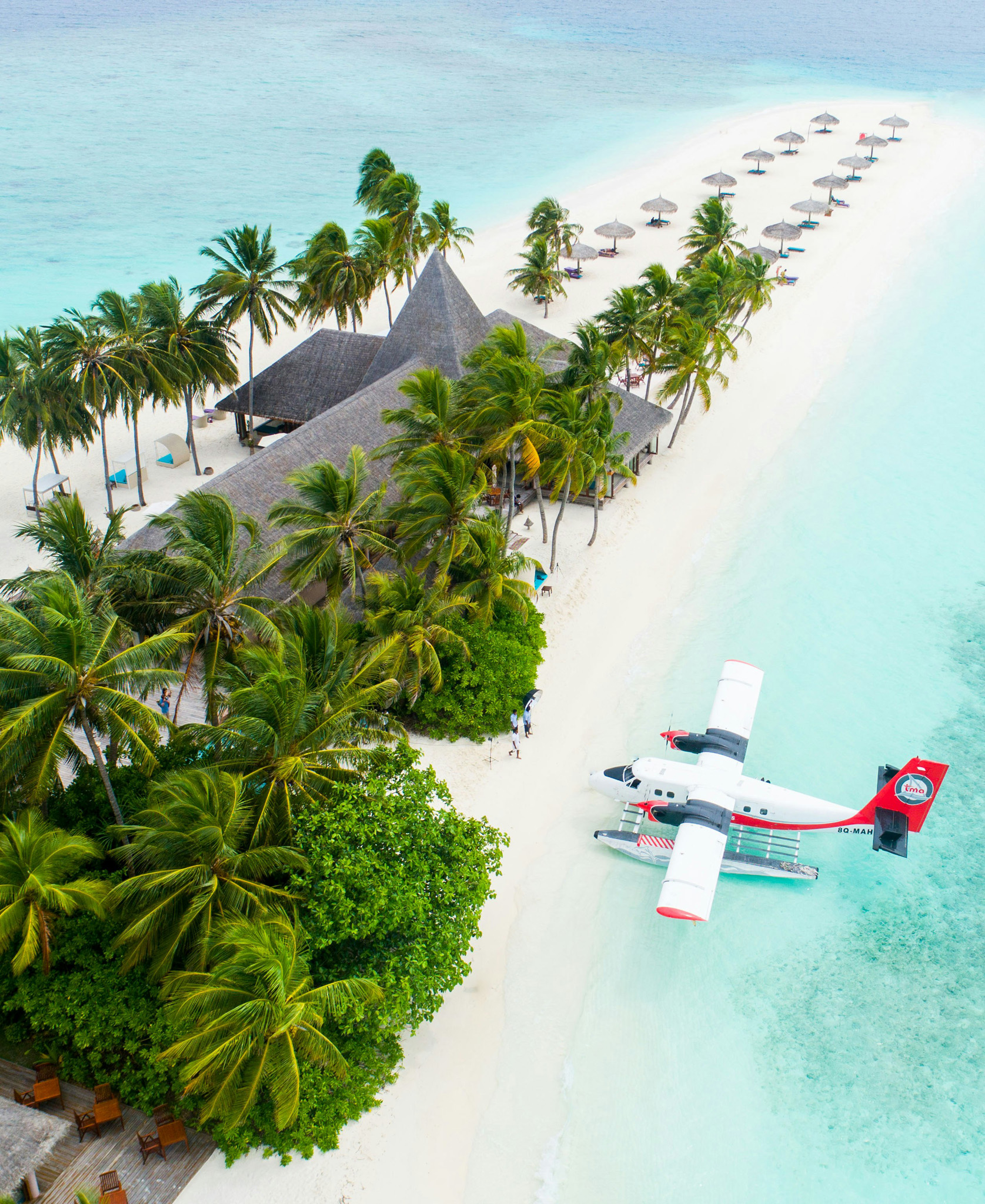
- Domestic flights and seaplanes connect the airport to distant resorts and atolls
- Speedboat transfers are standard for resorts within reach of Malé
- Resorts arrange all transfers, usually pre-booked with your stay
- Public ferries link inhabited islands affordably but run on slow, limited schedules
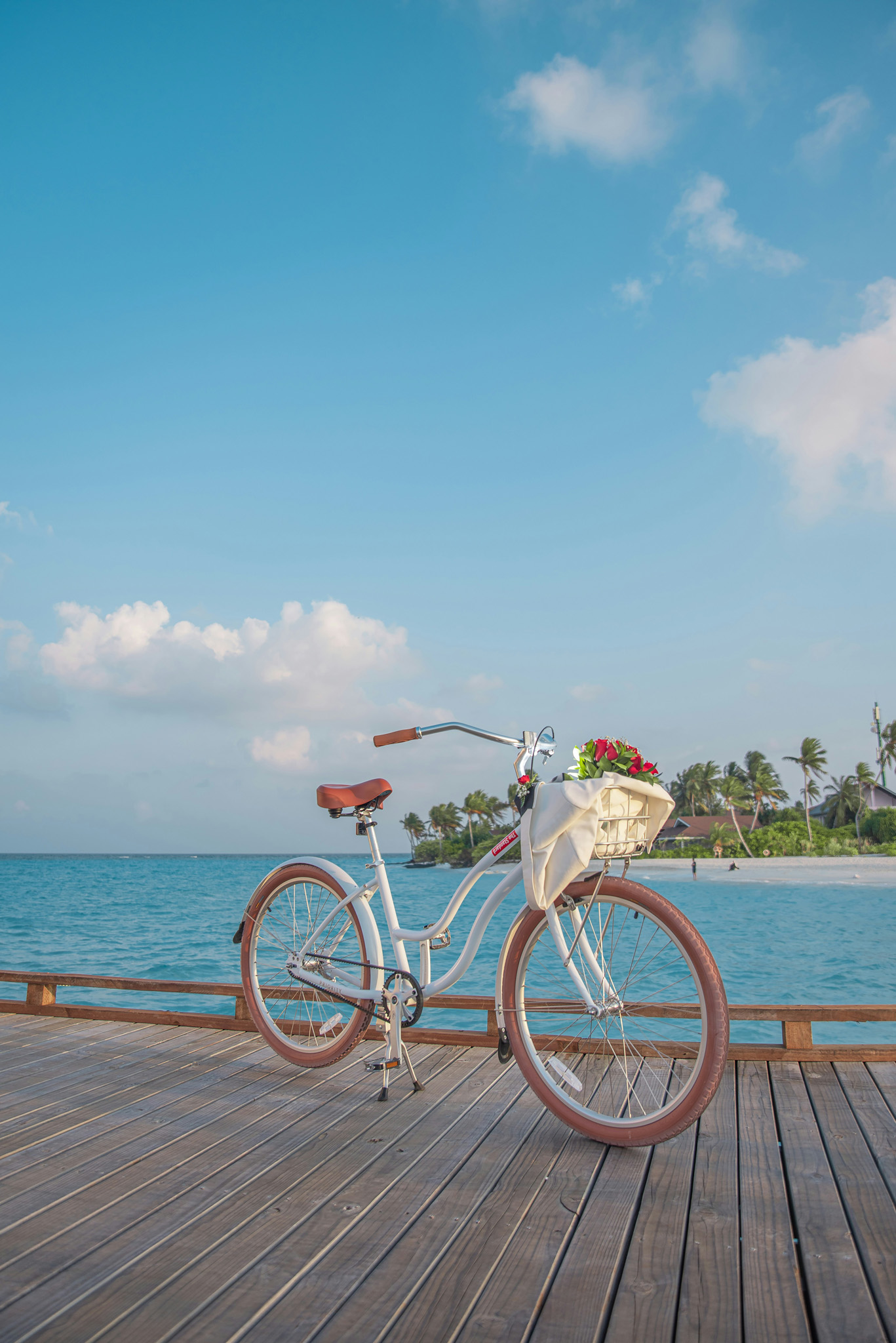
- On individual islands, walking and cycling are the main ways to get around
- Within Malé, taxis are inexpensive and the city is compact enough to explore on foot
✈️ Airports
Velana International Airport (MLE)
- The main international gateway near Malé, handling almost all arrivals and the hub for onward transfers.
Gan International Airport (GAN)
- The southern gateway in Addu Atoll, serving resorts and travellers in the far south of the country.
Maafaru International Airport (NMF)
- A northern airport in Noonu Atoll, offering convenient access to resorts in the northern atolls.
🗣️ Language
The official language of the Maldives is Dhivehi, an Indo-Aryan language written in the Thaana script, which reads from right to left. English is very widely spoken in the tourism industry, in Malé, and on most inhabited islands, so travellers will have little trouble communicating. Learning a few words of Dhivehi is always warmly received by locals.
Common Phrases
- Hello – ހެލޯ (haloa)
- Goodbye – ދަނީ (dhanee)
- Please – އޯގާތެރިކަމާއެކު (oagaatherikamaaeku)
- Thank you – ޝުކުރިއްޔާ (shukuriyyaa)
- Yes – އާނ (aan)
- No – ނޫން (noon)
- Excuse me – މާފްކުރައްވާ (maafkurahvaa)
- Sorry – މާފަށް އެދެން (maafah edhen)
- Do you speak English? – އިނގިރޭސި ދައްކަންތަ؟ (ingireysi dhakkantha)
- How much? – އަގަކީ ކޮބާ؟ (agakee kobaa)
- Where is…? – ކޮބާ…؟ (kobaa)
- Help – އެހީ (ehee)
- Cheers / Good health – ހެޔޮ ސިއްހަތެއް (heyo sihhatheh)
- Water – ފެން (fen)
- Welcome – މަރުހަބާ (maruhabaa)
ℹ️ Practical Info
Electricity
- Plug types are mainly Type D and Type G, with a standard voltage of 230V.
Internet & WiFi
- WiFi is widely available at resorts and guesthouses, and mobile data coverage is good across inhabited islands and most resort areas.
Water
- Tap water is generally not recommended for drinking; resorts usually supply filtered or desalinated water, and bottled water is widely available.
Travel Insurance
- Comprehensive personal travel insurance is strongly recommended, with cover for medical care, emergency evacuation by sea or air, and water-based activities such as diving and snorkelling.
Connectivity SIM / eSIM
- Local SIM cards from providers such as Dhiraagu and Ooredoo can be purchased at the airport and in Malé.
- Using an eSIM is our recommended choice while travelling anywhere in the world, and our recommended provider is Holafly. For more information on eSIMs, check out this blog.

❤️ Why Visit Maldives
The Maldives is one of the few places on earth that genuinely matches the postcard. The colour of the water, the softness of the sand, and the quiet of an island morning are exactly as imagined, and somehow still surprising in person. It is a destination that strips away the noise of everyday life and leaves only the essentials: sun, sea, and time.
What makes the Maldives memorable is the way it works on two levels. There is the indulgent side – the overwater villa, the private dinner on a sandbank, the spa treatment to the sound of lapping waves. And there is the wild side – the reef alive with colour just metres from shore, the manta rays gliding overhead, the whale shark emerging from the blue. Few places let you swing so easily between total relaxation and pure wonder.
Whether you come to celebrate, to disconnect, or simply to float in the clearest water you have ever seen, the Maldives delivers a kind of peace that stays with you long after you leave. It is paradise, and it is waiting.