China – Destination Guide
China is a country of staggering scale and contrast, where ancient dynasties and hyper-modern cities exist side by side. Within its borders you will find soaring Himalayan peaks, terraced rice fields, vast deserts, subtropical forests, and a coastline that runs for thousands of kilometres. Few destinations on Earth offer such a sweeping range of landscapes, cultures, and experiences in a single trip.
The cultural depth here is almost overwhelming. China gave the world the Great Wall, the Terracotta Army, classical gardens, and a cuisine so regional and varied that the food of one province bears little resemblance to the next. Yet alongside the heritage sits a country racing into the future, with bullet trains gliding between megacities, cashless payments everywhere, and skylines that rewrite themselves every few years.
Travelling in China rewards the curious. It asks a little patience and a willingness to step outside the familiar, but in return it offers a journey through one of the world’s oldest continuous civilisations and one of its most dynamic modern societies.

🗺️ Regions to Explore
Beijing and the North
The political and cultural heart of the country, home to imperial grandeur and the most iconic stretches of the Great Wall.
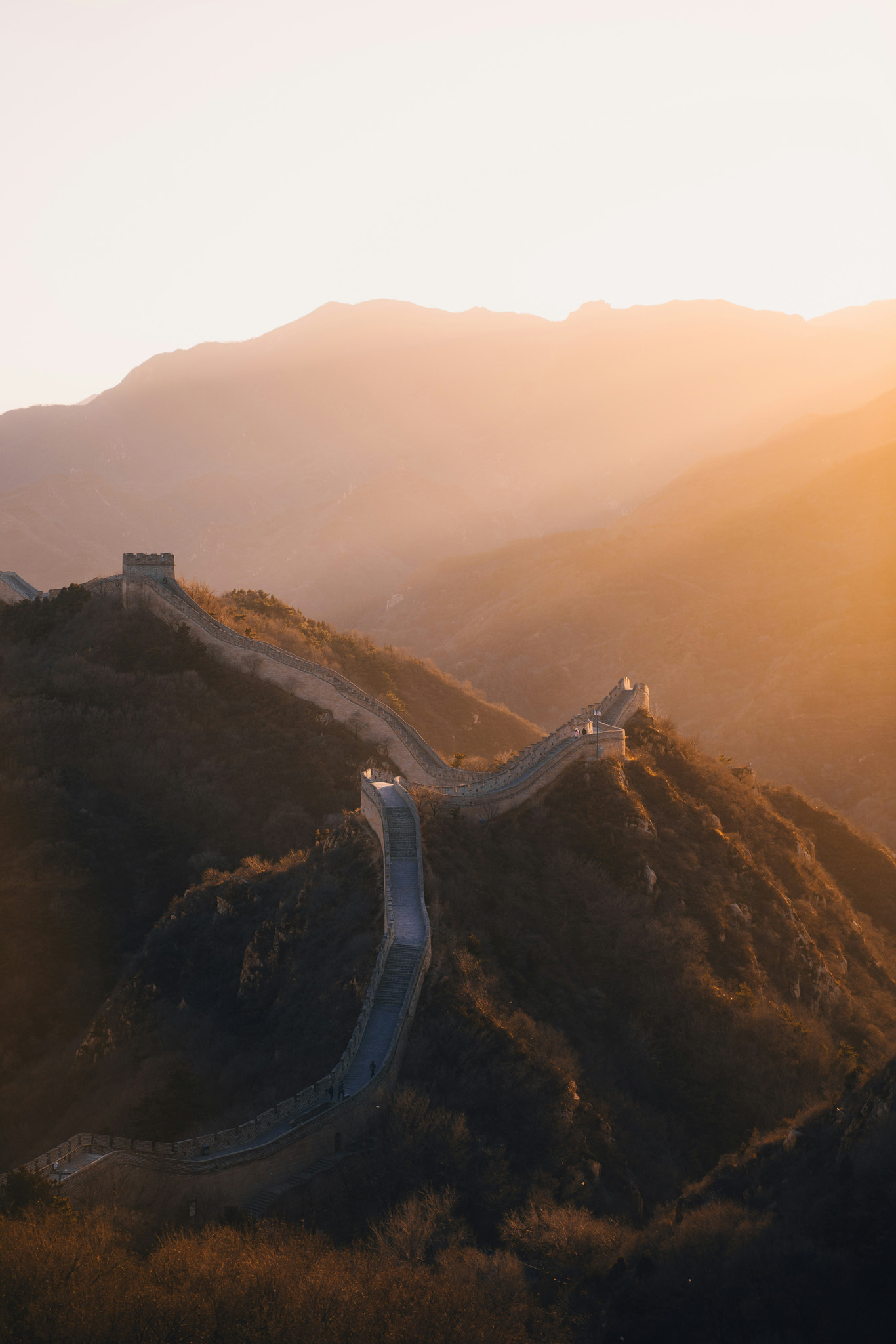
- Walking the Great Wall at Mutianyu or Jinshanling
- Exploring the Forbidden City and Tiananmen Square
- Wandering the historic hutong alleyways
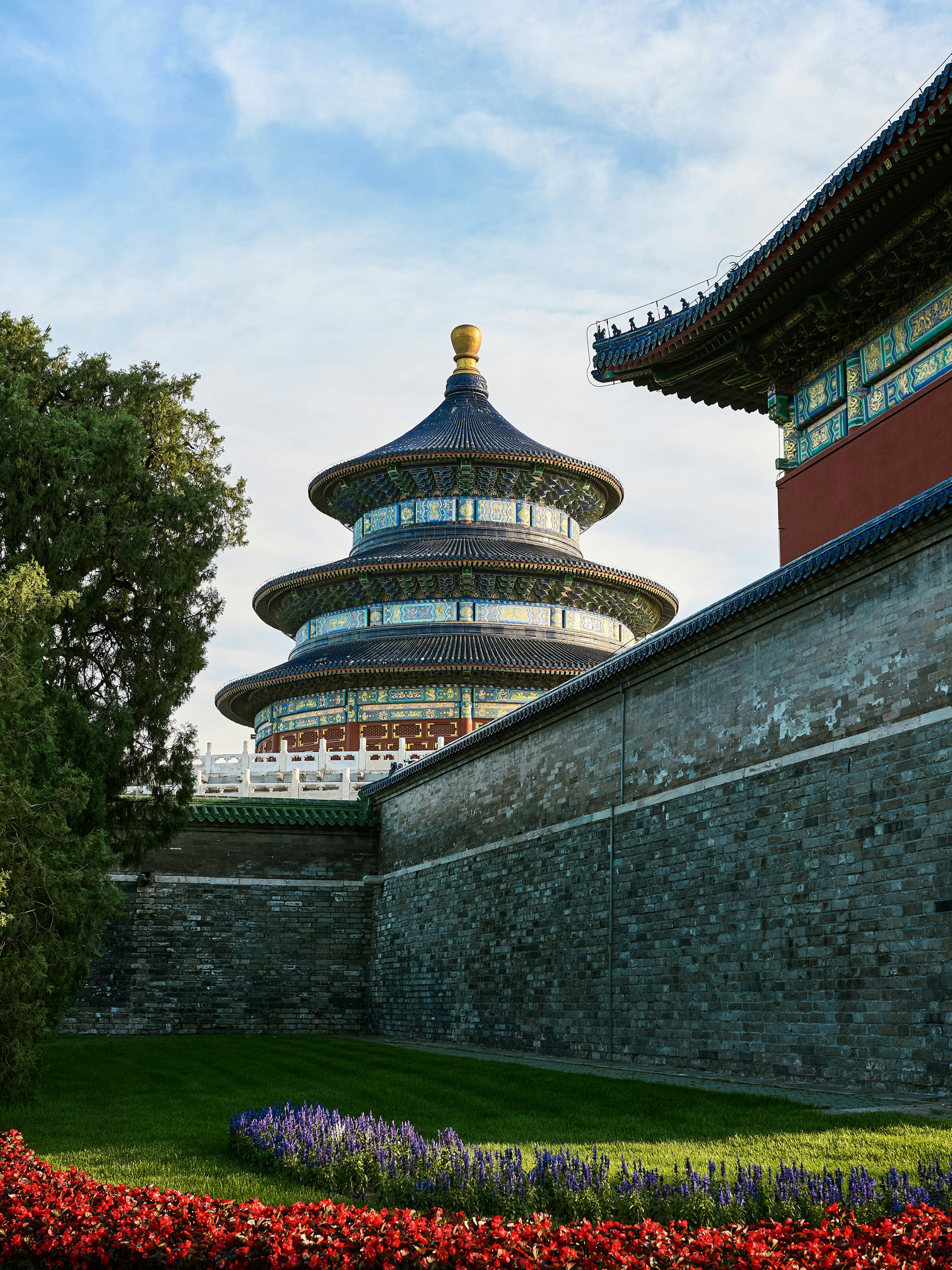
- Visiting the Temple of Heaven at dawn
- Taking a day trip to the imperial Summer Palace
Shanghai and the East
China’s most cosmopolitan region, blending colonial-era architecture, water towns, and cutting-edge urban life.
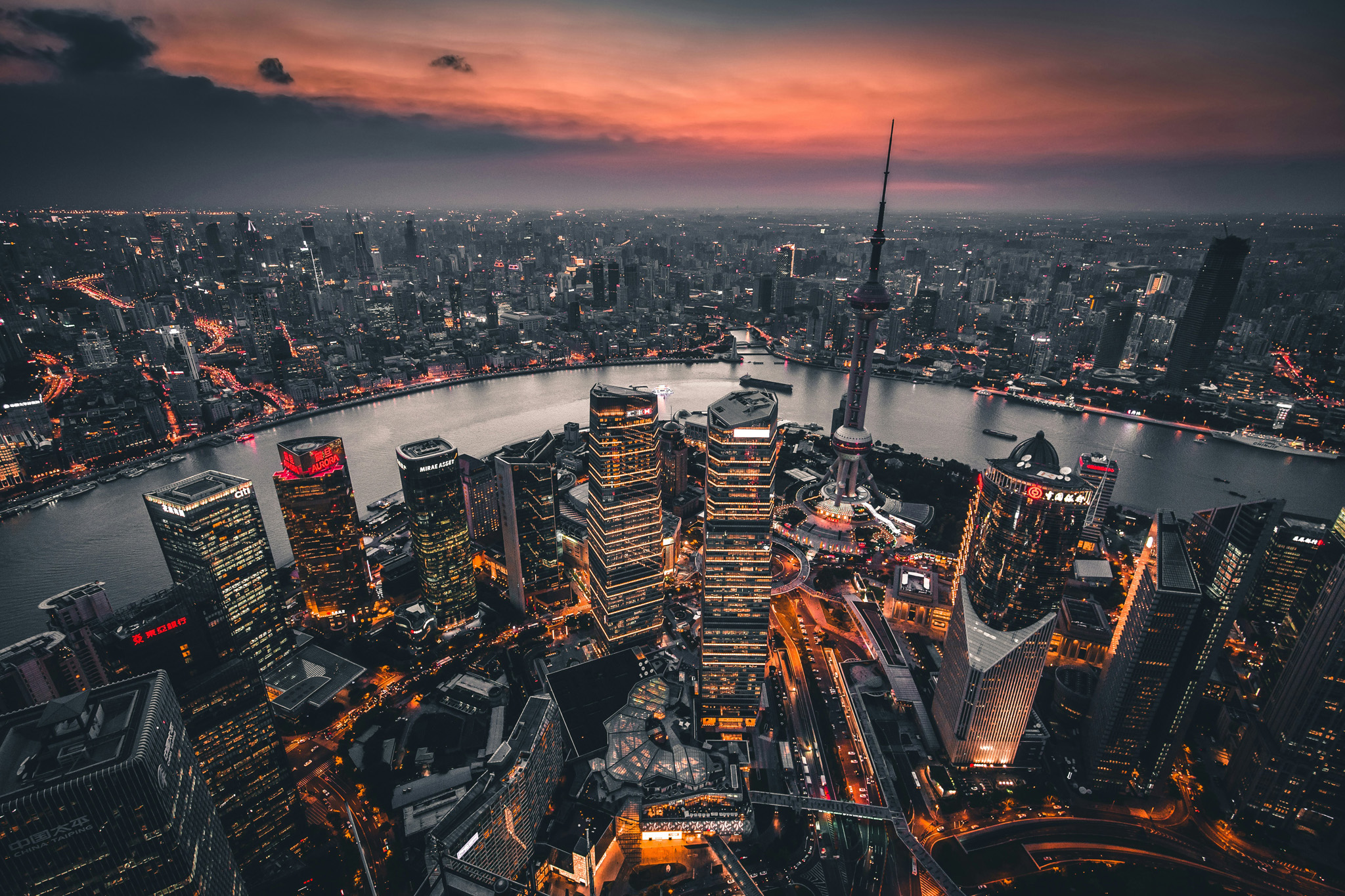
- Strolling the Bund along the Huangpu River
- Exploring the classical gardens of Suzhou
- Visiting the canal towns of Zhujiajiao and Wuzhen
- Climbing Huangshan, the Yellow Mountains
- Sampling the refined cuisine of Hangzhou
Xi’an and the Centre
The cradle of Chinese civilisation, where the Silk Road began and dynasties rose and fell.
- Standing before the Terracotta Army
- Cycling the intact Xi’an city walls
- Exploring the Muslim Quarter and its food stalls
- Visiting the Big Wild Goose Pagoda
- Tracing Silk Road history in regional museums
The Southwest
A region of dramatic karst landscapes, ethnic minority cultures, and some of the country’s most photographed scenery.
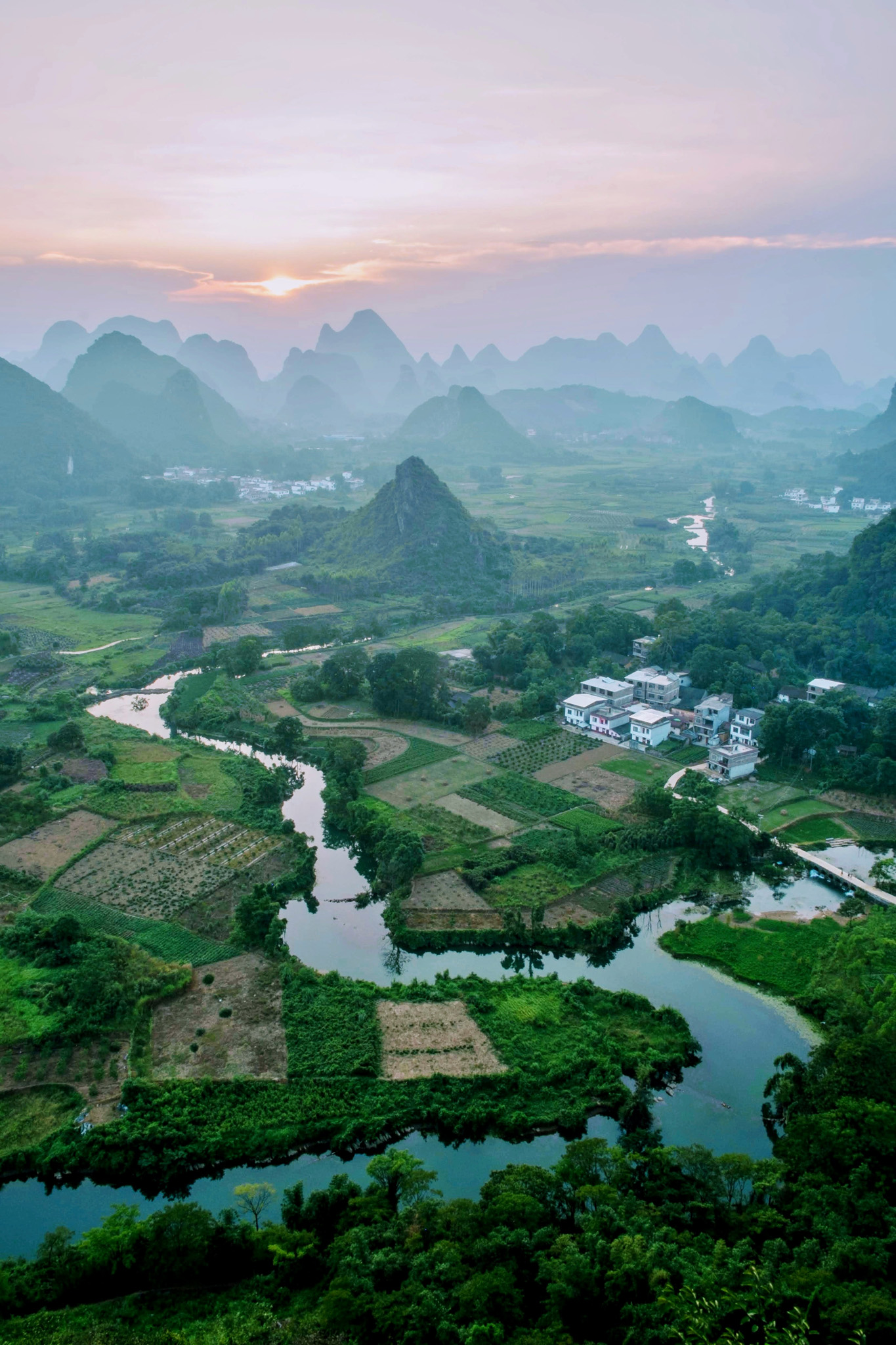
- Cruising the Li River between Guilin and Yangshuo
- Trekking the Tiger Leaping Gorge in Yunnan
- Exploring the old towns of Lijiang and Dali
- Visiting the giant pandas of Chengdu
- Hiking the towering sandstone pillars of Zhangjiajie
Tibet and the West
A high-altitude frontier of monasteries, sacred peaks, and vast open plateau, requiring special permits to visit.
- Visiting the Potala Palace in Lhasa
- Joining pilgrims at the Jokhang Temple
- Travelling the dramatic Qinghai-Tibet railway
- Viewing the turquoise waters of high-altitude lakes
- Experiencing Tibetan Buddhist culture and ritual
Hong Kong and the South
A subtropical region where dense, vertical cities meet beaches, islands, and Cantonese culture.
- Riding the Star Ferry across Victoria Harbour
- Exploring the markets and dim sum houses of Hong Kong
- Visiting the gardens and casinos of Macau
- Discovering the modern energy of Shenzhen
- Relaxing on the islands of the Pearl River Delta

🎒 Things To Do
- Walk multiple sections of the Great Wall, from restored to wild
- Ride the high-speed rail network between major cities
- Explore imperial palaces, temples, and classical gardens
- Cruise the karst scenery of the Li River
- See giant pandas at a conservation centre in Chengdu
- Trek the rice terraces and gorges of Yunnan and Guangxi
- Stand among the thousands of figures of the Terracotta Army
- Sample regional cuisines from Sichuan heat to Cantonese delicacy
- Wander night markets for street food and local life
- Take a slow boat through ancient canal water towns
🍽️ Food & Drink
Chinese cuisine is not one tradition but many, with each region developing its own distinct flavours, ingredients, and techniques. From the fiery heat of Sichuan to the delicate steaming of Cantonese cooking, eating your way across China is a journey in itself.
- Peking duck, lacquered and carved, served with pancakes
- Sichuan hotpot, simmered with chillies and numbing peppercorns
- Dim sum, the small steamed and fried plates of the Cantonese south
- Xiaolongbao, the soup-filled dumplings of Shanghai
- Hand-pulled noodles and lamb skewers from the northwest
- Tea, central to daily life, from green to oolong to pu-erh

🌦️ Weather
China spans an enormous range of latitudes and altitudes, so climate varies dramatically from one region to another. There is no single national season, and conditions depend heavily on where you travel.
- The north has cold, dry winters and hot summers
- The south is subtropical, humid, and warm for much of the year
- Central regions see hot, humid summers and cool winters
- The Tibetan plateau is cold year-round with intense sun
- Spring and autumn are generally the most comfortable nationwide
- Summer brings the rainy season and occasional typhoons in the south
📅 Best Time To Visit
April – May and September – October (Peak Season)
- Mild, comfortable temperatures across most of the country
- Clear skies and pleasant conditions for sightseeing
- Expect larger crowds and higher prices at major sites
June – August (Summer)
- Hot and humid in most regions, with monsoon rains
- The best window for visiting Tibet and high-altitude areas
- Domestic travel peaks, so book transport well ahead
November – March (Off Season)
- Cold across the north, milder in the subtropical south
- Fewer crowds and lower prices at many attractions
- Lunar New Year sees a huge domestic travel surge
🎒 Packing List
- Lightweight layers for warm days and cool evenings
- A warm jacket or insulated coat for northern or high-altitude travel
- Comfortable walking shoes for long days of sightseeing
- A compact rain jacket or travel umbrella
- Sun protection including hat, sunglasses, and high-SPF sunscreen
- Insect repellent for southern and rural regions
- A universal power adapter for Chinese sockets
- A basic medical kit with any personal medications
- Electrolyte sachets for hot, humid conditions
- A reusable water bottle, ideally with a filter
- A VPN installed before arrival for familiar apps and websites
- A passport pouch and printed copies of key documents

🛂 Visas & Entry Requirements
China has significantly expanded visa-free access in recent years, though requirements still depend heavily on your nationality and itinerary.
- Citizens of around 45 countries can enter visa-free for up to 30 days for tourism, business, family visits, or transit, under a trial policy currently extended through 31 December 2026
- A separate 240-hour (10-day) visa-free transit policy applies to citizens of 55 countries, valid only when travelling onward to a third country and entering through designated ports
- Travellers not covered by these schemes must apply for a tourist visa in advance through an official Chinese visa centre
- Passports should generally be valid for at least six months beyond your date of entry, with blank pages available
- Tibet requires a separate Tibet Travel Permit and an organised tour, as independent travel there is not permitted
- Official information: https://www.visaforchina.cn
💰 Money
- The currency is the Chinese yuan renminbi (CNY), often written as ¥ or RMB
- China is largely cashless, with mobile payment apps used almost everywhere
- Visitors can link international cards to Alipay or WeChat Pay for daily spending
- Cash is still useful in rural areas and as a backup, though increasingly less accepted
- ATMs are widely available in cities, with Bank of China among the most reliable for foreign cards
- Tipping is not traditional in China and is generally not expected in restaurants or taxis
💸 Hotel & Tourist Taxes
China does not levy a national tourist or accommodation tax in the way many other countries do, so travellers are unlikely to encounter the city taxes common in Europe.
- There is no general per-night tourist tax added to hotel stays
- Hotel room rates may include a small service charge, typically shown in the quoted price
- Many major attractions, parks, and heritage sites charge separate entrance fees, sometimes substantial
- Scenic areas may also charge for internal shuttle buses or cable cars on top of entry fees
- Budget for these site-by-site fees separately, as they can add up across a longer trip
🌈 LGBTQIA+ Travellers
China presents a complex picture for LGBTQIA+ travellers, with legality but limited legal protections and varying social attitudes.
- Same-sex sexual activity is legal, but same-sex marriage and civil partnerships are not recognised
- There are no nationwide anti-discrimination laws covering sexual orientation or gender identity
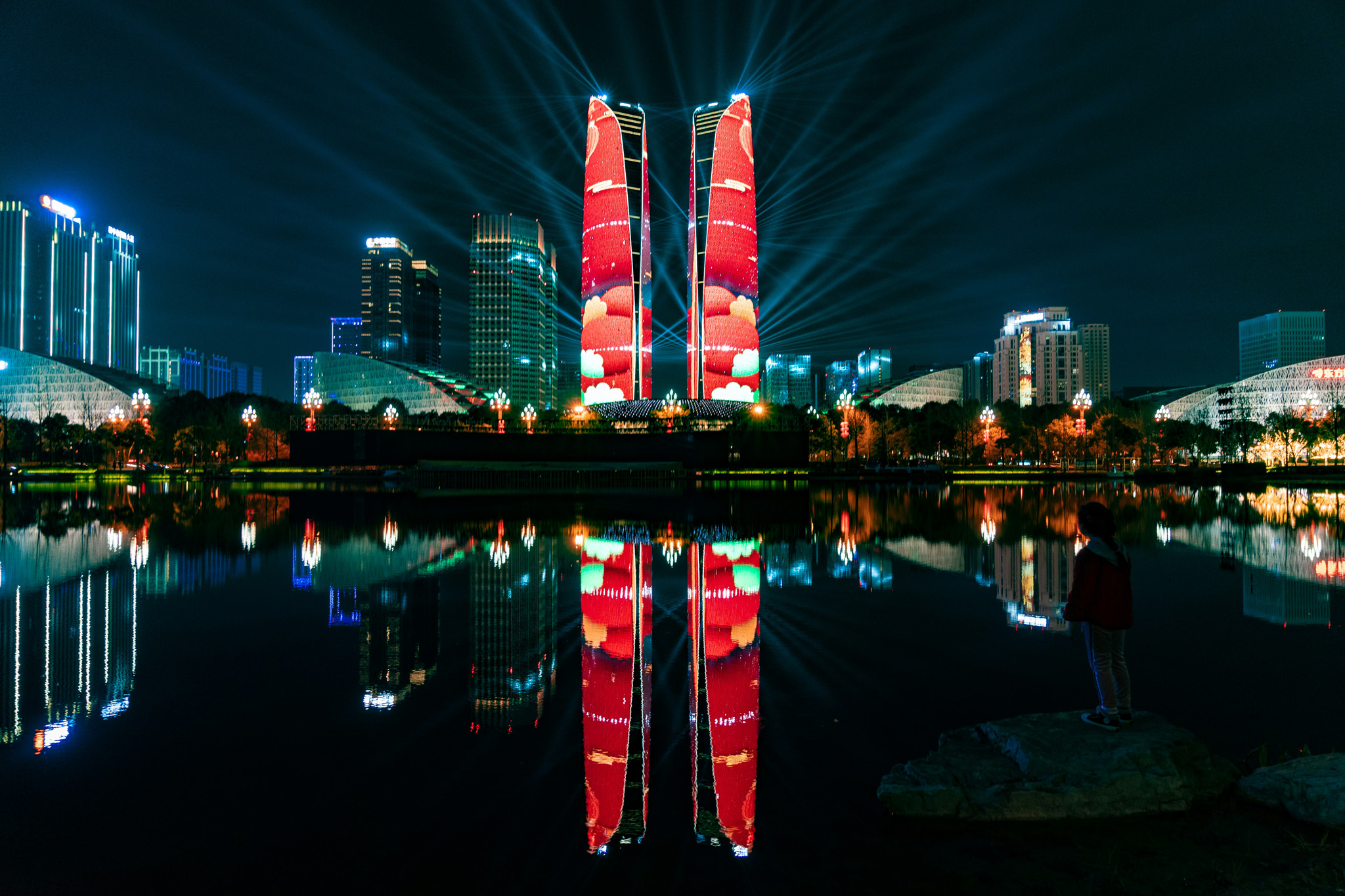
- Major cities such as Shanghai and Chengdu have visible, if discreet, queer scenes and venues
- Attitudes are generally more conservative in rural areas and among older generations
- Public displays of affection are uncommon for all couples, so discretion is widely practised
⚠️ Traveller Safety
China is generally a very safe destination for travellers, with low rates of violent crime against visitors.
- Petty crime such as pickpocketing can occur in crowded tourist areas and transport hubs
- Scams targeting tourists, including teahouse and art gallery scams, do happen in major cities
- Traffic can be chaotic, so take care as a pedestrian and use seatbelts where available
- Cities are generally safe to walk in at night, though normal precautions still apply
- Emergency number is 110
💉 Vaccinations & Health
No vaccinations are mandatory for most travellers entering China, but some are recommended depending on your itinerary.
- Routine vaccinations should be up to date, including measles, mumps, rubella, and tetanus
- Hepatitis A and typhoid are commonly recommended for most travellers
- Hepatitis B and Japanese encephalitis may be advised for longer or rural trips
- Malaria risk is low and limited to certain rural southern areas
- Official information: https://wwwnc.cdc.gov/travel/destinations/traveler/none/china
🚗 Getting Around
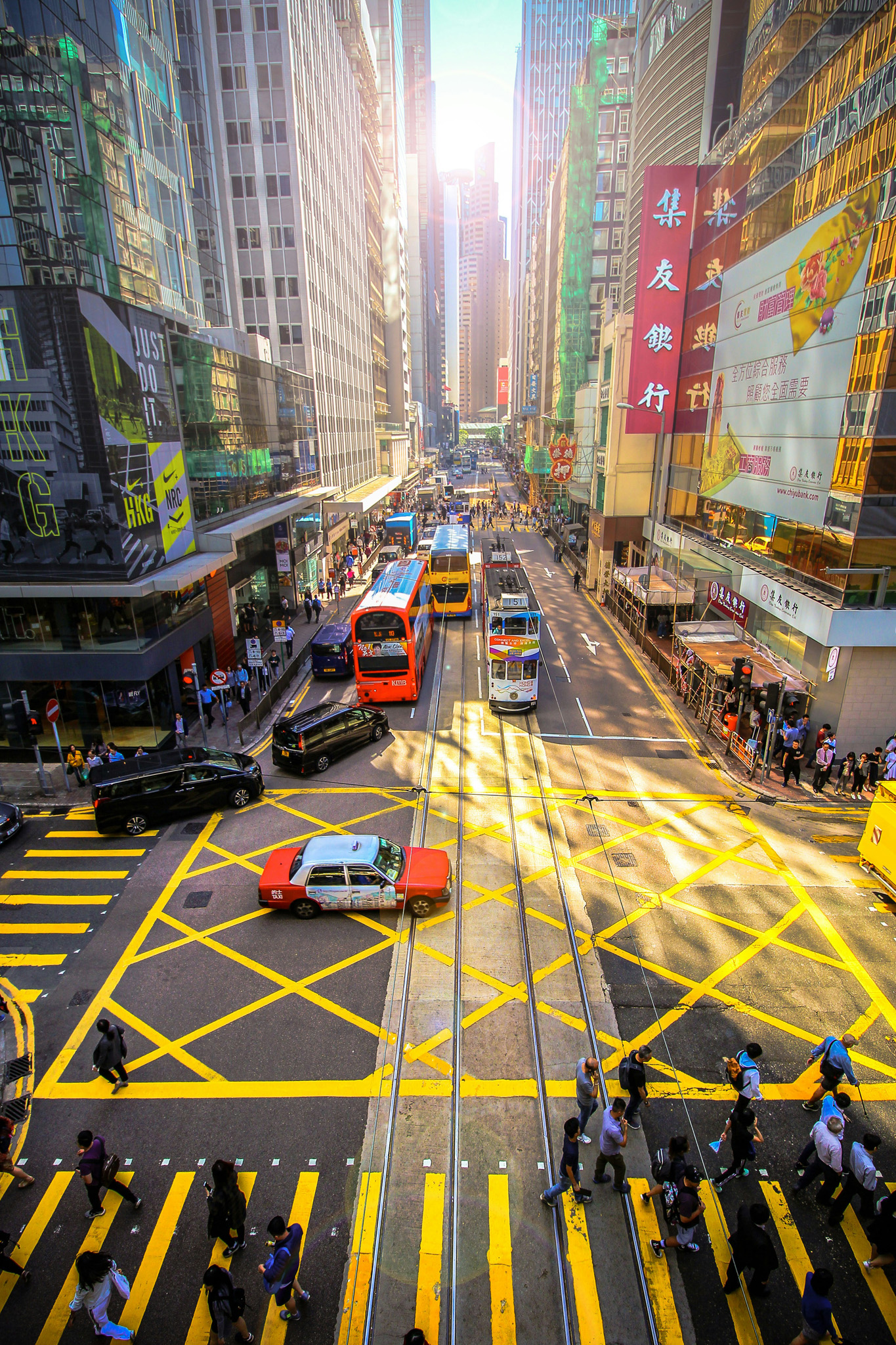
- The high-speed rail network is extensive, fast, and the best way to travel between cities
- Domestic flights connect more distant regions and are useful for very long distances
- Major cities have modern, inexpensive metro systems that are easy to navigate
- Ride-hailing apps such as Didi are widely used and convenient in urban areas
- Long-distance buses reach areas not served by rail, though journeys can be slow
- Self-driving is not practical for most visitors, as foreign licences are not valid for driving
✈️ Airports
Beijing Capital International Airport (PEK)
- One of the busiest airports in the world and a major gateway to northern China.
Shanghai Pudong International Airport (PVG)
- The principal international hub for eastern China and the Yangtze River Delta.
Guangzhou Baiyun International Airport (CAN)
- A key gateway to southern China and a major hub for regional connections.
Chengdu Tianfu International Airport (TFU)
- The main entry point for southwestern China, Sichuan, and onward travel toward Tibet.
🗣️ Language
The official language is Standard Mandarin Chinese, written in simplified Chinese characters across the mainland. Many regions also have their own languages and dialects, including Cantonese in the south and Hong Kong, as well as numerous minority languages. English proficiency is limited outside major cities and tourist sites, so a translation app and a few key phrases will go a long way.
Common Phrases
- Hello – 你好 (nee-how)
- Goodbye – 再见 (dzai-jyen)
- Please – 请 (cheeng)
- Thank you – 谢谢 (syeh-syeh)
- Yes – 是 (shir)
- No – 不是 (boo-shir)
- Excuse me – 打扰一下 (dah-rao yee-syah)
- Sorry – 对不起 (dway-boo-chee)
- Do you speak English? – 你会说英语吗?(nee hway shwor ing-yoo mah)
- How much is it? – 多少钱?(dwor-shao chyen)
- Where is it? – 在哪里?(dzai nah-lee)
- Help – 救命 (jyoh-ming)
- Cheers – 干杯 (gan-bay)
- I don’t understand – 我不明白 (wor boo ming-bai)
- Have you eaten? – 你吃了吗?(nee chir-luh mah)
ℹ️ Practical Info
Electricity
- China uses 220V, with Type A, Type C, and Type I plug sockets commonly found
Internet & WiFi
- WiFi is widely available, but many international apps and websites are blocked, so install a reputable VPN before arrival
Water
- Tap water is not safe to drink; stick to bottled or properly boiled and filtered water
Travel Insurance
- Comprehensive personal travel insurance is strongly recommended, with solid medical and evacuation cover, as healthcare for foreigners often requires upfront payment
Connectivity SIM / eSIM
- Local SIM cards are available but require passport registration and may not bypass internet restrictions
- Using an eSIM is our recommended choice while travelling anywhere in the world, and our recommended provider is Holafly. For more information on eSIMs, check out this blog.

❤️ Why Visit China
China is a destination that resists easy summary. It is a place where you can stand on a wall built more than two thousand years ago in the morning and ride a train at three hundred kilometres an hour in the afternoon. The sheer range of what the country holds, from desert and plateau to subtropical coast, means no two trips ever feel quite the same.
What stays with most travellers is the depth. This is one of the world’s oldest continuous civilisations, and that history is alive in its temples, its food, its gardens, and its everyday rituals. At the same time, modern China is restless and inventive, and watching the old and the new coexist is part of the fascination.
For travellers willing to embrace something genuinely different, China offers a journey unlike anywhere else. It is vast, complex, and endlessly rewarding, and it leaves few visitors unchanged.