Egypt – Destination Guide
Egypt is a country where the past is never far from the surface. Temples rise from the desert, tombs sleep beneath the sand, and the Nile threads its way north through a landscape that has shaped human civilisation for more than five thousand years. To travel here is to walk through living history, from the colossal pyramids of Giza to the painted burial chambers of the Valley of the Kings, where the colours look as fresh as the day they were sealed.
But Egypt is far more than its monuments. It is the slow drift of a felucca at sunset, the call to prayer echoing across Cairo’s rooftops, the coral reefs glowing beneath the Red Sea, and the silence of the Western Desert at night. Markets overflow with spices, lanterns and chatter, while quiet oasis towns offer a glimpse of a gentler pace of life. The country rewards both the curious and the contemplative.
For travellers who want depth, contrast and a genuine sense of wonder, few destinations deliver like Egypt. It is ancient and alive, vast and intimate, and it leaves an impression that lingers long after the journey ends.
🗺️ Regions to Explore
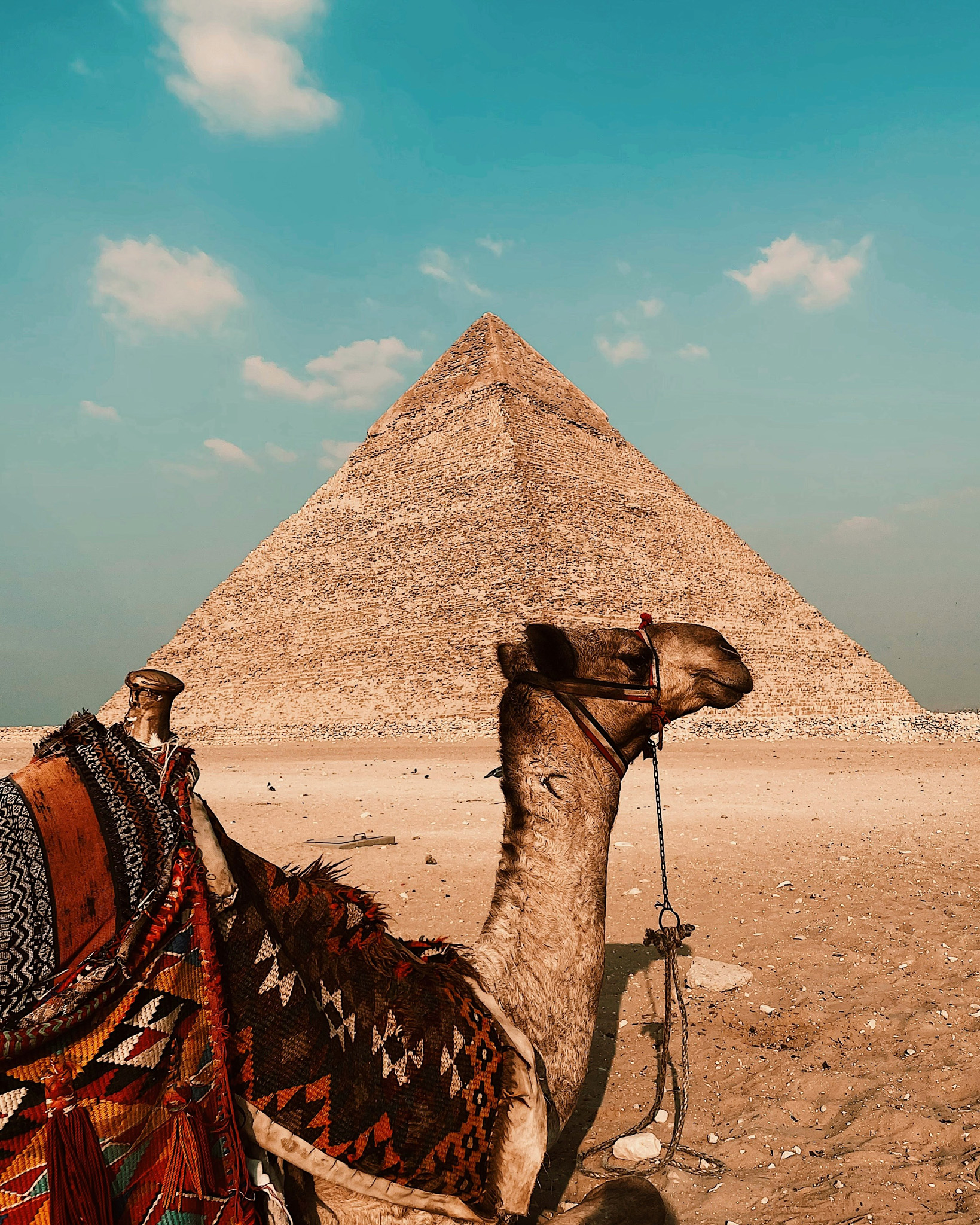
Cairo and Giza
Egypt’s sprawling capital pairs ancient monuments with the energy of a city of more than twenty million people.
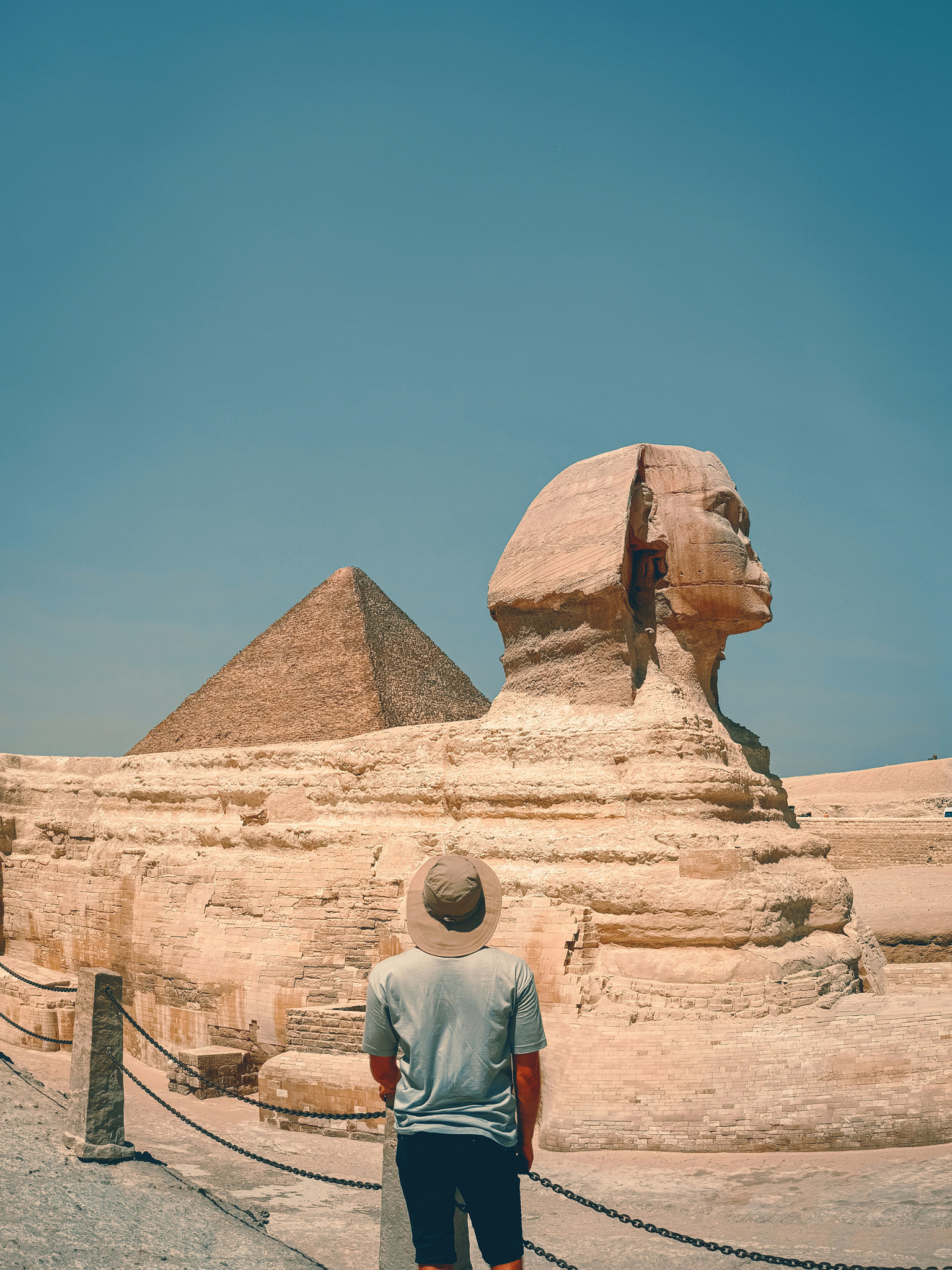
- Standing before the Great Pyramid and the Sphinx at Giza
- Exploring treasures at the Grand Egyptian Museum
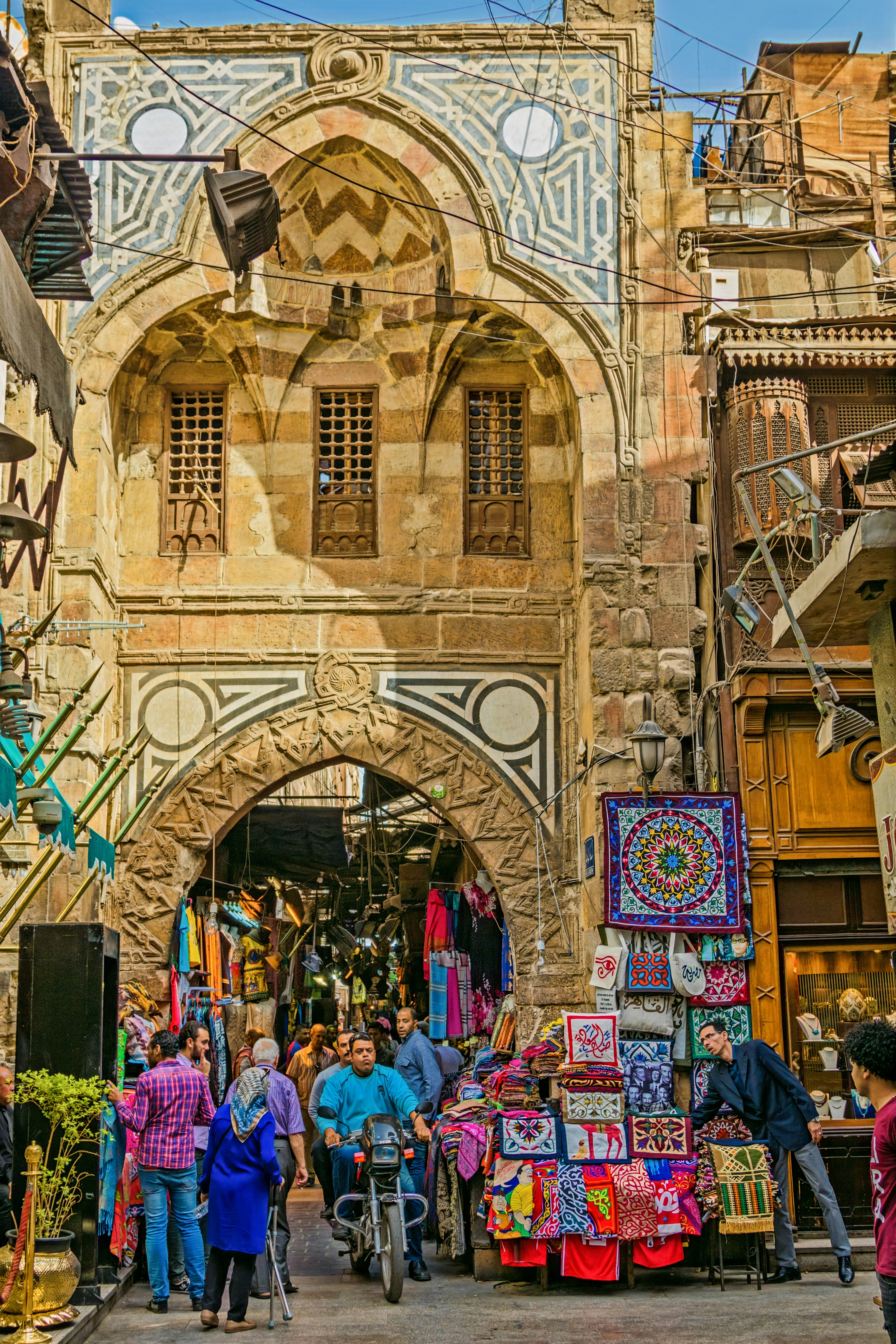
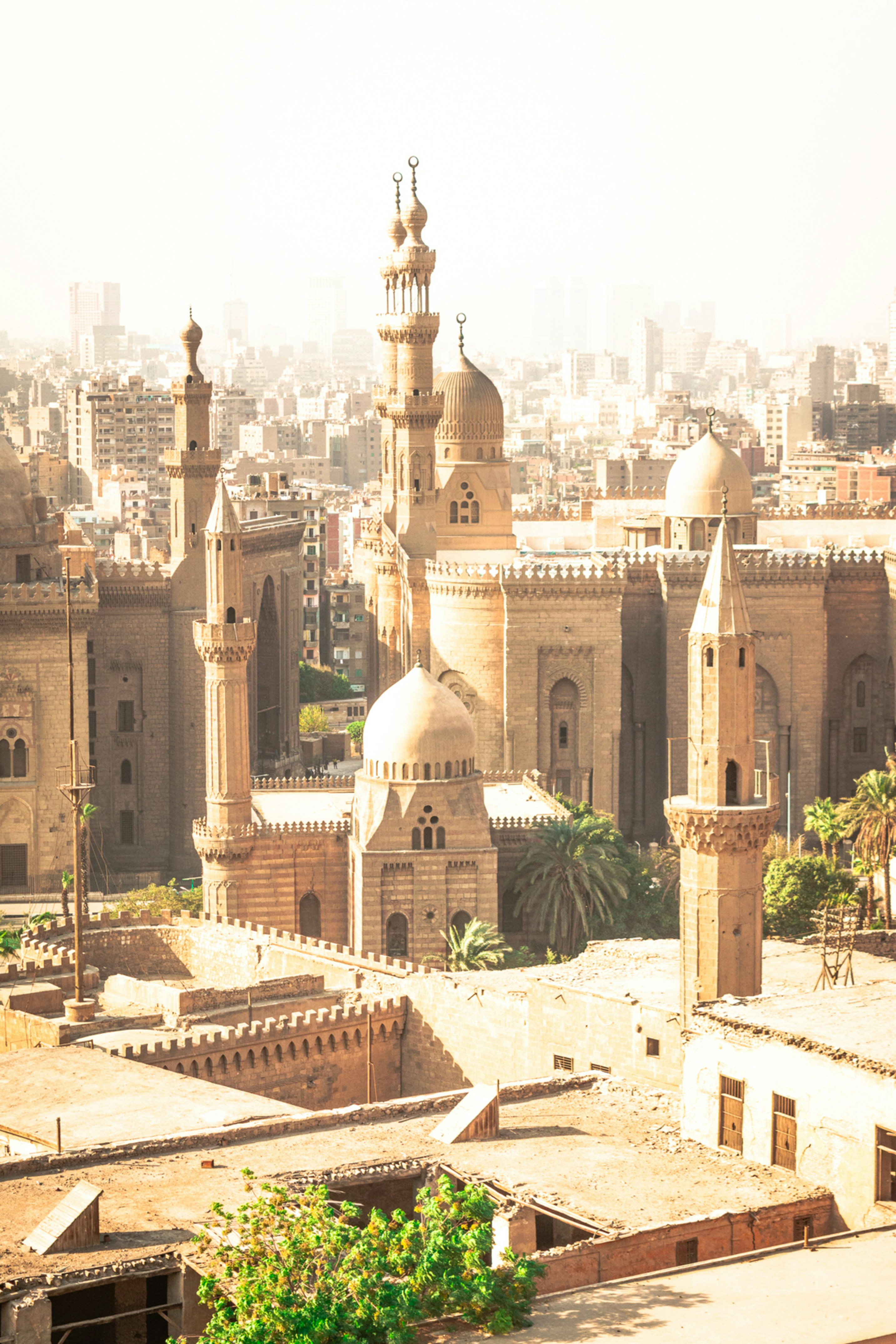
- Wandering the markets and mosques of Islamic Cairo
- Browsing the lanes of the Khan el-Khalili bazaar
- Visiting Coptic Cairo and its early Christian churches
- Day-tripping to the ancient capital of Memphis and Saqqara
Luxor
Often called the world’s greatest open-air museum, Luxor holds an extraordinary concentration of pharaonic sites.
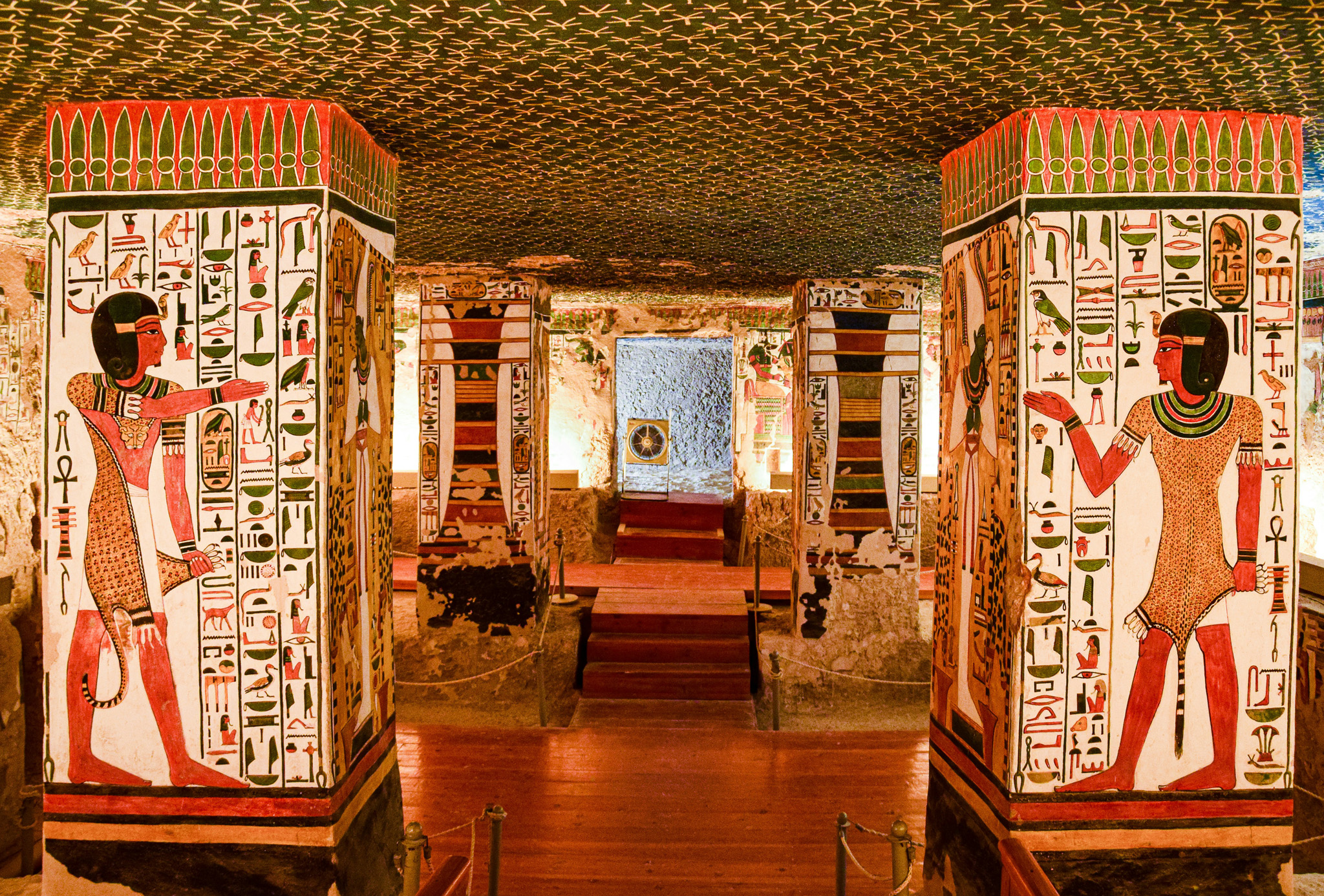
- Exploring the tombs of the Valley of the Kings
- Wandering the vast columns of Karnak Temple
- Visiting the riverside Luxor Temple, lit beautifully at night
- Seeing the terraced Temple of Hatshepsut
- Floating over the west bank in a hot air balloon at dawn
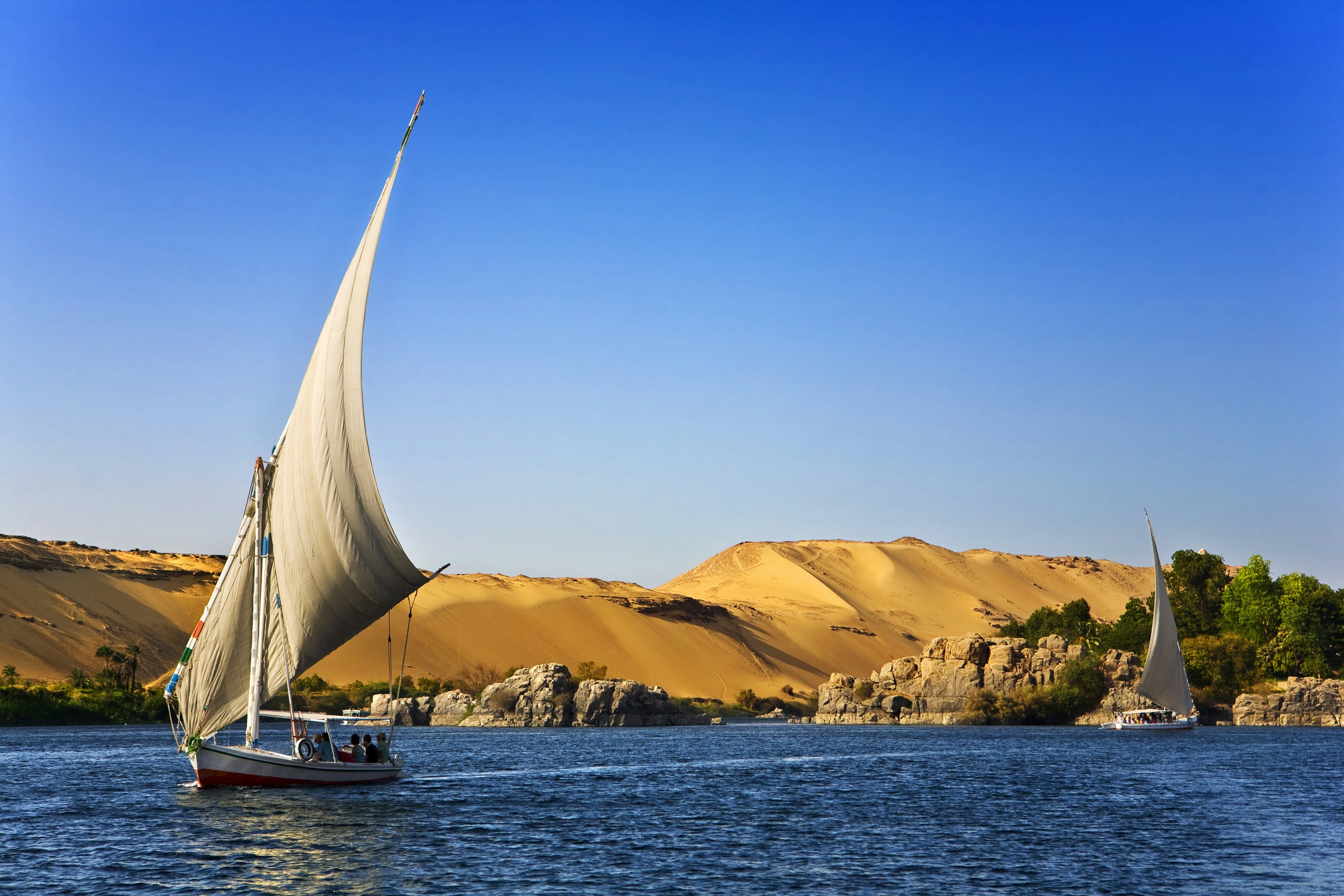
- Crossing the Nile by traditional felucca

Aswan and Abu Simbel
The relaxed southern reaches of the Nile are home to Nubian culture and some of Egypt’s most dramatic temples.
- Marvelling at the towering rock temples of Abu Simbel
- Visiting the island Temple of Philae
- Sailing among the islands and rocks of the Aswan Nile
- Exploring colourful Nubian villages
- Browsing the spice and craft stalls of the Aswan souk
- Watching the sun set from the felucca-dotted river
The Red Sea Coast
Resort towns and reef-fringed waters make this Egypt’s home of sun, sea and underwater adventure.
- Diving and snorkelling among coral reefs and shipwrecks
- Relaxing on the beaches of Hurghada and Marsa Alam
- Watersports and nightlife in lively Sharm el-Sheikh
- Day trips to the protected reefs of Ras Mohammed
- Quad biking and desert safaris into the surrounding hills
- Spotting dolphins, turtles and rays in clear warm water
Sinai Peninsula
A rugged region of desert mountains and coastal calm, layered with religious and cultural significance.
- Hiking Mount Sinai for a memorable sunrise
- Visiting the ancient Saint Catherine’s Monastery
- Unwinding in the laid-back beach town of Dahab
- Snorkelling the famous Blue Hole reef
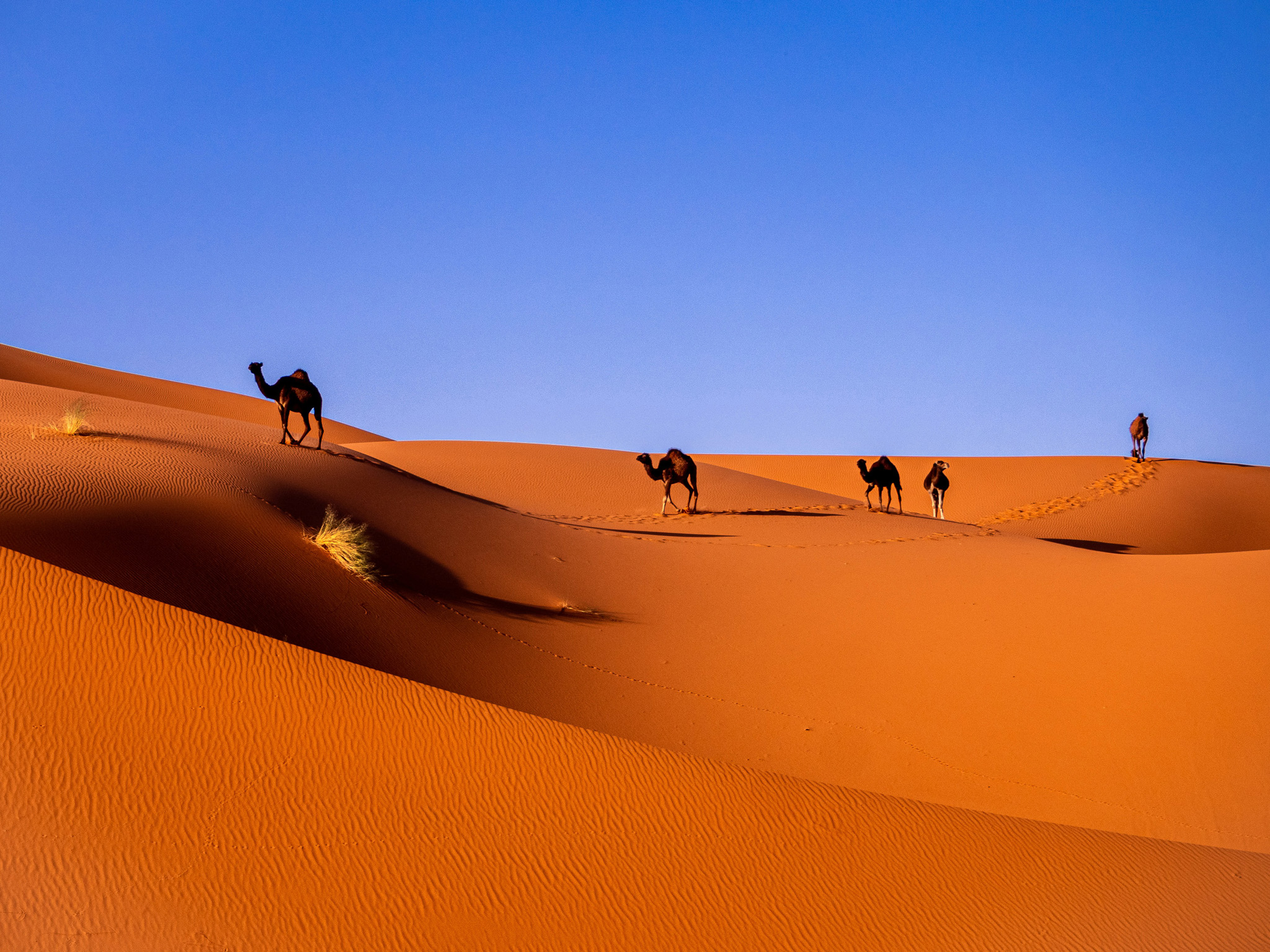
- Camel treks through dramatic desert canyons
- Quiet evenings under exceptionally clear night skies
The Western Desert and Oases
Beyond the Nile lies a surreal world of dunes, salt lakes and remote oasis towns.
- Camping among the white chalk formations of the White Desert
- Soaking in hot and cold springs at Bahariya Oasis
- Exploring the mudbrick old town of Siwa
- Spotting fossils and rock formations in the Black Desert
- Sandboarding the towering Saharan dunes
- Experiencing the deep stillness of a desert night
🎒 Things To Do
Egypt offers an unmatched mix of ancient wonders, desert landscapes and underwater adventure across a single trip.
- Stand before the Great Pyramid and Sphinx at Giza
- Explore the painted tombs of the Valley of the Kings
- Take a multi-day Nile cruise between Luxor and Aswan
- Float over Luxor’s west bank in a hot air balloon at sunrise
- Visit the rock temples of Abu Simbel
- Dive or snorkel the coral reefs of the Red Sea
- Camp overnight among the chalk formations of the White Desert
- Wander the markets, mosques and museums of Cairo
- Sail the Nile at sunset aboard a traditional felucca
- Climb Mount Sinai for a sunrise from its summit
🍽️ Food & Drink
Egyptian cuisine is hearty, comforting and built around bread, legumes, vegetables and aromatic spices. Meals are social affairs, often shared from a generous spread of small dishes, and street food is a genuine highlight rather than an afterthought.
- Koshari, the beloved national dish of rice, lentils, pasta and crispy onions
- Ful medames, slow-cooked fava beans eaten at any time of day
- Taameya, the Egyptian take on falafel made with fava beans
- Molokhia, a rich green soup served with rice or bread
- Fresh flatbread, grilled meats and mezze across casual eateries
- Sweet hibiscus tea, strong mint tea and thick Arabic coffee
🌦️ Weather
Egypt has a hot, dry desert climate with abundant sunshine year-round and very little rainfall. Conditions vary between the cooler Mediterranean coast, the intense desert interior, and the warm Red Sea resorts.
- Summer (June – September) is very hot, often above 35-40°C inland
- Winter (December – February) is mild and pleasant, around 18-24°C by day
- Desert nights can be cold, sometimes dropping near 5-10°C in winter
- Rainfall is minimal almost everywhere, with brief light showers near the coast
- Spring can bring the khamsin, hot dusty winds from the desert
- The Red Sea stays warm and swimmable through much of the year
📅 Best Time To Visit
October – April (Peak Season)
- The most comfortable time for sightseeing, with mild, sunny days
- Ideal for Cairo, Luxor, Aswan and Nile cruises
- Expect higher prices and busier sites, especially around Christmas and New Year
May and September (Shoulder Season)
- Warmer but still manageable for most travellers
- Fewer crowds at major monuments and better value on accommodation
- A good window for combining sightseeing with Red Sea beach time
June – August (Off-Season)
- Very hot inland, with desert temperatures that limit midday activity
- Best suited to Red Sea resorts where sea breezes ease the heat
- Lowest prices and quietest sites for travellers who can handle the heat
🎒 Packing List
- Lightweight, breathable clothing in natural fabrics
- Modest layers that cover shoulders and knees for temples and mosques
- A warm jacket or fleece for cool desert nights and winter mornings
- A scarf or shawl, useful for sun, dust and covering up at religious sites
- Comfortable walking shoes for uneven ancient sites
- Strong sun protection, including high-SPF sunscreen and a wide-brimmed hat
- Sunglasses and a refillable water bottle
- Insect repellent for evenings near the Nile
- A universal power adapter for Type C and F sockets
- A basic medical kit with rehydration salts and stomach-settling medication
- Electrolyte sachets to stay hydrated in the heat
- Swimwear and a quick-dry towel for the Red Sea and Nile cruises
🛂 Visas & Entry Requirements
Most visitors to Egypt require a tourist visa, which is straightforward to arrange in advance or on arrival.
- A tourist e-visa can be obtained online before travel and is typically valid for up to 3 months
- A visa on arrival is available at major airports through bank kiosks before immigration
- Passports must be valid for at least 6 months from your date of arrival and have a blank page
- Short stays at certain Sinai resorts (Sharm el-Sheikh, Dahab, Nuweiba, Taba) may qualify for a free entry stamp
- A yellow fever certificate is required if arriving from a country with transmission risk
- Official information: https://www.gov.uk/foreign-travel-advice/egypt/entry-requirements
💰 Money
- The currency is the Egyptian pound (EGP), often written as LE or £E
- Cash is essential for markets, small vendors, tips and rural areas
- Cards are accepted in hotels, larger restaurants and tourist shops
- ATMs are widely available in cities and resort towns
- Tipping, known locally as baksheesh, is customary for many small services
- Carry small denominations for tips, taxis and bargaining in souks
💸 Hotel & Tourist Taxes
Egypt applies service charges and taxes to accommodation, usually built into the quoted room rate rather than charged as a separate nightly tourist levy.
- Hotels typically add service charges and government taxes of roughly 12-25 percent to the room rate
- These charges are commonly included in the advertised price, but always confirm at booking
- Individual monuments and archaeological sites charge separate entry fees, payable on site
- Some sites charge extra for photography permits or access to specific tombs
- There is no separate per-person nightly tourist tax collected at check-in across most of the country
🌈 LGBTQIA+ Travellers
Egypt is a conservative country and LGBTQIA+ travellers should take care, particularly with public behaviour.
- Same-sex relationships are not legally recognised and social attitudes are largely conservative
- While not explicitly criminalised by name, other laws have been used to prosecute LGBTQIA+ people
- Public displays of affection are best avoided by all couples, regardless of orientation
- Discretion is advised, especially outside international hotels and resort areas
- Dating apps may be monitored, so caution is recommended when using them in-country
⚠️ Traveller Safety
Egypt is generally safe in its main tourist areas, though sensible precautions and awareness are important.
- Petty crime such as pickpocketing and scams can occur in busy markets and tourist sites
- Some border and desert regions carry travel advisories, so check official guidance before travel
- Use licensed guides and reputable operators for desert trips and remote excursions
- Take care crossing roads and use registered taxis or ride-hailing apps after dark
- Emergency number is 123
💉 Vaccinations & Health
Travellers should be up to date on routine vaccinations and consult a health professional before departure.
- A yellow fever certificate is required if arriving from a country with transmission risk
- Routine vaccinations such as MMR, diphtheria, tetanus and polio should be current
- Hepatitis A and typhoid are commonly recommended for most travellers
- Stomach upsets are common, so drink bottled water and be cautious with raw foods
- Egypt is now certified malaria-free, though bite avoidance is still advised against other insect-borne illnesses
- Official information: https://www.who.int/countries/egy

🚗 Getting Around
- Domestic flights connect Cairo, Luxor, Aswan and Red Sea resorts quickly and affordably
- Trains run along the Nile corridor, with sleeper services between Cairo and Aswan
- Nile cruises are a scenic and popular way to travel between Luxor and Aswan
- Ride-hailing apps such as Uber and Careem operate reliably in major cities
- Private drivers and guided transfers are a comfortable option for sightseeing
- Local taxis are widely available, though agreeing a fare in advance is wise
✈️ Airports
Cairo International Airport (CAI)
- The country’s largest and busiest gateway, handling most long-haul international arrivals
Hurghada International Airport (HRG)
- The main entry point for the central Red Sea coast and its resort towns
Sharm el-Sheikh International Airport (SSH)
- Serves the South Sinai resorts and is popular with beach and diving travellers
Luxor International Airport (LXR)
- A convenient arrival point for travellers focused on Upper Egypt’s ancient sites
🗣️ Language
The official language of Egypt is Arabic, with Egyptians speaking a distinctive local dialect known as Egyptian Arabic. English is widely understood in hotels, tourist sites and resort areas, and many guides and younger Egyptians speak it well, while French and German are also spoken in some tourism settings. A few words of Arabic are always warmly received and can make everyday interactions friendlier.
Common Phrases
- Hello – مرحبا (marhaba)
- Goodbye – مع السلامة (maa salama)
- Please – من فضلك (min fadlak)
- Thank you – شكرا (shukran)
- Yes – أيوة (aywa)
- No – لا (laa)
- Excuse me – لو سمحت (law samaht)
- Sorry – آسف (aasif)
- Do you speak English? – بتتكلم إنجليزي؟ (bititkallim ingleezi?)
- How much? – بكام؟ (bikam?)
- Where is…? – فين…؟ (fein…?)
- Help – النجدة (an-najda)
- Cheers – في صحتك (fi sahtak)
- Water – مياه (mayya)
- God willing – إن شاء الله (insha’allah)
ℹ️ Practical Info
Electricity
- Egypt uses Type C and Type F plugs with a standard voltage of 220V
Internet & WiFi
- WiFi is available in most hotels and many cafes, though speeds can vary; mobile data coverage is reliable in cities and tourist areas
Water
- Tap water is not recommended for drinking; stick to bottled or filtered water and avoid ice from unknown sources
Travel Insurance
- Comprehensive personal travel insurance is strongly recommended, with cover for medical treatment, evacuation and activities such as diving, desert excursions and hot air ballooning
Connectivity SIM / eSIM
- Local SIM cards from providers such as Vodafone, Orange and Etisalat are inexpensive and easy to buy with your passport
- Using an eSIM is our recommended choice while travelling anywhere in the world, and our recommended provider is Holafly. For more information on eSIMs, check out this blog.

❤️ Why Visit Egypt
Egypt is one of those rare destinations that lives up to a lifetime of imagination. Standing in the shadow of the pyramids, descending into a painted tomb, or watching the Nile glide past from the deck of a cruise boat, you feel the weight of history in a way that few other places can offer. It is a journey to the very roots of human civilisation.
Yet what makes Egypt unforgettable is how that ancient grandeur sits alongside a country that is vibrant and welcoming today. The hospitality is genuine, the food is comforting, the deserts are spellbinding, and the Red Sea hides a world of colour beneath its surface. Few places pack so much variety into a single trip.
For travellers seeking wonder, contrast and a deep sense of connection to the past, Egypt delivers on every promise. Come for the monuments, and leave with memories of sunsets on the Nile, starlit deserts and the warmth of the people who call this remarkable country home.