Iceland – Destination Guide
Iceland is a country that feels less like a place and more like a force of nature. Wedged between the Arctic Circle and the North Atlantic, it is a young, restless landmass where volcanoes still smoke, glaciers carve valleys in slow motion, and steam rises straight out of the ground. Within a single day you can stand behind a thundering waterfall, walk across a black-sand beach, and sink into a geothermal pool with snow falling around you.
Despite its raw, elemental drama, Iceland is one of the most welcoming and easy places to travel in the world. The Ring Road loops the entire island, connecting fishing villages, lava fields, glacier lagoons, and the compact, creative capital of Reykjavik. English is spoken almost everywhere, crime is famously low, and the infrastructure is excellent even in remote corners.
What makes Iceland unforgettable is the sheer concentration of wonder. Few destinations reward curiosity so generously, whether you come chasing the Northern Lights through long winter nights or the endless gold light of the summer midnight sun.

🗺️ Regions to Explore
Reykjavik and the Capital Region
Iceland’s compact, colourful capital is the cultural heart of the country and the natural base for first-time visitors.
- Wander the street art and cafes of the Laugavegur shopping street
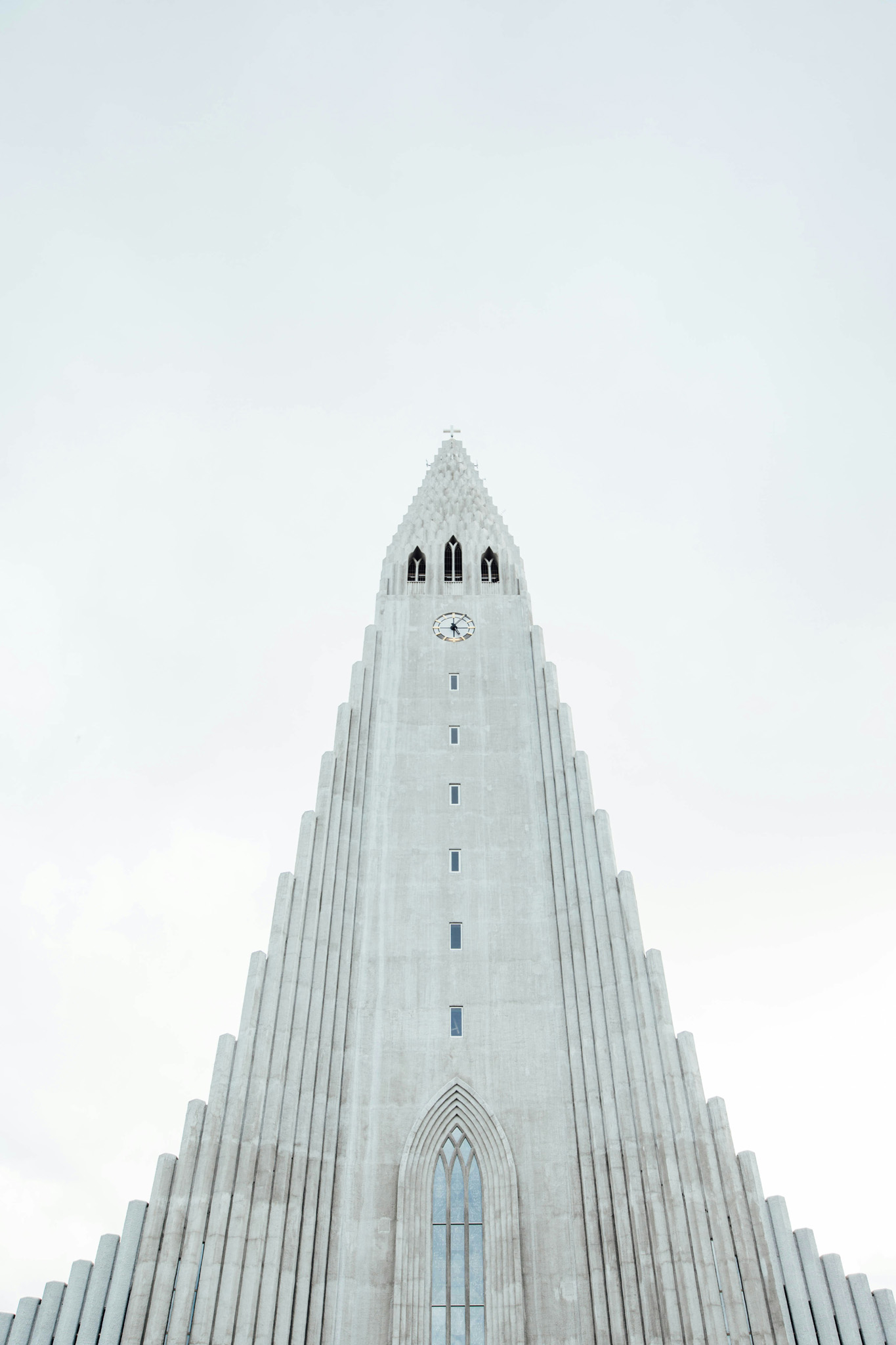
- Climb the tower of Hallgrimskirkja for sweeping city views
- Soak in the Sky Lagoon’s oceanfront geothermal waters
- Explore the Harpa Concert Hall’s glittering glass facade
- Sample the famous food hall and harbour-side restaurants
- Take an evening Northern Lights cruise from the old harbour
The Golden Circle
The most popular day route in Iceland packs three iconic sights into an easy loop from the capital.
- Stand between two continents at Thingvellir National Park
- Watch the Strokkur geyser erupt every few minutes
- Feel the spray of the powerful two-tiered Gullfoss waterfall
- Visit a geothermal tomato farm and greenhouse
- Detour to the Kerid volcanic crater lake
- Soak in the Secret Lagoon, one of Iceland’s oldest pools
South Coast
A dramatic ribbon of waterfalls, black beaches, and glaciers stretching east from Reykjavik.
- Walk behind the curtain of Seljalandsfoss waterfall
- Photograph the basalt columns of Reynisfjara black-sand beach
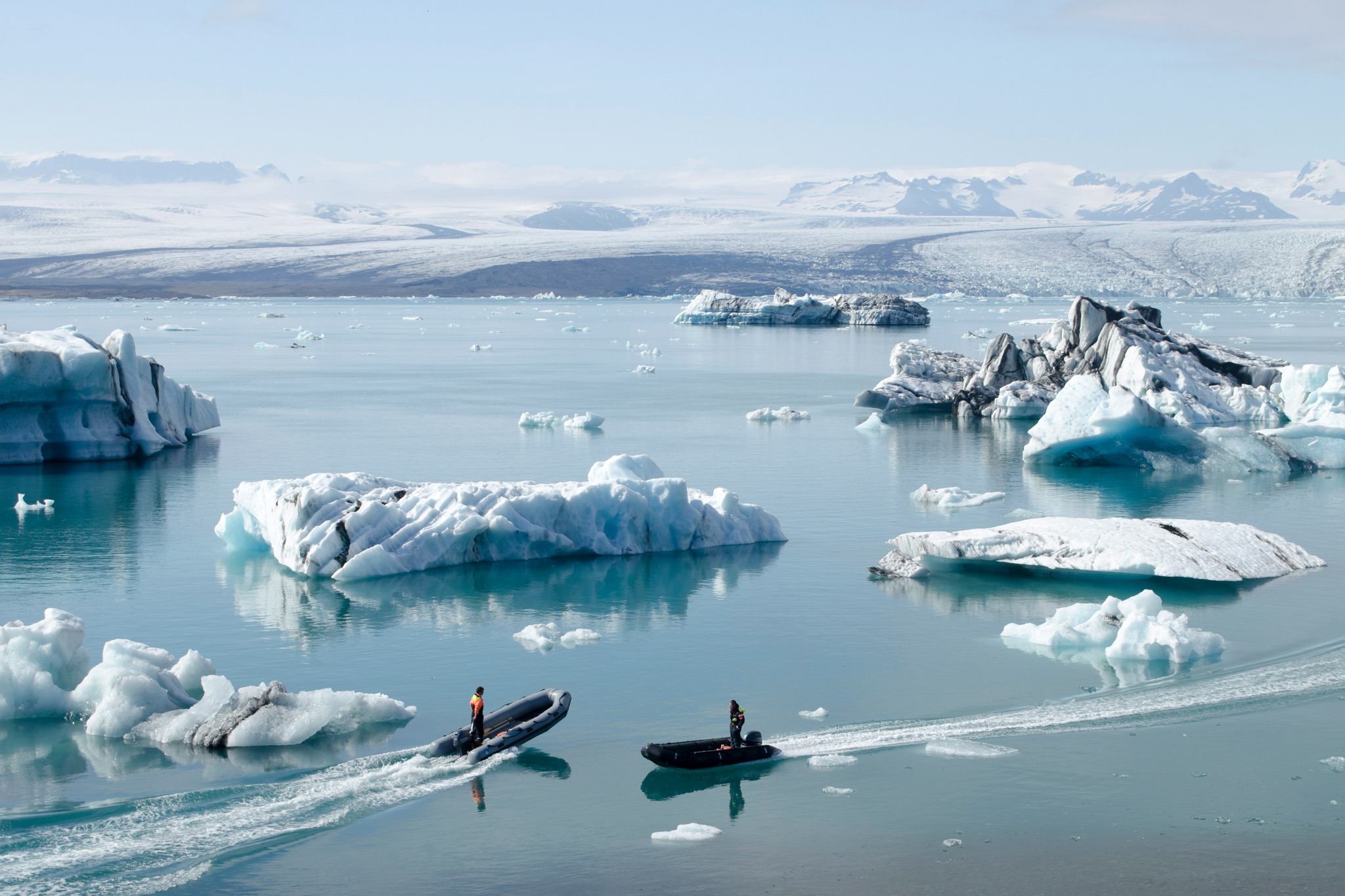
- Marvel at the icebergs drifting in Jokulsarlon glacier lagoon
- Cross to the sparkling shore of nearby Diamond Beach
- Hike on a glacier or explore a blue ice cave in winter
- Visit the charming village of Vik and its red-roofed church
North Iceland and Akureyri
The north offers a quieter, less crowded version of Iceland’s greatest hits.
- Explore Akureyri, the welcoming capital of the north
- Witness the thundering power of Dettifoss, Europe’s mightiest waterfall
- Bathe in the Myvatn Nature Baths surrounded by lava fields
- Go whale watching from Husavik, Iceland’s whale capital
- Walk the otherworldly lava formations of Dimmuborgir
- Drive the scenic Diamond Circle route
The Westfjords
A remote, rugged peninsula of towering cliffs and empty roads for travellers seeking solitude.
- Watch puffins crowd the dramatic Latrabjarg sea cliffs
- Admire the cascading tiers of Dynjandi waterfall
- Relax in tiny natural hot pots overlooking the fjords
- Explore the isolated villages and fishing harbours
- Hike in the untouched Hornstrandir Nature Reserve
- Spot Arctic foxes in their only native Icelandic habitat
The Highlands and Interior
Iceland’s wild, roadless centre is a summer-only realm of glaciers, deserts, and volcanic colour.
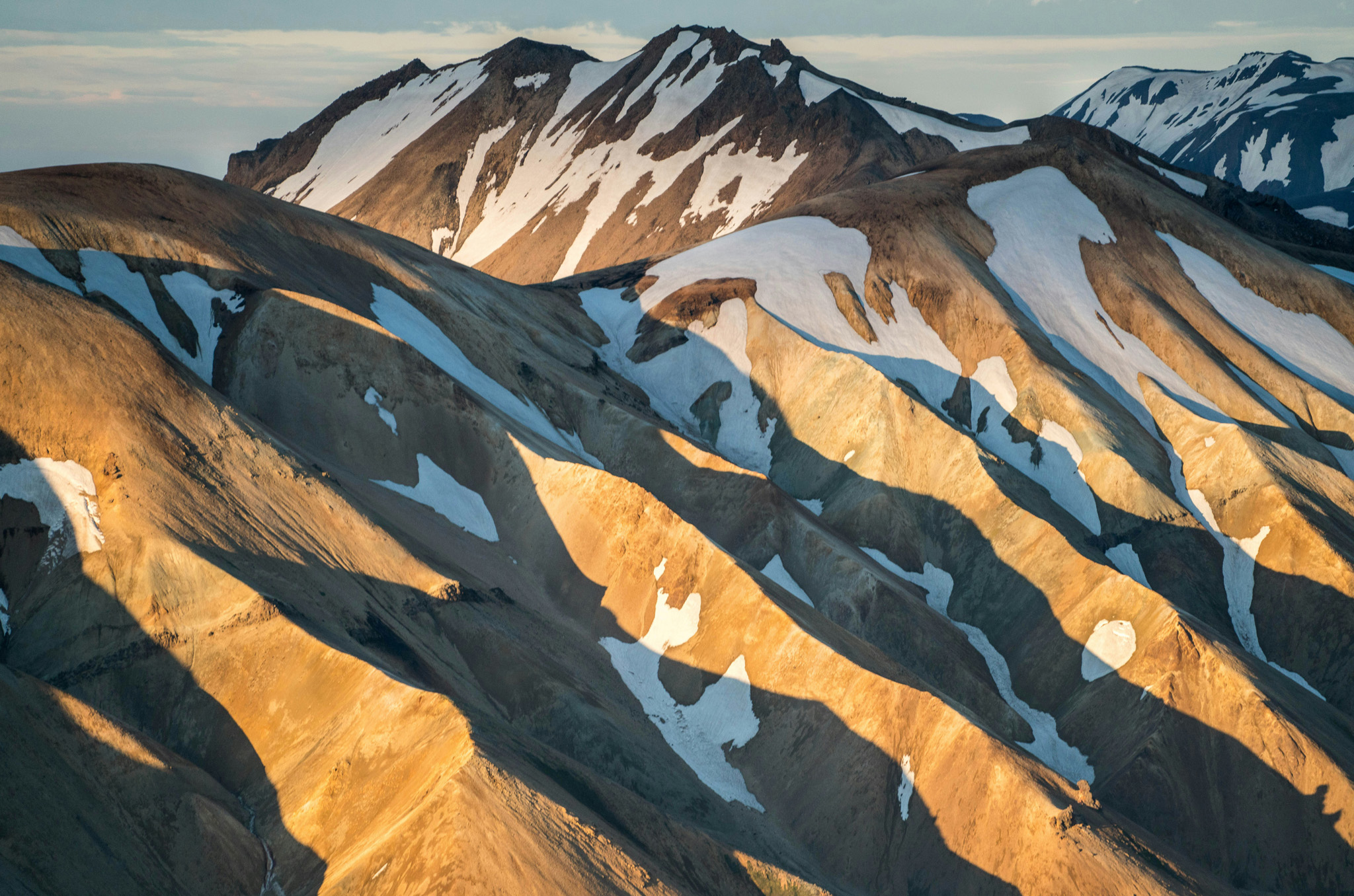
- Trek the famous Landmannalaugar rhyolite mountains
- Hike the multi-day Laugavegur trail between hot springs and ice
- Visit the lush green oasis of Thorsmork valley
- Cross black volcanic deserts on a guided super-jeep tour
- Soak in remote natural hot springs far from any crowds
- Stand beneath the towering Haifoss waterfall
🎒 Things To Do
- Chase the Northern Lights across clear winter skies
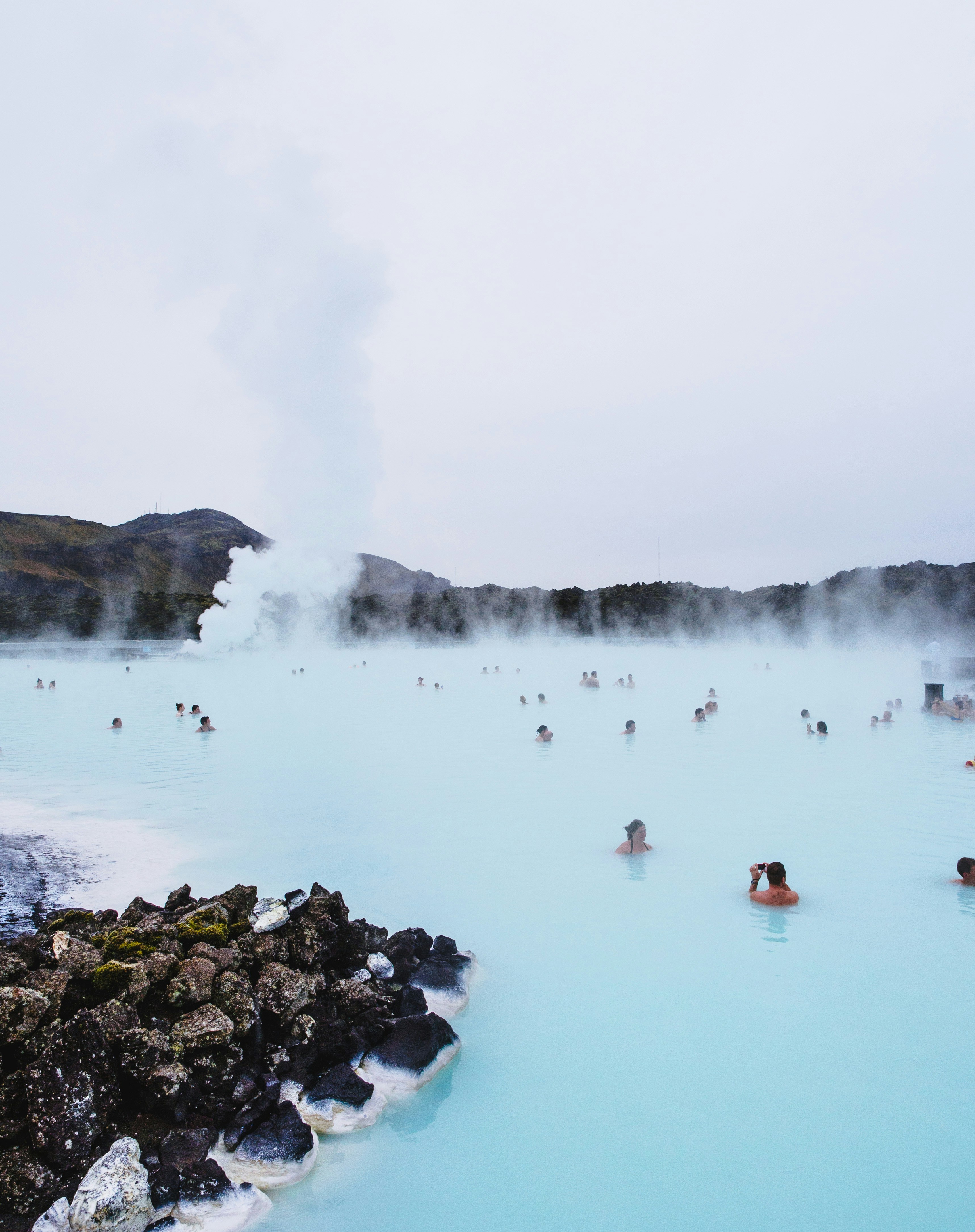
- Soak in geothermal lagoons, from the famous Blue Lagoon to hidden hot pots
- Drive the full Ring Road for a complete circuit of the island
- Hike on a glacier or explore a crystalline blue ice cave
- Go whale watching to spot humpbacks, minkes, and orcas
- Snorkel or dive the crystal-clear waters of the Silfra fissure
- Watch puffins nest on coastal cliffs during summer
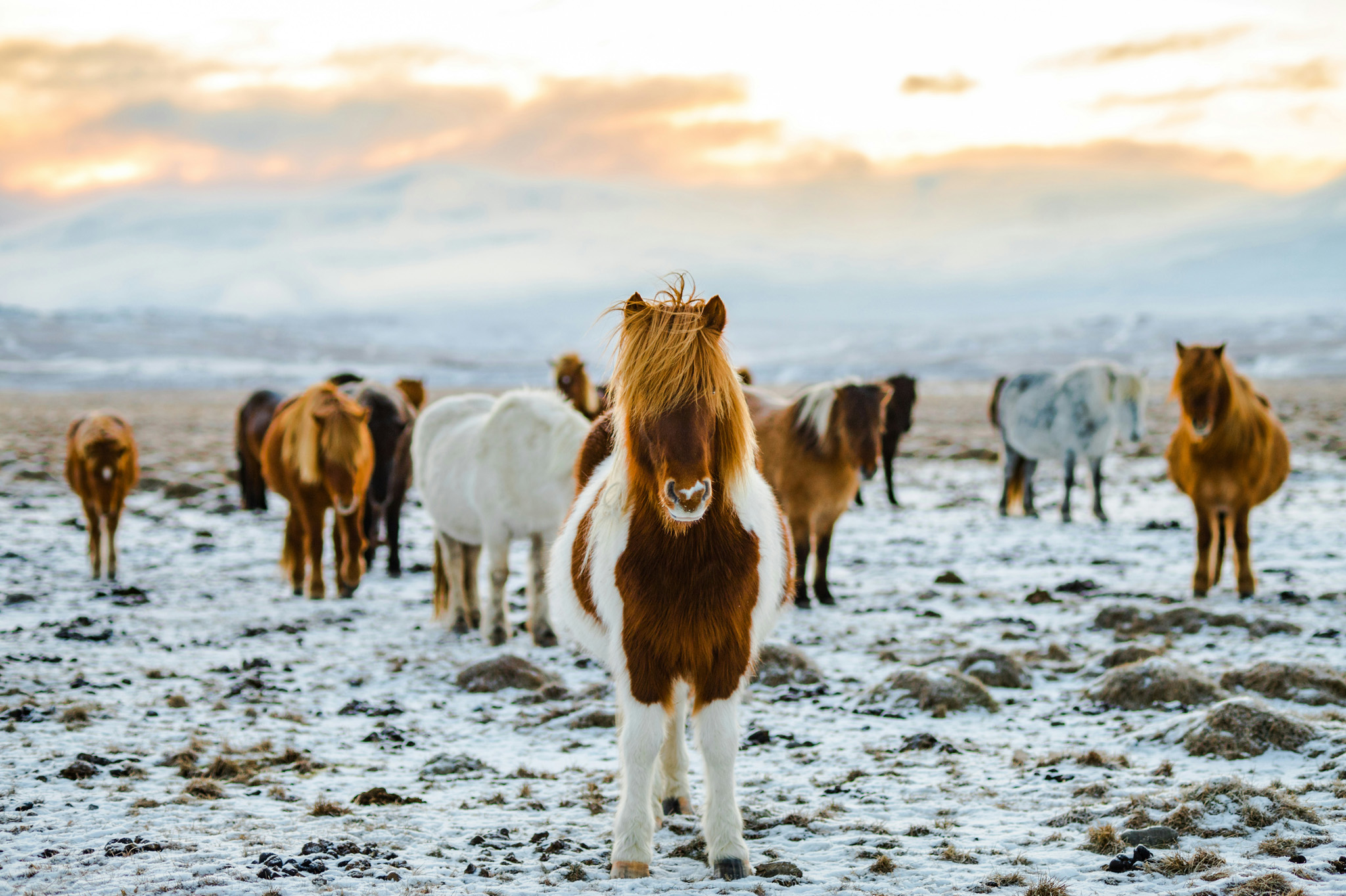
- Ride a sturdy Icelandic horse across lava fields and beaches
- Explore lava tube caves beneath the volcanic landscape
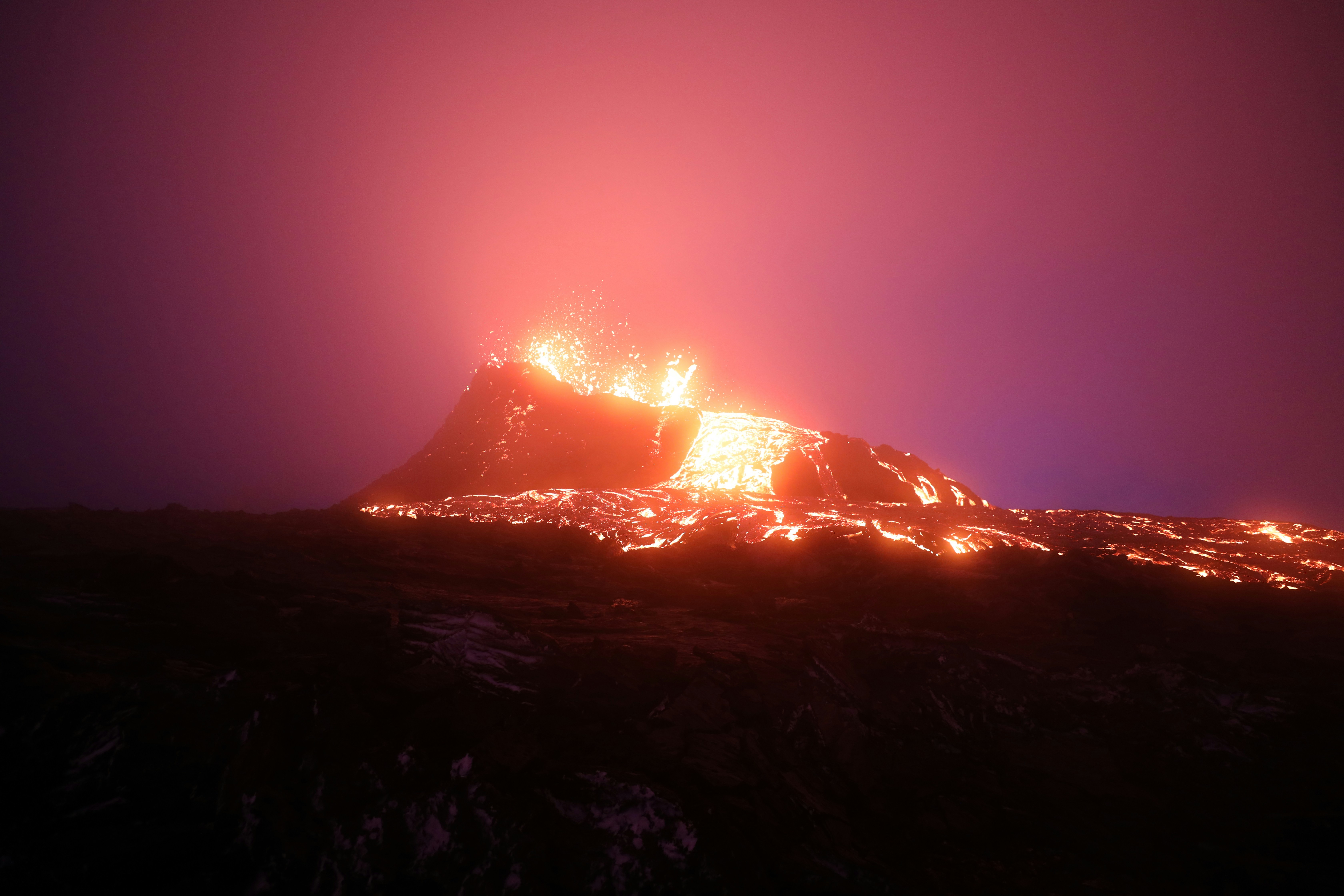
- Witness an active volcanic eruption site when one is accessible
🍽️ Food & Drink
Icelandic cuisine is built on what the harsh landscape and cold seas provide: incredibly fresh seafood, free-roaming lamb, and dairy of remarkable quality. Modern Icelandic chefs have transformed these humble ingredients into a confident, creative food scene, especially in Reykjavik.
- Skyr, a thick, protein-rich cultured dairy product eaten like yoghurt
- Fresh Atlantic seafood, especially cod, langoustine, and arctic char
- Slow-roasted Icelandic lamb, raised wild on mountain pastures
- The iconic Icelandic hot dog, topped with crispy and raw onions
- Rugbraud, a dense, sweet rye bread traditionally baked using geothermal heat
- Brennivin, the caraway-spiced schnapps known as the black death
🌦️ Weather
Iceland’s weather is famously changeable, and the local saying that you can experience all four seasons in one day is no exaggeration. The climate is milder than the name suggests, moderated by the Gulf Stream, but wind and rapid change are constants.
- Summer temperatures average a mild 10-15°C, occasionally reaching 20°C
- Winter temperatures hover around 0°C in the lowlands, colder inland
- Wind is a major factor year-round and can feel far colder than the temperature
- Rain and sudden storms can occur in any season, so waterproof gear is essential
- Daylight swings dramatically, from near 24 hours in June to 4-5 hours in December
- The south and west are wetter, while the north and east tend to be drier and clearer
📅 Best Time To Visit
June – August (Summer Peak Season)
- Long days and the midnight sun give endless time to explore
- Mildest weather, with all roads, including the Highlands, open
- Best season for hiking, puffins, whale watching, and the Ring Road
- Expect the largest crowds and highest prices at popular sites
September – October and April – May (Shoulder Seasons)
- Fewer crowds and noticeably lower accommodation prices
- Autumn brings the first Northern Lights and golden landscapes
- Spring sees returning wildlife and waterfalls swollen with meltwater
- Weather is variable and some Highland roads remain closed
November – March (Winter Off-Season)
- The prime season for chasing the Northern Lights
- Magical snowy landscapes and access to blue ice caves
- Short daylight hours limit driving and sightseeing time
- Some roads and remote regions are closed or hazardous
🎒 Packing List
- Warm, waterproof, and windproof outer jacket and trousers
- Thermal base layers and several insulating mid-layers such as fleece or wool
- Sturdy waterproof hiking boots with good grip
- Warm hat, gloves, and a scarf or buff, even in summer
- Swimwear and a quick-dry towel for geothermal pools and lagoons
- Sunglasses and sunscreen for bright skies and snow glare
- A good daypack for excursions and changeable conditions
- Reusable water bottle, as Icelandic tap water is excellent
- Power adapter for European two-pin Type F plugs
- Personal medical kit with any prescription medications
- Electrolyte sachets for long hiking days
- Camera with spare batteries, which drain quickly in the cold

🛂 Visas & Entry Requirements
Iceland is part of the Schengen Area, so entry rules align with the wider Schengen zone rather than being Iceland-specific.
- Many nationalities, including Australian, UK, US, Canadian, and EU citizens, can enter visa-free for up to 90 days in any 180-day period
- Passports should be valid for at least three months beyond your planned departure date and issued within the last 10 years
- From late 2026, visa-exempt travellers will need an approved ETIAS travel authorisation before arrival, a simple online pre-clearance similar to the US ESTA
- Travellers may be asked to show proof of onward travel and sufficient funds for their stay
- Always confirm the current requirements for your nationality well before departure
Official information: https://www.government.is/topics/foreign-affairs/visa-to-iceland/
💰 Money
- The currency is the Icelandic krona (ISK)
- Iceland is one of the most cashless societies in the world, and cards are accepted almost everywhere
- A debit or credit card with contactless is essential, and many petrol pumps and parking machines accept only cards
- ATMs are available in towns but are rarely needed by visitors
- Tipping is not expected, as service charges are included in prices, though rounding up for excellent service is appreciated
- Iceland is an expensive destination, so budget generously for food, fuel, and accommodation
💸 Hotel & Tourist Taxes
Iceland reintroduced a national accommodation tax in January 2024, charged on overnight stays across the country.
- Hotels and guesthouses are charged a tax of ISK 600 per room, per night
- Campsites and mobile home pitches are charged ISK 300 per night
- Cruise ship passengers are charged ISK 1,000 per person, per night
- The tax is usually added to your accommodation bill and applies only to stays of up to 30 consecutive days
- The Icelandic government has signalled it may raise tourism-related fees, so check current rates close to travel
🌈 LGBTQIA+ Travellers
Iceland is widely regarded as one of the most welcoming and progressive countries in the world for LGBTQIA+ travellers.
- Same-sex marriage has been legal since 2010, and strong anti-discrimination protections are in place
- Social attitudes are open and accepting, particularly in Reykjavik and larger towns
- Reykjavik Pride each August is one of the country’s biggest and most beloved annual celebrations
- LGBTQIA+ travellers can expect to feel safe and comfortable throughout the country
- As anywhere, discretion is a personal choice, and Iceland generally poses very few concerns
⚠️ Traveller Safety
Iceland consistently ranks as one of the safest countries on earth, and the main risks for travellers come from nature rather than people.
- Crime levels are extremely low, including in Reykjavik, though normal precautions still apply
- The greatest hazards are weather, rough seas, and terrain, so always check forecasts and road conditions
- Never turn your back on the powerful sneaker waves at black-sand beaches such as Reynisfjara
- Use licensed guides for glacier hikes, ice caves, and Highland travel, and never venture onto glaciers alone
- Monitor official alerts for volcanic and seismic activity, which can affect certain regions
- Emergency number is 112
💉 Vaccinations & Health
Iceland poses very few health risks for travellers, and no special vaccinations are required for entry.
- No mandatory vaccinations are required to enter Iceland
- Travellers should be up to date with routine vaccinations such as MMR, tetanus, and diphtheria
- There is no malaria or significant disease risk in Iceland
- Healthcare is excellent but costly, making comprehensive travel insurance essential
- The biggest practical health considerations are cold exposure, sunburn on snow, and slips on icy terrain
Official information: https://www.landlaeknir.is/english/
🚗 Getting Around
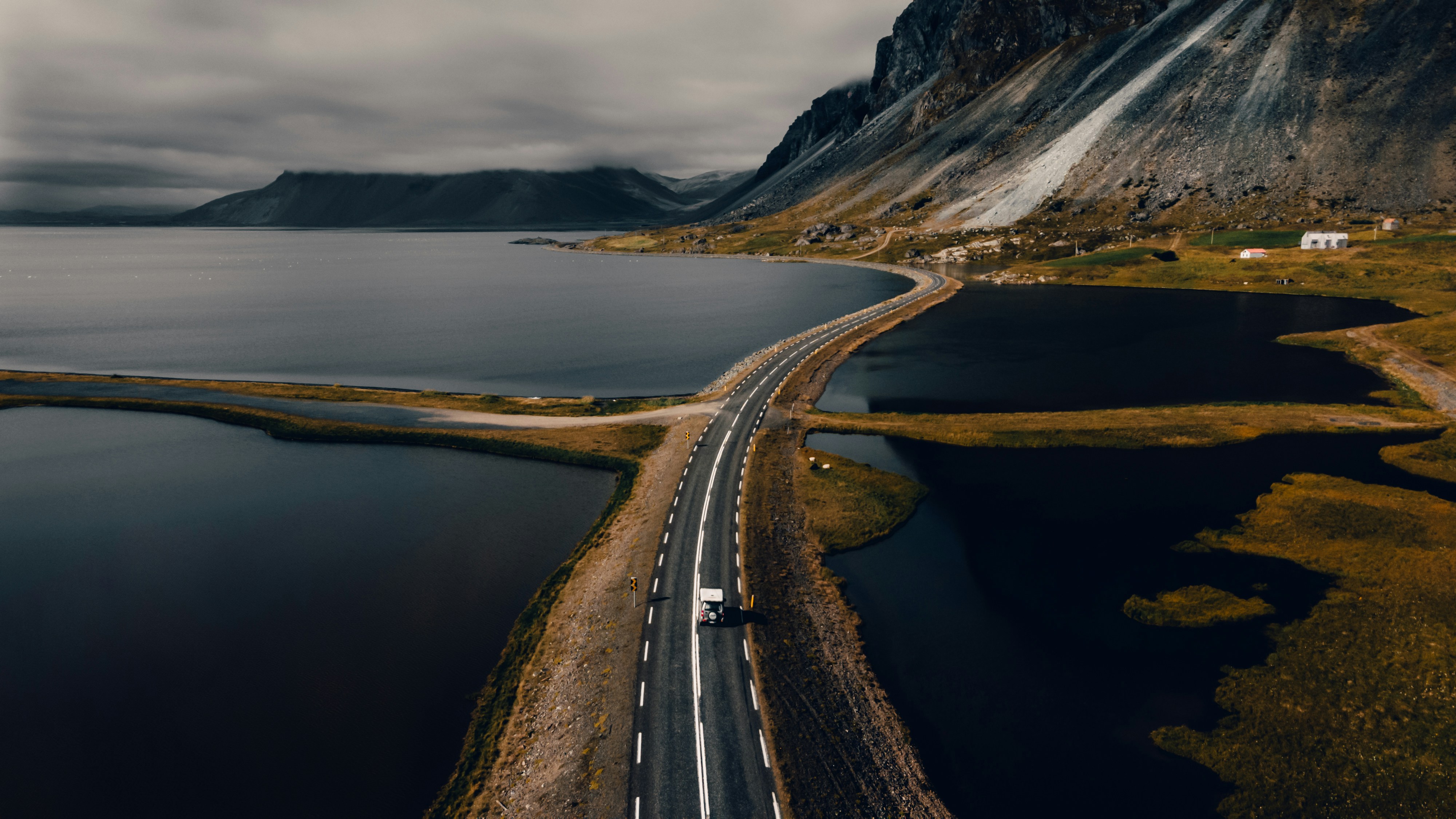
- A rental car is the most popular way to explore, giving freedom to follow the Ring Road at your own pace
- A four-wheel drive is essential for the Highlands and recommended in winter
- Roads can be narrow with single-lane bridges, gravel sections, and changeable conditions
- Many travellers join guided tours, especially in winter or for glacier and ice cave excursions
- Public buses connect major towns but are limited for reaching remote sights
- Domestic flights link Reykjavik with Akureyri and other regional centres, saving time over long distances
✈️ Airports
Keflavik International Airport (KEF)
- Iceland’s main international gateway, located about 50 minutes from Reykjavik and handling almost all overseas arrivals
Reykjavik Airport (RKV)
- The capital’s small domestic airport, serving flights to Akureyri, the Westfjords, and other regional towns
Akureyri Airport (AEY)
- The main airport for North Iceland, offering domestic connections and a growing number of seasonal international flights
🗣️ Language
The official language is Icelandic, a North Germanic language that has changed remarkably little over the centuries and is famously challenging for visitors to pronounce. There is no need to worry, however, as English is very widely spoken throughout the country, particularly in tourism, hospitality, and among younger Icelanders. A few attempts at Icelandic are always warmly received, even if locals quickly switch to English.
Common Phrases
- Hello – Halló (HAH-loh)
- Goodbye – Bless (bless)
- Please – Vinsamlegast (VIN-sam-leh-gast)
- Thank you – Takk (tahk)
- Yes – Já (yow)
- No – Nei (nay)
- Excuse me – Afsakið (AHF-sah-kith)
- Sorry – Fyrirgefðu (FIH-rir-gyev-thu)
- Do you speak English? – Talar þú ensku? (TAH-lar thoo EN-skoo)
- How much? – Hvað kostar það? (kvath KOS-tar thath)
- Where is…? – Hvar er…? (kvar air)
- Help – Hjálp (hyowlp)
- Cheers – Skál (skowl)
- One, two, three – Einn, tveir, þrír (aydn, tvayr, threer)
- Good day – Góðan daginn (GOH-than DY-in)
ℹ️ Practical Info
Electricity
- Iceland uses Type C and Type F plugs with a standard voltage of 230V. Travellers from Australia, the UK, and North America will need an adapter.
Internet & WiFi
- WiFi is widely available and reliable in hotels, cafes, and restaurants. Mobile data coverage is excellent in populated areas but can be patchy in the Highlands and remote regions.
Water
- Tap water in Iceland is exceptionally clean, fresh, and safe to drink. There is no need to buy bottled water anywhere in the country.
Travel Insurance
- Comprehensive personal travel insurance is strongly recommended for every visitor, ideally with cover for glacier hikes, snowmobiling, and other adventure activities, as well as weather-related delays and cancellations. Healthcare in Iceland is high quality but expensive for those without cover.
Connectivity SIM / eSIM
- Local SIM cards are easy to buy at Keflavik Airport and in convenience stores in Reykjavik, with good prepaid data options.
- Using an eSIM is our recommended choice while travelling anywhere in the world, and our recommended provider is Holafly. For more information on eSIMs, check out this blog.

❤️ Why Visit Iceland
Iceland is a destination that rearranges your sense of scale. Standing beside a glacier the size of a city, watching the earth itself steam and bubble, or seeing the sky ripple with green light, you are reminded just how vast and alive the natural world can be. It is a place that humbles and exhilarates in equal measure.
What sets Iceland apart is how accessible all of this wonder is. There is no trade-off between adventure and comfort here. You can spend the morning hiking a glacier and the evening soaking in a geothermal pool, all within a country that is safe, friendly, and easy to navigate. Every road seems to lead to another waterfall, another lava field, another quietly astonishing view.
Whether you come for the long golden days of summer or the aurora-lit darkness of winter, Iceland leaves a mark that lasts long after you return home. It is not just a trip but an encounter with the planet at its most raw and beautiful, and it will have you dreaming of going back before you have even left.