Greece – Destination Guide
Greece is a country of staggering range, where the same trip can take you from the ruins of ancient civilisations to whitewashed island villages tumbling toward a sea so blue it looks unreal. Mainland mountains, olive groves, and pine-clad valleys give way to a coastline so vast and varied that few travellers ever see all of it. This is a land that has shaped Western thought, art, and politics for thousands of years, and that history is still visible everywhere – in the marble of the Acropolis, in the worn stone of forgotten temples, and in the rhythm of daily life.
But Greece is far more than a museum of antiquity. It is a living, breathing place defined by long lunches that stretch into the afternoon, fishermen mending nets in tiny harbours, and the warmth of a culture built on hospitality. The islands alone span hundreds of distinct personalities, from the dramatic cliffs of Santorini to the green hills of Corfu and the wild, untouched beaches of the lesser-known Cyclades and Dodecanese.
What makes Greece so rewarding is the way it balances the monumental and the everyday. You can stand before a 2,500-year-old temple in the morning and watch the sun sink into the Aegean with a glass of local wine by evening, and both will feel equally essential to the experience.
🗺️ Regions to Explore
Athens & Attica
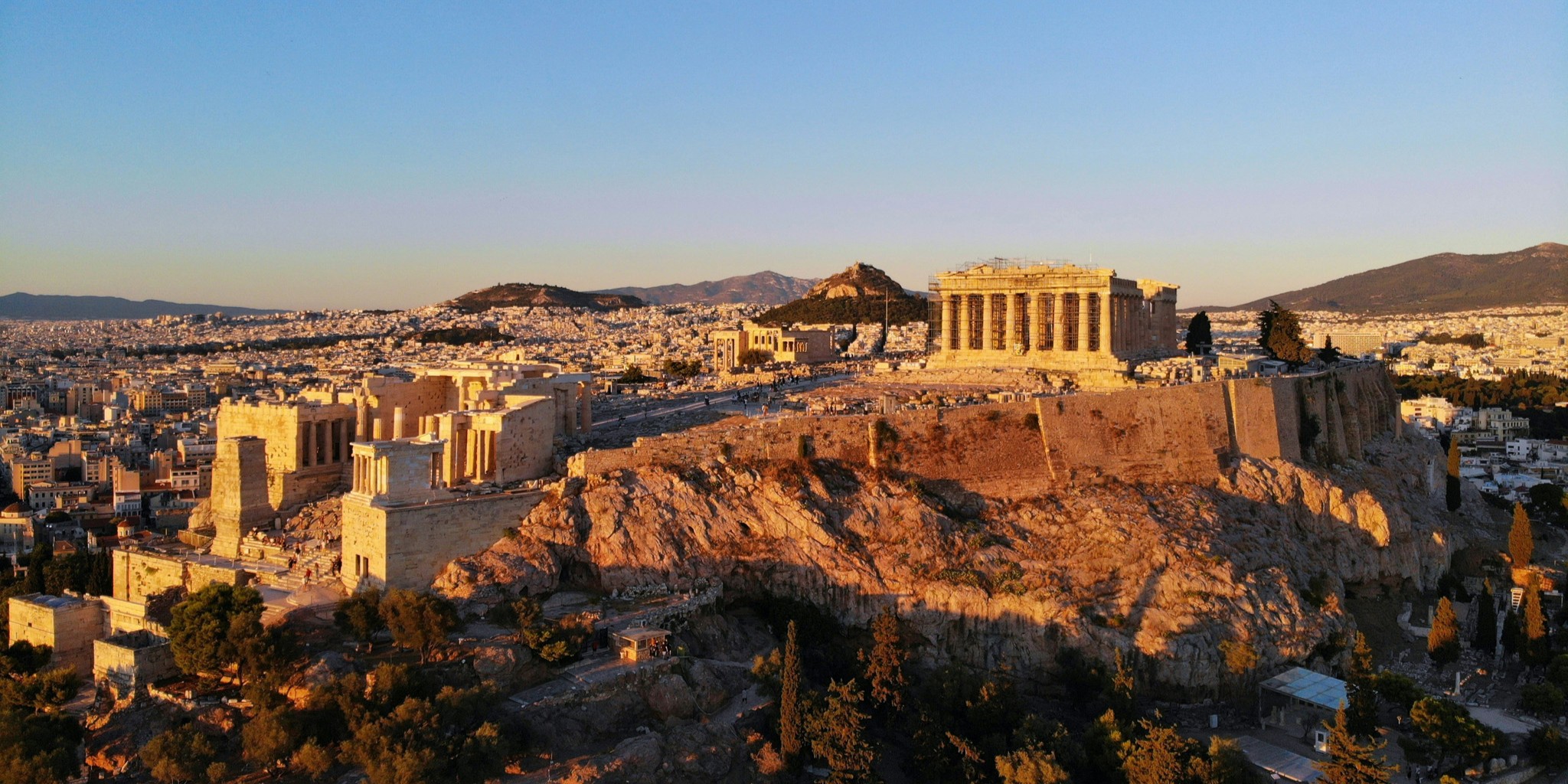
The capital and its surrounding region are the historical heart of Greece, where ancient monuments sit alongside a buzzing modern city.
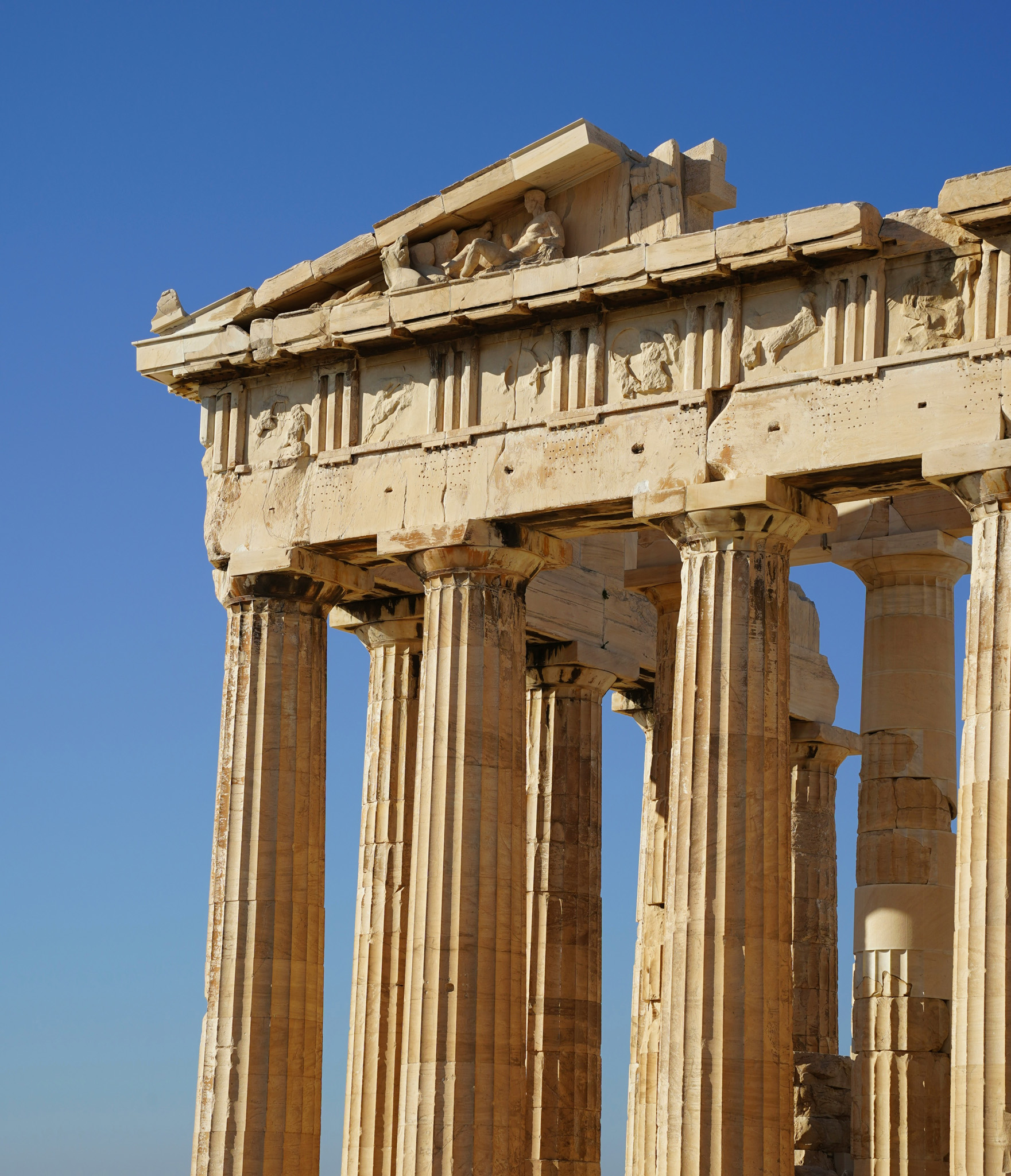
- Exploring the Acropolis and the Parthenon
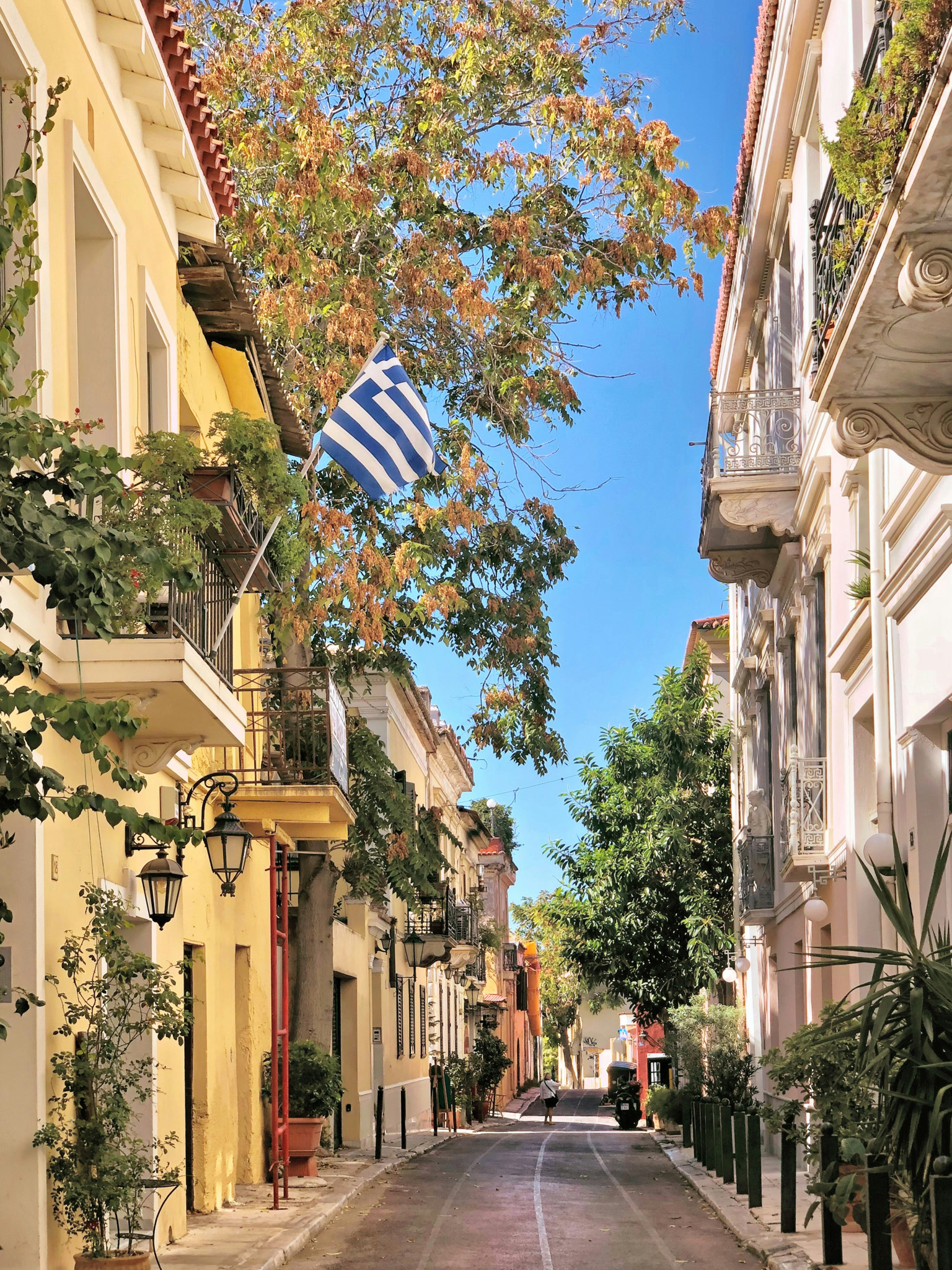
- Wandering the neighbourhoods of Plaka and Anafiotika
- Visiting the Acropolis Museum and National Archaeological Museum
- Day-tripping to Cape Sounion for the Temple of Poseidon
- Eating and bar-hopping in Psyrri and Koukaki
The Cyclades
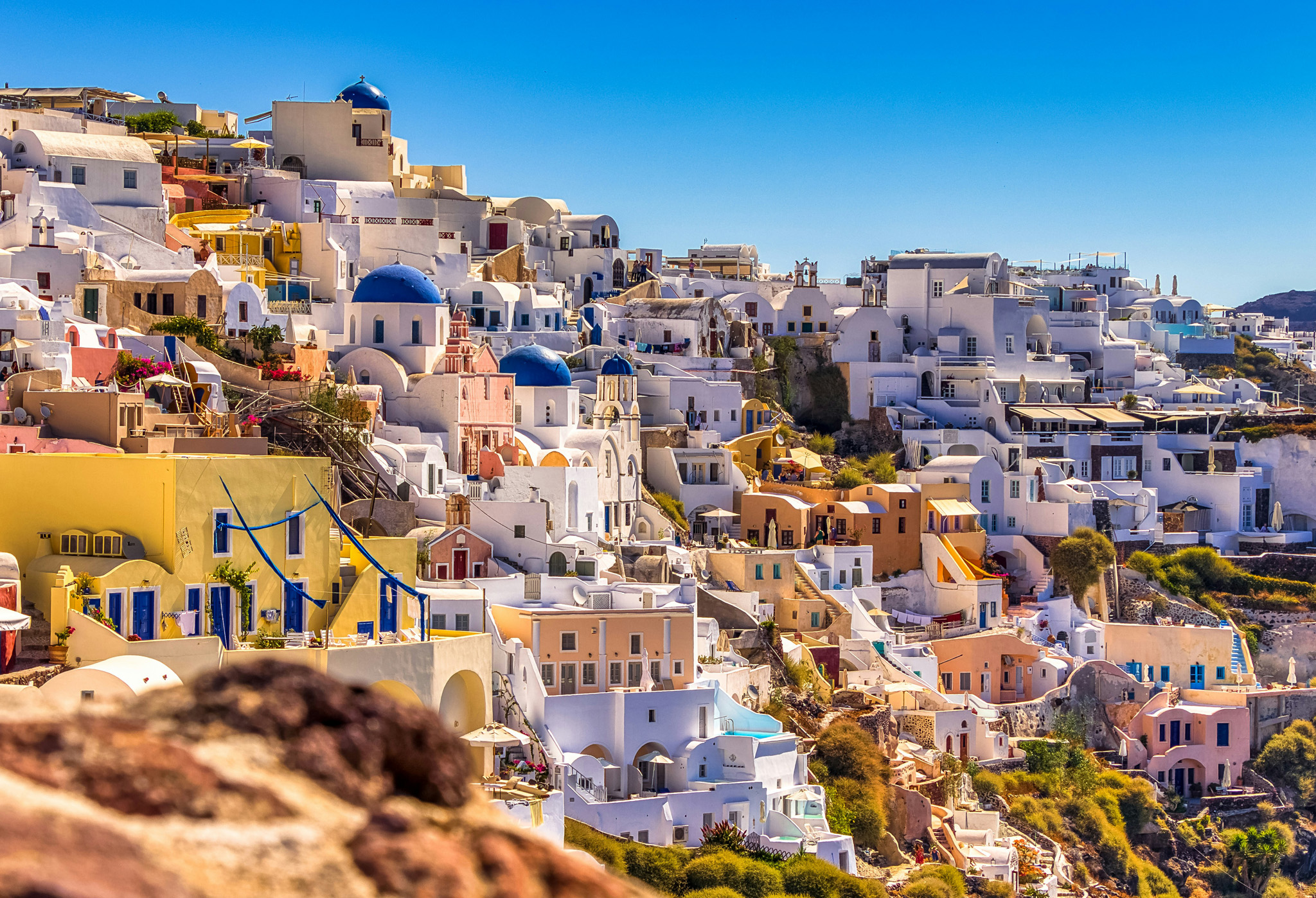
The most iconic island group in Greece, known for whitewashed villages, blue-domed churches, and dramatic Aegean light.
- Watching the sunset over the Santorini caldera
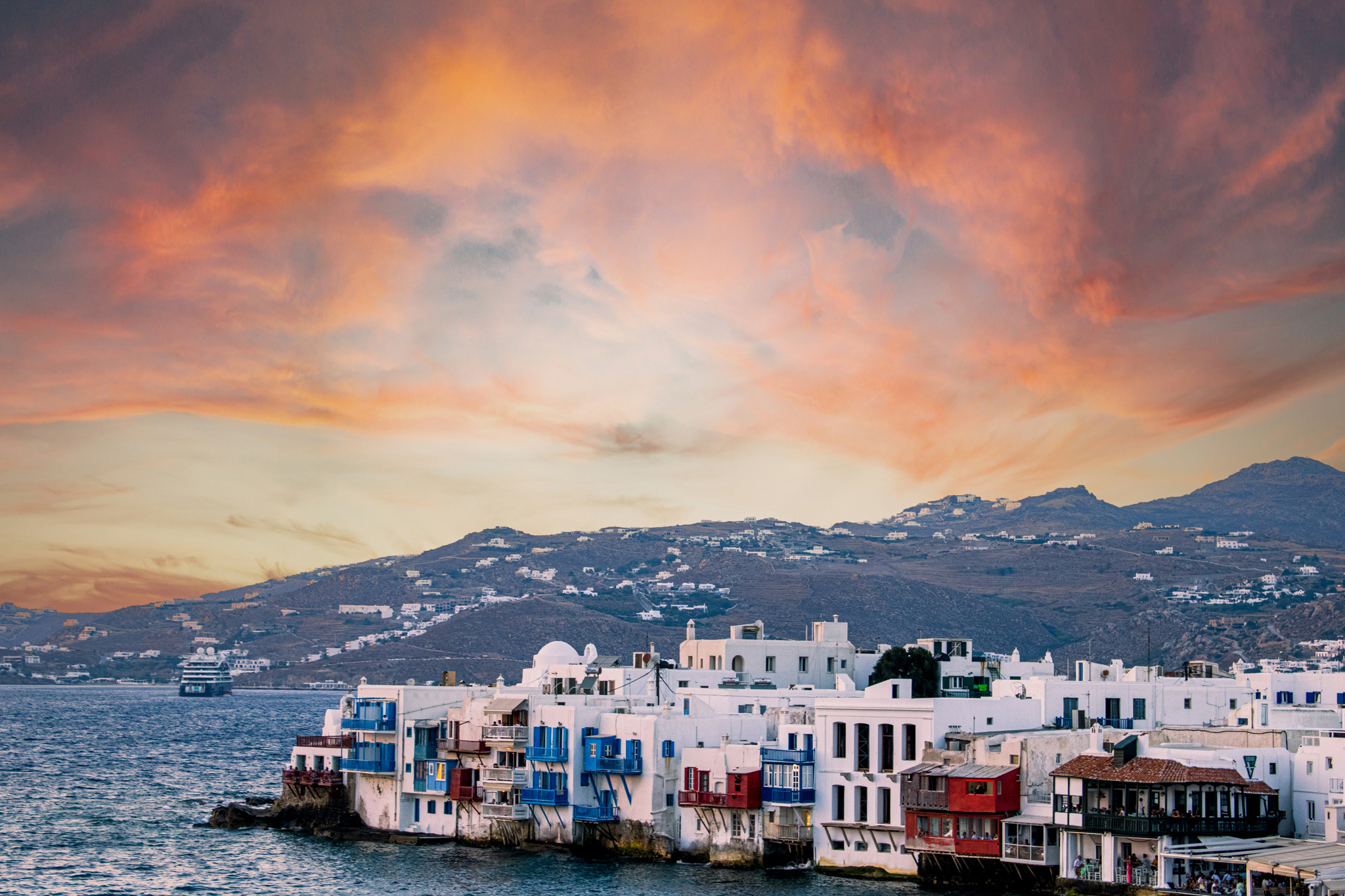
- Exploring the cosmopolitan towns and beaches of Mykonos
- Discovering quieter islands like Naxos, Milos, and Paros
- Hiking ancient footpaths between villages
- Swimming in volcanic coves and hidden bays
The Peloponnese
A mountainous southern peninsula packed with ancient sites, medieval towns, and an uncrowded coastline.
- Visiting ancient Olympia, birthplace of the Olympic Games
- Exploring the theatre and sanctuary at Epidaurus
- Wandering the Venetian streets of Nafplio
- Discovering the stone tower houses of the Mani peninsula
- Touring the Byzantine ruins of Mystras
Crete
The largest Greek island, with its own distinct identity, rugged interior, and proud culinary tradition.
- Exploring the Minoan palace of Knossos
- Hiking the Samaria Gorge
- Relaxing on the pink-tinged sands of Elafonissi
- Wandering the Venetian harbour of Chania
- Tasting Crete’s famous mountain cuisine and raki
Northern Greece
A less-visited region of mountains, lakes, and historic cities, offering a different side of the country.
- Exploring the multicultural city of Thessaloniki
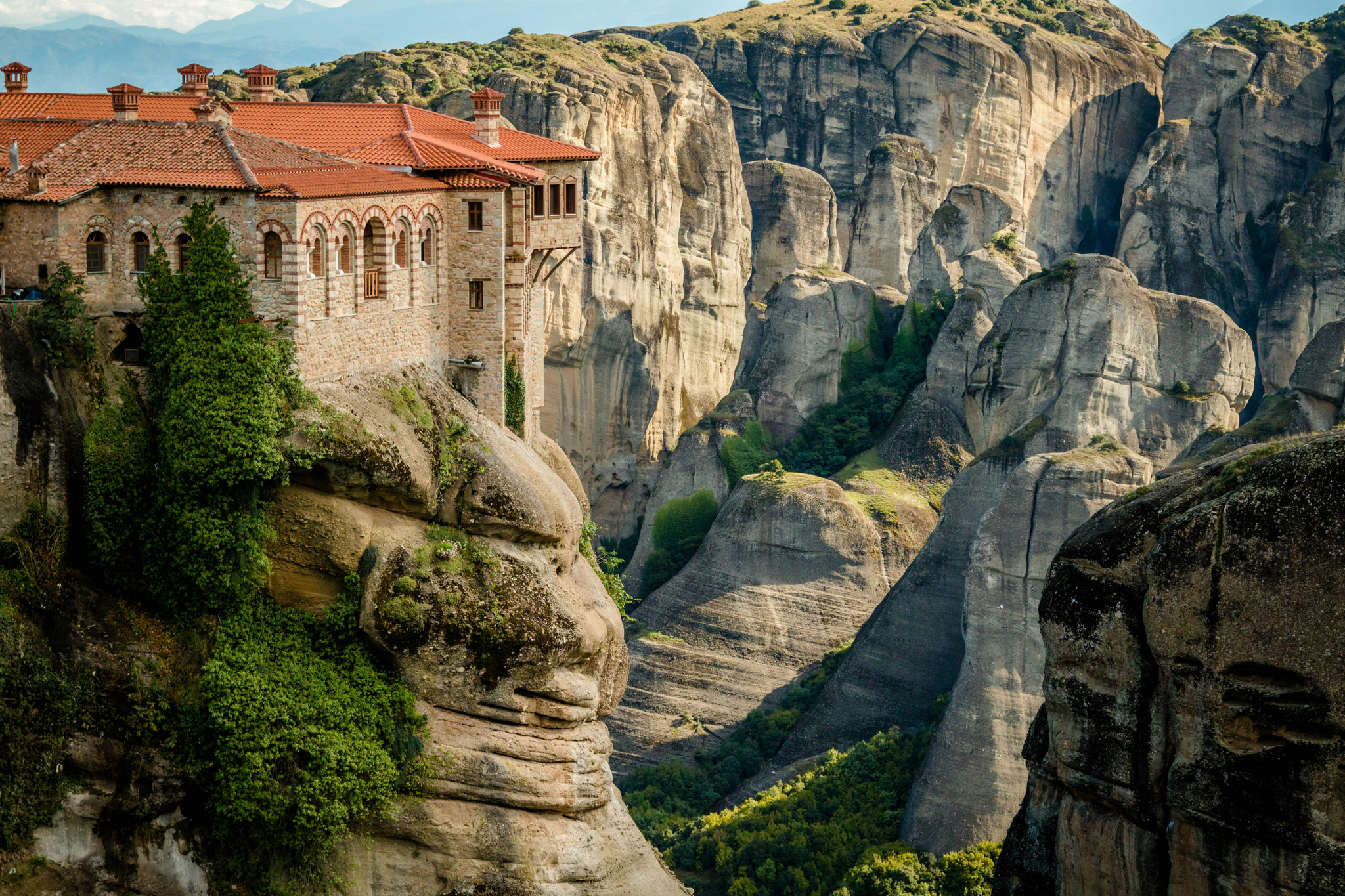
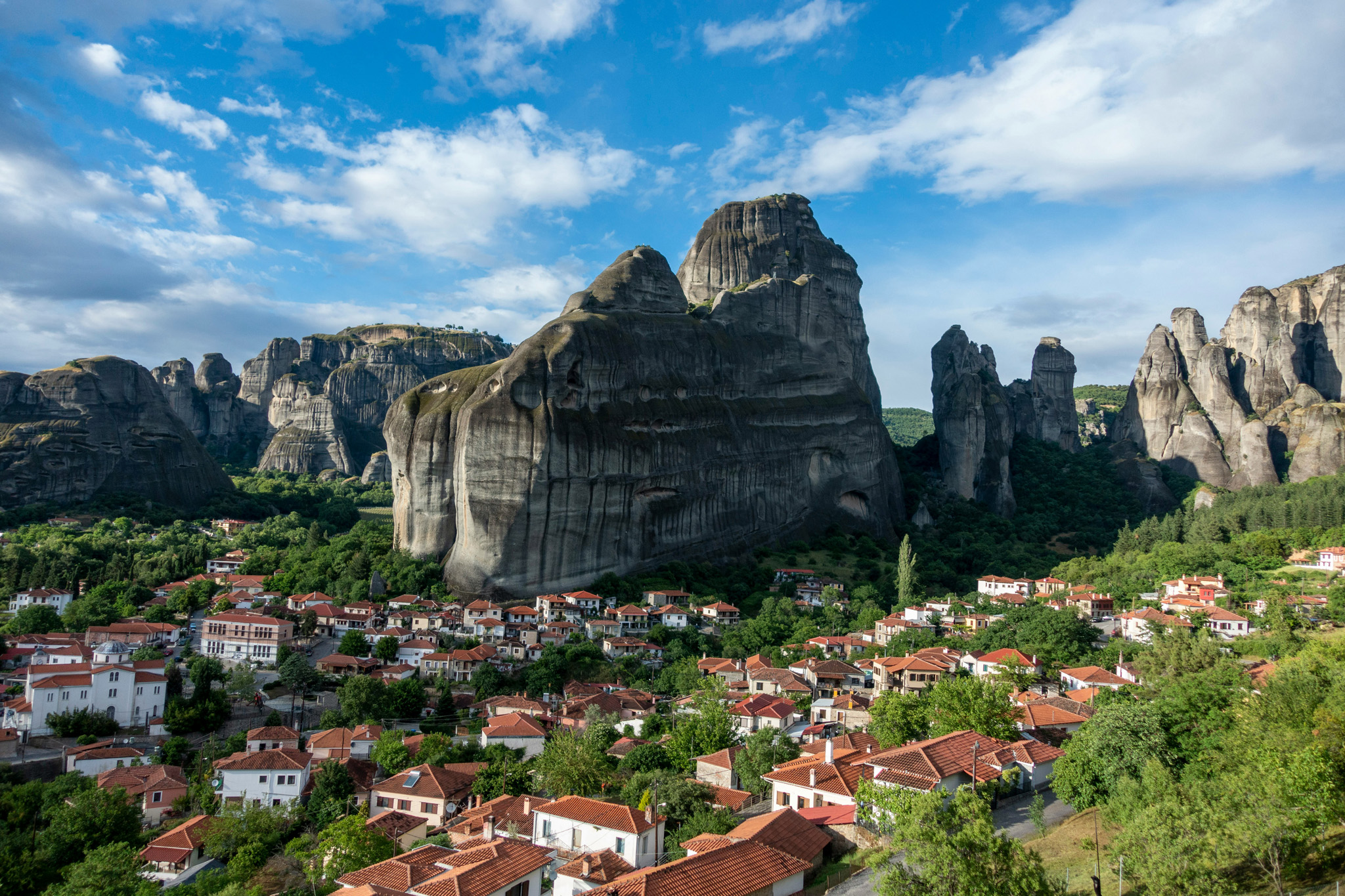
- Visiting the cliff-top monasteries of Meteora
- Hiking the Vikos Gorge in the Zagori villages
- Discovering the archaeological sites of ancient Macedonia
- Exploring the forests and lakes of the Pindus mountains
The Ionian Islands
A greener, lusher island group off the west coast, shaped by centuries of Venetian influence.
- Relaxing on the beaches of Corfu and Kefalonia
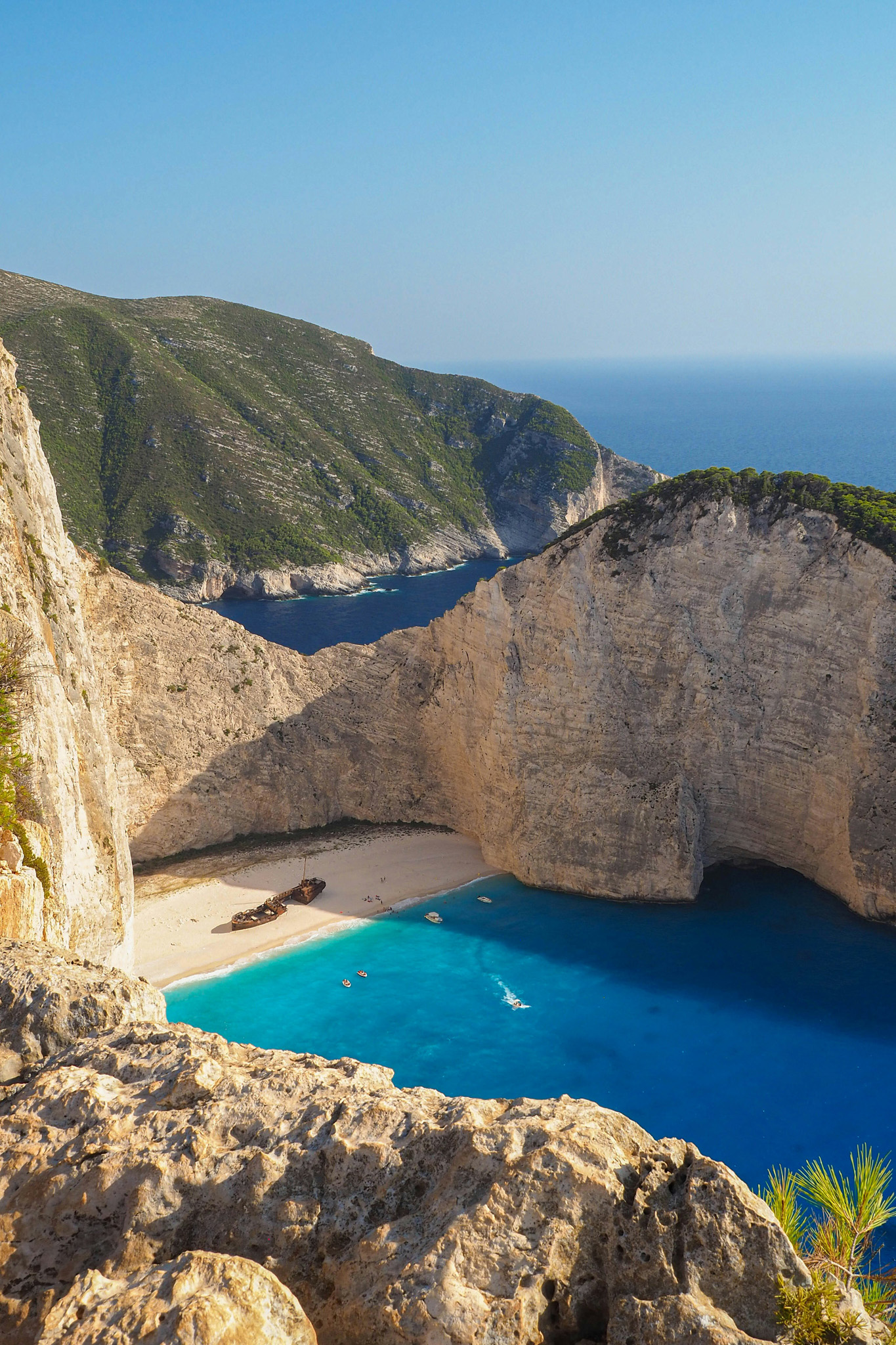
- Visiting the famous Navagio Beach on Zakynthos
- Exploring Venetian-era old towns and fortresses
- Discovering quieter islands like Paxos and Ithaca
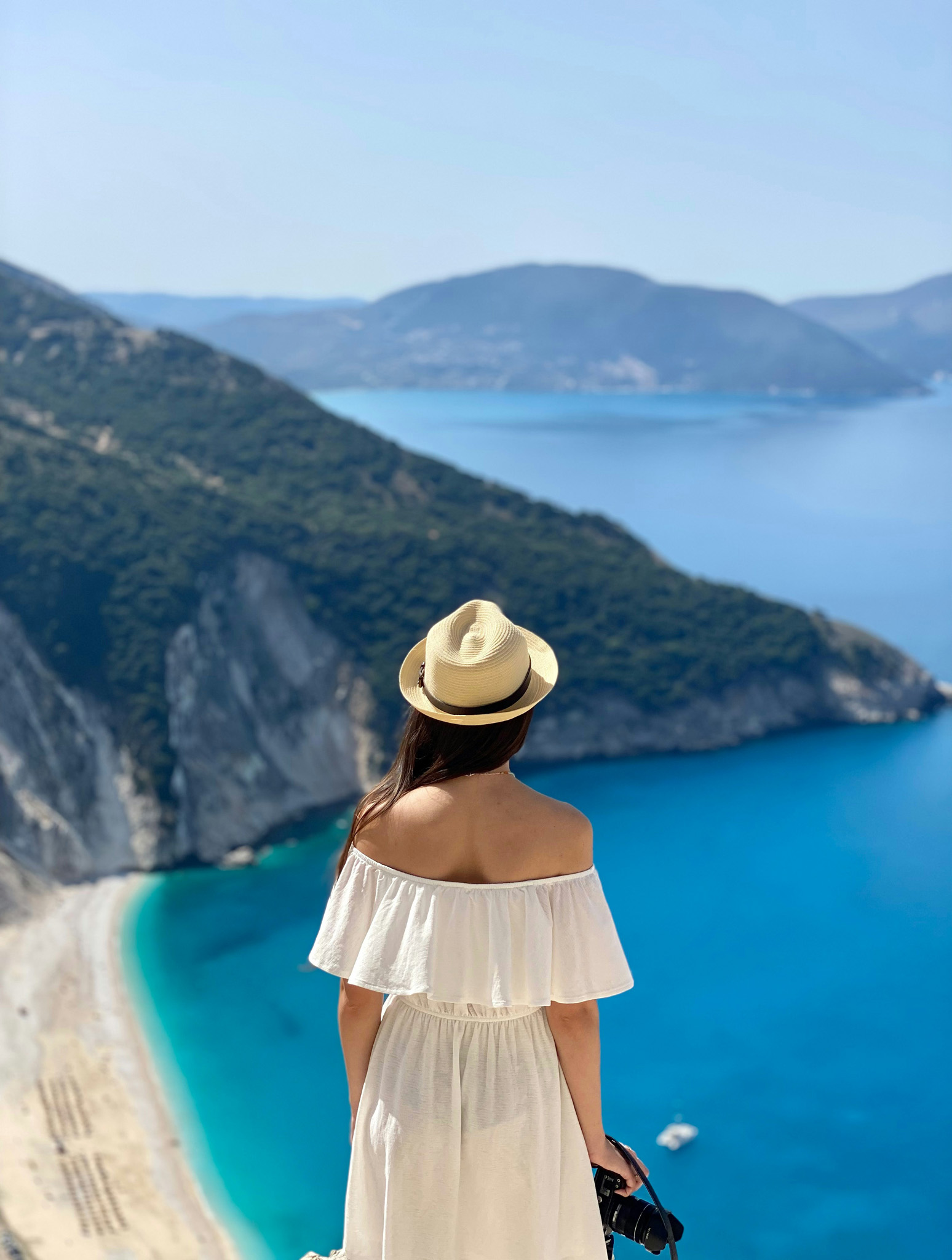
- Swimming in the clear waters of Myrtos Beach
🎒 Things To Do
- Stand beneath the Parthenon and explore the Acropolis at sunrise
- Watch the sun set over the Santorini caldera
- Island-hop by ferry through the Cyclades or Dodecanese
- Hike a dramatic gorge such as Samaria in Crete or Vikos in the north
- Visit the gravity-defying monasteries of Meteora
- Explore ancient sites like Delphi, Olympia, and Epidaurus
- Swim and snorkel in secluded coves and crystal-clear bays
- Wander medieval towns such as Nafplio, Rhodes Old Town, and Monemvasia
- Take a traditional Greek cooking class
- Enjoy a long, slow seaside meal of fresh seafood and local wine
🍽️ Food & Drink
Greek cuisine is built on simple, high-quality ingredients – olive oil, ripe vegetables, fresh fish, herbs, and cheese – prepared with little fuss and plenty of generosity. Meals are social and unhurried, often shared across a table of small plates, and every region has its own specialities worth seeking out.
- Souvlaki and gyros, the beloved grilled meat staples
- Moussaka, a baked dish of eggplant, potato, and spiced meat
- Fresh Greek salad with feta, tomato, cucumber, and olives
- Mezze spreads of tzatziki, taramasalata, and dolmades
- Fresh-caught grilled fish and seafood in coastal tavernas
- Local wines, ouzo, and Cretan raki
🌦️ Weather
Greece has a Mediterranean climate of hot, dry summers and mild, wetter winters, though conditions vary between the islands, the coast, and the mountainous interior.
- Summers (June – September) are hot and dry, often 28-35°C
- Heatwaves can push temperatures well above 38°C in mid-summer
- Spring and autumn are mild and pleasant, around 18-25°C
- Winters are cool and wet, typically 8-15°C in coastal areas
- Mountain regions and northern Greece are noticeably colder, with winter snow
- The islands are cooled by seasonal winds, especially the summer meltemi
📅 Best Time To Visit
June – September (Peak Season)
- Hot, dry weather ideal for beaches and island-hopping
- The busiest and most expensive period, especially July and August
- Lively atmosphere with all tavernas, ferries, and attractions in full operation
April – May & October (Shoulder Season)
- Mild, comfortable temperatures perfect for sightseeing and hiking
- Fewer crowds and lower prices than peak summer
- Spring brings wildflowers, while October still offers warm sea temperatures
November – March (Off-Season)
- Cool, wet weather with shorter days, especially in the north
- Many island businesses and ferry routes scale back or close
- A good time for city breaks in Athens and Thessaloniki without the crowds
🎒 Packing List
- Lightweight, breathable clothing for hot summer days
- Layers and a light jacket for cooler evenings and shoulder season
- A rain jacket or umbrella, particularly for spring, autumn, and winter
- Comfortable walking shoes for ancient sites and cobbled streets
- Sturdy sandals or hiking shoes for gorges and rocky beaches
- Swimwear, a quick-dry towel, and a sun hat
- High-SPF sunscreen and sunglasses
- Insect repellent for summer evenings
- A reusable water bottle to stay hydrated
- A European power adapter (Type C and F)
- A small medical kit with any personal medication
- Electrolyte sachets for hot days and long hikes
🛂 Visas & Entry Requirements
Greece is part of the European Union and the Schengen Area, and entry requirements depend on your nationality.
- Many nationalities, including Australian, can enter visa-free for up to 90 days within any 180-day period
- Visitors from outside the visa-exempt list must apply for a Schengen visa in advance
- Your passport should be valid for at least three months beyond your planned departure date
- You may be asked to show proof of onward or return travel and sufficient funds
- The EU’s ETIAS travel authorisation is being introduced for visa-exempt visitors, so check the current status before travel
- Official information: https://travel.gov.gr
💰 Money
- The currency is the Euro (EUR)
- Cards are widely accepted in cities, hotels, and larger restaurants
- Carry cash for small tavernas, markets, rural areas, and remote islands
- ATMs are common in towns and tourist areas but can be scarce on smaller islands
- Tipping is appreciated but not obligatory – rounding up or 5-10% is customary
- Inform your bank of travel plans to avoid card issues abroad
💸 Hotel & Tourist Taxes
Greece applies a nationwide accommodation tax, officially called the Climate Crisis Resilience Fee, alongside a smaller municipal occupancy tax.
- The Climate Crisis Resilience Fee is charged per room, per night, and varies by accommodation type and season
- High-season rates (April – October) range from around €2 per night for budget accommodation up to €10-15 per night for luxury hotels and villas
- Low-season rates (November – March) are significantly lower, often €0.50-4 per night
- A separate Transient Occupancy Tax of 0.5-0.75% of the room cost may also apply, depending on the municipality
- Both taxes are collected directly by the accommodation, usually in cash at check-in or check-out, and are not included in the headline booking price
- Cruise passengers disembarking at Santorini or Mykonos pay a separate per-person fee during peak season
🌈 LGBTQIA+ Travellers
Greece is generally welcoming to LGBTQIA+ travellers, with attitudes most relaxed in major cities and popular island destinations.
- Same-sex sexual activity is legal, and same-sex marriage was legalised in 2024
- Discrimination protections exist in employment and the provision of goods and services
- Athens, Thessaloniki, Mykonos, and Lesbos have visible and vibrant LGBTQIA+ scenes
- Attitudes can be more conservative in rural areas and smaller villages
- Public displays of affection are widely accepted in tourist hubs, though discretion is sensible off the beaten track
⚠️ Traveller Safety
Greece is a very safe destination for travellers, with low levels of violent crime.
- Petty theft such as pickpocketing can occur in busy tourist areas and on public transport
- Take care when swimming, as some beaches have strong currents and limited supervision
- Use licensed operators for activities like boat trips, quad biking, and hiking
- Summer wildfires can affect parts of the country – monitor local advice during heatwaves
- Emergency number is 112
💉 Vaccinations & Health
No special vaccinations are required to enter Greece, though routine cover is recommended.
- Ensure routine vaccinations such as MMR, tetanus, and diphtheria are up to date
- Hepatitis A and B are sometimes recommended for longer or more rural stays
- No malaria risk, though mosquitoes are present in summer
- Pharmacies are widespread, well-stocked, and can advise on minor ailments
- Carry an EHIC or GHIC card if eligible, alongside personal travel insurance
- Official information: https://www.who.int/travel-advice
🚗 Getting Around
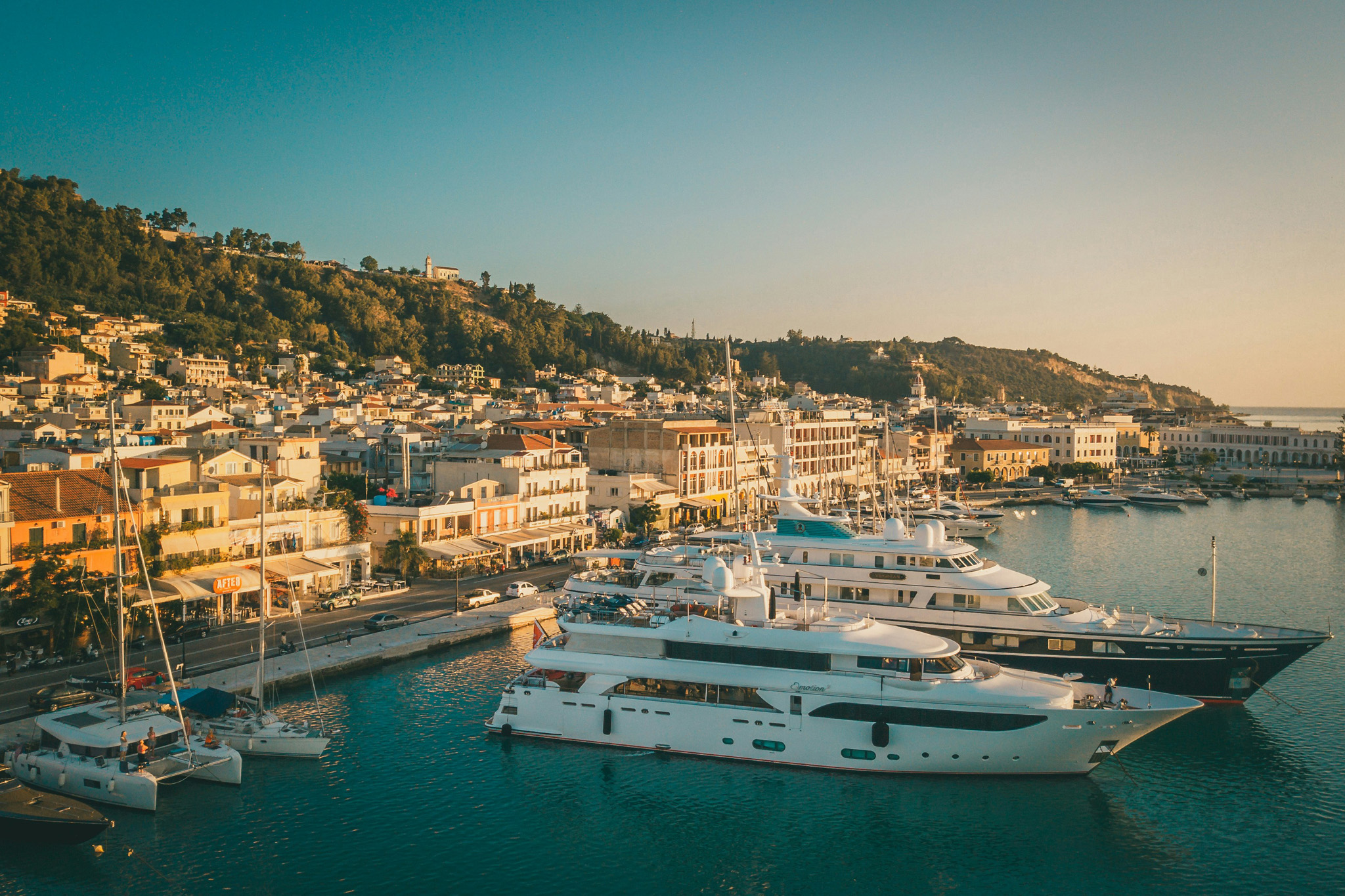
- Ferries are the main way to travel between islands, ranging from fast catamarans to slower car ferries
- Domestic flights connect Athens with larger islands and regional cities
- Renting a car offers freedom on the mainland and larger islands
- Roads are generally good, though mountain and island routes can be narrow and winding
- Buses (KTEL) link towns and cities affordably across the mainland
- Athens has a clean, efficient metro that connects the airport, port, and city centre
✈️ Airports
Athens International Airport (ATH)
- The country’s main international gateway and busiest airport, connecting Greece with the rest of the world
Thessaloniki Airport (SKG)
- The principal airport for northern Greece, serving the city of Thessaloniki and the surrounding region
Heraklion Airport (HER)
- The main airport on Crete, handling heavy seasonal traffic from across Europe
Rhodes International Airport (RHO)
- A major seasonal hub serving the Dodecanese islands, especially during the summer months
🗣️ Language
The official language of Greece is Greek, an ancient language with its own distinctive alphabet. While Greek is used everywhere in daily life, English is very widely spoken in tourist areas, hotels, restaurants, and among younger Greeks, so travellers will rarely struggle to communicate. Learning a few basic phrases is always appreciated and goes a long way with locals.
Common Phrases
- Hello – Γεια σας (yah sas)
- Goodbye – Αντίο (an-DEE-oh)
- Please – Παρακαλώ (pa-ra-ka-LOH)
- Thank you – Ευχαριστώ (ef-kha-ri-STOH)
- Yes – Ναι (neh)
- No – Όχι (OH-khee)
- Excuse me – Συγγνώμη (sigh-GHNO-mee)
- Sorry – Συγγνώμη (sigh-GHNO-mee)
- Do you speak English? – Μιλάτε αγγλικά; (mee-LA-te ang-li-KA)
- How much? – Πόσο κάνει; (PO-so KA-nee)
- Where is…? – Πού είναι…; (poo EE-neh)
- Help – Βοήθεια (vo-EE-thee-a)
- Cheers – Στην υγειά μας (stin ee-YAH mas)
- Good morning – Καλημέρα (ka-li-MEH-ra)
- You’re welcome – Παρακαλώ (pa-ra-ka-LOH)
ℹ️ Practical Info
Electricity
- Greece uses Type C and Type F plugs, with a standard voltage of 230V
Internet & WiFi
- WiFi is widely available in hotels, cafes, and restaurants, and mobile data coverage is strong in cities and tourist areas, though weaker on remote islands
Water
- Tap water is generally safe to drink in Athens and most of the mainland, but on many islands it is best to drink bottled or filtered water
Travel Insurance
- Comprehensive personal travel insurance is strongly recommended, with cover for medical care, ferry cancellations, and any adventure activities such as hiking, watersports, or boat trips
Connectivity SIM / eSIM
- Local SIM cards are easy to buy from providers such as Cosmote, Vodafone, and Nova at airports and in towns
- Using an eSIM is our recommended choice while travelling anywhere in the world, and our recommended provider is Holafly. For more information on eSIMs, check out this blog.

❤️ Why Visit Greece
Greece offers a rare combination of depth and ease. Few places let you stand among the foundations of Western civilisation in the morning and float in a turquoise bay by afternoon, all without ever feeling rushed. The history is immense, but it never feels heavy – it sits comfortably alongside long lunches, island sunsets, and the unhurried pleasures of everyday Greek life.
It is also a destination that rewards return visits. With thousands of islands and a mainland of mountains, gorges, and ancient sites, no single trip can capture it all. Whether you come for the monuments, the beaches, the food, or simply the famous Greek hospitality, there is always another corner waiting to be discovered.
More than anything, Greece leaves you with a feeling – of warmth, of light, of time slowing down. It is a place that has welcomed travellers for millennia, and it continues to do so with the same generosity that has always defined it.