Cambodia – Destination Guide
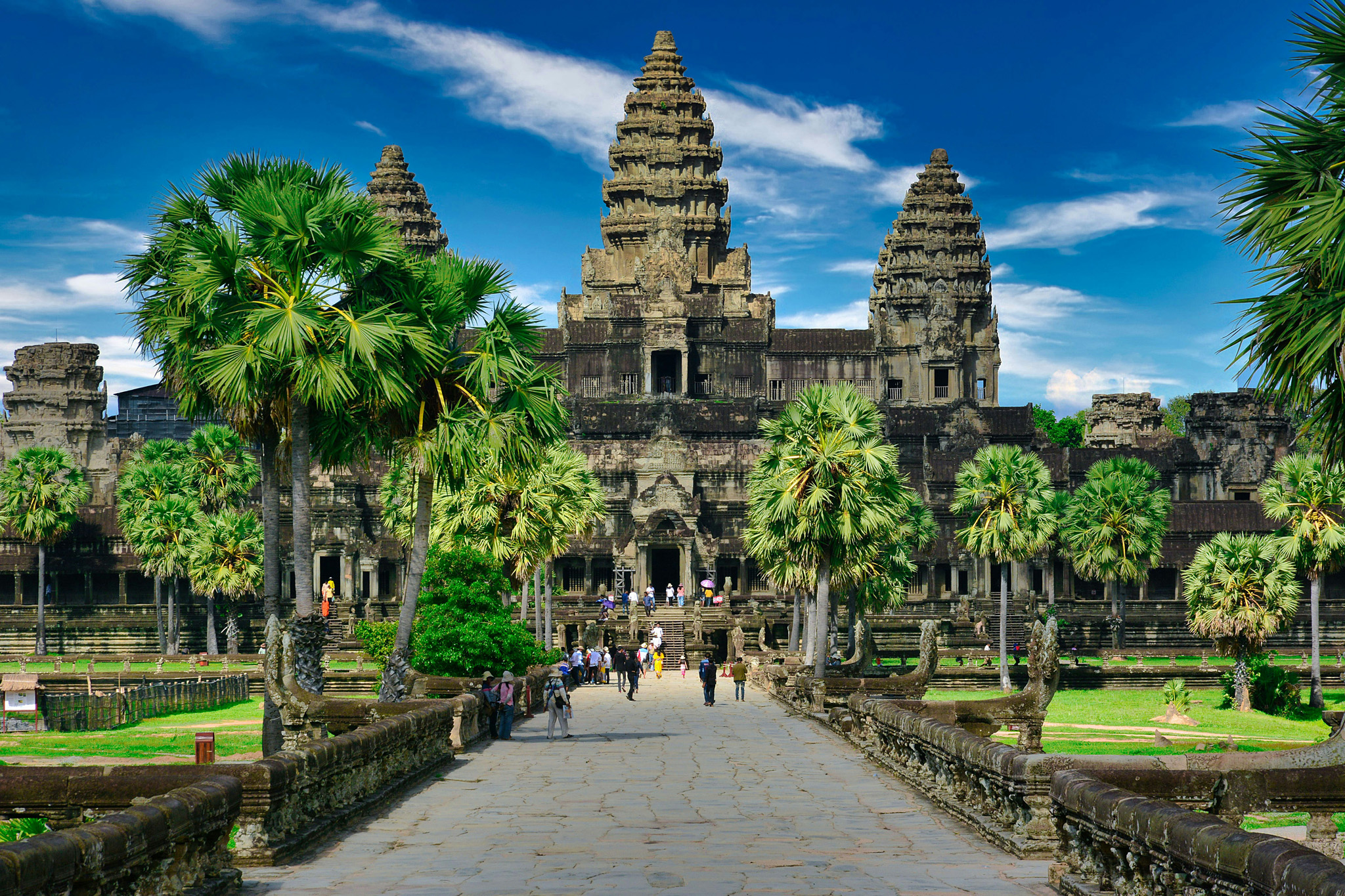
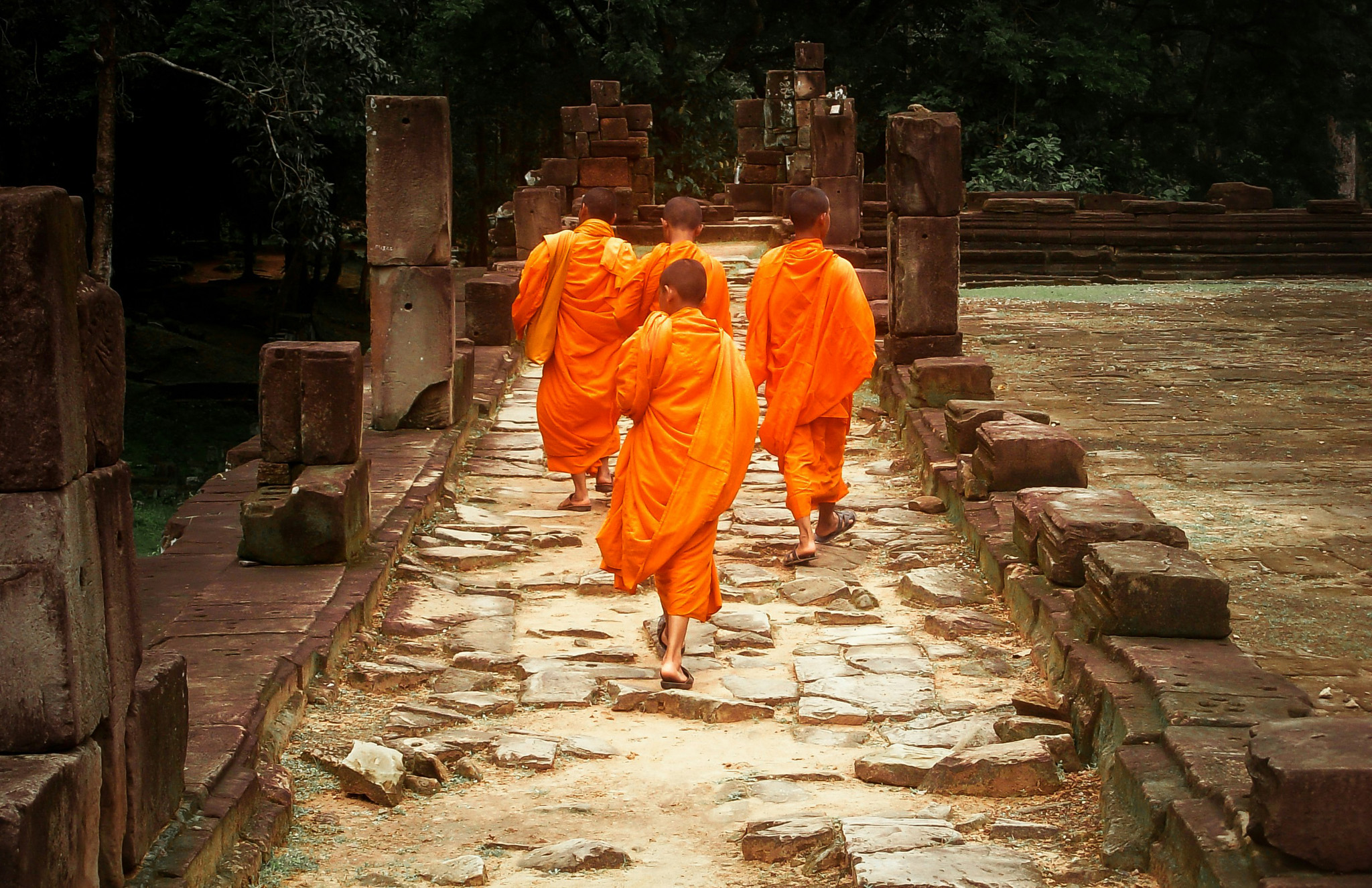
Cambodia is a country where ancient grandeur and warm, easy charm sit side by side. The temples of Angkor rise out of the jungle in their thousands, the Mekong winds slow and golden through the heart of the country, and the coastline curves into white-sand beaches and quiet islands few travellers ever reach. It’s a place that rewards curiosity – in the carved sandstone faces of Bayon, in the bustle of a Phnom Penh market, in the lantern-lit streets of Battambang at dusk.
Beyond the headline sights, Cambodia is a land of rice paddies, floating villages, dense jungle and remote highlands. The history is sobering and unforgettable, the cuisine is fragrant and underrated, and the people – despite everything the country has lived through – greet visitors with a generosity that defines the experience. You can spend a week here and feel you’ve barely scratched the surface, because in many ways you haven’t.
For travellers who want a destination that combines world-class history, layered landscapes, real adventure and a culture that draws you in slowly, Cambodia is one of Southeast Asia’s most rewarding journeys.
🗺️ Regions to Explore
Cambodia is compact but varied, with each region offering a distinct landscape and pace.
Siem Reap and Angkor
The cultural heart of the country and home to the Angkor Archaeological Park, a vast temple complex set in jungle.
- Sunrise at Angkor Wat
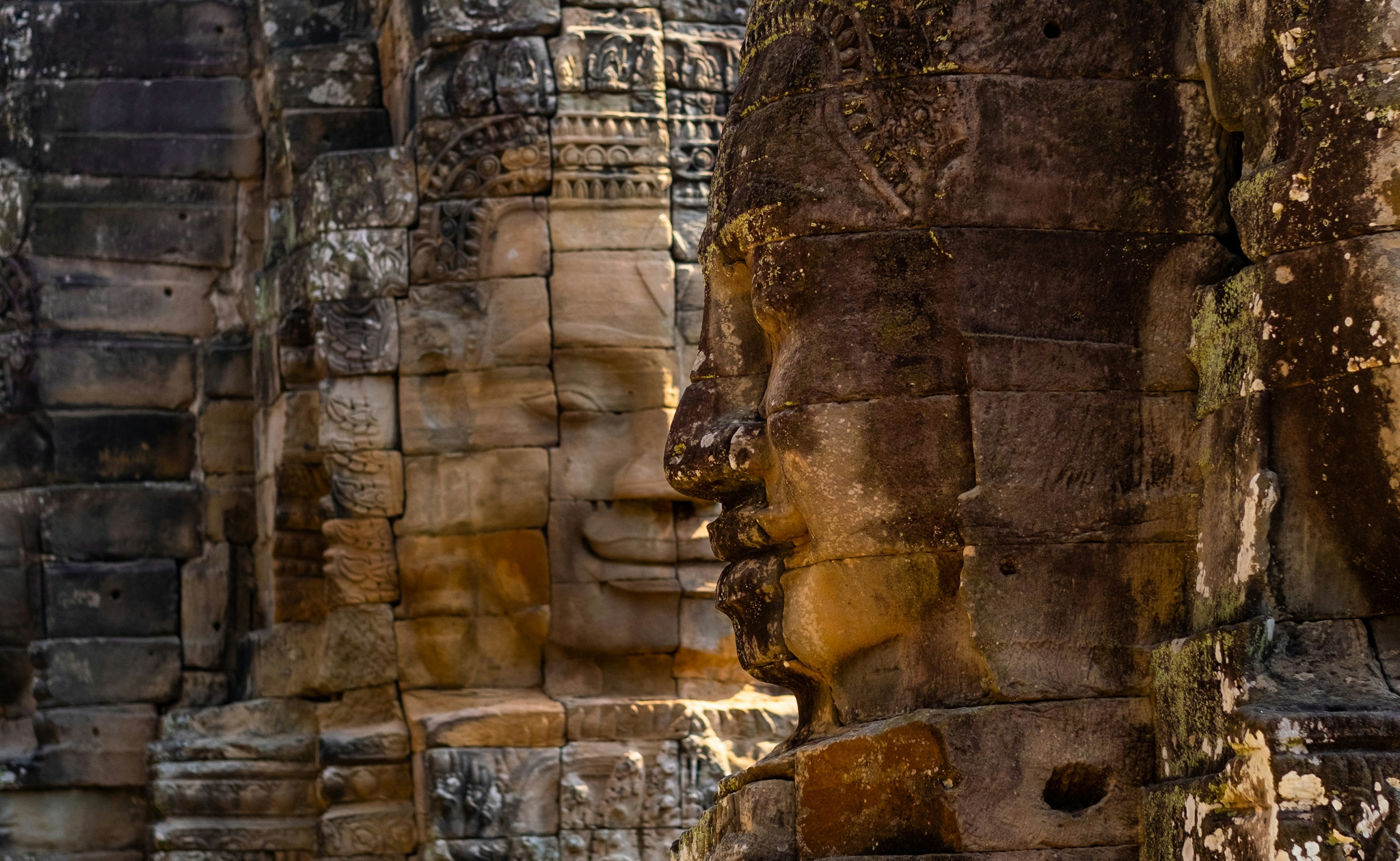
- Exploring Bayon, Ta Prohm and Preah Khan
- Day trips to Banteay Srei and Beng Mealea
- Tonlé Sap floating villages
- Pub Street and the night markets
- Phare, the Cambodian Circus
Phnom Penh
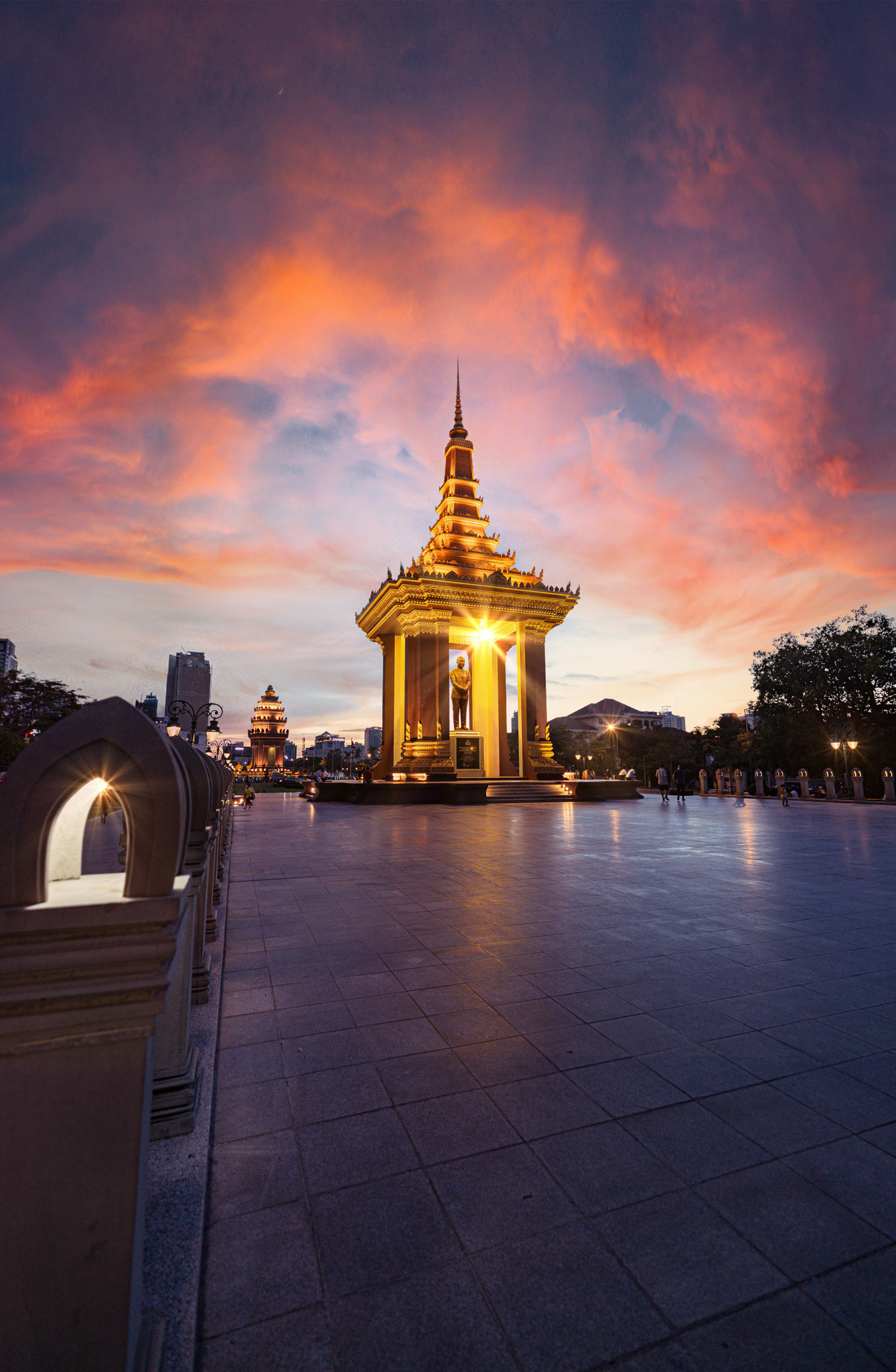
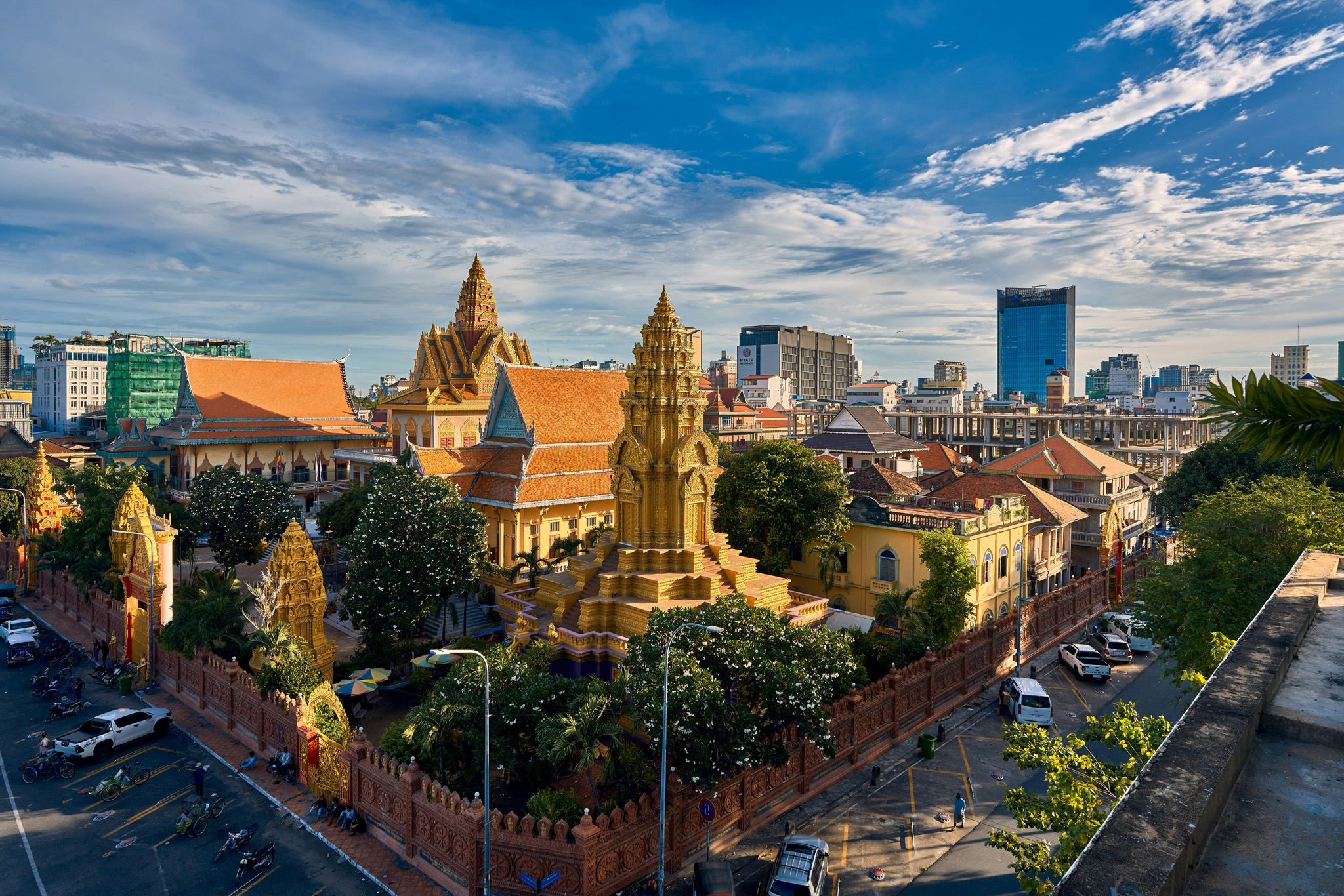
The capital is a fast-changing riverside city where French colonial architecture meets gold-roofed pagodas and modern Khmer life.
- Royal Palace and Silver Pagoda
- National Museum of Cambodia
- Tuol Sleng Genocide Museum and Choeung Ek
- Riverside walks along the Tonlé Sap and Mekong
- Russian Market for street food and souvenirs
- Sunset rooftop bars
Battambang and the North-West
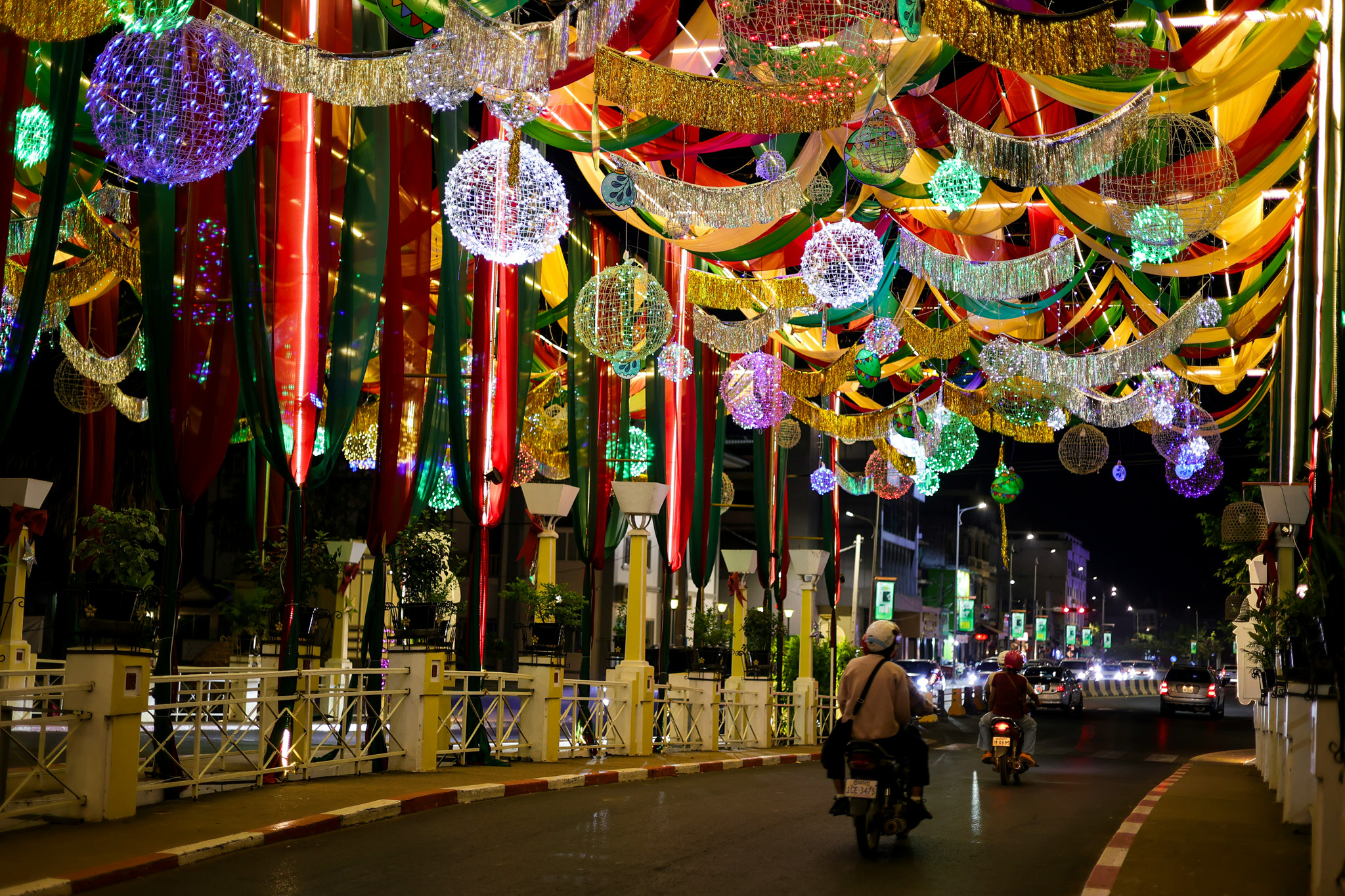
Cambodia’s second city is a mellow, art-loving town surrounded by rice fields, caves and crumbling colonial streets.
- The bamboo train (norry) ride
- Phare Ponleu Selpak circus
- Sampov Mountain and the killing caves
- Countryside cycling tours
- Local artist studios and galleries
- Day trips to wineries and rural villages
The South Coast
A laid-back stretch of beaches, fishing towns and colonial-era hill stations facing the Gulf of Thailand.
- Kampot and its pepper plantations
- Kep crab market and seaside eating
- Bokor Mountain National Park
- Sihanoukville for ferries to the islands
- Otres Beach for a quieter base
- Caves, rivers and kayaking around Kampot
The Cambodian Islands
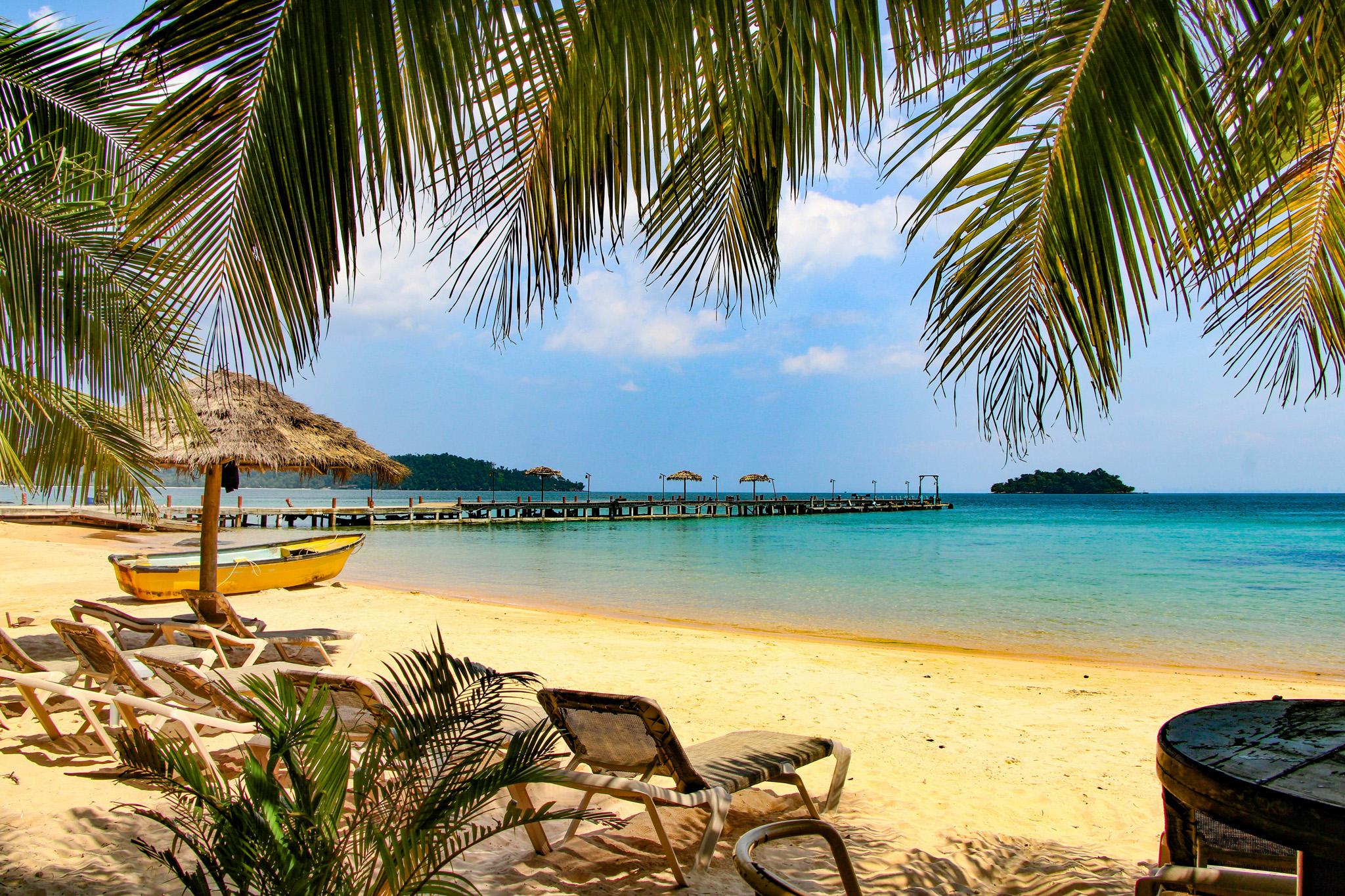
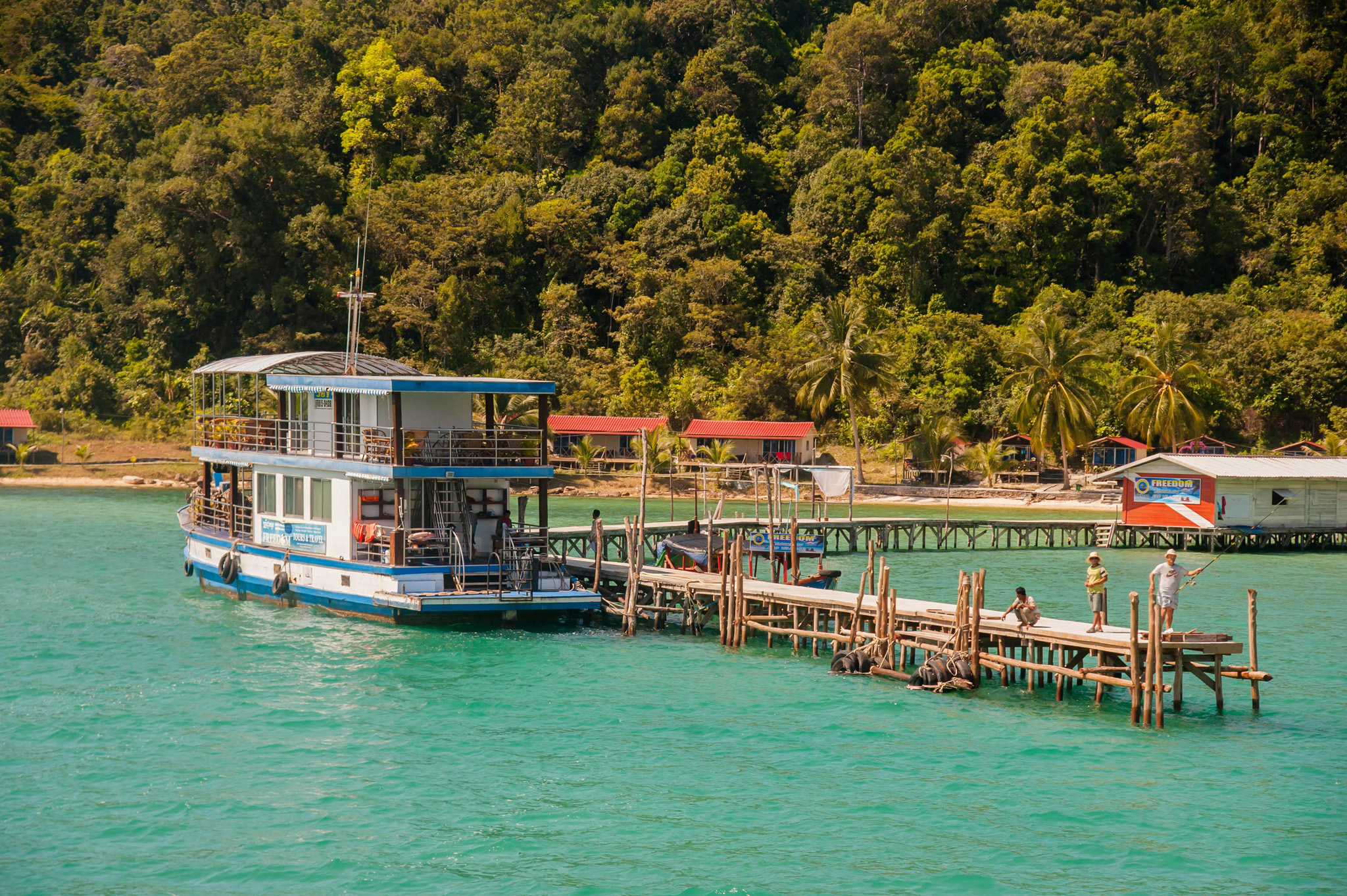
Cambodia’s islands are still relatively undeveloped, with bioluminescent water and powdery sand.
- Koh Rong for nightlife and beach bungalows
- Koh Rong Samloem for a quieter, eco-style stay
- Snorkelling and diving day trips
- Beachfront yoga and wellness retreats
- Bioluminescent plankton swims at night
- Island hopping by long-tail boat
The North-East
Wild, forested provinces of Mondulkiri and Ratanakiri offer Cambodia’s most off-the-beaten-track experiences.
- Ethical elephant sanctuaries in Mondulkiri
- Trekking through dense jungle
- Visiting indigenous Bunong villages
- Yeak Laom volcanic crater lake
- Waterfalls, hot springs and coffee plantations
- Homestays in rural communities
🎒 Things To Do
- Watch sunrise reflected in the lotus pond at Angkor Wat
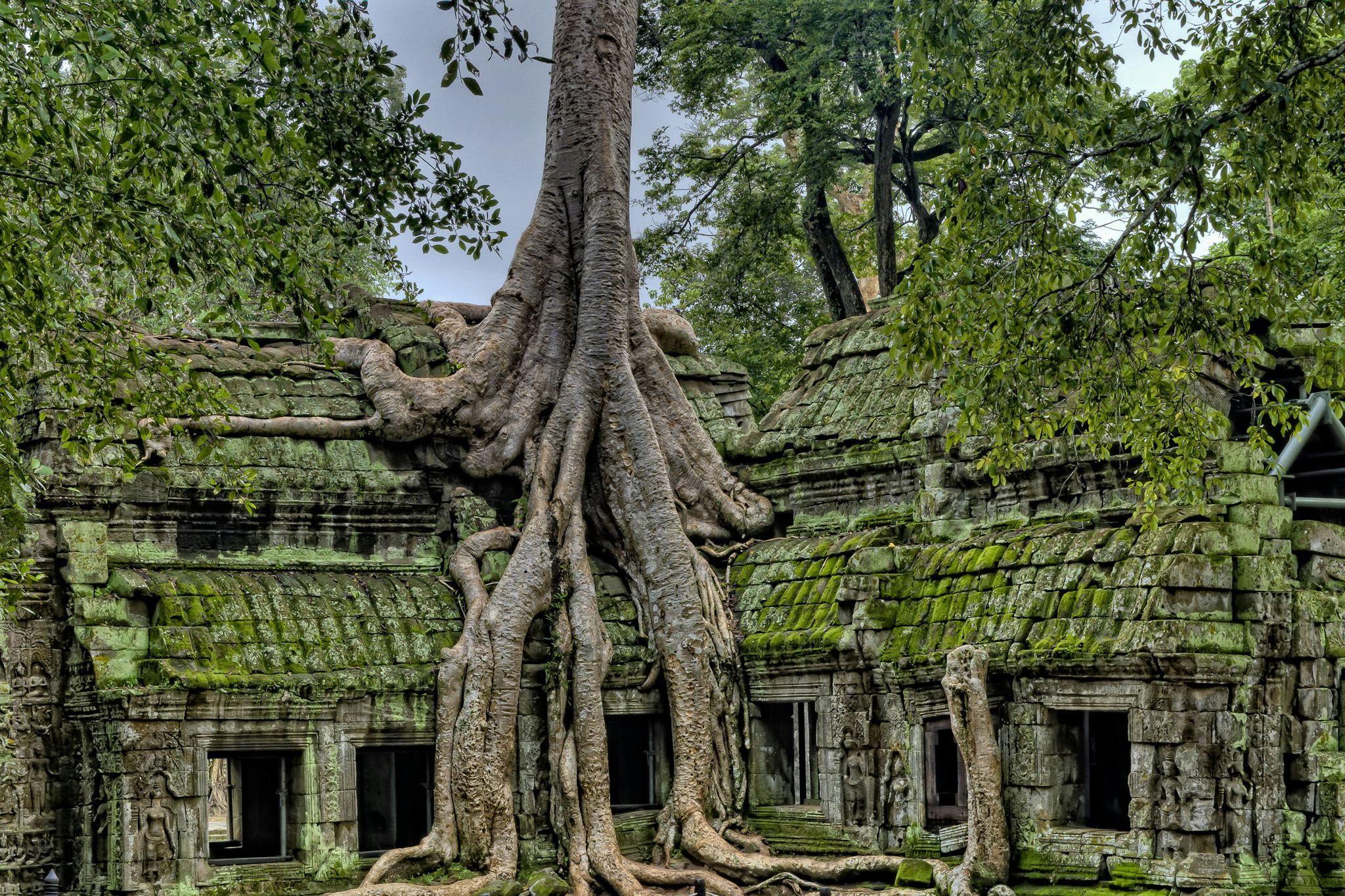
- Wander the moss-covered tree roots of Ta Prohm
- Take a boat across Tonlé Sap, Southeast Asia’s largest freshwater lake
- Spend an evening on the Phnom Penh riverside watching the city come to life
- Learn Khmer cooking in Siem Reap or Battambang
- Visit an ethical elephant sanctuary in Mondulkiri
- Tour a pepper plantation in Kampot, home to the world’s most prized peppercorns
- Cycle through rice paddies and stilt villages around Battambang
- Snorkel and swim with bioluminescent plankton off Koh Rong
- See the country’s living culture at a Cambodian Circus performance
🍽️ Food & Drink
Khmer cuisine is fragrant, fresh and often overshadowed by its neighbours – but it deserves its own spotlight. Expect lemongrass, galangal, fresh herbs, fermented fish (prahok) and gentle, layered curries that lean less on chilli and more on aroma.
- Fish amok, the national dish, a coconut and lemongrass fish curry steamed in banana leaf
- Lok lak, stir-fried beef with pepper sauce and a fried egg
- Nom banh chok, fresh rice noodles with green fish curry, eaten for breakfast
- Kampot pepper crab in Kep
- Num pang, the Khmer take on a baguette sandwich
- Iced Khmer coffee with sweetened condensed milk
🗣️ Language
The official language of Cambodia is Khmer, a non-tonal language with its own beautiful, looping script that dates back over a thousand years. Khmer is spoken by almost the entire population and is one of the oldest written languages in Southeast Asia, with deep roots in Sanskrit and Pali.
English is widely spoken in tourist hubs like Siem Reap, Phnom Penh and the south coast, especially in hotels, restaurants and tour operators. French is still spoken by some older Cambodians as a legacy of the colonial period. In rural areas and smaller towns, English is much less common, and even a handful of Khmer phrases will be warmly received – locals genuinely light up when visitors give it a go.
- Hello – Sua s’dei (soo-uh s-day)
- Goodbye – Lia hai (lee-ah hi)
- Thank you – Aw kun (or-koon)
- Yes (male / female) – Baat / Jaa (baht / jaa)
- No – Te (teh)
- Please – Sohm (som)
- Excuse me / Sorry – Sohm toh (som toh)
- How much? – T’lai pohnmaan? (tlai pon-maan)
- Where is…? – …neuv ai naa? (nuv eye nah)
- Help! – Juay phong! (jew-eye pong)
- Cheers! – Chol mouy! (chol moy)
- Delicious – Chnganh (ch-ngan)
- Water – Tuk (took)
- The bill, please – Sohm kit luy (som kit loo-ee)
- Nice to meet you – Riek riey dael baan skoal (ree-ek ree-ay dial baan skoal)
🌦️ Weather
Cambodia has a tropical monsoon climate with two main seasons – dry and wet – and warm temperatures year-round.
- Average temperatures sit between 24°C and 35°C across most of the year
- Dry season runs from November to April, with cooler weather in December and January
- Hot season peaks in March and April, often above 35°C with high humidity
- Wet season runs from May to October, with afternoon downpours rather than all-day rain
- The coast and islands are warm year-round but rough seas affect boats during peak monsoon
- The north-eastern highlands are noticeably cooler than the lowlands
📅 Best Time To Visit
November – February (Cool Dry Season)
- The most popular and comfortable time to travel
- Lower humidity, blue skies and ideal temple-touring weather
- Higher visitor numbers at Angkor and busier accommodation
- Perfect for beaches, islands and outdoor activities
March – May (Hot Dry Season)
- Hot and dry across most of the country
- Fewer crowds at major sites and better deals on accommodation
- Khmer New Year celebrations in mid-April are a cultural highlight
- Best for travellers who handle heat well
June – October (Green Wet Season)
- Lush green landscapes, full waterfalls and reflecting pools at the temples
- Short, heavy afternoon rains rather than constant downpours
- Quieter sites and the cheapest prices of the year
- Some rural roads and remote islands become harder to access
🎒 Packing List
- Lightweight, breathable clothing in cotton or linen
- Modest layers for temple visits (covered shoulders and knees required)
- Light rain jacket or compact umbrella
- Comfortable walking shoes and sandals
- Sun hat, sunglasses and high-SPF sunscreen
- Strong insect repellent with DEET
- Reusable water bottle with built-in filter
- Universal power adapter
- Small daypack for temple days and excursions
- Basic medical kit, including rehydration salts and electrolytes
- Personal prescription medications and a copy of prescriptions
- Hand sanitiser and tissues for rural toilets
🚗 Getting Around
- Domestic flights connect Phnom Penh, Siem Reap and Sihanoukville for longer distances
- Private drivers are affordable and the most comfortable option for intercity travel
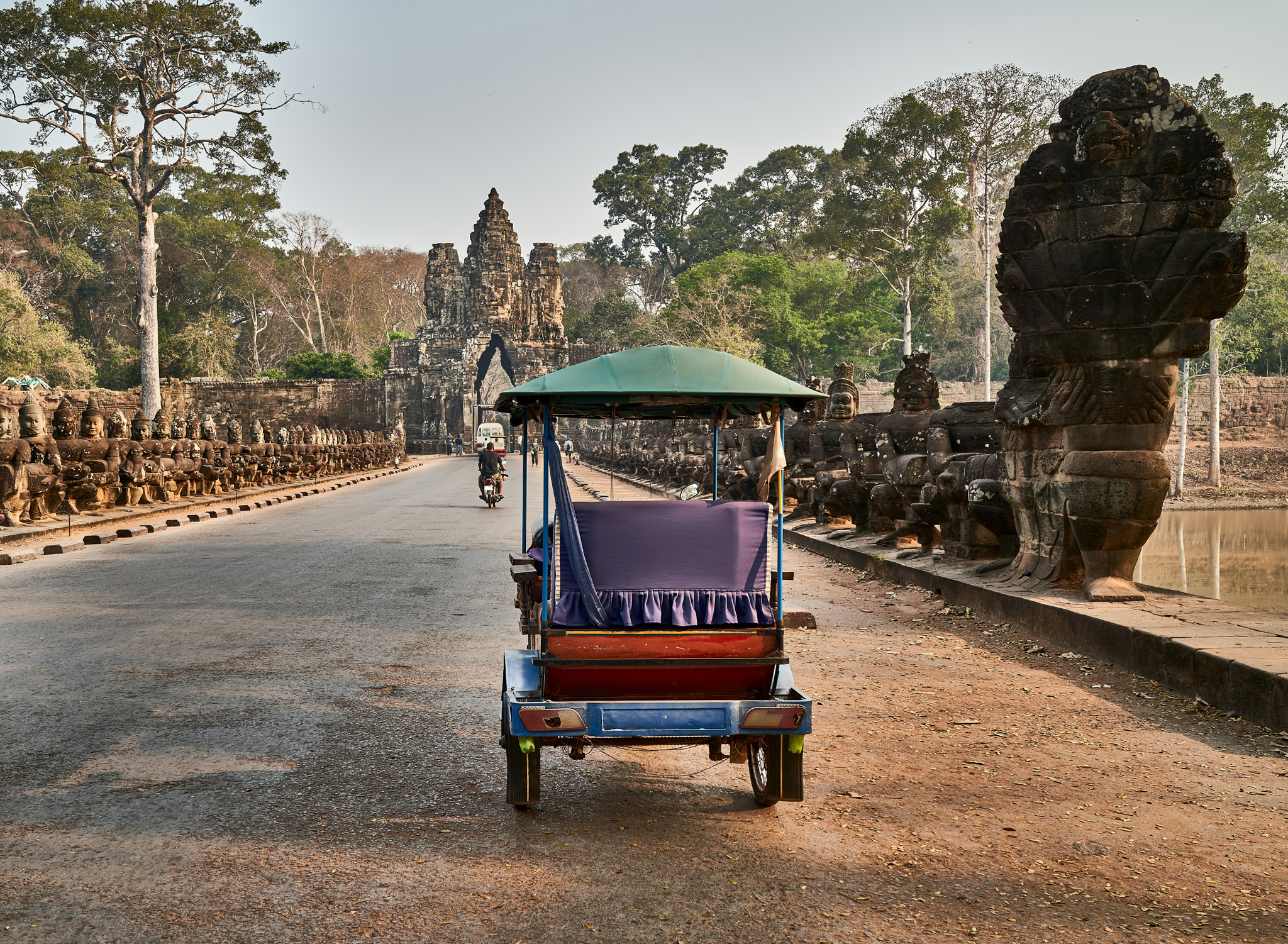
- Tuk-tuks and PassApp (the local ride-hailing app) handle most short trips in towns and cities
- Buses and minivans link major destinations but vary in quality and timing
- Roads have improved significantly but rural routes can still be slow and rough in the wet season
- Guided tours are highly recommended for Angkor, remote regions and multi-day itineraries
💰 Money
- The official currency is the Cambodian Riel (KHR), but US dollars are used everywhere
- Prices are often quoted in USD, with riel given as change for amounts under one dollar
- Bring crisp, clean USD notes – torn or marked bills are often refused
- ATMs are widely available in cities and tourist areas, dispensing both USD and KHR
- Cards are accepted at hotels, larger restaurants and tour operators, but cash rules elsewhere
- Tipping is appreciated but not obligatory – a few dollars for guides and drivers is standard
🛂 Visas & Entry Requirements
Most travellers need a visa to enter Cambodia, which can be arranged easily online or on arrival.
- Tourist eVisa available online for stays of up to 30 days, single entry
- Visa on arrival also available at major airports and most land borders
- Passport must be valid for at least six months from your date of entry, with two blank pages
- A passport-sized photo and small fee (USD) are required for visa on arrival
- Overstaying carries a daily fine and can lead to detention for serious cases
Official information: https://www.evisa.gov.kh
✈️ Airports
- Techo International Airport (KTI) is the main gateway to the country, serving Phnom Penh and replacing the older Phnom Penh International Airport.
- Siem Reap-Angkor International Airport (SAI) is the closest hub for visitors heading directly to the temples of Angkor.
- Sihanoukville International Airport (KOS) serves the south coast and is the main jumping-off point for the Cambodian islands.
🌈 LGBTQIA+ Travellers
Cambodia is one of the more relaxed countries in Southeast Asia for LGBTQIA+ travellers, though attitudes vary between cities and rural areas.
- Same-sex relations are legal and there are no laws criminalising LGBTQIA+ identity
- Same-sex marriage and civil partnerships are not legally recognised
- Phnom Penh and Siem Reap have visible LGBTQIA+ scenes, including bars and venues
- Public displays of affection between any couple are generally kept low-key
- Rural and conservative areas may be more reserved, but overt hostility is rare
⚠️ Traveller Safety
Cambodia is generally safe for travellers, though common-sense precautions go a long way.
- Petty theft and bag snatching can occur in busy areas, particularly Phnom Penh – keep valuables close, especially in tuk-tuks
- Traffic is chaotic and road accidents are the biggest risk for visitors – use reputable drivers
- Avoid swimming in unmarked rivers and lakes due to currents and waterborne illness
- Always use a licensed guide at remote temples and jungle sites
- Stick to well-lit areas at night and use registered transport apps after dark
- Emergency number is 117 (police), 118 (fire) and 119 (ambulance).
💉 Vaccinations & Health
No vaccinations are mandatory for entry from most countries, but several are strongly recommended.
- Routine vaccinations including MMR, tetanus and polio should be up to date
- Hepatitis A and typhoid are recommended for most travellers due to food and water risks
- Hepatitis B, Japanese encephalitis and rabies may be advised depending on activities and length of stay
- Malaria risk is present in rural and forested border regions but not in Phnom Penh, Siem Reap or Angkor Wat
- Dengue fever is widespread – mosquito protection is essential year-round
Official information: https://wwwnc.cdc.gov/travel/destinations/traveler/none/cambodia
ℹ️ Practical Info
Electricity
- Plug types A, C and G are used, with a standard voltage of 230V
Internet & WiFi
- WiFi is widely available in hotels, cafés and restaurants in cities and tourist areas
- Mobile data is fast, cheap and reliable across most of the country
Water
- Tap water is not safe to drink anywhere in Cambodia
- Stick to bottled, filtered or purified water, including for brushing teeth in rural areas
Travel Insurance
- Comprehensive travel insurance is strongly recommended, with cover for medical evacuation, adventure activities and motorbike use if relevant – serious cases are often evacuated to Thailand or Singapore.
Connectivity SIM / eSIM
- Local SIM cards are cheap and easy to buy on arrival from providers like Smart and Cellcard
- Using an eSIM is our recommended choice while travelling anywhere in the world, and our recommended provider is Holafly. For more information on eSIMs, check out this blog.

❤️ Why Visit Cambodia
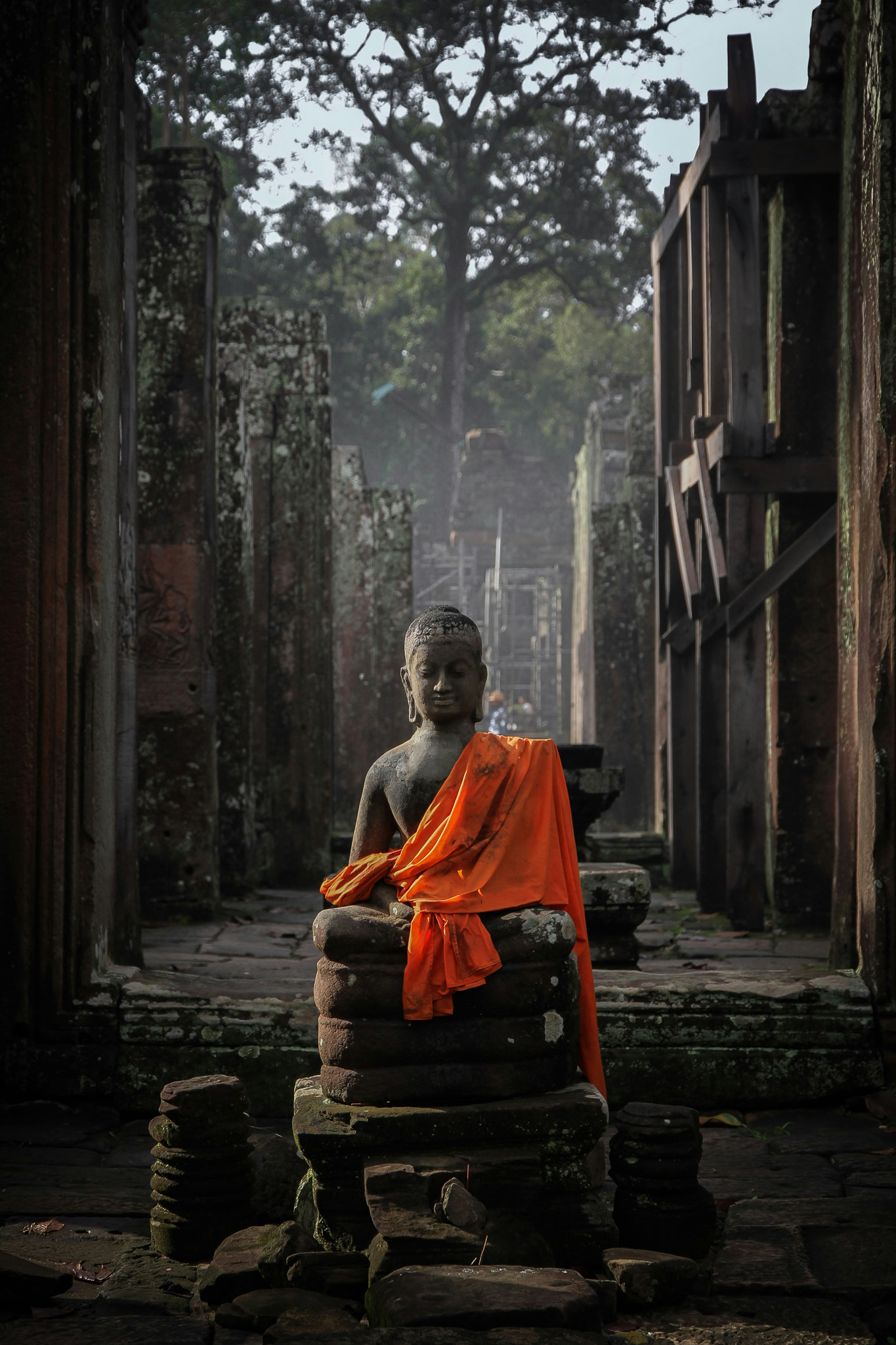
Cambodia is a country that lingers. Long after the temples have faded and the dust has been washed off your boots, you remember the small things – a smiling tuk-tuk driver, a bowl of amok eaten on a riverside terrace, the sound of monks chanting at dawn. It’s a destination that asks you to slow down and pay attention, and it pays you back tenfold.
For travellers who want history that genuinely moves them, landscapes that range from temple jungle to tropical coastline, food that surprises and people who welcome you in, Cambodia delivers in a way that few places still do. It’s adventurous without being difficult, deeply meaningful without being heavy, and beautiful in ways that go far beyond the postcard.
Come for Angkor, but stay for everything else – because Cambodia, more than almost anywhere in Southeast Asia, gives you a journey rather than just a holiday.