Japan – Destination Guide
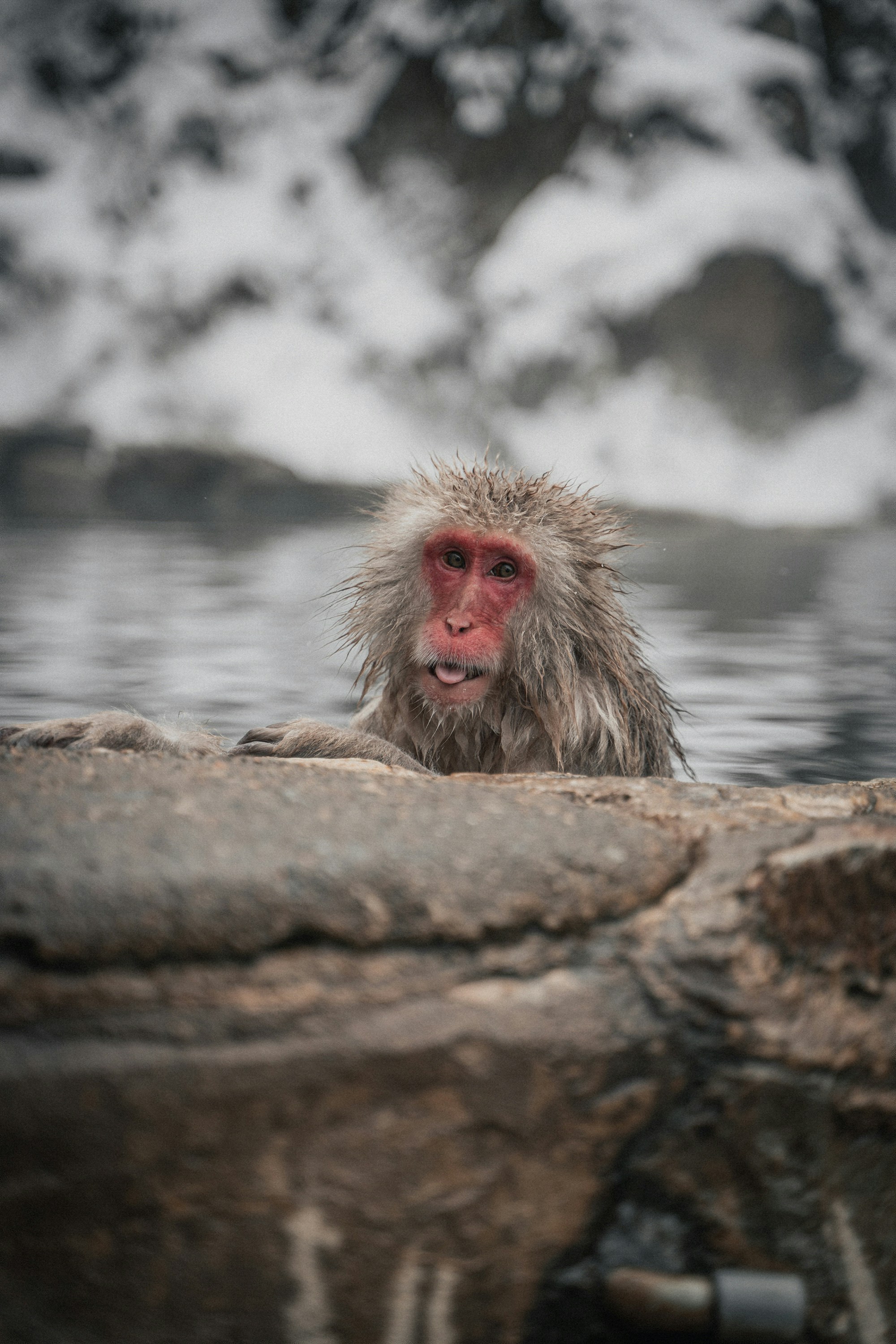
From futuristic cities and ancient temples to cherry blossoms and steaming hot springs, Japan is a country where contrasts coexist in perfect harmony. Whether you’re sipping matcha in a Kyoto teahouse, exploring Tokyo’s neon-lit streets, skiing in Hokkaido, or soaking in a traditional onsen, Japan offers a rich blend of culture, cuisine, and natural beauty that captivates travelers year-round.
🗾 Regions to Explore
🏙 Tokyo
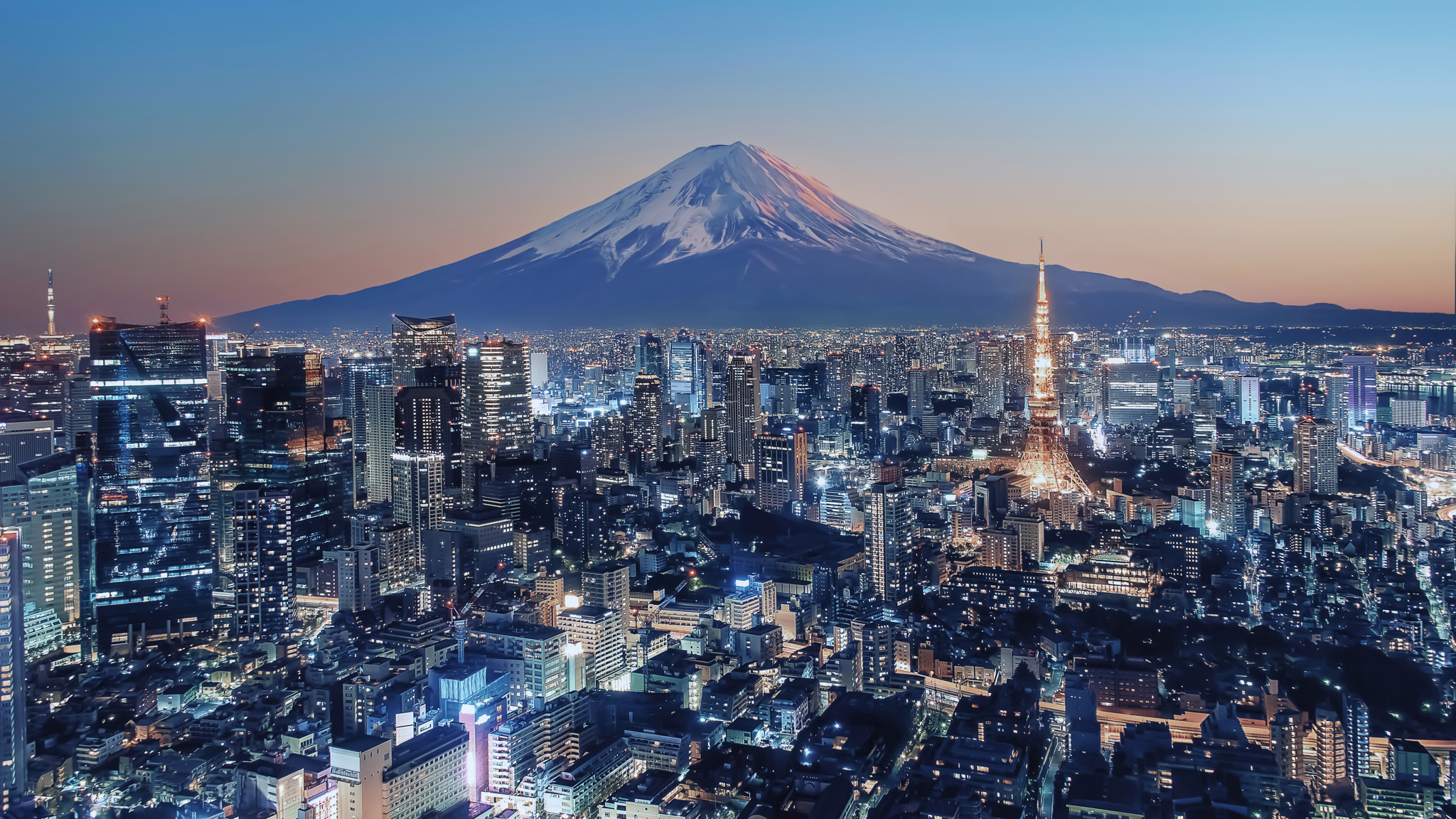
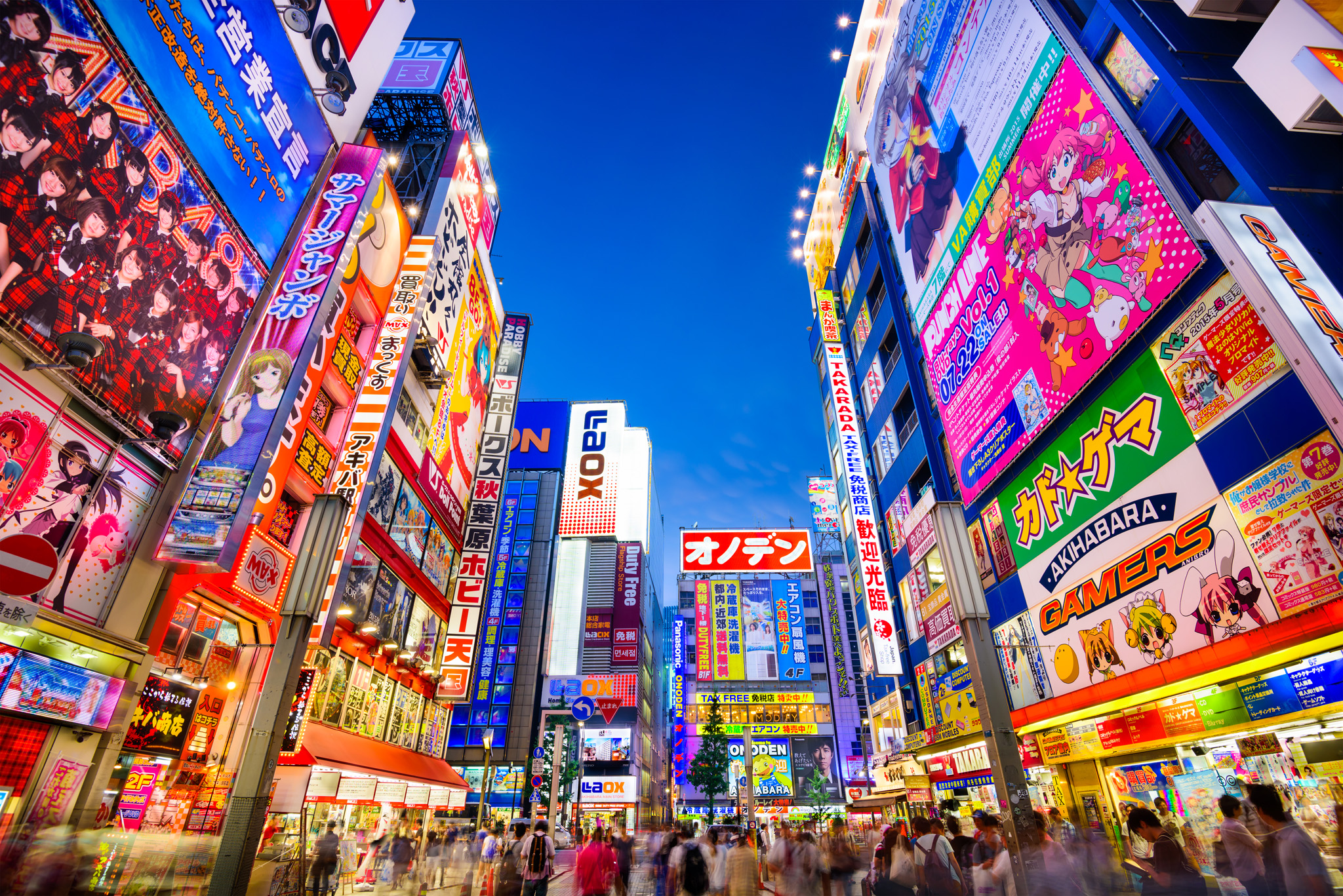
Japan’s buzzing capital is a captivating mix of cutting-edge technology and timeless tradition. Explore the bright lights of Shibuya and Shinjuku, the old-world charm of Asakusa’s Senso-ji Temple, and the luxury of Ginza’s boutiques. Don’t miss views from Tokyo Skytree or a stroll through Ueno Park during cherry blossom season.
⛩ Kyoto
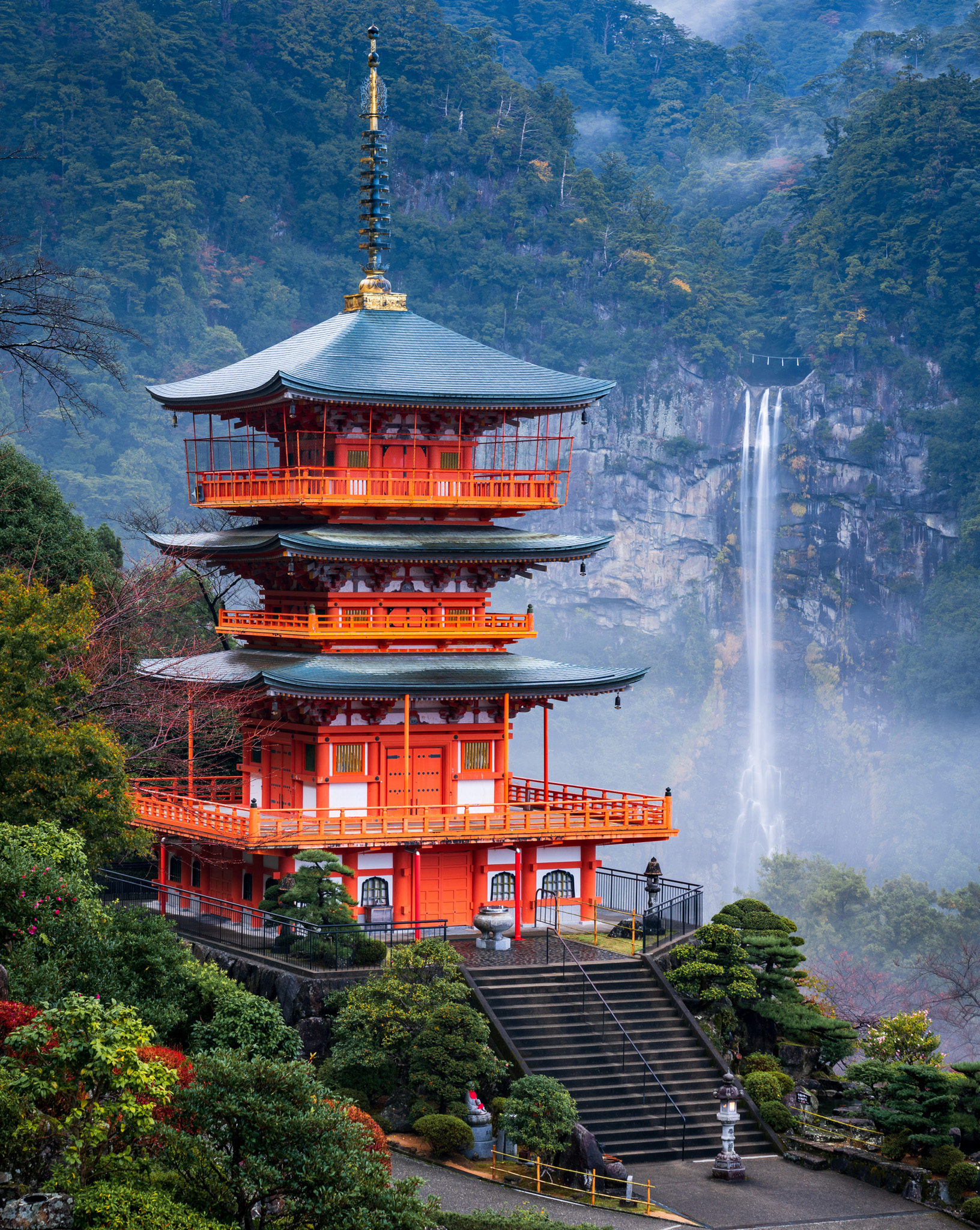
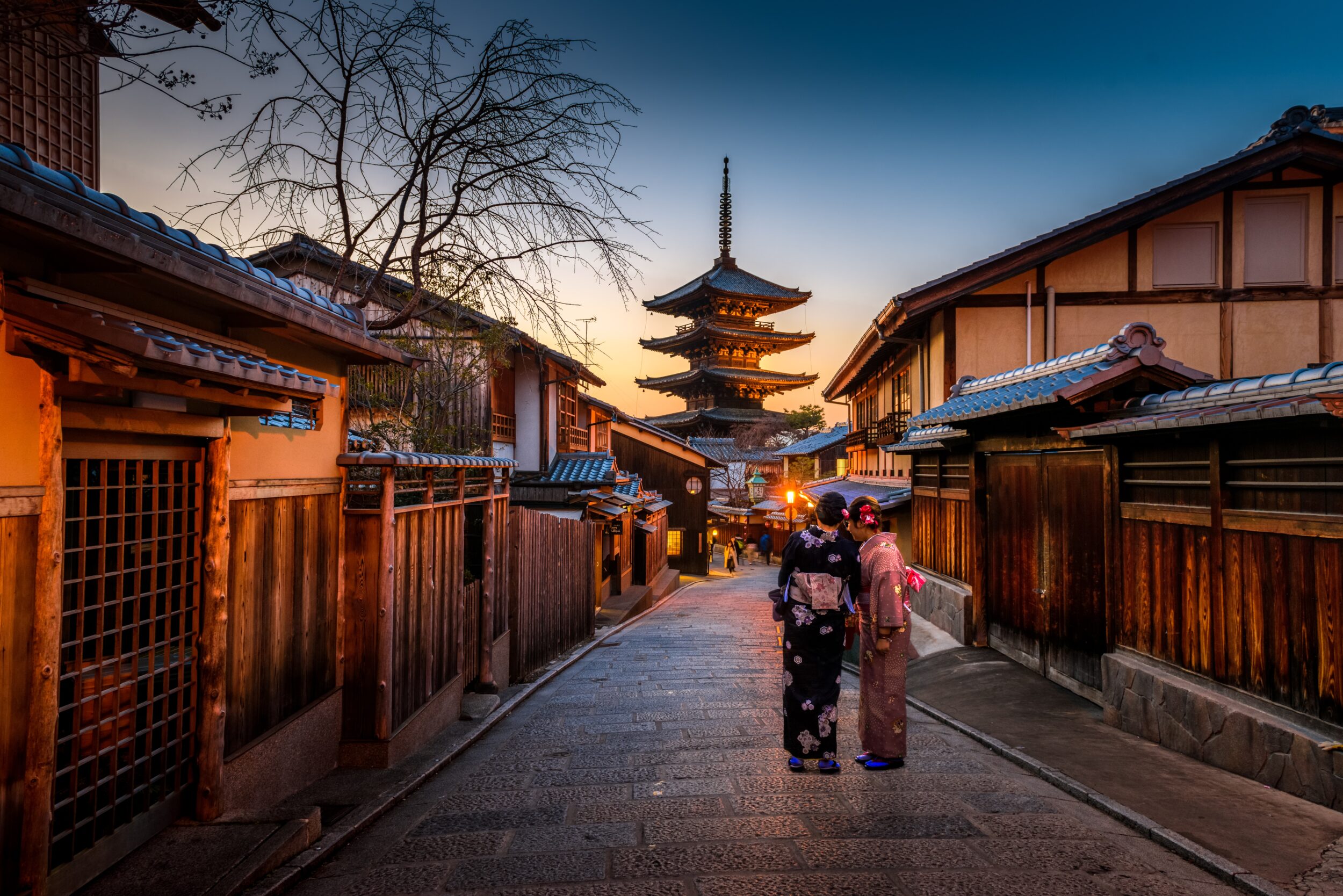
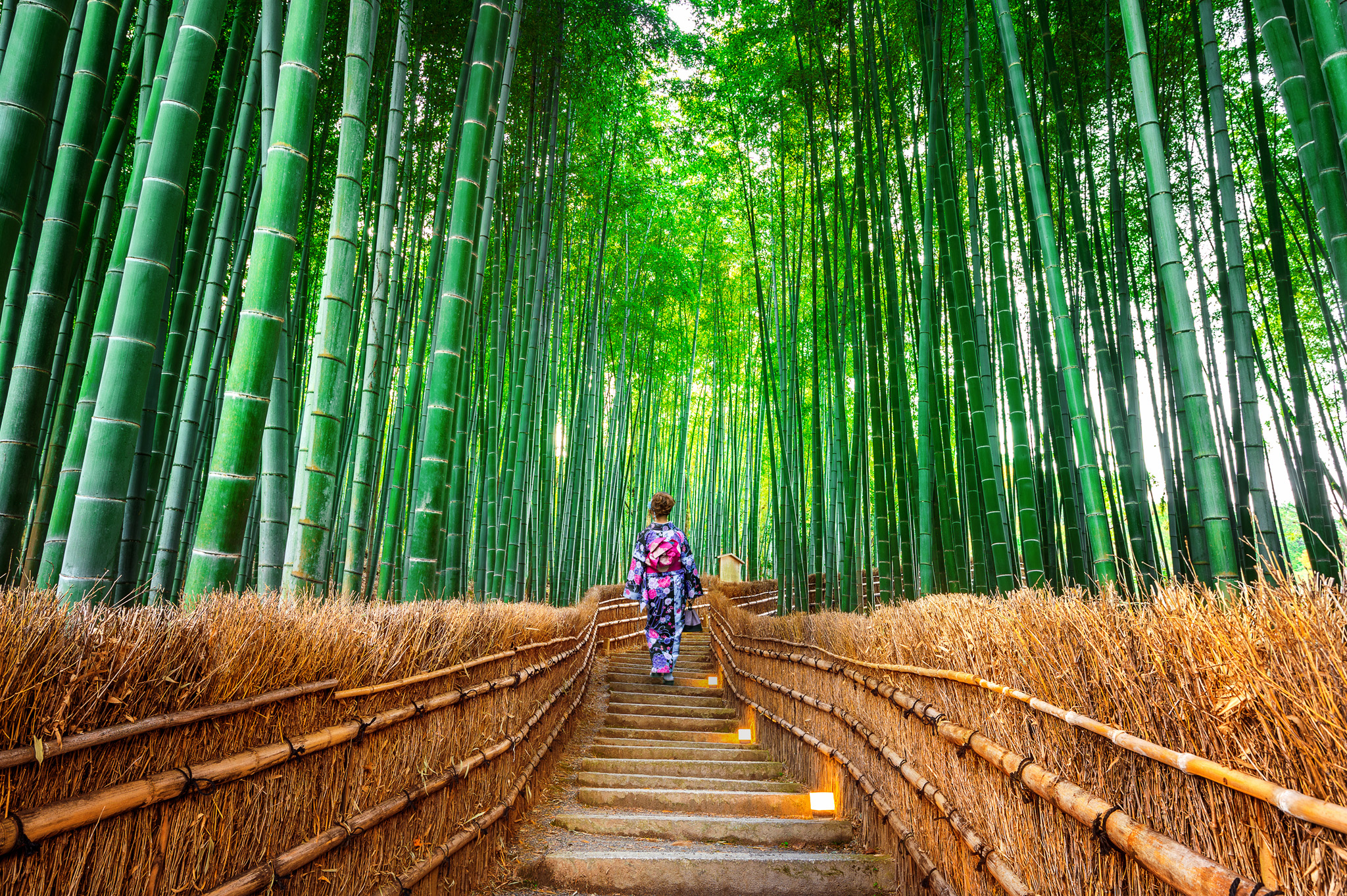
The cultural soul of Japan, Kyoto is home to over 1,000 temples, elegant tea houses, and traditional geisha districts. Wander through the famous Fushimi Inari Shrine, the bamboo groves of Arashiyama, and tranquil gardens that embody Japanese zen.
🍣 Osaka
Known as Japan’s kitchen, Osaka is the place for food lovers. Try takoyaki (octopus balls) and okonomiyaki (savory pancakes) while exploring Dotonbori’s neon nightlife. Osaka Castle and Universal Studios Japan are also top highlights.
🗻 Hakone & Mount Fuji Region
A scenic retreat offering mountain views, hot springs, and art museums. Enjoy a soak in an onsen, visit the Open-Air Museum, and admire Mount Fuji from Lake Ashi.
🎎 Nara
Famous for its friendly deer and the colossal Buddha of Todai-ji Temple, Nara is an easy day trip from Kyoto or Osaka.
❄️ Hokkaido
Japan’s northernmost island is paradise for skiers and nature lovers. Niseko’s powder snow, Sapporo’s snow festival, and fresh seafood are world-renowned.
🌸 Hiroshima & Miyajima
A city of remembrance and peace, Hiroshima offers moving historical sites like the Peace Memorial Park. Nearby Miyajima Island is home to the iconic “floating” torii gate.
🏯 Kanazawa & Takayama
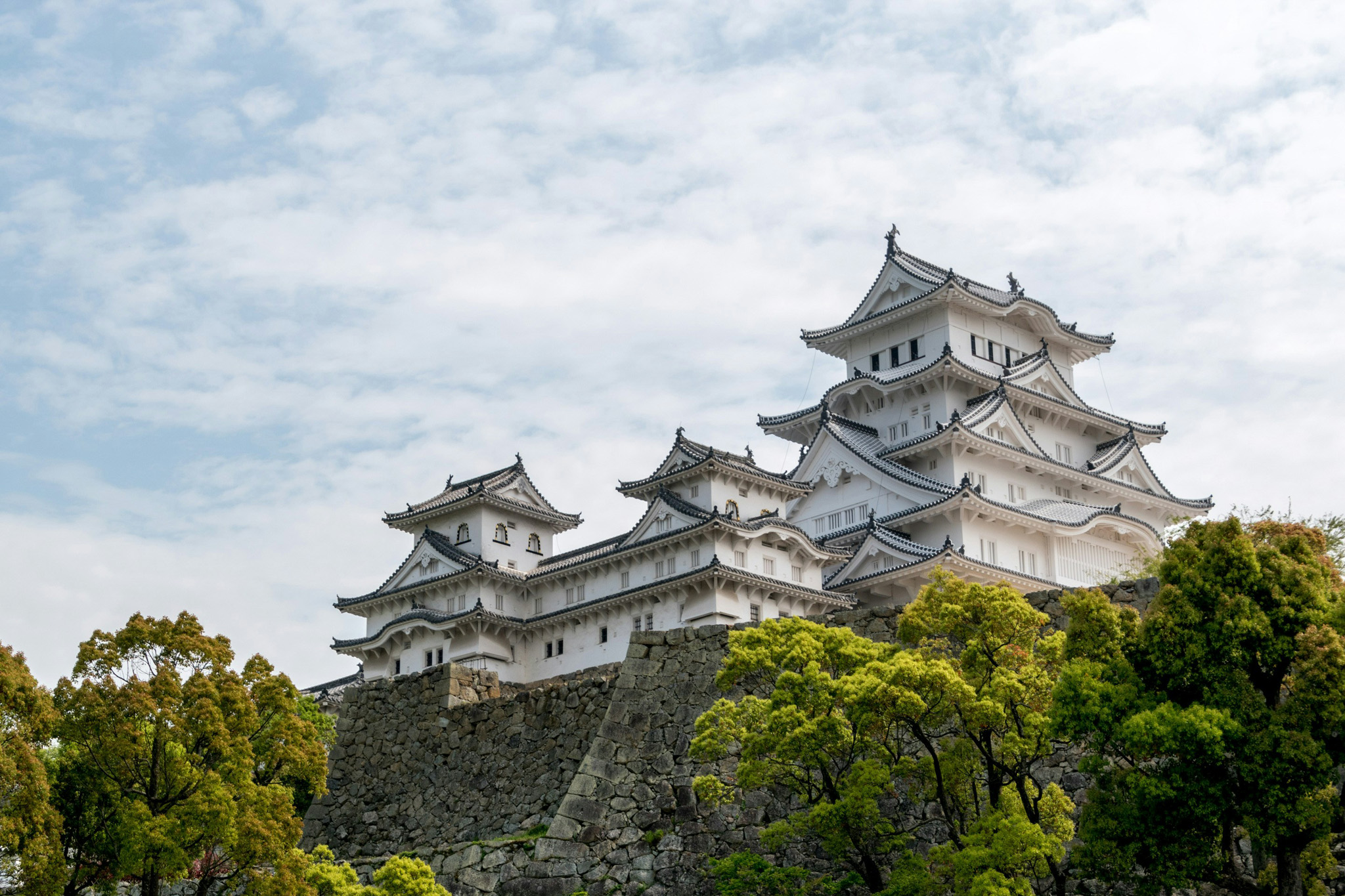
Beautifully preserved towns known for samurai districts, traditional crafts, and Edo-period charm. Ideal for travelers seeking a glimpse into old Japan.
🌟 Highlights
- 🌸 Cherry Blossoms – Visit in spring (late March to early April) for Japan’s stunning sakura season.
- 🚄 Shinkansen Bullet Train – Travel between major cities at speeds up to 320 km/h in comfort and style.
- 🛁 Onsen Baths – Experience the soothing ritual of Japan’s hot springs, found in towns like Hakone and Beppu.
- 🍣 Food Culture – From sushi and ramen to wagyu beef and kaiseki dining, Japan is a culinary adventure.
- 🎎 Cultural Traditions – Enjoy tea ceremonies, kimono rentals, sumo tournaments, and sushi-making classes.
- 🗻 Mount Fuji – Hike it in summer or admire it year-round from nearby lakes.
- 🎏 Festivals – Don’t miss Hokkaido’s Snow Festival, Kyoto’s Gion Matsuri, and Tokyo’s dazzling summer fireworks.

🛬 Getting There & Airport Transportation
Main International Gateways
- Tokyo Haneda (HND) – The most convenient airport for Tokyo, located just 20–30 minutes from central Tokyo via monorail or train.
- Tokyo Narita (NRT) – Handles most long-haul international flights. Transfer to the city via the Narita Express (around 1 hour) or airport limousine bus.
- Kansai International (KIX) – The main international airport for western Japan, serving Osaka, Kyoto, Nara, and Kobe. Located on an artificial island about 50 km from Osaka. Access the city via the JR Haruka Express (45 min to Osaka, 75 min to Kyoto) or Nankai Line (45 min to Namba).
- Osaka Itami (ITM) – Also known as Osaka International Airport, but primarily serves domestic flights. Located only 10 km from Osaka city center, with convenient limousine bus and Osaka Monorail connections (around 30 min).
- Chubu Centrair (NGO) – Serves Nagoya and central Japan, just 30 minutes from the city by Meitetsu train.
- New Chitose (CTS) – Gateway to Hokkaido, located 40 minutes by train from Sapporo.
- Fukuoka (FUK) – The main entry point to Kyushu, only 10 minutes by subway from central Fukuoka.
Transfers & Domestic Travel
Japan’s public transportation is world-class – fast, clean, and reliable.
- Japan Rail Pass – Ideal for tourists traveling between multiple cities, offering unlimited rides on JR trains including most Shinkansen lines.
- Subways & Local Trains – Easy to navigate, with English signage in major cities.
- IC Cards (Suica, Pasmo, ICOCA) – Rechargeable cards usable on most trains, buses, vending machines, and convenience stores.
- Airport Buses & Taxis – Available at all major airports, though generally more expensive than trains.
- Domestic Flights – Japan’s regional network connects major cities and islands efficiently, often with short flight times and frequent service.
🛂 Visa & Entry Requirements
Japan offers visa-free entry for citizens of more than 65 countries, including Australia, New Zealand, the United States, Canada, the United Kingdom, and most EU nations. Visitors from these countries can stay for up to 90 days for tourism without a visa.
If you plan to stay longer, work, or study, you’ll need to apply for a specific visa type before travel. Ensure your passport is valid for the entire duration of your stay and that you have proof of onward travel if requested.
For the latest and most accurate information, visit the official Japanese Ministry of Foreign Affairs website:
👉 https://www.mofa.go.jp/j_info/visit/visa/
🧭 Practical Information
- 🔌 Electricity – 100V supply with plug types A and B, the same flat pin style used in North America. Australia, UK and European travellers will need an adapter. Most modern chargers are dual voltage 100 to 240V, but always check before plugging in. Hair tools designed only for 220 to 240V may not work properly.
- 💧 Water – Tap water is safe to drink nationwide, including in cities, mountain towns and rural areas. Public drinking fountains are less common than in some countries, so consider carrying a reusable bottle.
- 💉 Vaccinations – No mandatory vaccinations for entry. Routine vaccinations such as tetanus and hepatitis A and B are generally recommended. If travelling for extended rural stays or outdoor activities, consult your doctor before departure.
- 🧳 Travel Insurance – Strongly recommended. Japan has excellent healthcare, but costs for visitors can be high without coverage. Insurance should include medical, trip interruption and luggage protection. If skiing in Hokkaido or hiking alpine trails such as in the Japanese Alps, ensure your policy covers snow sports or remote trekking.
- 📱 SIM/eSIM – eSIMs and pocket Wi-Fi devices are popular. Using an eSIM is our recommended choice while travelling anywhere in the world, and our recommended provider is Holafly. For more information on eSIMs, check out this blog.

🔌 Power Banks on Flights
From April, Japan will enforce stricter rules on portable power banks when flying on commercial services. Power banks must be carried in cabin baggage only and cannot be placed in checked luggage. In addition, use of power banks during the flight will not be permitted.
We recommend charging devices before boarding and using in seat power where available. If transiting or flying domestically within Japan, these rules will apply.
🛡️ Traveller Safety
Japan is widely regarded as one of the safest countries in the world for travellers. Violent crime is extremely rare, and solo travellers, including women, generally feel very comfortable moving around both cities and rural areas at all hours.
That said, standard travel awareness still applies. Keep an eye on belongings in busy train stations, nightlife areas and during major festivals. Japan is prone to earthquakes and typhoons depending on the season, but infrastructure and emergency systems are highly developed. Always follow local guidance and hotel instructions in the event of natural weather events.
🌈 LGBTQIA+ Travellers
Japan is generally welcoming and safe for LGBTQIA+ travellers, particularly in major cities like Tokyo and Osaka. Public displays of affection, regardless of orientation, are uncommon in Japanese culture, but travellers are unlikely to experience overt hostility.
Tokyo’s Shinjuku Ni chome district is one of Asia’s largest LGBTQIA+ nightlife hubs, with a wide range of bars and clubs. While same sex marriage is not yet recognised nationally, attitudes continue to evolve, and international visitors typically travel without issue.
💴 Money & Tipping
Japan uses the Japanese Yen. Credit and debit cards are widely accepted in hotels, department stores and larger restaurants, but smaller eateries, rural areas and traditional ryokan may be cash only. ATMs that accept international cards are commonly found in 7 Eleven convenience stores and post offices.
Tipping is not customary in Japan and may even cause confusion. Excellent service is considered standard and is built into pricing. In some traditional settings, a small gift or neatly presented gratuity may be appropriate, but this is rare for international visitors.
🗣️ Language
Japanese is the official and universal language of Japan, spoken by virtually the entire population. English is taught in schools and is widely understood in tourist areas, major cities, and hotels, though outside of these areas English speakers can be harder to find. Other minority languages include Ryukyuan languages spoken in Okinawa.
Common Phrases
- Konnichiwa (こんにちは) – Hello
- Arigatou gozaimasu (ありがとうございます) – Thank you
- Sumimasen (すみません) – Excuse me / Sorry
- Hai / Iie (はい / いいえ) – Yes / No
- Eigo ga hanasemasu ka? (英語が話せますか?) – Do you speak English?
- Ikura desu ka? (いくらですか?) – How much does this cost?
- Toire wa doko desu ka? (トイレはどこですか?) – Where is the bathroom?
- Tasukete! (助けて!) – Help!
- Kanpai! (乾杯!) – Cheers!
- Shinkansen no kippu o kudasai (新幹線の切符をください) – One train ticket please
🍣 Food & Cuisine
- 🍜 Ramen – Slurp-worthy and soul-warming, with regional variations like tonkotsu, miso, and shoyu.
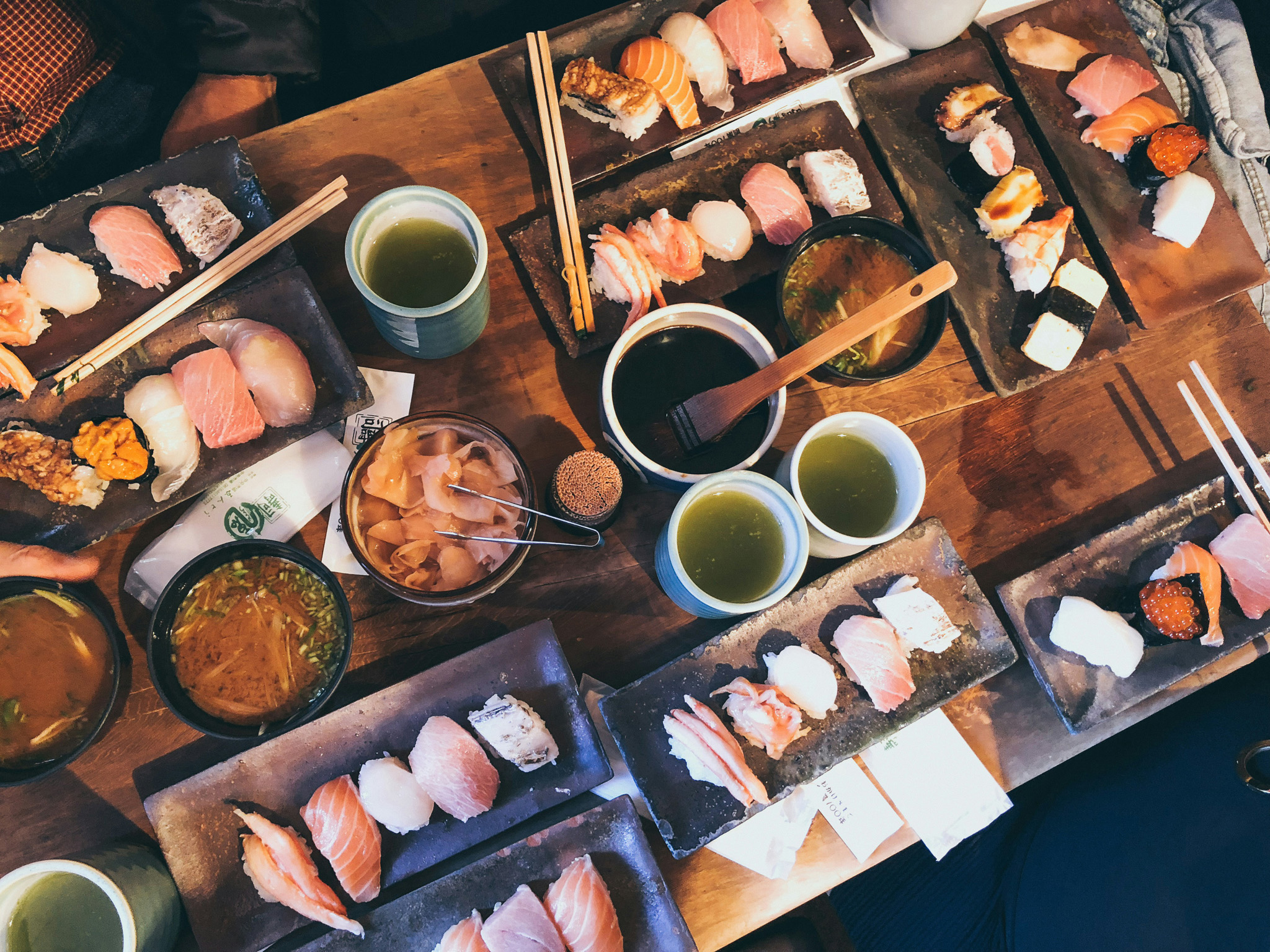
- 🍣 Sushi & Sashimi – Best enjoyed at a conveyor belt spot or an intimate omakase experience.
- 🥩 Wagyu Beef – Rich, buttery cuts from regions like Kobe, Matsusaka, and Hida.
- 🥟 Gyoza & Okonomiyaki – Must-try comfort foods found at izakayas (Japanese pubs).
- 🍵 Matcha Everything – Lattes, parfaits, cakes—matcha is a staple in Japanese desserts.
- 🍢 Street Snacks – Takoyaki, taiyaki, yakitori, mochi—perfect for grazing on the go.
🎒 Packing Guide
🌸 Spring (Mar–May)
- Light layers, medium jacket, umbrella
- Warmer clothes for Hokkaido
- Sunscreen and comfortable walking shoes
☀️ Summer (Jun–Aug)
- Lightweight, breathable clothes
- Hat, sunscreen, bug spray
- Rain jacket (especially during June’s rainy season)
🍁 Autumn (Sep–Nov)
- Layers, light jacket, scarf
- Warmer outerwear for northern Japan
❄️ Winter (Dec–Feb)
- Coat, gloves, and thermals for Tokyo/Kyoto
- Heavy snow gear for Hokkaido
- Warm waterproof shoes
Why Visit?
Japan is a land where the ancient and the futuristic meet in harmony – temples beside skyscrapers, tea ceremonies next to robot cafés. Whether you’re admiring cherry blossoms, soaking in an onsen, exploring snow-covered mountains, or tasting sushi straight from the source, Japan invites you to slow down, look closer, and experience wonder in every detail.