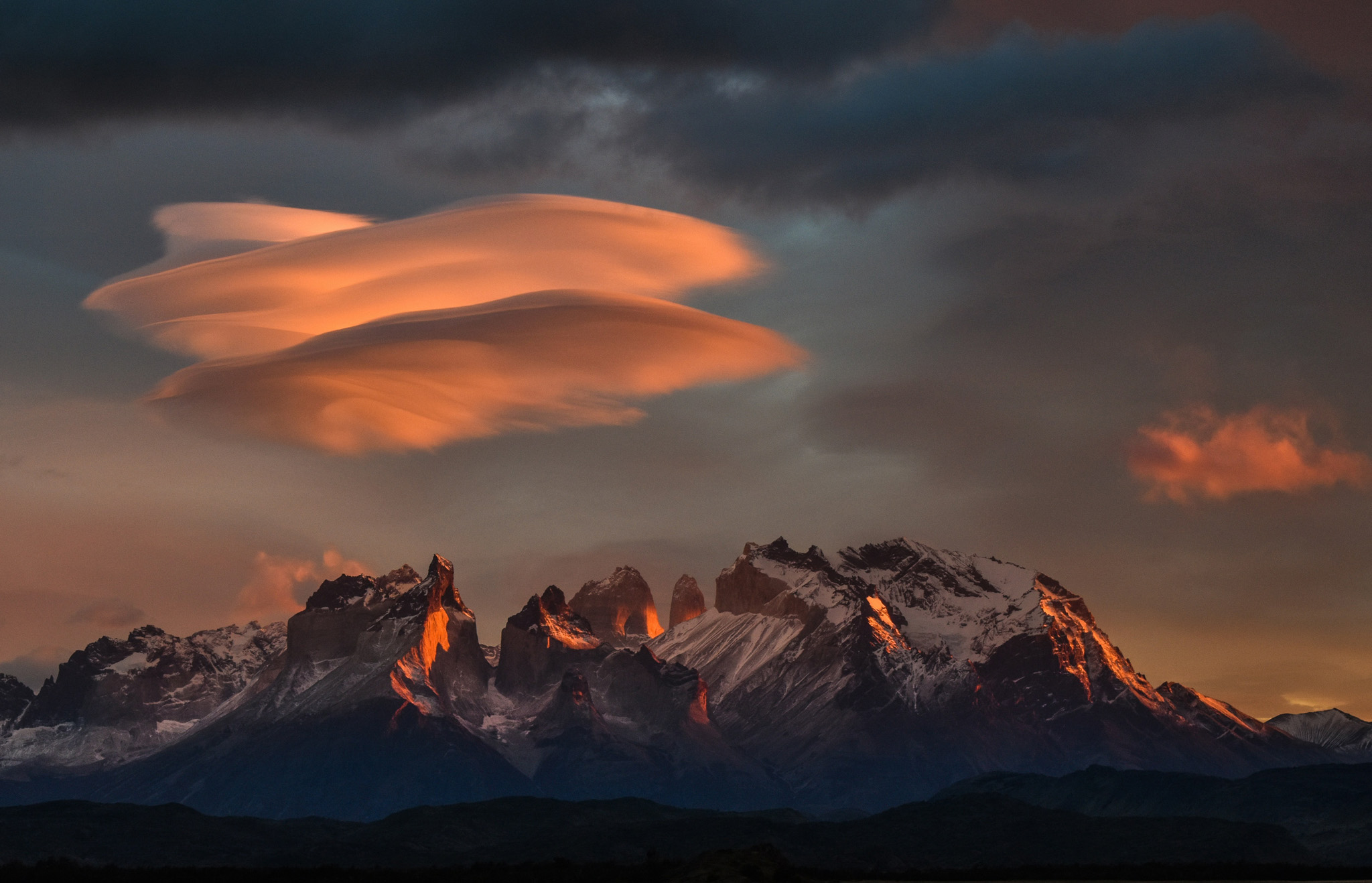
Patagonia – Destination Guide
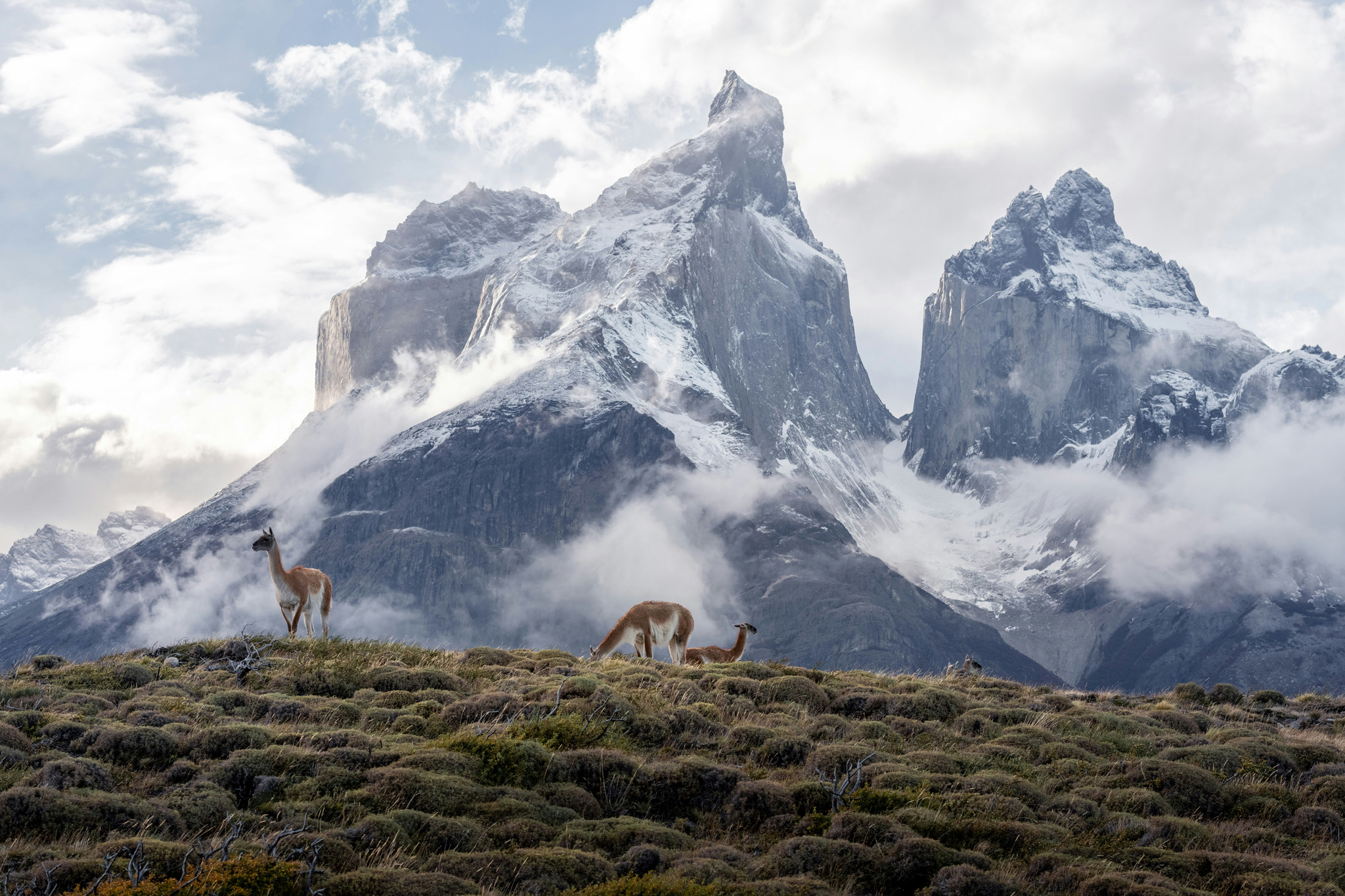
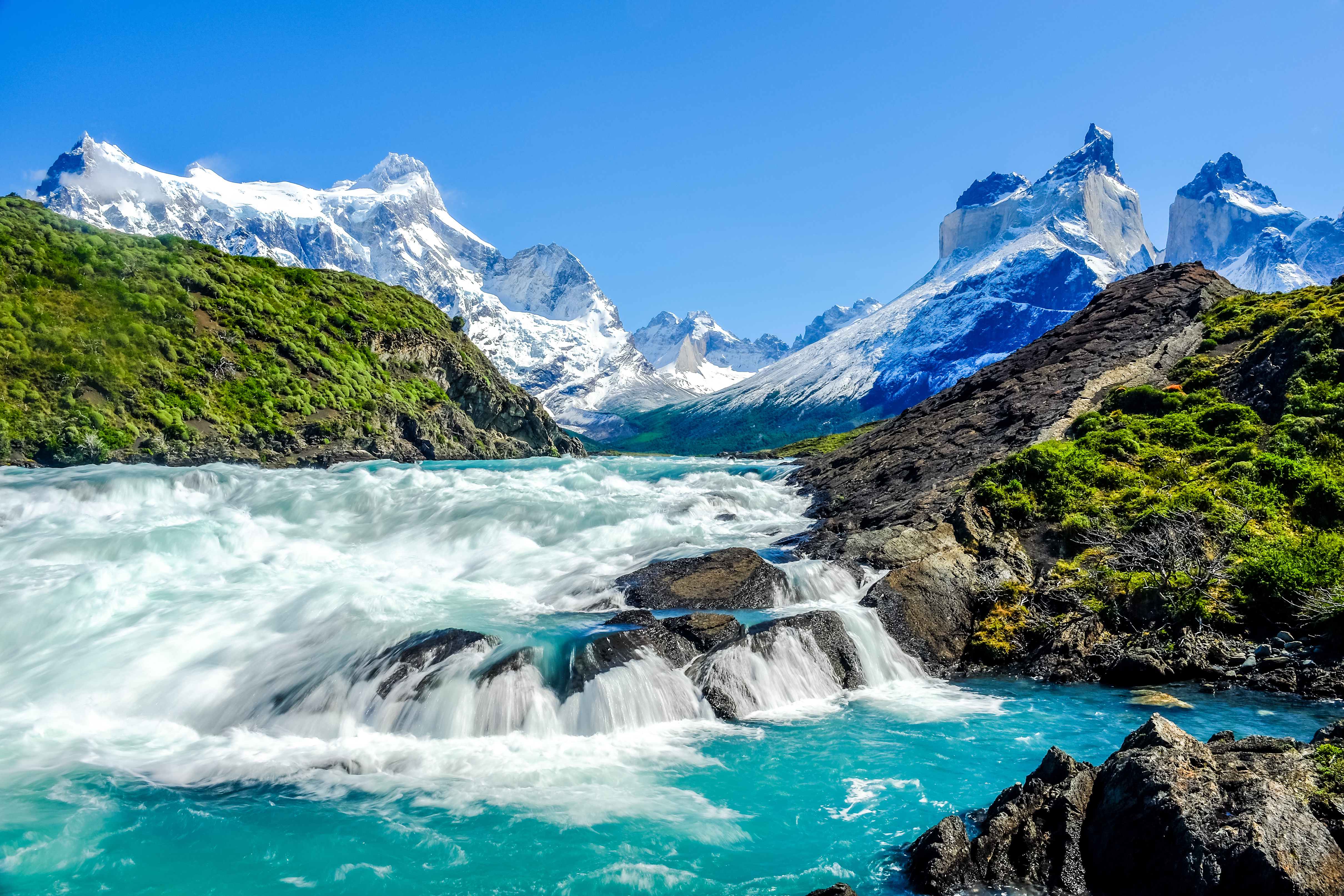
Stretching across the southern reaches of both Chile and Argentina, Patagonia is one of the last great wildernesses on earth – a vast, wind-scoured land where granite spires claw at the sky, glaciers calve into milky turquoise lakes, and the horizon seems to run on forever. It is a region rather than a country, a place defined less by borders than by sheer scale and the raw drama of its landscapes. The Andes split it neatly down the middle: lush fjords, temperate rainforest and ice fields on the Chilean side, and dry, golden steppe rolling east toward the Atlantic on the Argentine side.
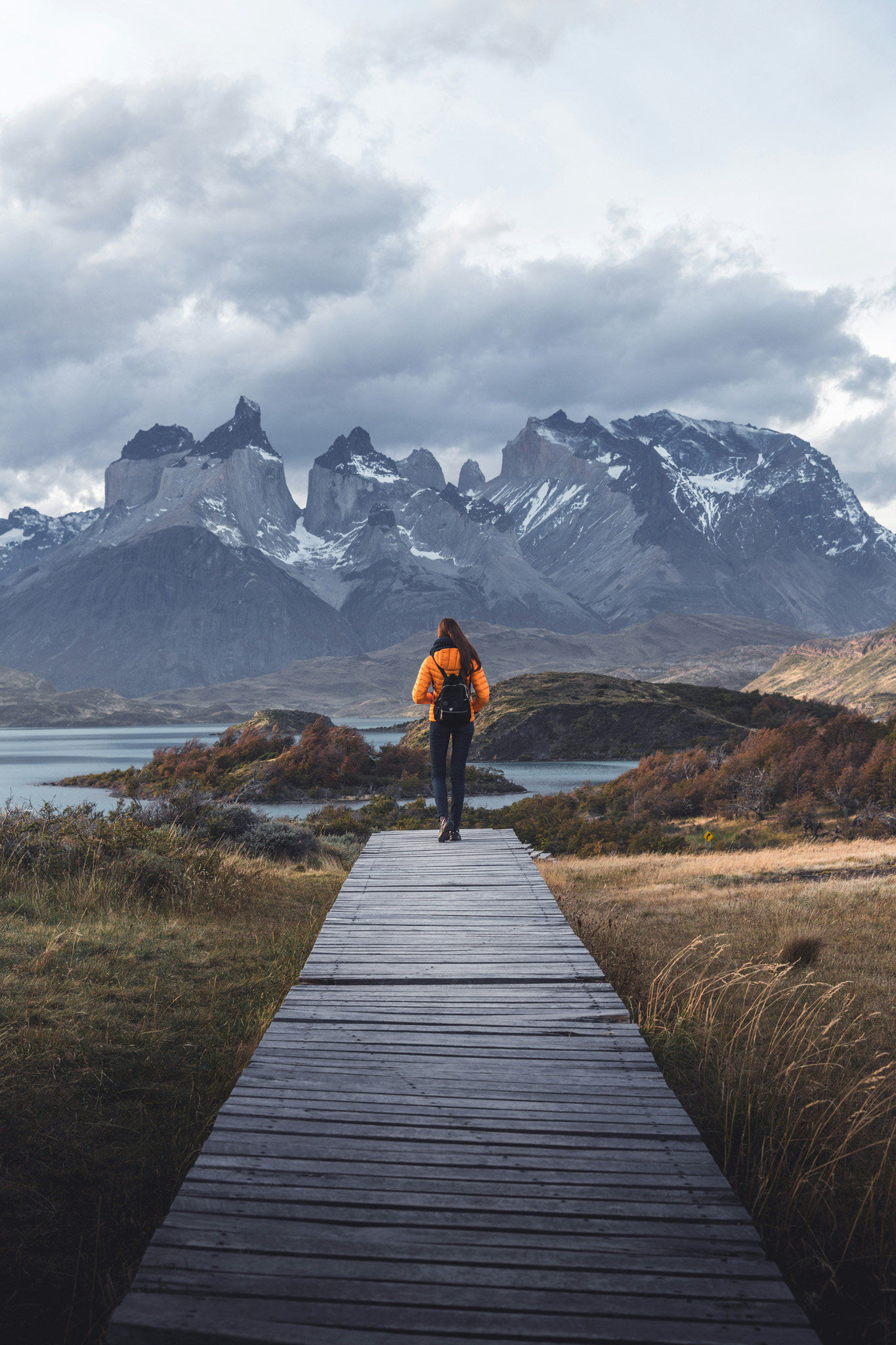
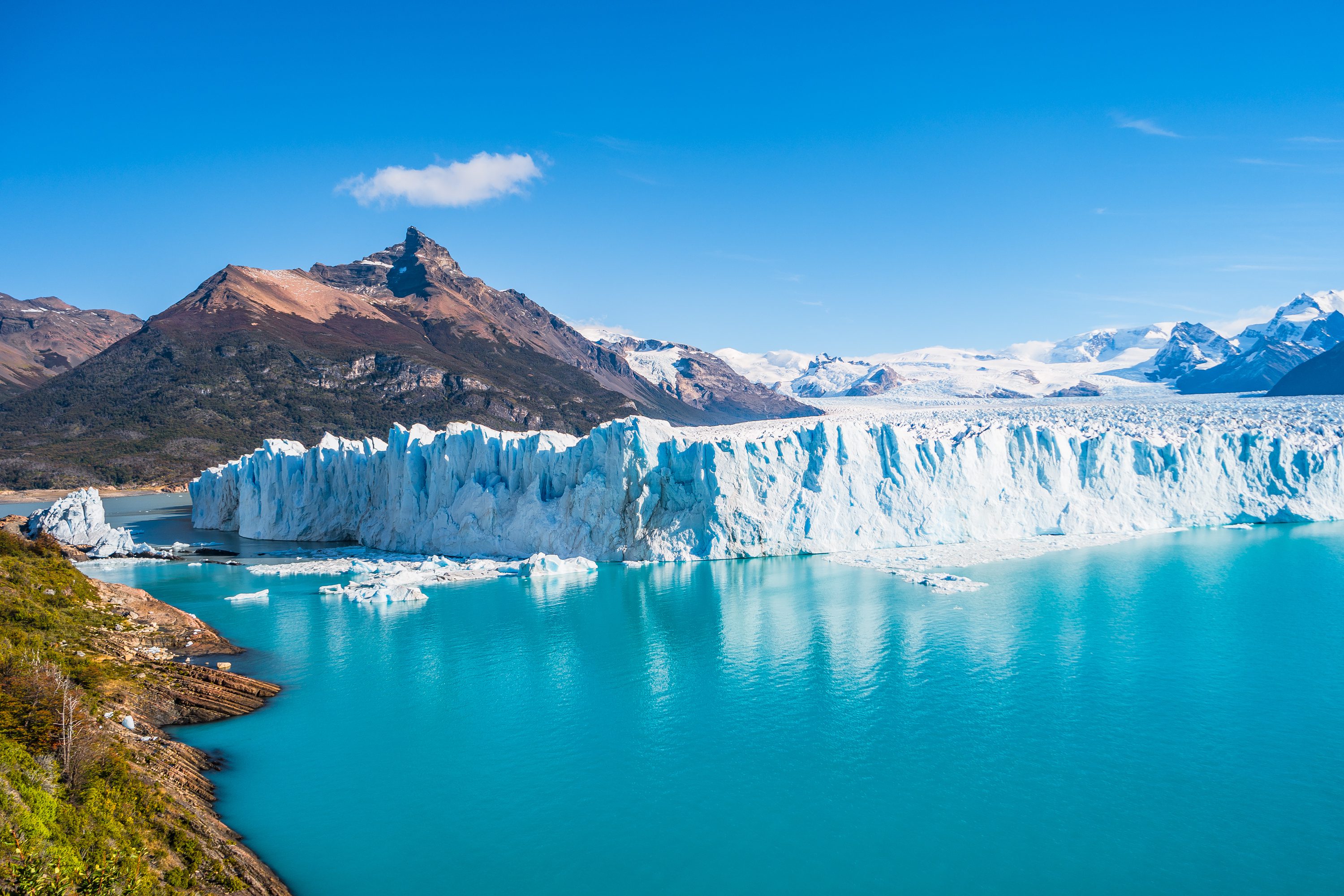
This is a destination that rewards travellers who come for depth rather than checklists. Days are spent trekking beneath the towers of Torres del Paine, watching the Perito Moreno Glacier shed great slabs of ice, sailing past colonies of penguins, or simply standing still in the open steppe while the famous Patagonian wind reorders the clouds above. The towns are small and frontier-spirited, the distances enormous, and the weather gloriously unpredictable – all four seasons can pass in a single afternoon.
What makes Patagonia so memorable is that it asks something of you. It is remote, elemental and humbling, and in return it offers a sense of space and silence that is increasingly rare. Few places leave a deeper mark on the people who travel through them.

🗺️ Regions to Explore
Torres del Paine (Chilean Patagonia)
The crown jewel of Chilean Patagonia, a national park built around three iconic granite towers and a network of world-class hiking trails.
- Hiking The W Trek Or The Longer O Circuit
- Reaching The Mirador Las Torres Lookout At Dawn
- Spotting Pumas, Guanacos And Condors
- Cruising To Grey Glacier By Boat
- Staying In Trailside Refugios Or Eco-Domes
El Chaltén And El Calafate (Argentine Patagonia)
Argentina’s trekking and glacier heartland, with the village of El Chaltén billed as the country’s hiking capital and El Calafate as the gateway to its great ice fields.
- Trekking To Laguna De Los Tres Beneath Mount Fitz Roy
- Walking The Boardwalks At The Perito Moreno Glacier
- Taking An Ice Trekking Tour On The Glacier Itself
- Day Hikes To Laguna Torre And Cerro Torre Viewpoints
- Boat Trips Among Icebergs On Lago Argentino

The Lake District (Bariloche And The North)
A softer, forested corner of northern Patagonia centred on Bariloche, known for alpine lakes, chocolate shops and a Swiss-Alpine feel.
- Hiking And Cycling The Circuito Chico Loop
- Kayaking And Boating On Nahuel Huapi Lake
- Sampling Local Chocolate And Craft Beer
- Skiing At Cerro Catedral In Winter
- Exploring The Carretera Austral By Road
Tierra del Fuego And Ushuaia
The southernmost inhabited region on earth, where the continent fragments into islands and channels at the edge of the world.
- Visiting Tierra Del Fuego National Park
- Sailing The Beagle Channel Past Sea Lion Colonies
- Riding The End Of The World Train
- Departing On Antarctic Expedition Cruises
- Hiking To Glacier Martial Above Ushuaia
The Patagonian Steppe And Atlantic Coast
The vast, wind-blown plains and wildlife-rich coastline of eastern Argentine Patagonia.
- Wildlife Watching At Peninsula Valdes
- Seeing Magellanic Penguins At Punta Tombo
- Spotting Whales, Sea Lions And Elephant Seals
- Driving The Legendary Ruta 40
- Exploring Welsh Heritage Towns Like Gaiman

🎒 Things To Do
Patagonia is built for the outdoors, and the best experiences here are active, scenic and unhurried.
- Trek The W Trek Or O Circuit In Torres del Paine
- Hike To The Base Of Mount Fitz Roy From El Chaltén
- Walk The Viewing Boardwalks At The Perito Moreno Glacier
- Take A Boat Cruise Among Icebergs And Calving Glaciers
- Watch Wildlife At Peninsula Valdes Or Punta Tombo
- Sail The Beagle Channel From Ushuaia
- Spot Pumas On A Dedicated Wildlife Safari
- Road Trip The Carretera Austral Or Ruta 40
- Kayak Glacial Lakes And Patagonian Fjords
- Join An Expedition Cruise Toward Antarctica
🍽️ Food & Drink
Patagonian cuisine is hearty and unpretentious, shaped by ranching traditions, the long coastline and the cool climate. Meals are generous, slow and built around sharing.
- Cordero Al Palo, Whole Lamb Slow-Roasted Over An Open Fire
- Asado, The Classic Argentine Barbecue Of Grilled Meats
- Fresh King Crab And Seafood From The Southern Channels
- Curanto, A Chilean Pit-Cooked Feast Of Meat, Shellfish And Potatoes
- Calafate Berry Jams, Desserts And Sour Ales
- Mate, The Shared Herbal Tea, And Patagonian Craft Beer

🌦️ Weather
Patagonia is famous for fast-changing, unpredictable weather, with the relentless wind a near-constant companion, especially in spring and summer. Conditions vary sharply between the wet Chilean west and the drier Argentine east.
- Summer (December – February) is mildest, with daytime temperatures around 10-20°C
- Autumn (March – May) brings cooler days of roughly 5-15°C and stunning foliage
- Winter (June – August) is cold, often -5-8°C, with snow on the trails and peaks
- Spring (September – November) is changeable, with lingering snow and the strongest winds
- Daylight is long in summer, up to 17-18 hours, and short in winter
- Expect rain, sun, wind and cold in a single day – always pack for all conditions
📅 Best Time To Visit
November – March (Peak Season)
- Warmest temperatures, longest daylight and fully accessible trails
- The W Trek and O Circuit are only reliably open during these months
- Busiest period, so book accommodation, refugios and tours well in advance
March – April And October – November (Shoulder Seasons)
- Autumn delivers spectacular red and gold foliage and dramatic light
- Fewer crowds on the trails and noticeably calmer winds in autumn
- Some lodges and campsites begin to close, so check operating dates carefully
June – August (Winter / Off Season)
- Quiet, snow-covered landscapes for intrepid travellers seeking solitude
- Many hotels, refugios and trails close, and flight frequency drops
- Best suited to guided winter tours, wildlife safaris and skiing near Bariloche
🎒 Packing List
- Warm, Breathable Layers Including Thermal Base Layers
- Waterproof And Windproof Jacket And Trousers
- Sturdy, Broken-In Hiking Boots And Quality Hiking Socks
- Warm Hat, Gloves And A Buff Or Neck Gaiter
- Sun Hat And High-SPF Sunscreen For Strong UV
- Sunglasses With Good UV Protection
- Insect Repellent For Lakeside And Forest Areas
- Reusable Water Bottle And A Daypack
- Universal Power Adapter And Portable Charger
- Personal Medical Kit With Blister Care
- Electrolyte Tablets And Energy Snacks For Long Hikes
- Headlamp, Walking Poles And A Dry Bag For Wet Days

🛂 Visas & Entry Requirements
Patagonia spans two countries, so entry rules depend on which side you are visiting and whether you cross the border between them.
- Many nationalities, including Australians, can enter both Chile and Argentina visa-free for tourism for up to 90 days
- Passports should be valid for at least six months beyond your date of entry
- Proof of onward or return travel may be requested at entry points
- Crossing between Chilean and Argentine Patagonia is common, so allow time at land borders and keep all documents handy
- Argentina now requires all foreign visitors to carry valid travel health insurance – see the Mandatory Inbound Travel Insurance section below
Official information: https://www.argentina.gob.ar/interior/migraciones and https://www.chile.gob.cl
🛡️ Mandatory Inbound Travel Insurance
As of 1 July 2025, under Argentine Decree 366/2025, all foreign visitors entering Argentina must carry valid travel health insurance covering their entire stay. This requirement applies at all points of entry, including airports, land borders and maritime ports, and it is separate from – not a replacement for – comprehensive personal travel insurance. Travellers who cannot show proof of qualifying cover may be denied boarding or entry.
This is especially relevant for Patagonia travellers, as most itineraries that include Argentine destinations such as El Chaltén, El Calafate, Ushuaia or Peninsula Valdes will cross into Argentina by air or by land. Chile does not have an equivalent mandatory insurance scheme, so travellers visiting only the Chilean side are not subject to this requirement, but anyone entering Argentina at any stage of their trip must comply.
Argentina Travel Health Insurance Requirement
- Required for all non-resident foreign visitors entering Argentina, regardless of nationality, age or purpose of travel
- The policy must remain valid for the entire planned duration of your stay
- Cover must include emergency medical care, hospitalisation, 24/7 assistance and medical transport or repatriation
- Proof may be requested as a printed or digital document at check-in or on arrival
- Travellers must also complete a sworn declaration stating the purpose of their visit
- Patagonia involves adventure activities such as glacier trekking and multi-day hiking, so confirm your policy explicitly covers these
Official information: https://www.argentina.gob.ar/interior/migraciones
Important notes
- This requirement does not replace comprehensive personal travel insurance – you should hold both
- Check with your tour operator about whether group cover can be arranged, but always confirm your individual policy meets the criteria
- Regulations and enforcement details are still being implemented, so check the official Argentine migration portal close to your departure date
- Ensure your policy covers the specific adventure activities included in your Patagonia itinerary
💰 Money
- Chile uses the Chilean Peso (CLP) and Argentina uses the Argentine Peso (ARS)
- Cards are widely accepted in larger towns and hotels, but carry cash for remote areas, small villages and park entry fees
- ATMs are available in major towns such as Punta Arenas, El Calafate and Bariloche but can be scarce and sometimes empty in smaller places
- Argentina’s exchange rate is volatile, so check current rates before travelling and bring some US dollars as a backup
- Tipping is customary – around 10 percent in restaurants and a small gratuity for guides and drivers is appreciated
- Keep small denominations on hand for transport, snacks and tips
💸 Hotel & Tourist Taxes
Both countries apply some traveller-related taxes and fees, though they are modest and usually straightforward.
- Foreign visitors staying in hotels in Chile are generally exempt from the local VAT (IVA) when paying in foreign currency, often making accommodation slightly cheaper
- National park entry fees apply separately, for example at Torres del Paine and at the Los Glaciares parks in Argentina, payable in cash or card on arrival
- Some Argentine cities and provinces apply a small per-night tourist or accommodation levy collected at the hotel
- Departure taxes are typically included in international airfares but confirm at the time of booking
- Rates change periodically, so check current park fees and local levies close to your travel dates

🌈 LGBTQIA+ Travellers
Both Chile and Argentina are among the most progressive countries in South America for LGBTQIA+ travellers, and Patagonia is generally welcoming.
- Same-sex marriage is legal in both Argentina (since 2010) and Chile (since 2022)
- Both countries have anti-discrimination protections covering sexual orientation and gender identity
- Larger cities and tourist hubs are open and relaxed, with visible LGBTQIA+ communities
- Patagonia’s small frontier towns are friendly but more conservative, so attitudes can be more reserved in rural areas
- Public displays of affection are generally accepted in tourist areas, with discretion advised in remote settings
⚠️ Traveller Safety
Patagonia is one of the safest regions in South America, with the main risks coming from the environment rather than crime.
- Petty crime is low, though basic precautions with valuables still apply in cities and transport hubs
- The biggest hazards are weather, wind and terrain – conditions can change rapidly and trails can be exposed
- Always check forecasts, register at park ranger stations and never underestimate hike distances or timings
- Use licensed guides for glacier trekking, ice climbing and multi-day routes
- Distances are vast and mobile signal patchy, so carry extra supplies and tell someone your plans
- Emergency number is 911 in Argentina and 133 in Chile
💉 Vaccinations & Health
Patagonia poses few health risks and no tropical disease concerns, but routine precautions are sensible.
- No mandatory vaccinations are required for entry to the Patagonian regions of Chile or Argentina
- Ensure routine vaccinations such as MMR, tetanus and diphtheria are up to date
- Hepatitis A and typhoid are sometimes recommended depending on your itinerary and activities
- There is no malaria or yellow fever risk in Patagonia
- Altitude is generally low, but cold, sun exposure and dehydration on long hikes are the main practical concerns
- Official information: https://www.travelvax.com.au

🚗 Getting Around
- Distances are huge, so internal flights between hubs such as Punta Arenas, El Calafate, Ushuaia and Bariloche save significant time
- Long-distance buses connect major towns and are comfortable and reliable, though journeys are long
- Hiring a car offers freedom for road trips along the Carretera Austral or Ruta 40, but check cross-border paperwork in advance
- Many roads, especially in Chilean Patagonia, are unpaved gravel – drive slowly and carry a spare tyre
- Guided tours and transfers are the easiest option for reaching national parks and remote trailheads
- Border crossings between Chile and Argentina can be slow, so allow extra time and avoid carrying fresh food across
✈️ Airports
El Calafate International Airport (FTE)
- The main gateway to the Argentine glaciers and the southern hiking hubs of El Calafate and El Chaltén.
Presidente Carlos Ibanez del Campo Airport, Punta Arenas (PUQ)
- The principal entry point for Chilean Patagonia and Torres del Paine, with connections to Santiago.
Ushuaia Malvinas Argentinas International Airport (USH)
- The southernmost commercial airport in the world and the launch point for Antarctic cruises.
San Carlos de Bariloche Airport (BRC)
- The gateway to the northern Lake District, with regular flights from Buenos Aires.

🗣️ Language
The official language across Patagonia is Spanish, spoken in both the Chilean and Argentine regions, though accents and some vocabulary differ between the two countries. Argentine Spanish is known for its distinctive “sh” pronunciation of the “ll” and “y” sounds. English is spoken in hotels, tour agencies and by guides in the main tourist hubs, but is far less common in small towns and rural areas, so a few basic phrases go a long way.
Common Phrases
- Hello – Hola (OH-lah)
- Goodbye – Adios (ah-DYOHS)
- Please – Por favor (por fah-VOR)
- Thank you – Gracias (GRAH-syahs)
- Yes – Si (see)
- No – No (noh)
- Excuse me – Disculpe (dees-KOOL-peh)
- Sorry – Lo siento (loh SYEN-toh)
- Do you speak English? – Habla ingles? (AH-blah een-GLEHS)
- How much is it? – Cuanto cuesta? (KWAN-toh KWEHS-tah)
- Where is…? – Donde esta…? (DON-deh ehs-TAH)
- Help – Ayuda (ah-YOO-dah)
- Cheers – Salud (sah-LOOD)
- Good morning – Buenos dias (BWEH-nohs DEE-ahs)
- See you later – Hasta luego (AHS-tah LWEH-goh)
ℹ️ Practical Info
Electricity
- Chile uses Type C and L plugs at 220V; Argentina uses Type C and I plugs at 220V. A universal adapter is recommended.
Internet & WiFi
- WiFi is available in most hotels and cafes in towns, but can be slow or absent in remote lodges, national parks and the steppe. Mobile data coverage is patchy outside main centres.
Water
- Tap water is generally safe to drink in Chile and in most of Argentine Patagonia, and water from streams in protected park areas is often clean – though bottled or filtered water is a sensible choice if unsure.
Travel Insurance
- Comprehensive personal travel insurance is strongly recommended, and the policy must explicitly cover adventure activities such as glacier trekking, multi-day hiking and remote travel. This is in addition to the mandatory Argentine inbound health insurance covered above, and does not replace it.
Connectivity SIM / eSIM
- Local SIM cards are available from providers in both countries, though registration can take time and coverage outside towns is limited.
- Using an eSIM is our recommended choice while travelling anywhere in the world, and our recommended provider is Holafly. For more information on eSIMs, check out this blog.
❤️ Why Visit Patagonia
Patagonia is a destination that operates on a different scale to almost anywhere else. It is the place where the Andes finally crumble into the sea, where glaciers the size of cities groan and crack, and where the wind has its own legend. To travel here is to feel genuinely small in the best possible way – surrounded by landscapes so vast and elemental that they reset your sense of what wild really means.
What stays with travellers is not just the scenery but the feeling of it: the hush of a glacier-fed valley at dawn, the burn in your legs as the towers of Paine come into view, the thrill of spotting a puma on the steppe, the sheer emptiness of the open road. Patagonia does not hand its rewards over easily, and that is precisely why they feel so earned.
For travellers who want adventure with substance, who want to walk further, look longer and disconnect properly, there is nowhere quite like it. Come for the glaciers and the granite, stay for the silence and the space, and leave with the unmistakable sense of having stood at the edge of the world.