Italy – Destination Guide
Italy is a country of timeless beauty, layered history, and unforgettable flavours – where ancient ruins sit beside buzzing piazzas, Renaissance masterpieces fill grand museums, and long lunches stretch into golden evenings. From the grandeur of Rome to the romance of Venice, the rolling hills of Tuscany to the dramatic coastline of the Amalfi Coast, Italy delivers culture, cuisine, and character in every region. Whether you are travelling for food, art, history, or pure atmosphere, Italy rewards slow travel and curious minds.
🏙️ Regions to Explore
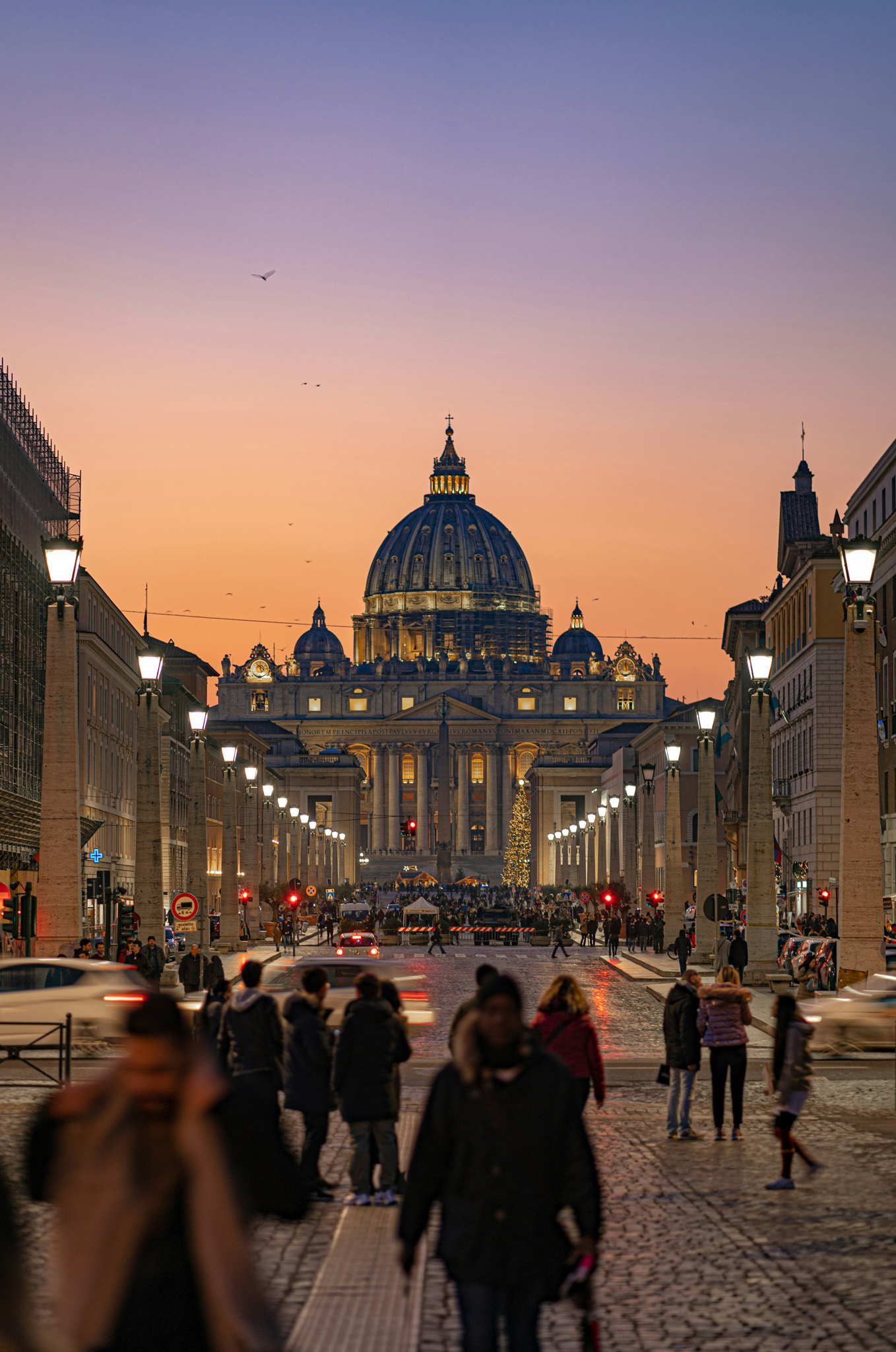
🌆 Rome
The Eternal City is a living museum where history unfolds on every street corner.
- Explore the Colosseum, Roman Forum, and Palatine Hill
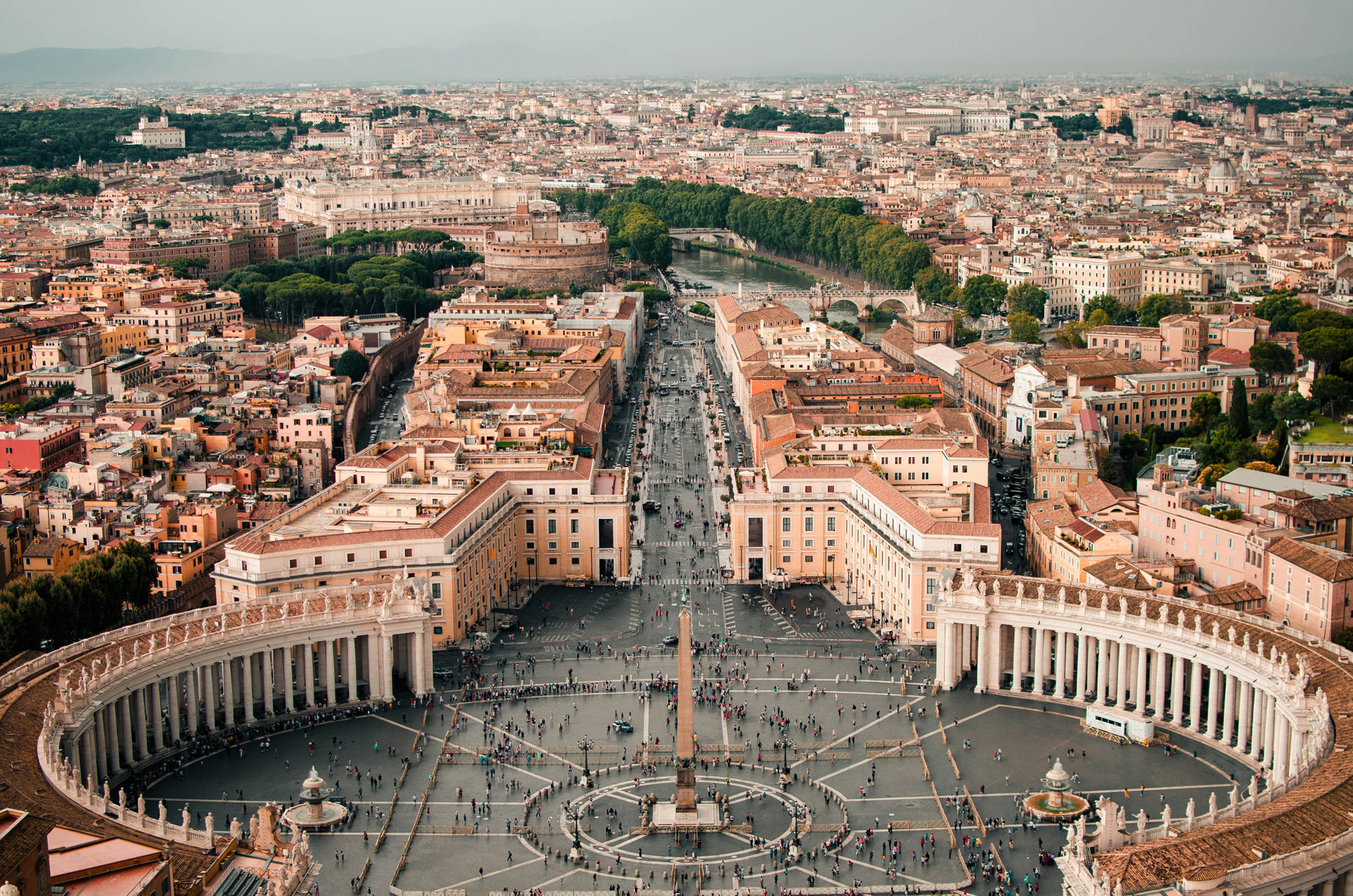
- Visit Vatican City and St Peter’s Basilica
- Toss a coin into the Trevi Fountain
- Wander Trastevere’s cobbled streets and local trattorias
- Enjoy sunset views from the Spanish Steps or Pincian Hill
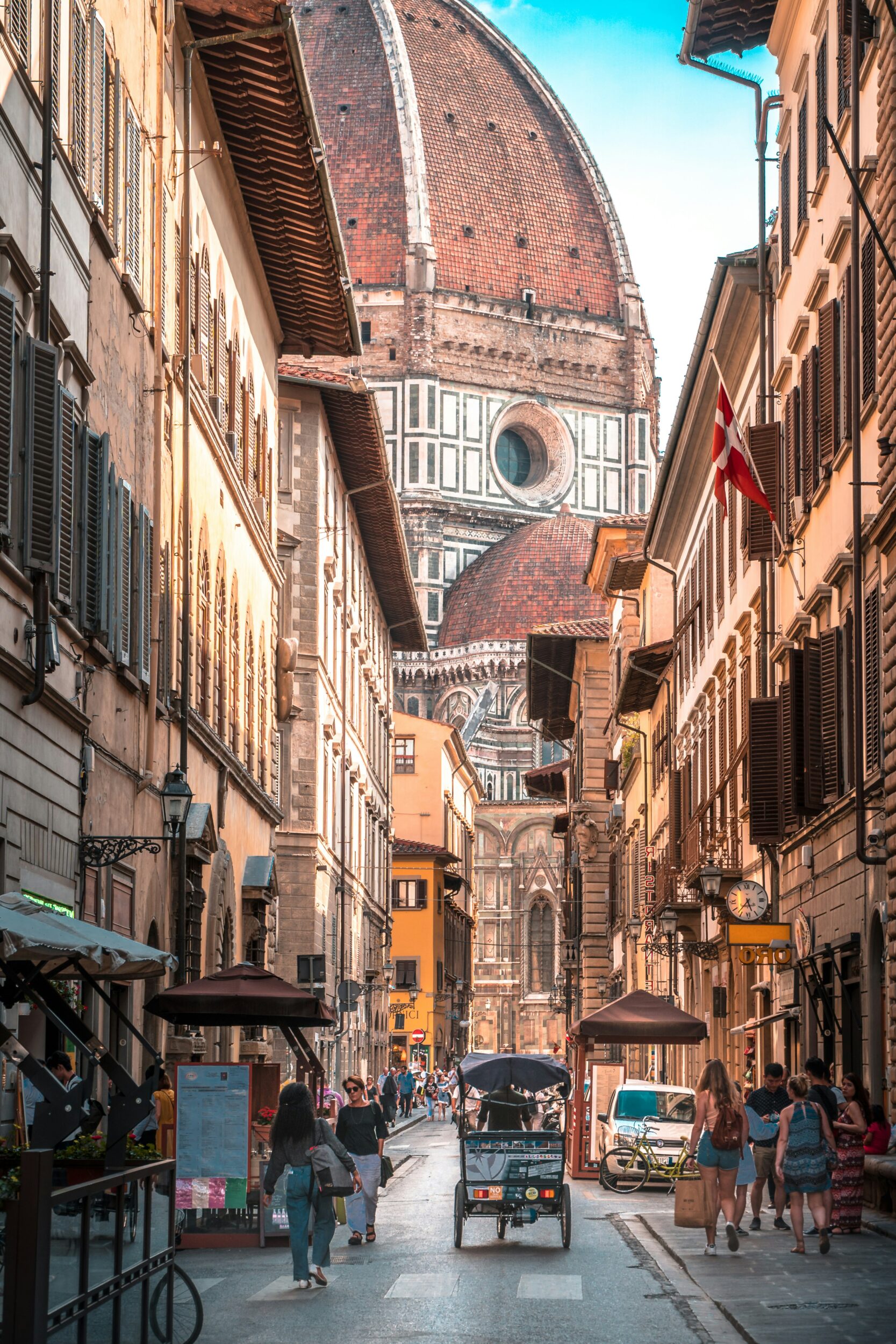
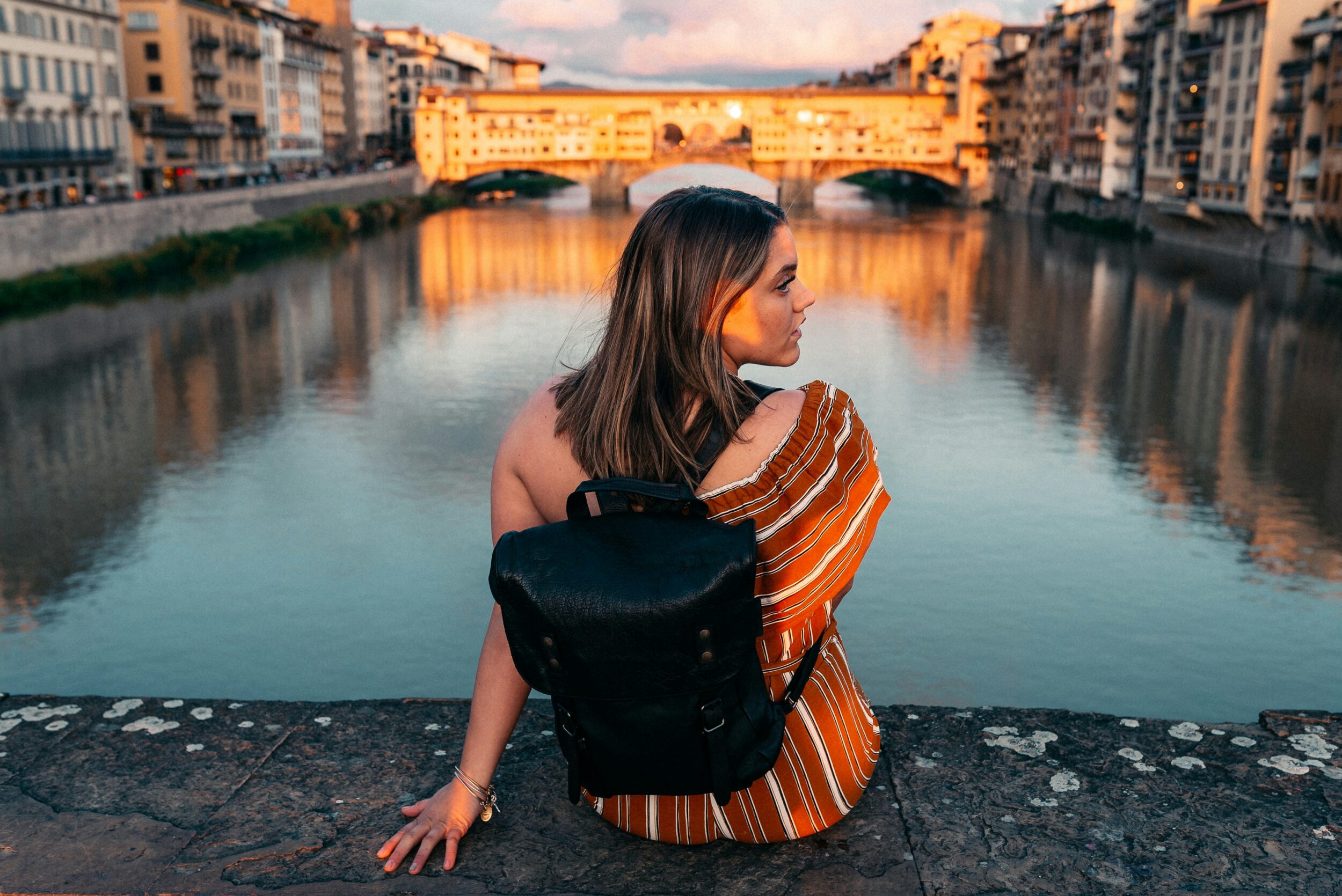
🎨 Florence & Tuscany
The heart of the Renaissance surrounded by rolling countryside and vineyards.
- See Michelangelo’s David and Renaissance masterpieces
- Visit the Duomo and climb Brunelleschi’s dome
- Explore Tuscan hill towns like Siena and San Gimignano
- Enjoy wine tasting in Chianti
- Take scenic drives through olive groves and vineyards
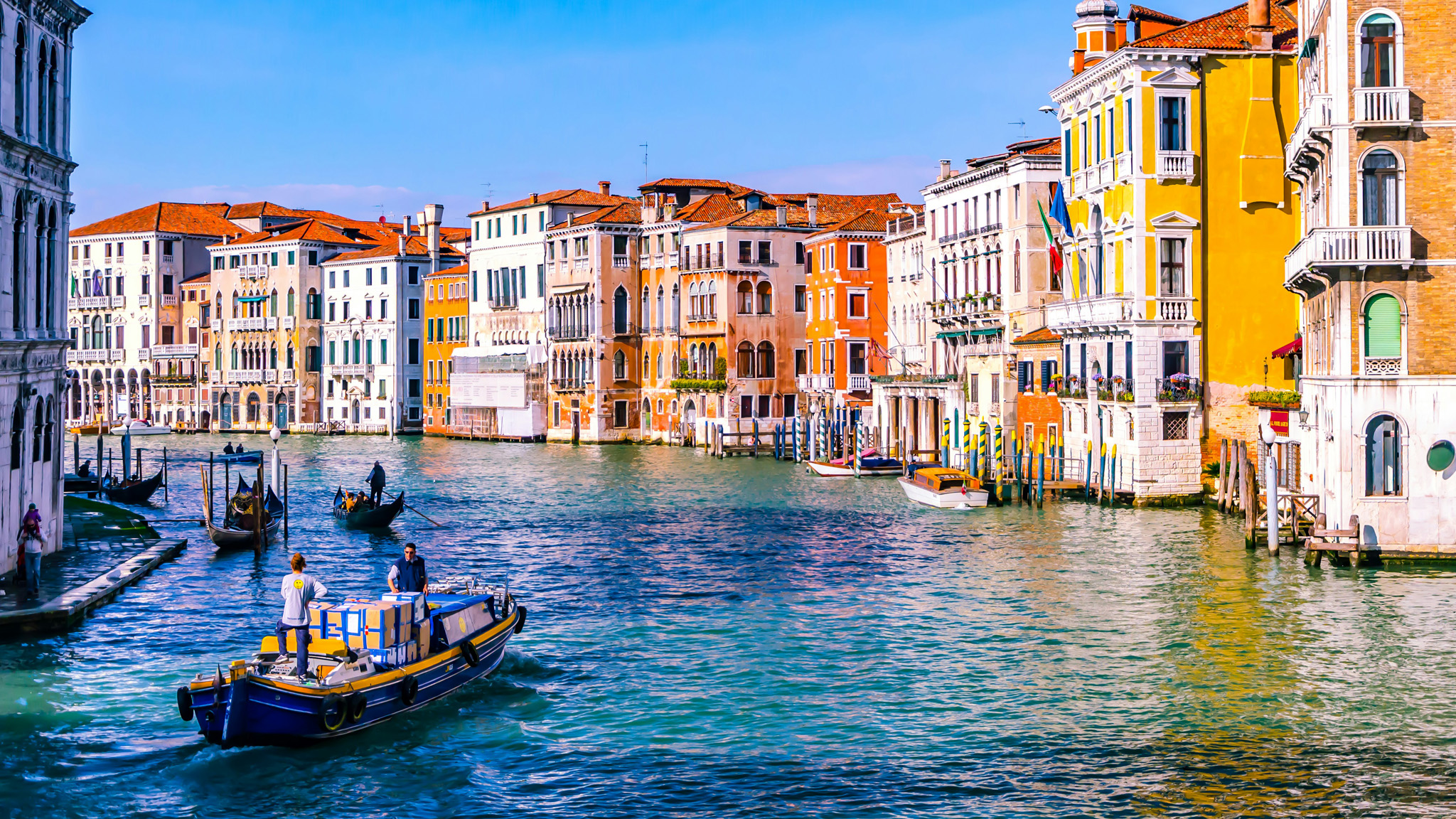
🚤 Venice
A city unlike any other, built on water and rich in atmosphere.
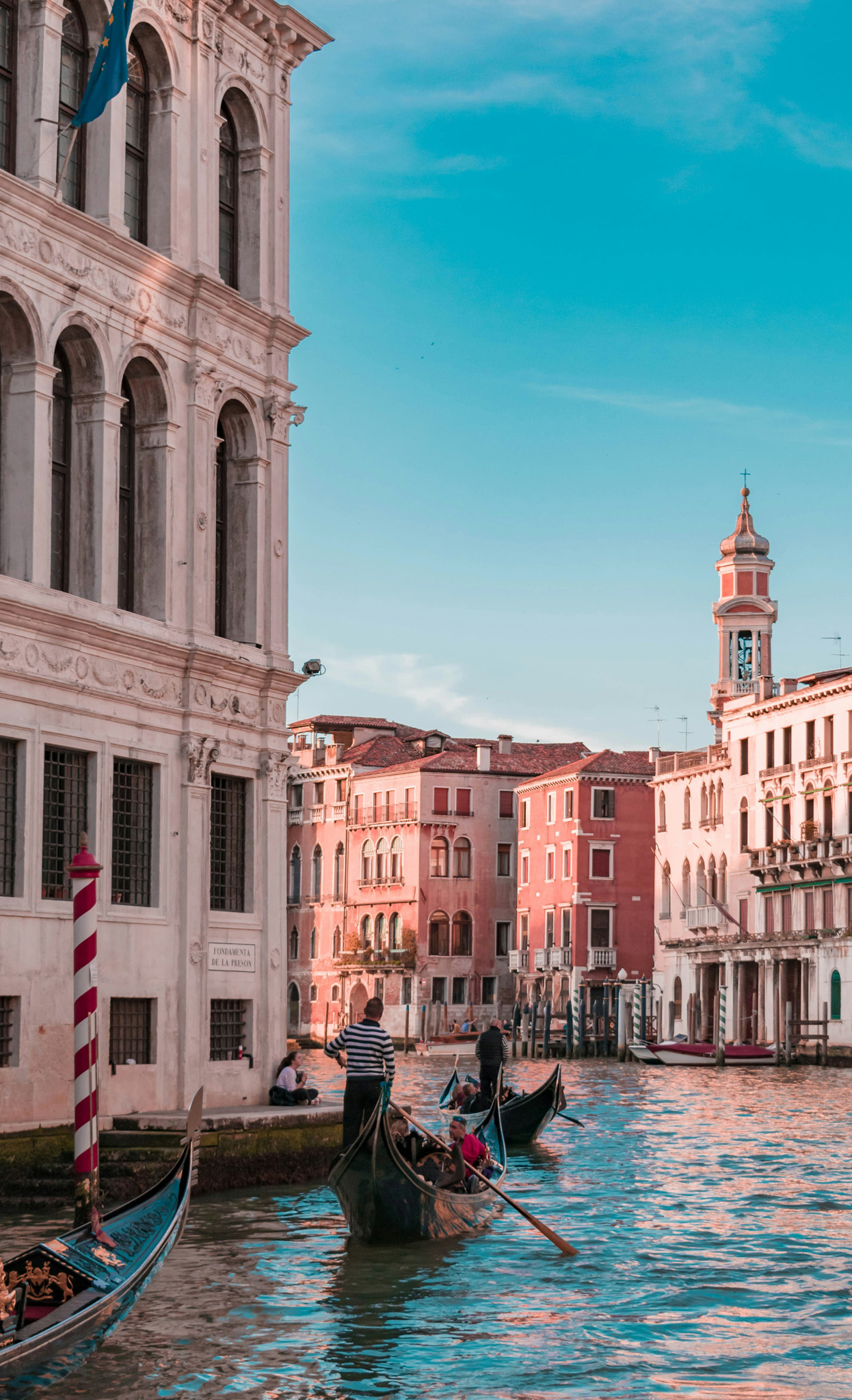
- Ride a gondola through narrow canals
- Visit St Mark’s Basilica and Doge’s Palace
- Wander quiet neighbourhoods away from the crowds
- Experience Venice Carnival if travelling in winter
- Explore nearby islands like Murano and Burano
🏙️ Milan
Italy’s fashion and design capital with a polished modern edge.
- Visit the Duomo di Milano rooftop
- See Leonardo da Vinci’s The Last Supper
- Shop in the Quadrilatero della Moda
- Explore Brera’s galleries and cafés
- Discover Italy’s contemporary cultural scene
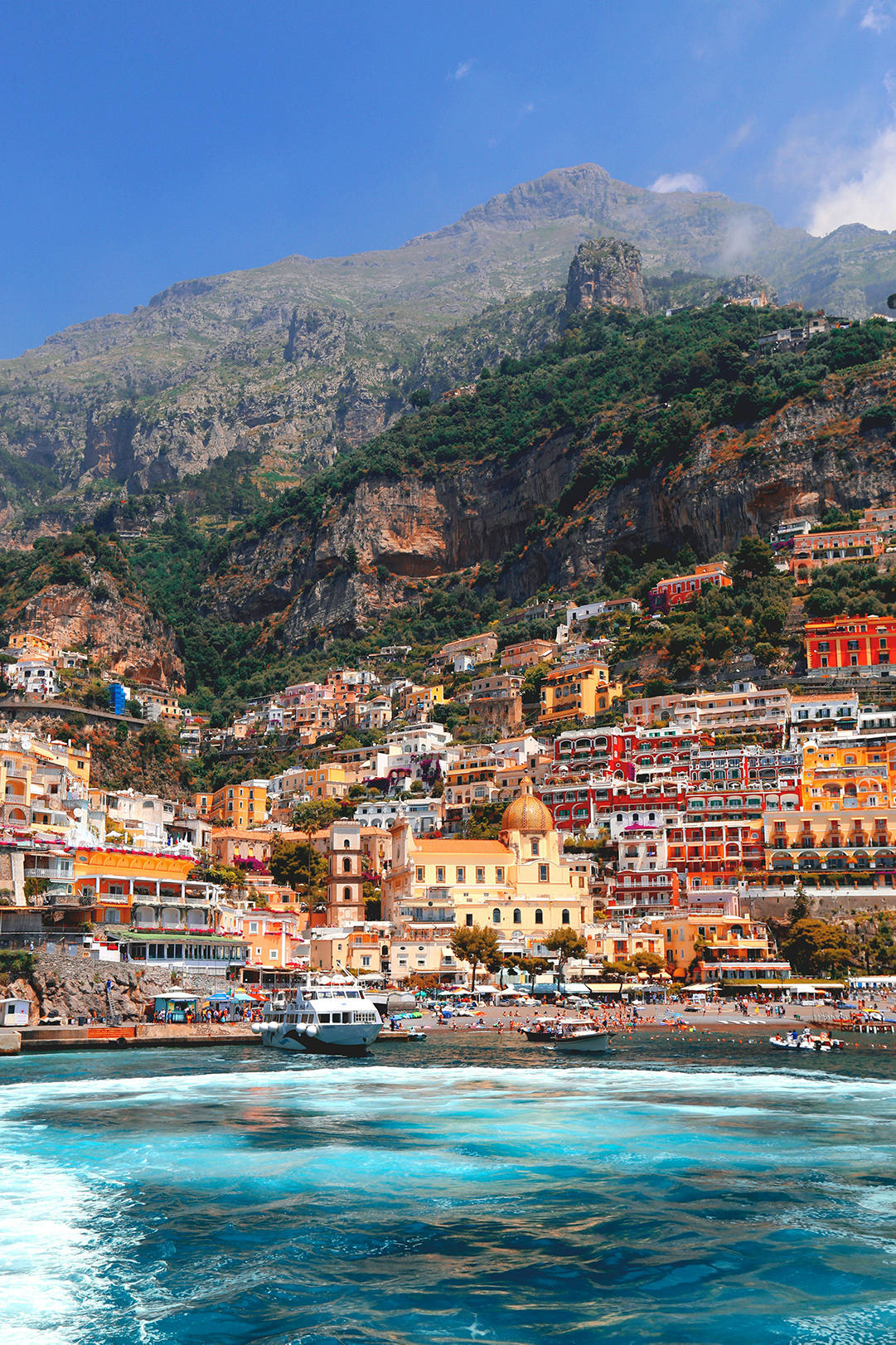
🌊 Amalfi Coast & Naples
Dramatic coastal scenery paired with bold southern culture.
- Visit Positano, Ravello, and Amalfi
- Drive the famous Amalfi Coast road
- Explore Pompeii and Mount Vesuvius
- Eat authentic Neapolitan pizza in Naples
- Enjoy coastal walks and sea views
🌞 Puglia
A slower, sun drenched region full of character and tradition.
- Visit the trulli houses of Alberobello
- Explore Lecce’s baroque old town
- Swim at Polignano a Mare
- Discover whitewashed villages and olive groves
- Enjoy simple, seasonal southern cuisine
🏝️ Sicily & The South
Bold, vibrant, and layered with ancient history.
- Visit Palermo’s markets and street food scene
- Explore Greek ruins in Agrigento
- Walk historic centres in Catania and Syracuse
- Visit Mount Etna
- Relax on Mediterranean beaches
✈️ Getting There
Major International Airports
- Rome Fiumicino (FCO)
- Milan Malpensa (MXP)
- Venice Marco Polo (VCE)
- Naples International (NAP)
- Florence Airport (FLR)
Airport Transfers
- Trains connect major airports to city centres
- Taxis and ride-hailing services widely available
- Airport buses operate frequently
🚆 Getting Around
- Italy’s rail network is fast and efficient for city to city travel
- High speed trains connect Rome, Florence, Milan, Venice, and Naples
- Regional trains serve smaller towns and countryside areas
- Car hire is ideal for Tuscany, Puglia, Sicily, and rural regions
- ZTL zones restrict driving in historic centres
🛂 Visa & Entry Requirements
- Italy is part of the Schengen Zone, meaning entry conditions are shared across most of mainland Europe
👉 https://en.wikipedia.org/wiki/Schengen_Area - Many travellers from the UK, US, Canada, Australia, and New Zealand can stay in Italy and the Schengen Area for up to 90 days within a 180-day period without a visa
👉 https://travel-europe.europa.eu/schengen-area - ETIAS (European Travel Information and Authorisation System) will be required for visa-free travellers from late 2026 (expected Q4 2026). This is a short online authorisation required before travel
👉 https://travel-europe.europa.eu/etias - Passports must be valid for at least 3 months beyond your planned departure date
👉 https://travel-europe.europa.eu/schengen-area - Entry rules and timelines can change, so travellers should always check official government sources before departure
💰 Money & Costs
- Currency – Euro (EUR)
- ATMs widely available
- Cards accepted in most places, but cash useful in small towns
- Tipping is not required but rounding up is appreciated
- Restaurant coperto or service charges are common
🍝 Food & Dining
Italian food is regional, seasonal, and deeply cultural.
- Long, leisurely meals are the norm
- Dinner is typically eaten late
- Cappuccino is traditionally a morning drink
- Regional specialities vary dramatically by area
Must try experiences:
- Pizza in Naples
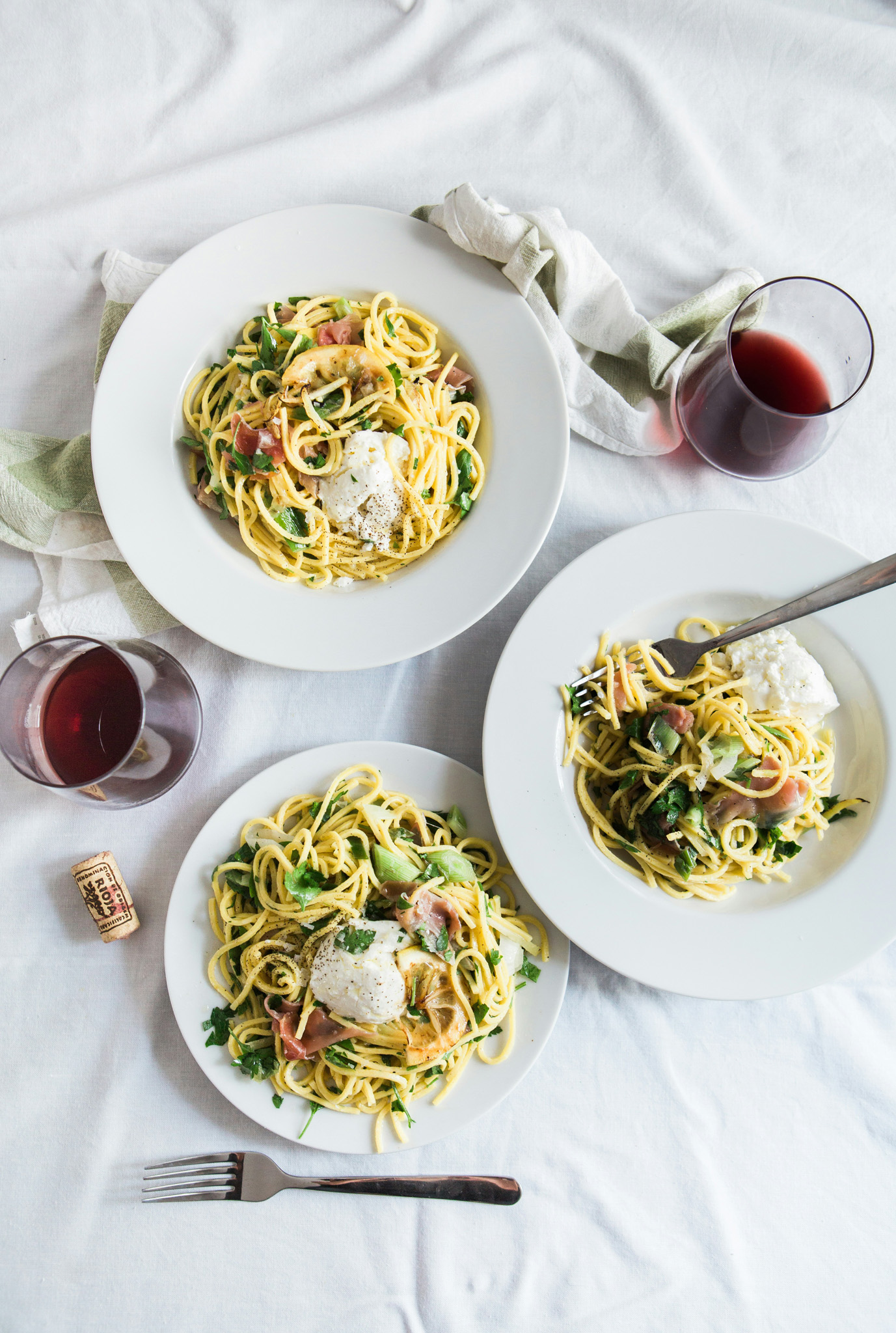
- Pasta in Rome
- Risotto in Milan
- Seafood in Sicily
- Wine in Tuscany
🌤️ Best Time to Visit
- Spring (April–June) – Ideal weather, fewer crowds
- Summer (July–August) – Hot, busy, best for coastal regions
- Autumn (September–October) – Excellent for food, wine, and sightseeing
- Winter (November–March) – Fewer tourists, festive cities, Alpine skiing
🎎 Top Experiences
- Explore ancient Roman landmarks
- Cruise Venice’s canals
- Wine taste in Tuscany
- Walk the Amalfi Coast
- Visit Vatican City
- Discover regional food cultures
- Wander medieval hill towns
- Enjoy long piazza evenings
🎒 Packing List
- Comfortable walking shoes
- Modest clothing for churches
- Light layers for shoulder seasons
- Sun protection in summer
- Universal power adapter
- Small day bag for cities
⚙️ Practical Info
- Electricity – 230V, plug types F and L
- Water – Tap water is generally safe to drink
- Vaccinations – Routine vaccines recommended
- Travel Insurance – Strongly recommended
- Safety – Generally very safe; be mindful of pickpocketing in busy areas
- Tourist Taxes – Most cities charge a city accommodation tax per person, per night, typically €3–€7 depending on hotel category
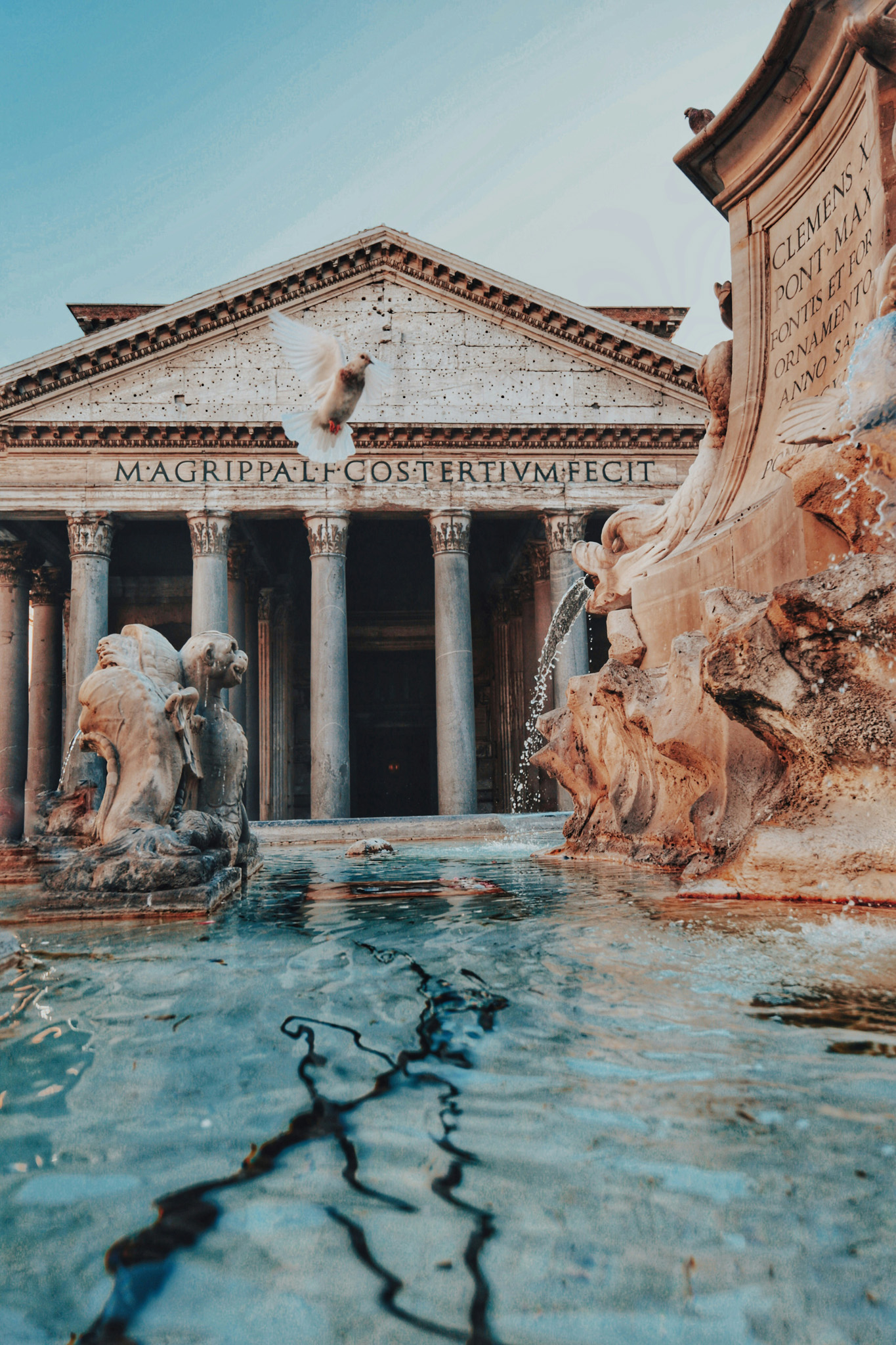
- Rome Visitor Management – From February 2026, Rome plans to introduce a €2 fee for tourists accessing the close up viewing area at the Trevi Fountain, with numbers capped at around 400 people at a time. General viewing remains free, and residents are exempt.
- A small number of previously free municipal museums in Rome now charge modest entry fees for non-residents, including the Villa of Maxentius, Napoleonic Museum, Carlo Barracco Museum, Pilotti Museum, and the Pietro Canonica Museum in Villa Borghese
- Connectivity – Excellent coverage nationwide. SIM cards and eSIMs are easy to purchase. Using an eSIM is our recommended choice while travelling anywhere in the world, and our recommended provider is Holafly. For more information on eSIMs, check out this blog.

🌈 LGBTQIA+ Travellers
- Italy is generally welcoming and safe for LGBTQIA+ travellers
- Larger cities like Rome, Milan, Florence, and Bologna are particularly inclusive
- Pride events are held annually in major cities
- Public attitudes can be more traditional in rural areas, but visitors are rarely affected
💬 Language & Etiquette
Language
- Italian
- English is widely spoken in tourist areas
Etiquette Tips
- Dress modestly in churches
- Greet politely and take time at meals
- Do not rush dining experiences
- Let vendors select produce at markets
❤️ Why Visit Italy
Italy is a destination that engages every sense. It is a country where history feels alive, food is a daily ritual, and beauty appears in the smallest details. Whether you are standing in a quiet Tuscan village, wandering ancient Roman streets, or sharing a late dinner in a lively piazza, Italy invites you to slow down, savour the moment, and truly experience the joy of travel.