Spain – Destination Guide
Spain is a country of vivid contrasts, where sun-baked plains give way to snow-capped peaks, and centuries-old cities sit beside some of the Mediterranean’s most beautiful coastline. From the Moorish palaces of Andalusia to the Gothic quarters of Barcelona, the green hills of the Basque Country to the volcanic landscapes of the Canary Islands, every region feels like its own world with its own language, food, and rhythm of life.
This is a place built around the pleasures of being outdoors and being together. Long lunches stretch into late afternoons, evening strolls fill the streets at golden hour, and festivals spill out of plazas all year round. The pace is unhurried but never dull, and the warmth of the welcome is genuine in cities and villages alike.
Whether you come for the art, the food, the beaches, the mountains, or simply the easy joy of Spanish daily life, the country rewards travellers who slow down and let it unfold. Few destinations pack this much variety, history, and sheer enjoyment into a single trip.

🗺️ Regions to Explore
Andalusia
The sun-drenched south, home to flamenco, white hill towns, and the country’s most spectacular Moorish architecture.
- Wander the Alhambra palace and gardens in Granada
- Explore Seville’s cathedral, Alcázar, and old Jewish quarter
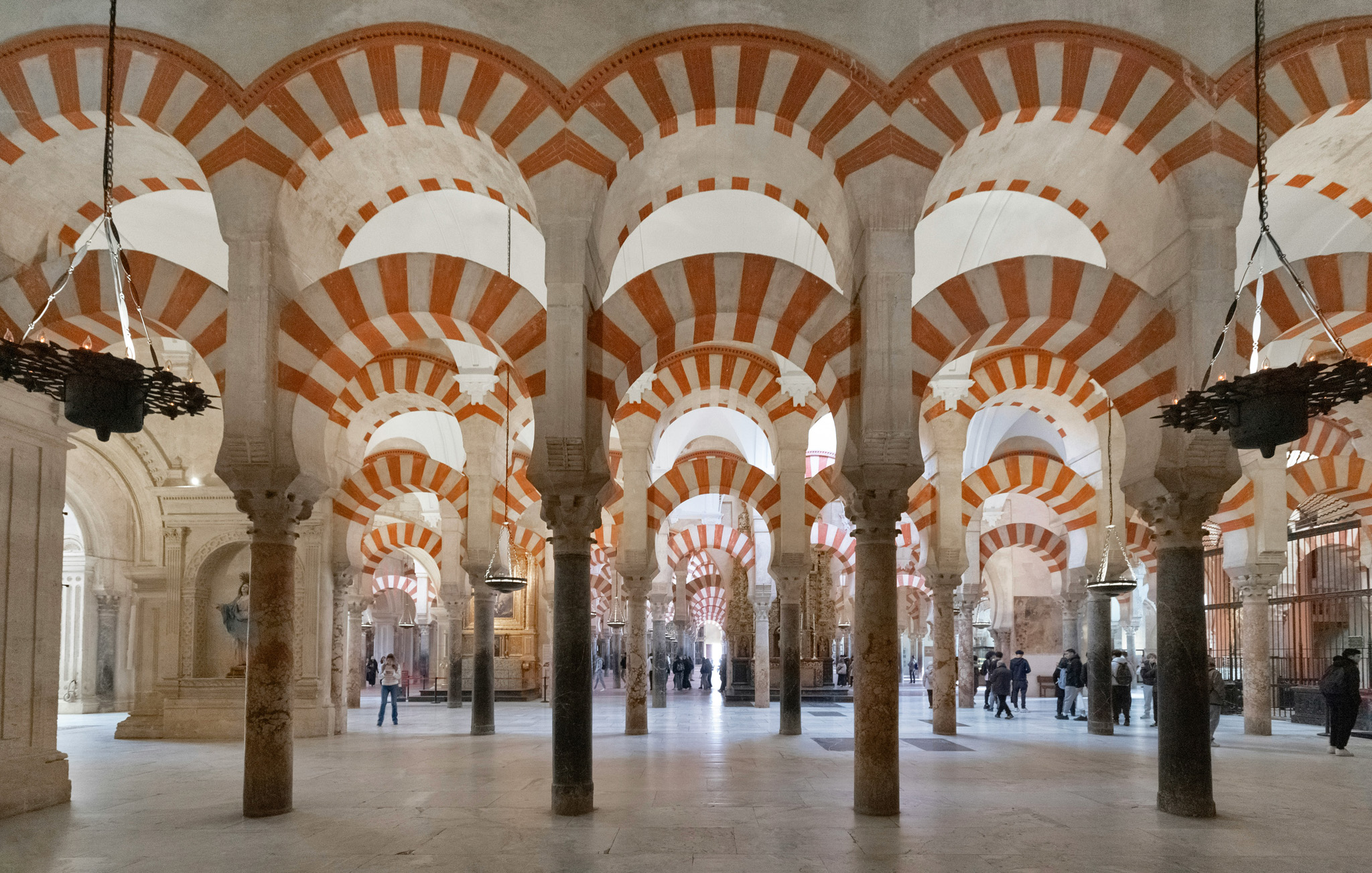
- Visit the Mezquita, the great mosque-cathedral of Córdoba
- Drive through the whitewashed pueblos blancos
- Relax on the beaches of the Costa del Sol
Catalonia
A proud, distinct region in the northeast, anchored by Barcelona and backed by mountains, vineyards, and rugged coastline.
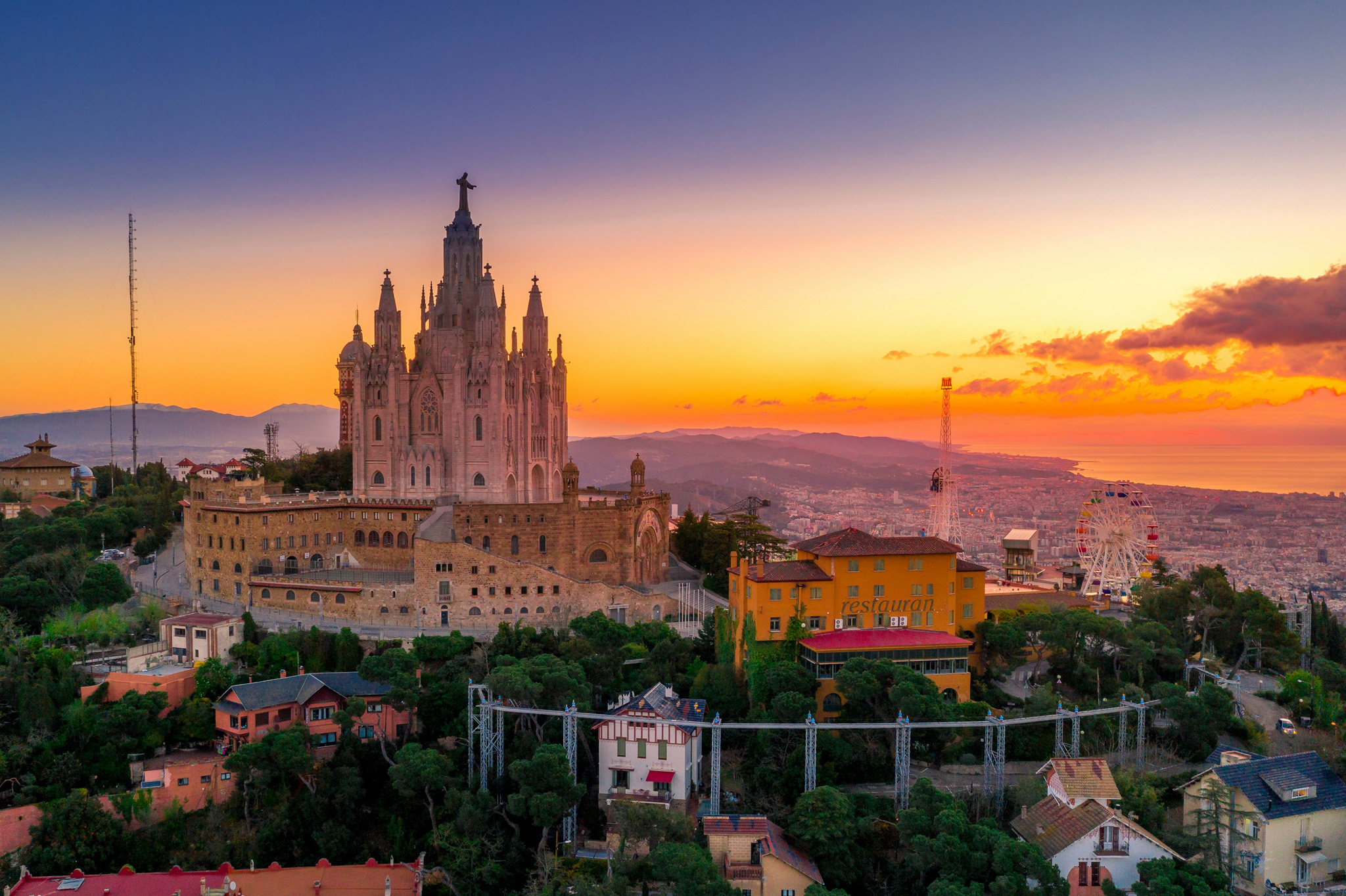
- Marvel at Gaudí’s Sagrada Família and Park Güell in Barcelona
- Stroll the Gothic Quarter and Las Ramblas
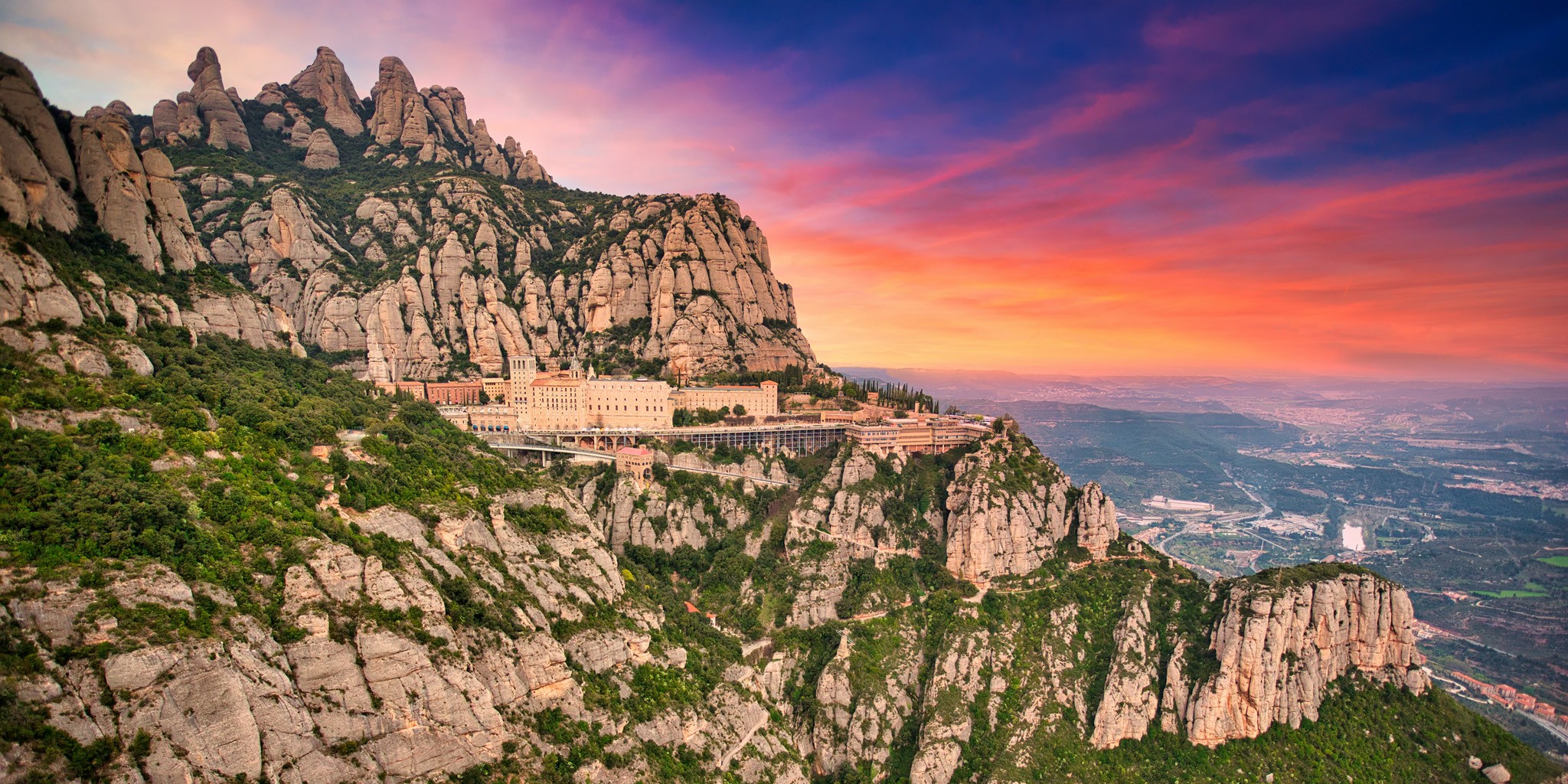
- Hike the dramatic peaks of Montserrat
- Taste cava in the Penedès wine country
- Explore the coves and beaches of the Costa Brava
Basque Country
A green, culturally unique corner of the north, famous for world-class food and a fierce regional identity.
- Eat your way through San Sebastián’s pintxos bars
- Visit the Guggenheim Museum in Bilbao
- Surf or relax on the beaches around the coast
- Explore the old town and port of Hondarribia
- Sample txakoli wine and Basque cider
Madrid and Central Spain
The heart of the country, with grand boulevards, world-class galleries, and the historic cities of Castile.
- See masterpieces at the Prado, Reina Sofía, and Thyssen museums
- Wander the medieval streets of Toledo and Segovia
- Enjoy tapas and nightlife in Madrid’s lively neighbourhoods
- Relax in Retiro Park
- Visit the walled city of Ávila
The Balearic Islands
A Mediterranean archipelago of beaches, coves, and contrasting moods, from party hotspots to quiet rural calm.
- Find hidden coves and turquoise water in Mallorca
- Experience the nightlife and beach clubs of Ibiza
- Discover the laid-back, unspoilt charm of Menorca
- Hike the Tramuntana mountains in Mallorca
- Explore historic Palma and its grand cathedral
Galicia and the North Coast
A wild, green, often overlooked region of misty coastline, seafood, and ancient pilgrimage routes.
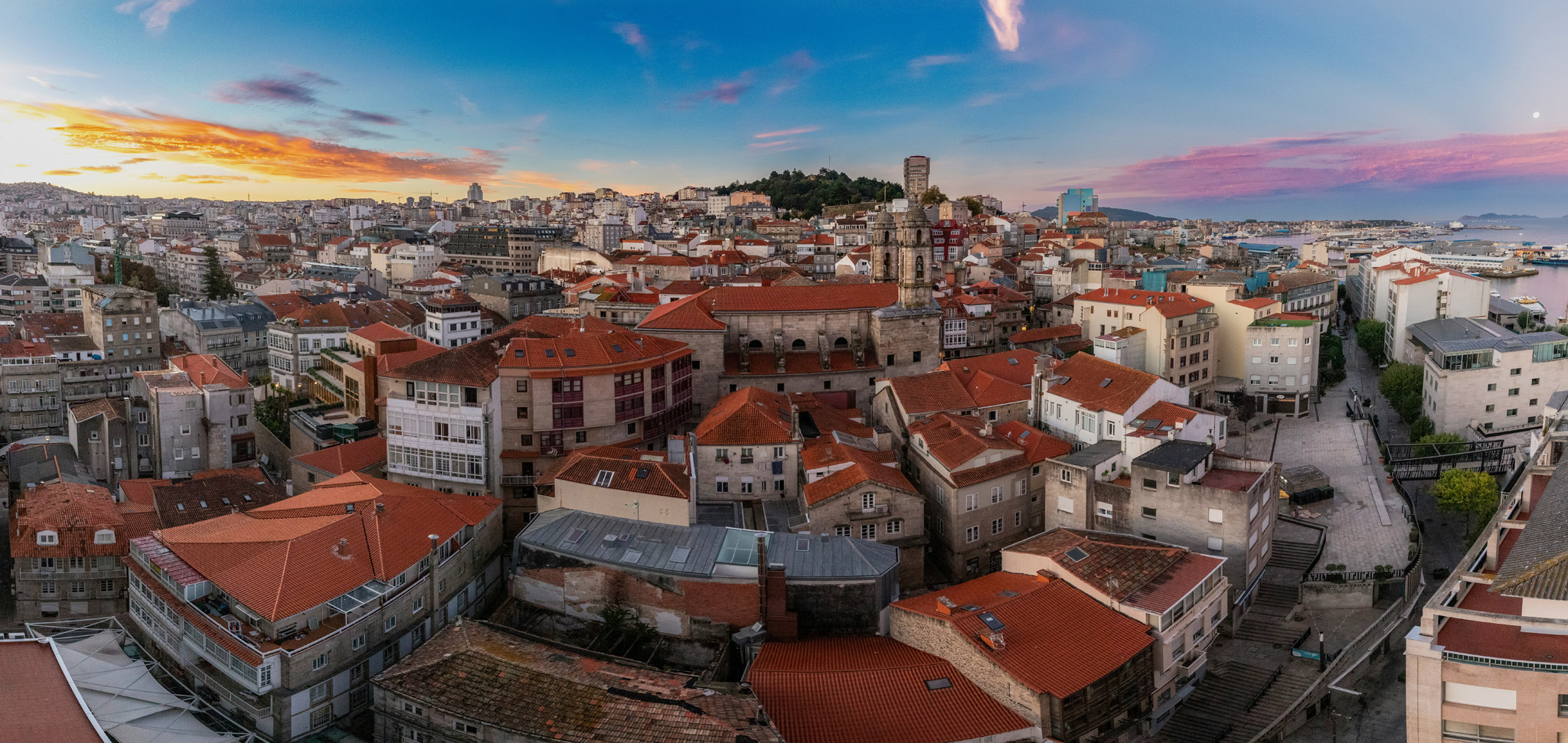
- Reach Santiago de Compostela, the end of the Camino
- Feast on fresh seafood in the coastal towns
- Walk the dramatic cliffs of the Costa da Morte
- Explore the Roman walls of Lugo
- Discover the cider houses and beaches of Asturias
🎒 Things To Do
- Tour the Alhambra and its Generalife gardens in Granada
- Watch a live flamenco performance in Seville or Jerez
- Walk all or part of the Camino de Santiago
- Spend a day exploring Gaudí’s architecture across Barcelona
- Eat pintxos bar to bar in San Sebastián
- See the masterpieces of the Prado Museum in Madrid
- Relax on the beaches of the Costa Brava or the Balearic Islands
- Visit a winery in La Rioja or the Penedès
- Time a trip around a major festival such as La Tomatina or Las Fallas
- Wander the historic centres of Toledo, Córdoba, and Segovia
🍽️ Food & Drink
Spanish cuisine is regional, seasonal, and built around sharing. Meals are social occasions, and the country’s food culture ranges from simple grilled seafood on the coast to refined tasting menus in its celebrated kitchens. Eating late is the norm, with lunch often the largest meal of the day.
- Paella, the saffron rice dish that originated in Valencia
- Tapas and pintxos, small plates designed for grazing and sharing
- Jamón ibérico, prized cured ham served thinly sliced
- Tortilla española, a thick potato and egg omelette
- Gazpacho, a chilled tomato soup perfect for hot Andalusian days
- Local wines, cava, sherry, and sangria to drink alongside

🌦️ Weather
Spain’s climate varies widely by region, from the hot, dry Mediterranean south to the cooler, wetter Atlantic north. Most of the country enjoys plenty of sunshine, though inland summers can be intense and northern winters mild but damp.
- Summers are hot, with inland and southern temperatures often reaching 35-40°C
- Coastal areas are tempered by sea breezes, generally 25-30°C in summer
- The Atlantic north is much greener and wetter, with mild summers around 20-25°C
- Winters are mild on the southern coast, around 10-17°C, and colder inland
- Spring and autumn bring pleasant temperatures of 18-25°C across much of the country
- The Canary Islands enjoy warm, spring-like weather year round
📅 Best Time To Visit
April – June and September – October (Shoulder Season)
- Warm, comfortable weather ideal for sightseeing and walking
- Fewer crowds than the peak summer months
- The best overall time for city visits and the Camino
July – August (Peak Season)
- Hot weather, especially inland, and busy coastal resorts
- Best for beach holidays in the Balearic Islands and the north coast
- Many major festivals fall in these months, but expect higher prices
November – March (Off Season)
- Cool and quieter, with mild conditions in the south and the Canaries
- Good value on accommodation and a calmer city experience
- Ski season in the Sierra Nevada and the Pyrenees
🎒 Packing List
- Lightweight, breathable clothing for warm days
- A few warmer layers for cool evenings and the northern regions
- A light rain jacket, especially for Galicia and the Atlantic coast
- Comfortable walking shoes for cobbled streets and city exploring
- Swimwear for beaches, coves, and hotel pools
- Sun protection including sunscreen, sunglasses, and a hat
- A scarf or shawl for visiting churches and religious sites
- A reusable water bottle
- A European power adapter
- A basic medical kit with any personal medications
- Electrolytes for hot summer days
- A small daypack for sightseeing and day trips
🛂 Visas & Entry Requirements
Spain is part of the Schengen Area, and entry rules depend on your nationality.
- Many nationalities, including Australian, UK, US, and Canadian passport holders, can enter visa-free for up to 90 days within any 180-day period for tourism
- Other nationalities may need to apply for a Schengen visa in advance
- Passports should be valid for at least three months beyond your planned departure date
- The ETIAS travel authorisation is being introduced for visa-exempt travellers, so check whether it applies before you travel
- Official information: https://www.exteriores.gob.es
💰 Money
- The currency is the Euro (EUR)
- Cards are widely accepted, including contactless payments in most shops and restaurants
- ATMs are common in cities and towns, though some charge withdrawal fees
- Carry some cash for small bars, markets, and rural areas
- Tipping is modest and not obligatory, with small change or rounding up appreciated for good service
💸 Hotel & Tourist Taxes
Spain has no single national tourist tax. Charges are set by individual regions and, in some cases, local councils, so what you pay depends entirely on where you stay.
- Catalonia and the Balearic Islands apply a per person, per night tourist tax on most accommodation
- In Barcelona, combined regional and municipal rates from April 2026 run from around €6 for hostels up to about €12 for five-star hotels and luxury campsites per person per night
- The rest of Catalonia charges lower regional-only rates, roughly €1-€6 per person per night depending on accommodation category
- The Balearic Islands ecotax ranges from around €1-€6 per person per night, higher in peak season and luxury properties
- Many regions, including Andalusia, Madrid, and the Canary Islands, currently charge no general tourist tax
- The tax is usually collected at the accommodation on check-in or check-out and is often not included in the booking price
🌈 LGBTQIA+ Travellers
Spain is one of the most LGBTQIA+ friendly countries in the world and is generally a very welcoming destination.
- Same-sex marriage has been legal since 2005, and anti-discrimination protections are strong
- Social attitudes are open and accepting, particularly in cities
- Madrid, Barcelona, and Sitges have vibrant LGBTQIA+ scenes and host major Pride celebrations
- Smaller towns and rural areas are generally tolerant, though more conservative than the cities
- Travellers can expect to feel comfortable and safe across most of the country
⚠️ Traveller Safety
Spain is a safe country for travellers, with low rates of violent crime.
- The main concern is petty theft, especially pickpocketing in tourist areas and on public transport
- Keep valuables secure and stay alert in crowded spots such as Las Ramblas and busy metro stations
- Beaches and coastal activities are generally safe, but follow local flag warnings for swimming
- Cities are lively and safe at night, though normal precautions still apply in quieter areas
- Emergency number is 112
💉 Vaccinations & Health
Spain has no mandatory vaccination requirements for most travellers and a high standard of healthcare.
- No vaccinations are required for entry from most countries
- Routine vaccinations should be up to date, including measles, mumps, rubella, and tetanus
- There is no malaria or significant tropical disease risk
- Pharmacies are widespread and helpful for minor health needs
- Official information: https://www.sanidad.gob.es
🚗 Getting Around
- Spain has an excellent high-speed rail network (AVE) connecting major cities quickly and comfortably
- Buses are extensive and economical, reaching towns not served by rail
- Domestic flights and ferries link the mainland with the Balearic and Canary Islands
- Hiring a car is ideal for exploring rural areas, hill towns, and the coast
- Roads are well maintained, and driving is on the right
- Cities have efficient metro, tram, and bus systems
✈️ Airports
Adolfo Suárez Madrid-Barajas Airport (MAD)
- The country’s largest and busiest airport, with extensive international and domestic connections
Barcelona-El Prat Airport (BCN)
- A major international gateway serving Catalonia and the eastern coast
Málaga-Costa del Sol Airport (AGP)
- The main entry point for Andalusia and the southern beach resorts
Palma de Mallorca Airport (PMI)
- A busy seasonal hub serving the Balearic Islands
🗣️ Language
The official language is Spanish (Castilian), spoken throughout the country. Several regions also have their own co-official languages, including Catalan in Catalonia and the Balearics, Basque in the Basque Country, and Galician in Galicia. English is widely spoken in tourist areas, hotels, and major cities, though less so in rural areas, where a few words of Spanish go a long way.
Common Phrases
- Hello – Hola (OH-lah)
- Goodbye – Adiós (ah-DYOHS)
- Please – Por favor (por fah-BOR)
- Thank you – Gracias (GRAH-thyahs)
- Yes – Sí (see)
- No – No (noh)
- Excuse me – Perdón (per-DON)
- Sorry – Lo siento (loh SYEN-toh)
- Do you speak English? – ¿Hablas inglés? (AH-blahs een-GLEHS)
- How much is it? – ¿Cuánto cuesta? (KWAN-toh KWES-tah)
- Where is…? – ¿Dónde está…? (DON-deh es-TAH)
- Help – Ayuda (ah-YOO-dah)
- Cheers – Salud (sah-LOOD)
- Good morning – Buenos días (BWEH-nos DEE-ahs)
- You’re welcome – De nada (deh NAH-dah)
ℹ️ Practical Info
Electricity
- Plug types C and F, with a standard voltage of 230V
Internet & WiFi
- WiFi is widely available in hotels, cafés, and restaurants, and mobile data coverage is excellent across the country
Water
- Tap water is safe to drink in most of Spain, though some travellers prefer bottled water for taste in certain regions
Travel Insurance
- Comprehensive personal travel insurance is strongly recommended, covering medical care, cancellations, and any adventure activities such as hiking, surfing, or skiing
Connectivity SIM / eSIM
- Local SIM cards are easy to buy from mobile providers and shops in airports and cities
- Using an eSIM is our recommended choice while travelling anywhere in the world, and our recommended provider is Holafly. For more information on eSIMs, check out this blog.

❤️ Why Visit Spain
Spain is a country that gives generously. It offers the grandeur of Moorish palaces and Gothic cathedrals, the simple pleasure of a long lunch in a sunlit plaza, the thrill of a flamenco performance, and the quiet beauty of a hidden cove. Few places manage to be this rich in history and culture while remaining so effortlessly enjoyable.
What makes Spain unforgettable is its variety. You can ski in the morning and swim in the afternoon, move from buzzing cities to silent hill towns in an hour, and find a different language, dish, and tradition in every region you visit. It is a destination you can return to again and again and never run out of new corners to discover.
Above all, Spain is about a way of living that travellers fall in love with – generous, social, and unhurried. Come for the sights and the food, and leave having absorbed a little of the Spanish art of enjoying life. It is a place that stays with you long after you go home.