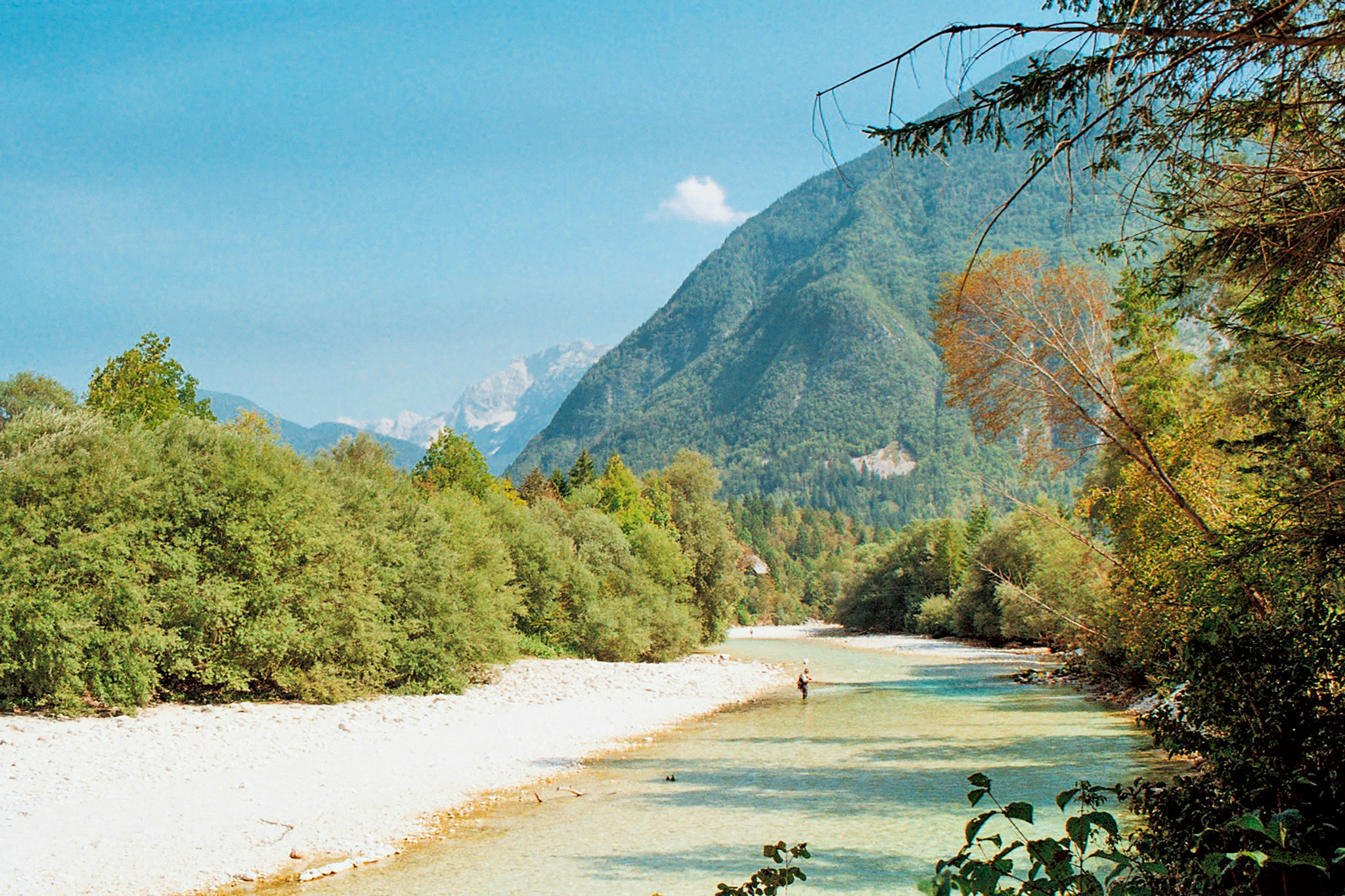
Slovenia – Destination Guide
Tucked between the Alps and the Adriatic, Slovenia is a country that packs an extraordinary range of landscapes into a space smaller than Tasmania. Within a couple of hours you can move from snow-dusted mountain peaks to turquoise rivers, from beech forests and limestone caves to a short but lovely stretch of Mediterranean coastline. More than half the country is covered in forest, and the air, water, and pace of life all carry a sense of unhurried freshness.
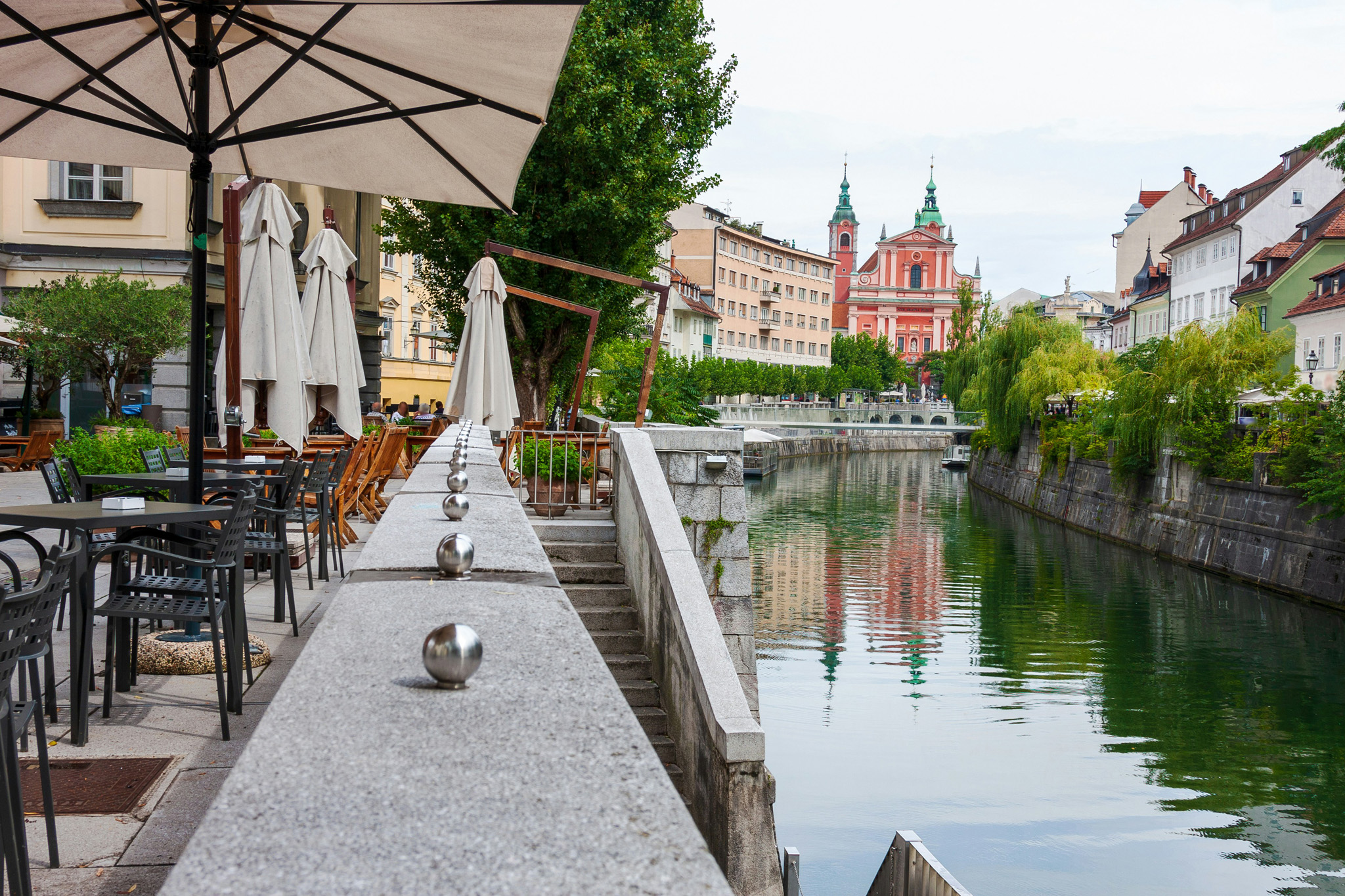
This is a place built for travellers who like to be outside. Hiking trails thread through the Julian Alps, gorges and waterfalls open up around almost every bend, and the lakes – Bled and Bohinj chief among them – look almost too photogenic to be real. The capital, Ljubljana, is compact, green, and walkable, with a car-free old town wrapped around a castle-topped hill and a river lined with cafes.
Slovenia rewards curiosity. It is easy to travel, genuinely safe, and small enough to see a great deal without long transfers, yet it never feels crowded the way its better-known neighbours can. For anyone who wants alpine scenery, good food, and a relaxed rhythm without the queues, it is one of Europe’s most quietly satisfying destinations.
🗺️ Regions to Explore
Ljubljana and Central Slovenia
The country’s heart, anchored by a capital that mixes baroque architecture, riverside cafe culture, and an easygoing student-city energy.
- Wandering the car-free old town and crossing the Triple Bridge
- Riding the funicular up to Ljubljana Castle for city views
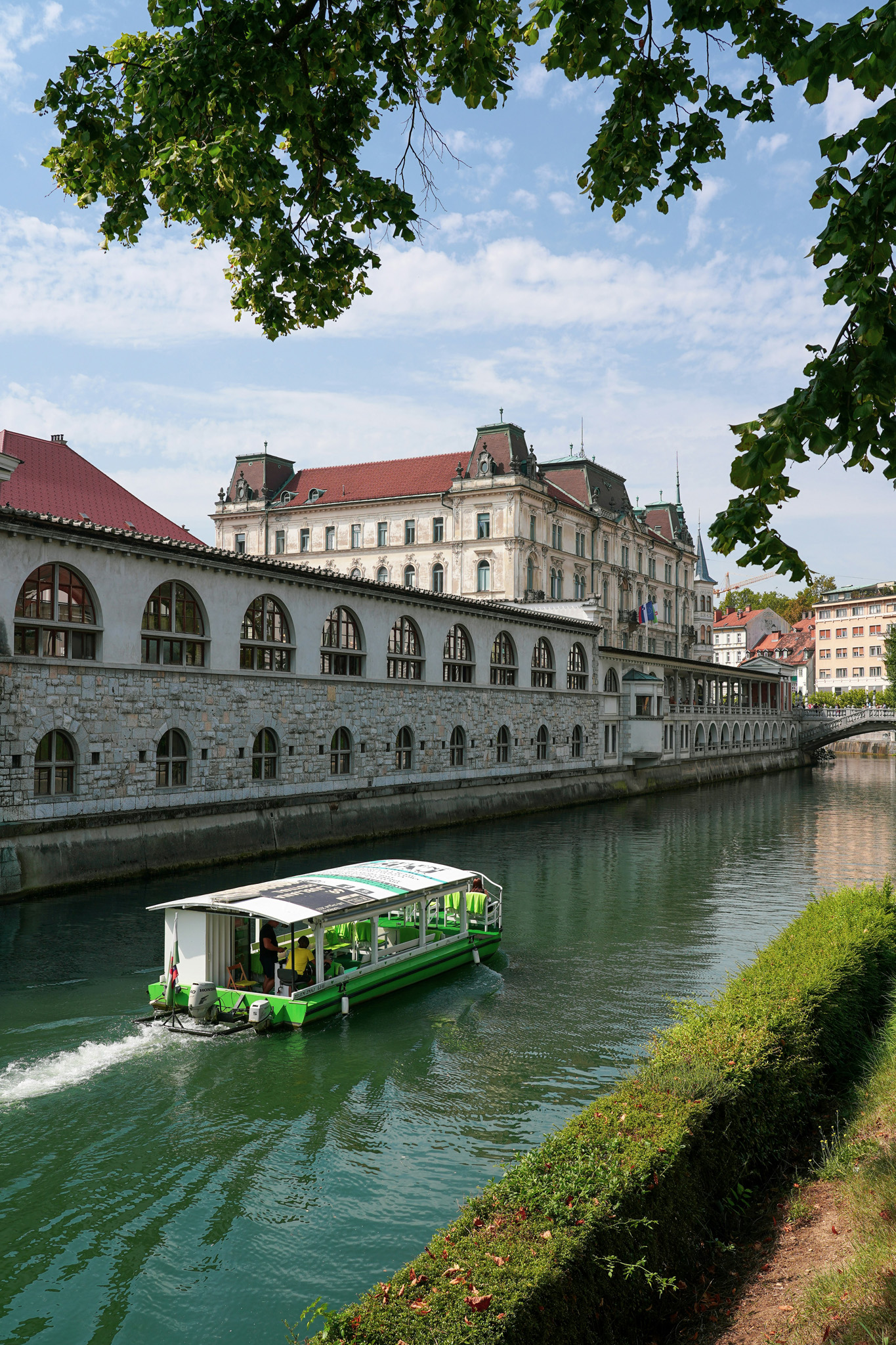
- Browsing the open-air Central Market designed by Jože Plečnik
- Taking a boat or stroll along the Ljubljanica River
- Day-tripping to Postojna Cave and Predjama Castle
Julian Alps and Triglav National Park
The dramatic northwest, home to Slovenia’s highest peaks, glacial lakes, and the country’s only national park.
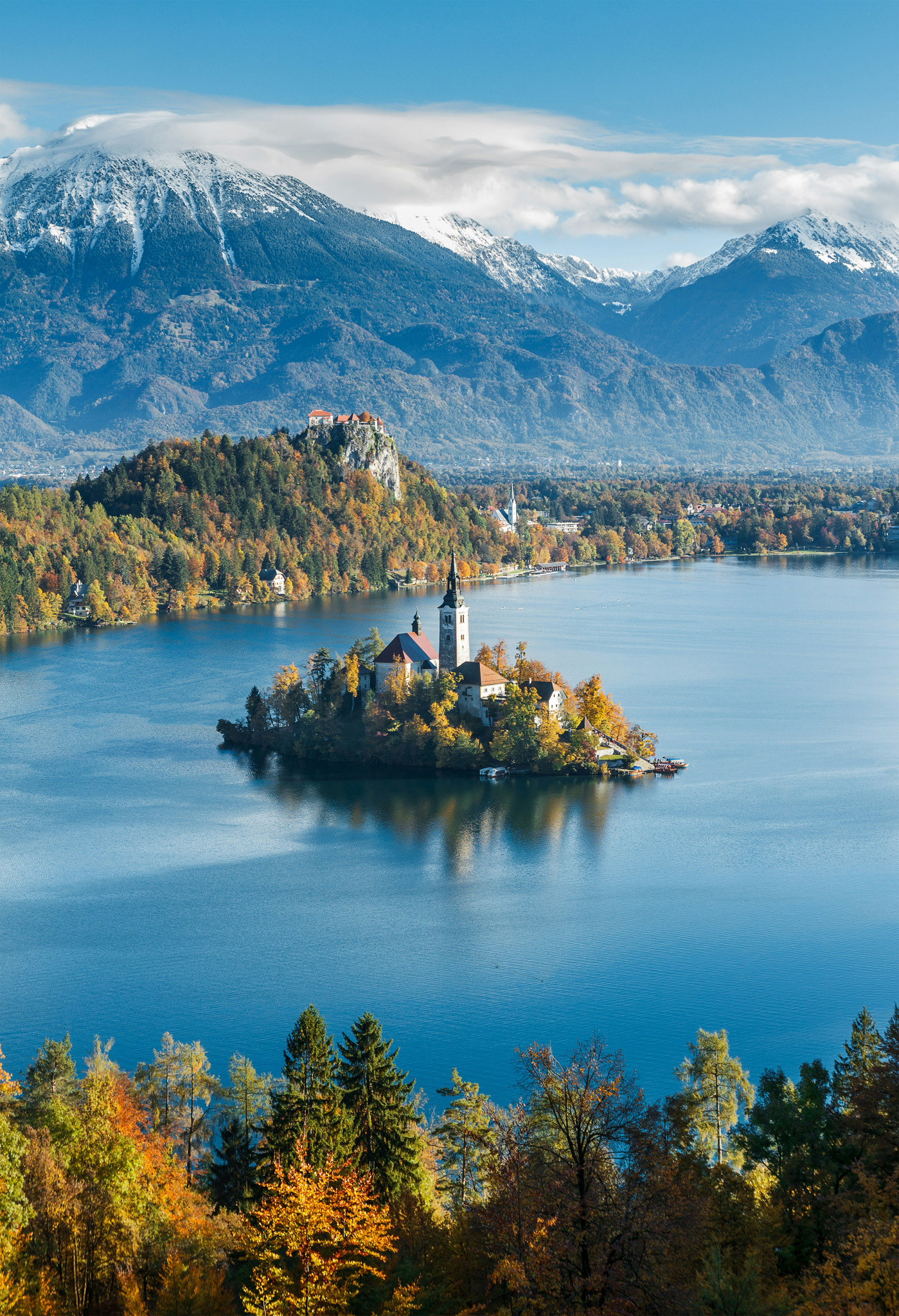
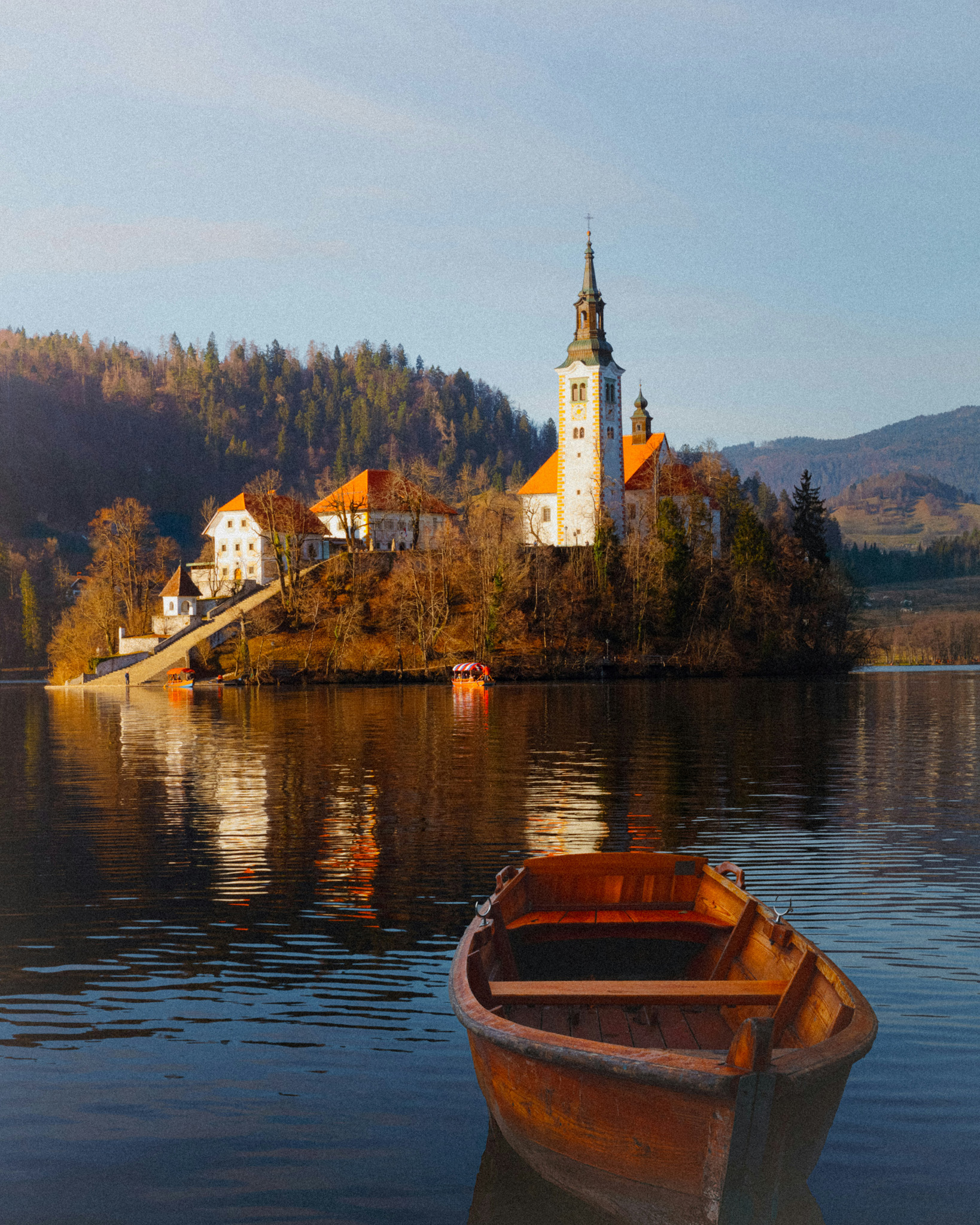
- Hiking and rowing at Lake Bled with its island church
- Exploring quieter, less developed Lake Bohinj
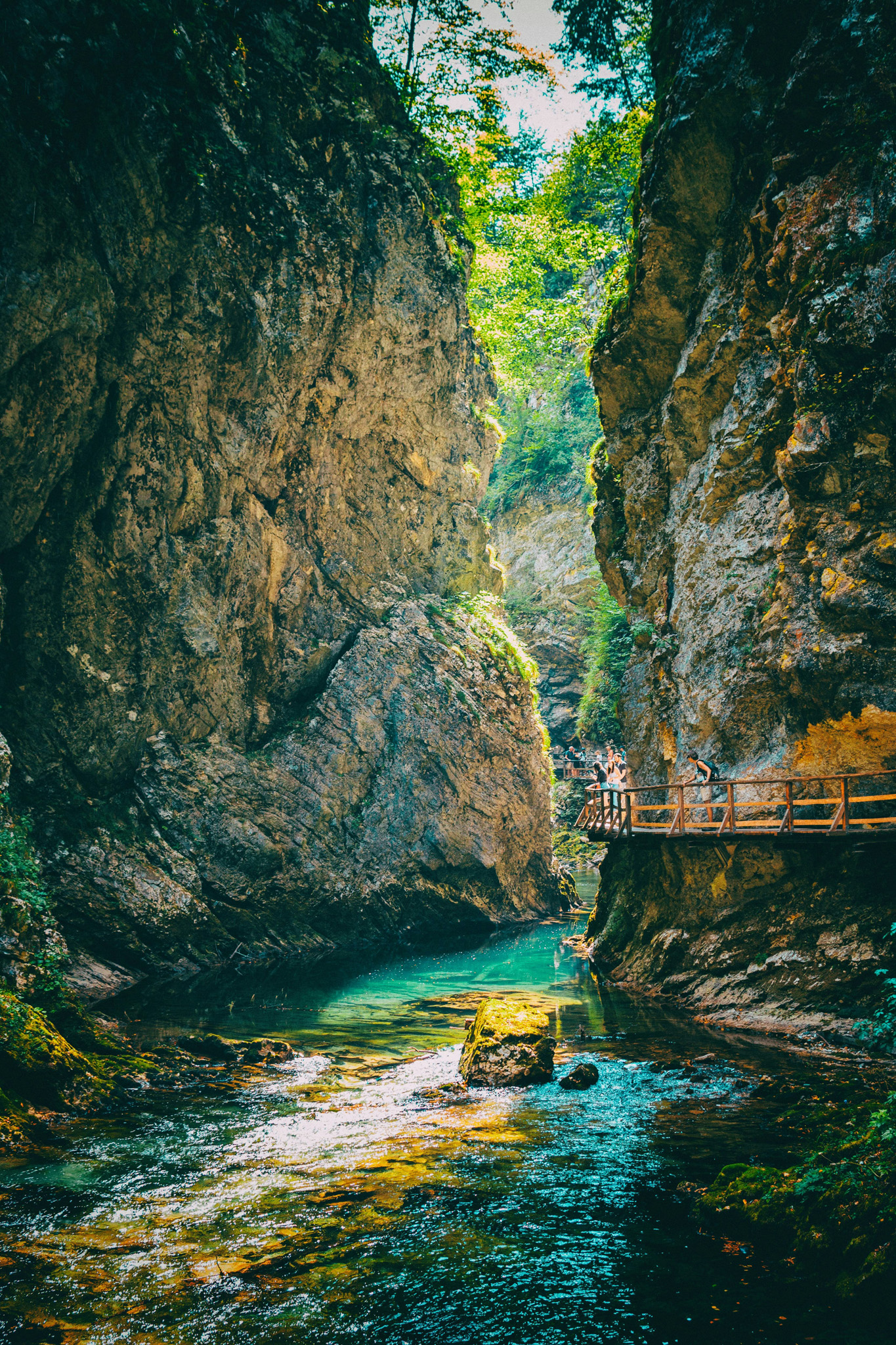
- Walking the Vintgar Gorge boardwalk above rushing water
- Driving the hairpin bends of the Vršič Pass
- Attempting or admiring Mount Triglav, the national symbol
The Soča Valley
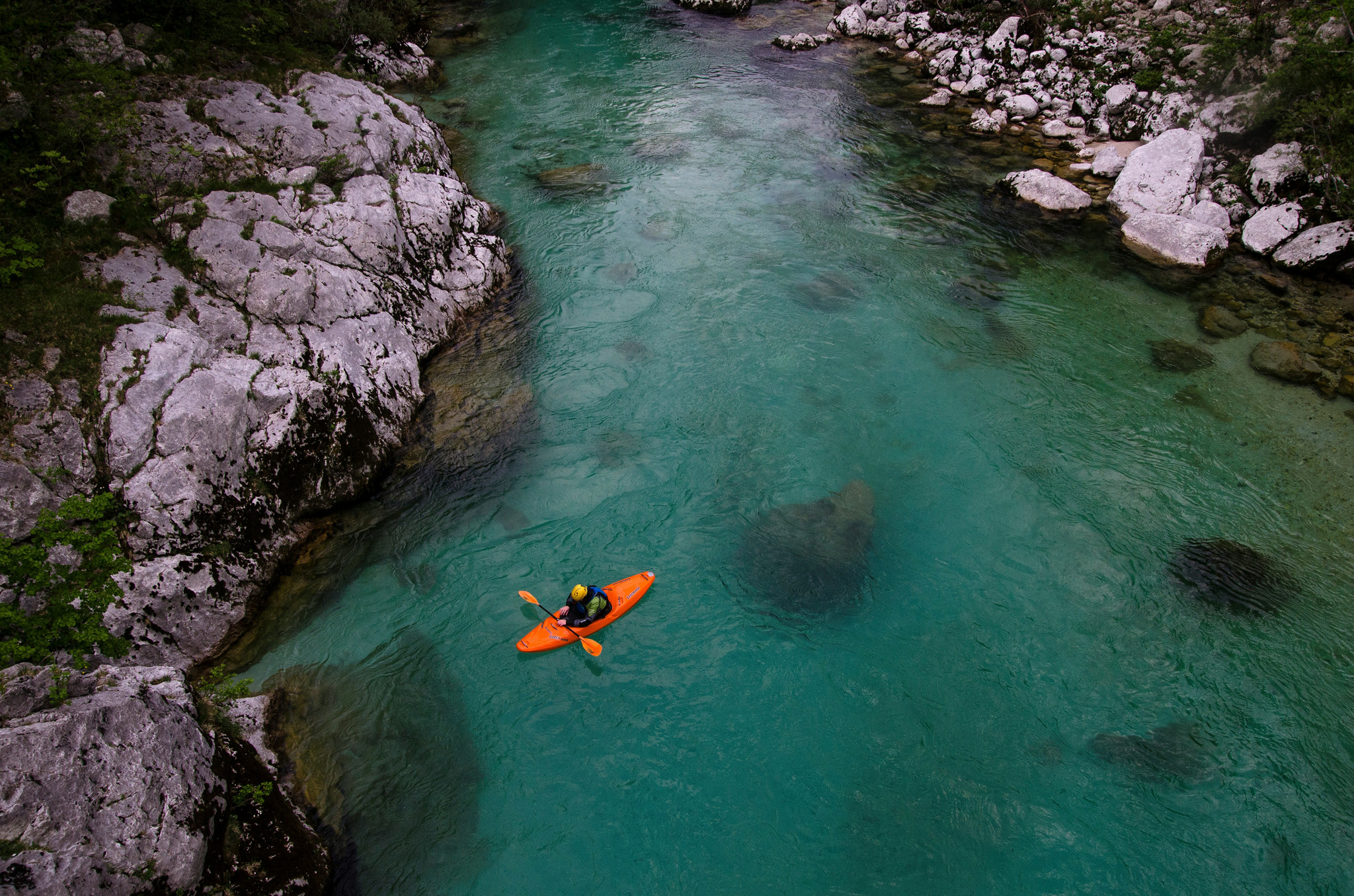
A valley of impossibly clear emerald water in the western Alps, equal parts scenic and adventurous.
- Rafting, kayaking, and canyoning on the Soča River
- Visiting the Kozjak Waterfall near Kobarid
- Walking sections of the Walk of Peace WWI heritage trail
- Paragliding above the valley from Kobarid
- Soaking up the relaxed mountain-town feel of Bovec
The Slovenian Coast and Karst
A short Adriatic coastline paired with a limestone hinterland of caves, vineyards, and Italian-influenced towns.
- Exploring the Venetian-Gothic old town of Piran
- Tasting Teran wine and prosciutto in the Karst region
- Touring the vast underground halls of Škocjan Caves
- Seeing the famous white Lipizzaner horses at Lipica
- Swimming and dining along the Portorož waterfront
Eastern Slovenia and the Wine Country
A gentler landscape of rolling hills, thermal spas, and the country’s oldest town.
- Visiting Maribor and the world’s oldest grapevine
- Soaking in the thermal spa resorts of the Pannonian plain
- Touring the wine roads around Jeruzalem and Ptuj
- Exploring Ptuj, Slovenia’s oldest town, and its castle
- Hiking the rolling vineyards of the Štajerska region
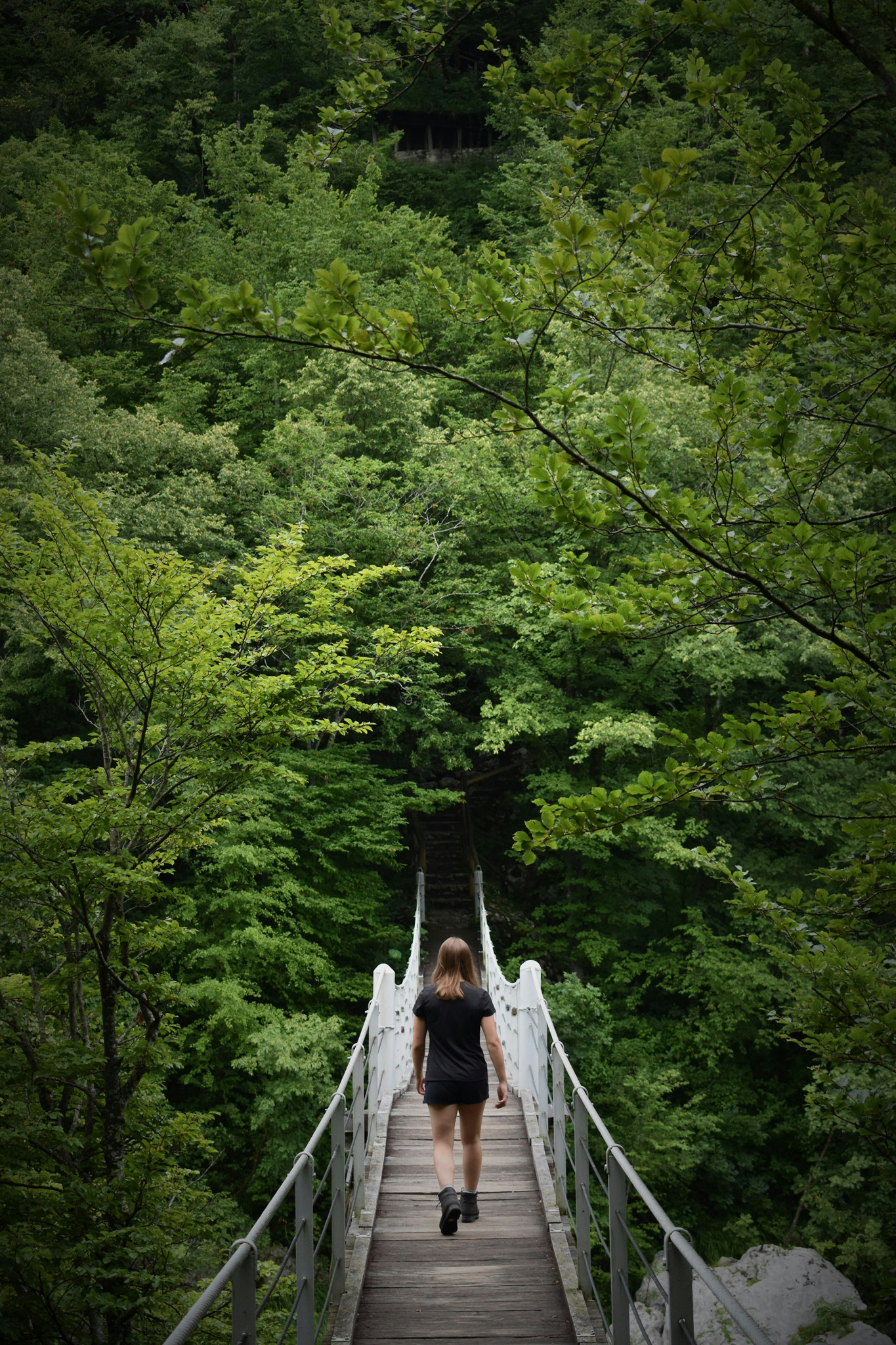
🎒 Things To Do
- Row a traditional pletna boat to the island church on Lake Bled
- Walk the boardwalk trails of Vintgar Gorge and Tolmin Gorges
- Raft or kayak the emerald Soča River near Bovec
- Descend into Postojna Cave by underground train, then visit cliff-set Predjama Castle
- Tour the UNESCO-listed Škocjan Caves and their immense underground canyon
- Hike or cable-car up into Triglav National Park for high-alpine scenery
- Explore Ljubljana’s old town, castle, and riverside cafe culture on foot
- Wander the Venetian streets of Piran and swim along the Adriatic coast
- Taste Slovenian wine in the Karst, Brda, or Štajerska wine regions
- Unwind in a thermal spa in the country’s east
🍽️ Food & Drink
Slovenian cuisine sits at a crossroads of Alpine, Mediterranean, and Central European influences, with hearty mountain dishes in the north, seafood and olive oil along the coast, and a strong farm-to-table tradition throughout. Portions are generous, ingredients are local, and the country has quietly built a serious reputation among food travellers.
- Potica, a rolled nut pastry that is the national celebratory dessert
- Kranjska klobasa, the protected Carniolan sausage often served with sauerkraut
- Štruklji, rolled dumplings filled with cottage cheese, walnuts, or tarragon
- Jota, a warming stew of beans, sauerkraut, potatoes, and pork
- Fresh Adriatic seafood and truffle dishes along the coast and in the Karst
- Local wines from Brda, the Karst, and Štajerska, plus craft beer and fruit brandies
🌦️ Weather
Slovenia has a varied climate for such a small country, shifting from continental in the interior to alpine in the mountains and Mediterranean along the coast. This means conditions can differ noticeably between regions on the same day.
- Summer (June – August) is warm, with inland highs of 25-30°C and pleasant alpine days
- Winter (December – February) is cold, with snow common in the mountains and frequent sub-zero nights
- Spring and autumn are mild but changeable, with daytime temperatures often around 10-20°C
- The coast is milder and drier than the interior, with hot summers and gentle winters
- Mountain weather changes quickly – sudden rain, cloud, and temperature drops are common at altitude
- Autumn can be wet, while winter brings reliable snow to ski resorts
📅 Best Time To Visit
June – September (Peak Season)
- Warm, settled weather ideal for hiking, lakes, and the coast
- Long daylight hours and all mountain trails and huts open
- Busiest period at Bled and in Ljubljana, with higher prices and more crowds
April – May and September – October (Shoulder Season)
- Mild temperatures, fewer crowds, and lower accommodation prices
- Spring brings green valleys and waterfalls; autumn brings vineyard colour and harvest
- Some high-altitude trails and huts may be closed early or late in the window
November – March (Off Season)
- Cold and often snowy, with short days and a quiet feel in lowland towns
- Prime time for skiing and snowshoeing in the Julian Alps and Pohorje
- Lake and gorge attractions are subdued, and some rural businesses close
🎒 Packing List
- Layered clothing for changeable mountain and valley weather
- A warm mid-layer or fleece, even in summer at altitude
- A waterproof, breathable rain jacket
- Sturdy hiking shoes or boots with good grip
- Comfortable walking shoes for cobbled town streets
- Swimwear for lakes, rivers, the coast, and thermal spas
- Sun protection – sunglasses, hat, and high-SPF sunscreen
- Insect repellent for forested and lakeside areas in warmer months
- A reusable water bottle, as tap water is excellent
- A European power adapter (Type C / Type F)
- A basic medical kit with any personal medication
- Electrolyte sachets for long hikes and active days
🛂 Visas & Entry Requirements
Slovenia is part of the European Union and the Schengen Area, so entry rules follow standard Schengen policy.
- Many nationalities, including Australians, can enter visa-free for up to 90 days within any 180-day period for tourism
- From 2026, visa-exempt visitors will need an approved ETIAS travel authorisation before arrival – check the official status close to your trip
- Passports must be valid for at least three months beyond your planned departure date
- You may be asked to show proof of onward travel and sufficient funds for your stay
- Travellers who do require a Schengen visa must hold travel insurance meeting Schengen minimums to obtain it
- Official information: https://www.gov.si/en/topics/visa-and-entry-conditions/
💰 Money
- The currency is the Euro (EUR), shared across most of the EU
- Cards are very widely accepted, including in shops, restaurants, and for transport
- Contactless payment is the norm in towns and cities
- ATMs are plentiful in urban areas, though carry some cash for rural villages and small huts
- Tipping is modest and not obligatory – rounding up or leaving around 10% for good service is appreciated
- Notify your bank of travel plans to avoid card blocks
💸 Hotel & Tourist Taxes
Slovenia applies a tourist tax (turistična taksa) on overnight stays, set independently by each municipality and added to your accommodation bill.
- Rates are charged per person, per night, and vary by location and accommodation category
- In Ljubljana the tax is around €3.13 per adult per night, including the tourism promotion surcharge
- In Bled and other popular destinations the rate is typically around €2.50 per adult per night
- Smaller towns and rural areas charge less, often between €1 and €2 per person per night
- Children under seven are usually exempt, and those aged seven to eighteen generally pay around half the adult rate
- The tax is collected by your accommodation at check-in or check-out, separate from the room rate

🌈 LGBTQIA+ Travellers
Slovenia is among the more progressive countries in Central Europe and is generally welcoming to LGBTQIA+ travellers.
- Same-sex marriage and adoption have been legal nationwide since 2022
- Anti-discrimination protections cover sexual orientation and gender identity
- Ljubljana is the most openly LGBTQIA+-friendly city, with bars, events, and an annual Pride
- Attitudes are more relaxed in cities than in some rural and conservative areas
- Public displays of affection are generally accepted in urban settings, with discretion advised in remote regions
⚠️ Traveller Safety
Slovenia is one of the safest countries in Europe, with low crime rates and a well-developed emergency network.
- Violent crime is rare, and the most common issue for tourists is occasional pickpocketing in busy spots
- Mountain and water activities are the main risk – check conditions and avalanche warnings before alpine trips
- Use registered local guides for canyoning, climbing, caving, and via ferrata routes
- Towns and cities feel safe to walk at night, with normal common-sense precautions
- Emergency number is 112
💉 Vaccinations & Health
Slovenia has a high standard of healthcare and no unusual health risks for most travellers.
- No vaccinations are mandatory for entry from Australia or most other countries
- Ensure routine vaccinations are up to date, including measles, tetanus, and diphtheria
- Tick-borne encephalitis is present in forested areas – a vaccine is worth considering for extended hiking
- Tap water is safe, and pharmacies are well stocked and easy to find
- Official information: https://www.nijz.si/en
🚗 Getting Around
- Slovenia is compact, and a hire car gives the most freedom for reaching lakes, gorges, and mountain villages
- Motorways require a vignette (electronic toll sticker), which can be bought online or at petrol stations
- Roads are generally well maintained, though alpine passes are narrow, winding, and may close in winter
- An efficient train and intercity bus network connects Ljubljana with major towns
- Ljubljana itself is walkable, with cycling and a clean local bus system
- Some remote trailheads and valleys are far easier to reach with your own vehicle
✈️ Airports
Ljubljana Jože Pučnik Airport (LJU)
- The country’s main international gateway, around 25 km north of the capital near Kranj
Trieste Airport (TRS)
- Just over the Italian border, a convenient alternative for the coast and western Slovenia
Venice Marco Polo Airport (VCE)
- A larger Italian hub within driving distance, often used for wider international connections
🗣️ Language
The official language is Slovene, a South Slavic language written in the Latin alphabet. Italian and Hungarian have official status in their respective border regions, and many Slovenians also speak Croatian, Serbian, or German. English is very widely spoken, especially among younger people and in tourism, so travellers will have little trouble communicating – though a few words of Slovene are always warmly received.
Common Phrases
- Hello – Živjo (ZHEEV-yo)
- Goodbye – Nasvidenje (nahs-vee-DEN-yeh)
- Please – Prosim (PROH-seem)
- Thank you – Hvala (HVAH-lah)
- Yes – Da (dah)
- No – Ne (neh)
- Excuse me – Oprostite (oh-pross-TEE-teh)
- Sorry – Žal mi je (zhahl mee yeh)
- Do you speak English? – Govorite angleško? (goh-voh-REE-teh ahn-GLESH-koh)
- How much is it? – Koliko stane? (KOH-lee-koh STAH-neh)
- Where is…? – Kje je…? (kyeh yeh)
- Help – Na pomoč (nah poh-MOHCH)
- Cheers – Na zdravje (nah ZDRAH-vyeh)
- Good day – Dober dan (DOH-ber dahn)
- You’re welcome – Ni za kaj (nee zah kai)
ℹ️ Practical Info
Electricity
- Slovenia uses Type C and Type F plugs, with a standard voltage of 230V and 50Hz.
Internet & WiFi
- WiFi is widely available in hotels, cafes, and restaurants, and mobile coverage is strong across most of the country, with weaker signal in deep mountain valleys.
Water
- Tap water is clean, safe, and excellent to drink throughout Slovenia, so bottled water is unnecessary.
Travel Insurance
- Comprehensive personal travel insurance is strongly recommended, with cover for medical care, cancellations, and adventure activities such as hiking, skiing, rafting, and canyoning.
Connectivity SIM / eSIM
- Local prepaid SIM cards are easy to buy from providers such as A1, Telekom Slovenije, and Telemach at airports, shops, and kiosks.
- Using an eSIM is our recommended choice while travelling anywhere in the world, and our recommended provider is Holafly. For more information on eSIMs, check out this blog.

❤️ Why Visit Slovenia
Slovenia is proof that small can be spectacular. Few countries let you wake beside an alpine lake, hike a forested gorge by midday, and finish the evening with seafood by the Adriatic – all without long drives or crowds. It is a destination that feels generous with its scenery and gentle with its travellers.
What lingers is the sense of balance. Ljubljana is lively but never overwhelming, the mountains are wild but accessible, and the whole country carries a quiet commitment to green, sustainable travel that you feel in its clean water, protected forests, and unhurried towns. It is a place that works hard to stay beautiful.
For travellers who want genuine outdoor adventure, excellent food, and warm, easygoing hospitality in one compact and welcoming country, Slovenia delivers on every front. Come for the lakes and mountains, and leave already planning a return.