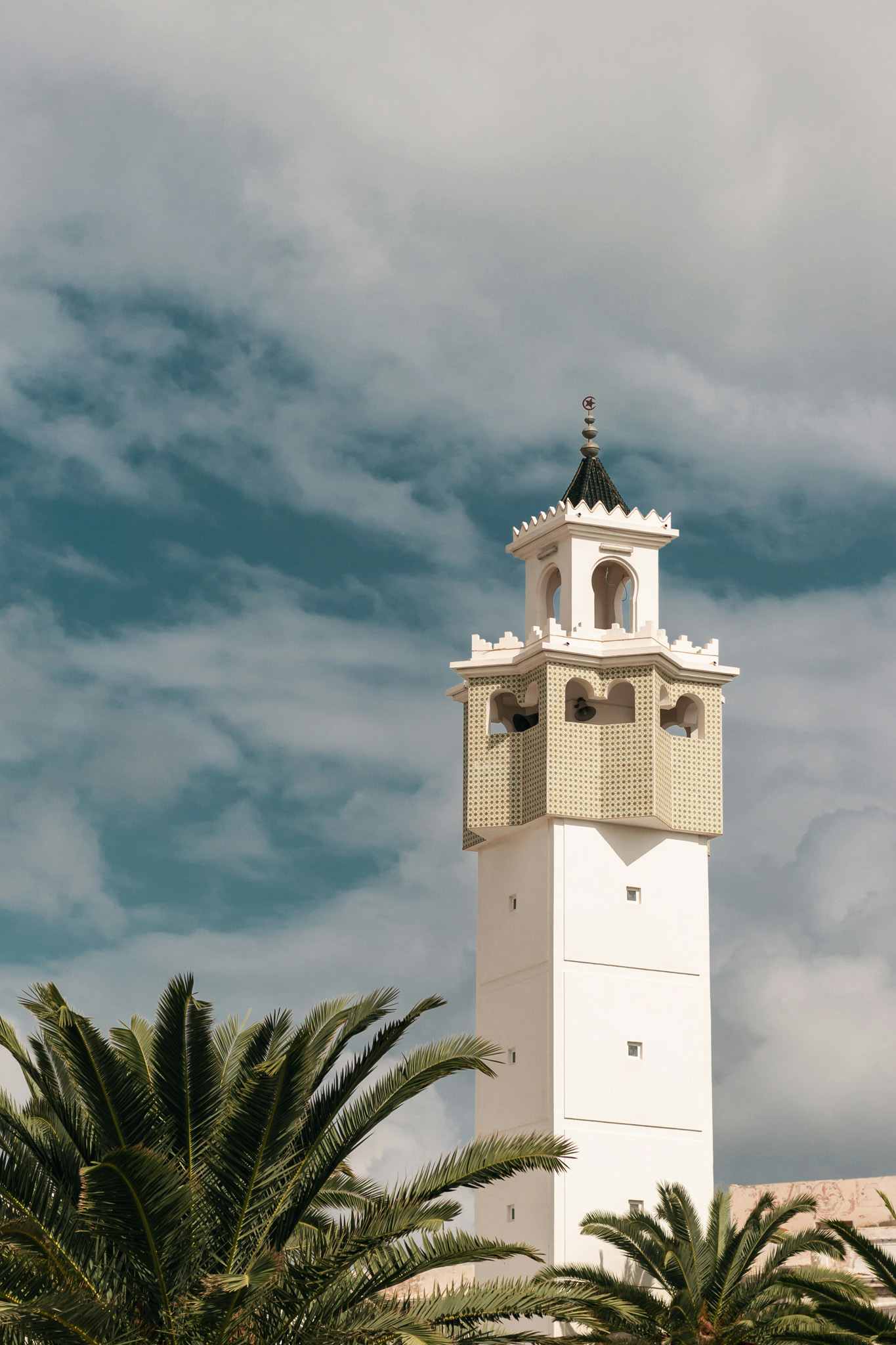
Tunisia – Destination Guide
Tunisia is a fascinating crossroads of Mediterranean culture, ancient civilisations, and dramatic desert landscapes. From the Roman grandeur of Carthage and El Jem to the labyrinthine souks of Tunis and the whitewashed beauty of Sidi Bou Said, the country offers an extraordinary blend of history, culture, and scenery in a compact and accessible destination.
Venture south and the landscapes transform into sweeping desert dunes, ancient Berber villages, and cinematic vistas made famous by film and television. Whether you are wandering through centuries-old medinas, exploring Roman amphitheatres, or watching the sun sink over the Sahara, Tunisia delivers an unforgettable journey through time and culture.
For a country of its size, Tunisia packs in a remarkable range of experiences – Mediterranean beaches and bustling souks in the north, sacred Islamic cities and Roman ruins in the heartland, and a vast desert frontier in the south. It is a destination that rewards curious travellers who are willing to look beyond its coastline.
🗺️ Regions to Explore
Tunis and the Northern Coast
The cultural and historical heart of the country, where vibrant medinas, ancient ruins, and Mediterranean seaside towns sit side by side.
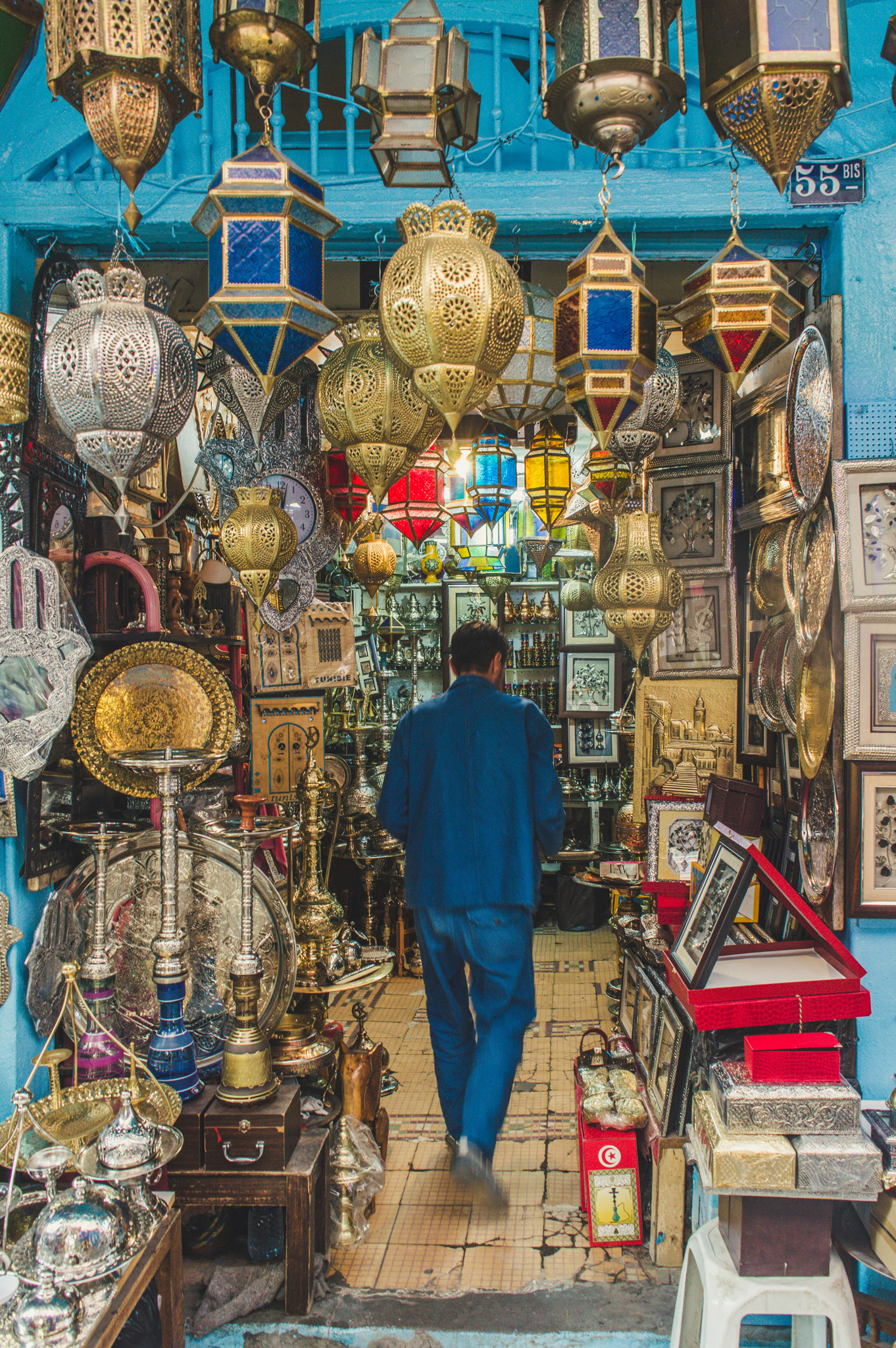
- Tunis Medina and Historic Souks
- Bardo Museum Roman Mosaics
- Carthage Archaeological Ruins
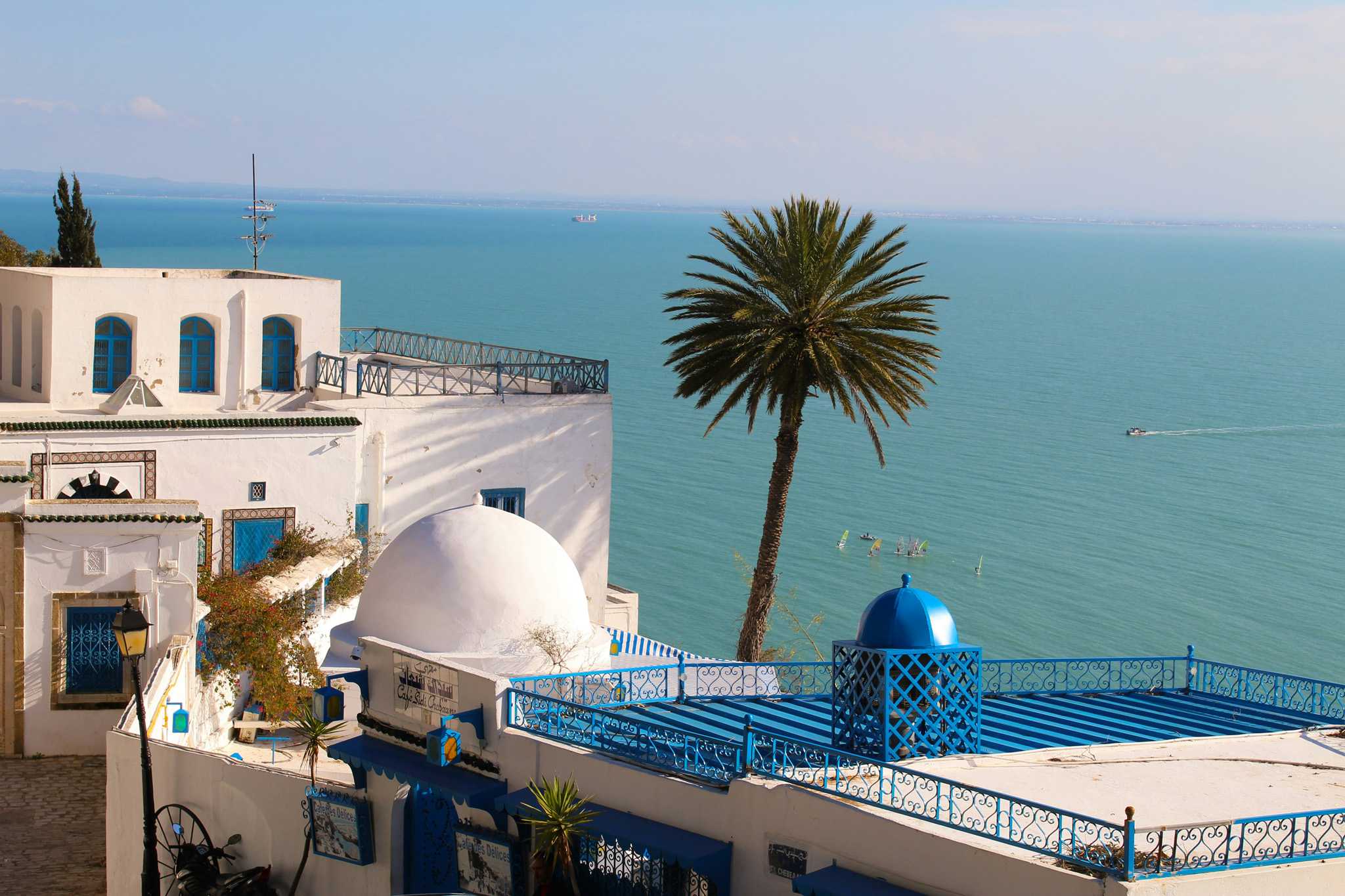
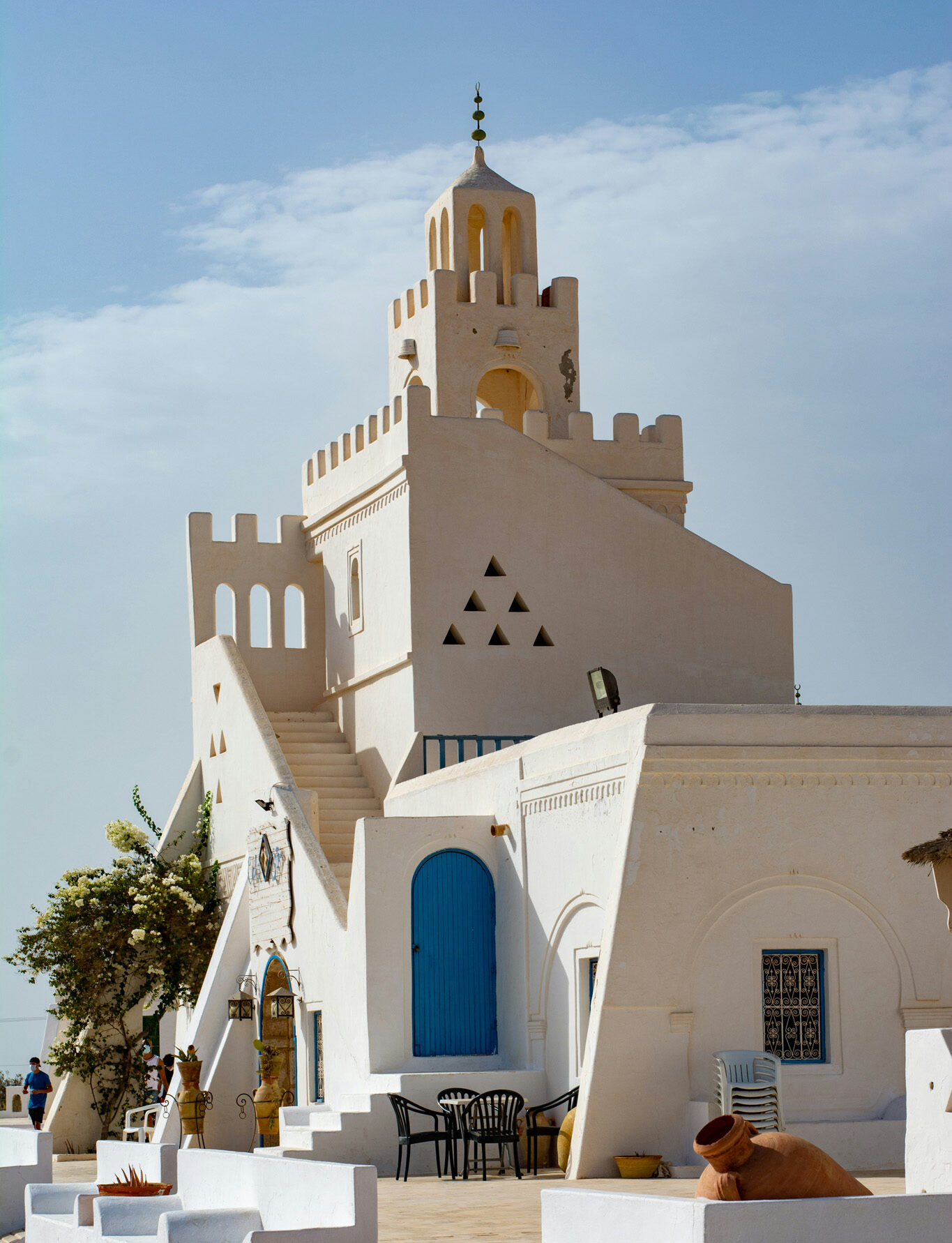
- Sidi Bou Said Cliffside Village
- La Marsa and the Northern Beaches
- Cap Bon Peninsula Wine and Citrus Country
Central Tunisia
A region rich in Roman history and Islamic heritage, home to some of North Africa’s most impressive monuments and sacred sites.
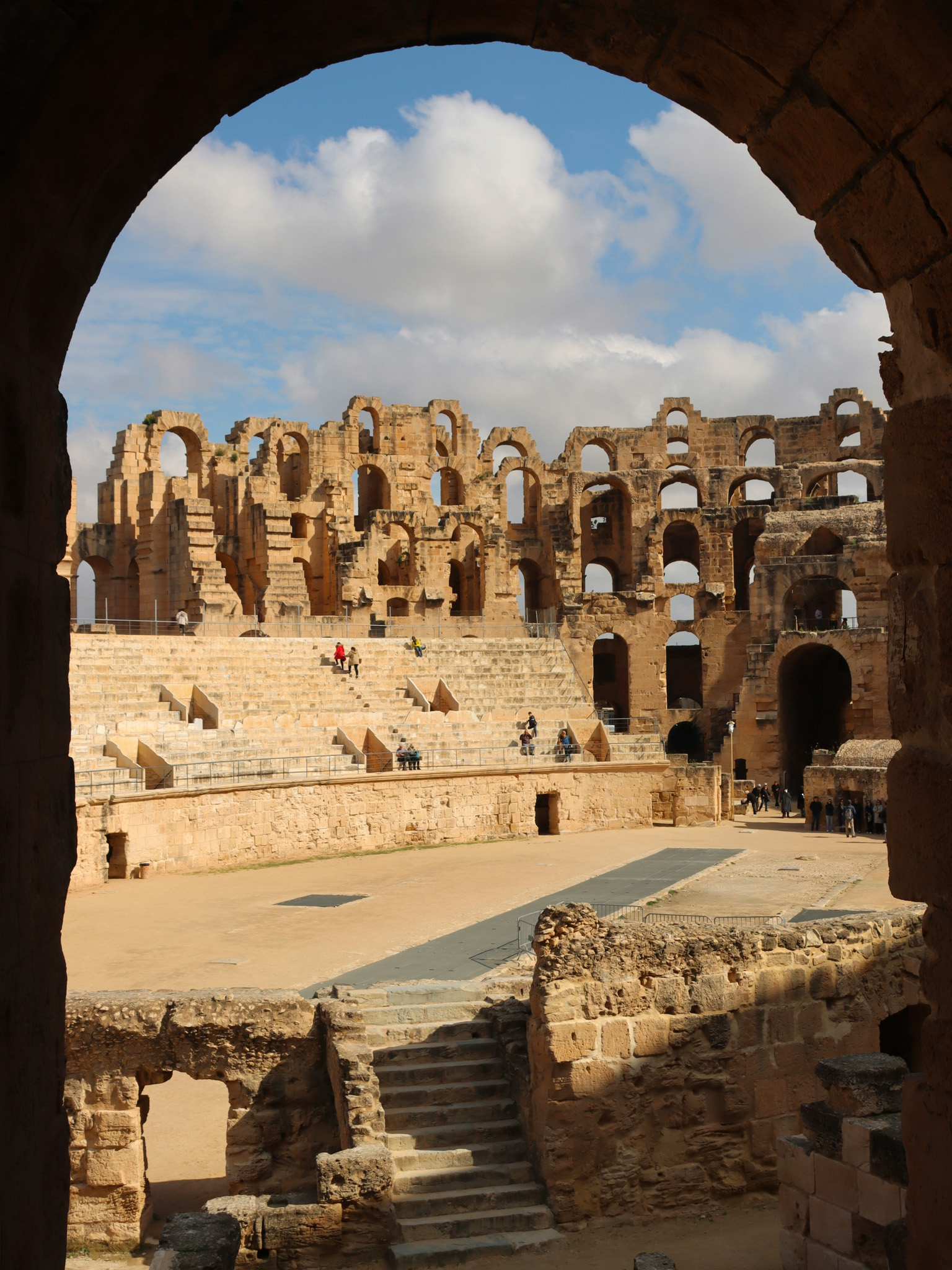
- El Jem Roman Amphitheatre
- Kairouan Great Mosque and Medina
- Historic Caravan Routes of the Interior
- Sbeitla Roman Ruins at Sufetula
- Traditional Artisan Towns of the Interior
Southern Tunisia and the Sahara
A dramatic landscape of deserts, salt flats, and fortified Berber villages that feel worlds away from the Mediterranean coast.
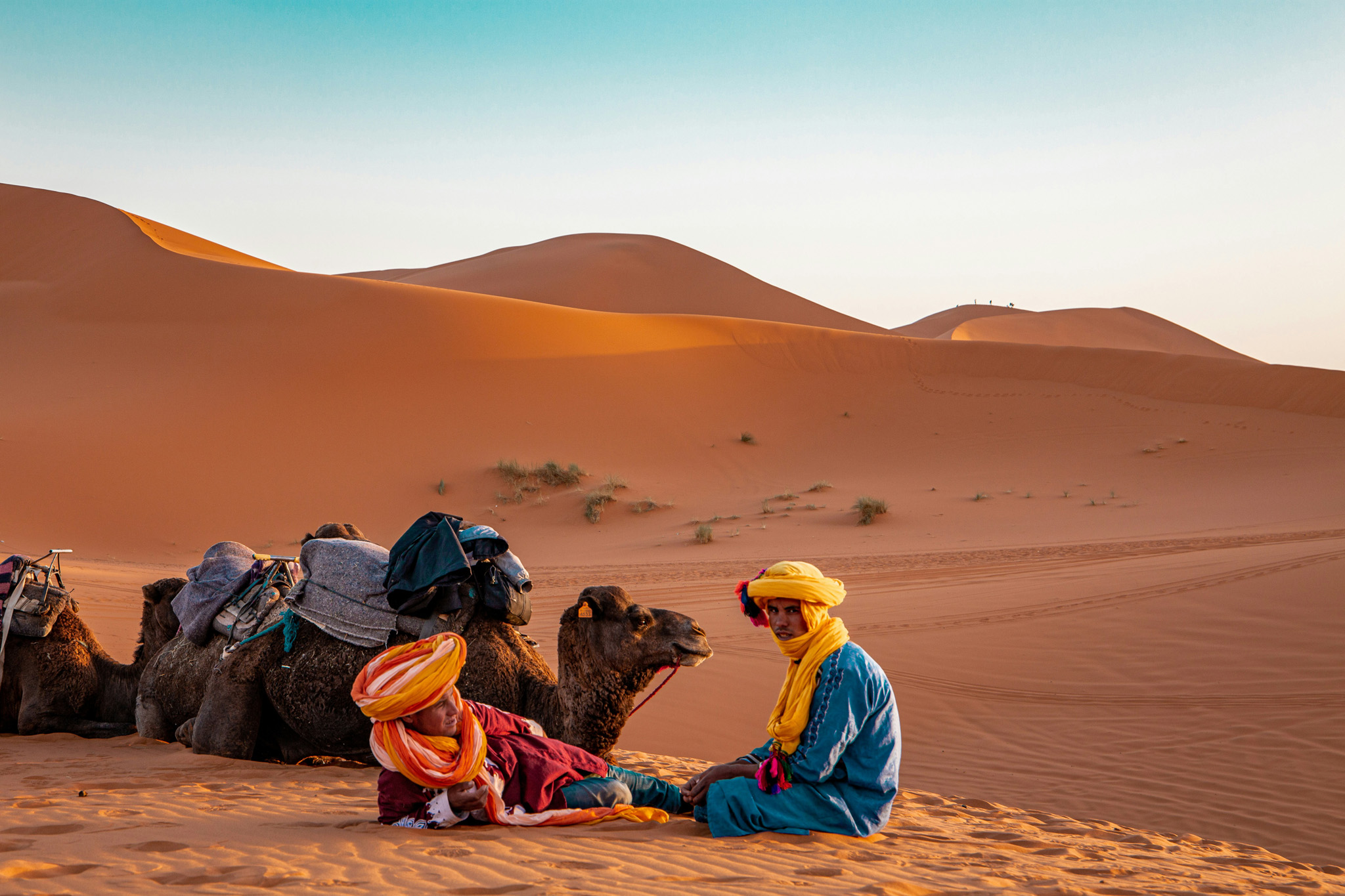
- Sahara Desert Sand Dunes at Douz and Ong Jemel
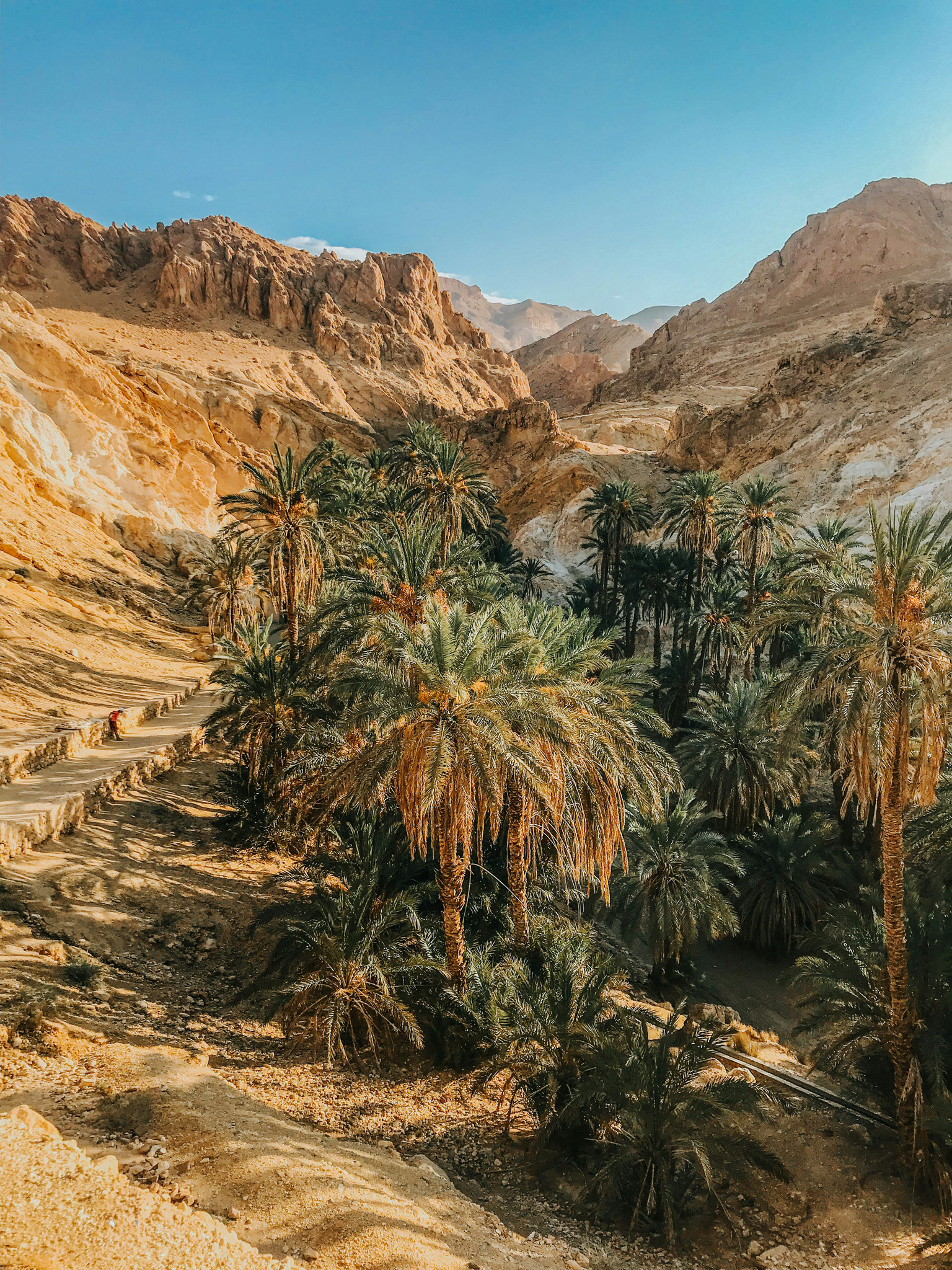
- Chott el Jerid Salt Lake
- Matmata Underground Troglodyte Homes
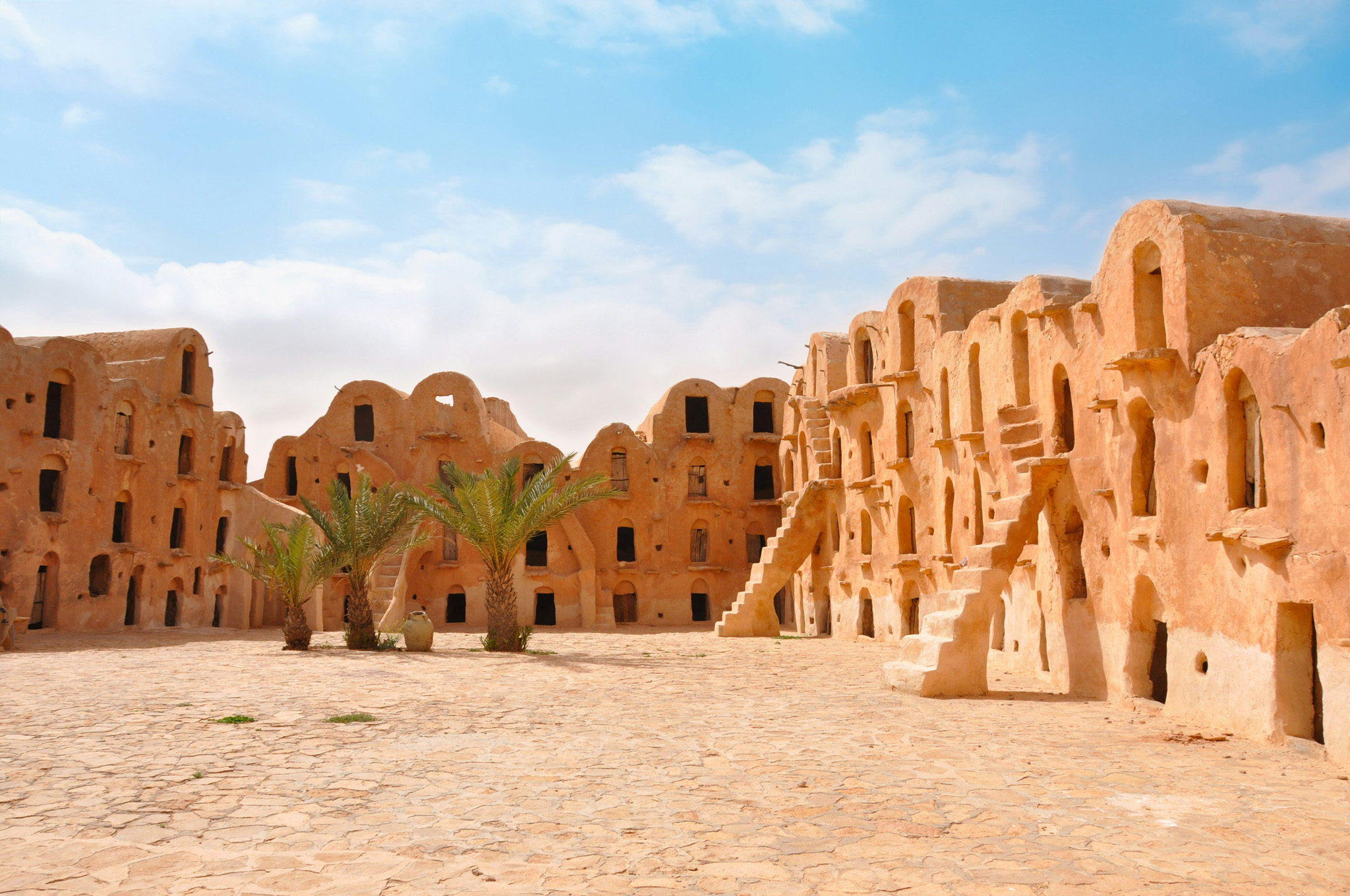
- Ksour Fortified Berber Granaries
- Tataouine and the Southern Frontier Landscapes
Star Wars and Cinematic Landscapes
Tunisia’s surreal landscapes have served as filming locations for many iconic films, drawing visitors in search of otherworldly scenery.
- Tatooine Star Wars Film Locations near Tozeur and Tataouine
- Desert Canyons and Sand Dunes of the Western Erg
- Abandoned Film Sets in the Sahara
- Dramatic Landscapes of Ong Jemel and Ksar Hadada
🎒 Things to Do
- Explore the ancient ruins of Carthage overlooking the Gulf of Tunis
- Wander the UNESCO-listed Medina of Tunis and its historic souks
- Visit the El Jem Roman Amphitheatre, one of the best preserved in the world
- Experience the Sahara Desert by camel or 4WD safari from Douz
- Discover troglodyte homes carved into the hillsides of Matmata
- Visit the sacred city of Kairouan and its Great Mosque
- Explore Star Wars film locations in the southern desert landscapes
- Watch the sunset over the Sahara from the dunes near Tozeur
- Browse the world-class Roman mosaic collection at the Bardo Museum
- Stroll through the blue and white village of Sidi Bou Said
🍜 Food & Drink
Tunisian cuisine is a bold and fragrant blend of North African, Mediterranean, and Berber influences, built around olive oil, fresh seafood, aromatic spices, and slow-cooked meats. Harissa – a fiery chili paste – is the nation’s defining condiment and appears on nearly every table.
- Couscous with Lamb, Fish, or Vegetables
- Brik – Fried Pastry with Egg and Tuna
- Harissa Spiced Chili Paste
- Fresh Seafood Along the Mediterranean Coast
- Tunisian Mint Tea with Pine Nuts
- Local Olive Oils and Dates from the Southern Oases
- Lablabi – Spiced Chickpea Soup with Crusty Bread
🌦️ Weather
Tunisia has a split climate personality: mild and Mediterranean along the northern coast, and increasingly arid and extreme as you head inland and south toward the Sahara. Summer temperatures in the desert interior can be intense, while coastal regions remain more temperate year-round.
- Hot, dry summers particularly inland and in the Sahara, with temperatures regularly exceeding 40°C in July and August
- Mild, pleasant winters along the coast with occasional rainfall
- Spring and autumn offer the most comfortable temperatures for travel throughout the country
- Desert regions experience large swings between daytime heat and cold nights
- Northern areas receive most rainfall between November and February
🗓️ Best Time to Visit
March – May (Spring)
Spring is widely considered the best time to visit Tunisia. Temperatures are warm but not extreme, wildflowers carpet the countryside, and the desert is pleasant for exploration without the punishing summer heat. Crowds are manageable at major sites and accommodation pricing is generally reasonable.
- Ideal conditions for desert travel and southern exploration
- Comfortable temperatures for walking Tunis Medina and ancient ruins
- Good timing for cultural festivals and local events
- Some rainfall possible in the north, particularly in March
September – November (Autumn)
Autumn offers many of the same advantages as spring, with warm temperatures and calmer conditions after the peak summer tourist season. The Sahara begins to cool into ideal travel territory from October onwards.
- Excellent desert travel conditions from October through November
- Sea temperatures still warm enough for coastal swimming in September
- Quieter crowds at popular archaeological sites
- Harvest season for olives and dates in the south
June – August (Summer)
Summer draws beach travellers to Tunisia’s Mediterranean coastline, and the country is at its busiest and most vibrant during this period. Inland and desert travel is not recommended due to extreme heat, but the coast is lively and well-serviced.
- Peak season along the Mediterranean coast and resort areas
- Interior and desert travel is uncomfortable due to intense heat
- Longest daylight hours for sightseeing in the north
- Book accommodation in advance during July and August
🎒 Packing List
- Lightweight, breathable clothing for hot days
- Modest, loose-fitting layers for visiting mosques and medinas
- Light jacket or fleece for cool desert nights
- Comfortable, sturdy walking shoes for cobblestone medinas and ruins
- Sun hat and high SPF sunscreen
- Sunglasses and a scarf for desert dust and wind
- Reusable water bottle
- Insect repellent for outdoor and desert areas
- Basic medical kit including blister care and stomach remedies
- Electrolyte sachets for hot weather and long travel days
- Travel adapter – Tunisia uses Type C and Type E plugs
- Small daypack for day trips and desert excursions
🚗 Getting Around
- Domestic flights connect Tunis with Djerba, Sfax, Tozeur, and other regional cities
- Trains connect major northern cities including Tunis, Sousse, and Sfax – comfortable and affordable
- Long-distance buses serve regional destinations throughout the country
- Louages (shared taxis) are a popular and efficient way to travel between towns
- Private vehicles or guided tours are recommended for exploring southern desert regions
- Licensed local guides are strongly advised for remote desert travel and 4WD excursions
✈️ Airports
- Tunis-Carthage International Airport (TUN) – The main international gateway, located just 8km from the city centre and handling the majority of international arrivals to Tunisia.
- Djerba-Zarzis International Airport (DJE) – A major entry point for visitors to the island of Djerba and the southern region, with strong European charter and scheduled connections.
- Enfidha-Hammamet International Airport (NBE) – Serves the popular coastal resort areas of Hammamet and Sousse, with significant charter traffic from Europe.
- Tozeur-Nefta International Airport (TOE) – The gateway for travellers heading into the southern desert regions and Sahara tourism, with connections to Tunis and some international routes.
💰 Money
- Tunisian Dinar (TND) is the local currency
- Credit and debit cards accepted in major hotels, restaurants, and larger shops
- Cash is common in souks, smaller towns, and for transport
- ATMs are widely available in cities and tourist areas
- It is illegal to take Tunisian Dinar out of the country – exchange remaining currency before departure
- Tipping is customary for guides, drivers, and hospitality staff – 10% is appreciated
🛂 Visas & Entry Requirements
Many nationalities can enter Tunisia visa-free for tourism, though entry conditions vary by passport. Travellers should verify their specific requirements before departure.
- Citizens of many European, North American, and Australian countries can enter visa-free for up to 90 days
- Passport must be valid for at least six months beyond the date of entry
- Proof of onward travel and sufficient funds may be requested at the border
- Entry conditions can change – always check the most current requirements before travel
Official information: https://www.diplomatie.gov.tn
💉 Vaccinations & Health
No mandatory vaccinations are required for entry to Tunisia for most travellers, though a number of routine and recommended vaccines are advised depending on your travel plans and health history.
- Routine vaccinations including hepatitis A and B, tetanus, and typhoid are recommended by most travel health authorities
- No malaria risk in Tunisia, though some insect precautions are wise in rural and desert areas
- Rabies vaccination may be recommended for travellers spending extended time in rural regions
- Tap water is not recommended for drinking – stick to sealed bottled water throughout your trip
- Carry prescription medications in their original packaging with a supporting letter from your doctor
Official information: https://www.who.int/countries/tun
🗣️ Language
Arabic is the official language of Tunisia, with Tunisian Arabic (Darija) being the everyday spoken dialect – distinct enough from Modern Standard Arabic that even Arabic speakers from other countries may find it unfamiliar at first. French is widely used as a second language in business, education, government, and tourism, a legacy of French colonial history. In tourist areas and hotels, French and some English are commonly understood, though learning a few Arabic phrases will be warmly appreciated by locals.
Common Phrases (Tunisian Arabic)
- Assalamu alaykum (as-sah-lah-moo ah-lay-koom) – Hello (Peace be upon you)
- Wa alaykum assalam (wah ah-lay-koom as-sah-lam) – Hello in response
- Shukran (shoo-kran) – Thank you
- Afwan (af-wan) – You’re welcome
- Min fadlik (min fad-lik) – Please
- Aasif (ah-seef) – Sorry
- Naam / La (nahm / lah) – Yes / No
- Taaraf tkallem ingleezi? (tah-raf tkal-lem ing-lee-zee) – Do you speak English?
- Wayn el toilet? (wayn el twa-let) – Where is the bathroom?
- Qaddesh? (kad-desh) – How much does this cost?
- Bghit… (bghit) – I would like…
- El hisab, min fadlik (el hee-sab min fad-lik) – The bill, please
- Bi sahtik! (bee sah-tik) – Cheers!
- Aweni! (ow-en-ee) – Help!
- Lila saida (lee-la sah-ee-dah) – Good night
🌈 LGBTQIA+ Travellers
Same-sex relationships are criminalised in Tunisia under Article 230 of the Penal Code, and travellers should be aware of the legal context and exercise discretion throughout their visit.
- Same-sex sexual activity is illegal and can result in imprisonment of up to three years
- There is no legal recognition of same-sex relationships or partnerships
- LGBTQIA+ visibility is very limited – public displays of affection between same-sex couples are strongly inadvisable
- Tunis is more cosmopolitan and liberal in atmosphere than rural or conservative areas, but legal risks remain throughout the country
- Discretion is strongly recommended for all LGBTQIA+ travellers visiting Tunisia
⚠️ Traveller Safety
Tunisia is generally safe for tourists in established travel areas, though travellers should exercise standard vigilance and stay informed of the current security environment.
- Petty theft and opportunistic scams can occur in busy medinas and markets – keep valuables secure
- Use licensed guides for remote desert travel and avoid venturing into the desert independently
- Avoid border areas with Libya and Algeria due to ongoing security concerns
- Follow local advice and check your government’s official travel advisory before and during your trip
- Solo female travellers should be aware of street harassment, particularly in busy urban areas, and dress modestly in conservative towns and religious sites
- Emergency number is 197 (Police) / 190 (Ambulance)
ℹ️ Practical Info
Electricity
- 230V with Type C and Type E plugs – most devices from Europe and Australia will be compatible; travellers from North America will need an adapter
Internet & WiFi
- Wi-Fi is available in most hotels, cafes, and restaurants in cities and tourist areas
- Mobile data coverage is good in urban areas and along main routes; more limited in remote desert regions
Water
- Tap water is not recommended for drinking – use sealed bottled water for drinking and brushing teeth
Travel Insurance
- Comprehensive travel insurance is strongly recommended, including cover for medical evacuation, desert activities, and any adventure or off-road experiences in the south
Connectivity SIM / eSIM
- Local SIM cards are available at Tunis-Carthage Airport and at mobile phone shops throughout the country
- Major providers include Ooredoo, Orange Tunisia, and Tunisie Telecom, with good prepaid data options
- For flexible, hassle-free connectivity, we recommend using an eSIM before you travel – our recommended provider is Holafly. For more information on eSIMs, check out this blog.

✨ Why Visit Tunisia
Tunisia offers an extraordinary concentration of history, culture, and landscapes packed into a single, accessible destination. Few countries can offer Roman amphitheatres, sacred Islamic medinas, Saharan dunes, and Mediterranean beaches all within a few hours of each other – and Tunisia delivers all of this with warmth, affordability, and an authenticity that many larger tourist destinations have lost.
From the ancient ruins of Carthage and El Jem to the whitewashed beauty of Sidi Bou Said and the golden dunes stretching toward the horizon at Douz, Tunisia is a country that surprises visitors with its depth and variety. Add cinematic desert landscapes, vibrant souks filled with artisan crafts, and a cuisine that blends spice and freshness in equal measure, and the appeal becomes clear.
Whether you are a history lover, an adventure traveller, a foodie, or simply someone looking for a destination that feels genuinely different, Tunisia delivers. It is a country that stays with you long after you leave – in the scent of jasmine in the medina, the taste of harissa at a roadside cafe, and the memory of watching the sun disappear behind the dunes of the Sahara.