Antarctica – Destination Guide
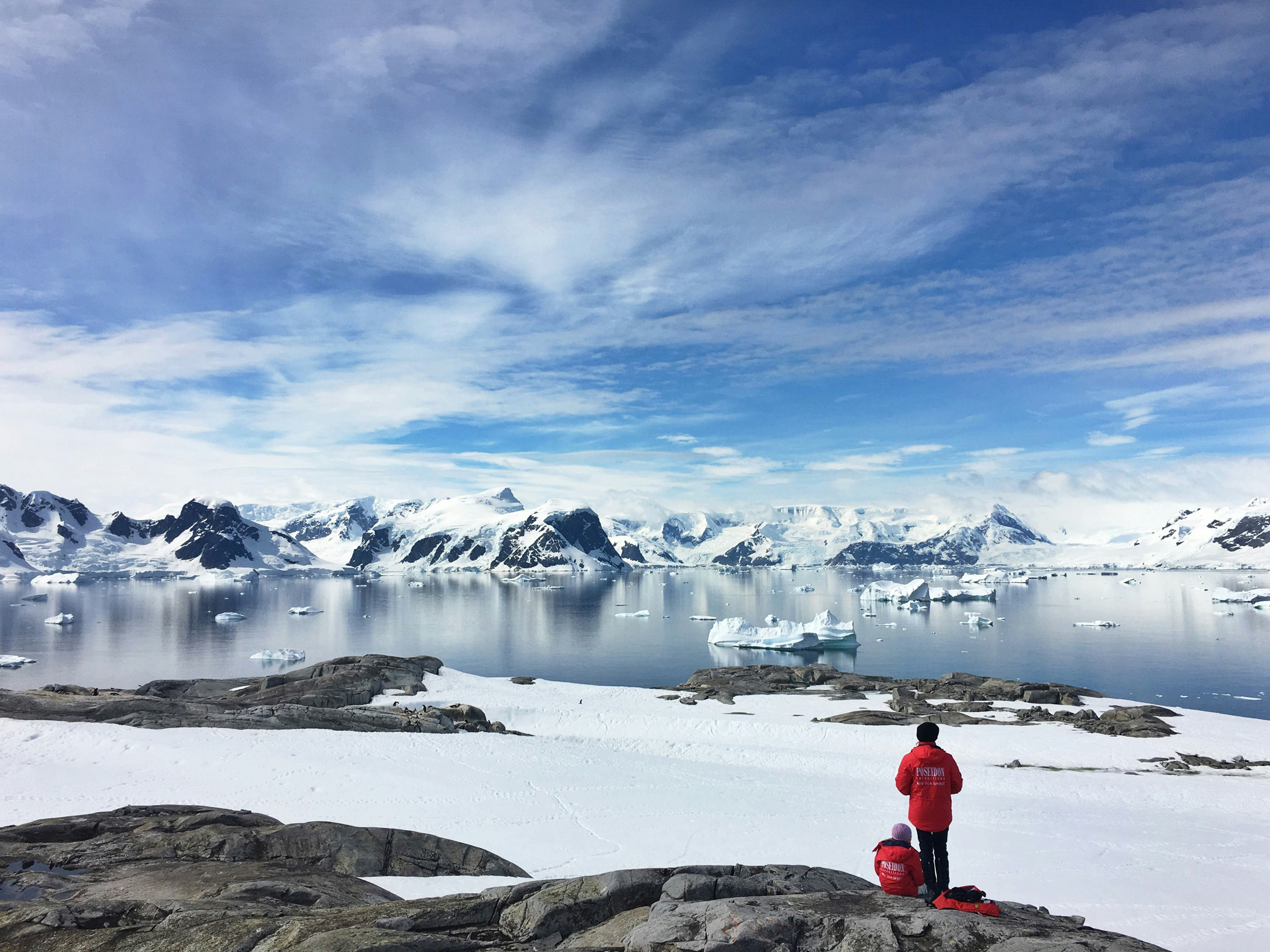
Antarctica is unlike any destination on Earth. It is not a country, not a sovereign territory, and not a place you simply book a flight to. It is the world’s last true wilderness – a continent governed by international treaty, with no permanent civilian population, no indigenous people, no currency, and no towns. What it offers instead is staggering: continent-scale ice shelves, mountains buried under kilometres of glacial mass, penguin rookeries numbering in the hundreds of thousands, and a silence so complete it becomes a physical sensation.
Travel to Antarctica is overwhelmingly by expedition cruise ship, departing from Ushuaia in Argentina, Punta Arenas in Chile, or – for Ross Sea itineraries – Hobart in Australia or Christchurch in New Zealand. The journey south across the Drake Passage is part of the experience, a rite of passage through some of the roughest open water on the planet. Those seeking to skip the Drake can fly from Punta Arenas to King George Island and board their vessel there.
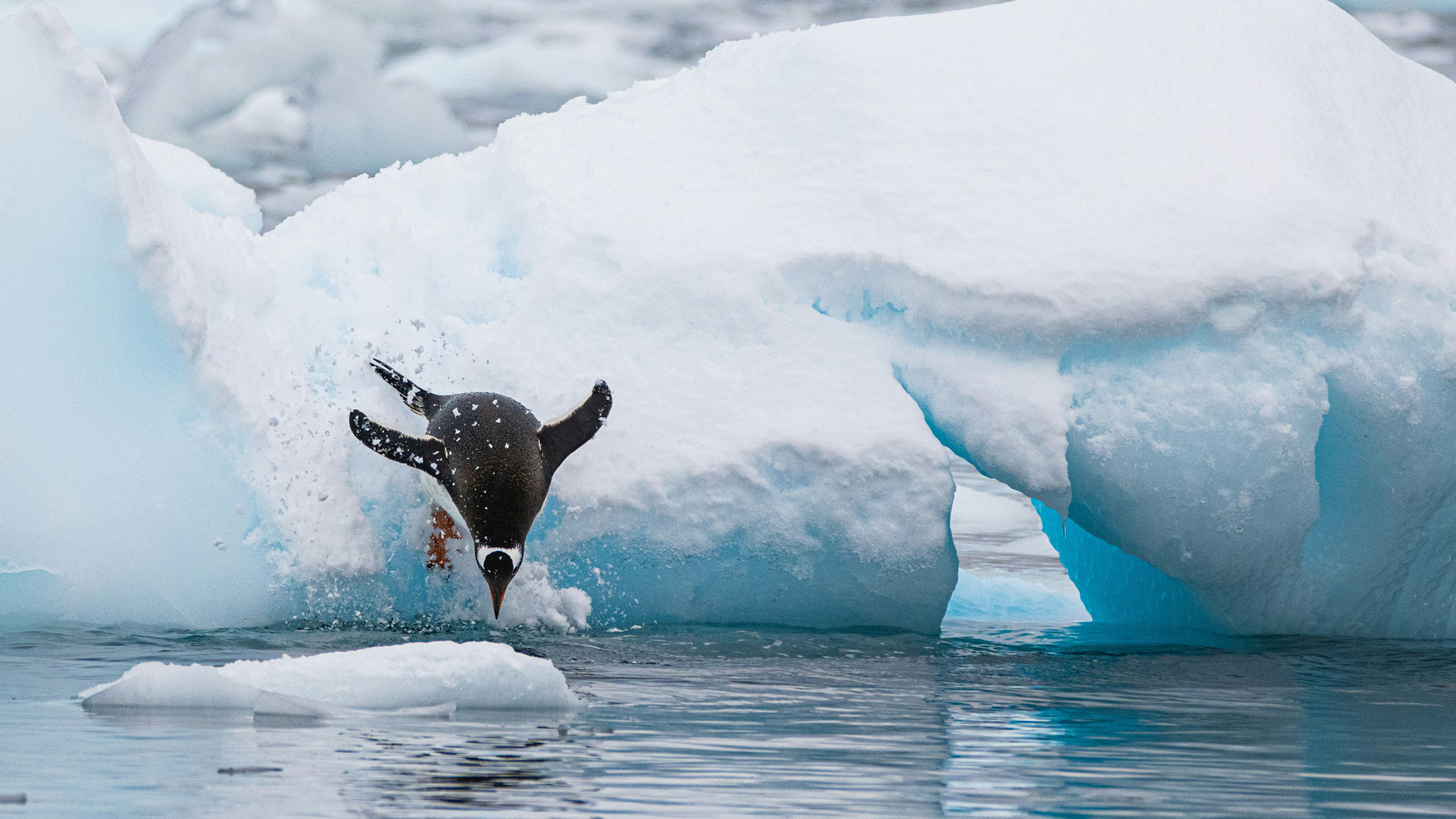
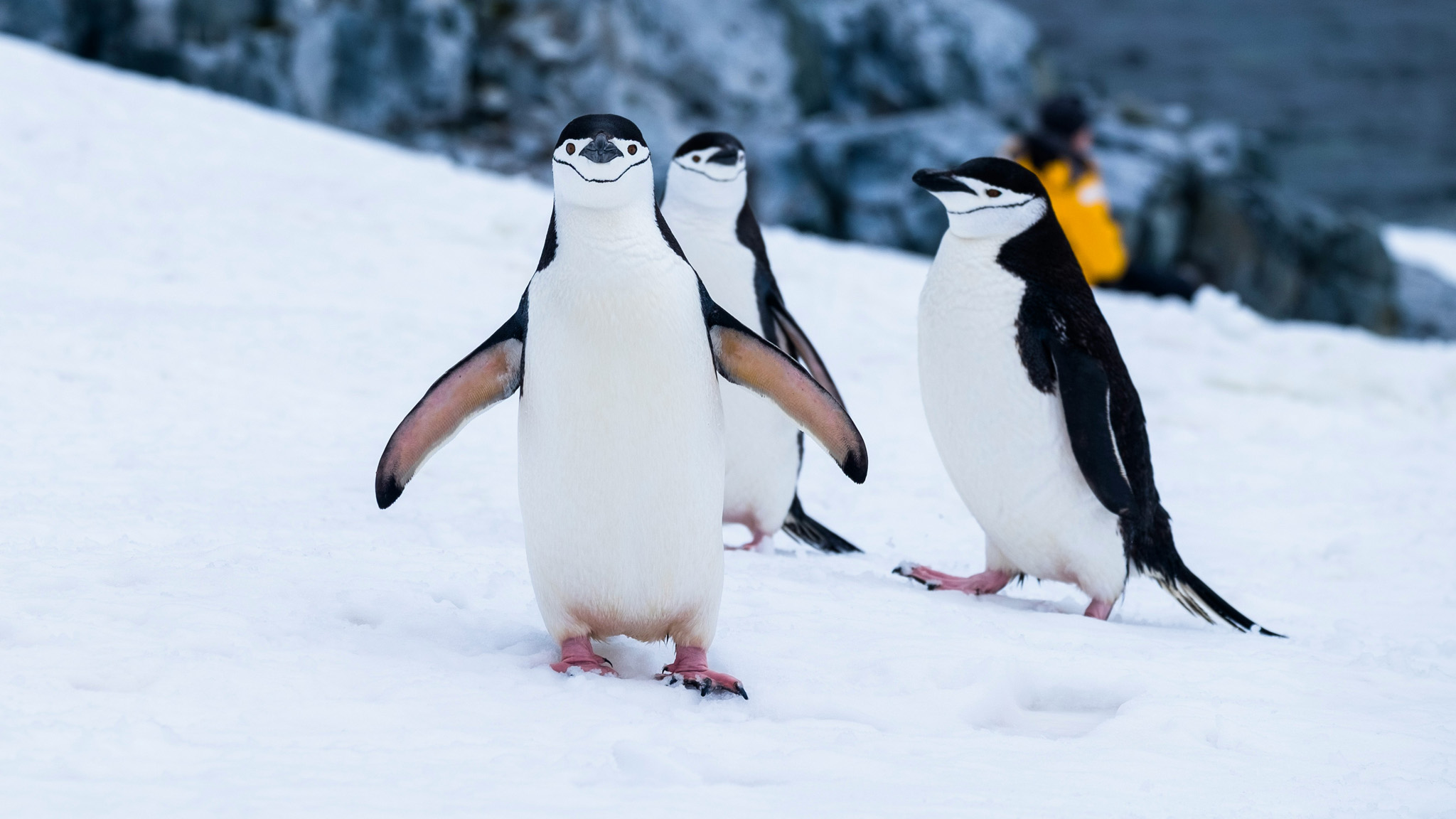
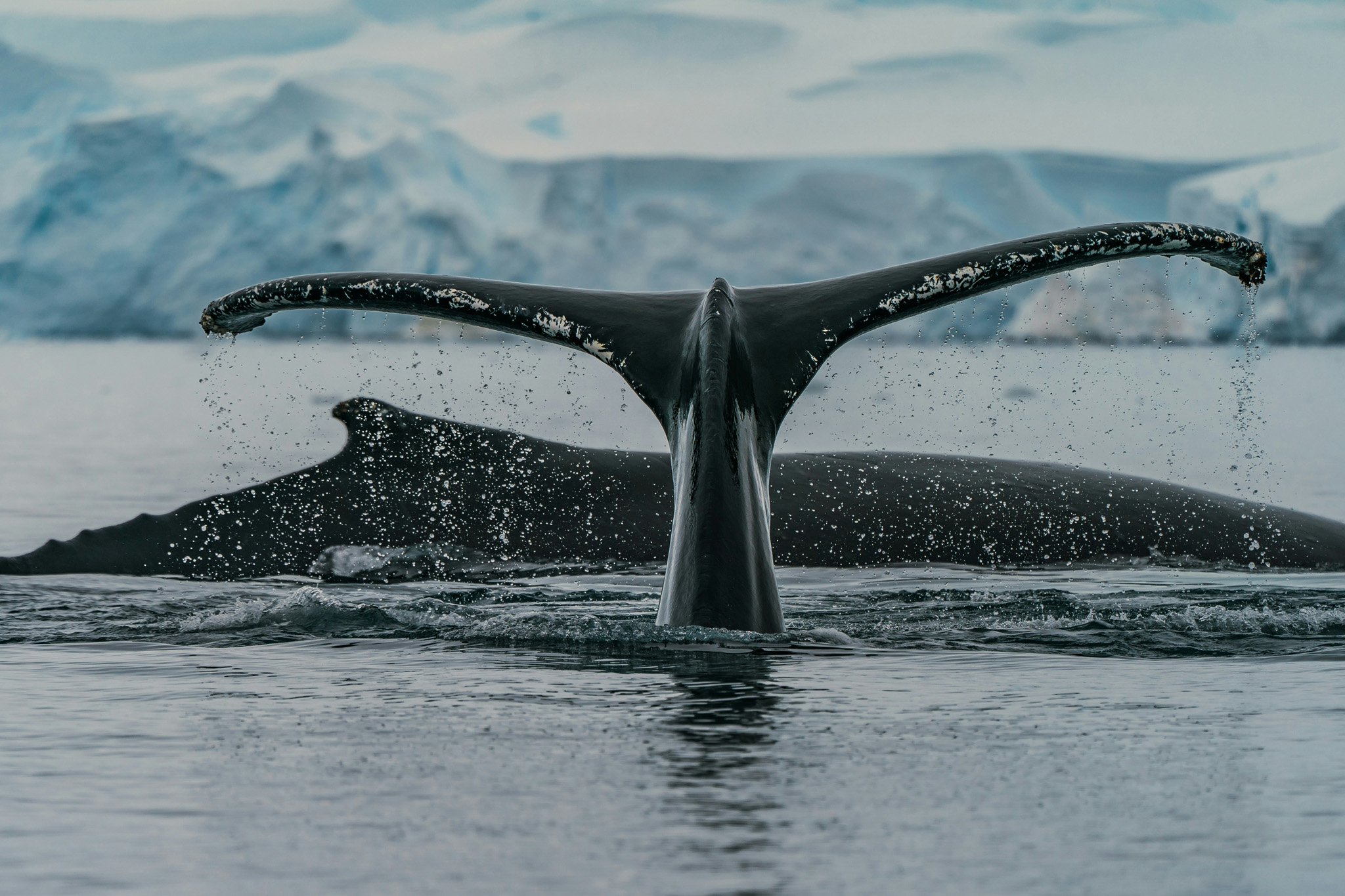
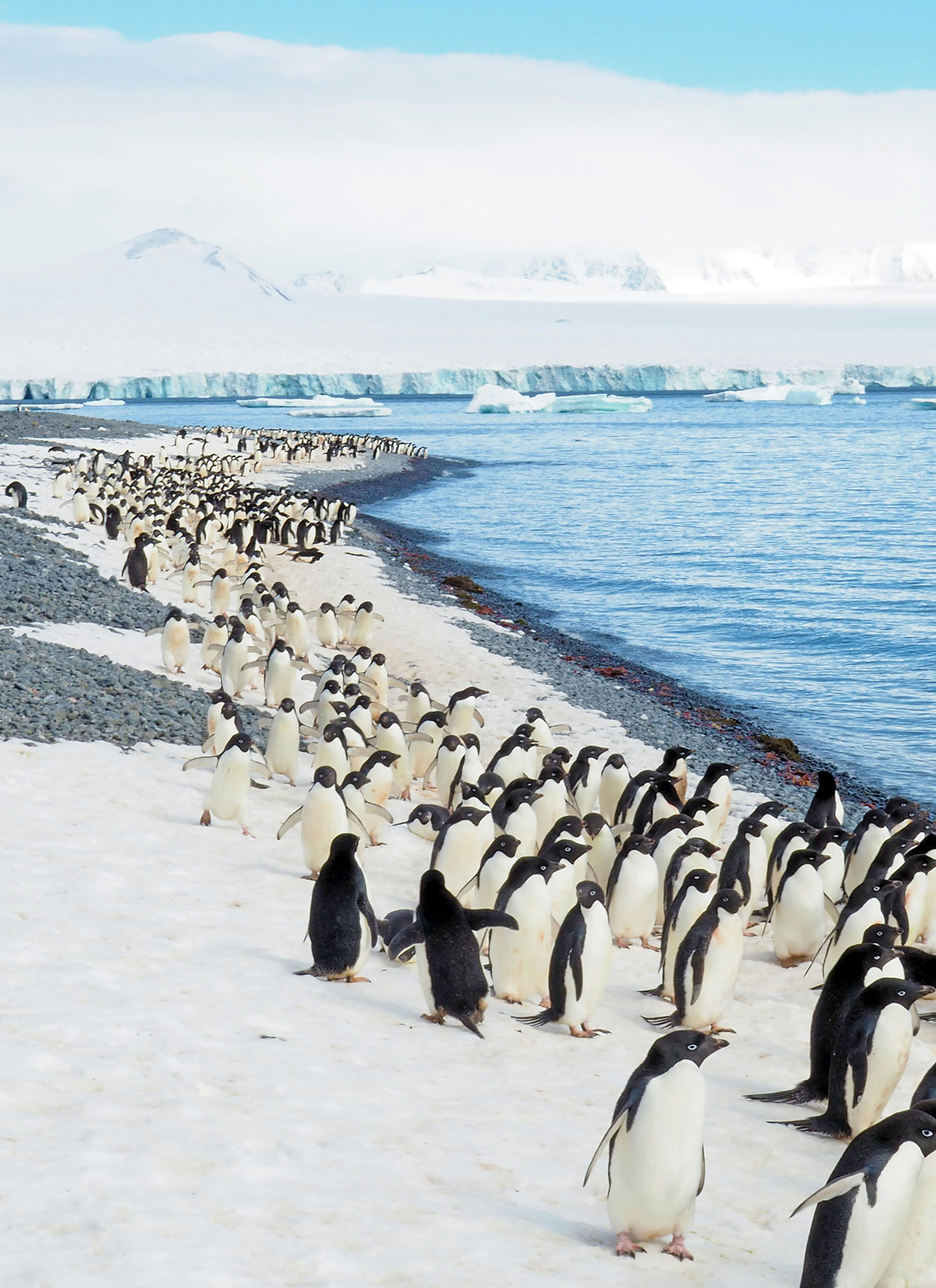
What visitors find on arrival defies easy description. Icebergs the size of city blocks drift in glassy bays. Humpback whales surface alongside Zodiac inflatable boats. Gentoo penguins have no concept of human threat and will walk directly toward you with evident curiosity. The light in summer – which never fully disappears – casts everything in a soft, photographic gold. Antarctica does not just reward those who make the effort. It changes them.
🗺️ Regions to Explore
Antarctic Peninsula
The most-visited region and the gateway to the continent for most travellers – dramatic mountain scenery, dense wildlife colonies, and accessible via Ushuaia.
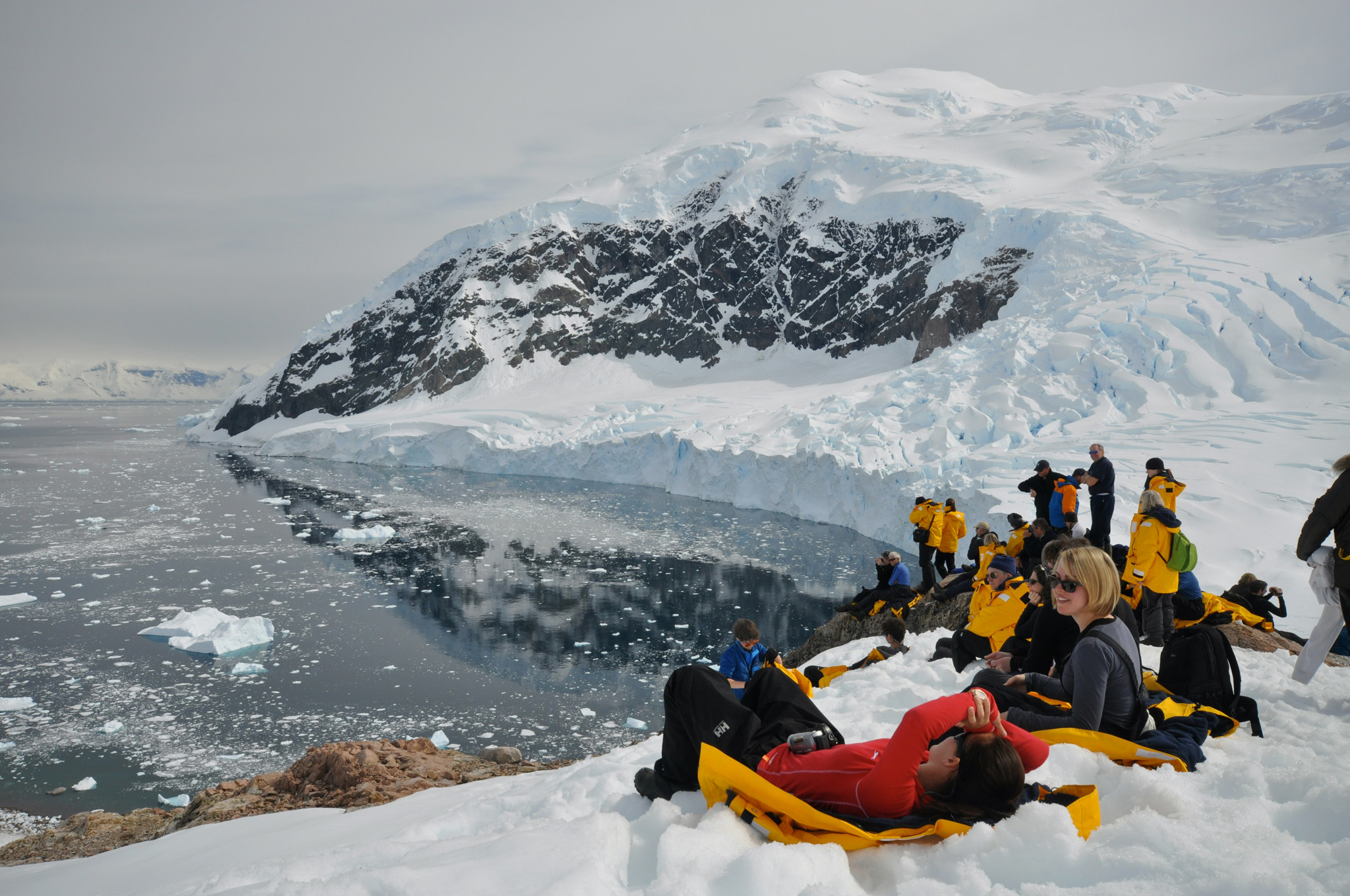
- Zodiac landings at penguin rookeries including Neko Harbour and Cuverville Island
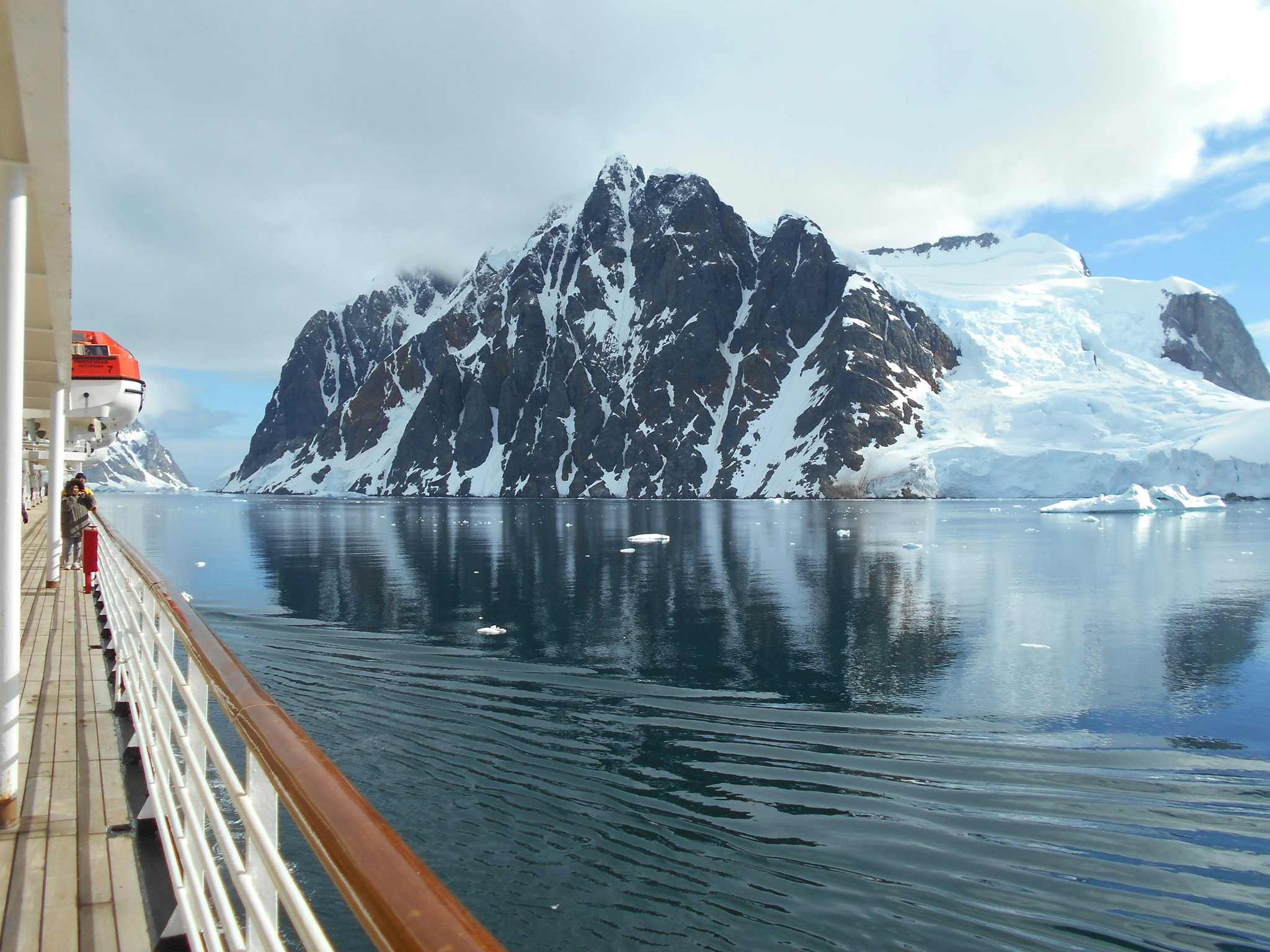
- Navigation through the Lemaire Channel, one of the world’s most scenic waterways
- Historic huts at Port Lockroy, a British base and functioning post office
- Whale watching in the Gerlache Strait
South Georgia
Often called the wildlife capital of the world – a sub-Antarctic island that rivals the continent itself for sheer spectacle, though technically outside Antarctica proper.
- King penguin colonies at St Andrews Bay, numbering approximately 150,000 birds
- Fur seal and elephant seal beaches at Gold Harbour and Salisbury Plain
- Shackleton’s grave at Grytviken and the ruins of the old whaling station
- Albatross nesting grounds at Prion Island (access permitted in limited numbers)
South Shetland Islands
A volcanic archipelago lying just north of the Antarctic Peninsula – often the first landing point after crossing the Drake.
- Deception Island, an active volcanic caldera with a navigable harbour inside the crater
- Volcanic hot springs at Pendulum Cove
- Large chinstrap penguin colonies on Elephant Island
Weddell Sea
A more remote and expedition-focused itinerary – famous for ice, wildlife, and the history of Shackleton’s Endurance.
- Massive tabular icebergs calved from the Larsen and Filchner ice shelves
- Emperor penguin colonies accessible only to specialist deep Weddell expeditions
- The search area where Endurance was found in 2022
Ross Sea
The most remote Antarctic itinerary, usually departing from New Zealand or Tasmania – the least-visited region and the most pristine.
- Scott’s Discovery Hut and Shackleton’s Cape Royds hut, preserved in the cold for over a century
- Ross Ice Shelf, the world’s largest floating ice mass
- Active volcano Mount Erebus, visible on clear days from the ice shelf
- McMurdo Sound, the operational hub of US and New Zealand Antarctic science programmes
Sub-Antarctic Islands
A loose grouping of remote islands – Macquarie, the Auckland Islands, Campbell, Heard, and the Crozets – visited on longer itineraries from Australia and New Zealand.
- Royal penguin colonies on Macquarie Island (UNESCO World Heritage Site)
- Yellow-eyed penguins and New Zealand sea lions at the Auckland Islands
- Extraordinary seabird diversity including multiple albatross species
🎒 Things To Do
- Zodiac cruising among icebergs, ice caves, and glacial faces
- Guided landings at penguin, seal, and seabird colonies
- Kayaking in protected bays alongside wildlife (available on select ships as an add-on)
- Camping overnight on the ice (offered by some operators as an optional extra)
- Polar plunge – a voluntary and brief swim in Antarctic waters, a celebrated rite of passage
- Citizen science participation, including seabird counts and water sampling on many expedition vessels
- Photography workshops with onboard naturalists and photographers
- Visiting historic expedition huts (Mawson’s, Shackleton’s, Scott’s) where they exist
- Attending onboard lectures by glaciologists, ornithologists, and historians
- Crossing the Antarctic Circle (66°33’S), a milestone offered on longer Peninsula itineraries
🍽️ Food & Drink
Antarctica has no cuisine of its own. All meals are provided onboard your expedition vessel, and quality varies significantly by ship and operator. On higher-end vessels, dining is a genuine highlight – professionally catered multi-course meals, wine lists, and dietary accommodation. On budget expedition ships, meals are functional but plentiful.
- Onboard dining ranges from buffet-style cafeteria meals to plated restaurant service depending on the vessel category
- Wine and spirits are available for purchase on most ships, and some premium itineraries include drinks packages
- Fresh produce becomes limited as the voyage progresses – expect to see more preserved and frozen ingredients toward the end of longer itineraries
- Meals on shore are not possible – all eating and drinking happens aboard or during Zodiac transfers (hot drinks in flasks are commonly provided)
- Alcohol restrictions apply in some protected landing zones – be aware of operator guidelines around landings
🌦️ Weather
Antarctica is the coldest, driest, and windiest continent on Earth, but the conditions visitors actually experience are far more variable – and often more manageable – than the reputation suggests. Peninsula voyages in summer can produce surprisingly mild and calm days.
- Summer temperatures on the Peninsula (November – March) typically range from approximately -2°C to +5°C at sea level, though wind chill can make it feel significantly colder
- Interior Antarctic temperatures are dramatically colder than the coast, regularly reaching below -40°C in winter, but interior travel is not accessible to civilian visitors
- The Drake Passage crossing involves open ocean conditions and swells that can reach 8 – 10 metres in rough weather – expect some seasickness, especially northbound
- Winds can intensify rapidly and without warning, particularly near the Peninsula’s mountain channels – outdoor activities may be cancelled at short notice
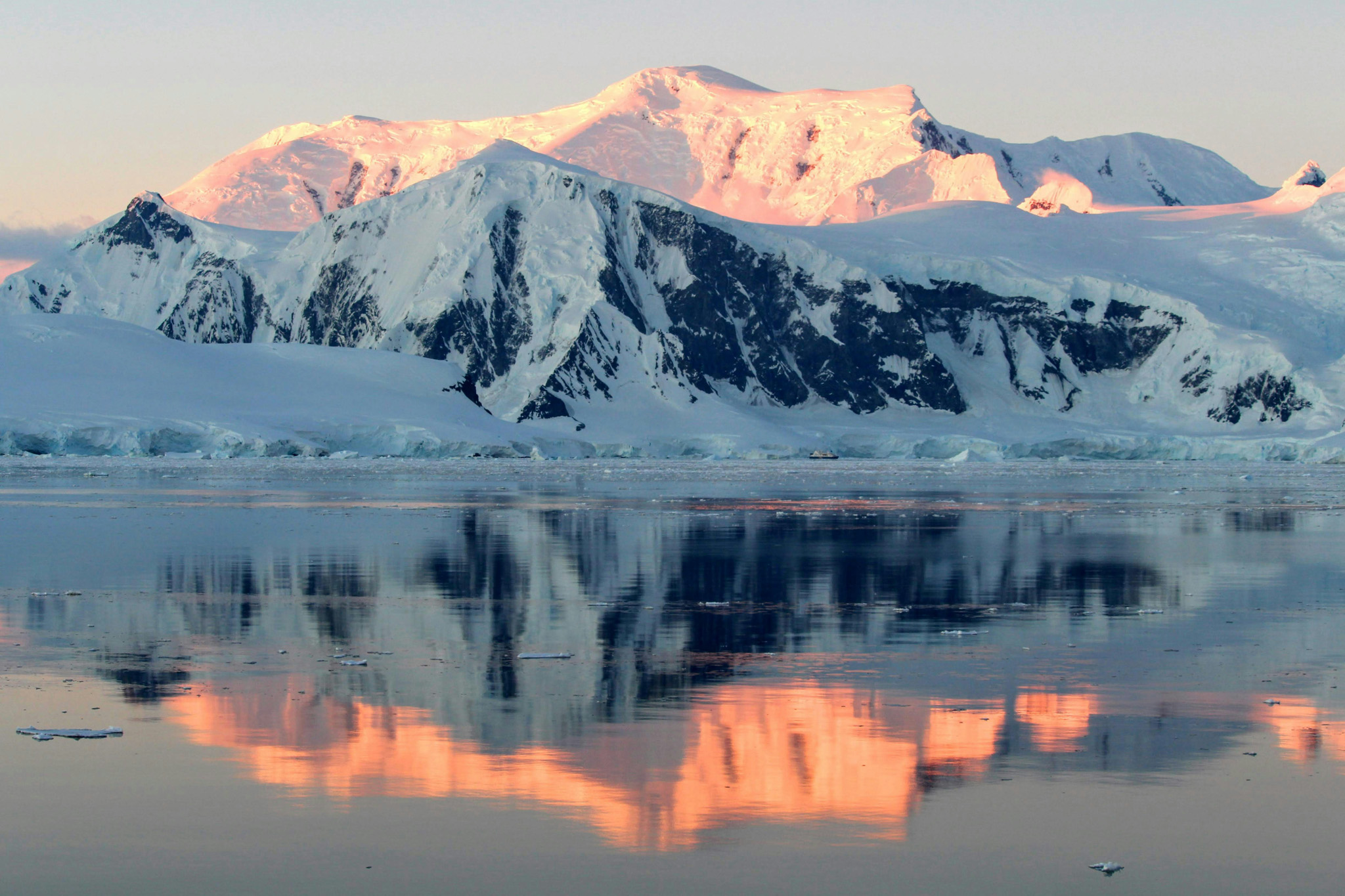
- Antarctic light in December and January is extraordinary – the sun dips toward the horizon but does not set at the Peninsula, creating hours of golden light
- Conditions vary enormously day to day and even hour to hour – flexibility is essential and itinerary changes are a normal part of Antarctic travel
📅 Best Time To Visit
November – December (Early Season)
The shoulder of the Antarctic summer – quieter, with dramatic snowscapes and active wildlife behaviour.
- Landscape at its most pristine – fresh snow on peaks and beaches, high contrast for photography
- Penguin courtship and nest-building underway, with early egg-laying visible at some colonies
- Fewer ships in the region compared to peak season
- Weather can be unsettled with more pack ice remaining – some landing sites may not yet be accessible
January – February (Peak Season)
The height of the austral summer – best wildlife, longest days, and warmest conditions.
- Penguin chicks visible at most colonies – the most charismatic and photogenic period of the season
- Whale activity at its highest, particularly humpbacks feeding in the Gerlache Strait
- Longest days and mildest average temperatures
- Busiest period – popular landing sites may have multiple ships in the area; operators coordinate landings to avoid overlap
March (Late Season)
The end of summer – quieter again, with changing light and wildlife preparing for winter.
- Penguin chicks fledging and departing colonies
- Autumn light brings warm, low-angle colour to the landscape
- Sea ice begins to reform on longer itineraries, which can limit some landing sites
- Significant discounts often available for late-season departures
🎒 Packing List
- Expedition-weight waterproof outer jacket and trousers (many operators provide these, but confirm before departure)
- Thermal base layers – merino wool recommended for warmth without bulk
- Mid-layer fleece or down jacket
- Waterproof, insulated gloves or mittens (two pairs recommended – wet gloves are a misery)
- Wool or thermal hat covering the ears, and a balaclava for windier days
- Waterproof, insulated boots rated to at least -20°C (rubber-soled, as some operators loan these – confirm)
- Wool socks – at least 4 – 6 pairs
- Polarised sunglasses – UV reflection from ice and water is intense and eye protection is essential
- High-SPF sunscreen (30+ minimum) and lip balm with SPF
- Seasickness medication – consult a doctor before departure, as conditions can be severe; many experienced travellers use prescription patches
- Drybags for camera equipment and personal electronics
- Medical kit including blister treatment, pain relief, and any prescription medications in sufficient supply (resupply is not possible at sea)
- Electrolytes and rehydration sachets
- Backup battery packs for cameras and phones – cold drains batteries rapidly
- A field guide to Antarctic wildlife – many operators sell or loan these onboard
🛂 Visas & Entry Requirements
Antarctica has no visa system – it is not a sovereign country and there is no immigration control at any landing site.
- No passport stamp, no visa, and no entry form is required to set foot on Antarctic soil
- However, all passengers travelling on expedition ships that operate under the Antarctic Treaty System must comply with IAATO (International Association of Antarctica Tour Operators) protocols, which govern visitor numbers, behaviour at landing sites, and biosecurity
- Biosecurity requirements are strictly enforced – all outer clothing, footwear, and bags must be vacuumed and/or washed before and after each landing to prevent the introduction or transfer of non-native seeds and organisms
- Your vessel’s nationality determines which flag state regulations apply – check with your operator
- Passport validity requirements apply for your point of departure (Ushuaia, Punta Arenas, Hobart, or Christchurch) – ensure your passport is valid for at least 6 months beyond your departure date from that country
- Entry requirements for Argentina, Chile, Australia, and New Zealand apply as normal for those gateway cities – check these separately
- Official information on the Antarctic Treaty: https://www.ats.aq
💰 Money
Antarctica uses no currency. There is no economy, no shops, and no transactions possible on the continent itself.
- All trip costs, excursion add-ons, and gratuities should be settled in advance or aboard the vessel
- Onboard purchases (drinks, merchandise, spa services where available) are charged to a shipboard account and settled by card at the end of the voyage – most ships accept Visa and Mastercard
- Tipping is customary on expedition vessels – industry norms typically suggest approximately USD $15 – $25 per passenger per day for the crew, and a similar amount for the expedition team, though this varies by operator and ship; verify current norms with your operator
- Currency for gateway cities (Argentine pesos, Chilean pesos, New Zealand dollars, or Australian dollars) will be needed before and after the voyage – budget for meals, accommodation, and transfers in your departure city
- ATMs are available in Ushuaia, Punta Arenas, Christchurch, and Hobart
💸 Hotel & Tourist Taxes
Antarctica has no hotel or tourist tax – there are no hotels, no accommodation establishments, and no government to levy taxes on the continent.
The IAATO framework does involve environmental fees and permits paid at the operator level, but these are incorporated into your cruise fare and not charged separately to passengers. No tourist tax is payable at any Antarctic landing site.
For tourist taxes in your gateway city, refer to the relevant destination guide for Argentina, Chile, Australia, or New Zealand.
🌈 LGBTQIA+ Travellers
Antarctica is one of the most equitable destinations on Earth for LGBTQIA+ travellers, simply because it has no laws, no local population, and no social structure to discriminate.
- There is no legal framework of any kind in Antarctica – no laws prohibiting same-sex relationships, no religious institutions, and no civilian community
- The experience aboard an expedition ship mirrors the policies of the vessel’s flag state and operator – reputable international operators broadly have inclusive policies and diverse passenger and crew communities
- The gateway cities of Ushuaia, Punta Arenas, Christchurch, and Hobart all have relatively progressive LGBTQIA+ legal frameworks (Argentina, Chile, New Zealand, and Australia all have marriage equality as of the time of writing – verify current status for Chile)
- No particular precautions are necessary beyond those relevant to the departure country
⚠️ Traveller Safety
Antarctica is a remote and physically demanding environment – not dangerous in the conventional travel sense, but one where the consequences of errors or medical emergencies are severe.
- Crime is essentially non-existent – the continent has no civilian population and your fellow travellers are your only community
- Medical evacuation from Antarctic waters is extremely complex, expensive, and weather-dependent – comprehensive travel insurance with high-value medical evacuation cover is not optional; it is essential
- Zodiac operations in polar conditions carry genuine risk – follow all crew instructions at all times, wear your life jacket, and do not step off a Zodiac without crew assistance
- Wildlife interaction rules are strictly enforced – approach distances for penguins, seals, and seabirds are set by IAATO and your expedition team; breaching these rules is grounds for exclusion from future landings
- Hypothermia risk is real on longer or wetter landings – dress in more layers than you think you need and return to the ship if you feel cold, wet, or unwell
- Emergency number: there is no single emergency number for Antarctica. All emergencies are managed through your vessel’s officers and communications systems. In a genuine emergency at sea, the international distress frequency is VHF Channel 16
💉 Vaccinations & Health
No vaccinations are specifically required or recommended for Antarctica itself, as the continent has no endemic diseases.
- Routine vaccinations (tetanus, MMR, influenza) should be up to date as a baseline for any international travel
- No malaria risk, no yellow fever risk, and no required proof of vaccination for entry to the continent
- Seasickness is the most common health issue – consult your doctor before departure about prescription options (scopolamine patches are widely used; oral medications are available over the counter in most countries)
- Altitude is not a factor on Peninsula or South Georgia voyages, but can be relevant on deep interior or overland Antarctic programmes – verify with your operator
- Dental and medical checkups are recommended before departure – any dental or medical emergency in the Southern Ocean is extremely difficult to manage
- UV exposure is intense due to ice and water reflection and reduced atmospheric protection at high latitudes – eye and skin protection are genuine health priorities, not optional
- Official information: https://www.who.int/travel-advice
🚗 Getting Around
There are no roads, no vehicles, and no ground transport infrastructure on Antarctica. All movement between sites is by vessel and Zodiac.
- Expedition ships are your accommodation, transport, and logistical base for the entire journey
- Zodiac inflatable motor boats transfer passengers from ship to shore at all landing sites
- Helicopters are used on some higher-end vessels to reach sites inaccessible to Zodiacs
- Itineraries are not fixed – weather, ice, and wildlife drive daily scheduling, and the expedition leader’s decisions are final; embrace flexibility as part of the experience
- Walking on land is unguided but expedition staff accompany all landings and flag permitted areas
- Aircraft access exists for fly-cruise itineraries (Punta Arenas to King George Island) and for deep interior programmes (Union Glacier, South Pole flights) run by specialist operators
✈️ Airports
There are no commercial airports on the Antarctic continent accessible to civilian visitors. Relevant departure airports are listed below.
Malvinas Argentinas International Airport, Ushuaia (USH)
- The primary gateway for Antarctic Peninsula voyages – most expedition ships depart from Ushuaia’s deep-water port
Presidente Carlos Ibáñez del Campo Airport, Punta Arenas (PUQ)
- Gateway for fly-cruise itineraries and vessels departing from Chilean Patagonia
Christchurch International Airport (CHC)
- Primary gateway for Ross Sea itineraries departing from New Zealand
Hobart International Airport (HBA)
- Gateway for Australian-operated voyages to the Ross Sea and sub-Antarctic islands
🗣️ Language & Expedition Terminology
Antarctica has no official language and no indigenous population. Communication on expedition ships is typically conducted in English, which serves as the default operational language across virtually all international operators.
Your fellow passengers will represent many nationalities – Spanish, German, Chinese, Russian, and Portuguese speakers are common on large expedition ships. Crew communication is in English; lectures and safety briefings are typically conducted in English, with major languages sometimes offered simultaneously.
Common Phrases
As there is no local language, the phrases below are the key expedition and polar terms you will actually encounter aboard ship and on landings. These are the words and expressions you need to know.
- Zodiac – The brand-name inflatable motor boat used for shore landings (used generically across the industry)
- Expedition leader – The senior naturalist responsible for all landing decisions and onshore safety
- Katabatic wind – A sudden, powerful downslope wind that can arrive without warning and forces cancellation of activities
- Tabular iceberg – A flat-topped, cliff-sided iceberg calved from an ice shelf – can be the size of a city block
- Brash ice – Loose, fragmented surface ice through which Zodiacs navigate
- Fast ice – Sea ice that is attached to the shore and does not move
- Bergy bit – A small iceberg fragment, typically between 1 and 5 metres above the waterline
- Growler – An even smaller ice fragment, mostly submerged and difficult to spot – a navigation hazard
- IAATO – International Association of Antarctica Tour Operators; the body governing visitor conduct
- Mudroom – The ship area where passengers put on and remove expedition gear before and after landings
- Polar plunge – The voluntary swim in Antarctic water, performed from the ship or from shore
- Drake Lake – Informal term for a calm Drake Passage crossing
- Drake Shake – Informal term for a rough Drake Passage crossing
- Recap – The daily onboard summary and briefing, usually held each evening
- Black flag site – A landing area temporarily or permanently closed to all visitors due to wildlife or environmental sensitivity
ℹ️ Practical Info
Electricity
- Outlet type and voltage vary by vessel and flag state – confirm with your operator before departure
- Most expedition ships offer a mix of Type A/B (US), Type C (European), and Type G (UK) outlets in cabins
- A universal travel adapter is recommended
Internet & WiFi
- WiFi is available on most modern expedition vessels, but connectivity is satellite-based and bandwidth is limited – streaming is generally not possible
- Starlink connectivity has been introduced on some newer and higher-end vessels, with noticeably improved speeds; verify with your operator whether this applies to your ship
- Social media posting and email are generally feasible on satellite WiFi; video calls may be unreliable
Water
- Tap water on expedition ships is treated and safe to drink
- No water is available or safe to consume on land in Antarctica – all water comes from the ship
Travel Insurance
- Comprehensive travel insurance with medical evacuation cover of at least USD $200,000 – $300,000 is strongly recommended by most Antarctic operators, and some require it as a condition of boarding; verify the minimum requirement with your specific operator
- Cover should explicitly include marine evacuation, helicopter evacuation, and trip interruption due to weather or ice – standard travel insurance policies frequently exclude polar expedition conditions, so read your policy carefully
- Pre-existing medical conditions must be declared
Connectivity SIM / eSIM
- SIM cards and eSIMs are not relevant for the Antarctic continent itself – there is no mobile network coverage anywhere in Antarctica or on the Southern Ocean
- An eSIM is useful for your gateway city (Ushuaia, Punta Arenas, Christchurch, or Hobart) and for travel to and from Antarctica
- Using an eSIM is our recommended choice while travelling anywhere in the world, and our recommended provider is Holafly. For more information on eSIMs, check out this blog.

❤️ Why Visit Antarctica
There is a reason that people who have been to Antarctica struggle to describe it to those who have not. The scale defeats language. The silence defeats metaphor. The wildlife defeats expectation. Standing on a black-pebble beach surrounded by ten thousand penguins while a glacier the height of an office block calves into the water behind you – it simply has no equivalent. Antarctica is not a bucket-list destination in the way that phrase is usually meant. It is a destination that rearranges something in you.
The logistical effort and cost are real. Antarctica requires meaningful planning, a significant budget, and a willingness to hand control of your itinerary to weather and ice. Nothing is guaranteed – the Drake can be brutal, landings can be cancelled, and schedules shift daily. But this is precisely what makes the experience what it is. You are not visiting a destination that was designed to receive you. You are a guest in a place that does not need you at all, and that indifference – combined with the staggering beauty of the landscape and the complete absence of human infrastructure – is what makes Antarctica unlike anywhere else on Earth.
For those drawn to wild places, to expedition travel, to photography, to history, or simply to the idea of standing somewhere genuinely few humans have stood, Antarctica is the journey of a lifetime. Take the plunge and go when you can.