Australia – Destination Guide
Australia is a continent pretending to be a country, and the scale of it is the first thing that surprises every traveller. This is a land where you can sip coffee in a laneway cafe in the morning, walk a windswept coastal trail by afternoon, and watch the sun drop into a red desert horizon a day later. Few destinations pack such variety into a single trip: rainforests older than the dinosaurs, the largest coral reef system on the planet, snow-dusted alpine ranges, and cities that consistently rank among the most liveable in the world.
The character of Australia is shaped by its contrasts. The coastline is where most of the population lives and plays, all golden beaches, surf breaks, and harbour cities, while the vast interior known as the Outback is empty, ancient, and quietly powerful. Beneath all of it runs the world’s oldest continuous living culture, with First Nations peoples connected to this land for more than 65,000 years. Their stories, art, and deep knowledge of country give Australia a depth that goes far beyond its sunny holiday reputation.
What makes Australia rewarding is the sense of space and freedom it offers. You can dive a reef in the morning and stand alone in a gorge by sunset, encounter wildlife found nowhere else on earth, and travel through landscapes that feel genuinely wild. It is a destination that rewards both the easygoing beach holiday and the ambitious overland adventure.
🗺️ Regions to Explore
New South Wales
The country’s most populous state, anchored by Sydney and stretching from coastline to alpine country.
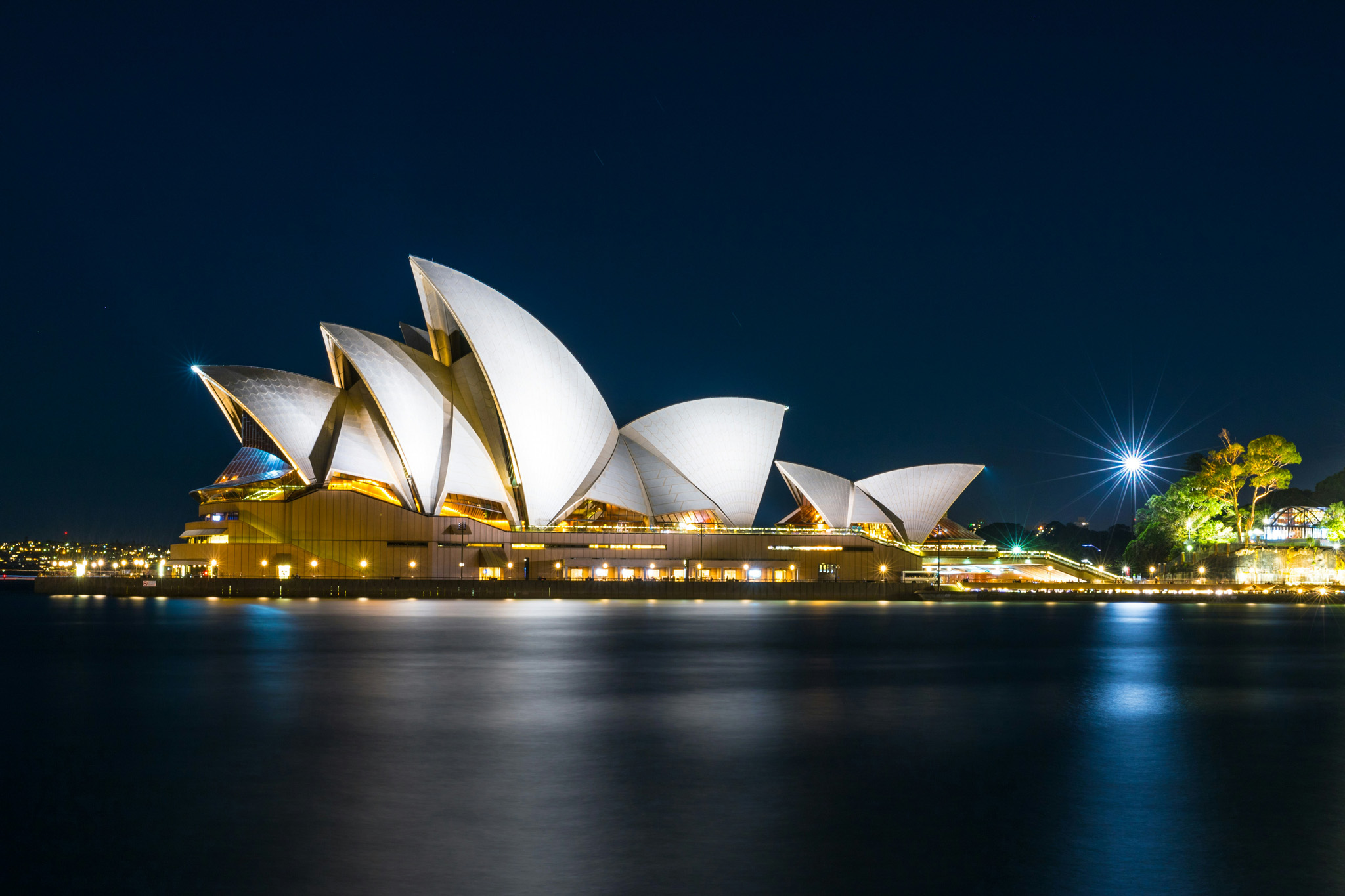
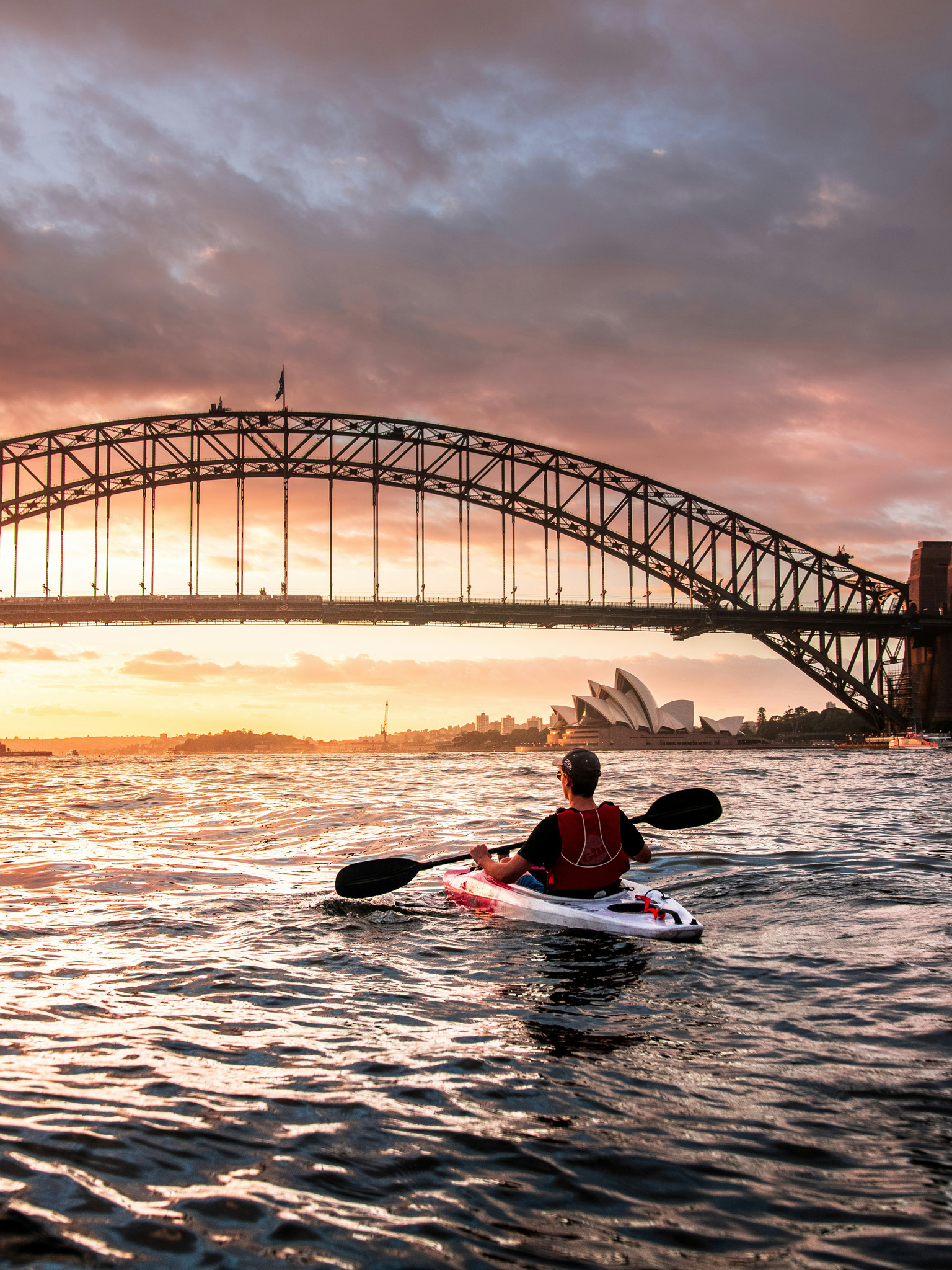
- Climb or walk the Sydney Harbour Bridge for sweeping city views
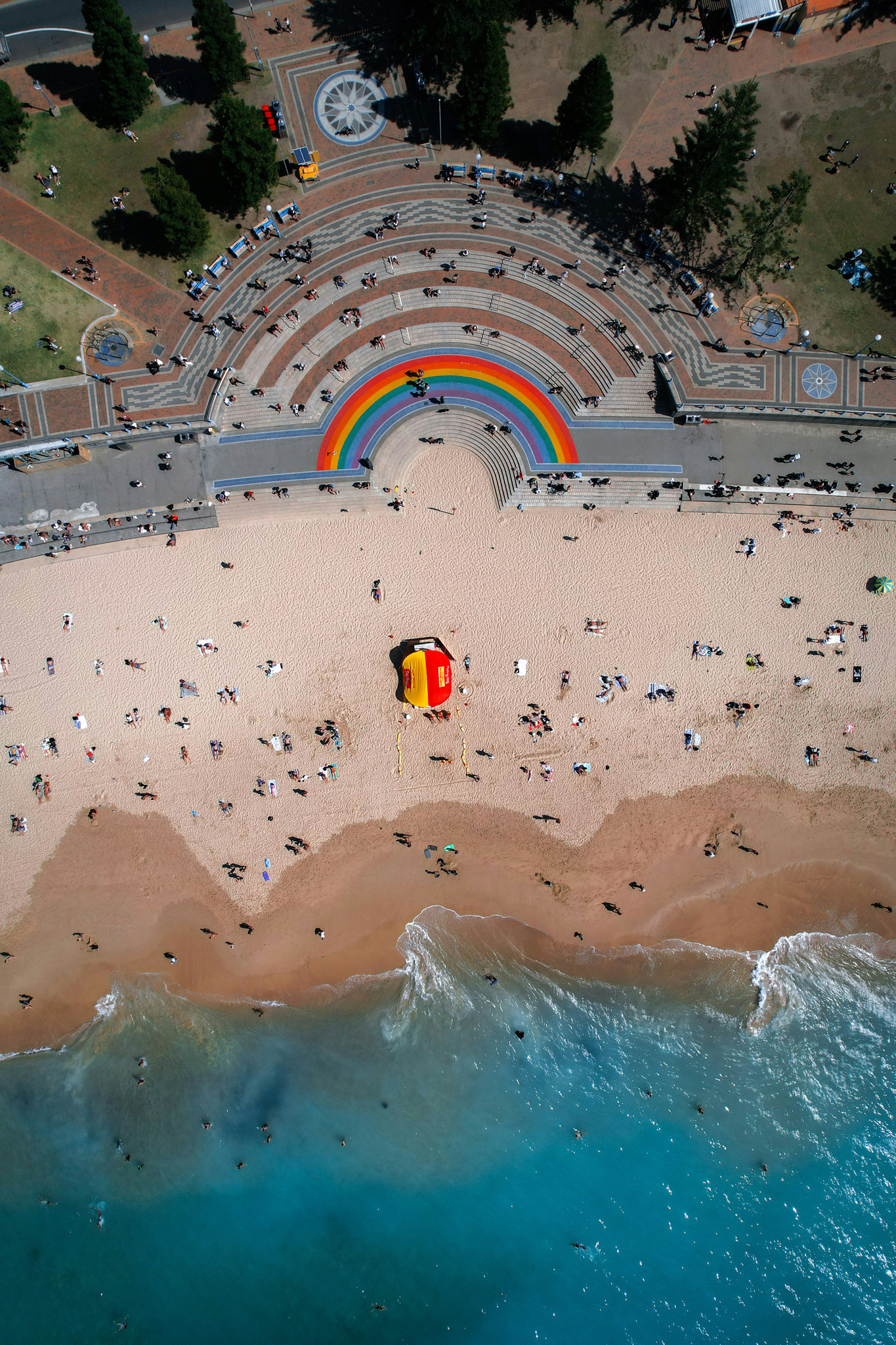
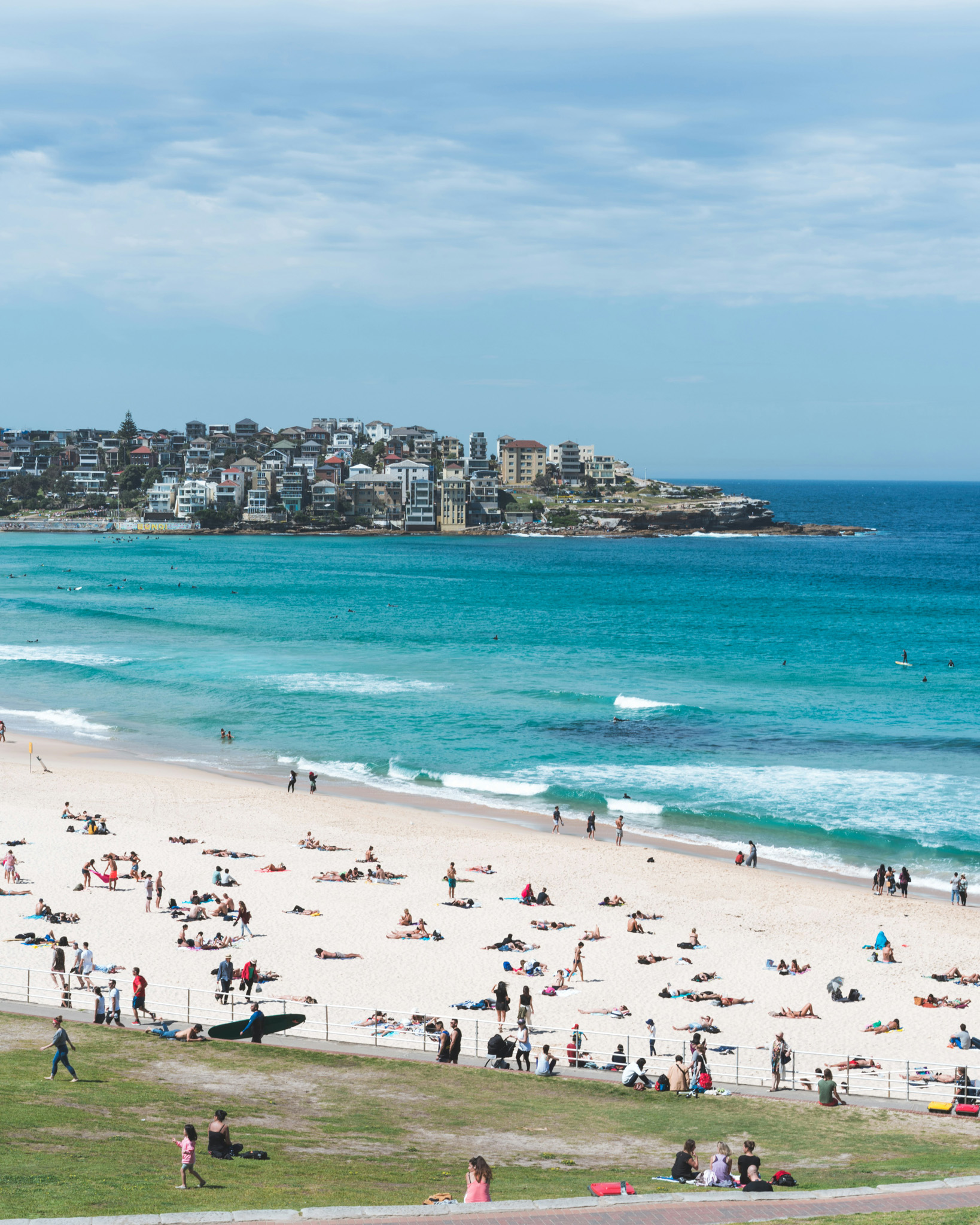
- Spend a day at Bondi and walk the coastal path to Coogee
- Explore the Blue Mountains and the Three Sisters rock formation
- Sample wine in the Hunter Valley vineyards
- Relax on the beaches and in the hinterland around Byron Bay
Victoria
A compact state of cool-climate cities, dramatic coastline, and rolling wine country.
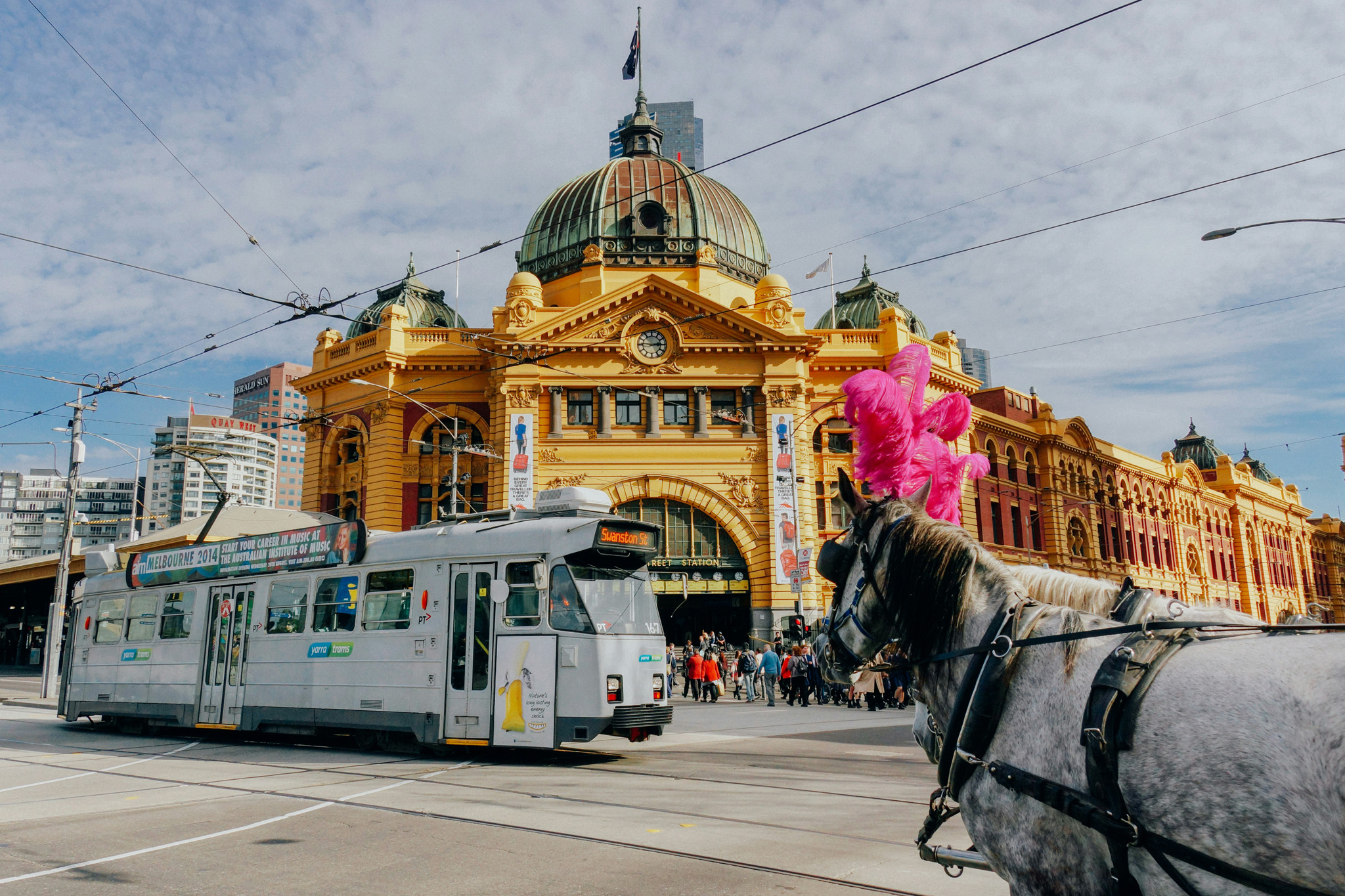
- Wander Melbourne’s laneways, rooftop bars, and gallery scene
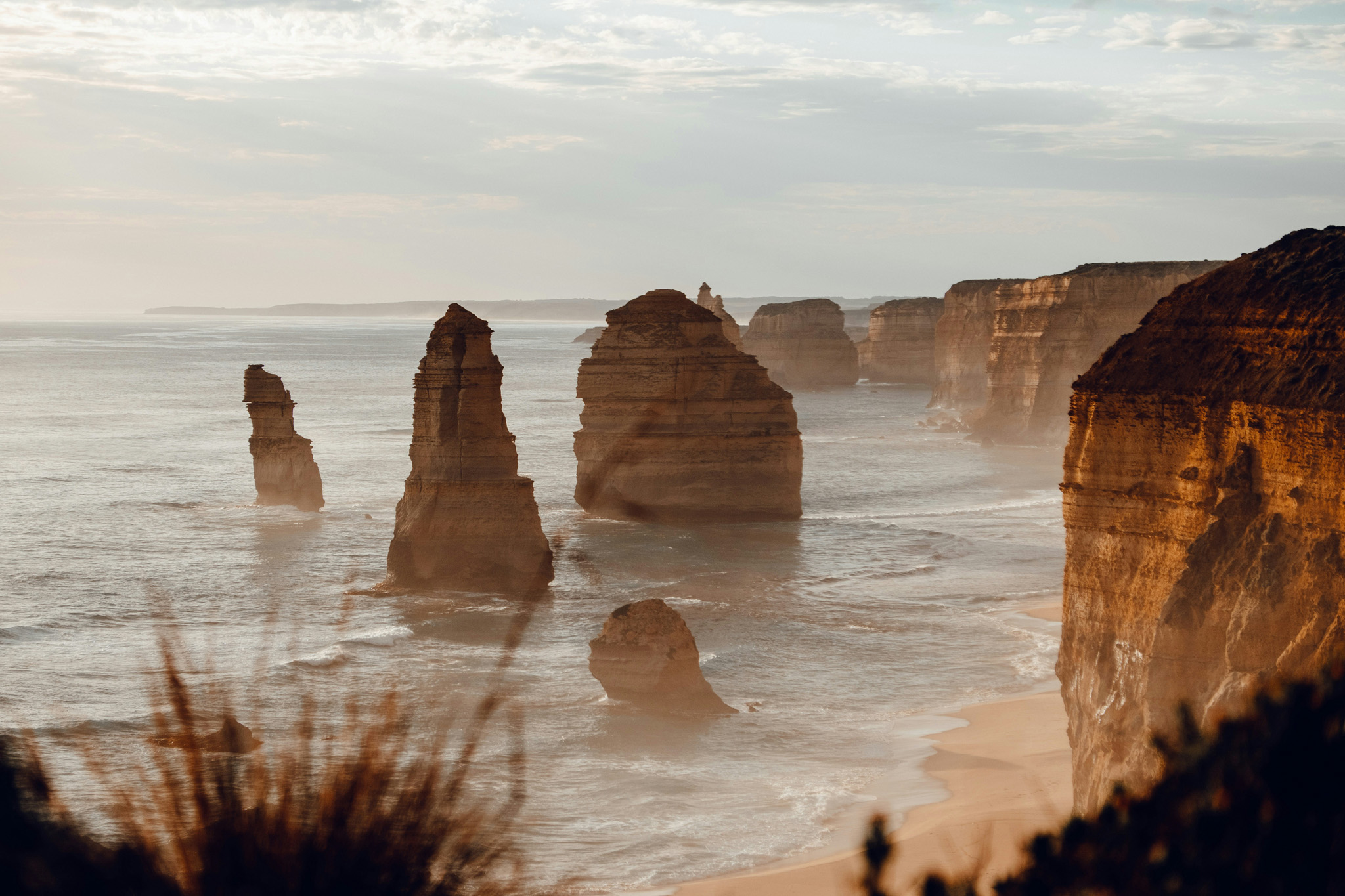
- Drive the Great Ocean Road past the Twelve Apostles
- Spot wildlife on the Phillip Island penguin parade
- Taste your way through the Yarra Valley and Mornington Peninsula
- Hike the granite peaks of Grampians National Park
Queensland
The sunshine state, home to tropical reefs, rainforest, and island getaways.
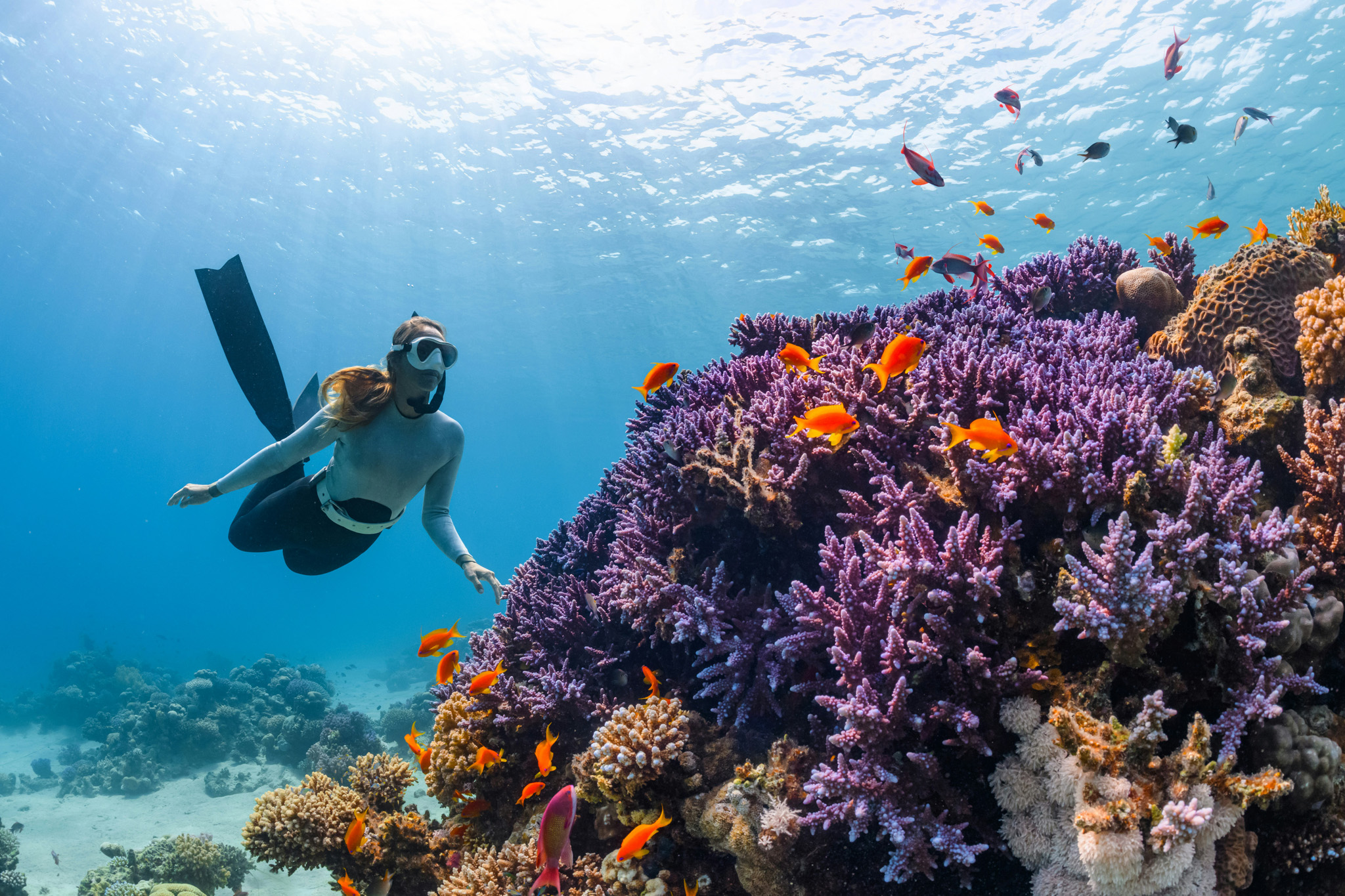
- Snorkel or dive the Great Barrier Reef from Cairns or Port Douglas
- Walk through the ancient Daintree Rainforest
- Sail the Whitsunday Islands and visit Whitehaven Beach
- Enjoy the theme parks and surf breaks of the Gold Coast
- Explore the sand dunes and freshwater lakes of K’gari (Fraser Island)
Northern Territory
The heart of the Outback, where red desert meets dramatic gorges and deep First Nations culture.
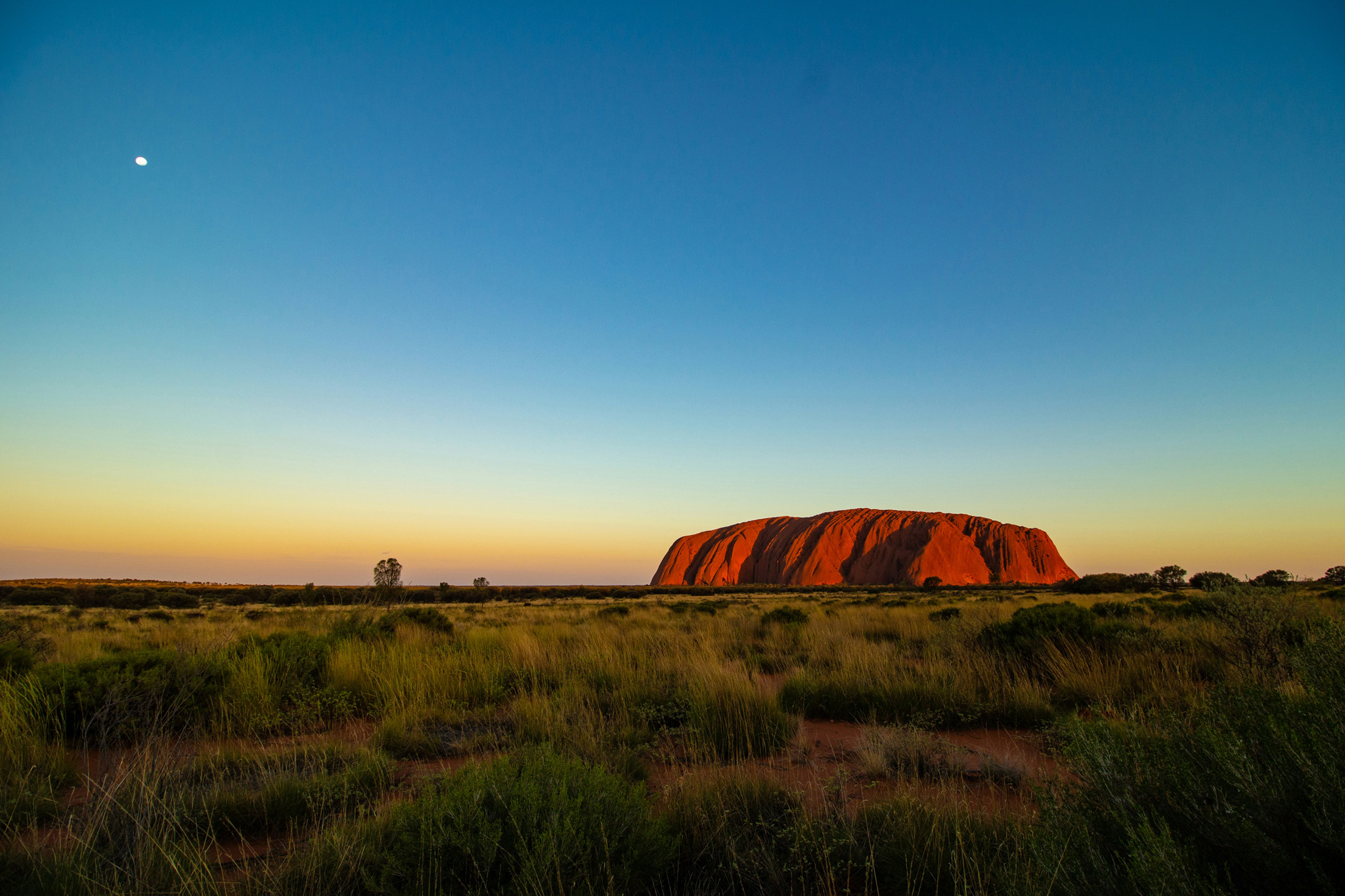
- Watch sunrise and sunset over Uluru and Kata Tjuta
- Hike the rim of Kings Canyon
- Explore the waterfalls and rock art of Kakadu National Park
- Swim in the thermal pools around Katherine
- Learn about First Nations culture with Aboriginal-led tours
Western Australia
A vast, remote state of pristine coastline, wildflowers, and uncrowded wilderness.
- Swim alongside whale sharks at Ningaloo Reef
- Explore the cosmopolitan riverside city of Perth and nearby Fremantle
- Visit the quokkas of Rottnest Island
- Wander the karri forests and beaches of the Margaret River region
- See the otherworldly Pinnacles in Nambung National Park
Tasmania
An island state of rugged wilderness, gourmet produce, and a thriving arts scene.
- Hike Cradle Mountain and the Overland Track
- Visit the provocative Museum of Old and New Art (MONA) in Hobart
- Explore the historic convict site of Port Arthur
- Sample cheese, whisky, and cool-climate wine across the island
- Walk the white sands of Wineglass Bay in Freycinet National Park

🎒 Things To Do
- Snorkel or dive the Great Barrier Reef, the world’s largest living structure
- Watch sunrise over Uluru and witness its colours shift through the day
- Drive the Great Ocean Road for one of the world’s most scenic coastal routes
- Learn to surf at iconic breaks from Bondi to Margaret River
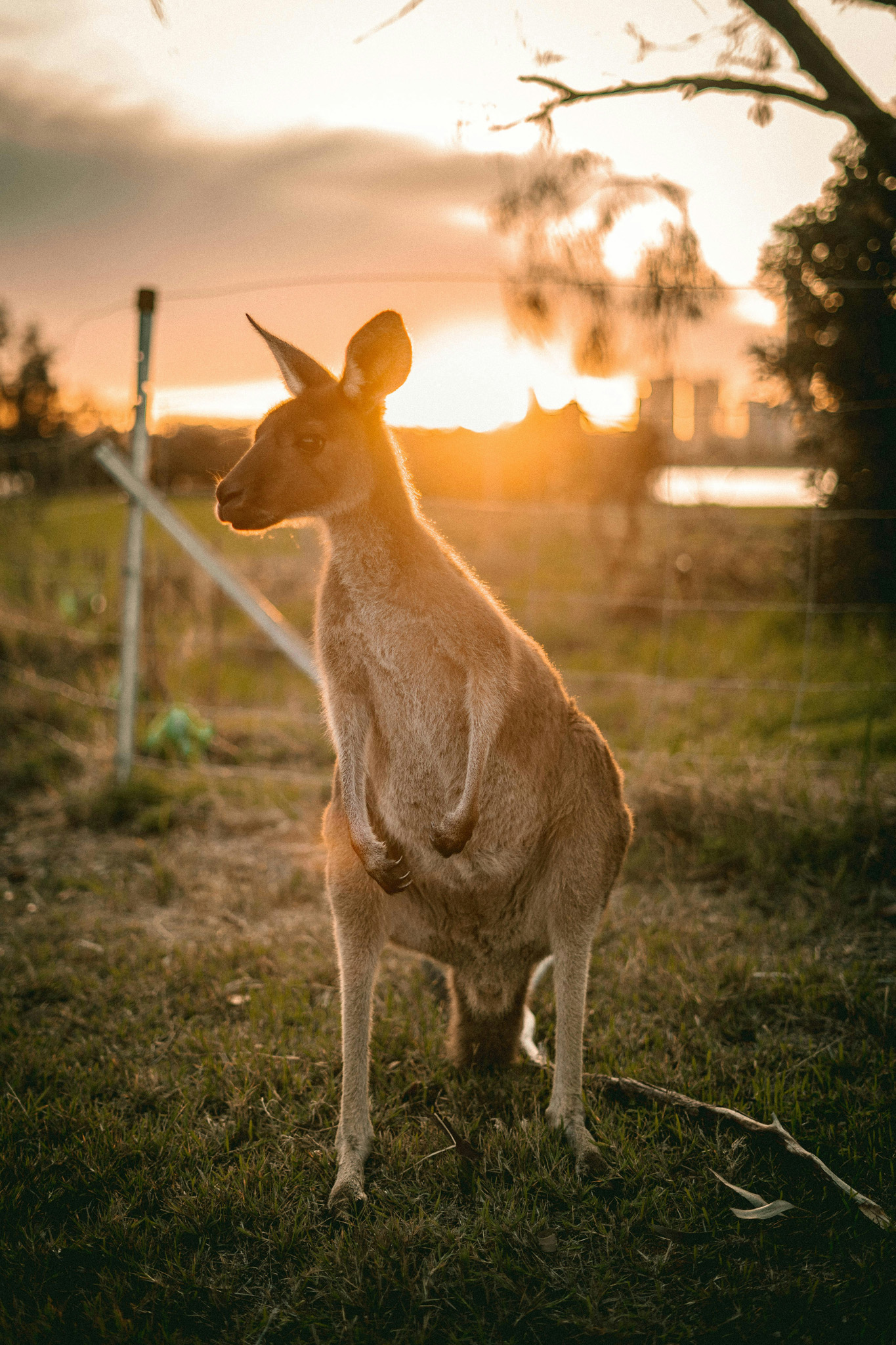
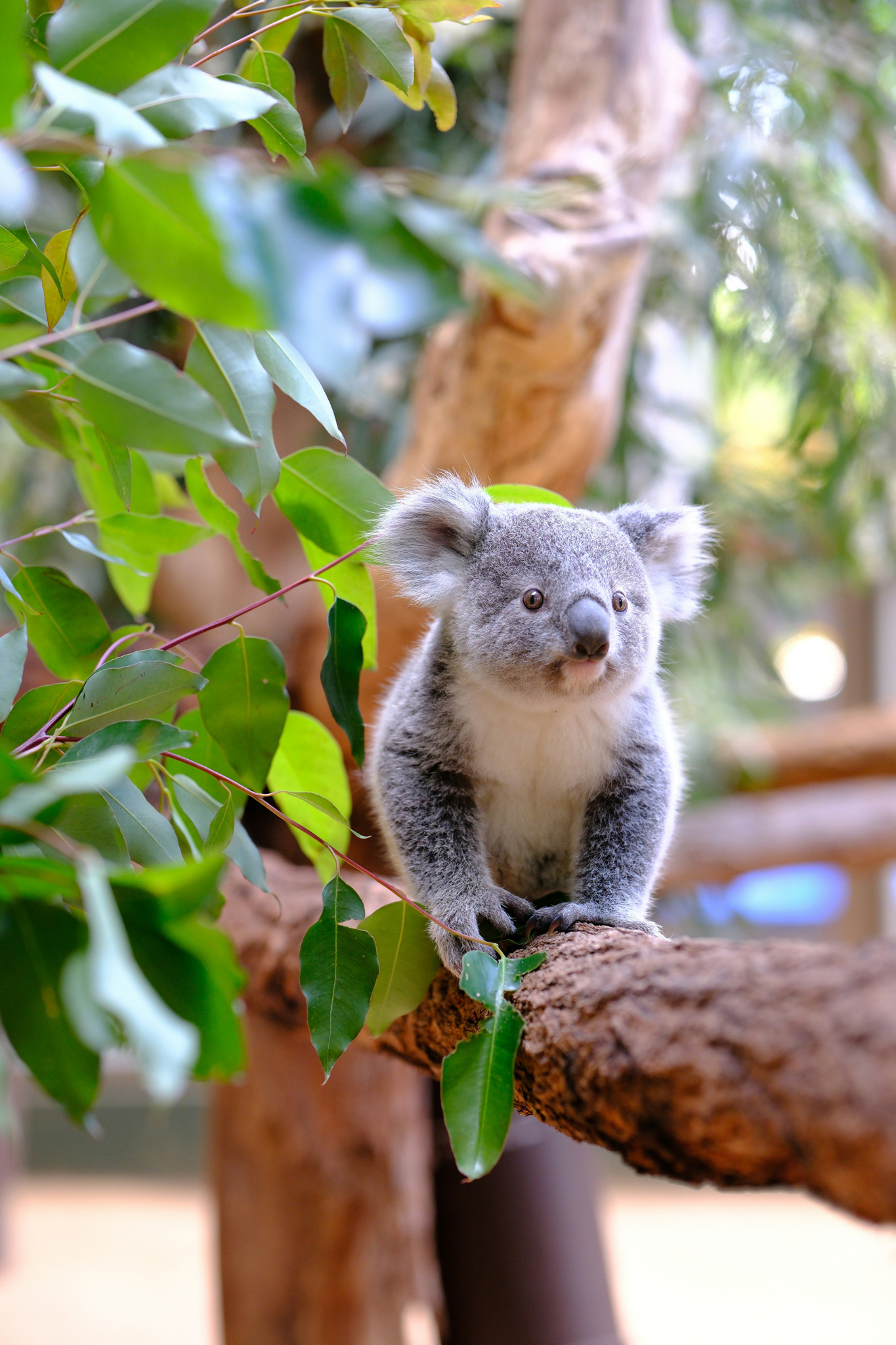
- Get close to kangaroos, koalas, wombats, and quokkas in the wild
- Sail the Whitsunday Islands and walk the silica sands of Whitehaven Beach
- Hike through ancient rainforest in the Daintree or alpine wilderness in Tasmania
- Explore world-class wine regions including Barossa Valley, Yarra Valley, and Margaret River
- Experience First Nations culture through guided tours, art, and storytelling
- Soak up the cafe, laneway, and rooftop culture of Melbourne and Sydney
🍽️ Food & Drink
Australian cuisine is a vibrant mix of fresh local produce, world-class seafood, and influences drawn from decades of immigration, particularly from Asia and the Mediterranean. Coffee culture is taken seriously here, and the country’s multicultural cities offer some of the best and most varied eating in the world.
- Fresh seafood including barramundi, Sydney rock oysters, and Moreton Bay bugs
- A flat white or long black from an independent specialty coffee roaster
- A classic Aussie barbecue with sausages, prawns, and salads
- Lamingtons, pavlova, and Tim Tams for a sweet local fix
- Bush tucker ingredients such as kangaroo, wattleseed, and finger lime
- World-class wines from regions like the Barossa, Hunter, and Yarra valleys
🌦️ Weather
Australia’s seasons are the reverse of the Northern Hemisphere, with summer running December to February and winter June to August. The climate varies enormously across such a large continent, from tropical in the north to temperate in the south.
- Summer (December – February) is hot, with southern cities reaching 25-35°C
- Winter (June – August) is mild in the south, around 8-16°C, and warm in the tropical north
- The tropical north has a wet season (November – April) and dry season (May – October)
- Central desert regions swing from scorching days to cold desert nights
- Tasmania and the alpine regions are cooler year round and can see snow in winter
- Bushfire risk is highest in the hot, dry summer months across the south
📅 Best Time To Visit
September – November (Spring)
- Mild, comfortable temperatures across most of the country
- Wildflowers bloom, especially in Western Australia
- Good shoulder-season value before the summer holiday rush
- Ideal for hiking, wine regions, and city exploring
December – February (Summer)
- Peak season for beaches, the coast, and southern cities
- Warmest weather but also the busiest and most expensive period
- School holidays around Christmas mean crowded resorts and higher prices
- Best avoided for the tropical north due to heat, humidity, and the wet season
May – October (Dry Season in the North)
- The ideal window to visit Queensland’s tropics, the Northern Territory, and the Outback
- Warm, dry days and clear skies, perfect for the reef and Uluru
- Cooler in the south, but excellent for Tasmania and snow sports in the alps
- Lower humidity and fewer weather disruptions for northern travel
🎒 Packing List
- Lightweight, breathable clothing for warm days
- Layers and a warm jacket for cool evenings and southern regions
- A light rain jacket or waterproof shell
- Strong sun protection: high-SPF sunscreen, hat, and sunglasses
- Insect repellent for tropical and rural areas
- Comfortable walking shoes and sandals
- Swimwear and a quick-dry towel for beaches and reefs
- A reef-safe sunscreen and rash vest for snorkelling
- Reusable water bottle for staying hydrated in the heat
- Power adapter for Australian Type I sockets
- A basic medical kit with personal medications
- Electrolytes for hot-weather travel and Outback days
🛂 Visas & Entry Requirements
Almost all visitors to Australia, except citizens of Australia and New Zealand, must arrange a visa before they travel.
- Most travellers need an Electronic Travel Authority (ETA, subclass 601) or eVisitor visa (subclass 651) arranged online before departure
- The eVisitor visa is free and available to most European passport holders
- New Zealand citizens can be granted a visa on arrival
- Passports should be valid for the duration of your stay, with at least one blank page
- Proof of onward or return travel and sufficient funds may be requested on arrival
- Official information: https://immi.homeaffairs.gov.au
💰 Money
- The currency is the Australian Dollar (AUD), often shown as $ or A$
- Australia is largely a cashless society and cards are accepted almost everywhere
- Contactless payment and mobile wallets are widely used, even for small purchases
- ATMs are common in cities and towns but can be scarce in remote Outback areas
- Tipping is not expected or required, though rounding up for great service is appreciated
- Carry a small amount of cash for remote areas, markets, and small vendors
💸 Hotel & Tourist Taxes
Australia does not have a nationwide tourist or accommodation tax, and most travellers will not encounter dedicated city taxes.
- The Northern Territory applies a small per-night levy on commercial accommodation
- Some local councils and resorts may add minor environmental or facility fees
- A Passenger Movement Charge is included in the price of most international airfares departing Australia
- Goods and Services Tax (GST) of 10% is already included in displayed prices
- Always check accommodation booking terms for any additional fees
🌈 LGBTQIA+ Travellers
Australia is widely regarded as one of the most welcoming and progressive destinations in the world for LGBTQIA+ travellers.
- Same-sex marriage has been legal nationwide since 2017
- Strong anti-discrimination protections exist across the country
- Major cities like Sydney and Melbourne have vibrant, visible LGBTQIA+ communities
- Sydney’s Gay and Lesbian Mardi Gras is one of the world’s largest pride events
- Attitudes are generally relaxed everywhere, though rural and remote areas can be more conservative
⚠️ Traveller Safety
Australia is a very safe destination with low crime rates and a stable, well-developed infrastructure.
- Petty theft is uncommon but possible in busy tourist areas, so keep an eye on belongings
- Respect ocean conditions: swim between the flags on patrolled beaches and heed warnings
- Be cautious with wildlife, including snakes, spiders, and marine creatures in certain areas
- In the Outback, carry plenty of water, plan routes carefully, and tell someone your plans
- Emergency number is 000
💉 Vaccinations & Health
No vaccinations are required to enter Australia unless you are arriving from a country with risk of yellow fever.
- Routine vaccinations should be up to date before travel
- A yellow fever certificate is required if arriving from or transiting an at-risk country
- Australia has an excellent standard of healthcare in cities and major towns
- There is no malaria risk, though insect-borne illness can occur in some tropical areas
- Official information: https://www.health.gov.au
🚗 Getting Around
- Domestic flights are the fastest way to cover Australia’s vast distances
- Road quality is excellent on major routes, making self-drive trips popular and rewarding
- Driving is on the left, and a road trip is one of the best ways to see the country
- Long-distance trains and coaches connect major cities for a slower, scenic option
- Cities have reliable public transport including trains, trams, buses, and ferries
- Distances between regional towns can be large, so plan fuel stops and breaks carefully
✈️ Airports
Sydney Kingsford Smith Airport (SYD)
- The country’s busiest airport and the main international gateway on the east coast
Melbourne Airport (MEL)
- A major international hub serving Victoria and the southern states
Brisbane Airport (BNE)
- The key gateway for Queensland, the Gold Coast, and the Great Barrier Reef
Perth Airport (PER)
- The principal international airport for Western Australia and the country’s west
🗣️ Language
English is the official and everyday language of Australia, spoken by virtually everyone, so travellers will have no trouble communicating. Australian English has its own distinctive accent, slang, and habit of shortening words, which can take a little getting used to. Hundreds of First Nations languages are also spoken across the country, representing the world’s oldest living cultures, though many are endangered. The phrases below are drawn from Australian English slang to help you sound a little more local.
Common Phrases
- Hello – G’day (g-day)
- Goodbye – See ya (see-yah)
- Please – Please (pleez)
- Thank you – Ta (tah)
- Yes – Yeah (yeah)
- No – Nah (nah)
- Excuse me – ‘Scuse me (skyooz-mee)
- Sorry – Sorry (sorr-ee)
- Do you speak English – D’you speak English (dyoo speak ing-glish)
- How much – How much (how-much)
- Where is – Where’s (wairz)
- Help – Help (help)
- Cheers – Cheers (cheerz)
- How are you – How ya goin’ (how-yah-goin)
- No worries – No worries (no-wur-eez)
ℹ️ Practical Info
Electricity
- Australia uses Type I plugs with a standard voltage of 230V
Internet & WiFi
- WiFi is widely available in hotels, cafes, and public spaces in cities and towns
- Mobile coverage is strong in populated areas but patchy or absent in remote Outback regions
Water
- Tap water is safe to drink across Australia
- In very remote areas, check locally, as some bore water is not suitable for drinking
Travel Insurance
- Comprehensive personal travel insurance is strongly recommended for every visitor, particularly to cover medical costs, which can be high, as well as adventure activities like diving, surfing, and hiking
Connectivity SIM / eSIM
- Local SIM cards from providers such as Telstra, Optus, and Vodafone are easy to buy at airports and convenience stores
- Using an eSIM is our recommended choice while travelling anywhere in the world, and our recommended provider is Holafly. For more information on eSIMs, check out this blog.

❤️ Why Visit Australia
Australia rewards travellers with a rare combination of scale, variety, and freedom. In a single trip you can dive a coral reef, walk through rainforest older than human history, stand alone in a red desert, and finish the day with great food and wine in one of the world’s most liveable cities. Few places offer such an effortless mix of adventure and ease.
It is also a destination with genuine depth. Beyond the famous beaches and landmarks lies the world’s oldest continuous living culture, an extraordinary array of wildlife found nowhere else, and landscapes that still feel wild and untamed. Whether you come to relax or to explore, Australia meets you on your own terms.
For travellers who want both comfort and a real sense of discovery, Australia is hard to beat. It is a place that stays with you long after you leave, drawing you back to its endless horizons, warm welcome, and the simple, irresistible promise of sunshine and space.