Fiji – Destination Guide
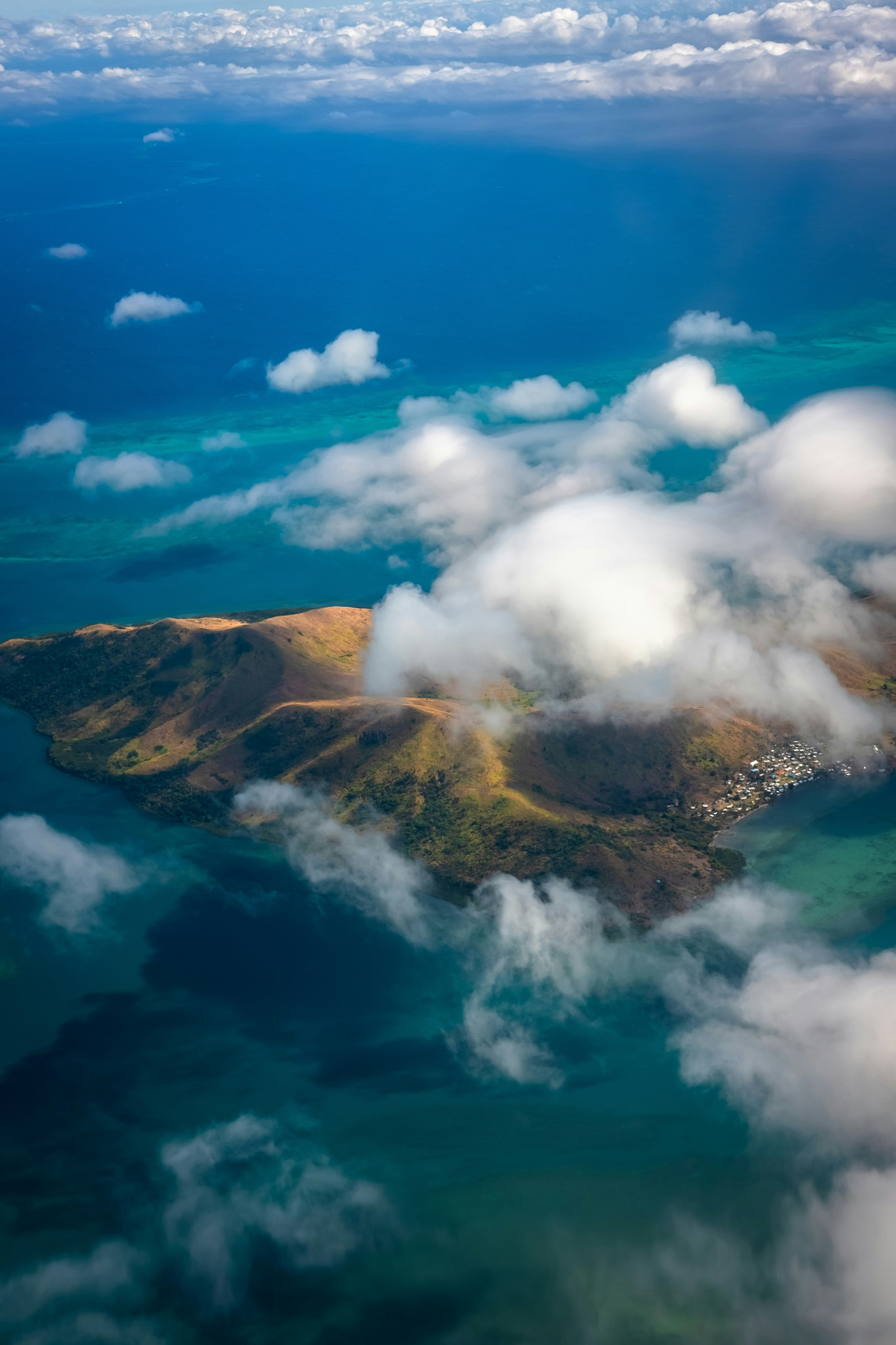
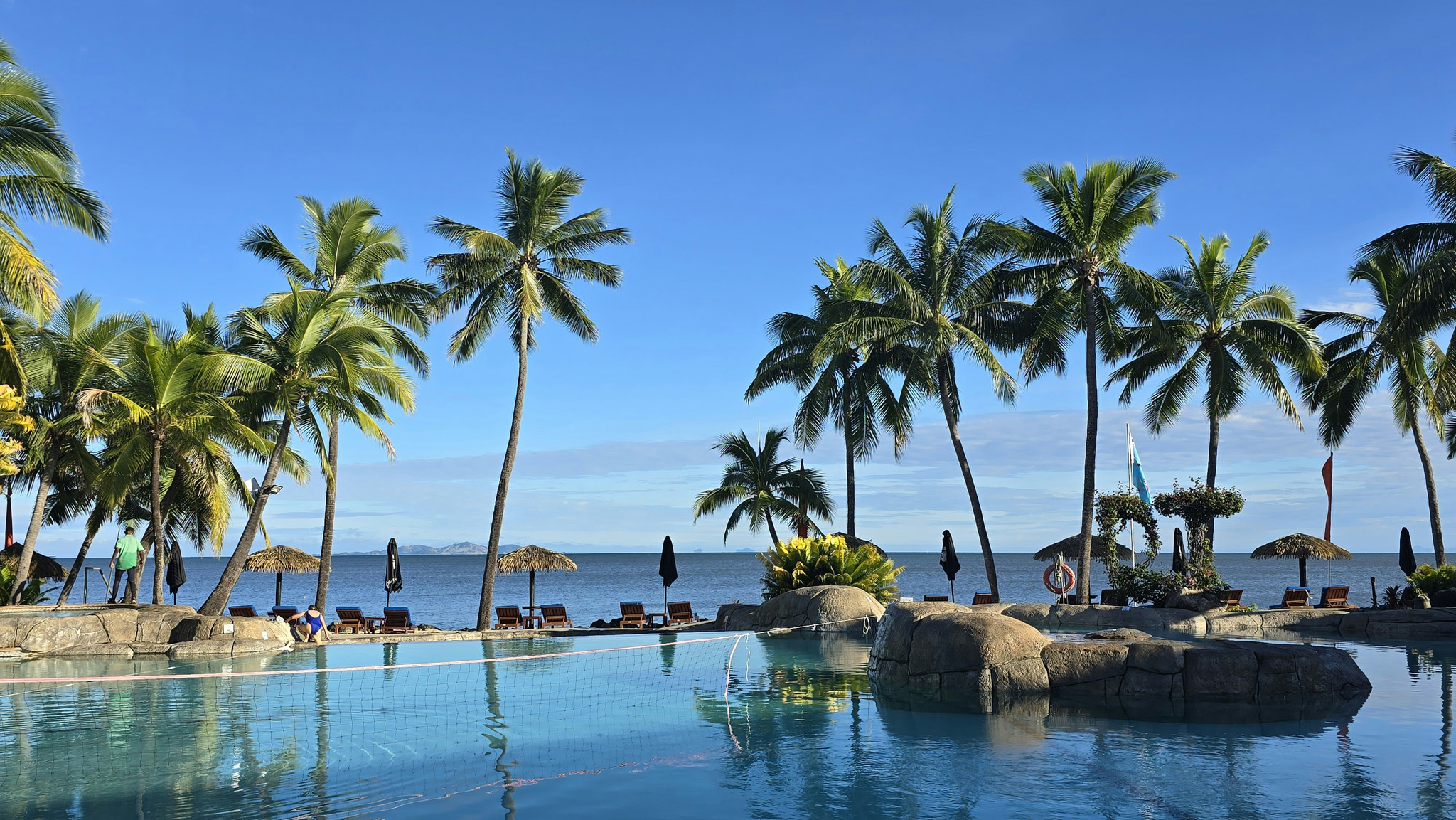
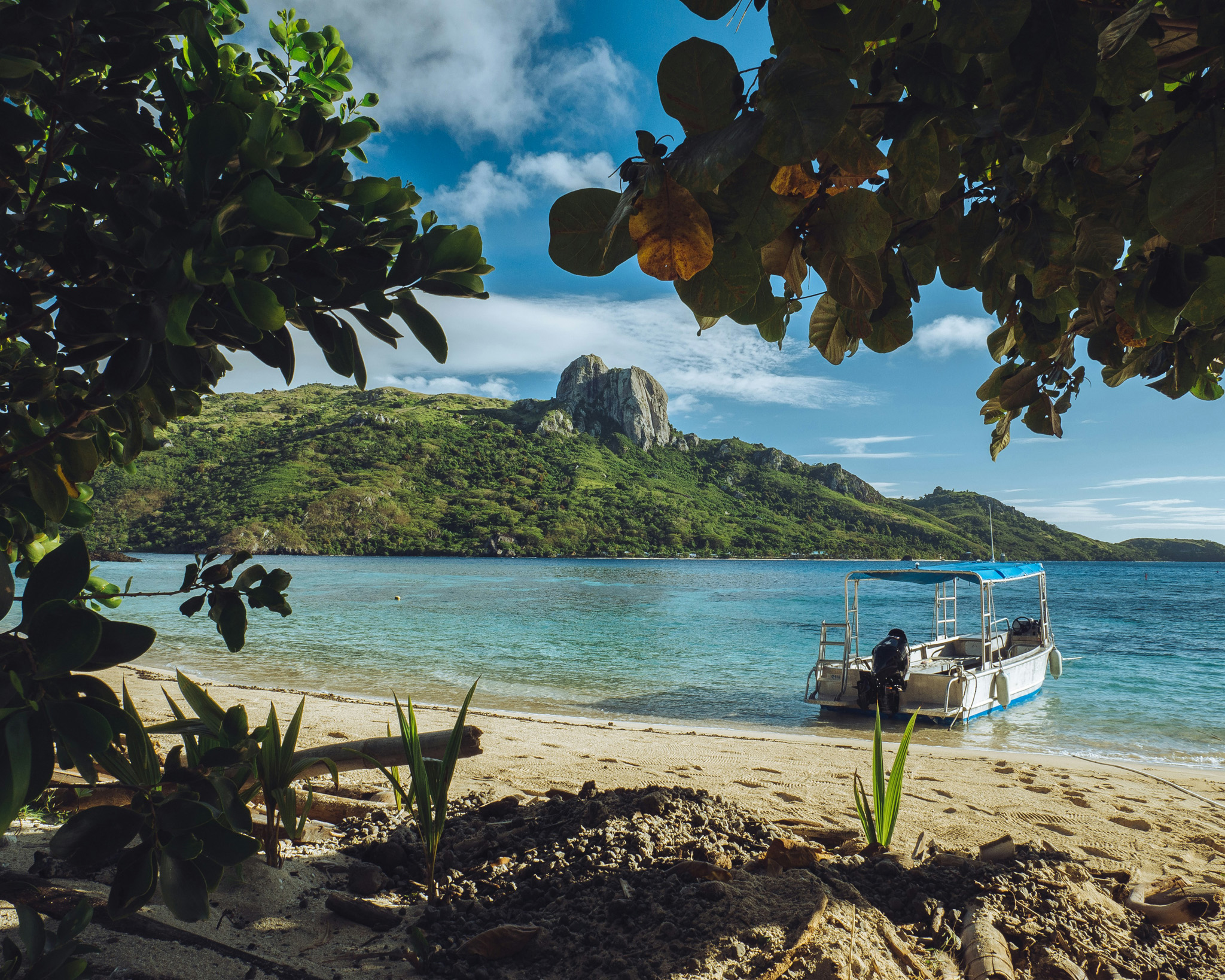
Scattered across the South Pacific like a handful of emeralds, Fiji is an archipelago of more than 330 islands where soft white sand meets some of the most vivid coral reefs on earth. It is a place of jungled volcanic peaks, palm-fringed lagoons in impossible shades of turquoise, and villages where life moves to a slower, kinder rhythm. The landscape ranges from the rugged highlands of Viti Levu to the powder-fine beaches of the Mamanuca and Yasawa chains, with countless empty islets in between.
But what travellers remember most about Fiji is not the scenery – it is the warmth of the people. Fijian hospitality is genuine and unhurried, built around community, ceremony, and an instinctive generosity that greets every visitor with a heartfelt “Bula!” Days here drift between snorkelling over coral gardens, sharing a bowl of kava under a thatched bure, and watching the sky burn orange over the water at dusk.
Whether you come to dive, to disconnect, or simply to feel the pace of life ease, Fiji rewards you with a rare and lasting sense of calm.
🗺️ Regions to Explore
Viti Levu
The largest island and gateway to Fiji, home to the capital, the airport, and a mix of city, coast, and highland.
- Explore the capital, Suva, and its markets and museums
- Raft or hike through the Navua River gorges
- Visit the Sabeto mud pools and hot springs near Nadi
- Tour the Sigatoka sand dunes and Coral Coast
- Discover traditional villages in the interior highlands
- Surf the famous breaks of the Pacific Harbour area
Mamanuca Islands
A close cluster of small islands off Nadi, known for resorts, day trips, and easy beach escapes.
- Snorkel and dive in calm, clear lagoons
- Take a day cruise to a deserted islet
- Try surfing at Cloudbreak, one of the world’s best waves
- Visit the island made famous by the film Cast Away
- Relax on classic postcard beaches
- Enjoy sunset sails across the channel
Yasawa Islands
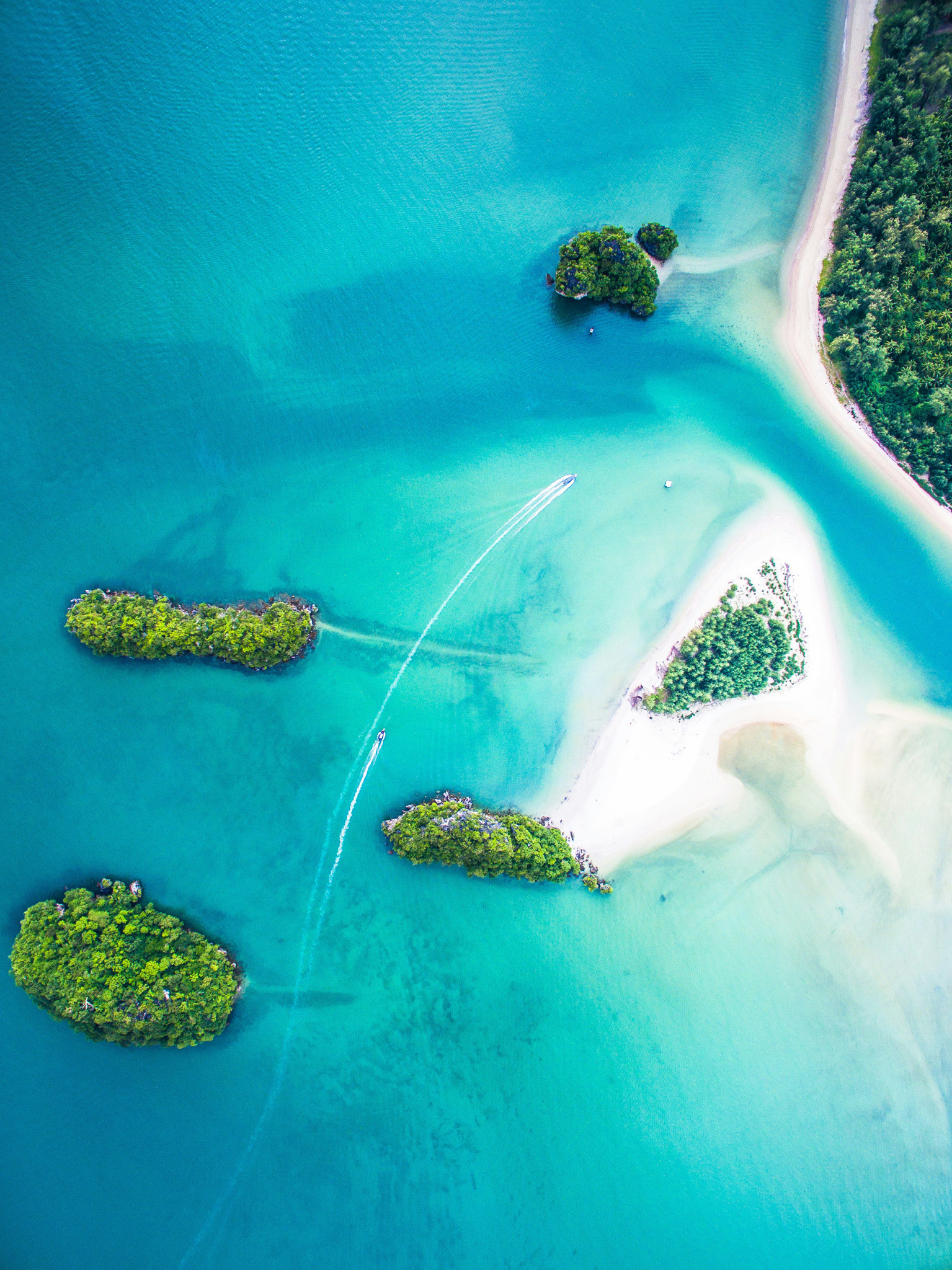
A remote volcanic chain north of the Mamanucas, prized for dramatic scenery and laid-back island life.
- Swim in the limestone Sawa-i-Lau caves
- Snorkel with manta rays in season
- Stay in low-key beach lodges and backpacker resorts
- Hike island ridgelines for sweeping ocean views
- Visit traditional villages with a sevusevu ceremony
- Watch some of the best sunsets in the South Pacific
Vanua Levu
Fiji’s second-largest island, quieter and less developed, with rainforest, plantations, and rich marine life.
- Dive the Rainbow Reef in the Somosomo Strait
- Explore the town of Savusavu and its hot springs
- Tour copra and spice plantations
- Birdwatch in lush inland forest reserves
- Kayak sheltered bays and mangrove channels
- Soak up the slow pace of Fiji’s “hidden paradise”
Taveuni
Known as the Garden Island, a verdant volcanic island famed for waterfalls, hiking, and diving.
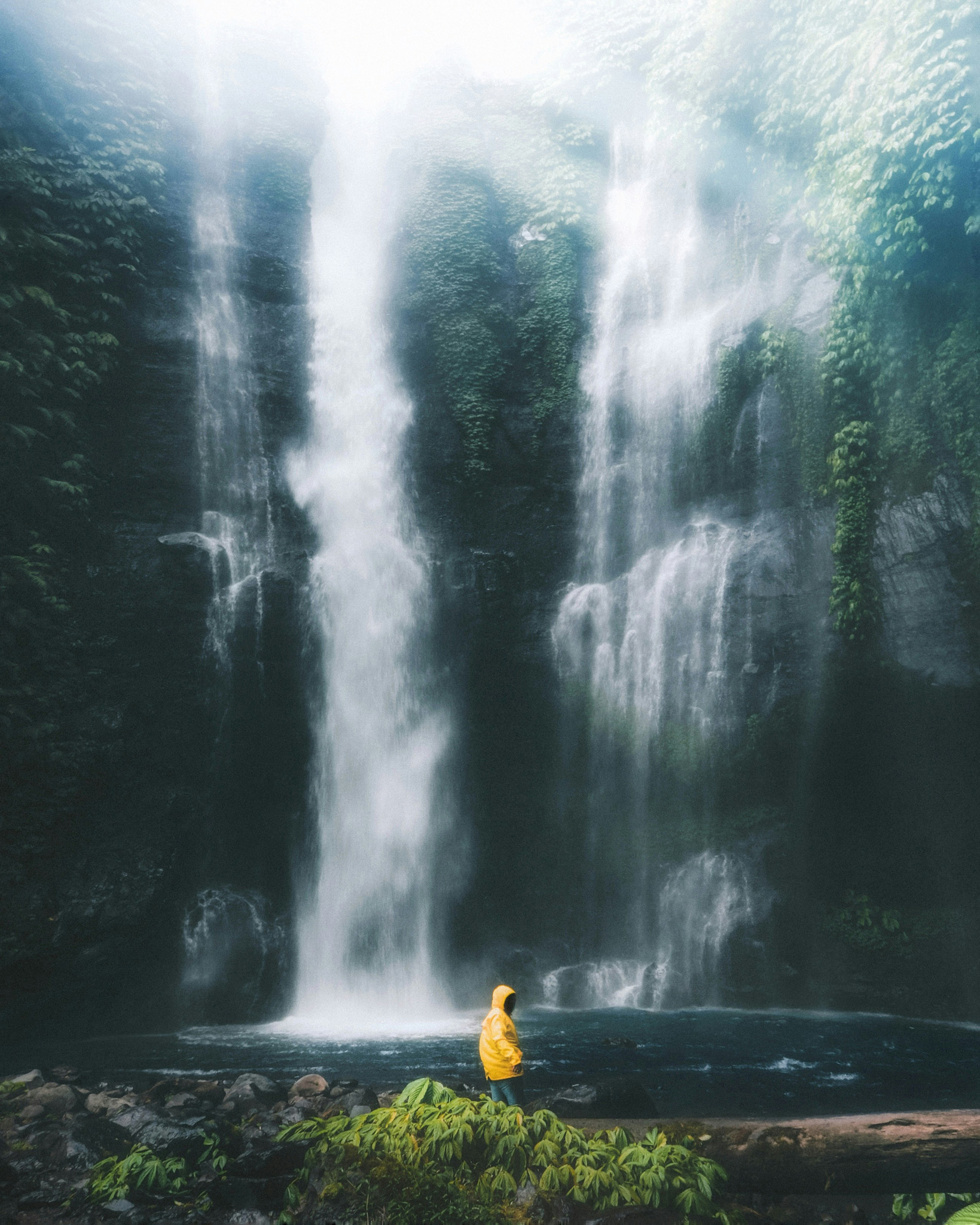
- Hike the Lavena Coastal Walk to hidden waterfalls
- Trek the Tavoro Falls in Bouma National Heritage Park
- Dive or snorkel the vibrant Rainbow Reef
- Stand on the 180th meridian line
- Spot rare native birds and the tagimoucia flower
- Swim in natural rock pools and freshwater streams
🎒 Things To Do
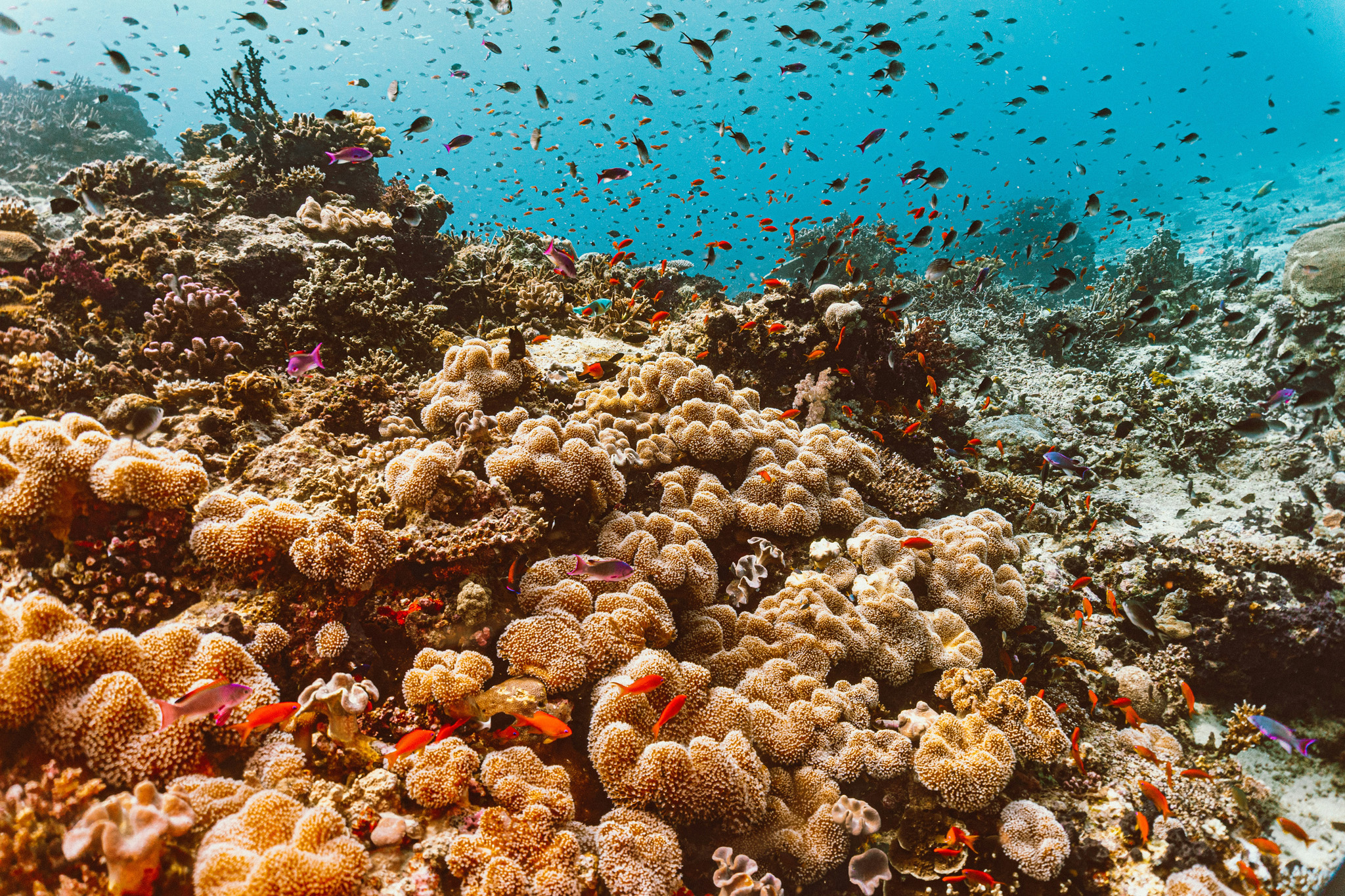
- Snorkel and scuba dive coral reefs teeming with marine life
- Learn to surf, or watch experts at Cloudbreak
- Share a kava ceremony with a Fijian village community
- Take a day cruise through the Mamanuca or Yasawa islands
- Hike to waterfalls and through rainforest on Taveuni
- Swim with manta rays in the Yasawas in season
- Visit a local market in Suva, Nadi, or Savusavu
- Relax in natural hot springs and mud pools near Nadi
- Kayak mangrove channels and sheltered island bays
- Experience a traditional lovo feast cooked in an earth oven
🍽️ Food & Drink
Fijian cuisine is fresh, simple, and built around the sea, the garden, and the earth oven. Indigenous Fijian dishes sit alongside a strong Indo-Fijian influence, giving the food a distinctive blend of tropical produce, coconut, seafood, and fragrant curry.
- Kokoda, raw fish marinated in lime juice and coconut cream
- Lovo, meat and root vegetables slow-cooked in an underground oven
- Rourou, taro leaves cooked in coconut milk
- Fijian-Indian curries served with roti and dhal
- Fresh tropical fruit including papaya, pineapple, and mango
- Kava, the earthy, mildly numbing ceremonial drink

🌦️ Weather
Fiji has a warm tropical climate year-round, with consistently high temperatures and humidity moderated by ocean breezes. The year splits into a dry season and a wetter, hotter season.
- Daytime temperatures generally sit between 25-31°C
- The dry season runs roughly May – October
- The wet season runs roughly November – April
- Cyclone risk is highest between November and April
- Highlands and larger islands are cooler and wetter than the coast
- Sea temperatures stay warm and swimmable all year
📅 Best Time To Visit
May – October (Dry Season)
- Peak season with sunny, dry, and pleasant conditions
- Lower humidity and minimal rainfall
- Busiest period, so book accommodation and trips early
November – December (Early Wet Season)
- Warmer and more humid, with shorter rain showers
- Fewer crowds and better value on accommodation
- Lush green landscapes and good marine visibility
January – April (Wet Season)
- Hottest, wettest months with higher cyclone risk
- Quietest period with the lowest prices
- Rain often comes in short bursts, leaving sunny spells
🎒 Packing List
- Lightweight, breathable clothing for hot, humid days
- Swimwear and a quick-dry towel
- A light rain jacket or poncho
- Reef-safe sunscreen and a wide-brimmed hat
- Sunglasses with UV protection
- Insect repellent for evenings and inland areas
- Water shoes or sandals for reefs and rocky shores
- A modest outfit for visiting villages and temples
- A universal power adapter
- A basic medical kit with personal medications
- Electrolyte sachets for staying hydrated in the heat
- A reusable water bottle and dry bag for boat trips
🛂 Visas & Entry Requirements
Fiji is straightforward to enter for most travellers, with visa-free access granted on arrival to citizens of many countries.
- Visitor permits of up to four months are issued free on arrival for most nationalities
- Your passport should be valid for at least six months beyond your arrival date
- Proof of onward or return travel may be requested
- Proof of accommodation or sufficient funds may be requested
- Longer stays or work require applying for the appropriate visa in advance
- Official information: https://www.immigration.gov.fj
💰 Money
- The currency is the Fijian dollar (FJD)
- Cards are widely accepted in resorts, hotels, and larger restaurants
- Carry cash for villages, markets, small vendors, and remote islands
- ATMs are common in towns and at the airport, but scarce on outer islands
- Tipping is not expected; some resorts use a shared staff Christmas fund instead
- Exchange currency at banks or the airport for the best rates
💸 Hotel & Tourist Taxes
Fiji applies several government taxes and levies to accommodation and tourism services, which are usually added to your bill.
- The Environment and Climate Adaptation Levy applies to prescribed services such as hotels and restaurants
- A Service Turnover Tax also applies to many tourism services
- Combined with VAT, these taxes can add a noticeable percentage to accommodation and dining costs
- Many quoted resort rates are exclusive of these taxes, so check whether prices are net or gross
- There is no separate departure tax to pay at the airport, as it is included in airfares

🌈 LGBTQIA+ Travellers
Fiji is generally welcoming to visitors, though social attitudes toward LGBTQIA+ people remain conservative in many communities.
- Same-sex sexual activity is legal in Fiji
- The constitution includes protections against discrimination based on sexual orientation
- Public attitudes are mixed, with more openness in tourist areas and resorts than in rural villages
- Public displays of affection are best kept discreet, as they are for all couples in village settings
- Resorts catering to international travellers are typically relaxed and inclusive
⚠️ Traveller Safety
Fiji is considered a safe destination for travellers, with most visits trouble-free.
- Petty theft can occur in towns and busy areas, so secure valuables
- Take care with water activities, currents, and reef conditions, and follow local advice
- Use reputable, licensed operators for diving, surfing, and boat trips
- Avoid walking alone in unlit areas at night, particularly in city centres
- Emergency number is 911
💉 Vaccinations & Health
No vaccinations are mandatory for entry to Fiji unless you are arriving from a country with yellow fever risk.
- A yellow fever certificate is required if arriving from an affected country
- Routine vaccinations should be up to date, including measles, mumps, and rubella
- Hepatitis A and typhoid are commonly recommended for travellers
- There is no malaria in Fiji, but dengue fever is present, so use insect repellent
- Medical facilities are good in main centres but limited on outer islands
- Official information: https://www.health.gov.fj
🚗 Getting Around
- Inter-island travel relies on boats, ferries, and light aircraft
- Domestic flights connect Nadi with Vanua Levu, Taveuni, and other islands
- Catamaran transfers serve the Mamanuca and Yasawa resorts
- Buses and shared minivans are cheap and cover Viti Levu’s main routes
- Taxis are widely available and affordable, especially around Nadi and Suva
- Hire cars are an option on Viti Levu, where driving is on the left
✈️ Airports
Nadi International Airport (NAN)
- Fiji’s main international gateway, handling most overseas arrivals and connections to outer islands
Nausori Airport (SUV)
- Serves the capital Suva, with domestic flights and some regional international services
Matei Airport (TVU)
- A small domestic airport on Taveuni, the Garden Island
🗣️ Language
Fiji has three official languages: English, iTaukei Fijian, and Fiji Hindi. English is widely spoken and used in business, education, and tourism, so travellers will have little difficulty communicating. Learning a few words of Fijian, however, is warmly appreciated and is a lovely way to connect with local people.
Common Phrases
- Hello – Bula (BOO-lah)
- Goodbye – Moce (MOH-theh)
- Please – Yalo vinaka (YAH-lo vee-NAH-kah)
- Thank you – Vinaka (vee-NAH-kah)
- Yes – Io (EE-oh)
- No – Sega (SEHNG-ah)
- Excuse me – Tulou (TOO-loh)
- Sorry – Vosoti au (voh-SOH-tee ow)
- Do you speak English? – O ni vosa vakavalagi? (oh nee VOH-sah vah-kah-vah-LAHNG-ee)
- How much? – E vica? (eh VEE-thah)
- Where is…? – E vei…? (eh VAY)
- Help – Veivuke (vay-VOO-keh)
- Cheers – Bula (BOO-lah)
- Good – Vinaka (vee-NAH-kah)
- Welcome – Bula vinaka (BOO-lah vee-NAH-kah)
ℹ️ Practical Info
Electricity
- Plug type I is standard, with a voltage of 240V
Internet & WiFi
- WiFi is available in most resorts, hotels, and cafes, though it can be slow or limited on remote outer islands; mobile data coverage is reliable on the main islands
Water
- Tap water is generally safe to drink in main towns and resorts on Viti Levu, but bottled or filtered water is recommended on outer islands and in rural areas
Travel Insurance
- Comprehensive personal travel insurance is strongly recommended, and should cover water sports, diving, and emergency medical evacuation, as outer islands are remote and healthcare options are limited
Connectivity SIM / eSIM
- Local SIM cards from providers such as Vodafone and Digicel are inexpensive and easy to buy at the airport or in town
- Using an eSIM is our recommended choice while travelling anywhere in the world, and our recommended provider is Holafly. For more information on eSIMs, check out this blog.

❤️ Why Visit Fiji
Fiji is one of those rare places that delivers exactly what it promises and then quietly gives you more. The beaches really are that white, the water really is that clear, and the reefs below it teem with colour and life. But beyond the postcard scenery is a destination with genuine soul – a place where ceremony, community, and kindness shape everyday life.
It is a destination that flexes to whatever you need. Come for adventure and you will find world-class diving, surfing, and rainforest trails. Come to switch off and you will find empty beaches, gentle days, and the easy hospitality of island life. Few places make it so simple to slow down.
Most of all, Fiji stays with you because of its people. The warmth of a Fijian welcome is not a performance for tourists – it is a way of life, and it has a way of making every visitor feel at home. Come for the islands, and leave already planning your return.