Galapagos Islands – Destination Guide
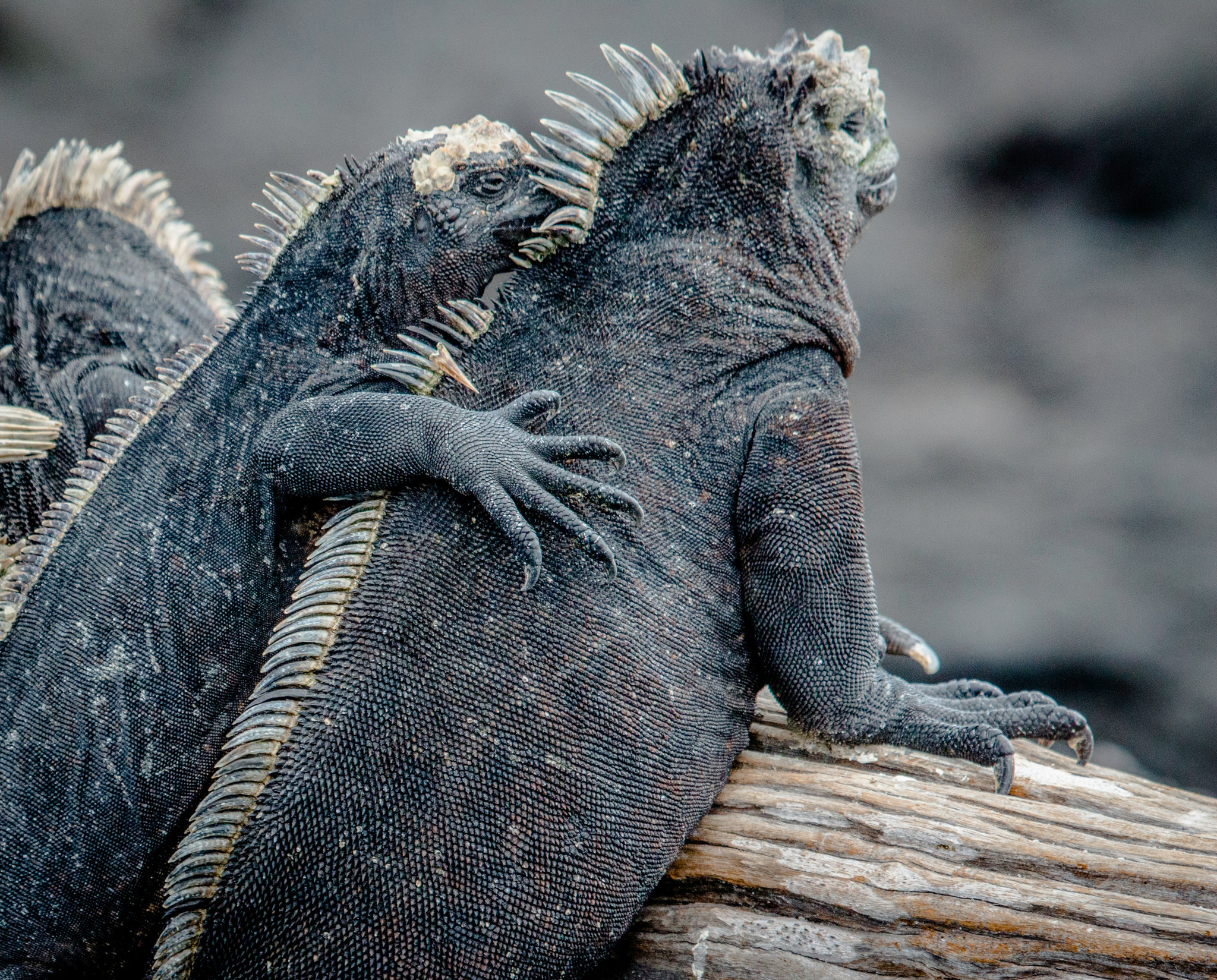
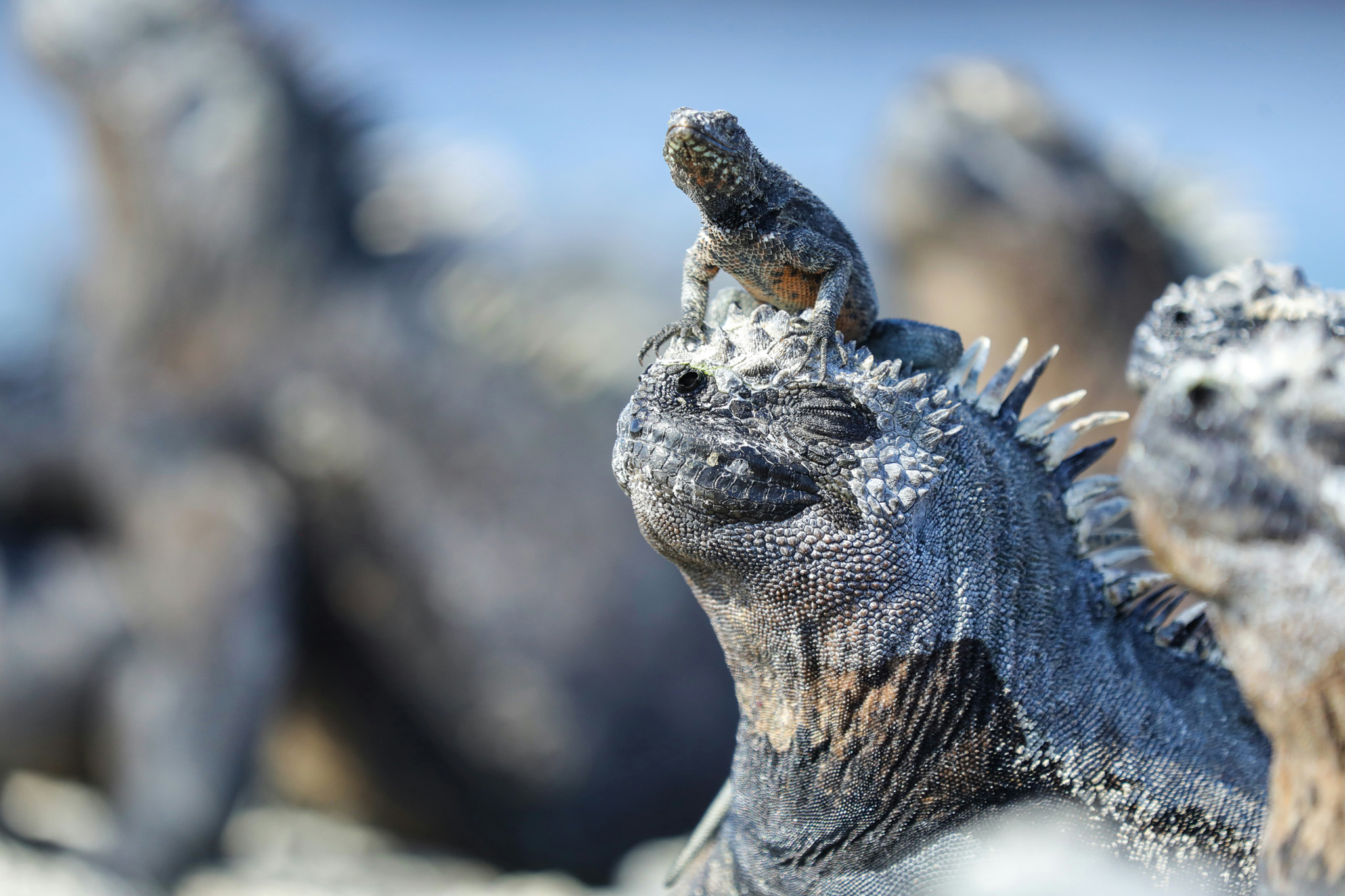
Scattered across the Pacific some 1,000 kilometres off the coast of Ecuador, the Galápagos Islands are one of the last places on earth where wildlife seems entirely unbothered by human presence. Sea lions sprawl across town docks, marine iguanas pile onto black lava rocks, and blue-footed boobies perform their courtship dances within arm’s reach. This is the volcanic archipelago that shaped Charles Darwin’s thinking on natural selection, and it remains a living laboratory of evolution, where each island tells a slightly different story.
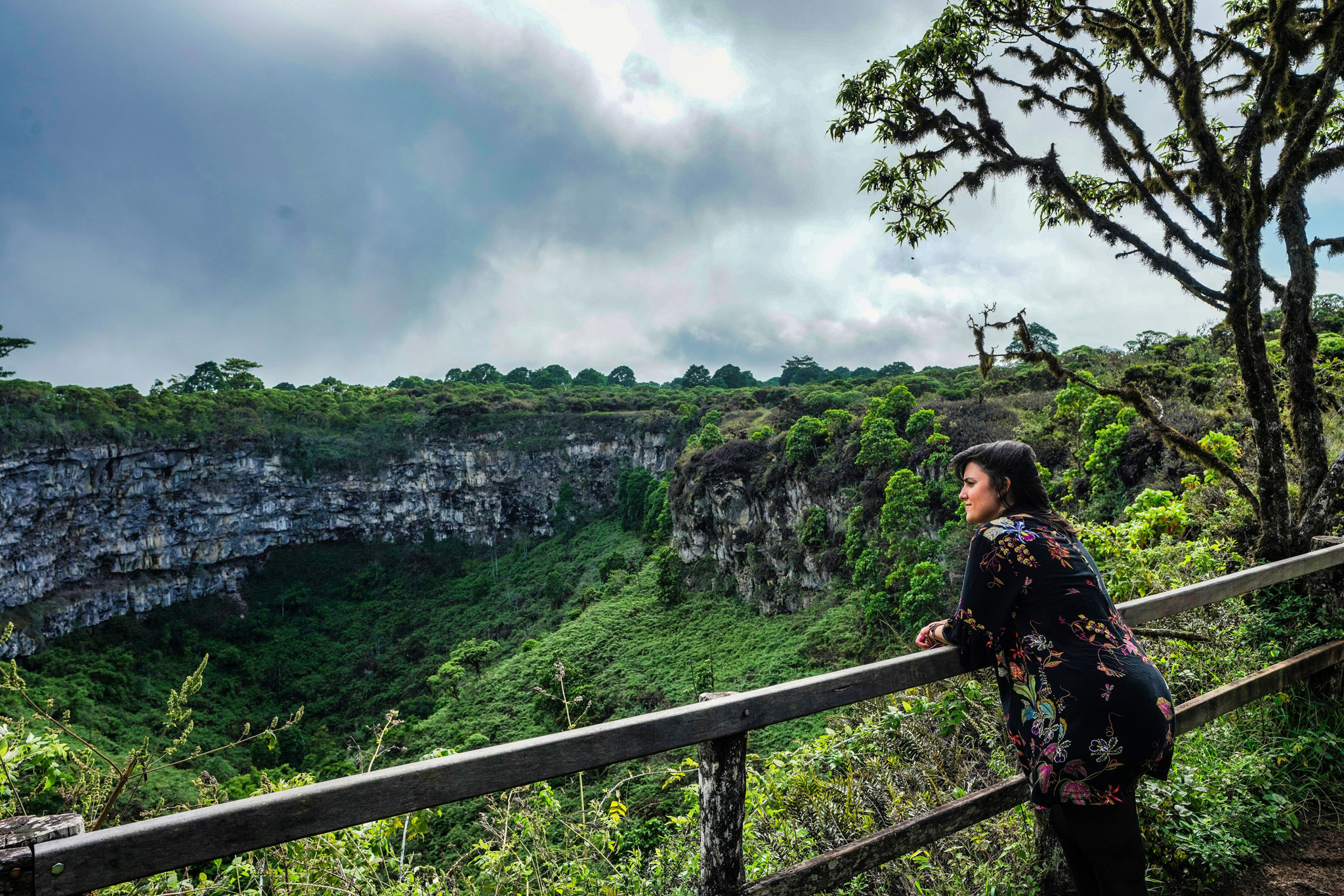
The landscape is as varied as the wildlife. Stark volcanic craters and lava fields give way to white-sand beaches, turquoise lagoons dotted with flamingos, misty green highlands, and underwater worlds teeming with turtles, rays, sharks, and penguins. Roughly 97 percent of the land area is protected national park, and a visit here is carefully managed – most sites can only be reached on cruises or with certified naturalist guides, part of the reason the islands remain so extraordinarily intact.
A trip to the Galápagos is unlike any other wildlife destination. It rewards travellers who come curious, slow down, and let the islands reveal themselves – whether snorkelling alongside a sea turtle, hiking to the rim of an active volcano, or simply sitting still while a curious sea lion pup investigates your camera.
🗺️ Regions to Explore
Santa Cruz Island
The busiest and most central island, Santa Cruz is the main tourist hub and the base for many island-hopping trips.
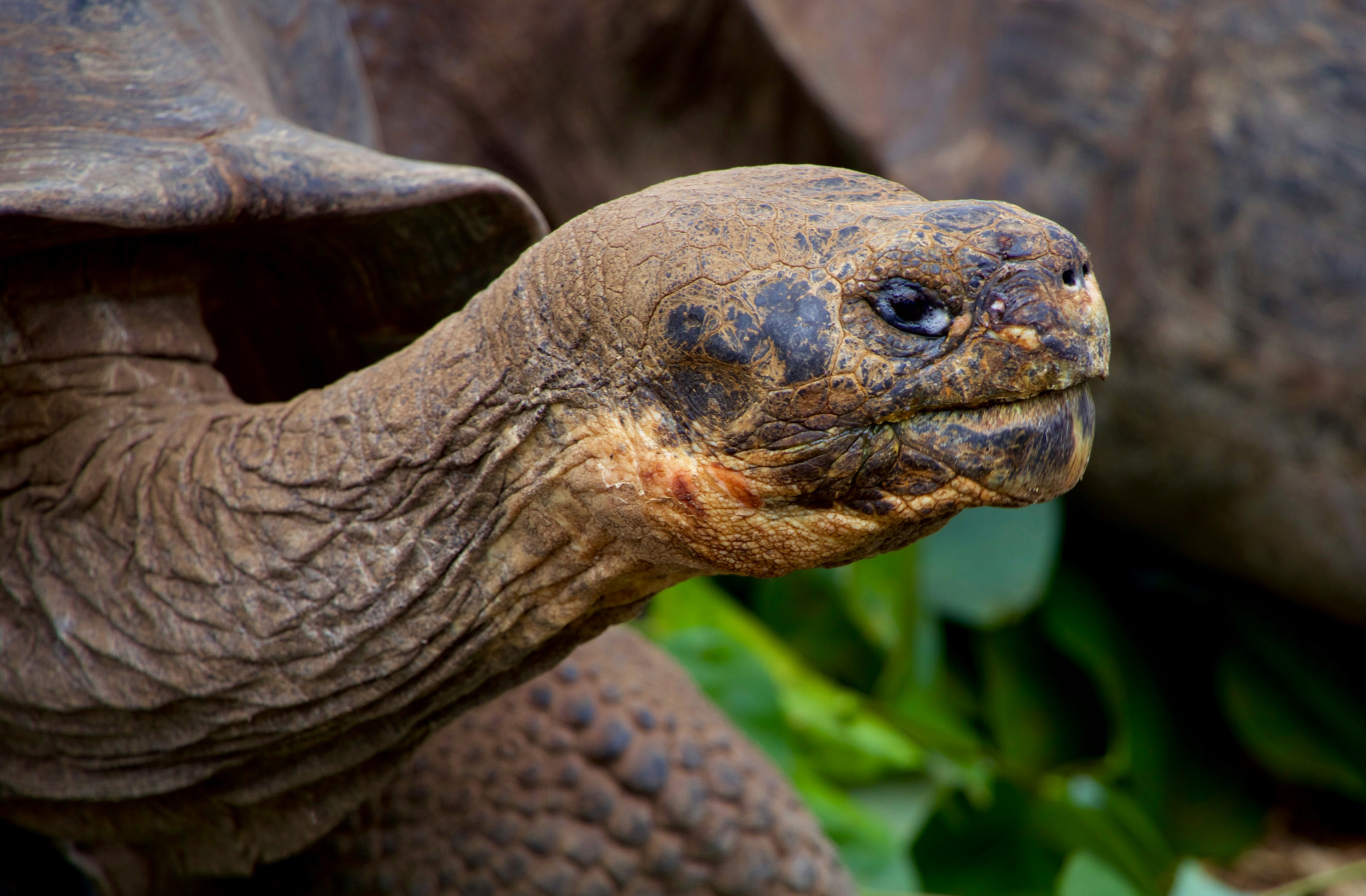
- Charles Darwin Research Station and giant tortoise breeding centre
- Tortuga Bay, a long white-sand beach reached on foot
- Twin sinkhole craters of Los Gemelos in the misty highlands
- Lava tunnels formed by ancient volcanic flows
- Las Bachas beach and its flamingo lagoons
- Puerto Ayora town for restaurants, dive shops, and the fish market
San Cristóbal Island
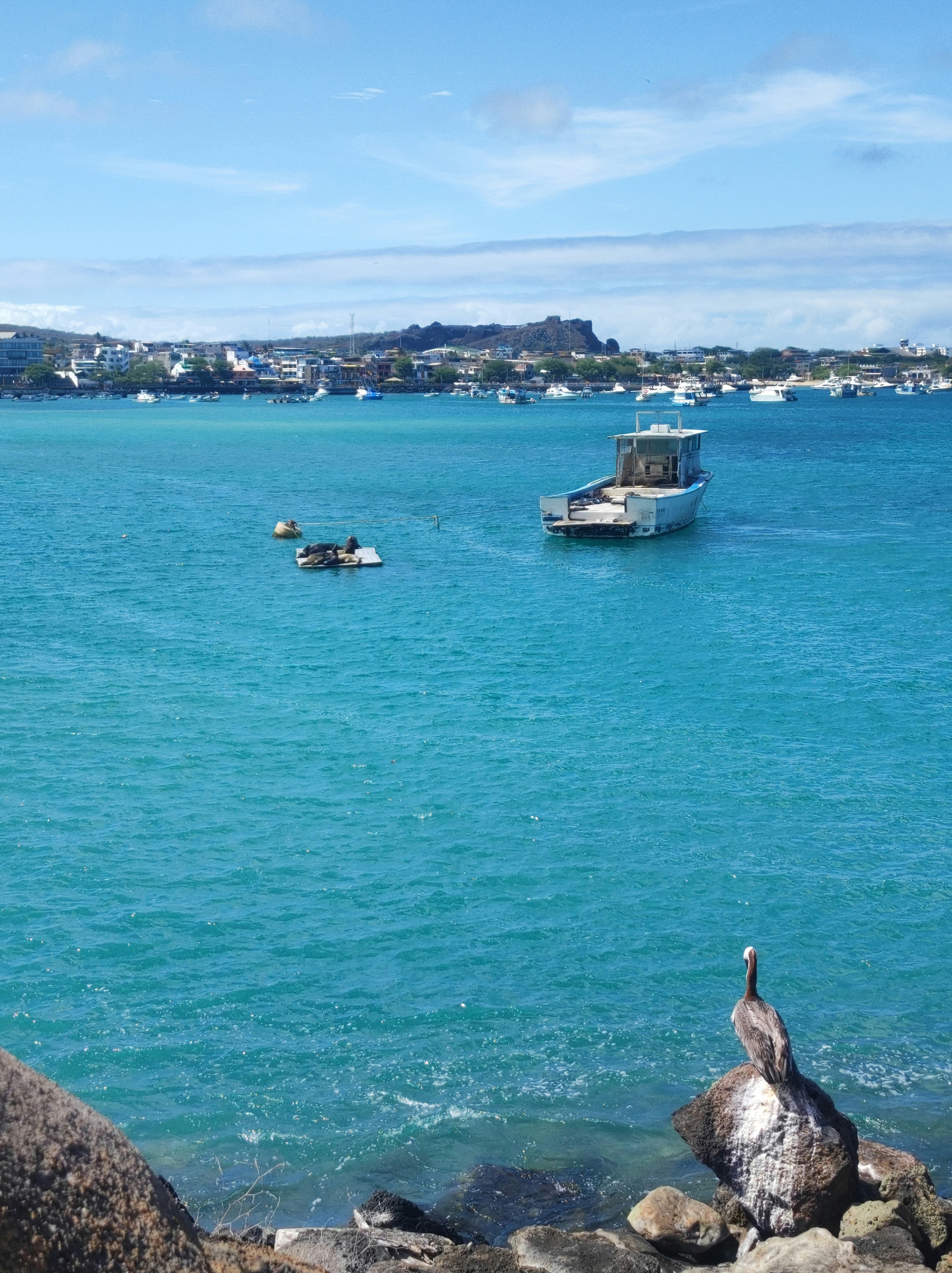
The provincial capital and a common arrival point, San Cristóbal is known for its sea lion colonies and easy wildlife access straight from town.
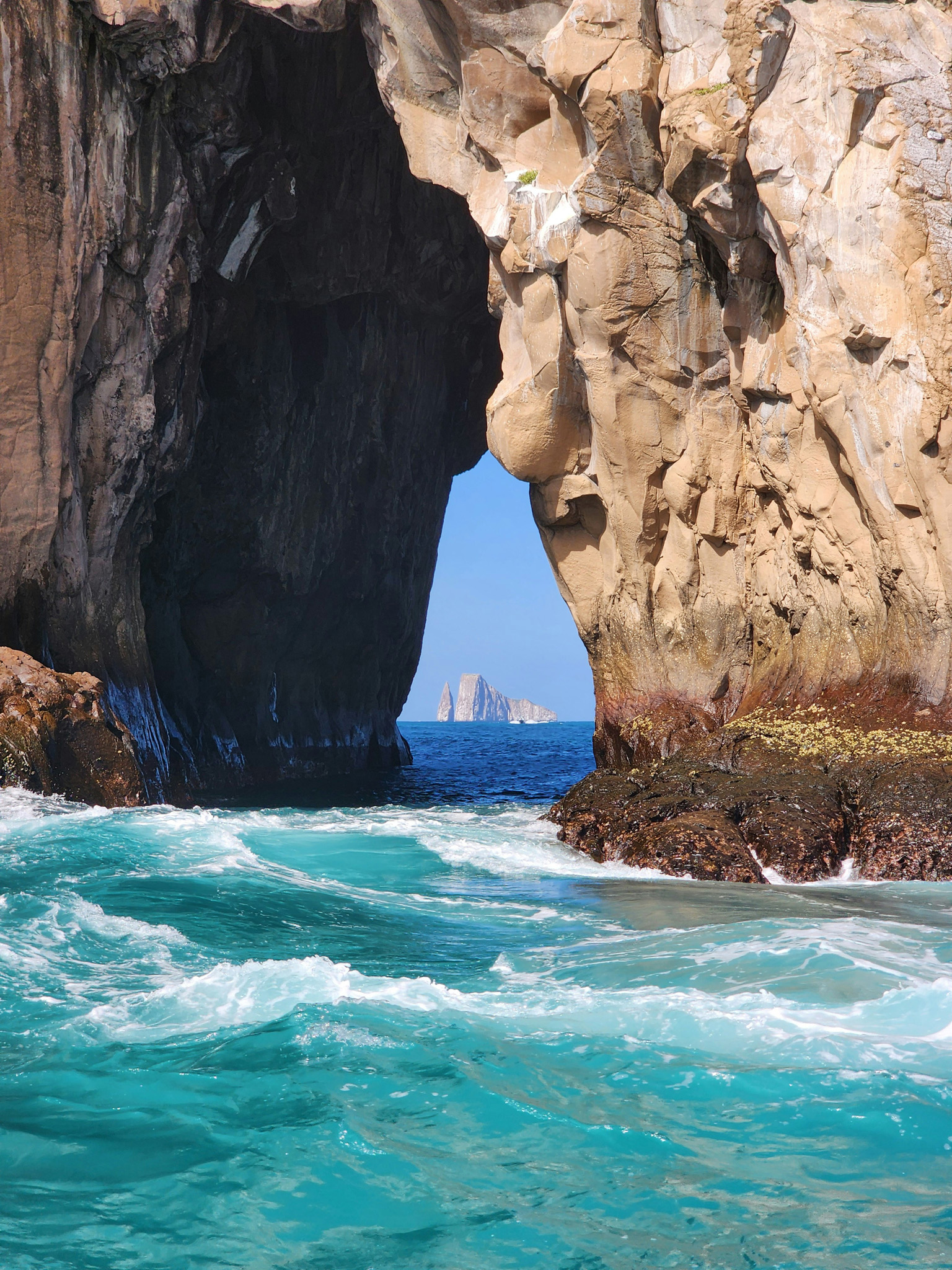
- Kicker Rock (León Dormido), an iconic snorkelling and diving site
- Interpretation Centre tracing the islands’ natural and human history
- Cerro Tijeretas and its frigatebird colony with panoramic views
- La Lobería beach, home to a resident sea lion colony
- Punta Pitt, where all three local booby species can be seen
- Playa Mann for sunset and beachside sea lion encounters
Isabela Island
The largest island in the archipelago and the least developed of the inhabited ones, Isabela offers a laid-back pace and dramatic volcanic scenery.
- Sierra Negra Volcano hike to one of the world’s largest calderas
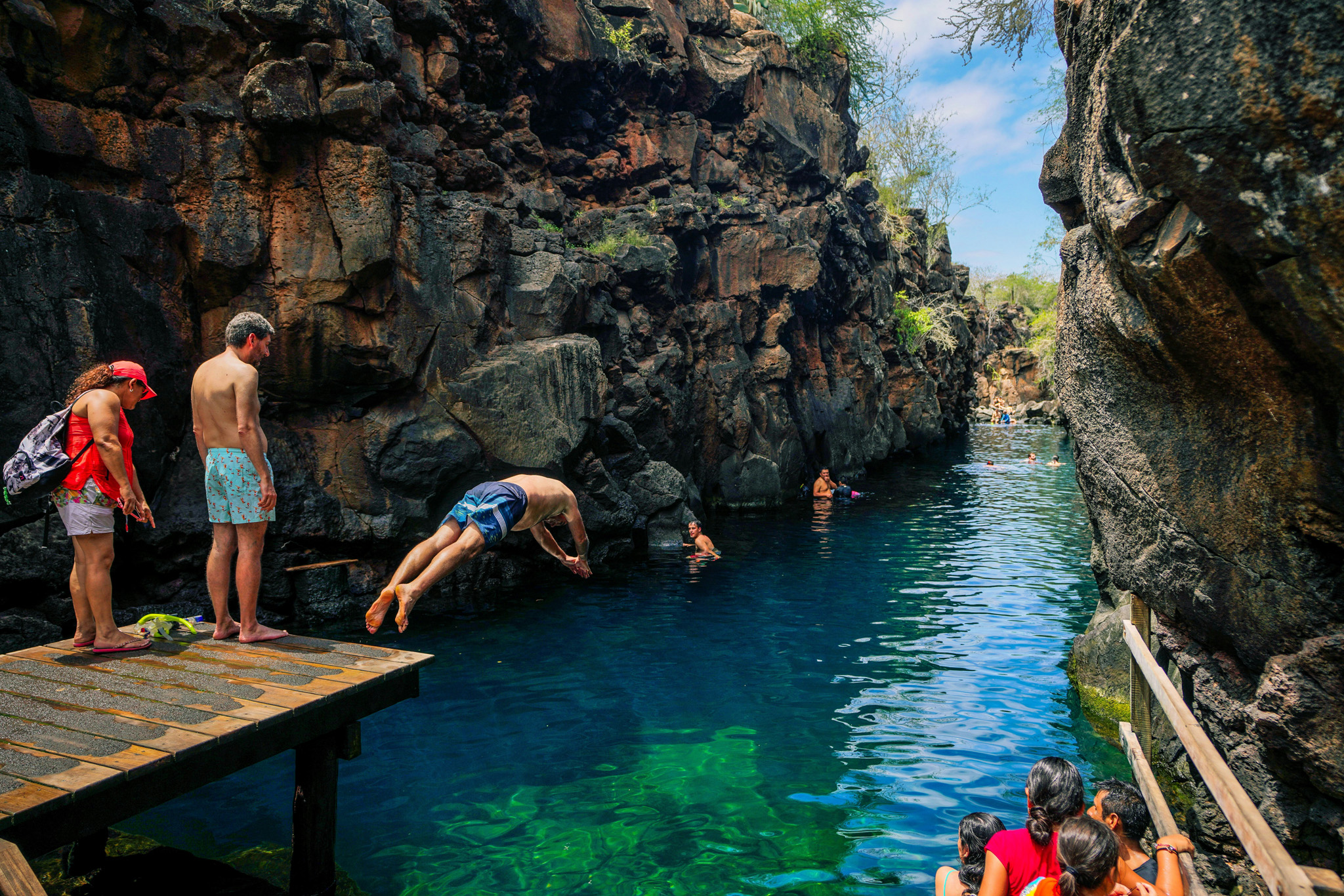
- Los Túneles (Cabo Rosa) lava arches for snorkelling with turtles and rays
- Las Tintoreras islet, where white-tip reef sharks rest in channels
- Concha Perla, a calm natural lagoon for swimming and snorkelling
- The Wall of Tears (Muro de las Lágrimas), a sombre historic landmark
- Giant tortoise breeding centre set among mangroves
Floreana Island
The smallest inhabited island, Floreana has a tiny population and a colourful history of early settlers, pirates, and unsolved mysteries.
- Post Office Bay, with its centuries-old barrel mail tradition
- Snorkelling at Devil’s Crown, a submerged volcanic cone
- Flamingo lagoon and the green-sand of nearby beaches
- Highland viewpoints and the island’s pirate caves
- Quiet beaches with sea turtle nesting sites
The Uninhabited Outer Islands
Reached mainly by cruise, these wilder islands offer some of the most pristine wildlife encounters in the archipelago.
- Española, with waved albatross colonies and blowholes
- Bartolomé and its photogenic Pinnacle Rock
- Genovesa, the “bird island”, famed for seabird colonies
- Fernandina, the youngest and most volcanically active island
- North Seymour, dense with frigatebirds and blue-footed boobies
🎒 Things To Do
The Galápagos is best experienced through a mix of wildlife encounters on land and in the water, with most activities led by certified naturalist guides.
- Snorkel with sea turtles, rays, reef sharks, and playful sea lions
- Watch blue-footed boobies perform their courtship dance
- Hike to the caldera rim of Sierra Negra Volcano on Isabela
- Visit the Charles Darwin Research Station to learn about tortoise conservation
- Spot giant tortoises roaming wild in the Santa Cruz highlands
- Dive at world-class sites such as Kicker Rock and Gordon Rocks
- Kayak calm bays and mangrove channels in search of marine life
- See marine iguanas, the only sea-going lizards on earth, basking on lava
- Take a multi-day cruise to reach remote uninhabited islands
- Relax on white-sand beaches like Tortuga Bay between excursions
🍽️ Food & Drink
Galápagos cuisine reflects its Ecuadorian roots, with a strong emphasis on fresh seafood landed daily by local fishermen. Meals are simple, hearty, and built around whatever the ocean and highland farms provide.
- Ceviche, fresh seafood cured in lime juice with onion and coriander
- Encebollado, a fish stew considered Ecuador’s classic comfort dish
- Grilled lobster and fish, especially abundant during local seasons
- Bolón de verde, fried plantain dumplings often served at breakfast
- Patacones, twice-fried green plantain rounds eaten as a side
- Fresh tropical juices and Ecuadorian coffee grown on the mainland
🌦️ Weather
The Galápagos sits on the equator, so it stays warm year-round, but two distinct seasons shape conditions both above and below the water.
- Warm, wet season runs December – May, with temperatures of 25-31°C
- Cool, dry season runs June – November, with temperatures of 19-27°C
- The cool season brings the garúa, a fine mist, and choppier seas
- Ocean temperatures range from around 20°C in the cool months to 25°C in the warm months
- Rain in the warm season tends to be short, heavy, and tropical
- Conditions vary slightly between islands and between coast and highlands
📅 Best Time To Visit
December – May (Warm Season)
- Calmer seas and warmer water, ideal for snorkelling and swimming
- Lush green landscapes and clear skies between short rain showers
- Peak periods around Christmas, New Year, and Easter draw larger crowds
June – August (Cool Dry Season)
- Cooler air and water, with the garúa mist common in the highlands
- Excellent for seabird activity, including nesting waved albatross on Española
- Busy with northern hemisphere summer travellers, so book well ahead
September – November (Off-Peak Season)
- The quietest months with fewer visitors and better availability
- Cooler, nutrient-rich waters bring abundant marine life and active wildlife
- Seas can be choppier, so consider this if prone to seasickness on cruises
🎒 Packing List
- Lightweight, quick-dry clothing for warm and humid conditions
- A light jacket or fleece for cool-season mornings and boat rides
- Swimwear and a rash guard for frequent snorkelling and swimming
- Sturdy walking shoes plus sandals or water shoes for wet landings
- Wide-brimmed hat and polarised sunglasses for strong equatorial sun
- Reef-safe, high-SPF sunscreen to protect both skin and marine life
- Insect repellent for the highlands and mangrove areas
- Reusable water bottle and electrolyte sachets to stay hydrated
- A dry bag to protect electronics during boat transfers and landings
- Binoculars and a camera for wildlife viewing
- Universal power adapter for charging devices
- A small medical kit, including seasickness tablets for boat travel
🛂 Visas & Entry Requirements
Entry to the Galápagos is via mainland Ecuador, so travellers must meet Ecuador’s entry rules as well as the specific requirements for the islands.
- Most North American, European, Australian, and many other nationalities receive a 90-day tourist stamp on arrival, with no advance visa needed
- A passport valid for at least six months beyond your arrival date is required, ideally with a blank page for stamps
- Proof of onward or return travel and sufficient funds may be requested on arrival
- All Galápagos visitors must obtain a Transit Control Card (TCT/INGALA card), costing around US$20, purchased at the mainland departure airport
- Ecuador requires travellers to hold valid medical or travel insurance for entry to the country and the islands – see the Travel Insurance section under Practical Info
- The Galápagos National Park entrance fee applies on arrival in the islands – see the Money section for current rates
- Official information: https://cancilleria.gob.ec
💰 Money
- The official currency is the United States Dollar (USD), the same as mainland Ecuador
- The Galápagos National Park entrance fee is US$200 per foreign adult and US$100 per child under 12, paid in cash on arrival in the islands
- The park fee and TCT card must be paid in cash, so carry crisp, undamaged USD bills in small denominations
- ATMs exist in Puerto Ayora and Puerto Baquerizo Moreno but are limited and can run out of cash, so withdraw before flying over
- Cards are accepted at larger hotels, tour operators, and restaurants, often with a surcharge
- Tipping is customary – guides, crew, and drivers are commonly tipped, and cruise operators usually provide guidance on suggested amounts
💸 Hotel & Tourist Taxes
Beyond the national park fee, the Galápagos does not levy a separate nightly hotel or city tourist tax, but a few fixed charges apply to every visitor.
- The Galápagos National Park entrance fee of US$200 per foreign adult (US$100 per child under 12) is a one-off charge collected on arrival in the islands
- The Transit Control Card (TCT/INGALA card) costs around US$20 per person, purchased before flying to the islands
- Ecuadorian nationals and residents, and citizens of Andean Community and Mercosur nations, pay reduced park fee rates
- Mainland Ecuador hotels generally add national taxes and service charges to room rates, typically shown at booking
- Fees are reviewed periodically, so confirm current rates before travel
🌈 LGBTQIA+ Travellers
Ecuador is among the more progressive countries in the region for LGBTQIA+ rights, and the Galápagos is generally a relaxed, tourism-focused destination.
- Same-sex sexual activity is legal, and same-sex marriage has been recognised in Ecuador since 2019
- Constitutional protections against discrimination based on sexual orientation are in place
- Attitudes are generally more open in tourist areas and larger towns than in rural mainland communities
- Public displays of affection are best judged by local context, as elsewhere in Latin America
- The islands’ small-town atmosphere is friendly and welcoming, with travellers reporting few issues
⚠️ Traveller Safety
The Galápagos Islands are considered one of the safest destinations in Ecuador, with low crime and a strong focus on tourism.
- Petty crime is uncommon, though basic precautions with valuables on beaches and boats are sensible
- Wildlife is protected by strict rules – keep at least two metres from animals and never touch or feed them
- Always follow your certified naturalist guide, especially on hikes, snorkelling sites, and volcanic terrain
- Seas between islands can be rough, so take seasickness precautions on speedboat transfers
- Towns are quiet and walkable at night, though normal common sense still applies
- Emergency number is 911
💉 Vaccinations & Health
No vaccinations are mandatory for entry to Ecuador or the Galápagos for most travellers, but some are recommended depending on your wider itinerary.
- Routine vaccinations should be up to date, including measles, tetanus, and diphtheria
- Hepatitis A and typhoid are commonly recommended for travel in Ecuador
- Yellow fever vaccination is not required for the Galápagos but may be advised if also visiting the Amazon region
- Malaria is not a risk in the Galápagos, though precautions may apply in some mainland areas
- Healthcare on the islands is basic, so serious cases require evacuation to the mainland – comprehensive insurance is essential
- Official information: https://www.salud.gob.ec
🚗 Getting Around
- Travel between islands is mainly by inter-island flights or public speedboat ferries, which run daily but can be rough
- Cruises are a popular way to explore, allowing access to remote uninhabited islands with onboard naturalist guides
- Land-based island hopping lets travellers stay in towns and join day tours, offering a more flexible, budget-friendly option
- Within towns, walking is easy, and taxis (often white pickup trucks) are inexpensive for short trips
- Bicycles can be hired on Isabela and Santa Cruz for exploring local sights at a relaxed pace
- Most national park visitor sites can only be reached on guided tours, not independently
✈️ Airports
Seymour Airport, Baltra (GPS)
- The main gateway to the Galápagos, serving Santa Cruz Island via a short ferry and bus connection from Baltra Island.
San Cristóbal Airport (SCY)
- The second international-standard airport, located beside Puerto Baquerizo Moreno and convenient for San Cristóbal Island.
Isabela Airport (IBB)
- A small airstrip handling inter-island flights only, providing quick access to Isabela Island.

🗣️ Language
The official language of Ecuador and the Galápagos is Spanish, spoken by nearly all residents. Indigenous languages such as Kichwa are spoken on the mainland but are uncommon in the islands. English is widely understood by guides, dive operators, and staff in hotels and restaurants catering to tourists, though learning a few Spanish phrases is appreciated and useful in smaller establishments.
Common Phrases
- Hello – Hola (OH-lah)
- Goodbye – Adiós (ah-dee-OHS)
- Please – Por favor (por fah-VOR)
- Thank you – Gracias (GRAH-see-ahs)
- Yes – Sí (SEE)
- No – No (NOH)
- Excuse me – Disculpe (dees-KOOL-peh)
- Sorry – Lo siento (loh see-EN-toh)
- Do you speak English? – ¿Habla inglés? (AH-blah een-GLES)
- How much is it? – ¿Cuánto cuesta? (KWAN-toh KWES-tah)
- Where is…? – ¿Dónde está…? (DON-deh es-TAH)
- Help – Ayuda (ah-YOO-dah)
- Cheers – Salud (sah-LOOD)
- Good morning – Buenos días (BWEH-nos DEE-ahs)
- You’re welcome – De nada (deh NAH-dah)
ℹ️ Practical Info
Electricity
- Plug types A and B are used, with a standard voltage of 120V, the same as mainland Ecuador and North America.
Internet & WiFi
- WiFi is available in most hotels and many restaurants in the main towns, though speeds are slow and connections unreliable. Mobile data coverage is limited and patchy once away from town centres.
Water
- Tap water is not safe to drink. Stick to bottled or filtered water, and refill a reusable bottle where filtered water is offered to reduce plastic use.
Travel Insurance
- Comprehensive personal travel insurance is essential and is also a requirement for entry to Ecuador. Make sure your policy covers medical evacuation, water-based activities such as snorkelling and diving, and boat travel, as island healthcare is basic and serious cases require evacuation to the mainland.
Connectivity SIM / eSIM
- Local SIM cards from Ecuadorian providers can be bought on the mainland, though coverage in the islands is limited.
- Using an eSIM is our recommended choice while travelling anywhere in the world, and our recommended provider is Holafly. For more information on eSIMs, check out this blog.
❤️ Why Visit the Galápagos Islands
The Galápagos is a destination that lives up to its reputation. Nowhere else on earth can you walk among wildlife so utterly unafraid – sea lions dozing on benches, iguanas crossing footpaths, boobies nesting beside the trail. It is a place that rearranges how you think about the natural world, and about your small, welcome place within it.
What makes the islands unforgettable is the sense of being a guest somewhere genuinely wild and carefully protected. Each island has its own character, its own endemic species, and its own volcanic story, and the careful limits on access mean every encounter feels earned rather than staged.
For travellers willing to slow down and look closely, the Galápagos offers something rare – a glimpse of nature on its own terms, vivid and unspoiled. It is a once-in-a-lifetime journey that tends to become a lifelong memory, and a reminder of just how extraordinary the living world can be.