India – Destination Guide
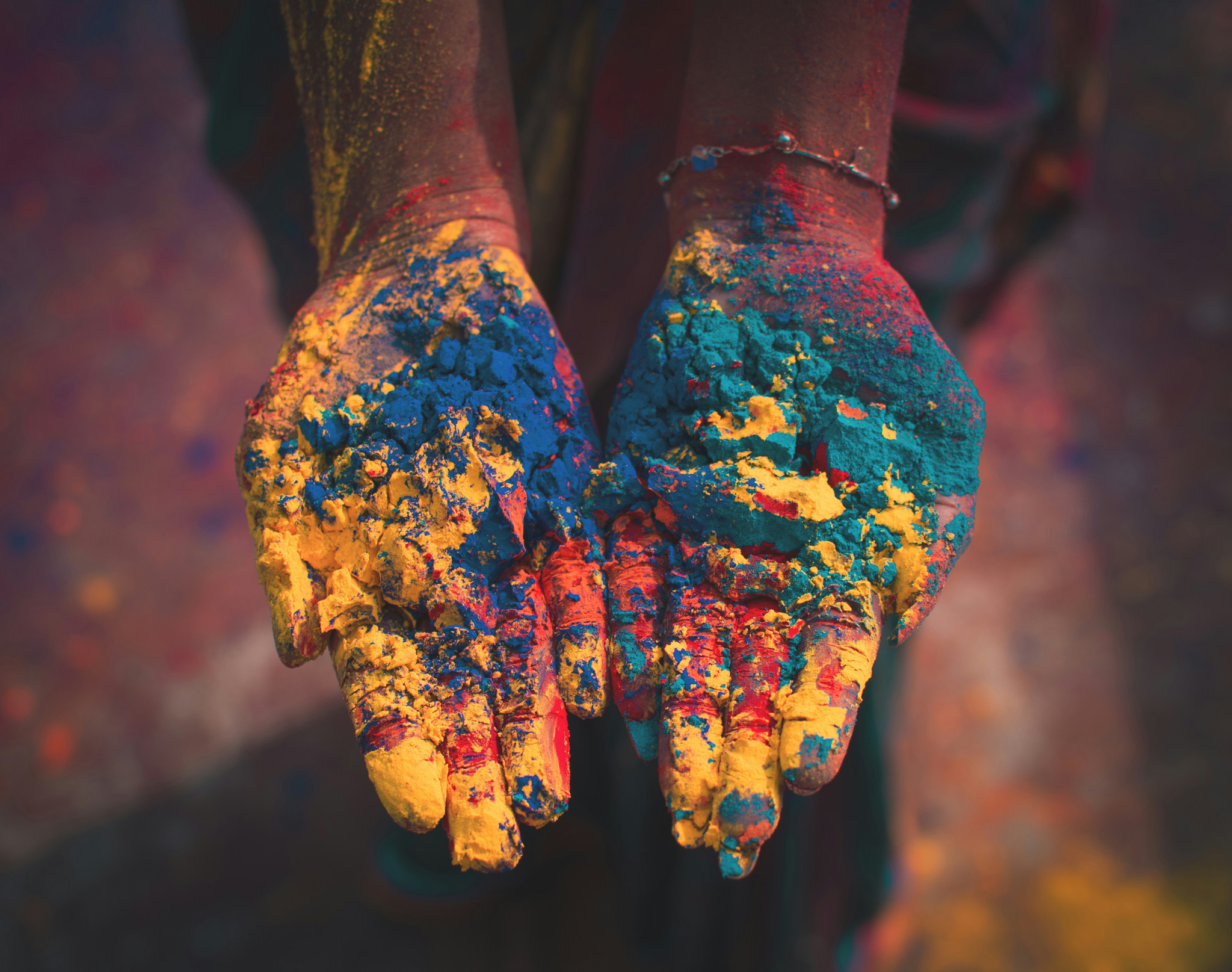
India is a country of staggering scale and sensory intensity, a subcontinent that stretches from the snow-dusted ridgelines of the Himalaya to the palm-fringed backwaters of the deep south. Few places on earth pack so much variety into a single set of borders: walled desert cities the colour of sandstone, tea estates that roll green across the hills, sacred rivers thick with ritual, and beaches where the only sound is the surf. Every state feels like its own world, with its own language, cuisine, festivals, and rhythm of life.
Travel here rewards curiosity and patience in equal measure. India can be chaotic and overwhelming – traffic that defies logic, markets that swallow you whole, trains that run on their own sense of time – but it is also endlessly warm, generous, and alive. A single day might move from a dawn boat ride past burning ghats to a thali lunch eaten with your hands, an afternoon wandering a Mughal fort, and an evening lost in the colour of a wedding procession.
This is a destination for travellers who want depth, contrast, and a genuine sense of discovery. India does not simply show you its sights – it draws you into its daily life, and most people leave already planning how to return.

🗺️ Regions to Explore
The Golden Triangle and Rajasthan
The classic introduction to India, linking the country’s most iconic monuments with the desert kingdoms of the northwest.
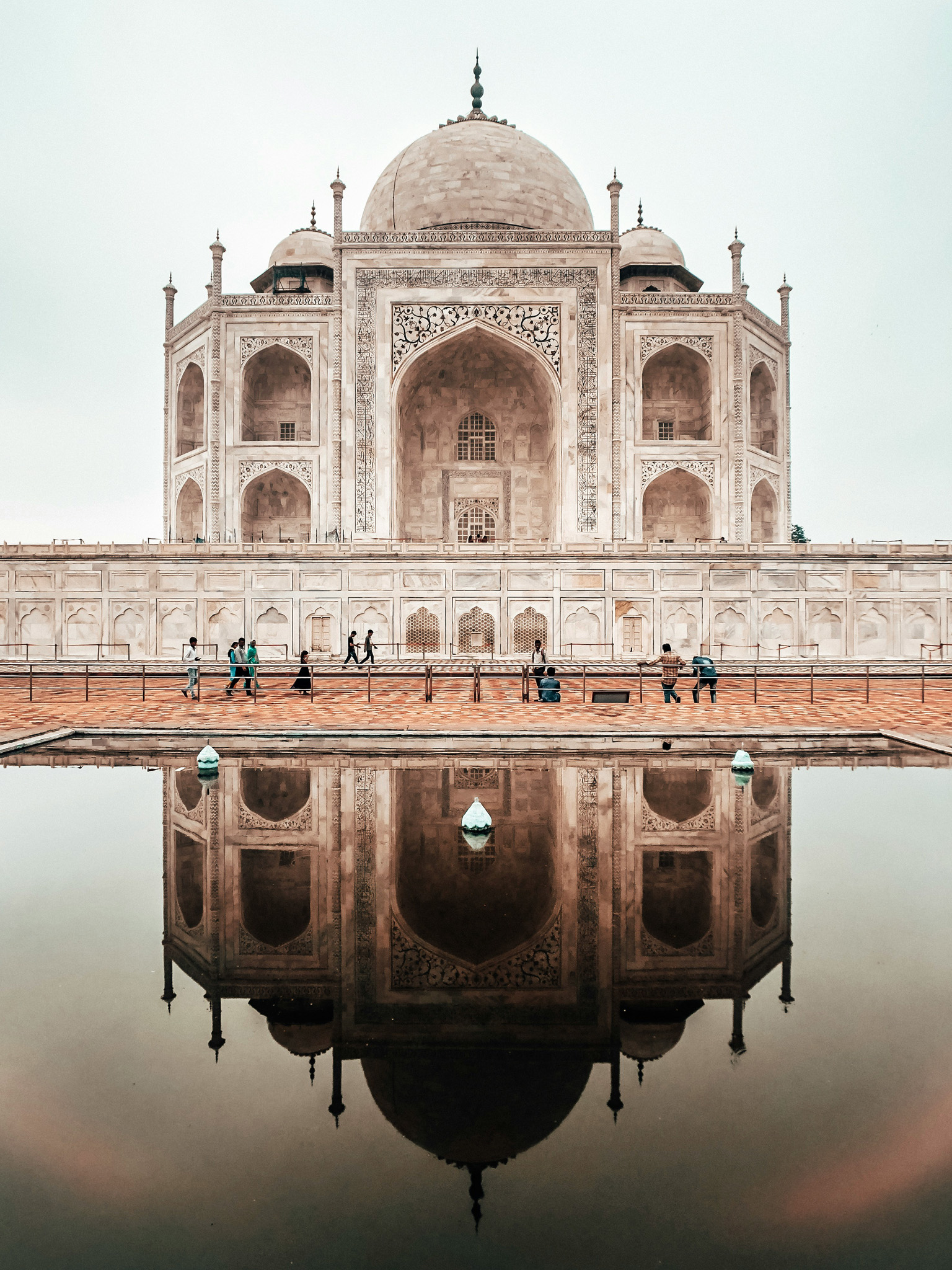
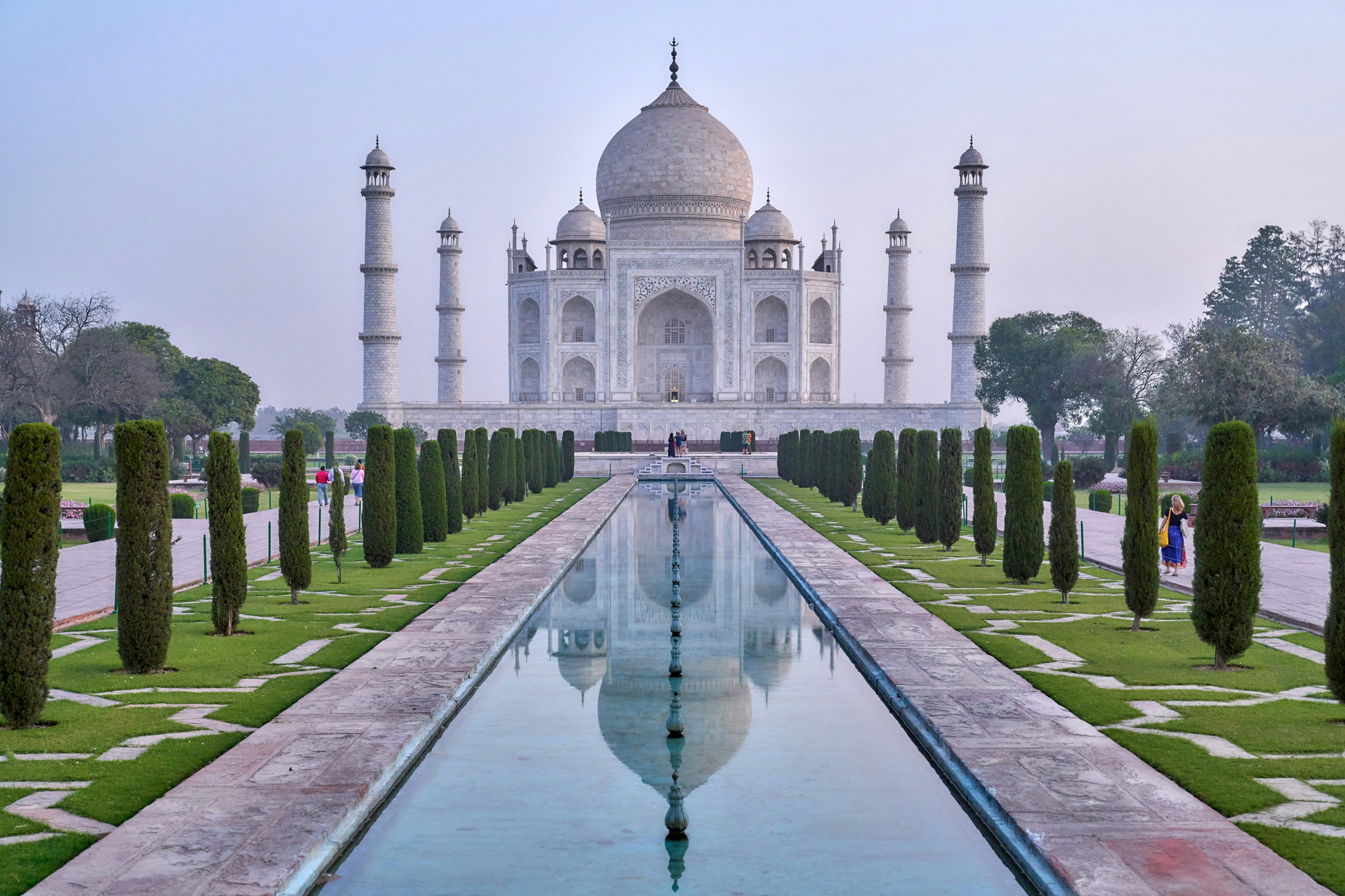
- Watch the sun rise over the Taj Mahal in Agra
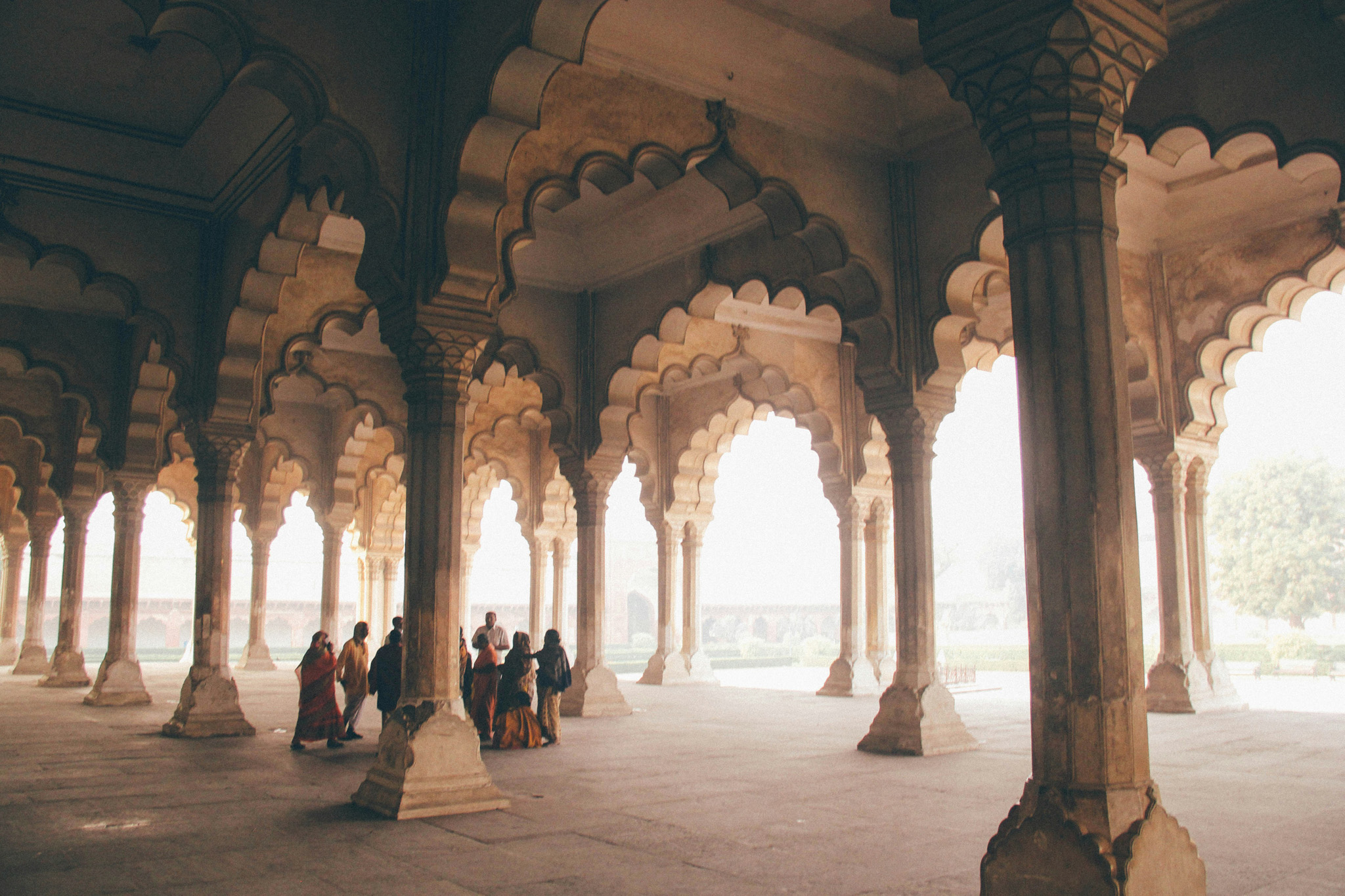
- Explore the forts and bazaars of Delhi, both old and new
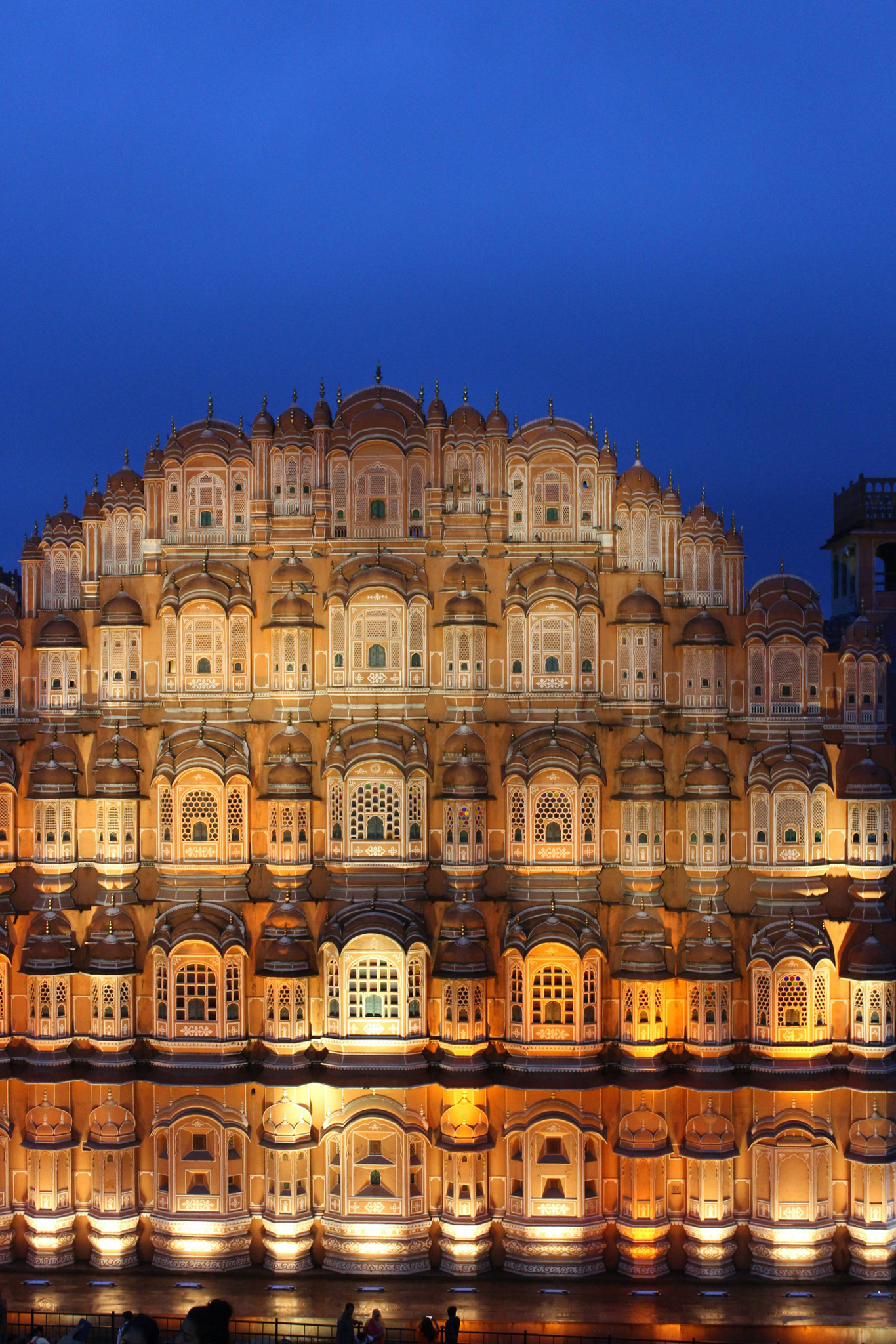
- Wander the pink-hued streets and palaces of Jaipur
- Stay in heritage havelis converted into hotels
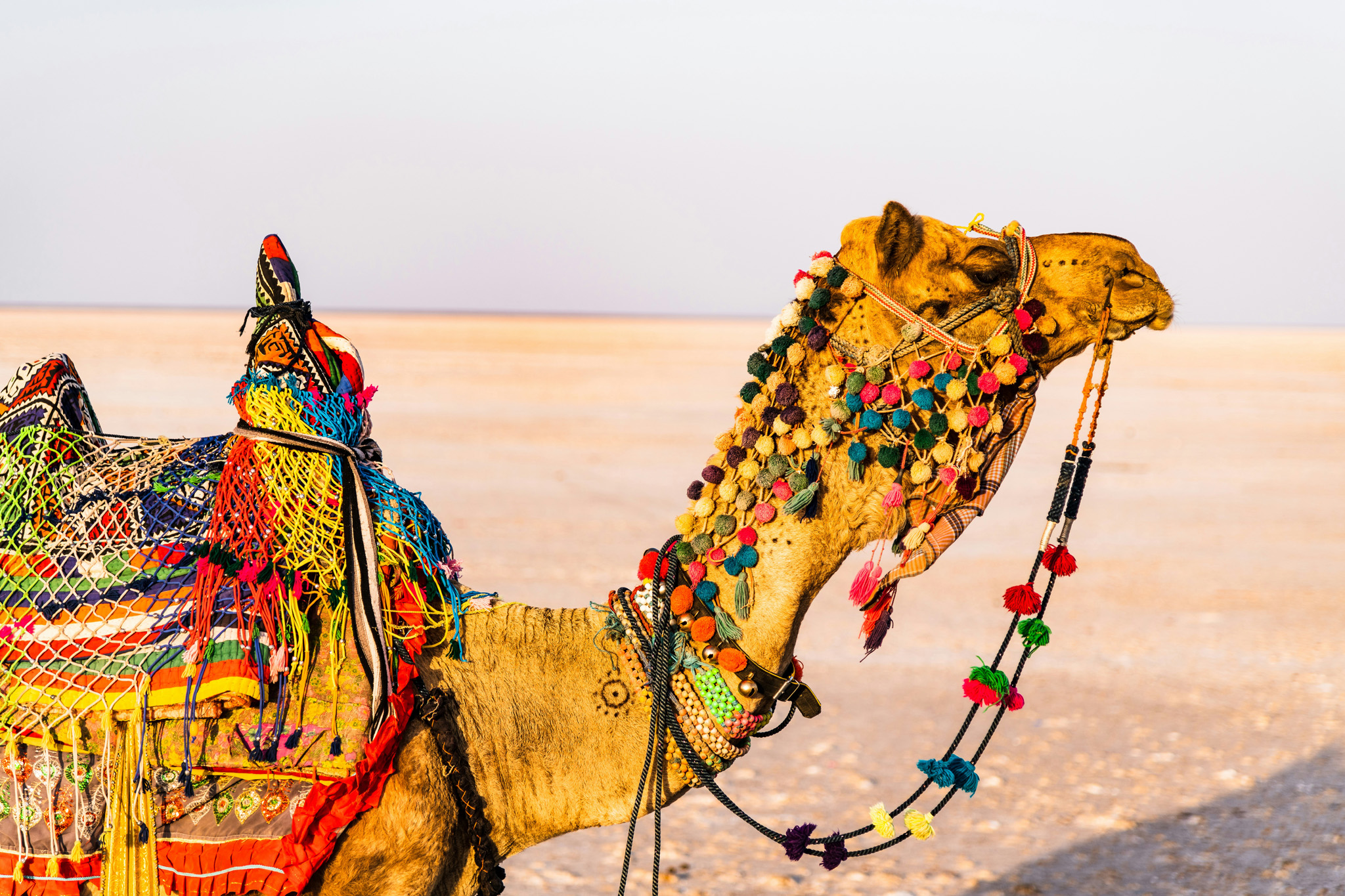
- Take a camel ride into the dunes near Jaisalmer
- Drift past lakeside palaces in romantic Udaipur
The Himalaya and the North
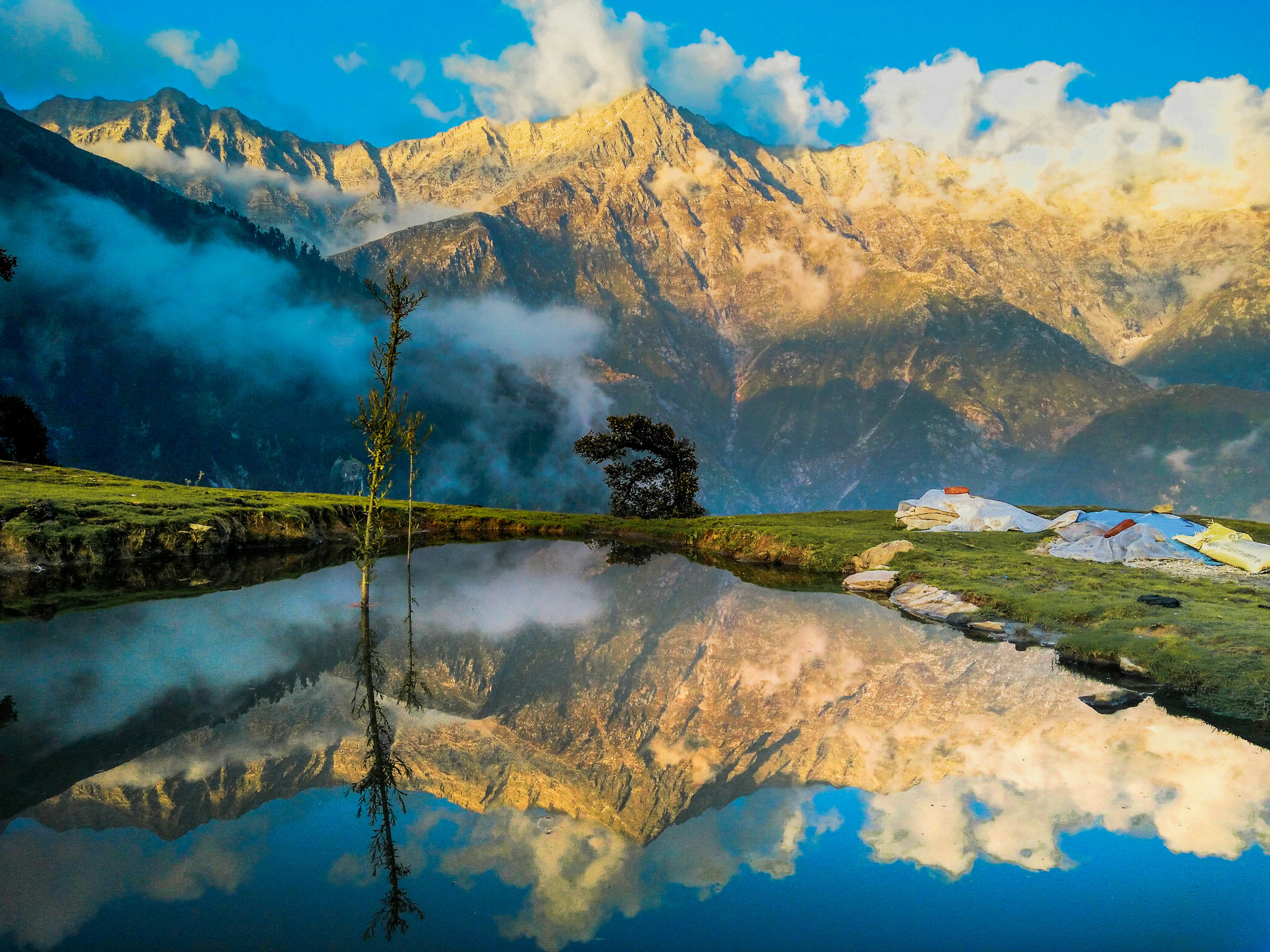
Mountain landscapes, Buddhist culture, and hill stations that offer cool relief from the plains.
- Trek and raft around Rishikesh, the yoga capital on the Ganges
- Visit the monasteries and high passes of Ladakh
- Ride the toy train up to colonial-era Shimla
- Explore the Tibetan culture of Dharamshala and McLeod Ganj
- Take in valley views from the apple orchards of Himachal
Kerala and the South
A gentler, greener India of backwaters, spice gardens, and coastal calm.
- Cruise the palm-lined backwaters on a houseboat
- Stroll the colonial streets and fishing nets of Fort Kochi
- Walk among the tea plantations of Munnar
- Spot wildlife in Periyar’s forest reserves
- Relax on the quieter beaches around Varkala
Goa and the West Coast
Beaches, Portuguese heritage, and a relaxed pace that draws travellers back year after year.
- Choose between lively northern beaches and serene southern sands
- Explore the whitewashed churches of Old Goa
- Browse the night markets and beach shacks
- Try water sports and dolphin-spotting trips
- Wander the spice farms in Goa’s green interior

Varanasi and the Sacred Ganges
The spiritual heart of Hindu India, intense and unforgettable.
- Take a dawn boat ride along the ghats
- Witness the evening Ganga Aarti ceremony
- Lose yourself in the labyrinth of the old town
- Visit nearby Sarnath, where the Buddha first taught
- Watch daily life and ritual unfold along the riverbank
The Northeast and Wildlife Country
Tiger reserves, tribal cultures, and some of India’s most remote and rewarding corners.
- Search for tigers in Ranthambore or Bandhavgarh
- See one-horned rhinos in Kaziranga National Park
- Explore the living root bridges of Meghalaya
- Experience the distinct cultures of the northeastern states
- Visit Assam’s tea gardens and river islands
🎒 Things To Do
- Watch the sunrise over the Taj Mahal, India’s most famous landmark
- Take a dawn boat ride along the sacred ghats of Varanasi
- Ride India’s vast railway network, from toy trains to overnight sleepers
- Cruise the backwaters of Kerala on a traditional houseboat
- Go on a tiger safari in one of the central or northern reserves
- Explore Rajasthan’s forts, palaces, and walled desert cities
- Trek in the foothills of the Himalaya or visit a hill station
- Join a yoga or meditation retreat in Rishikesh
- Wander the colourful markets and bazaars of any major city
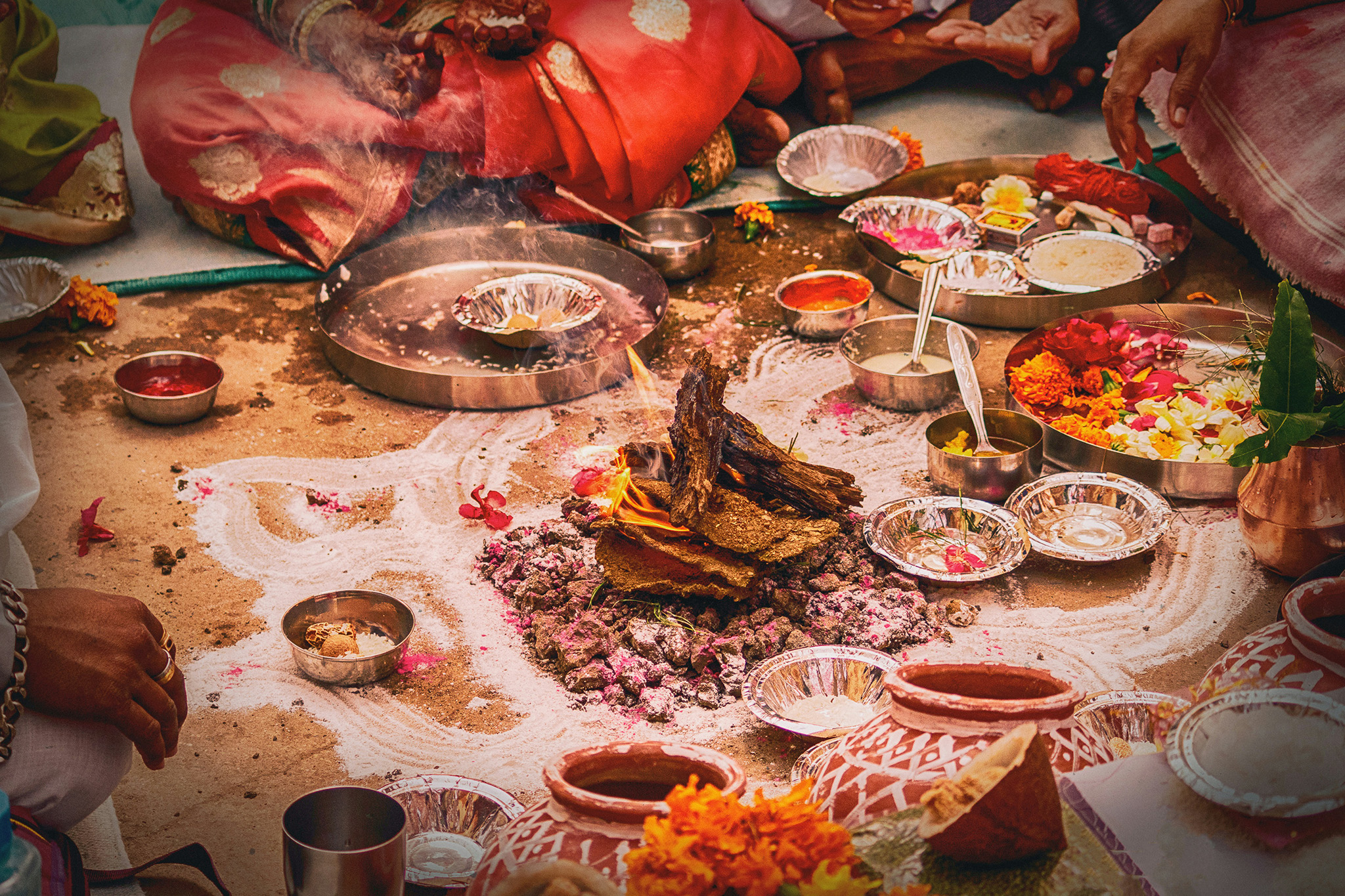
- Time your trip to coincide with a festival such as Holi or Diwali
🍽️ Food & Drink
Indian cuisine is not one cuisine but dozens, shifting dramatically from state to state. The north leans on wheat, dairy, and rich gravies, while the south favours rice, coconut, and lighter, tangier flavours. Vegetarians are exceptionally well catered for, and eating is woven deeply into daily and social life.
- Thali, a platter of small dishes that offers a tasting tour of a region
- North Indian classics like butter chicken, dal makhani, and fresh naan
- South Indian staples such as dosa, idli, and sambar
- Street food favourites including samosa, pani puri, and chaat
- Masala chai, the spiced milk tea sold on every corner
- Regional sweets like gulab jamun, jalebi, and rasgulla
🌦️ Weather
India’s climate varies enormously by region and altitude, with three broad seasons across most of the country: a cool winter, a hot summer, and the monsoon.
- Winter (November to February) is mild and pleasant across most of the country
- Summer (March to June) brings intense heat to the plains, often above 40°C
- The monsoon (June to September) delivers heavy rain and high humidity
- The Himalayan regions stay cool year-round and can be snowbound in winter
- The south is tropical and warm throughout the year
- Coastal areas like Goa and Kerala are humid but temperate by the sea
📅 Best Time To Visit
October – March (Peak Season)
- The most comfortable weather across most of the country
- Ideal for the Golden Triangle, Rajasthan, and the south
- Expect larger crowds at major sights and higher accommodation prices
- Festival season, including Diwali and Holi, falls within this window
April – June (Hot Season)
- Very hot on the plains, but the best time to visit Himalayan regions
- Fewer tourists and lower prices in the lowlands
- Good for hill stations, trekking, and high-altitude travel
- Wildlife sightings improve as animals gather near water sources
July – September (Monsoon Season)
- Heavy rain across most of the country, with lush green landscapes
- Travel can be disrupted by flooding and transport delays
- Lower prices and a quieter, more local atmosphere
- Ladakh remains accessible and is at its most beautiful
🎒 Packing List
- Lightweight, breathable clothing in natural fabrics
- Modest clothing that covers shoulders and knees for temples and rural areas
- A scarf or shawl, useful for sun cover and entering religious sites
- Layers and a warm jacket for the Himalaya, hill stations, and winter nights
- A light rain jacket or poncho if travelling during the monsoon
- Comfortable walking shoes plus sandals that slip on and off easily
- Sun protection including sunscreen, sunglasses, and a hat
- Insect repellent, particularly for rural and forested areas
- A universal power adapter and a portable battery pack
- A basic medical kit with rehydration salts and any personal medication
- Electrolytes or oral rehydration sachets for hot-weather travel
- Hand sanitiser, wet wipes, and tissues for travel days
🛂 Visas & Entry Requirements
Most travellers visit India on an electronic Tourist Visa, applied for online before departure.
- The e-Tourist Visa is available to most nationalities and applied for through the official portal
- Options include 30-day, one-year, and five-year tourist visas
- Apply at least four days before travel, and ideally a couple of weeks ahead
- Your passport must be valid for at least six months from arrival, with two blank pages
- The e-Visa permits entry only through designated airports and seaports
- Print the approved Electronic Travel Authorization and carry it with your passport
- Official information: https://indianvisaonline.gov.in/evisa/
💰 Money
- The currency is the Indian Rupee (INR)
- Cash is widely used, especially for markets, small shops, and transport
- Cards are accepted in hotels, larger restaurants, and city stores
- ATMs are common in cities and towns but scarcer in remote areas
- Carry a mix of small notes, as change can be hard to come by
- Tipping is customary and appreciated, with around 10 percent standard in restaurants
💸 Hotel & Tourist Taxes
India applies a goods and services tax to accommodation, charged on top of the room rate rather than as a separate tourist levy.
- Hotel rooms attract GST, with rates rising on more expensive room tiers
- The tax is usually included in the displayed rate or added at check-out
- Many monuments and heritage sites charge a separate foreign-visitor entry fee
- Some states or cities apply small additional levies on accommodation
- There is no nationwide departure tax for travellers, as airport charges are built into ticket prices
🌈 LGBTQIA+ Travellers
India has decriminalised same-sex relationships, though social attitudes remain mixed and vary widely by region.
- Same-sex relationships were decriminalised by the Supreme Court in 2018
- Same-sex marriage is not currently legally recognised
- Major cities like Mumbai, Delhi, and Bengaluru have visible LGBTQIA+ communities and Pride events
- Attitudes are generally more conservative in rural areas and small towns
- Public displays of affection are uncommon for couples of any orientation, so discretion is advisable
⚠️ Traveller Safety
India is generally safe for travellers who stay aware and take sensible precautions, though scams and petty theft do occur.
- Petty theft and tourist-targeted scams are the most common issues, particularly in busy areas
- Solo female travellers should take extra care and dress modestly, especially after dark
- Use reputable guides, drivers, and operators, and pre-arrange transport where possible
- Be cautious with street food and water, and choose busy, well-reviewed eateries
- Avoid walking alone in unfamiliar areas at night
- Emergency number is 112
💉 Vaccinations & Health
No vaccinations are mandatory for most travellers, but several are strongly recommended for a trip to India.
- A yellow fever certificate is required only if arriving from a country with risk of transmission
- Recommended vaccinations often include hepatitis A, typhoid, and tetanus
- Ensure routine vaccinations such as MMR are up to date
- Malaria and dengue are present in parts of the country, so use insect precautions
- Consult a travel clinic six to eight weeks before departure for personalised advice
- Official information: https://www.mohfw.gov.in/
🚗 Getting Around
- India’s railway network is extensive, affordable, and a memorable way to travel
- Domestic flights connect major cities quickly and are well priced when booked early
- Hiring a car with a driver is popular and reasonably affordable for longer routes
- App-based taxis and auto-rickshaws are convenient for getting around cities
- Buses reach almost everywhere but can be slow on poorer roads
- Traffic is dense and driving conditions are challenging, so self-driving is rarely recommended
✈️ Airports
Indira Gandhi International Airport (DEL)
- Delhi’s airport is the country’s largest and a key gateway for the north and the Golden Triangle
Chhatrapati Shivaji Maharaj International Airport (BOM)
- Mumbai’s airport is the main hub for western India and a major international entry point
Kempegowda International Airport (BLR)
- Bengaluru’s airport serves the south and is a growing international gateway
Chennai International Airport (MAA)
- Chennai’s airport is the principal hub for southeastern India and routes to the wider region
🗣️ Language
India has no single national language. Hindi and English are the two official languages of the central government, but the country recognises 22 scheduled languages, and each state typically has its own. Major regional languages include Bengali, Tamil, Telugu, Marathi, and Punjabi, among many others. English is widely spoken in cities, the tourism industry, and business settings, so most travellers can get by comfortably, though learning a few words of Hindi is warmly received.
Common Phrases
- Hello – नमस्ते (na-mas-tay)
- Goodbye – अलविदा (al-vi-daa)
- Please – कृपया (krip-yaa)
- Thank you – धन्यवाद (dhan-ya-vaad)
- Yes – हाँ (haan)
- No – नहीं (na-heen)
- Excuse me – सुनिए (su-ni-ye)
- Sorry – माफ़ कीजिए (maaf kee-ji-ye)
- Do you speak English? – क्या आप अंग्रेज़ी बोलते हैं? (kyaa aap an-grey-zee bol-tay hain)
- How much? – कितने का है? (kit-nay kaa hai)
- Where is? – कहाँ है? (ka-haan hai)
- Help – मदद (ma-dad)
- Cheers – चियर्स (chee-yars)
- Water – पानी (paa-nee)
- Welcome / you are welcome – स्वागत है (swaa-gat hai)
ℹ️ Practical Info
Electricity
- Plug types C, D, and M are used, with a standard voltage of 230V
Internet & WiFi
- WiFi is widely available in hotels, cafes, and restaurants in cities and towns
- Mobile data is fast, cheap, and reliable across most populated areas
Water
- Tap water is not safe to drink anywhere in India
- Stick to sealed bottled water or use a filter or purification system, including for brushing teeth
Travel Insurance
- Comprehensive personal travel insurance is strongly recommended, with cover for medical care, evacuation, and any adventure activities such as trekking or rafting
Connectivity SIM / eSIM
- Local SIM cards are inexpensive and widely available, though they require ID and can take time to activate
- Using an eSIM is our recommended choice while travelling anywhere in the world, and our recommended provider is Holafly. For more information on eSIMs, check out this blog.

❤️ Why Visit India
India is not a destination you simply tick off a list. It is a place that gets under your skin, challenges your assumptions, and rewards you with experiences you could find nowhere else. Whether it is the hush of a Himalayan monastery, the roar of a city bazaar, or the stillness of a Kerala backwater at dusk, the country offers a depth and intensity of travel that few places can match.
What makes India unforgettable is its sheer variety and the warmth of its people. You can spend weeks here and barely scratch the surface, moving between deserts and mountains, ancient temples and modern cities, quiet beaches and chaotic streets, all within a single trip. Every region has its own food, language, and character, and every journey through them feels like several trips in one.
For travellers willing to embrace its energy and contradictions, India delivers some of the most rewarding travel on earth. It asks for openness and patience, and in return it gives colour, connection, and memories that last a lifetime. Come once, and you will already be planning your way back.