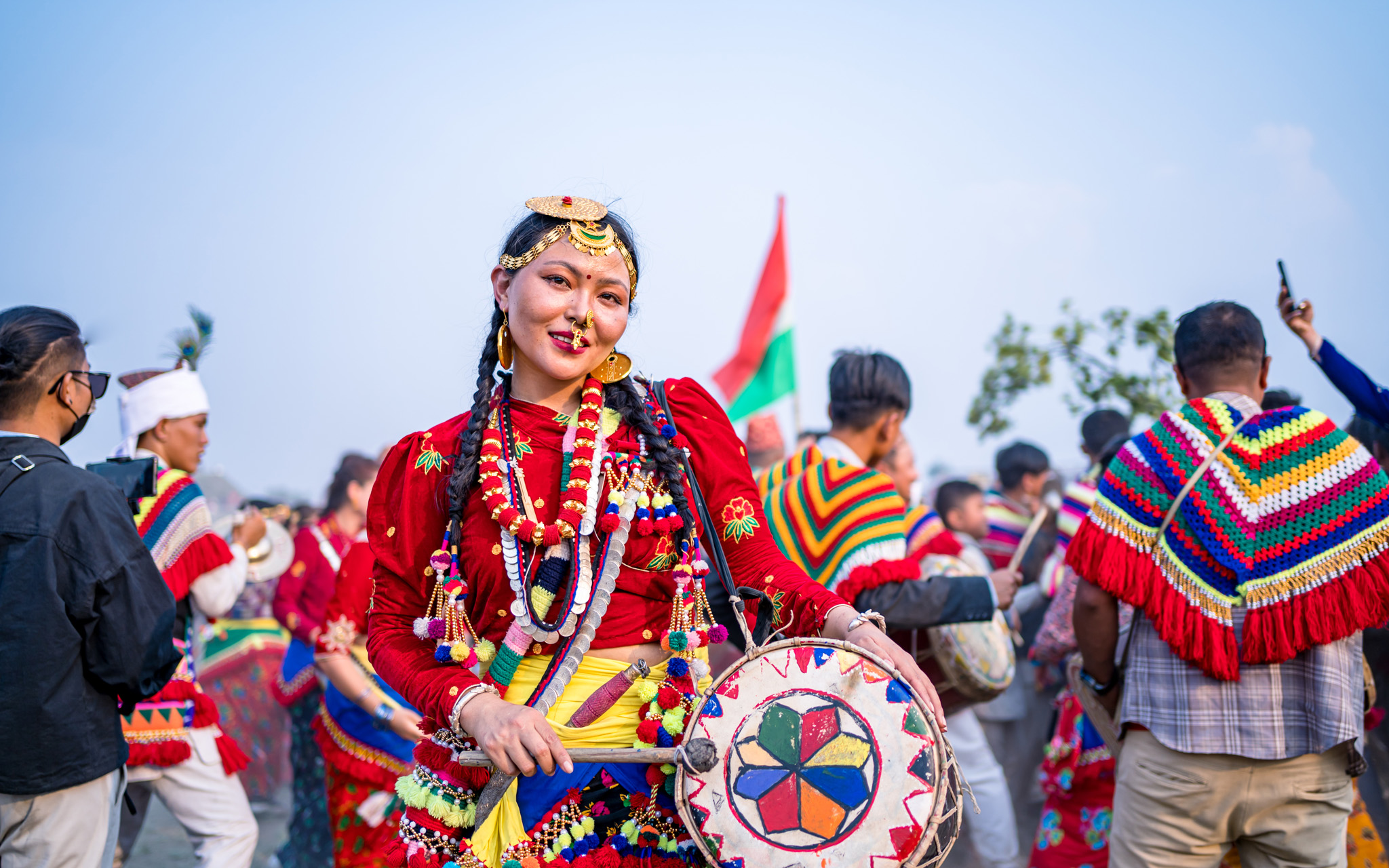
Nepal – Destination Guide
Wedged between the Himalaya and the plains of northern India, Nepal packs more drama into its borders than countries many times its size. Within a few hundred kilometres the land rises from steamy lowland jungle to the highest point on earth, and the journey between the two passes through terraced hillsides, medieval towns, rhododendron forest, and glacial valleys where prayer flags snap in the wind. It is a country that rewards travellers who slow down and look closely.
Nepal is best known for its trekking, and rightly so – the trails to Everest Base Camp and around the Annapurna massif are among the most celebrated walks on the planet. But the country is far more than its mountains. The Kathmandu Valley alone holds a remarkable concentration of temples, palaces, and living religious tradition, while the southern plains shelter tigers, rhinos, and wild elephants. Hinduism and Buddhism are woven together here in a way found almost nowhere else, and daily life is full of small rituals, festivals, and acts of devotion.
What stays with most visitors is the warmth of the welcome. Nepal is a place where the scenery is staggering and the hospitality is genuine, and where a trip can be as gentle or as demanding as you want it to be.
🗺️ Regions to Explore
Kathmandu Valley
The cultural heart of Nepal, home to three ancient royal cities and a dense layer of temples and shrines.
- Explore the temples and stupas of Kathmandu, Patan, and Bhaktapur
- Visit the sacred Hindu site of Pashupatinath on the banks of the Bagmati River
- Spin the prayer wheels at the great stupa of Boudhanath
- Climb to Swayambhunath, the hilltop “Monkey Temple”
- Wander the artisan workshops and courtyards of Patan
- Browse the markets and rooftop cafes of Thamel
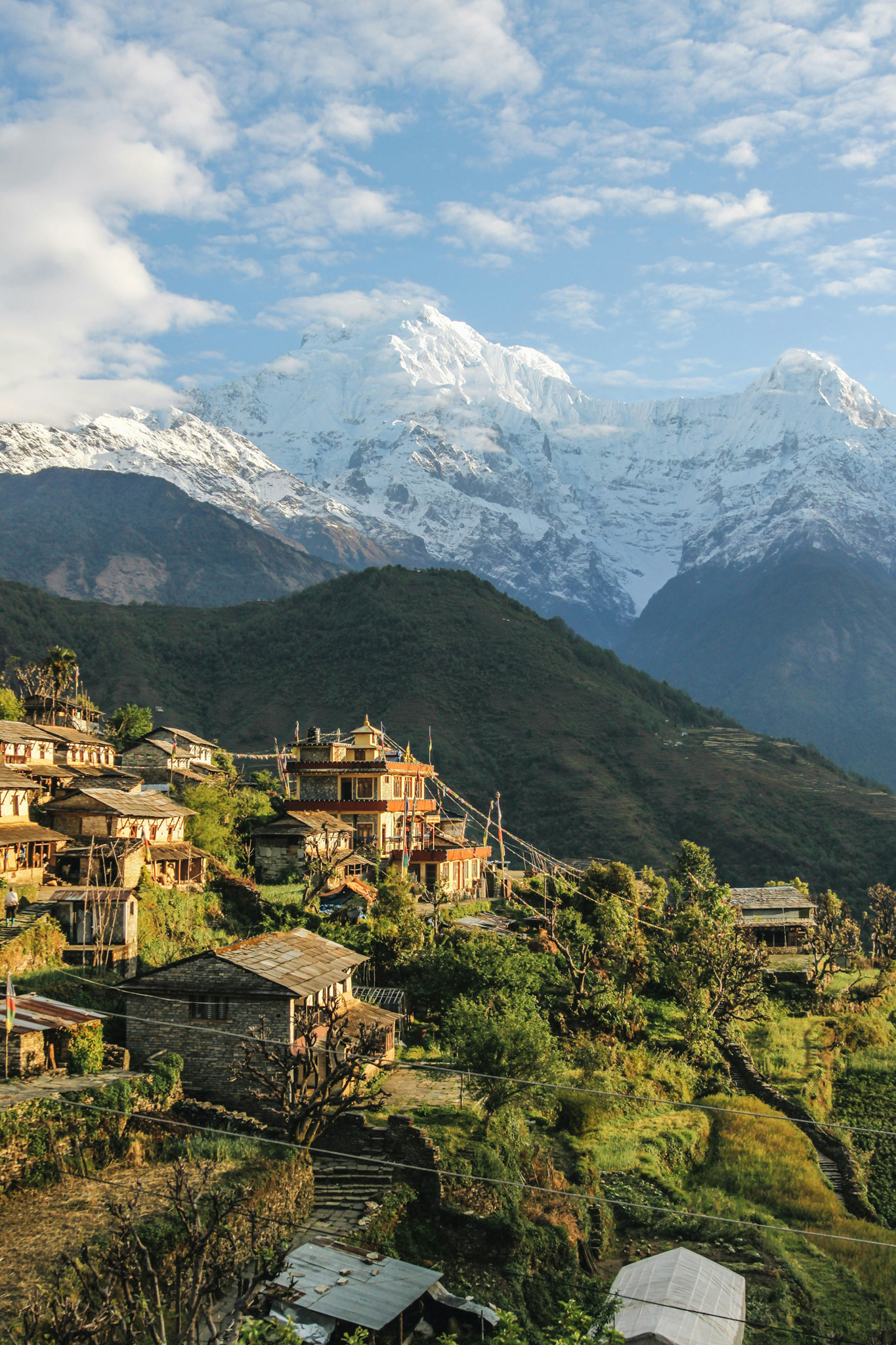
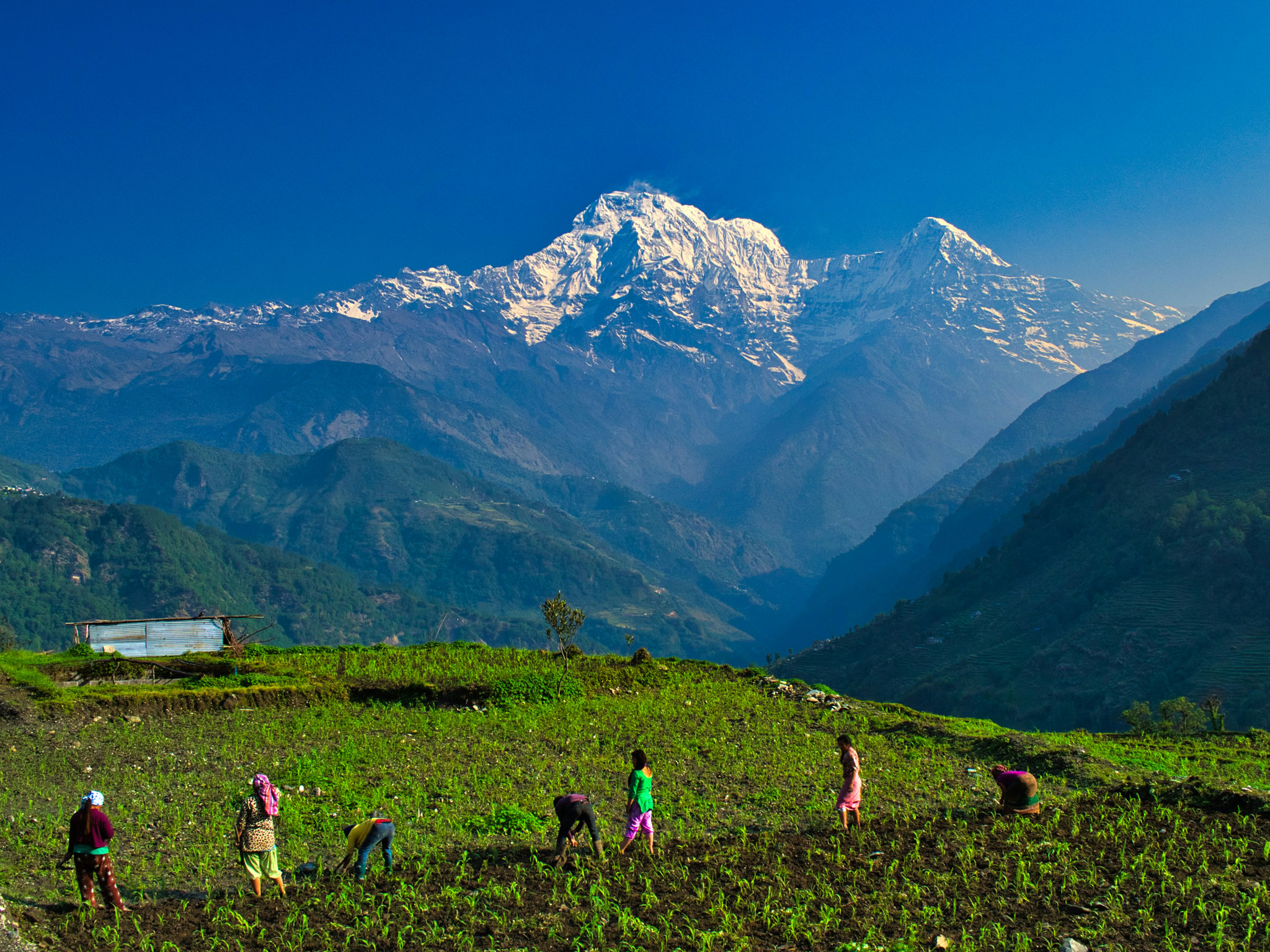
Annapurna Region
A vast trekking area of soaring peaks, deep gorges, and welcoming mountain villages.
- Walk all or part of the classic Annapurna Circuit
- Trek to Annapurna Base Camp through rhododendron forest
- Hike the shorter Poon Hill route for sunrise mountain views
- Relax in the lakeside town of Pokhara before or after a trek
- Visit traditional Gurung and Magar villages along the trails
- Cross the high Thorong La pass on the full circuit
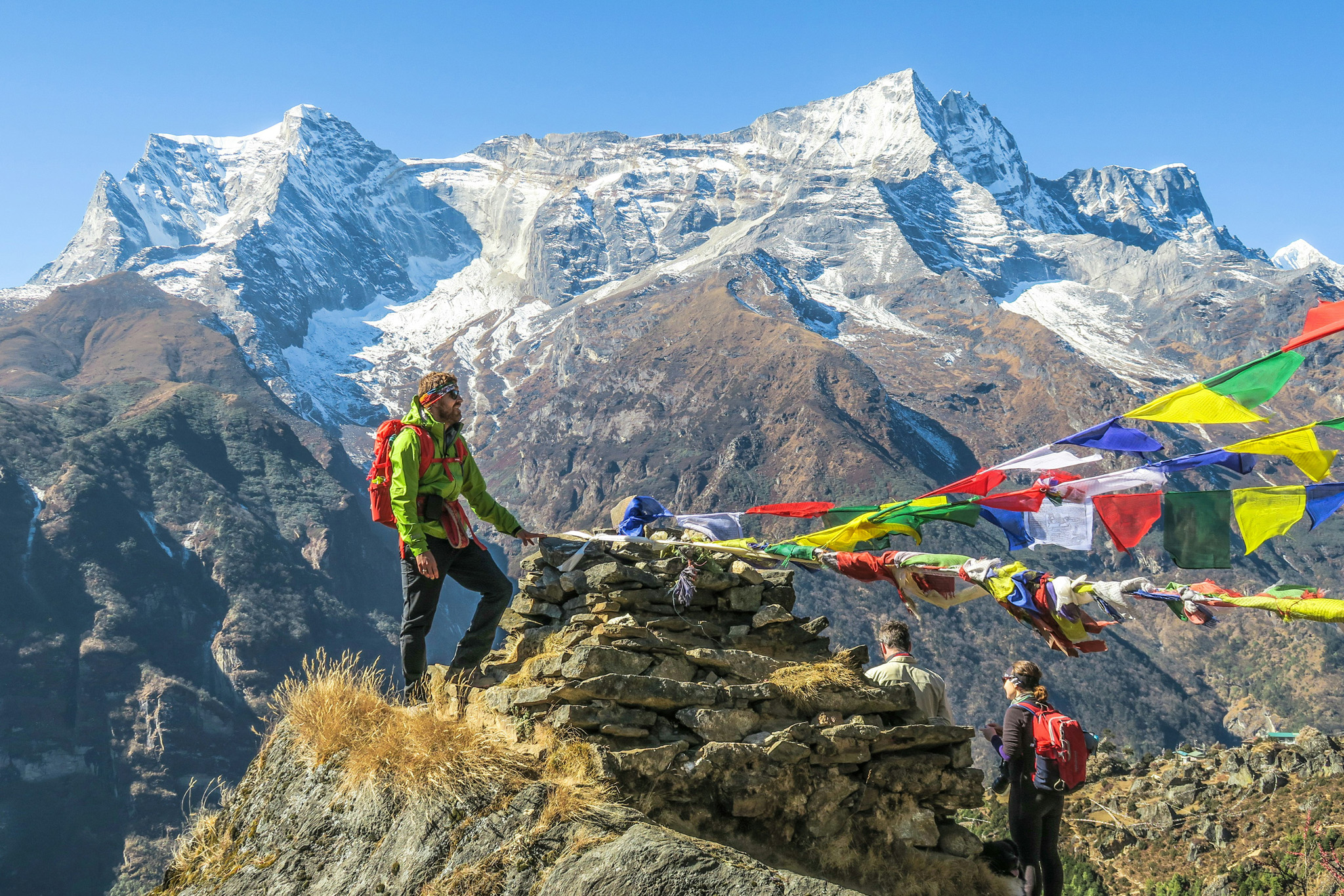
Everest Region (Khumbu)
The legendary high-altitude landscape of the Sherpa people and the world’s tallest mountains.
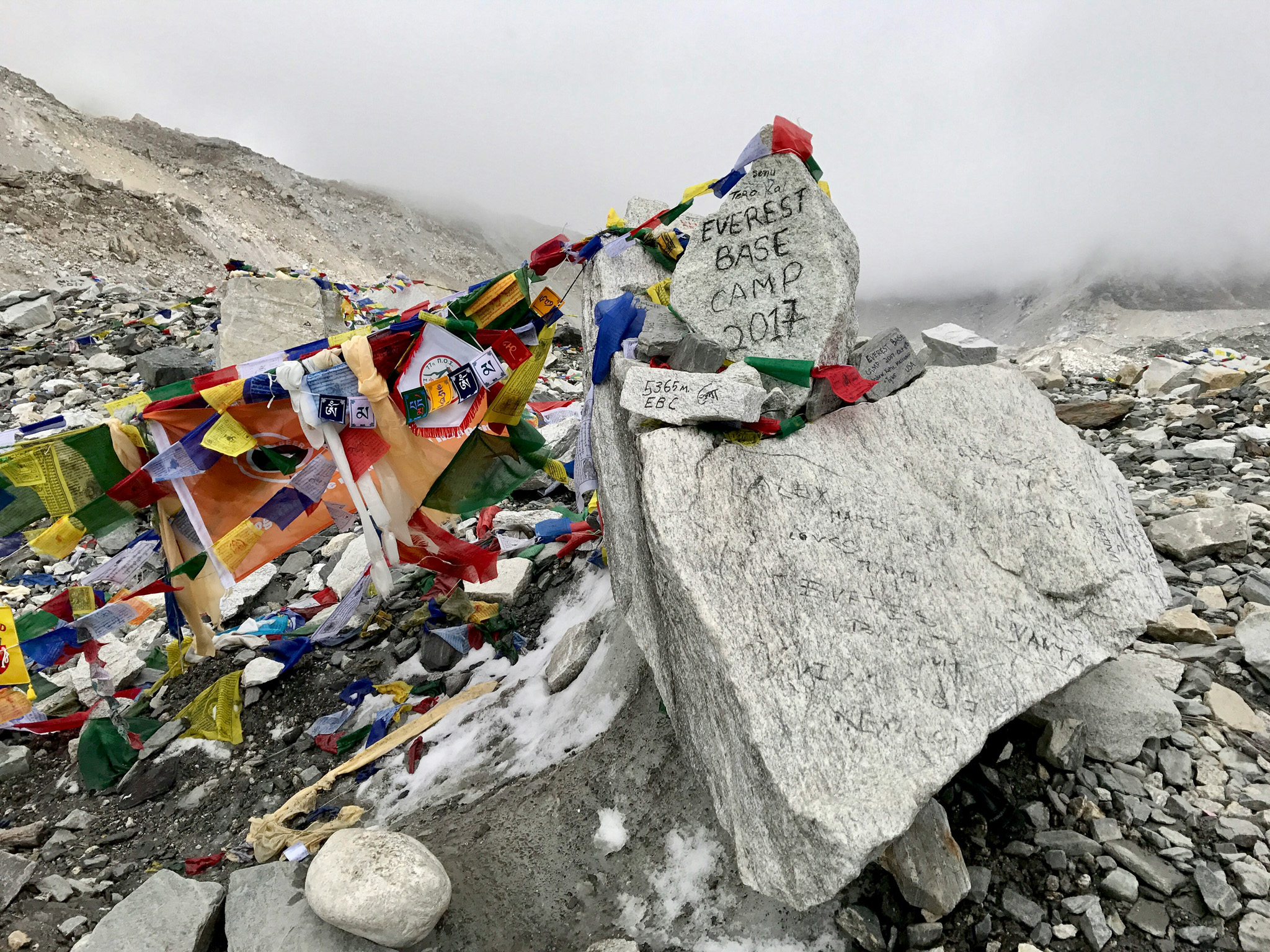
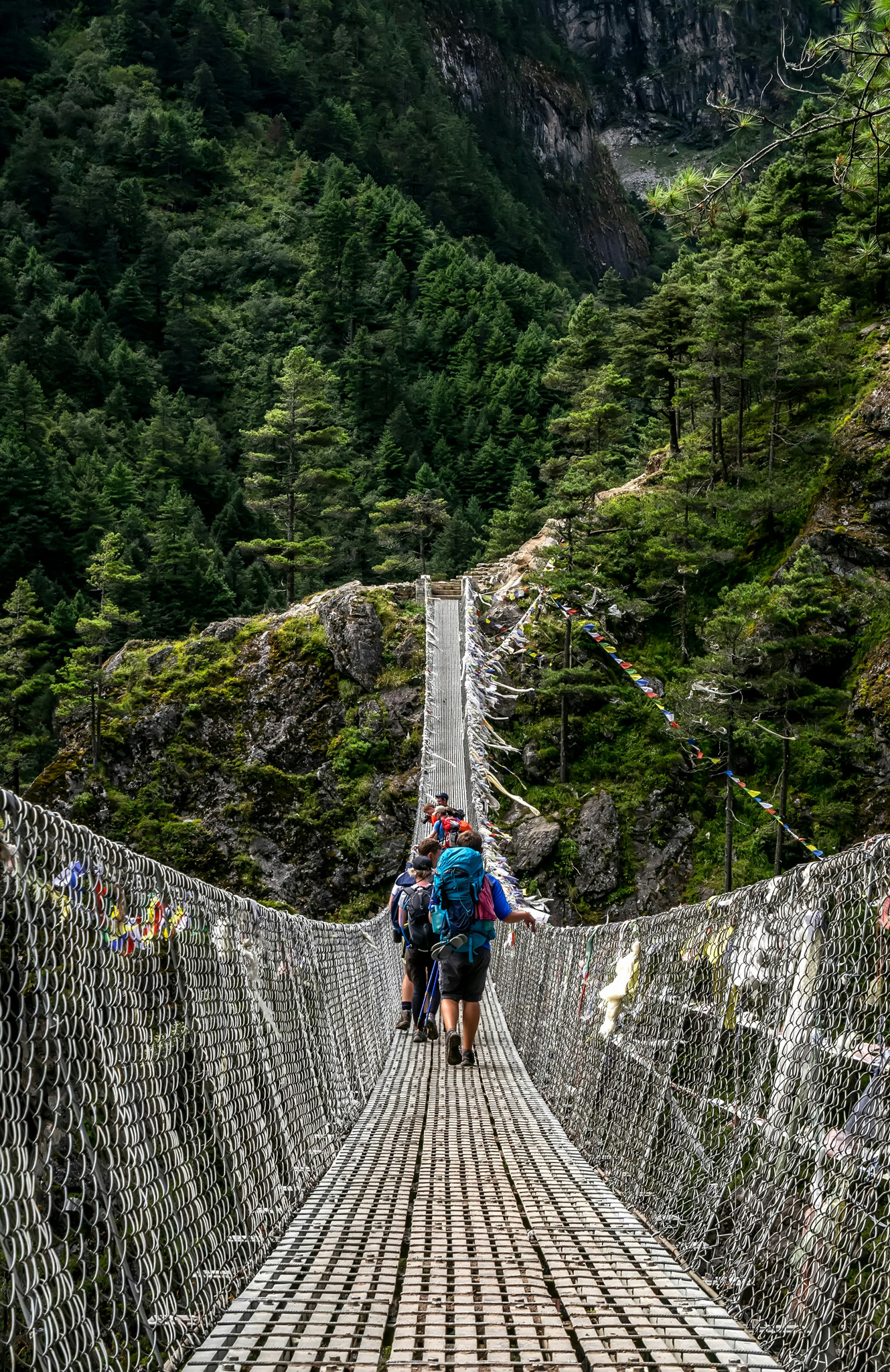
- Trek the iconic route towards Everest Base Camp
- Acclimatise in the bustling Sherpa hub of Namche Bazaar
- Visit the hillside monastery at Tengboche
- Take in panoramic Himalayan views from Kala Patthar
- Learn about Sherpa culture and mountaineering history
- Fly into the dramatic mountain airstrip at Lukla
Pokhara and the Lakes
A relaxed resort city set against a backdrop of the Annapurna range and reflected in calm waters.
- Boat or kayak on tranquil Phewa Lake
- Watch sunrise over the mountains from Sarangkot
- Paraglide above the valley with the Himalaya as a backdrop
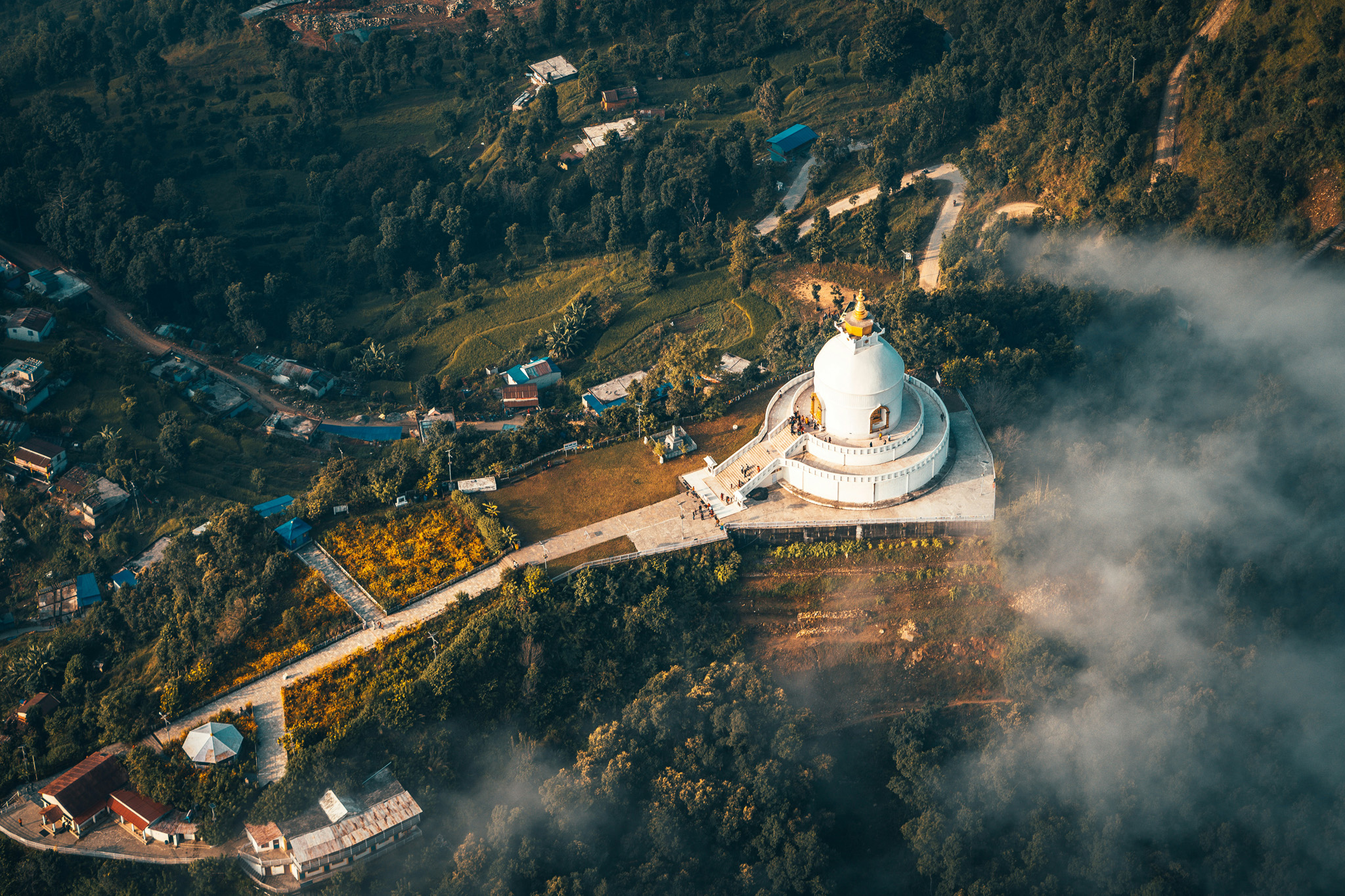
- Visit the peaceful World Peace Pagoda
- Explore Devi’s Falls and the Gupteshwor caves
- Use the city as a base for Annapurna treks
Chitwan and the Terai
The lowland plains and subtropical jungle of southern Nepal, rich with wildlife.
- Search for rhinos and tigers in Chitwan National Park
- Take a dugout canoe trip along jungle rivers
- Spot crocodiles, deer, and hundreds of bird species
- Learn about Tharu culture in local villages
- Explore Bardia National Park for a quieter wildlife experience
- Visit Lumbini, the birthplace of the Buddha
Langtang and the Central Hills
A less-crowded mountain region within easy reach of Kathmandu.
- Trek the Langtang Valley beneath glaciated peaks
- Visit cheese factories and Tamang villages along the way
- Combine Langtang with the sacred lakes of Gosaikunda
- Walk the gentle ridgelines of the Helambu region
- Enjoy mountain views without the high-altitude commitment
- Experience trekking trails with far fewer visitors
🎒 Things To Do
- Trek to Everest Base Camp or around the Annapurna massif
- Explore the temples and royal squares of the Kathmandu Valley
- Go on a jungle safari in Chitwan or Bardia National Park
- Paraglide over Pokhara with Himalayan views
- Watch sunrise over the mountains from Sarangkot or Poon Hill
- Visit Lumbini, the birthplace of the Buddha
- Take a scenic mountain flight along the Himalayan range
- Whitewater raft on the Trishuli or Bhote Koshi rivers
- Join a meditation or yoga retreat in a mountain monastery
- Witness a major festival such as Dashain, Tihar, or Holi
🍽️ Food & Drink
Nepali cuisine is hearty, warming, and built around fresh produce, lentils, and rice, with strong influences from both India and Tibet. Meals are generous and often eaten communally, and mountain trekking lodges serve simple, filling versions of national favourites.
- Dal bhat, the national dish of lentil soup, rice, vegetables, and pickles
- Momos, steamed or fried dumplings filled with meat or vegetables
- Thukpa, a hearty Tibetan-style noodle soup popular in the hills
- Newari specialities such as chatamari and bara in the Kathmandu Valley
- Sel roti, a sweet ring-shaped rice bread eaten at festivals
- Masala chiya, spiced milk tea served everywhere, and locally brewed tongba
🌦️ Weather
Nepal’s climate varies enormously with altitude, from the subtropical southern plains to the freezing high Himalaya. The country has four distinct seasons, and conditions on the same day can differ dramatically between regions.
- Spring (March – May) is mild and clear, with warm days and blooming rhododendron
- Summer and monsoon (June – September) bring heavy rain, humidity, and cloud cover
- Autumn (October – November) is dry, stable, and the most popular season
- Winter (December – February) is cold and clear, with snow at altitude
- Kathmandu sees roughly 20-30°C in spring and autumn, cooler in winter
- High mountain temperatures drop well below freezing, especially at night
📅 Best Time To Visit
October – November (Peak Autumn Season)
- The most popular time for trekking, with clear skies and stable weather
- Crisp mountain views and comfortable daytime temperatures
- Expect busy trails, full lodges, and higher prices around major routes
March – May (Spring Season)
- Warm, settled weather and excellent trekking conditions
- Rhododendron forests in full bloom across the hillsides
- Slightly hazier mountain views than autumn, with growing afternoon cloud
June – September (Monsoon and Off-Season)
- Heavy rain, leeches on lower trails, and frequent cloud cover
- Quietest period with the fewest visitors and lowest prices
- A good time for the rain-shadow regions of Mustang and Dolpo
🎒 Packing List
- Layered clothing for rapidly changing mountain temperatures
- A warm insulated jacket and thermal base layers for altitude
- Waterproof jacket and over-trousers for rain and snow
- Sturdy, broken-in hiking boots and trekking socks
- Sun hat, sunglasses, and high-factor sunscreen for strong UV
- Insect repellent for the lowland jungle and lower trails
- A reusable water bottle and water purification tablets or filter
- A personal medical kit with altitude sickness medication
- Electrolyte sachets to stay hydrated while trekking
- A universal power adapter and portable battery pack
- A head torch, quick-dry towel, and a small daypack
- Cash in small denominations for trails with no card facilities
🛂 Visas & Entry Requirements
Most nationalities can obtain a tourist visa on arrival at Tribhuvan International Airport in Kathmandu and at designated land borders.
- Visa on arrival is available for most travellers at the airport and major land crossings
- Tourist visa fees are around USD 30 for 15 days, USD 50 for 30 days, and USD 125 for 90 days
- An e-visa can be applied for in advance through the Department of Immigration to speed up entry
- Passports must be valid for at least six months, with a blank page and a passport photo
- Indian citizens do not require a visa, and SAARC nationals receive a free 30-day visa once per year
- Trekking in national parks and conservation areas requires separate permits and, in practice, proof of travel insurance
- Official information: https://www.immigration.gov.np
💰 Money
- The currency is the Nepalese rupee (NPR)
- Cash is essential, especially on trekking trails and in rural areas
- Cards are accepted in larger hotels, restaurants, and shops in Kathmandu and Pokhara
- ATMs are widely available in cities but scarce or unreliable on mountain routes
- Withdraw enough cash before heading into trekking regions
- Tipping is customary – guides, porters, and hospitality staff appreciate gratuities
💸 Hotel & Tourist Taxes
Nepal applies taxes and service charges to accommodation, and trekkers also pay separate area permit fees.
- Hotels and restaurants typically add around 13% VAT plus a 10% service charge to bills
- These charges are usually included in quoted rates or added at check-out
- Trekking regions require permits such as the TIMS card and national park or conservation area fees
- Permit costs vary by region, with restricted areas like Upper Mustang carrying significantly higher fees
- Permit and park fees are generally paid in cash and arranged through trekking agencies
🌈 LGBTQIA+ Travellers
Nepal is one of the more progressive countries in South Asia on LGBTQIA+ rights, though social attitudes remain conservative in many areas.
- Same-sex relationships are legal, and Nepal has recognised same-sex marriage registrations
- The constitution includes protections against discrimination based on gender identity
- Kathmandu and Pokhara have small, visible LGBTQIA+ communities and some welcoming venues
- Attitudes in rural and remote areas are generally more traditional and reserved
- Public displays of affection are uncommon for all couples and best kept discreet
⚠️ Traveller Safety
Nepal is a generally safe and welcoming destination, with most risks linked to trekking, altitude, and road travel rather than crime.
- Petty theft can occur in busy tourist areas, so keep valuables secure
- Altitude sickness is a serious risk on high treks – ascend slowly and acclimatise properly
- A licensed guide is required for trekking in national parks and conservation areas
- Mountain roads can be rough and journeys long, so choose reputable transport operators
- Stick to well-lit areas at night and use registered taxis in cities
- Emergency number is 100
💉 Vaccinations & Health
No vaccinations are mandatory for entry to Nepal, but several are recommended for travellers.
- Routine vaccinations should be up to date, including measles, tetanus, and diphtheria
- Hepatitis A and typhoid are commonly recommended due to food and water risks
- Hepatitis B, rabies, and Japanese encephalitis may be advised depending on your itinerary
- Malaria risk exists in some low-lying southern areas, particularly in the Terai
- Consult a travel health clinic at least six weeks before departure
- Official information: https://wwwnc.cdc.gov/travel/destinations/traveler/none/nepal
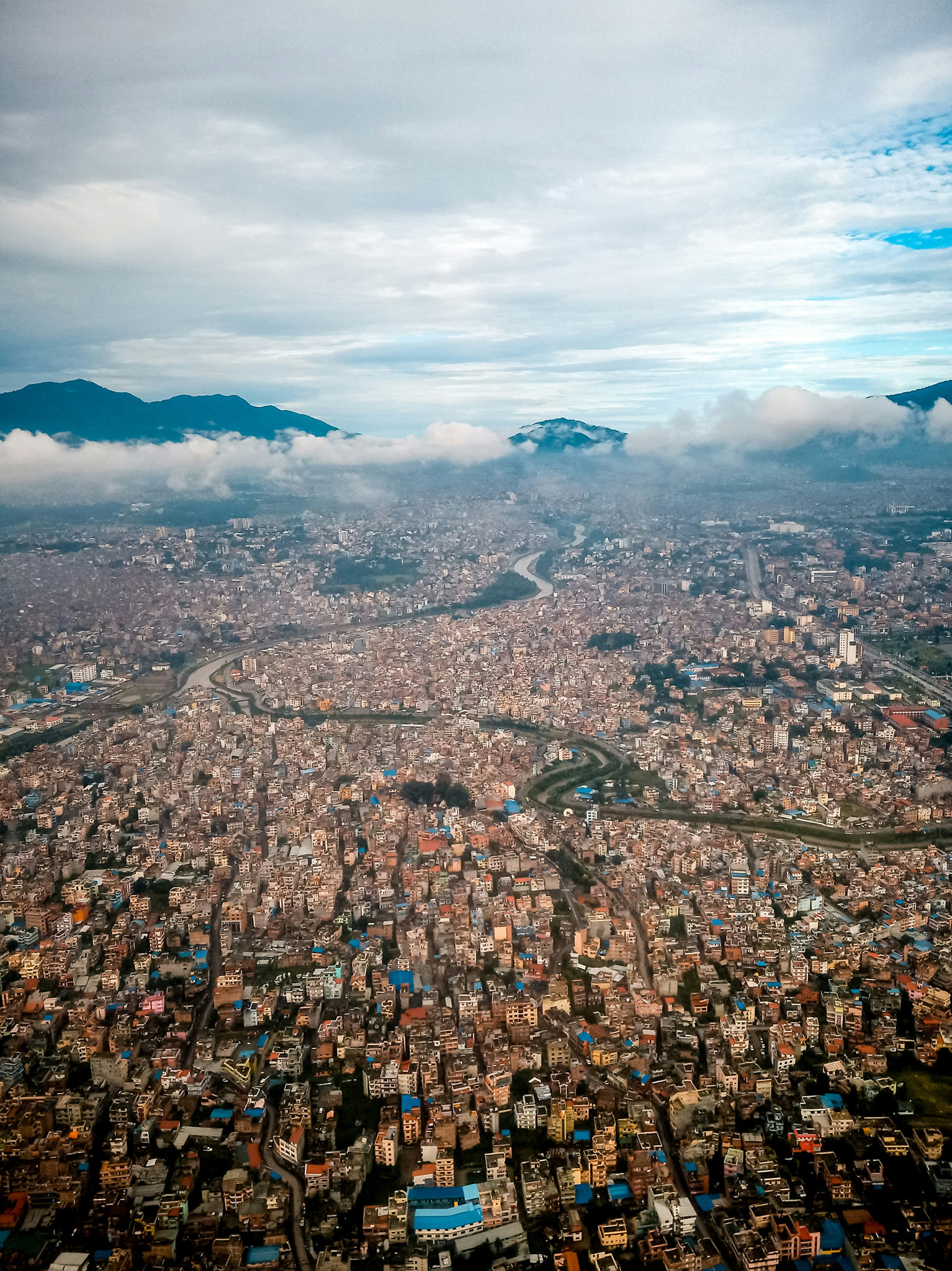
🚗 Getting Around
- Domestic flights connect Kathmandu with Pokhara, Lukla, and other regional airstrips
- Tourist buses run between major destinations and are more comfortable than local buses
- Private cars with drivers are a popular and flexible option for valley and hill travel
- Roads are often winding, slow, and rough, so journey times can be long
- Taxis and ride-hailing apps operate in Kathmandu and Pokhara
- Most trekking regions are reached on foot, with porters and guides arranged locally
✈️ Airports
Tribhuvan International Airport (KTM)
- Nepal’s main international gateway in Kathmandu, handling almost all overseas arrivals
Pokhara International Airport (PKR)
- A modern airport serving the lakeside city and a key hub for Annapurna-bound travellers
Tenzing-Hillary Airport, Lukla (LUA)
- The dramatic mountain airstrip used as the starting point for Everest region treks
Gautam Buddha International Airport, Bhairahawa (BWA)
- A southern airport serving Lumbini and the Terai region, with some international flights
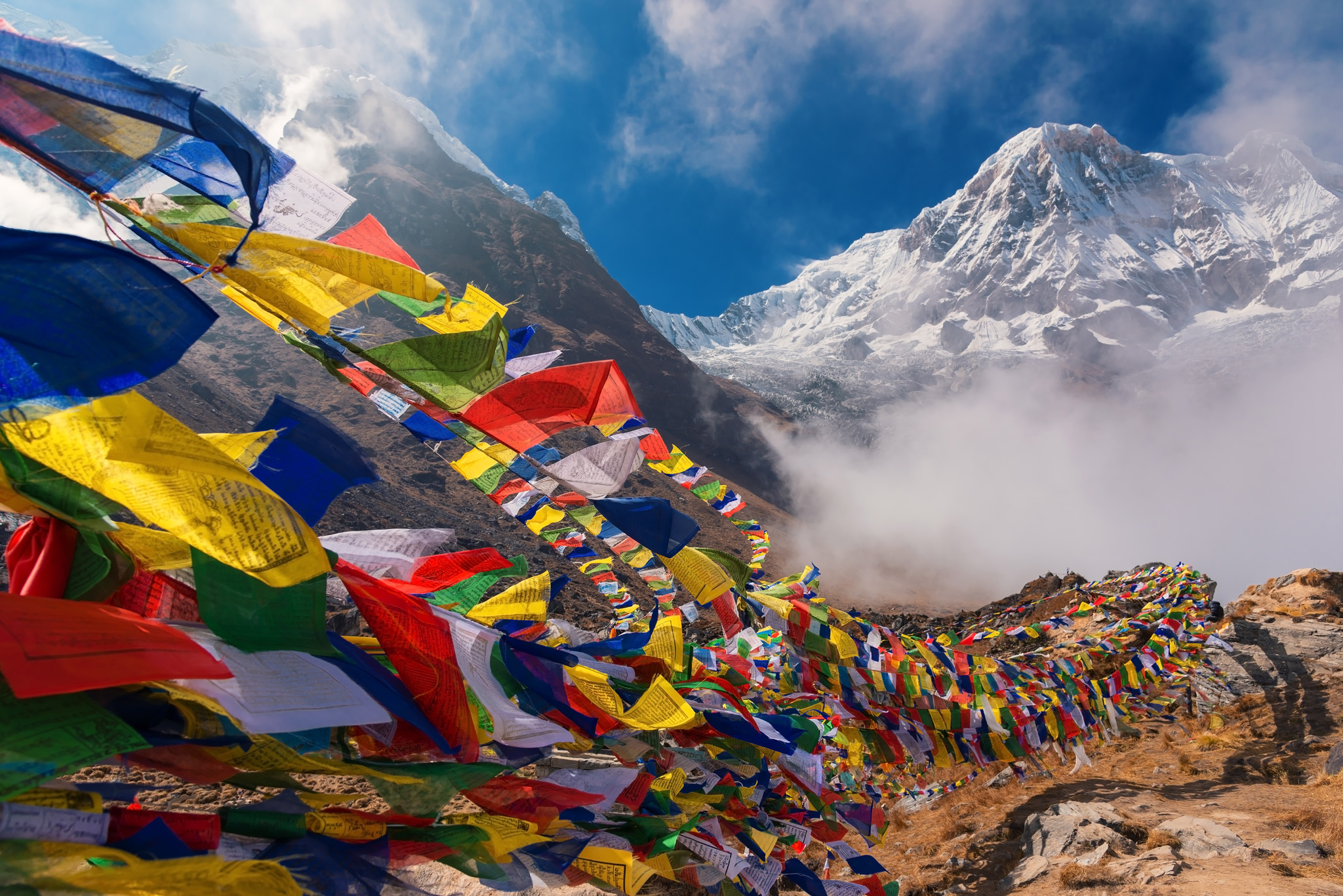
🗣️ Language
The official language of Nepal is Nepali, written in the Devanagari script, and it serves as the common tongue across the country. Nepal is highly multilingual, with dozens of regional languages such as Maithili, Newari, and Tamang spoken by different communities. English is widely understood in tourist areas, hotels, and trekking regions, so most travellers manage easily, though a few words of Nepali are always warmly received.
Common Phrases
- Hello – नमस्ते (na-mas-tay)
- Goodbye – नमस्ते (na-mas-tay)
- Please – कृपया (kri-pa-ya)
- Thank you – धन्यवाद (dhan-ya-baad)
- Yes – हो (ho)
- No – होइन (ho-ina)
- Excuse me – माफ गर्नुहोस् (maaf gar-nu-hos)
- Sorry – माफ गर्नुहोस् (maaf gar-nu-hos)
- Do you speak English? – के तपाईं अंग्रेजी बोल्नुहुन्छ? (ke ta-pai an-gre-ji bol-nu-huncha)
- How much? – कति हो? (ka-ti ho)
- Where is…? – कहाँ छ…? (ka-haa cha)
- Help – मद्दत (mad-dat)
- Cheers – चियर्स (chee-yars)
- Water – पानी (paa-ni)
- It was delicious – मीठो थियो (mee-tho thi-yo)
ℹ️ Practical Info
Electricity
- Plug types C, D, and M are used, with a standard voltage of 230V
Internet & WiFi
- WiFi is available in most hotels and cafes in cities and on popular trekking routes, though mountain connections can be slow and intermittent
Water
- Tap water is not safe to drink – use bottled, boiled, or filtered water and consider purification tablets while trekking
Travel Insurance
- Comprehensive personal travel insurance is strongly recommended, and for trekking it must specifically cover high-altitude activity and helicopter evacuation, as standard policies often exclude these and trekking agencies will require proof of cover
Connectivity SIM / eSIM
- Local SIM cards from providers such as Ncell and Nepal Telecom are cheap and easy to buy on arrival with your passport
- Using an eSIM is our recommended choice while travelling anywhere in the world, and our recommended provider is Holafly. For more information on eSIMs, check out this blog.

❤️ Why Visit Nepal
Few countries offer the sheer range of experiences packed into Nepal. In a single trip you can stand beneath the highest mountains on earth, wander through medieval temple squares, search for rhinos in subtropical jungle, and share a plate of dal bhat with a family in a hillside village. The landscapes are extraordinary, but it is the rhythm of life – the festivals, the prayer flags, the quiet acts of devotion – that gives the country its depth.
Nepal also meets travellers where they are. It can be a gentle cultural journey through the Kathmandu Valley and Pokhara, or a demanding high-altitude adventure on the trails to Everest and Annapurna. Whichever way you come, the mountains have a way of resetting your sense of scale and the people have a way of making you feel welcome.
For anyone drawn to mountains, culture, and genuine hospitality, Nepal is hard to beat. It is a destination that stays with you long after you have come back down to lower ground – and one that tends to pull travellers back again and again.