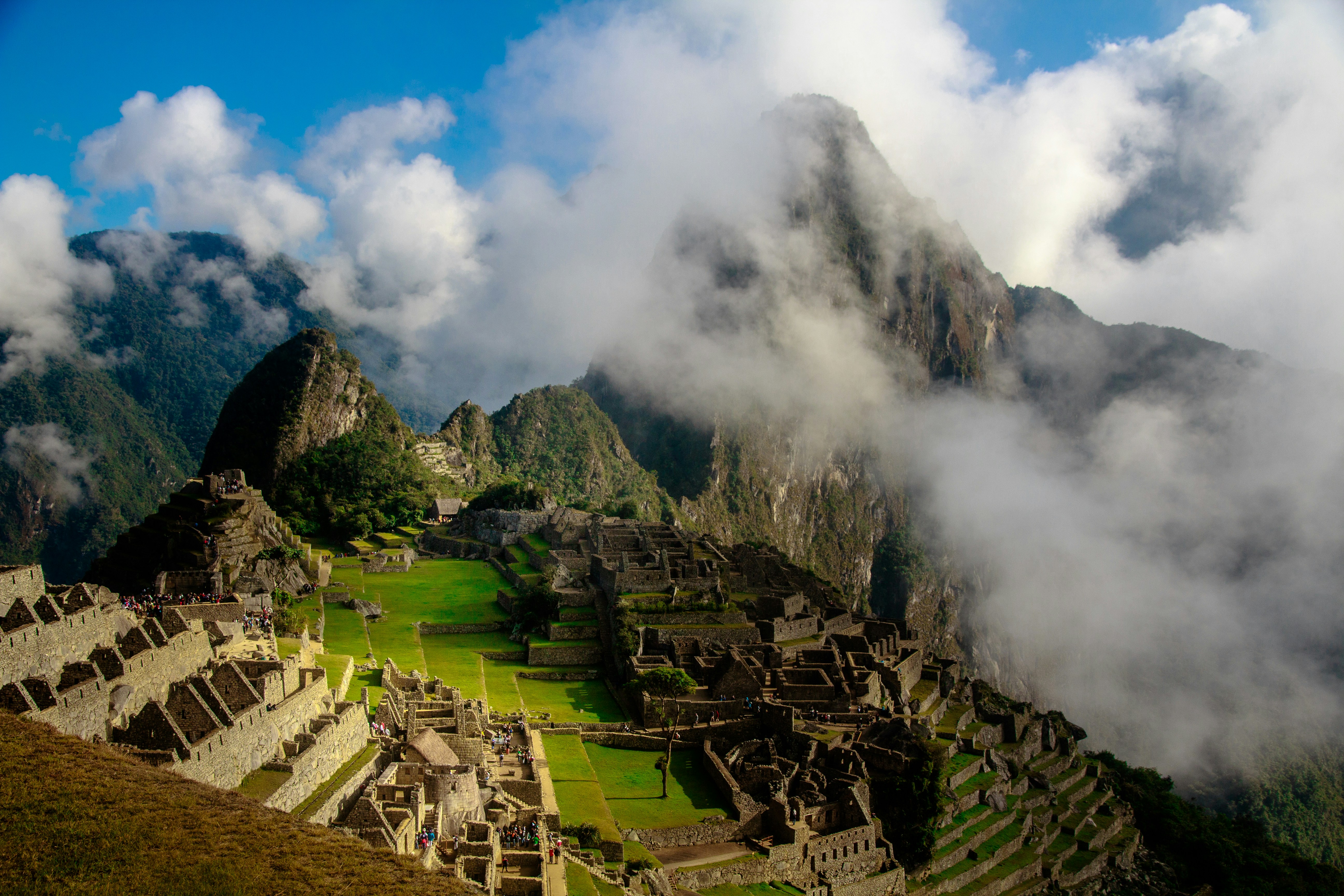
Peru – Destination Guide
Peru is a country of staggering contrasts, where Pacific desert coastline gives way to the soaring peaks of the Andes and then tumbles into the green vastness of the Amazon basin. Few destinations pack so many landscapes, cultures, and eras of history into a single border. This is the heartland of the Inca Empire, but it is also home to civilisations that rose and fell long before the Incas, leaving behind temples, tombs, and the enigmatic lines etched across the Nazca desert.
Travellers come for Machu Picchu, and rightly so, but Peru rewards those who look beyond the headline act. Colonial cities glow with carved balconies and golden churches, highland markets brim with textiles and produce, and the cuisine has quietly become one of the most celebrated in the world. The country moves at the rhythm of its geography, slow and high in the mountains, languid and humid in the jungle, brisk and modern along the coast.
What makes Peru so rewarding is the sense that every region opens onto another world entirely. You can stand among glaciers in the morning and float through rainforest by nightfall, and at every turn there is a layer of living culture to meet you.

🗺️ Regions to Explore
Lima and the Central Coast
Peru’s capital is a sprawling coastal metropolis with a celebrated food scene and a handsome colonial core.
- Wandering The Historic Centre With Its Baroque Churches And Plaza Mayor
- Exploring The Larco Museum And Its Vast Pre-Columbian Collection
- Strolling The Clifftop Parks Of Miraflores Above The Pacific
- Sampling Ceviche And Pisco In Barranco’s Bohemian Streets
- Taking A Day Trip To The Paracas National Reserve And Ballestas Islands
Cusco and the Sacred Valley
The former Inca capital is the gateway to Machu Picchu and a destination in its own right.
- Exploring Cusco’s Cobbled Streets And Inca-Stone Foundations
- Visiting The Ruins Of Sacsayhuaman Above The City
- Touring The Sacred Valley Towns Of Pisac And Ollantaytambo
- Browsing The Colourful Markets For Alpaca Textiles And Crafts
- Acclimatising To The Altitude Before Trekking Or Touring Higher

Machu Picchu and the Inca Trail
The crown jewel of South American travel, reached by classic trek or scenic train.
- Hiking The Multi-Day Inca Trail Past High Passes And Cloud Forest Ruins
- Riding The Train Through The Urubamba Gorge To Aguas Calientes
- Watching Sunrise Break Over The Citadel From The Sun Gate
- Climbing Huayna Picchu For A Vertiginous View Of The Site
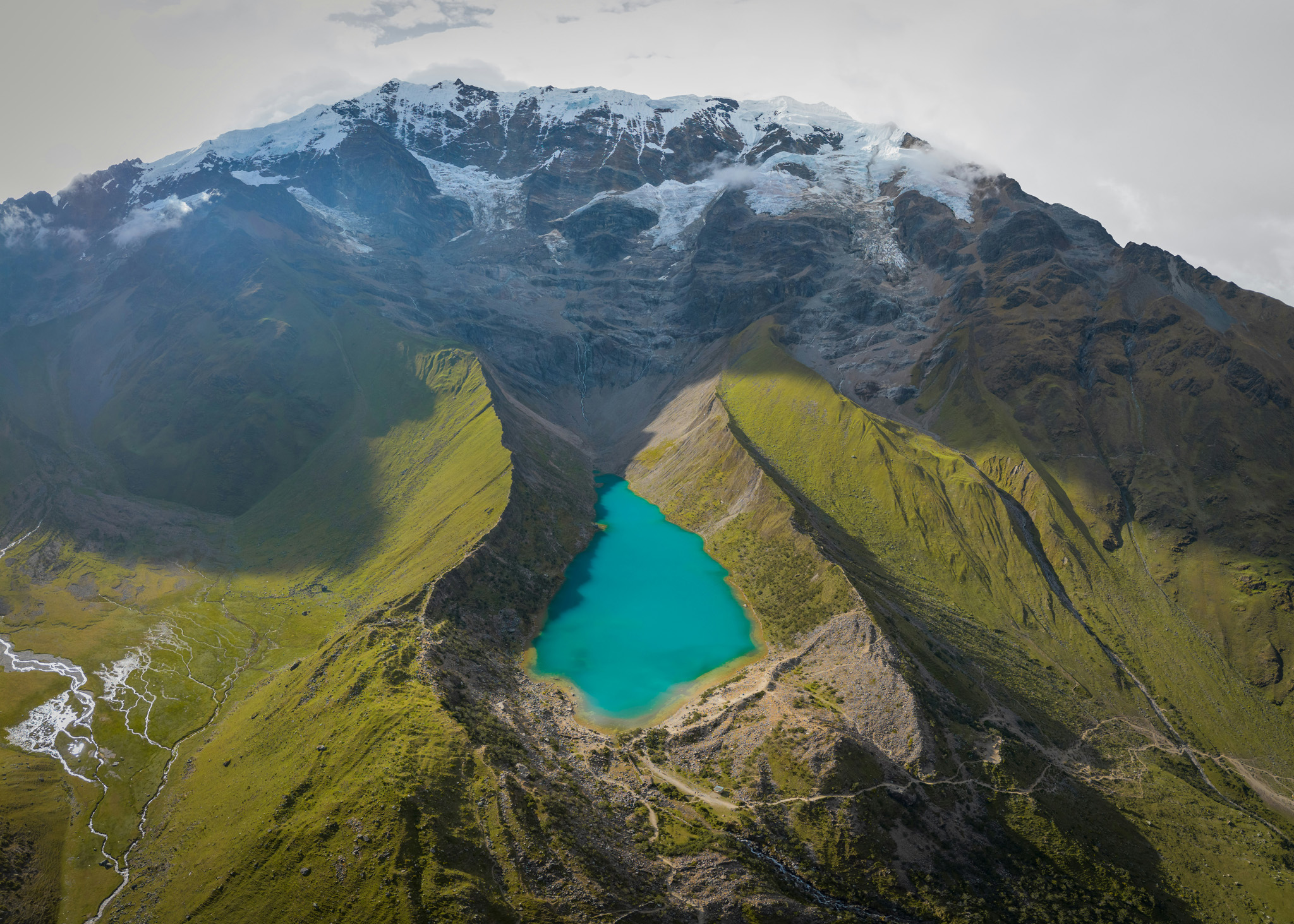
- Exploring Alternative Routes Such As The Salkantay Trek
Lake Titicaca and the Southern Highlands
The world’s highest navigable lake sits amid stark, luminous high-altitude scenery.
- Visiting The Floating Reed Islands Of The Uros People
- Staying Overnight With A Host Family On Amantani Island
- Exploring The White Colonial City Of Arequipa
- Trekking The Colca Canyon And Spotting Andean Condors
- Crossing The Altiplano Past Grazing Alpacas And Adobe Villages
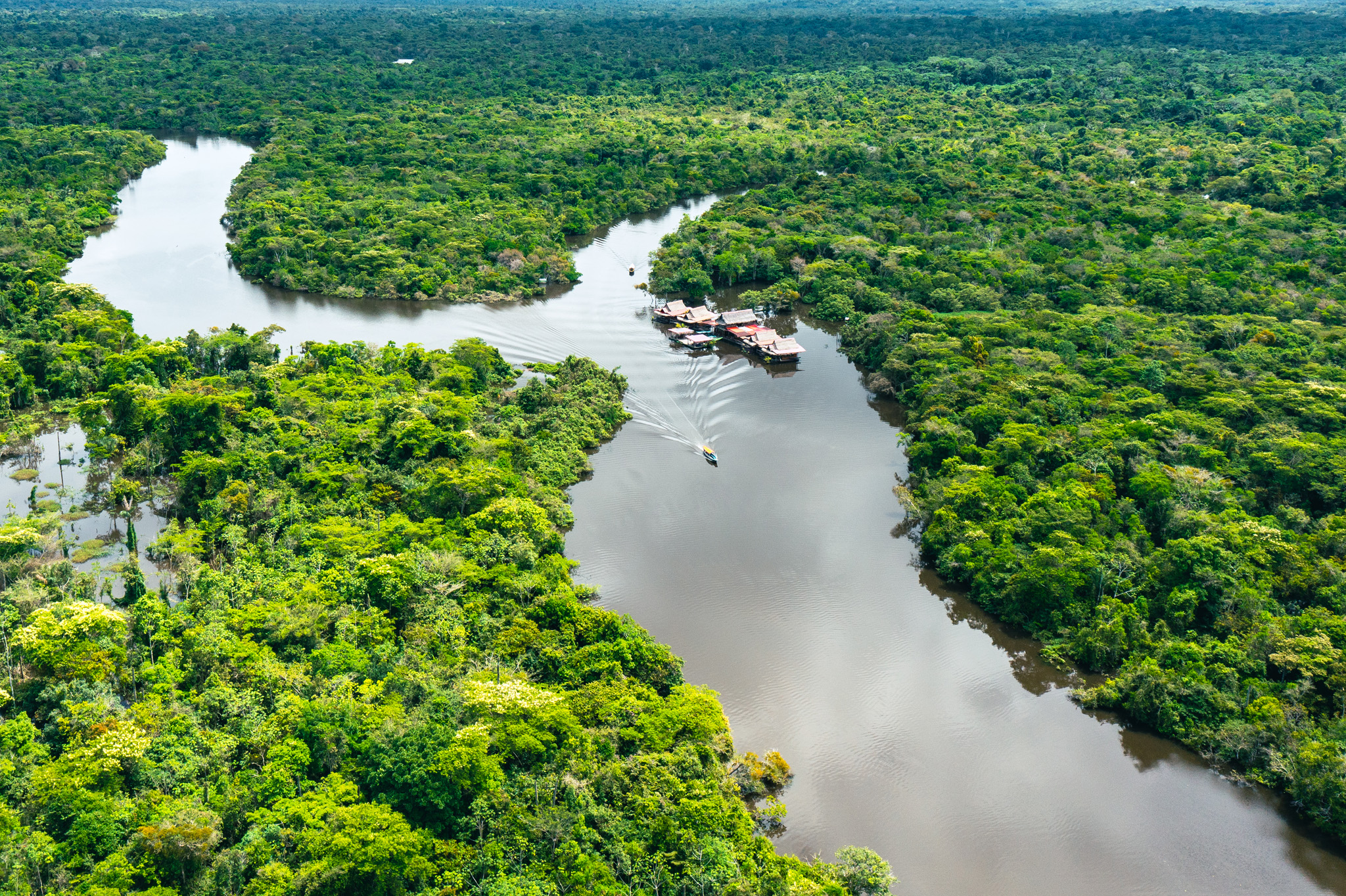
The Amazon Basin
Peru’s eastern lowlands hold some of the most biodiverse rainforest on Earth.
- Cruising The Tributaries Around Iquitos In The Northern Jungle
- Spotting Wildlife In The Tambopata Reserve Near Puerto Maldonado
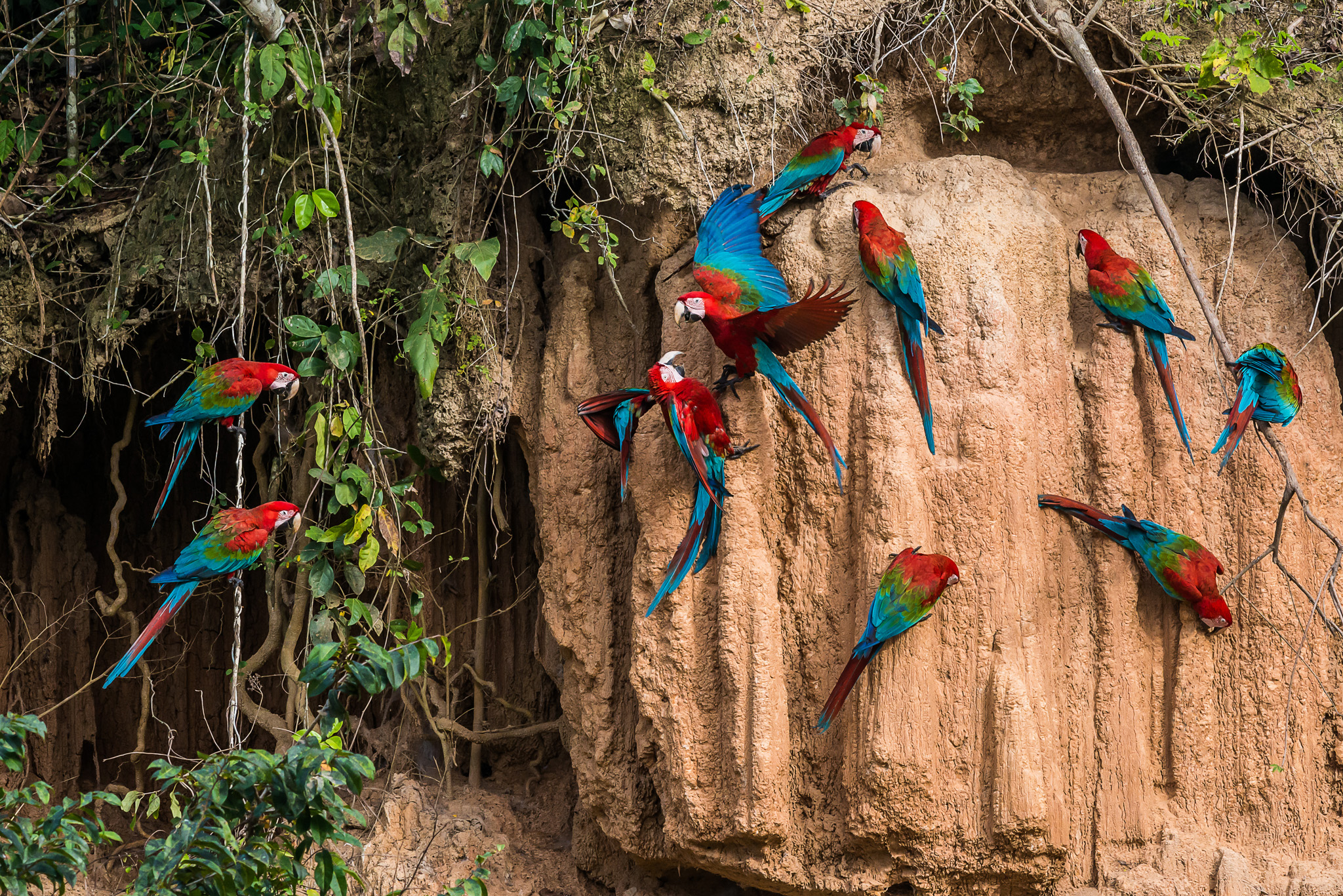
- Visiting Clay Licks Where Macaws Gather At Dawn
- Staying In Remote Eco-Lodges Deep In The Forest
- Canoeing Oxbow Lakes In Search Of Giant Otters And Caiman
The Northern Highlands and Coast
A quieter region of ancient ruins, surf towns, and dramatic mountain scenery.
- Exploring The Ruins Of Kuelap, The Fortress Of The Cloud People
- Trekking To Gocta, One Of The World’s Tallest Waterfalls
- Surfing The Long Left-Hand Breaks Around Mancora And Chicama
- Visiting The Pre-Inca Pyramids And Tombs Near Chiclayo And Trujillo
- Discovering The Adobe City Of Chan Chan On The North Coast
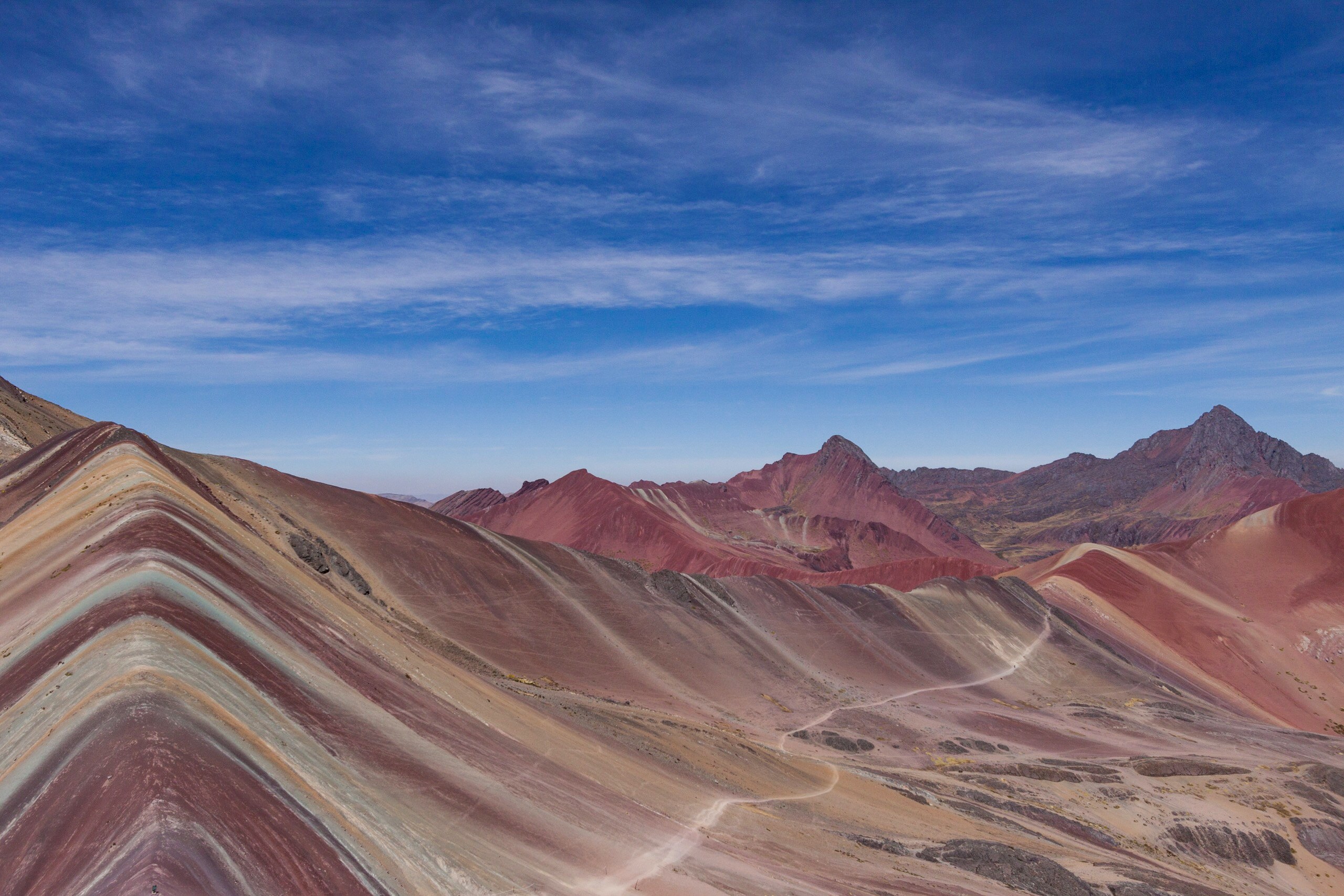
🎒 Things To Do
- Explore The Citadel Of Machu Picchu, Peru’s Unmissable Highlight
- Trek The Inca Trail Or An Alternative Route Through The Andes
- Wander The Inca And Colonial Streets Of Cusco
- Take A Wildlife Cruise Or Lodge Stay In The Amazon Rainforest
- Float Over The Mysterious Nazca Lines On A Light Aircraft Flight
- Visit The Floating Islands And Highland Communities Of Lake Titicaca
- Hike The Colca Canyon And Watch Condors Soar On The Thermals
- Sample World-Class Cuisine In Lima’s Acclaimed Restaurants
- Browse Andean Markets For Alpaca Textiles, Ceramics, And Silver
- Discover Pre-Inca Sites Such As Chan Chan, Kuelap, And The Nazca Desert
🍽️ Food & Drink
Peruvian cuisine has earned a global reputation, drawing on Indigenous ingredients, Spanish influence, and waves of Japanese, Chinese, and African migration. The result is one of the most varied and inventive food cultures in the Americas, ranging from humble market stalls to fine-dining institutions.
- Ceviche, Fresh Raw Fish Cured In Lime Juice With Chilli And Onion
- Lomo Saltado, A Stir-Fried Beef Dish Born Of Chinese-Peruvian Cooking
- Aji De Gallina, A Creamy, Mildly Spiced Shredded Chicken Stew
- Cuy, Roasted Guinea Pig, A Traditional Highland Delicacy
- Pisco Sour, The National Cocktail Made With Grape Brandy And Lime
- Chicha Morada, A Sweet Non-Alcoholic Drink Made From Purple Corn
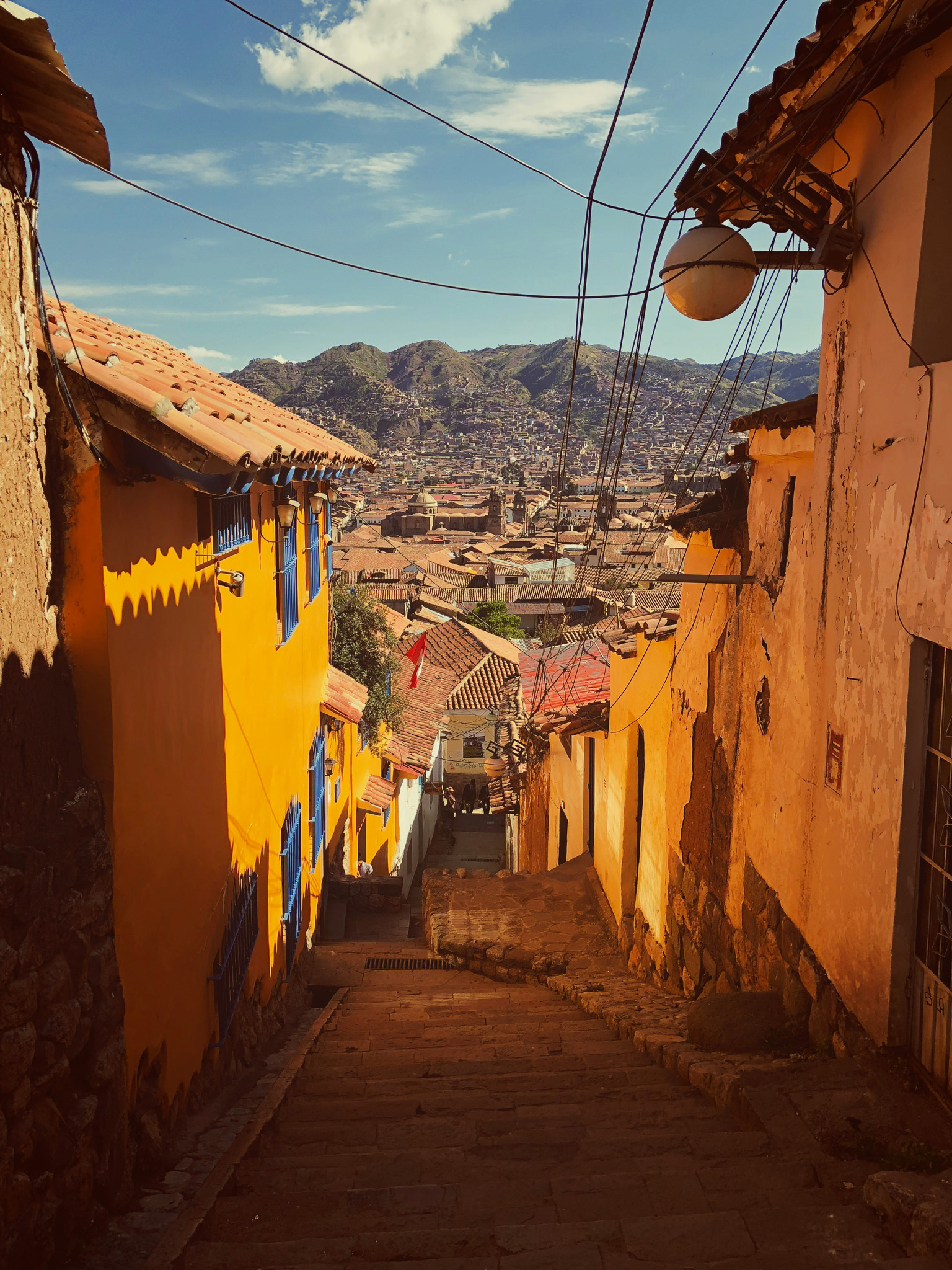
🌦️ Weather
Peru’s climate varies dramatically by region and altitude rather than by a single national pattern. The coast, the highlands, and the Amazon each follow their own rhythm, so conditions depend heavily on where and when you travel.
- Coastal Lima Is Mild Year-Round, With Grey Skies And Sea Mist From May To November
- Highland Areas Like Cusco Have Warm Days Around 18-22°C And Cold Nights Near Freezing
- The Andes Have A Distinct Dry Season From May To September And A Wet Season From November To March
- The Amazon Is Hot And Humid All Year, Typically 25-32°C, With Heavier Rains From December To May
- Altitude Has A Bigger Effect Than Season In The Mountains, So Pack Warm Layers Regardless
📅 Best Time To Visit
May – September (Dry Season)
- The Most Popular Time For The Andes, With Clear Skies And Reliable Trekking Conditions
- Ideal For Machu Picchu, The Inca Trail, Cusco, And Lake Titicaca
- Expect Larger Crowds And Higher Prices, And Book Permits Well In Advance
April and October (Shoulder Seasons)
- Quieter Trails And Sites With A Good Chance Of Fine Weather
- Landscapes Are Greener Following The Rains, Especially In April
- A Strong Choice For Travellers Wanting To Avoid Peak-Season Crowds
November – March (Wet Season)
- Frequent Afternoon Rain In The Highlands And The Heaviest Amazon Rainfall
- The Inca Trail Closes Each February For Maintenance
- The Best Window For The Coast, Which Is Sunniest And Warmest At This Time
🎒 Packing List
- Warm Layers Including A Fleece Or Insulated Jacket For Cold Highland Nights
- Lightweight, Breathable Clothing For The Coast And Amazon
- A Waterproof Rain Jacket And A Small Travel Umbrella
- Sturdy Broken-In Hiking Boots Or Trail Shoes
- A Sun Hat, Sunglasses, And High-Factor Sunscreen For Strong Altitude Sun
- Insect Repellent, Especially For The Amazon And Lower-Altitude Regions
- A Reusable Water Bottle And Electrolytes To Stay Hydrated At Altitude
- A Universal Power Adapter For Peru’s Sockets
- A Personal Medical Kit With Altitude-Sickness Medication If Advised By Your Doctor
- A Quick-Dry Towel And A Daypack For Excursions
- Cash In Small Denominations For Markets And Rural Areas
- A Headlamp Or Torch For Treks, Lodges, And Early Starts
🛂 Visas & Entry Requirements
Peru is open and straightforward for most visitors, with visa-free entry available to many nationalities for tourism.
- Australian, UK, EU, US, and Canadian citizens do not need a visa for tourism stays of up to 90 days
- A stay permit is granted on arrival, with a maximum of 183 days within any 12-month period
- Passports must be valid for at least six months from your date of entry, with a blank page
- Travellers should carry proof of onward or return travel and may be asked for proof of accommodation and funds
- Peru’s airports now keep digital entry and exit records rather than issuing passport stamps
Official information: https://www.gob.pe/migraciones
💰 Money
- The currency is the Peruvian Sol (PEN), divided into 100 centimos
- Cash is essential in markets, rural areas, and for small purchases, while cards are widely accepted in cities and hotels
- ATMs are common in towns and cities but can be scarce in remote areas, so withdraw before heading off the grid
- US dollars are accepted by some hotels and tour operators, though paying in soles is usually better value
- Tipping is appreciated but not obligatory, with around 10% common in restaurants if service is not included
- Tipping trekking guides, porters, and drivers is customary and a meaningful part of their income
💸 Hotel & Tourist Taxes
Peru does not levy a general nationwide tourist or city tax, though a few specific charges apply to visitors.
- Foreign visitors are exempt from the 18% sales tax (IGV) on hotel accommodation when they show a passport and proof of tourist status at check-in
- Entry to major sites carries separate fees, such as the Machu Picchu ticket and the Cusco Tourist Ticket (Boleto Turistico) covering multiple regional sites
- Some natural reserves and archaeological parks charge individual entrance fees collected on arrival
- There is no separate departure tax, as international departure costs are included in airline ticket prices
🌈 LGBTQIA+ Travellers
Peru is generally tolerant in tourist areas, though social attitudes remain conservative outside the larger cities.
- Same-sex sexual activity is legal, but same-sex marriage and civil unions are not recognised
- Lima, Cusco, and Arequipa are more open and have a visible LGBTQIA+ presence and venues
- Public displays of affection may attract attention in rural and highland communities, where attitudes are more traditional
- There are limited legal protections against discrimination, so discretion is advisable in less touristed areas
- Most travellers report positive experiences, particularly in established tourism centres
⚠️ Traveller Safety
Peru is a rewarding and broadly safe destination for travellers who take sensible precautions.
- Petty theft and pickpocketing are the most common risks, particularly in crowded markets, bus terminals, and tourist hotspots
- Use registered taxis or ride-hailing apps rather than hailing cars on the street, especially at night
- Trekking at altitude carries genuine health risks, so acclimatise properly and use reputable, well-equipped guides
- Occasional protests and road blockades can disrupt travel, so monitor local news and stay flexible with plans
- Emergency number is 105
💉 Vaccinations & Health
No vaccinations are mandatory for entry to Peru, but several are recommended depending on your itinerary.
- A yellow fever vaccination is recommended if you plan to visit Amazon and jungle regions
- Routine vaccinations such as hepatitis A, typhoid, and tetanus should be up to date
- Malaria risk exists in parts of the Amazon basin, so discuss antimalarials with your doctor
- Dengue is present in lowland and jungle areas, making insect-bite prevention important
- Altitude sickness is a real concern in the highlands, so plan time to acclimatise
Official information: https://wwwnc.cdc.gov/travel/destinations/traveler/none/peru
🚗 Getting Around
- Domestic flights are the fastest way to cover Peru’s long distances, connecting Lima with Cusco, Arequipa, and Amazon hubs
- Long-distance buses are comfortable and affordable, with premium overnight services on major routes
- Trains serve key tourist routes, most notably the scenic line between Cusco and Machu Picchu
- Roads in the Andes can be winding and slow, and weather may cause delays or closures
- Within cities, ride-hailing apps and registered taxis are convenient and inexpensive
- Guided tours and private transfers are popular for reaching remote ruins, trailheads, and reserves
✈️ Airports
Jorge Chavez International Airport (LIM)
- Peru’s main international gateway, located near Lima and serving most long-haul and domestic connections
Alejandro Velasco Astete International Airport (CUZ)
- The busy airport serving Cusco and the Sacred Valley, the main hub for Machu Picchu visitors
Rodriguez Ballon International Airport (AQP)
- The airport serving Arequipa and the gateway to the Colca Canyon and southern highlands
Coronel FAP Francisco Secada Vignetta International Airport (IQT)
- The jungle airport serving Iquitos, a key access point for the northern Amazon

🗣️ Language
The official language of Peru is Spanish, spoken by the large majority of the population. Quechua and Aymara are also recognised official languages and are widely spoken in the Andean highlands, where many communities are bilingual or speak an Indigenous language as their first tongue. English is understood in hotels, tour agencies, and tourist areas of major cities, but is far less common in rural regions, so a little Spanish goes a long way.
Common Phrases
- Hello – Hola (OH-lah)
- Goodbye – Adios (ah-DYOHS)
- Please – Por favor (por fah-VOR)
- Thank you – Gracias (GRAH-syahs)
- Yes – Si (see)
- No – No (noh)
- Excuse me – Disculpe (dees-KOOL-peh)
- Sorry – Lo siento (loh SYEN-toh)
- Do you speak English? – Hablas ingles? (AH-blahs een-GLEHS)
- How much is it? – Cuanto cuesta? (KWAN-toh KWES-tah)
- Where is…? – Donde esta…? (DON-deh es-TAH)
- Help – Ayuda (ah-YOO-dah)
- Cheers – Salud (sah-LOOD)
- Good morning – Buenos dias (BWEH-nohs DEE-ahs)
- My friend – Amigo (ah-MEE-goh)
ℹ️ Practical Info
Electricity
- Peru uses Type A and Type C plugs, with a standard voltage of 220V and a frequency of 60Hz
Internet & WiFi
- WiFi is widely available in hotels, cafes, and restaurants in cities and tourist towns, though connections can be slower and patchy in remote highland and jungle areas
Water
- Tap water is not safe to drink anywhere in Peru, so stick to bottled or filtered water and avoid ice in less established venues
Travel Insurance
- Comprehensive personal travel insurance is strongly recommended for Peru, and should cover high-altitude trekking, adventure activities, and emergency medical evacuation, as many tour operators require proof of cover for Inca Trail and Machu Picchu treks
Connectivity SIM / eSIM
- Local SIM cards from providers such as Claro, Movistar, and Entel are inexpensive and available at the airport and in towns, though registration with your passport is required
- Using an eSIM is our recommended choice while travelling anywhere in the world, and our recommended provider is Holafly. For more information on eSIMs, check out this blog.

❤️ Why Visit Peru
Peru is one of those rare countries that manages to feel infinite. You can spend weeks here and still leave with a list of places unseen, because the land itself keeps changing beneath you, from desert to mountain to rainforest, each with its own light, its own people, and its own way of life.
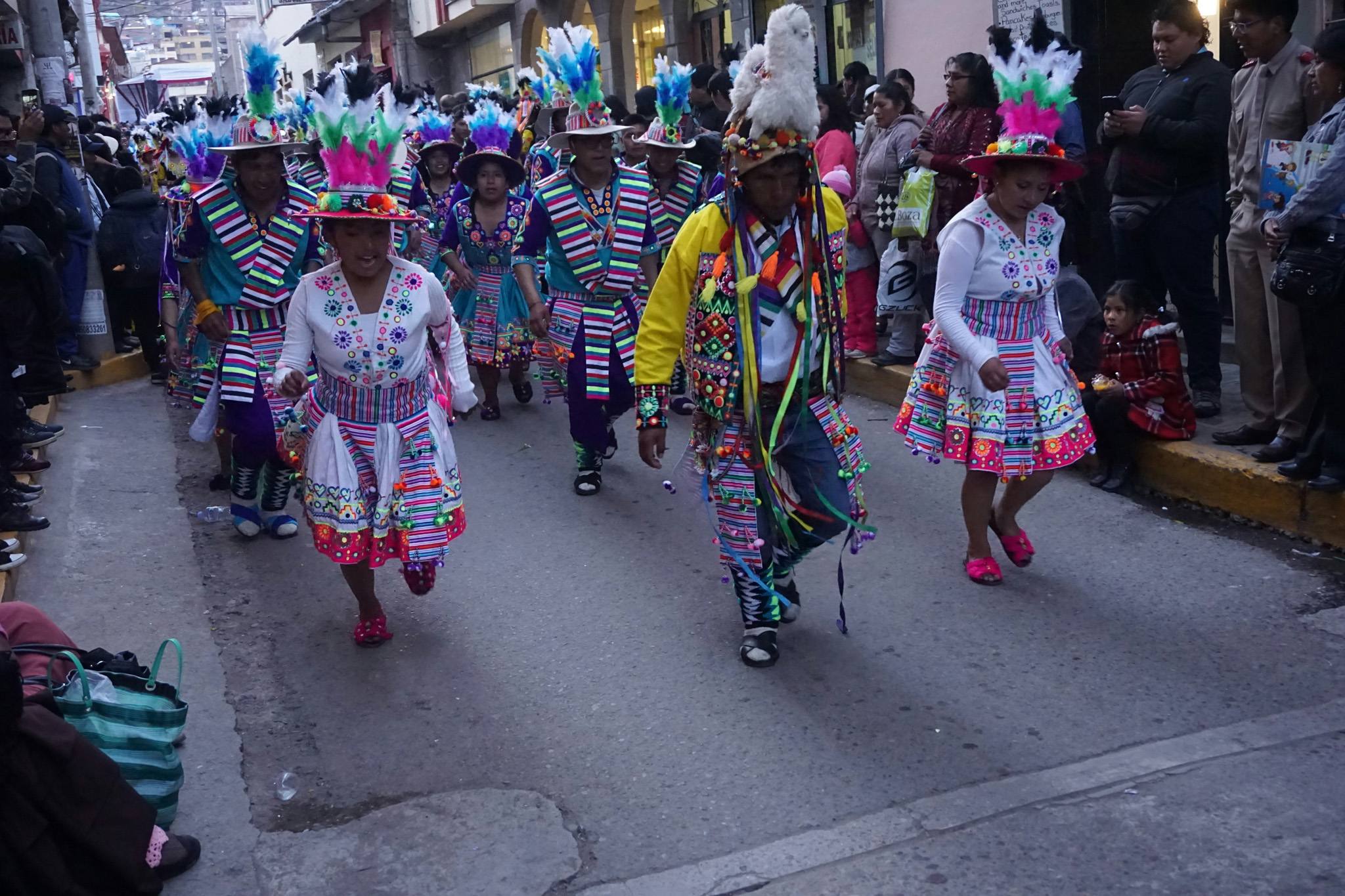
It is a destination that rewards both wonder and curiosity. The famous sights, Machu Picchu chief among them, more than live up to their reputation, but it is the smaller moments that linger: a market trader weaving in a highland plaza, the hush of cloud forest on a mountain trail, the first taste of ceviche by the sea. History here is not behind glass; it is woven into daily life, in the languages spoken, the crops grown, and the festivals still celebrated.
To visit Peru is to step into a country where ancient and modern, wild and cultivated, coast and summit and jungle all coexist within a single journey. Few places offer so much, so vividly, and fewer still leave you so certain you will want to return.