Raja Ampat – Destination Guide
Scattered off the northwest tip of Indonesian Papua, Raja Ampat is an archipelago of more than 1,500 islands, cays, and shoals rising from some of the richest seas on the planet. Its name means “Four Kings”, a reference to the four main islands of Waigeo, Batanta, Salawati, and Misool, but the real magic lies in the labyrinth of jungle-cloaked karst islets, hidden lagoons, and turquoise channels that thread between them. This is a place where mushroom-shaped limestone domes float above glassy water, and where the coral reefs below hold more marine species than anywhere else on Earth.
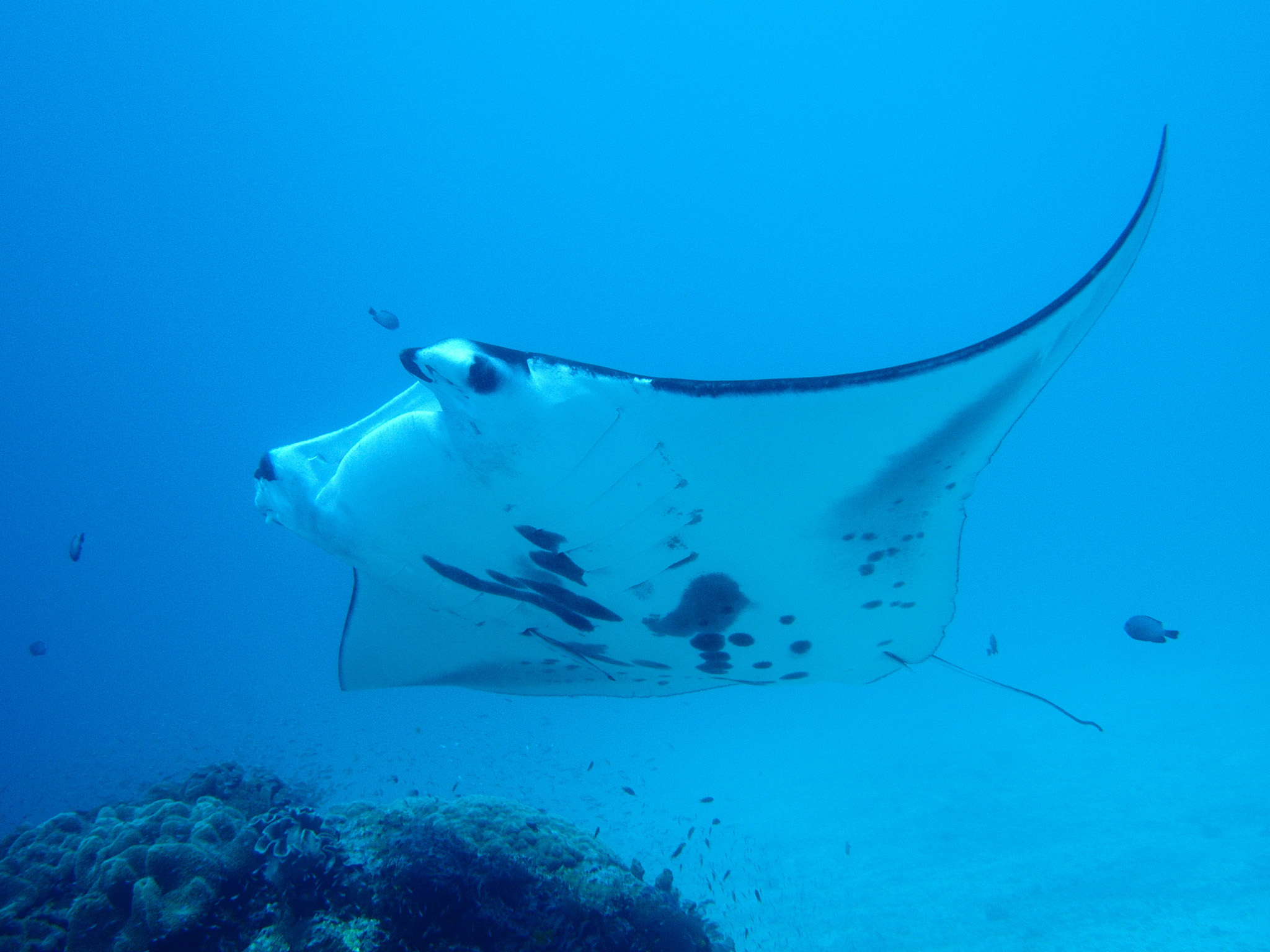
Raja Ampat sits at the heart of the Coral Triangle, and its protected waters are a living encyclopedia of ocean life – manta rays, reef sharks, pygmy seahorses, and walls of fish so dense they blot out the sun. Above the surface, the islands shelter birds of paradise, hornbills, and endemic species found nowhere else, while the local Papuan communities maintain a deep custodial relationship with the land and sea through traditional “sasi” conservation practices.
Getting here takes effort, and that is part of its reward. Raja Ampat remains gloriously remote, lightly visited, and fiercely protected. For travellers willing to make the journey, it offers something increasingly rare: a wilderness that still feels untouched, and an underwater world that genuinely lives up to its reputation.

🗺️ Regions to Explore
Waigeo
The largest island and the main gateway, home to the regency capital of Waisai and a string of dive resorts and homestays.
- Diving and snorkelling at Cape Kri and Mike’s Point
- Visiting the bird of paradise viewing trails at dawn
- Exploring the sheltered bays around the Dampier Strait
- Day trips to nearby Gam Island
- Kayaking through mangrove-fringed inlets
Piaynemo and the Fam Islands
A cluster of karst islets northwest of Waigeo, home to Raja Ampat’s most photographed viewpoint.
- Climbing the Piaynemo viewing platform for the iconic lagoon panorama
- Snorkelling the coral gardens around the Fam group
- Swimming in the hidden Star Lagoon
- Paddling between the limestone pinnacles
- Watching the light shift over the islands at sunrise

Misool
A remote southern island surrounded by jewel-like lagoons and some of the healthiest reefs in the archipelago.
- Diving the soft coral walls and seamounts of the south
- Visiting ancient rock art panels on hidden cliff faces
- Exploring the maze of karst islets by boat
- Snorkelling in calm, jellyfish-filled lakes
- Spotting manta rays at cleaning stations
Gam Island
A jungle-covered island close to Waigeo, known for its tranquil bays and birdlife.
- Trekking the rainforest trails in search of birds of paradise
- Snorkelling the rich reefs of the Mansuar channel
- Staying at small, locally run homestays
- Watching for hornbills and cuscus in the canopy
Batanta and Salawati
The two westernmost of the four kings, quieter and less developed, with waterfalls and dense forest.
- Hiking to jungle waterfalls on Batanta
- Diving the muck and macro sites in the straits
- Visiting traditional Papuan villages
- Birdwatching in untouched lowland rainforest

🎒 Things To Do
- Dive or snorkel the world-renowned reefs of the Dampier Strait
- Climb the Piaynemo viewpoint for the archipelago’s signature panorama
- Swim with manta rays at Manta Sandy and Misool’s cleaning stations
- Trek at dawn to watch red and Wilson’s birds of paradise display
- Paddle a kayak through the karst lagoons and hidden channels
- Explore ancient rock art on the cliffs of Misool
- Stay in a locally owned homestay over the water
- Spot reef sharks, turtles, and wobbegong sharks on the reefs
- Take a liveaboard cruise to reach the most remote dive sites
- Watch the sunset from a sandbar or limestone outcrop
🍽️ Food & Drink
Food in Raja Ampat is simple, fresh, and centred on the sea. Most meals revolve around the daily catch, served with rice, vegetables, and the staple Papuan starch “papeda”, a glutinous sago porridge eaten with savoury yellow fish soup. At homestays and resorts, expect generous, home-cooked Indonesian fare rather than fine dining.
- Grilled reef fish, often served whole with sambal and lime
- Papeda, the traditional sago porridge of Papua
- Ikan kuah kuning, a turmeric-rich yellow fish soup
- Nasi goreng and mie goreng, the ubiquitous fried rice and noodles
- Fresh tropical fruit such as papaya, banana, and pineapple
- Sweet local coffee and coconut water straight from the husk

🌦️ Weather
Raja Ampat has a warm, humid equatorial climate with high temperatures and significant rainfall year-round. There is no dramatic dry season, but conditions vary enough to affect diving and boat travel.
- Daytime temperatures sit consistently around 28-32°C
- Sea temperatures stay warm year-round at roughly 28-30°C
- Humidity is high throughout the year
- The calmest, driest months are generally October to April
- The windier “south wind” season runs roughly June to September, with rougher seas
- Short, heavy tropical downpours can occur in any month
📅 Best Time To Visit
October – April (Peak Season)
- Calmest seas and best conditions for boat travel and diving
- Excellent underwater visibility across most sites
- Higher demand, so resorts and liveaboards should be booked well ahead
May and September (Shoulder Season)
- Transitional months with a mix of calm and breezier days
- Fewer visitors and slightly easier availability
- Generally good diving with occasional unsettled weather
June – August (South Wind Season)
- Stronger winds and choppier seas, especially in exposed areas
- Some northern sites become harder to reach, while Misool can stay sheltered
- A quieter time to visit, though boat transfers may be bumpier
🎒 Packing List
- Lightweight, quick-drying clothing for hot and humid days
- A light long-sleeved layer for sun protection and cooler boat rides
- Swimwear and a rash guard for snorkelling and diving
- Reef-safe sunscreen and a wide-brimmed hat
- Insect repellent for mosquitoes and sandflies
- A light rain jacket or poncho for sudden downpours
- Sturdy sandals plus water shoes for rocky shorelines and jetties
- Snorkel gear or dive certification card if you plan to dive
- A dry bag to protect electronics on boat transfers
- A universal power adapter and power bank
- A basic medical kit with motion sickness tablets and any personal medication
- Electrolyte sachets to stay hydrated in the heat

🛂 Visas & Entry Requirements
Most visitors enter Indonesia on a Visa on Arrival, with Raja Ampat reached via a domestic connection through Sorong.
- Visa on Arrival is available to citizens of around 97 countries, costing IDR 500,000 for a 30-day stay
- The Visa on Arrival can be applied for in advance online as an e-VOA, or obtained on arrival at major international airports
- It can be extended once for a further 30 days at a local immigration office
- Passports must be valid for at least six months from the date of arrival, with at least two blank pages
- Proof of onward or return travel may be requested at immigration
- A Surat Jalan travel permit is not required to visit Raja Ampat
- Official information: https://evisa.imigrasi.go.id
💰 Money
- The currency is the Indonesian Rupiah (IDR)
- Raja Ampat is largely a cash economy, so carry enough rupiah for your whole stay
- ATMs are very limited and unreliable in the islands – withdraw cash in Sorong before departing
- Most homestays and many small resorts do not accept cards
- Larger resorts and liveaboards may accept card payment, often with a surcharge
- Tipping is not obligatory but is appreciated for guides, boat crew, and homestay hosts
💸 Hotel & Tourist Taxes
Raja Ampat has two mandatory official fees that all visitors must pay to enter its protected areas, alongside standard Indonesian accommodation charges.
- The Marine Park Entry Permit (Environmental Service Fee) costs IDR 700,000 per international visitor and is valid for 12 months
- The Visitor Entry Ticket, a separate tourism infrastructure fee, costs an additional IDR 300,000 per visitor
- Both can be paid online in advance or in person on arrival at Waisai, and many resorts and liveaboards arrange them on guests’ behalf
- Children under 12 are exempt from the Marine Park Entry Permit
- Indonesian hotels and resorts typically add a government tax and service charge of around 21 percent, usually included in quoted rates

🌈 LGBTQIA+ Travellers
Indonesia has no national law criminalising homosexuality, but social attitudes are conservative, particularly in remote and religious regions like Papua.
- Same-sex relationships are legal nationally, though same-sex marriage is not recognised
- Public attitudes are generally conservative, and open displays of affection by any couple are uncommon
- Papua is a strongly traditional and religious region, so discretion is advised
- A revised national criminal code includes penalties around cohabitation and sex outside marriage, though enforcement details remain unclear
- LGBTQIA+ travellers generally visit without issue, but a low-key approach is sensible
⚠️ Traveller Safety
Raja Ampat is a remote but generally safe destination, with the main risks relating to its isolation rather than crime.
- Crime levels are very low, and most travel issues relate to weather and remoteness
- Medical facilities are extremely limited, so comprehensive insurance and evacuation cover are essential
- Always dive and snorkel with reputable, locally knowledgeable operators and respect currents
- Boat transfers can be rough in windy conditions, so follow crew guidance closely
- The islands are very dark at night with little infrastructure, so carry a torch
- Emergency number is 112
💉 Vaccinations & Health
No vaccinations are mandatory for entry, but several are strongly recommended given the remote, tropical setting.
- Ensure routine vaccinations are up to date, including tetanus, measles, and hepatitis A
- Hepatitis B, typhoid, and rabies vaccinations are commonly recommended for this region
- Malaria is present in Papua, including Raja Ampat, so consult a doctor about antimalarial medication
- Dengue fever is also a risk, making mosquito-bite prevention important
- A yellow fever certificate is required only if arriving from a country with yellow fever risk
- Official information: https://www.who.int/travel-advice

🚗 Getting Around
- Travel between islands is almost entirely by boat, ranging from public ferries to private resort transfers
- A public ferry connects Sorong to Waisai on Waigeo, taking around two hours
- Most resorts and homestays arrange dedicated speedboat transfers, often included in packages
- Liveaboard cruises are a popular way to reach remote dive sites without daily transfers
- There are no roads between islands and very limited road transport on land
- Independent island-hopping is possible but slow, weather-dependent, and best planned in advance
✈️ Airports
Domine Eduard Osok Airport (SOQ)
- The main gateway in Sorong on the Papuan mainland, served by domestic flights from Jakarta, Makassar, and Manado, and the jumping-off point for boats to Raja Ampat
Marinda Airport (RJM)
- A small airport on Waigeo near Waisai, occasionally served by limited domestic flights, offering a faster route into the islands when operating

🗣️ Language
The official language is Indonesian (Bahasa Indonesia), which is spoken across the country and used in schools, government, and business. In Raja Ampat, local Papuan communities also speak a range of indigenous Papuan languages and regional dialects. English is spoken at dive resorts, liveaboards, and tourism-focused homestays, but is very limited in villages and among the general population, so a few words of Indonesian go a long way.
Common Phrases
- Hello – Halo (HAH-loh)
- Goodbye – Selamat tinggal (suh-LAH-mat ting-GAL)
- Please – Tolong (TOH-long)
- Thank you – Terima kasih (tuh-REE-mah KAH-see)
- You’re welcome – Sama-sama (SAH-mah SAH-mah)
- Yes – Ya (yah)
- No – Tidak (TEE-dak)
- Excuse me – Permisi (per-MEE-see)
- Sorry – Maaf (mah-AHF)
- Do you speak English? – Apakah Anda bisa bahasa Inggris? (AH-pah-kah AHN-dah BEE-sah bah-HAH-sah ING-griss)
- How much? – Berapa harganya? (buh-RAH-pah har-GAH-nyah)
- Where is…? – Di mana…? (dee MAH-nah)
- Help – Tolong (TOH-long)
- Cheers – Bersulang (ber-SOO-lang)
- Delicious – Enak (EH-nak)
ℹ️ Practical Info
Electricity
- Indonesia uses Type C and Type F plugs with a standard voltage of 230V
- Power in Raja Ampat is often limited, with many homestays running generators for set hours only
Internet & WiFi
- Connectivity is patchy and slow across the islands, with some homestays having no internet at all
- Mobile data coverage is limited and unreliable outside Waisai
Water
- Tap water is not safe to drink
- Drink bottled or properly filtered water, and bring a reusable bottle to reduce plastic waste
Travel Insurance
- Comprehensive travel insurance is essential, and should include cover for diving, boat travel, and emergency medical evacuation given the region’s remoteness and limited medical facilities
Connectivity SIM / eSIM
- Indonesian SIM cards from providers such as Telkomsel offer the best coverage and are best purchased in Sorong, though signal in Raja Ampat remains limited
- Using an eSIM is our recommended choice while travelling anywhere in the world, and our recommended provider is Holafly. For more information on eSIMs, check out this blog.

❤️ Why Visit Raja Ampat
Raja Ampat is, quite simply, one of the last great underwater wildernesses on the planet. Beneath its glassy turquoise water lies the most biodiverse marine environment ever recorded, a kaleidoscope of coral, fish, and megafauna that no aquarium or documentary can prepare you for. To slip below the surface here is to enter a world operating at full volume, alive in every direction.
But Raja Ampat is far more than a dive destination. It is karst islands rising like green cathedrals from the sea, dawn treks to watch birds of paradise dance, and nights spent in stilted homestays with nothing but the sound of water below. It is a place that has been carefully protected by the Papuan communities who call it home, and travelling here means becoming part of that custodianship, however briefly.
The journey is long and the comforts are simple, but that is exactly why Raja Ampat still feels like a secret. For travellers seeking somewhere genuinely wild, genuinely remote, and genuinely unforgettable, the Four Kings reward every mile it takes to reach them.