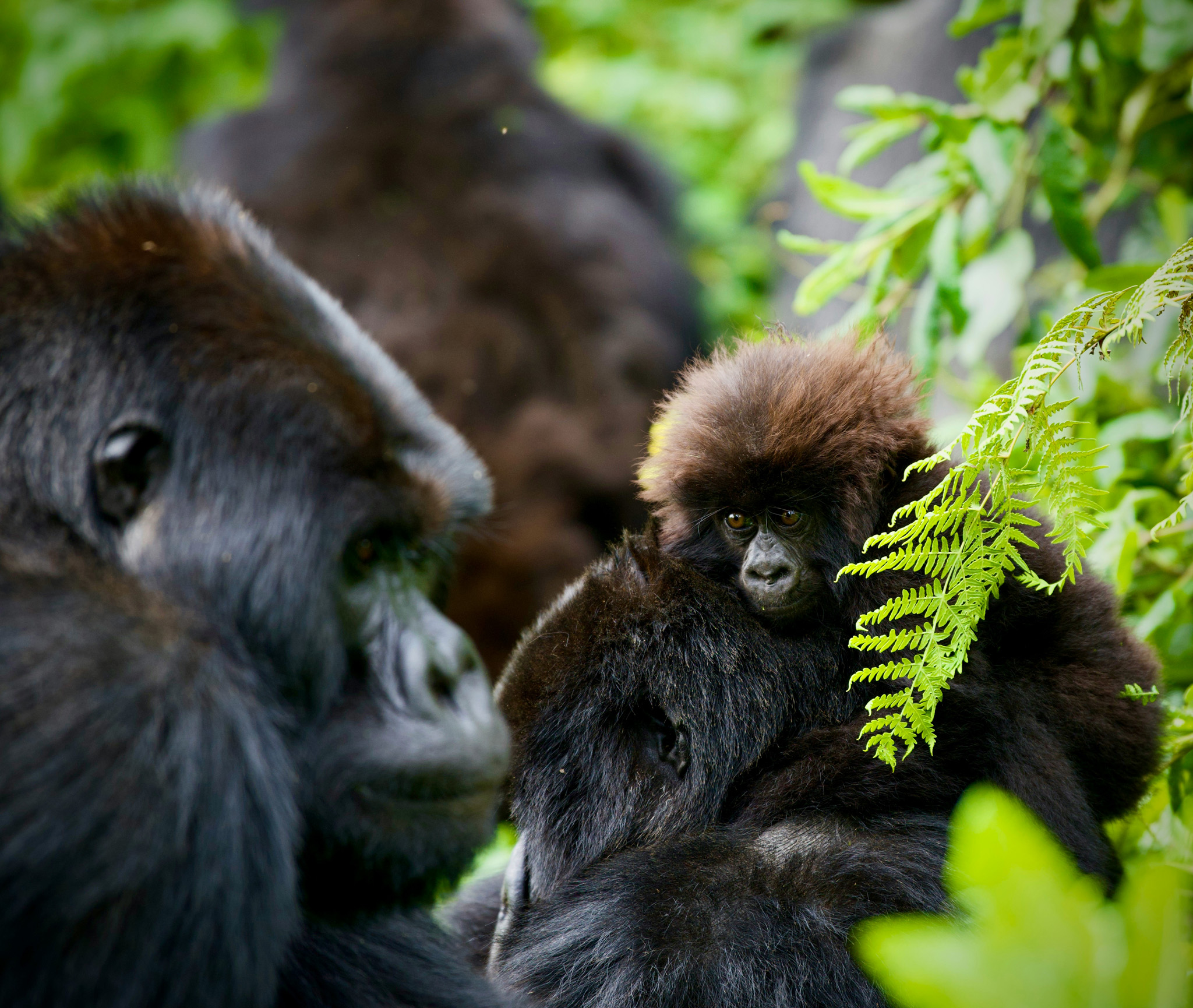
Rwanda – Destination Guide
Tucked into the heart of East Africa, Rwanda is a country of dramatic green ridgelines, mist-wrapped volcanoes, and a warmth that lingers long after you leave. Known as the Land of a Thousand Hills, it unfolds in endless terraced slopes, crater lakes, and rainforest canopies that shelter some of the rarest wildlife on earth. It is compact enough to cross in a single day, yet rich enough to fill weeks.
Rwanda is best known as the place to come face to face with mountain gorillas, but the experience runs far deeper than a single trek. This is a destination of golden monkeys and chimpanzees, of canopy walkways and tea plantations, of a capital city that hums with creativity and order. The country has rebuilt itself with remarkable intention since the 1994 genocide, and travellers will find a society that looks its history squarely in the eye while moving forward with quiet confidence.
What makes Rwanda rewarding is the sense that every encounter feels personal – the guide who knows each gorilla family by name, the village that welcomes you for a coffee tasting, the stillness of a sunrise over Lake Kivu. It is travel with intimacy, purpose, and genuine connection.
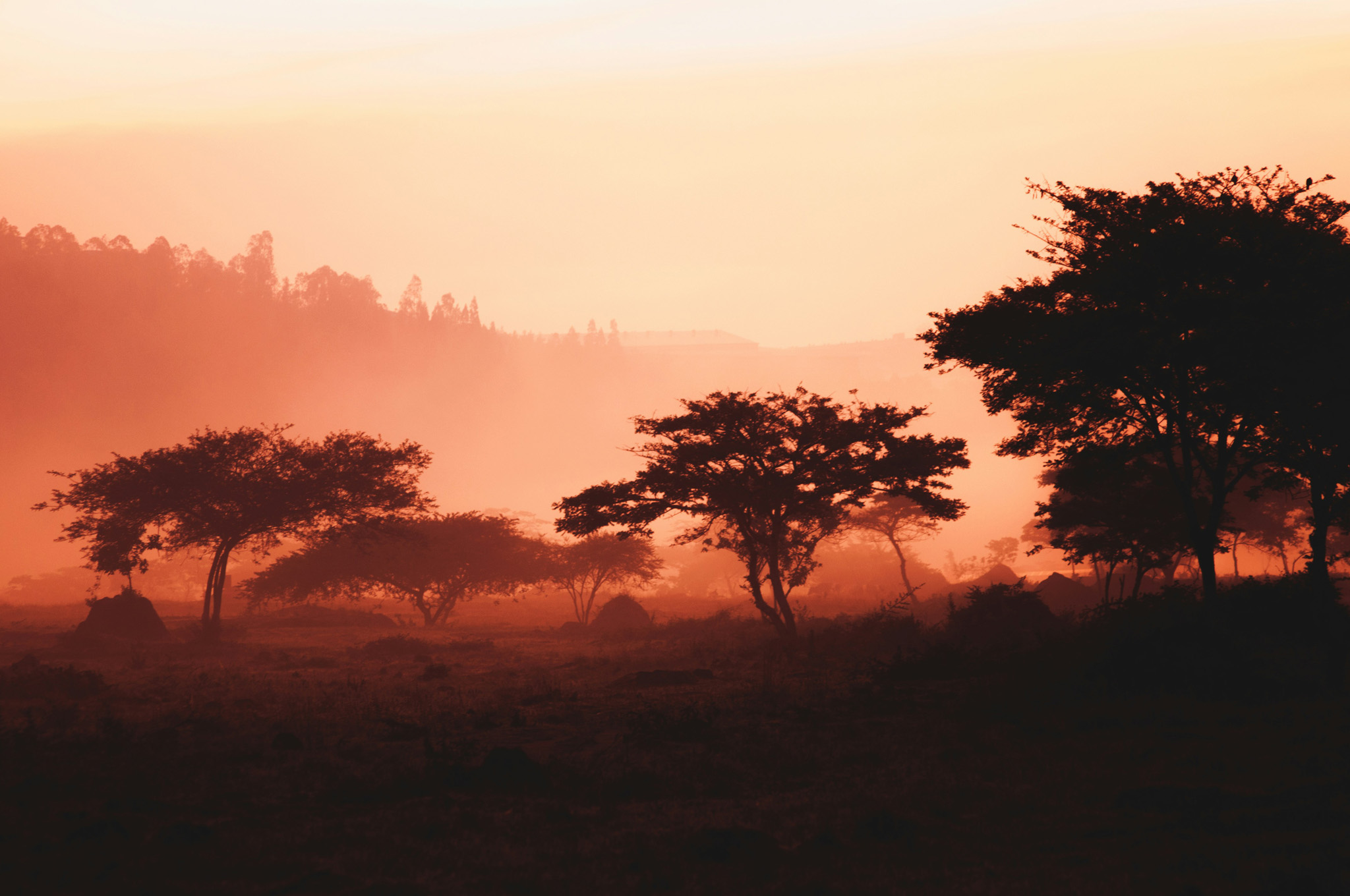
🗺️ Regions to Explore
Kigali
Rwanda’s clean, green, and famously safe capital, set across several hills in the centre of the country.
- Visit the Kigali Genocide Memorial
- Explore the lively Kimironko Market
- Browse contemporary art at the Inema Arts Center
- Sample the growing speciality coffee and dining scene
- Take a guided neighbourhood walking tour
Volcanoes National Park
The country’s headline destination in the far northwest, home to the Virunga volcano chain.
- Trek to see mountain gorillas in their natural habitat
- Track playful golden monkeys through bamboo forest
- Hike Mount Bisoke to its crater lake
- Visit the Dian Fossey tomb on Mount Karisimbi
- Explore the Musanze Caves
Lake Kivu
A vast, calm freshwater lake along the western border, fringed by beach towns and hillside villages.
- Relax on the shores at Gisenyi (Rubavu) or Kibuye
- Kayak or boat between the lake’s scattered islands
- Cycle a section of the Congo Nile Trail
- Visit a working coffee washing station
- Watch fishermen sing their way out at dusk
Nyungwe Forest National Park
One of Africa’s oldest rainforests, draped over the mountains of the southwest.
- Walk the canopy suspension bridge high above the forest
- Trek to track chimpanzees and other primate troops
- Hike trails to waterfalls and viewpoints
- Spot a remarkable variety of forest birds
- Tour the surrounding tea estates
Akagera National Park
Rwanda’s only savannah park, in the warm lowlands of the east along the Tanzanian border.
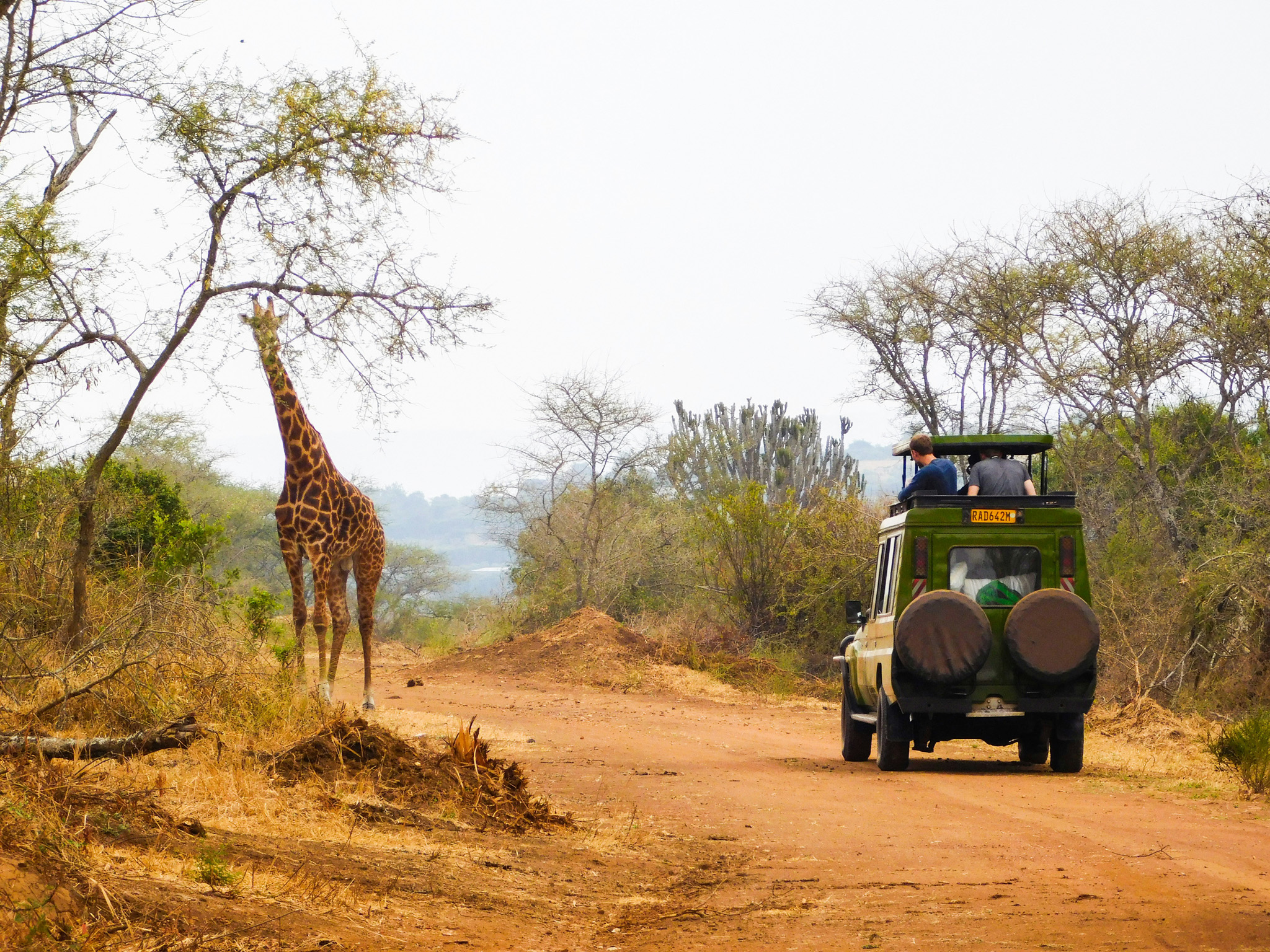
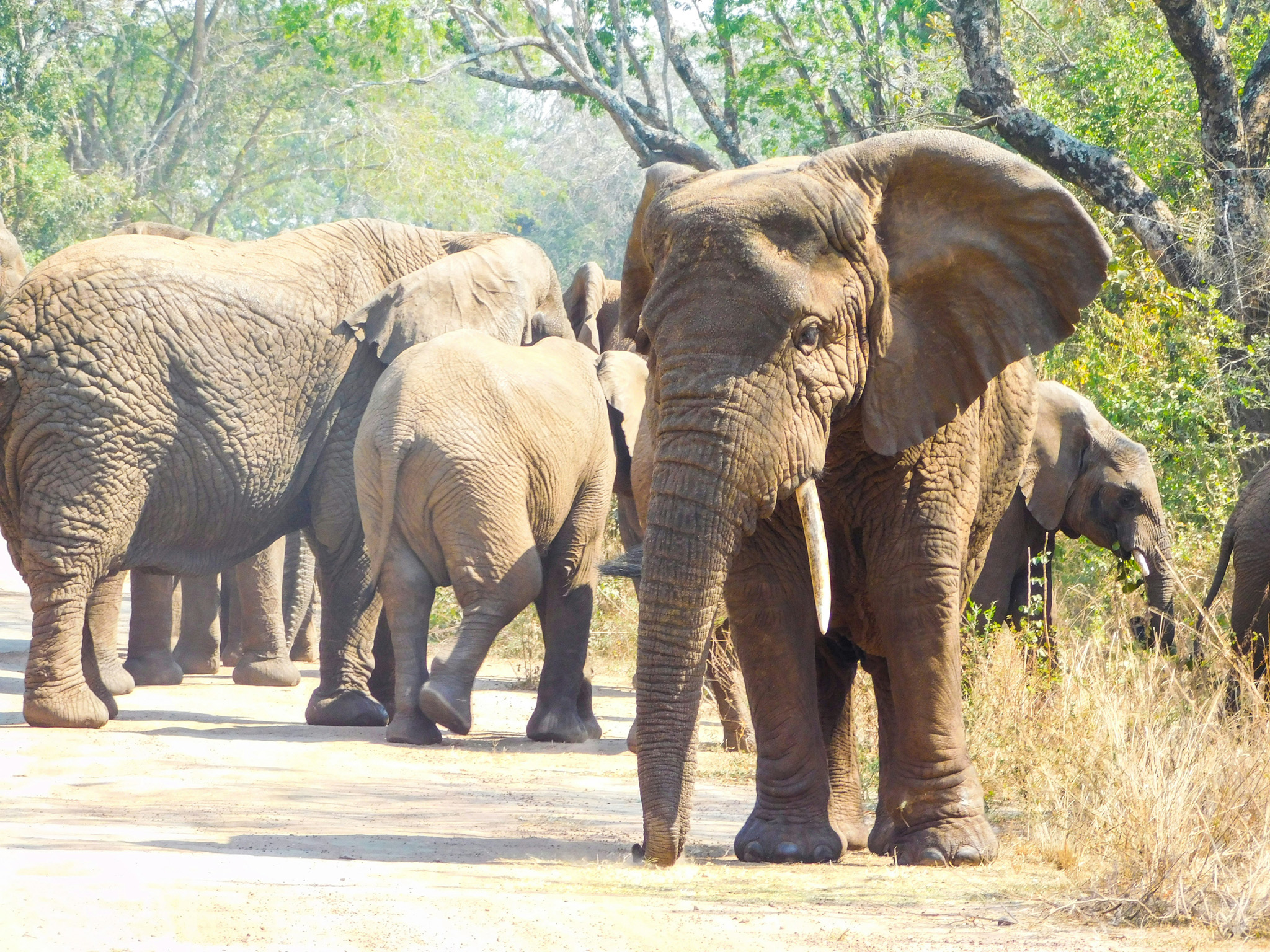
- Take a game drive in search of the Big Five
- Enjoy a boat safari on Lake Ihema
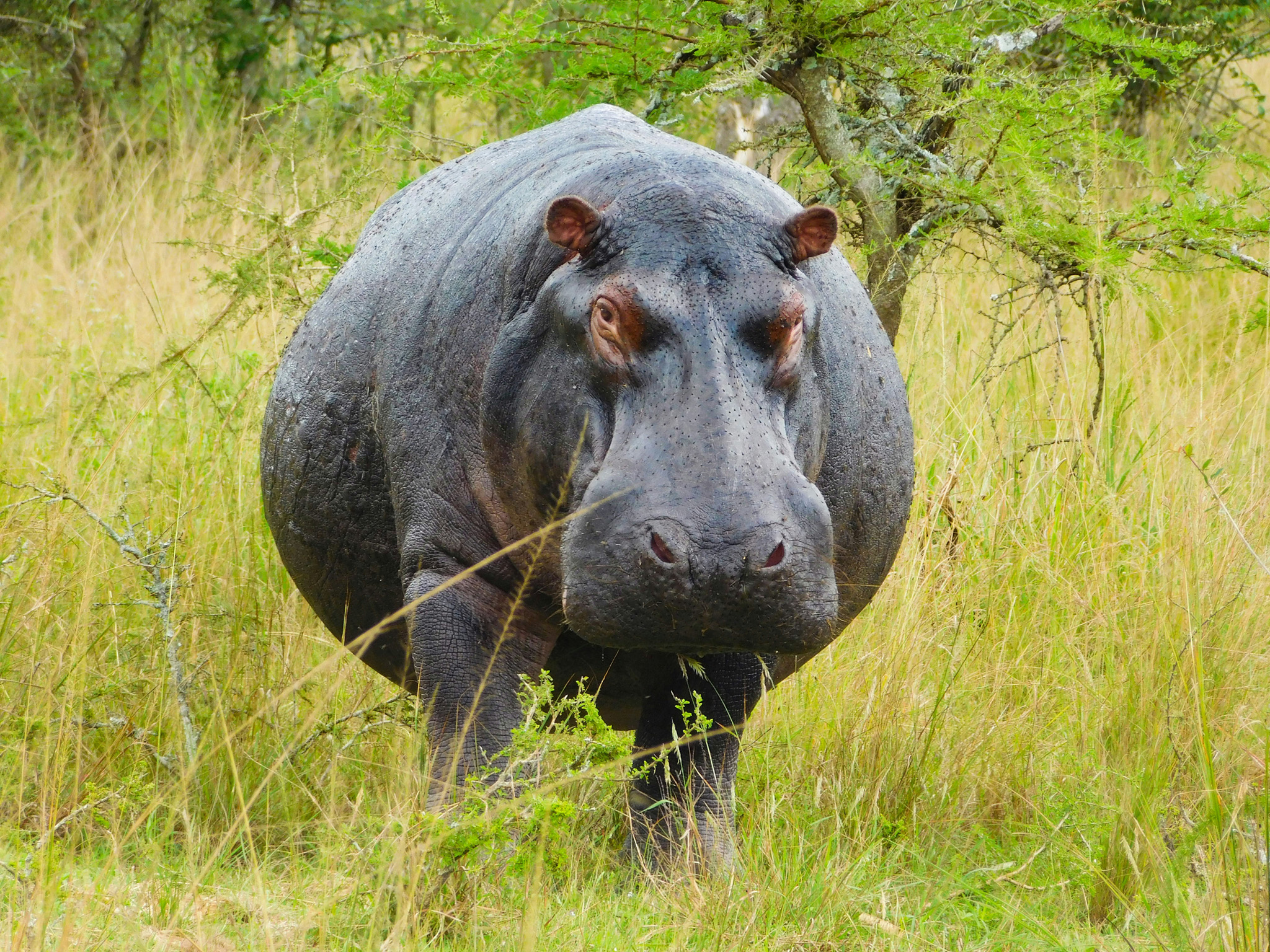
- Look for hippos, crocodiles, and shorebirds
- Spot reintroduced lions and black rhinos
- Camp or lodge beneath wide eastern skies
🎒 Things To Do
- Trek to see mountain gorillas in Volcanoes National Park
- Track golden monkeys through the bamboo at the volcanoes’ base
- Cross the canopy walkway suspension bridge in Nyungwe Forest
- Go on a Big Five game drive in Akagera National Park
- Spend a slow day on the shores of Lake Kivu
- Visit the Kigali Genocide Memorial for a moving look at the country’s history
- Tour a coffee or tea plantation and taste the result at the source
- Cycle or hike a stretch of the Congo Nile Trail
- Explore the markets, galleries, and cafes of Kigali
- Climb a Virunga volcano such as Mount Bisoke for crater lake views
🍽️ Food & Drink
Rwandan cuisine is hearty, fresh, and built around the country’s fertile highlands, leaning on grilled meats, beans, plantains, and an abundance of locally grown produce. Mealtimes are unhurried, and the buffet-style spread is a national staple.
- Brochettes – skewered grilled goat, beef, or fish, the go-to street and bar food
- Isombe – mashed cassava leaves cooked with onion, spinach, and sometimes peanut
- Ugali – a firm maize porridge served alongside stews and sauces
- Ibirayi – potatoes prepared every way, often with melange (a mixed plate)
- Speciality coffee and tea, both grown and roasted to a high standard locally
- Urwagwa, a traditional banana beer, alongside the popular local lagers
🌦️ Weather
Despite sitting just south of the equator, Rwanda enjoys a mild, temperate climate thanks to its high altitude, with comfortable days and cool evenings year round.
- Daytime temperatures generally sit between 20-27°C in most regions
- Evenings and early mornings can be cool, especially at altitude near the volcanoes
- The eastern lowlands around Akagera are noticeably warmer and more humid
- Two rainy seasons fall roughly March – May and October – November
- Two drier seasons run roughly June – September and December – February
- Rain often arrives as short, heavy afternoon downpours rather than all-day weather
📅 Best Time To Visit
June – September (Long Dry Season)
- The most popular time, with the driest conditions for trekking and game drives
- Forest trails are firmer and easier underfoot
- Expect higher demand for gorilla permits and lodges, so book well ahead
December – February (Short Dry Season)
- A second window of drier, settled weather and good wildlife viewing
- Slightly quieter than the mid-year peak in some areas
- A strong choice for combining trekking with lake and city time
March – May and October – November (Rainy Seasons)
- Lush, green landscapes and fewer crowds at the parks
- Trekking is still possible but trails can be muddy and slippery
- Often lower lodge rates and easier permit availability
🎒 Packing List
- Lightweight layers for warm days and cool highland evenings
- A warm fleece or jacket for early morning treks
- Waterproof rain jacket and a small pack cover
- Sturdy, broken-in waterproof hiking boots
- Long-sleeved shirts and long trousers in neutral colours for treks
- Gardening or trekking gloves to grip vegetation on gorilla treks
- Sun protection – hat, sunglasses, and high-SPF sunscreen
- Insect repellent with DEET
- A daypack for water, snacks, and camera gear
- Personal medical kit, including any prescription medication and electrolytes
- Universal power adapter and a portable power bank
- Binoculars and a camera with spare batteries and memory cards
🛂 Visas & Entry Requirements
Rwanda has one of the most open entry systems in Africa, with visas available to all nationalities both online and on arrival.
- Citizens of all countries can obtain a 30-day single-entry tourist visa on arrival at Kigali International Airport and land borders, currently around USD 50
- E-visas can be applied for in advance through the official Irembo portal, usually processed within a few working days
- The East Africa Tourist Visa (around USD 100) allows multiple entries across Rwanda, Kenya, and Uganda for 90 days
- Passports must be valid for at least six months from the date of arrival
- Rwandan law requires all visitors to hold valid health insurance for their stay – see the Travel Insurance note under Practical Info
- Official information: https://irembo.gov.rw
💰 Money
- The currency is the Rwandan franc (RWF)
- Cash is preferred for markets, small vendors, tipping, and rural areas
- Cards are accepted at hotels, larger restaurants, and lodges in Kigali and tourist hubs
- ATMs are widely available in Kigali and major towns, less so in remote areas
- US dollars are useful for visa fees and some larger payments – bring clean, post-2013 notes
- Tipping is appreciated but not obligatory, with guides, trackers, and drivers customarily tipped after treks and safaris
💸 Hotel & Tourist Taxes
Rwanda does not levy a separate per-night tourist or city tax, though some standard taxes are built into accommodation pricing.
- A value added tax of 18 percent applies to goods and services, usually included in quoted hotel rates
- Some hotels add a small local service or accommodation levy, typically shown on the final bill
- Gorilla and other park permits are charged separately as fixed national park fees, not accommodation taxes
- Always confirm with your accommodation whether quoted rates are inclusive of taxes
🌈 LGBTQIA+ Travellers
Rwanda’s legal position on LGBTQIA+ travellers is relatively neutral by regional standards, though social attitudes remain conservative.
- Same-sex relationships are not criminalised under Rwandan law, unlike in several neighbouring countries
- There are no legal protections against discrimination, and there is no visible public LGBTQIA+ scene
- Social and cultural attitudes are largely conservative, and open displays of affection between any couple are uncommon in public
- Discretion is generally advised, particularly outside Kigali and in rural areas
- Travellers are rarely targeted, and tourism-facing staff are professional and welcoming
⚠️ Traveller Safety
Rwanda is widely regarded as one of the safest countries in Africa, with low crime levels and a strong, visible focus on order and security.
- Petty crime is uncommon, though normal precautions against pickpocketing apply in busy markets and crowds
- Kigali is considered very safe to walk, including at night in central areas
- Trekking and wildlife activities should always be done with licensed guides, who set safe distances from animals
- The far western border region near the DRC can be sensitive – follow official advice and your operator’s guidance
- Emergency number is 112
💉 Vaccinations & Health
Travellers should consult a doctor or travel clinic four to six weeks before departure for tailored advice.
- A yellow fever vaccination certificate is required if arriving from or transiting a country with yellow fever risk
- Routine vaccinations should be up to date, with hepatitis A, typhoid, and tetanus commonly recommended
- Malaria is present, particularly in lower-lying areas such as Akagera – antimalarial medication and bite prevention are advised
- Carry a basic medical kit, as quality care outside Kigali is limited
- Official information: https://www.travelhealthpro.org.uk/country/186/rwanda
🚗 Getting Around
- Most visitors travel with a private driver-guide or as part of an organised tour, which is the easiest way to reach the parks
- Main roads between major towns are paved and generally in good condition, though winding and slow through the hills
- Distances look short on a map but take time given the terrain – allow generous travel times
- Shared minibuses and coaches connect towns affordably but can be crowded
- Motorbike taxis (motos) are a quick, popular way to get around Kigali, with helmets provided
- Ride-hailing apps operate in Kigali and offer a convenient alternative to street taxis
✈️ Airports
Kigali International Airport (KGL)
- The country’s main international gateway, just outside the capital and the arrival point for almost all visitors.
Kamembe Airport (KME)
- A small domestic airport near Cyangugu in the southwest, useful for reaching Nyungwe Forest and Lake Kivu.
🗣️ Language
Rwanda has several official languages – Kinyarwanda is spoken by nearly everyone as the national language, while English and French serve as official languages, with Swahili also recognised. English has become the primary language of education and business, so travellers will find it widely understood in Kigali, hotels, and the tourism industry. A few words of Kinyarwanda are always warmly received.
Common Phrases
- Hello – Muraho (moo-RAH-ho)
- Goodbye – Murabeho (moo-rah-BEH-ho)
- Please – Nyamuneka (nya-moo-NEH-kah)
- Thank you – Murakoze (moo-rah-KOH-zeh)
- Yes – Yego (YEH-go)
- No – Oya (OH-yah)
- Excuse me – Mwihangane (mwee-hahn-GAH-neh)
- Sorry – Ihangane (ee-hahn-GAH-neh)
- Do you speak English? – Uvuga icyongereza? (oo-VOO-gah ee-chon-geh-REH-zah)
- How much is it? – Ni angahe? (nee ahn-GAH-heh)
- Where is…? – …iri he? (EE-ree heh)
- Help – Mfasha (m-FAH-shah)
- Cheers – Sante (SAHN-teh)
- Good morning – Mwaramutse (mwah-rah-MOOT-seh)
- You are welcome – Murakaza neza (moo-rah-KAH-zah NEH-zah)
ℹ️ Practical Info
Electricity
- Plug types C and J are used, with a standard voltage of 230V
Internet & WiFi
- WiFi is available in most hotels, lodges, and cafes in Kigali and tourist areas, though it can be slow or intermittent in remote parks. Mobile data coverage is good across populated areas.
Water
- Tap water is not considered safe to drink. Stick to bottled or filtered water, and use it for brushing teeth where possible.
Travel Insurance
- Comprehensive personal travel insurance is strongly recommended and is also a legal requirement for entry to Rwanda – make sure your policy covers high-altitude trekking, wildlife activities, and emergency medical evacuation, as facilities outside Kigali are limited.
Connectivity SIM / eSIM
- Local SIM cards from providers such as MTN and Airtel are inexpensive and easy to buy on arrival, with a passport needed to register.
- Using an eSIM is our recommended choice while travelling anywhere in the world, and our recommended provider is Holafly. For more information on eSIMs, check out this blog.

💖 Why Visit Rwanda
Rwanda offers one of the most profound wildlife encounters on the planet – the chance to sit quietly among a family of mountain gorillas, just metres away, as they go about their day. It is the kind of experience that recalibrates how you think about the natural world, and it is reason enough on its own to make the journey.
But Rwanda rewards the traveller who stays longer. It is a country of canopy walks and crater lakes, of savannah game drives and lakeside afternoons, all stitched together by good roads through impossibly green hills. It is also a country with a story of resilience that is impossible to ignore – one told with honesty and grace, and one that lends every visit a deeper sense of meaning.
Compact, safe, welcoming, and quietly extraordinary, Rwanda proves that a small country can hold an enormous amount of wonder. Come for the gorillas, stay for the hills, and leave with the feeling that you have seen something truly rare.