Sri Lanka – Destination Guide
Compact yet astonishingly varied, Sri Lanka packs an entire continent of experiences into a single teardrop-shaped island. In the space of a short drive you can move from palm-fringed beaches to misty tea country, from ancient ruined cities to jungle teeming with leopards and elephants. The landscapes shift constantly, the colours are vivid, and the pace invites you to slow down and savour it all.
This is a place defined as much by its people as its scenery. Sri Lankans are famously warm and generous hosts, and a journey here is punctuated by easy conversations, roadside cups of sweet tea, and the gentle rhythm of temple bells. Centuries of Buddhist, Hindu, Muslim, and colonial influence have layered the island with extraordinary cultural depth, from sacred relic shrines to crumbling Portuguese forts.
Whether you come for the wildlife, the surf, the food, or simply the joy of a slow train winding through emerald hills, Sri Lanka rewards curiosity at every turn. Few destinations offer so much, so close together, with so little fuss.
🗺️ Regions to Explore
The Cultural Triangle
The historic heart of the island, anchored by ancient capitals and sacred sites.
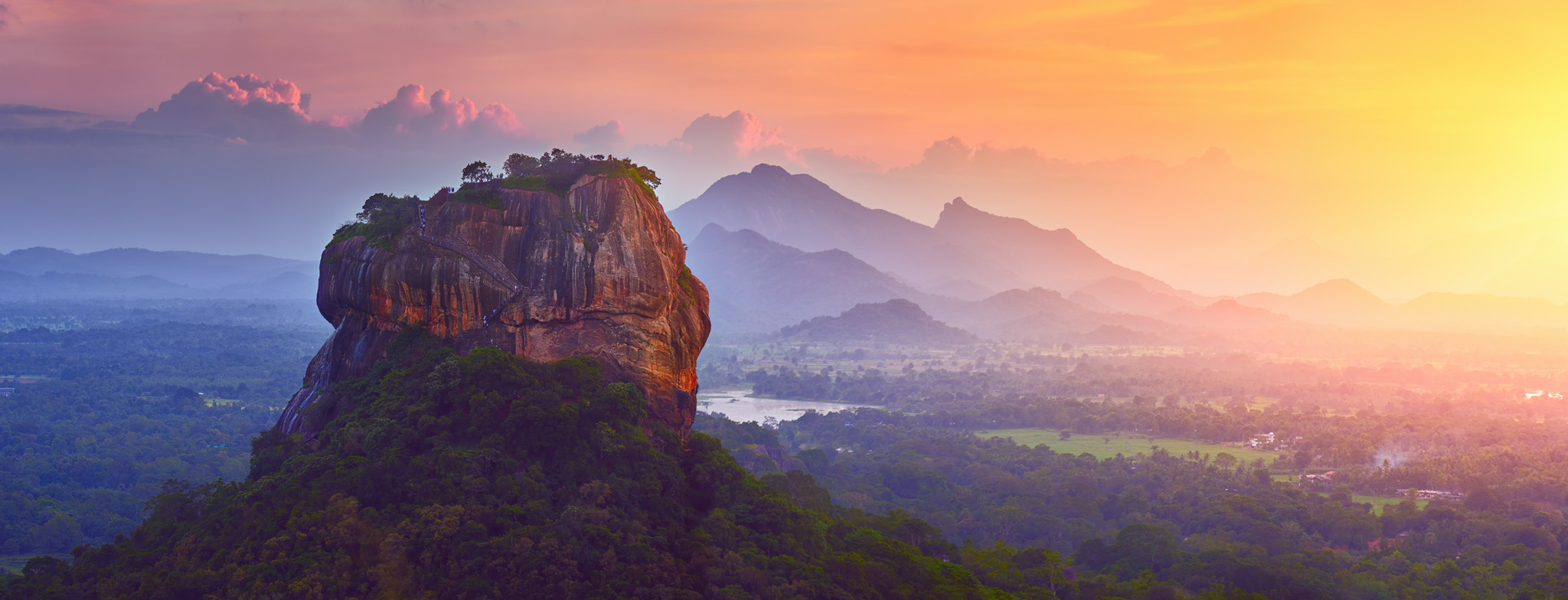
- Climb the rock fortress of Sigiriya at sunrise
- Explore the ruined cities of Anuradhapura and Polonnaruwa
- Visit the cave temples of Dambulla
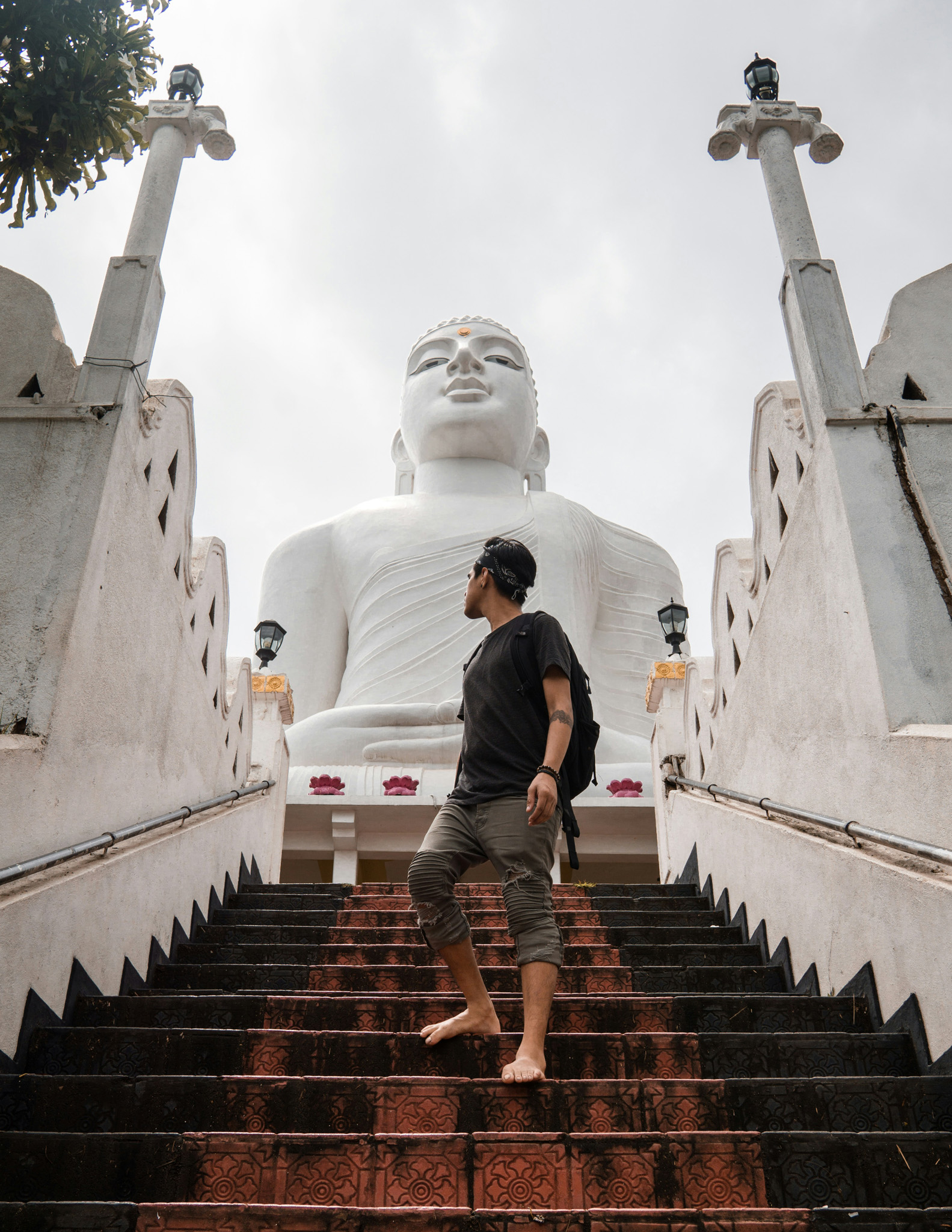
- Pay respects at the Temple of the Sacred Tooth Relic in Kandy
- Spot elephants at Minneriya or Kaudulla national parks
The Hill Country
Cool, green highlands of tea estates, waterfalls, and colonial-era charm.
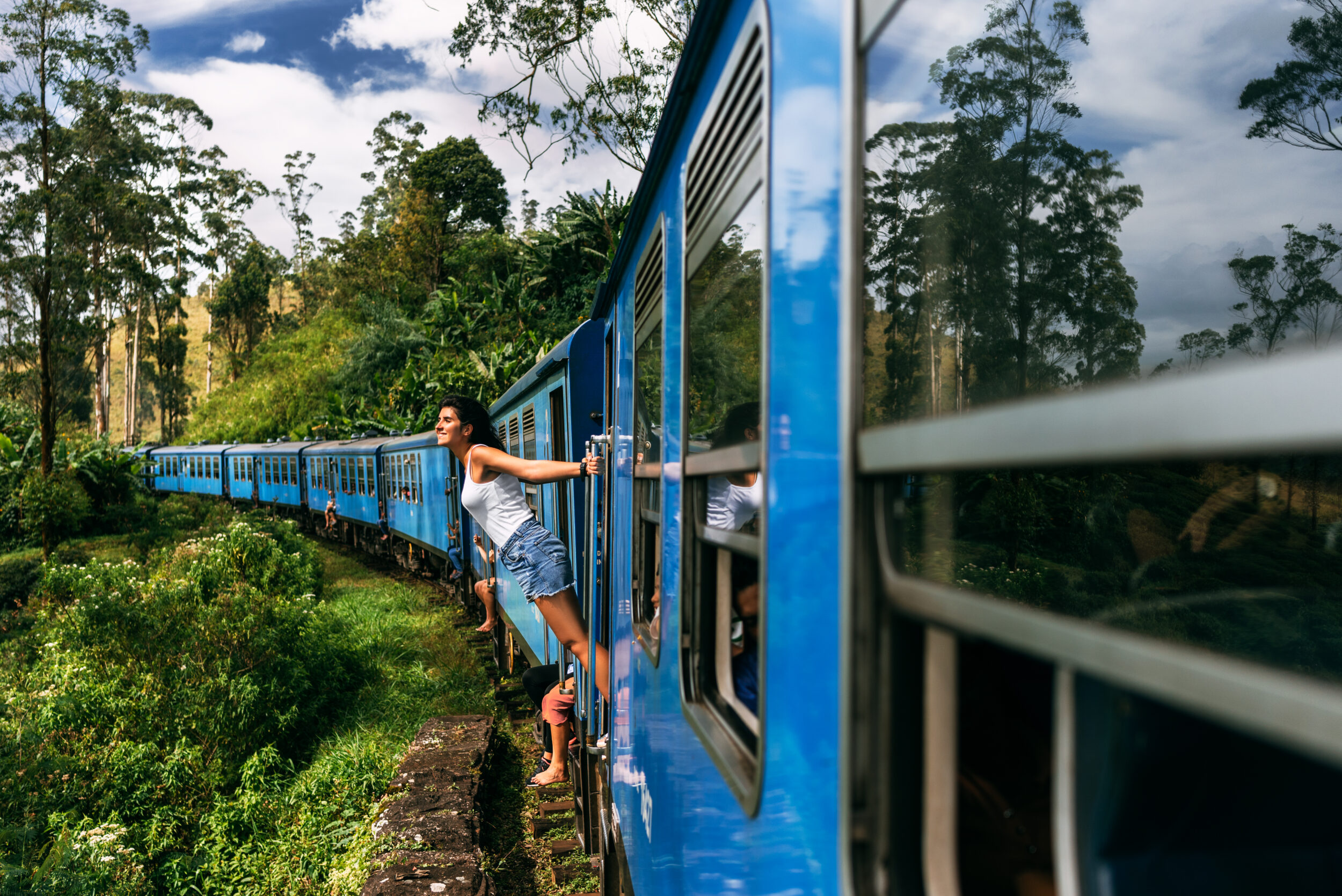
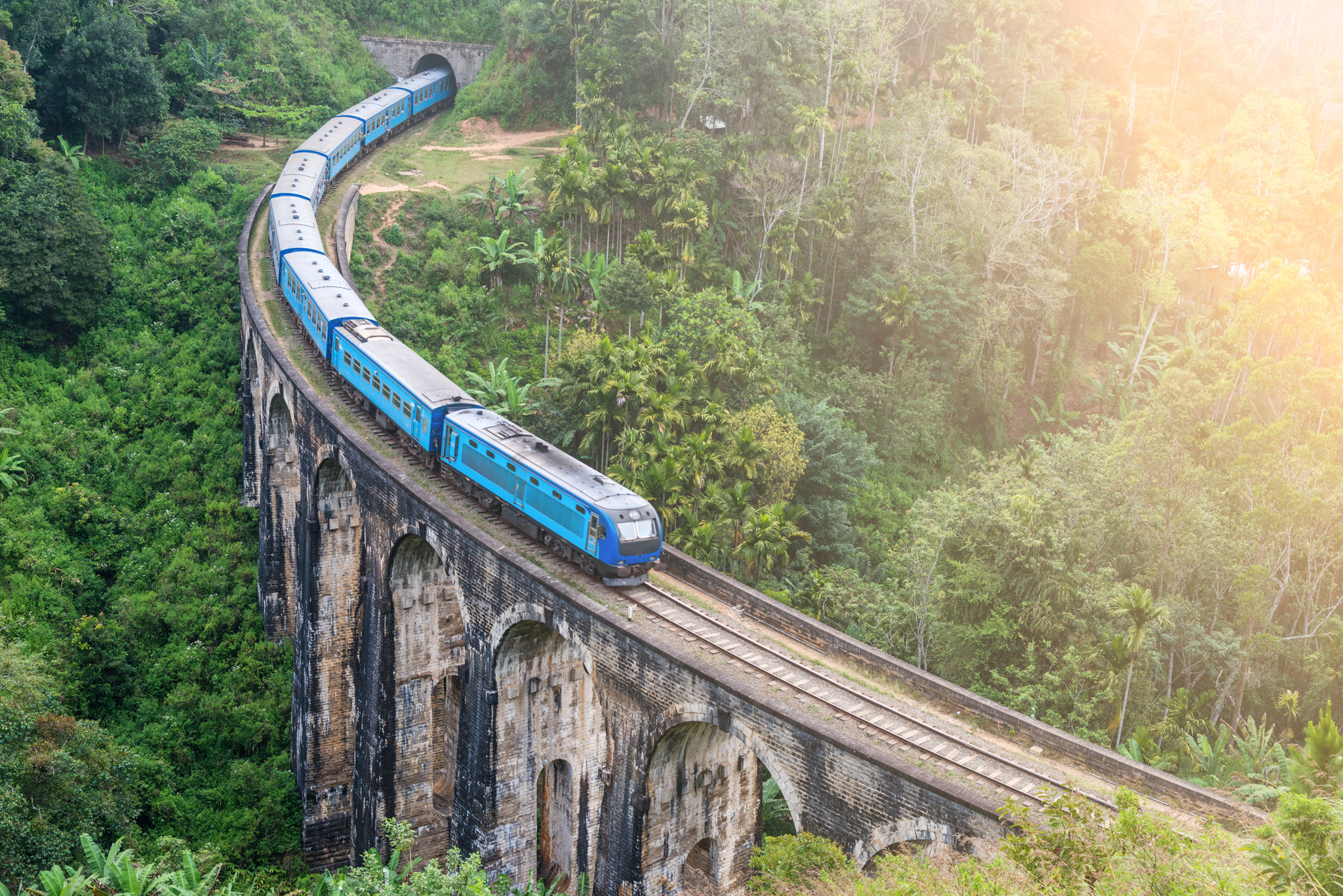
- Ride the scenic train from Kandy to Ella
- Walk to World’s End in Horton Plains National Park
- Tour a working tea estate around Nuwara Eliya
- Hike Little Adam’s Peak and cross the Nine Arches Bridge
- Climb sacred Adam’s Peak for a pilgrimage sunrise
The South Coast
A string of golden beaches, surf breaks, and historic harbour towns.
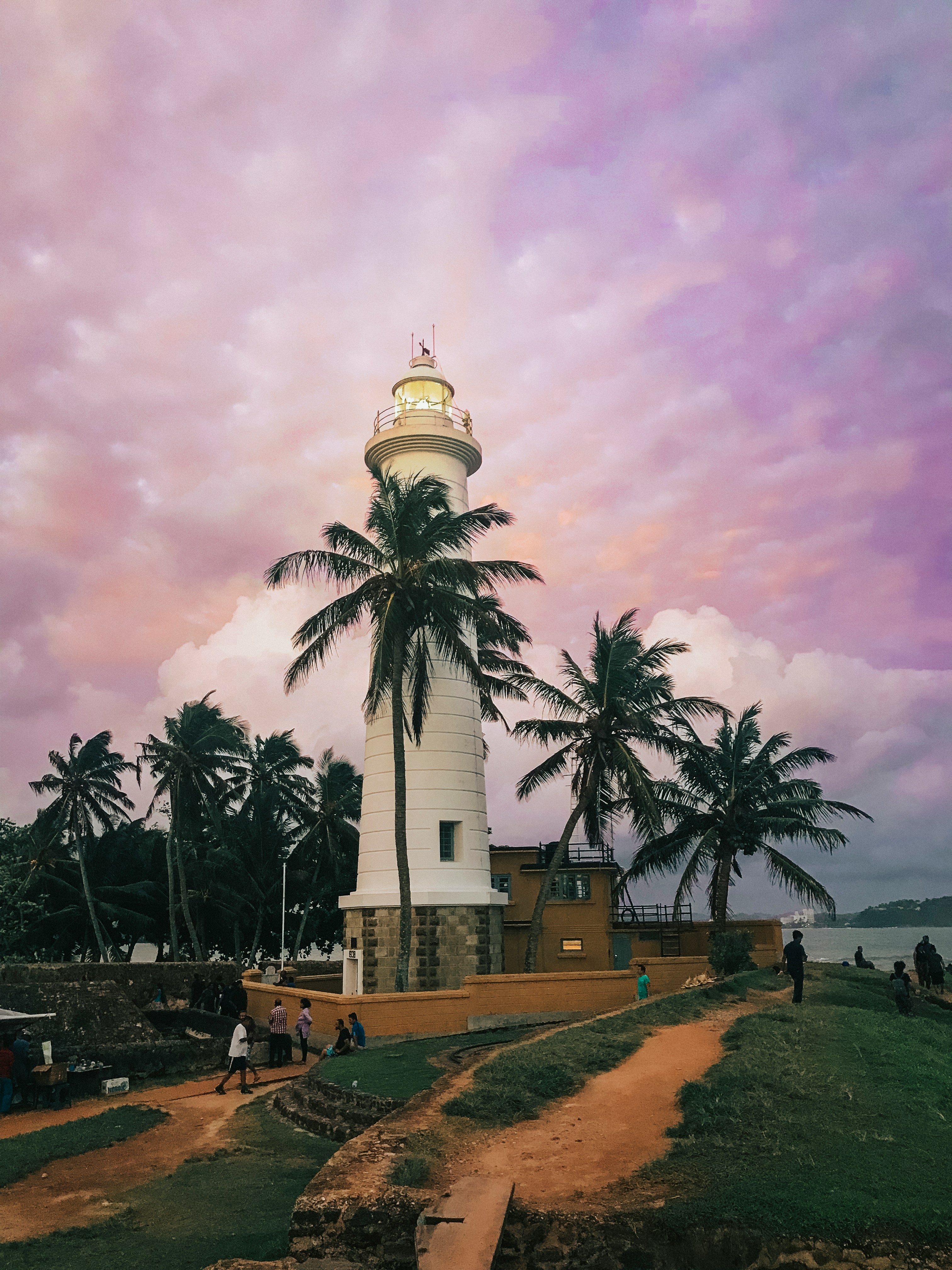
- Wander the ramparts of UNESCO-listed Galle Fort
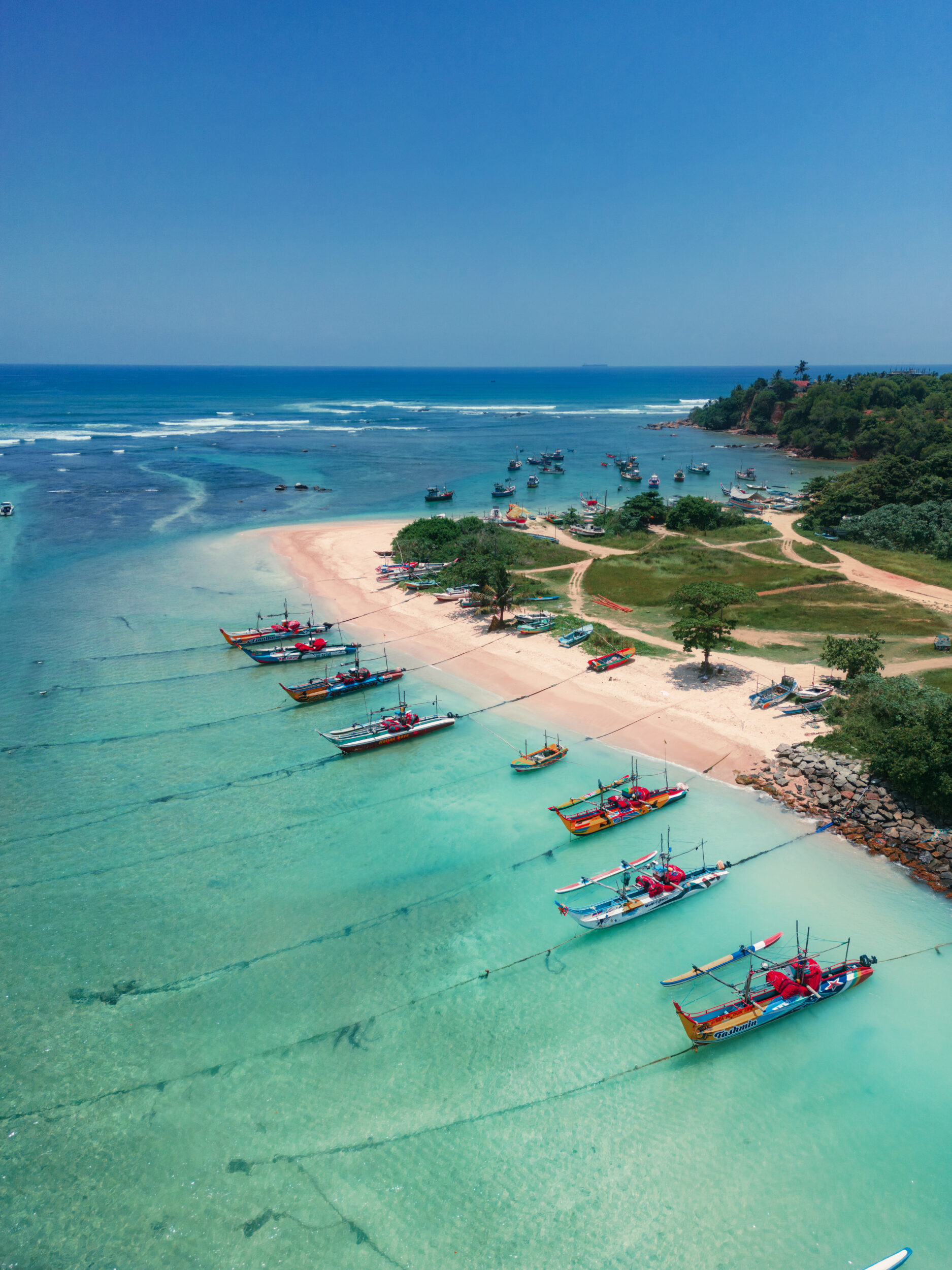
- Surf or learn to surf at Weligama and Mirissa
- Watch for blue whales on a boat trip from Mirissa
- Relax on the beaches of Unawatuna and Tangalle
- Visit the turtle hatcheries near Kosgoda
The East Coast
Quieter shores with warm seas, ideal in the months when the south is wet.
- Surf the famous point break at Arugam Bay
- Snorkel the reefs off Pigeon Island near Trincomalee
- Unwind on the long sandy beaches of Nilaveli and Uppuveli
- Explore the colonial and maritime history of Trincomalee
The Deep South & Wildlife Parks
Dry-zone scrubland and lagoons that shelter the island’s best safari country.
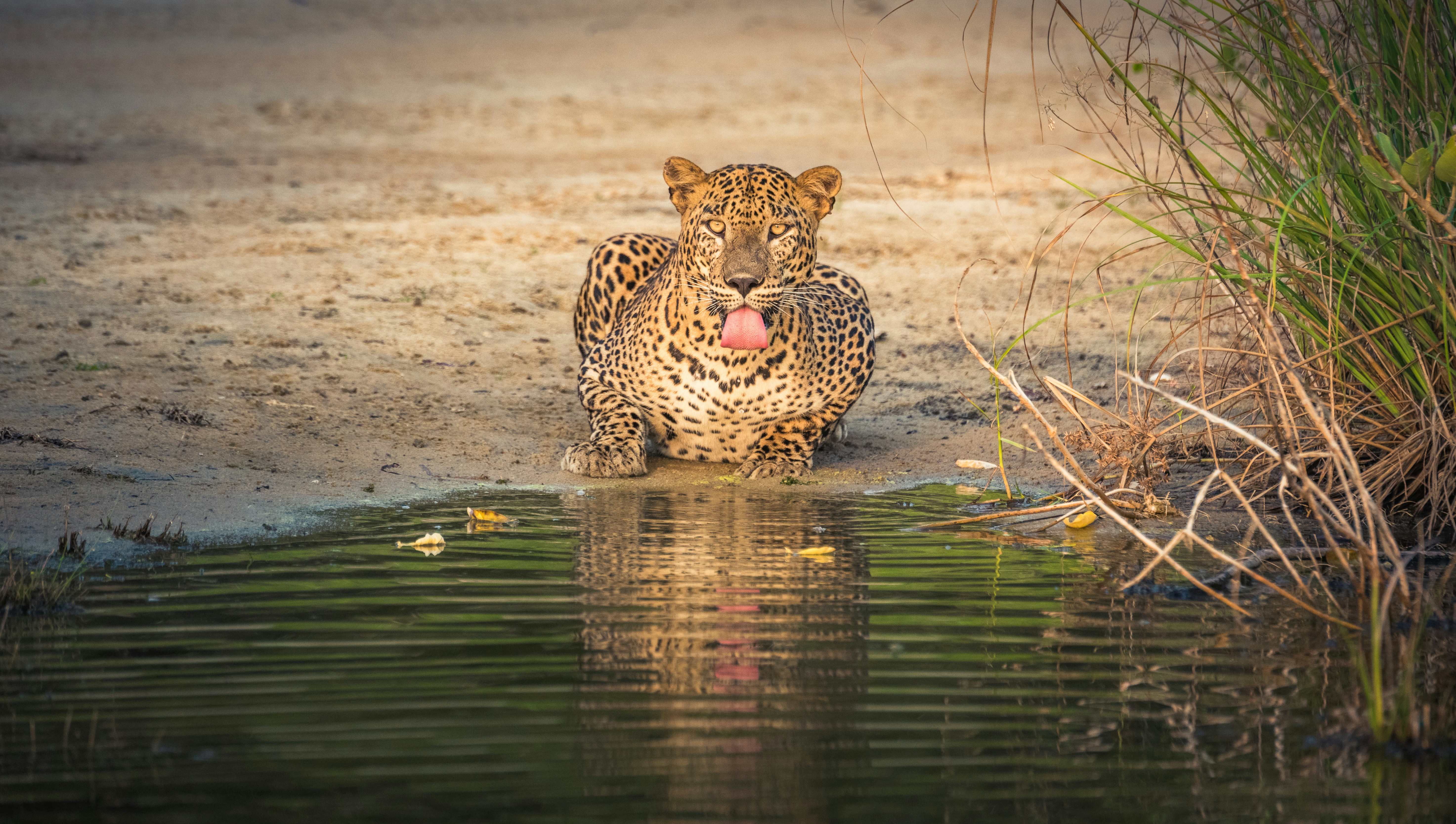
- Track leopards in Yala National Park
- Spot elephants and birdlife in Udawalawe National Park
- Birdwatch and safari in the quieter Bundala wetlands
- Combine wildlife with the beaches of Tangalle and Tissamaharama
Colombo & the West Coast
The bustling commercial capital and gateway to the island.
- Explore Colombo’s markets, museums, and colonial quarter
- Sample the city’s lively street food and rooftop bars
- Visit the temples and lagoon of Negombo near the airport
- Use the west coast as a base for day trips inland
🎒 Things To Do
- Climb the ancient rock fortress and frescoes of Sigiriya
- Ride one of the world’s most scenic train journeys through the hill country
- Go on safari in search of leopards, elephants, and sloth bears
- Take a guided tea estate tour and tasting in Nuwara Eliya
- Surf or learn to surf at Arugam Bay, Weligama, or Hikkaduwa
- Watch for blue whales and dolphins off Mirissa or Trincomalee
- Wander the cobbled streets and sea walls of Galle Fort
- Visit sacred Buddhist sites including the Temple of the Sacred Tooth Relic
- Trek to World’s End in Horton Plains or up Adam’s Peak
- Cook and eat your way through a Sri Lankan rice and curry class
🍽️ Food & Drink
Sri Lankan cuisine is bold, fragrant, and built around rice, coconut, and an inventive use of spice. Meals tend to be generous spreads of small dishes, designed to be mixed and shared, with a level of heat that travellers can usually have adjusted on request.
- Rice and curry, the daily staple, served with an array of vegetable and meat dishes
- Hoppers, bowl-shaped pancakes, often topped with a soft egg
- String hoppers and pol roti, popular breakfast and dinner staples
- Kottu, chopped flatbread stir-fried with vegetables, egg, and spices
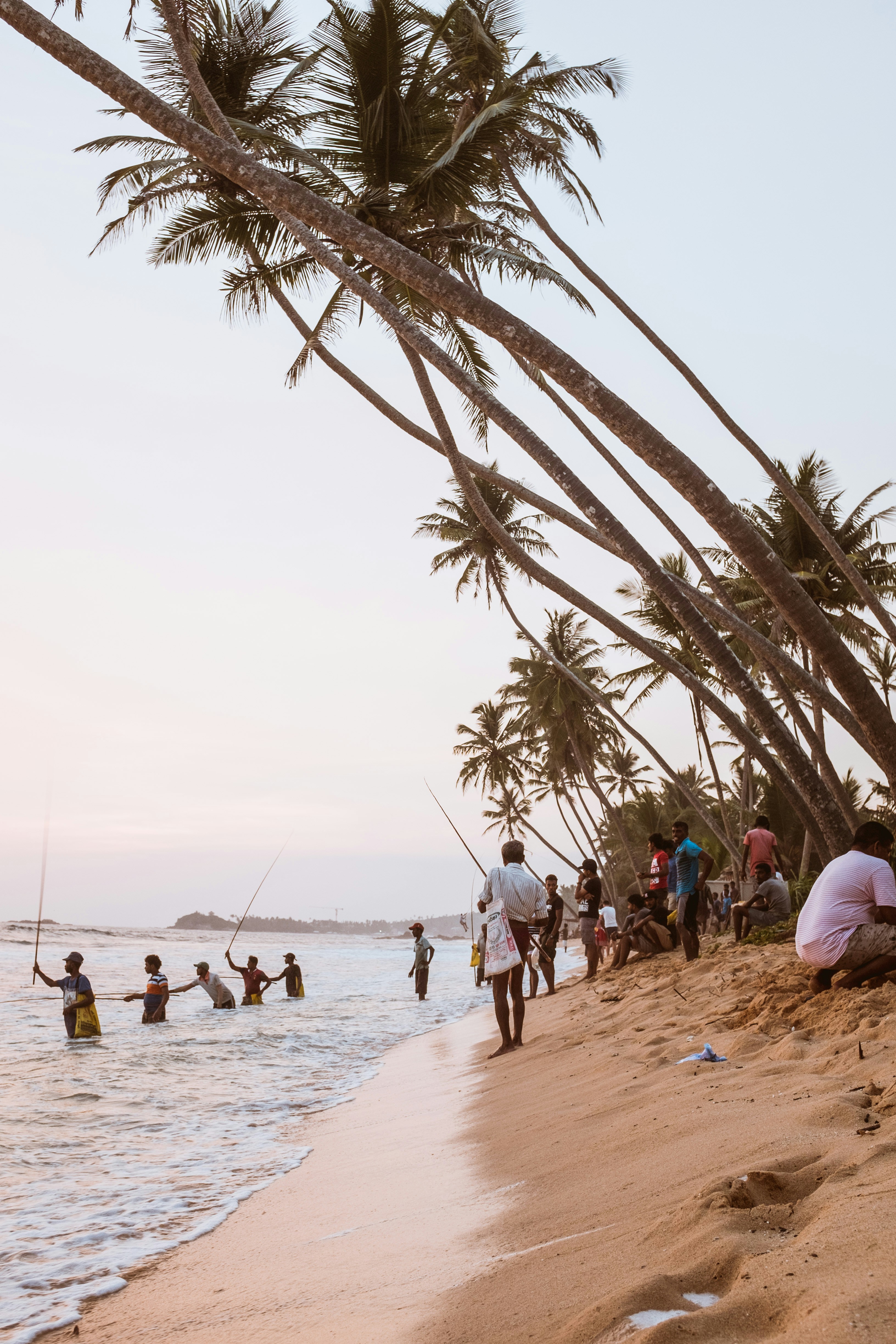
- Fresh seafood, including prawns, crab, and just-caught fish along the coasts
- Ceylon tea, milk tea, and the refreshing king coconut sold by roadside stalls
🌦️ Weather
Sri Lanka has a warm tropical climate year-round, with conditions shaped by two opposing monsoons that affect different coasts at different times. Altitude makes the biggest difference, with the hill country noticeably cooler than the steamy lowlands.
- Lowland and coastal temperatures generally sit around 26-32°C all year
- The hill country is cooler, often 12-20°C, and chilly at night
- The southwest monsoon brings rain to the south and west from roughly May to September
- The northeast monsoon brings rain to the north and east from roughly October to January
- Humidity is high in the lowlands, particularly before the rains arrive
- Brief, heavy afternoon downpours are common even outside the main monsoon
📅 Best Time To Visit
December – March (Peak Season)
- The driest, sunniest period for the popular south and west coasts and the Cultural Triangle
- Ideal for beaches, wildlife, and the hill country, though the highlands can be cool
- The busiest and priciest time, so book accommodation and trains well ahead
April & September (Shoulder Seasons)
- Transitional months between the two monsoons, with warm weather and fewer crowds
- A good window to enjoy both coasts before conditions fully shift
- Occasional rain is likely, but generally good value and quieter sites
May – August (East Coast Season)
- The southwest monsoon brings rain to the south and west, but the east coast shines
- Best time for Arugam Bay surf and the beaches around Trincomalee
- Lower prices on the southern coast for travellers happy with some showers
🎒 Packing List
- Lightweight, breathable clothing for hot and humid lowland conditions
- A warm layer or light jacket for cool evenings in the hill country
- Modest clothing that covers shoulders and knees for temple visits
- A light rain jacket or compact umbrella for sudden downpours
- Comfortable walking shoes or trainers for ruins, hikes, and city streets
- Sandals or flip-flops for the beach and casual wear
- High-SPF sunscreen, sunglasses, and a sun hat
- Insect repellent for dawn, dusk, and wildlife areas
- A reusable water bottle, ideally with a built-in filter
- A basic medical kit with rehydration salts and any personal medication
- Electrolytes to stay hydrated in the tropical heat
- A universal power adapter and a portable battery pack
🛂 Visas & Entry Requirements
Most travellers need an Electronic Travel Authorisation (ETA) to enter Sri Lanka, which is quick to arrange online before departure.
- Apply for the tourist ETA online before you travel, which normally allows a stay of up to 30 days
- The standard ETA fee is around USD 50, though Sri Lanka has approved an expanded fee waiver covering a list of around 40 nationalities, so check your current status before applying
- Your passport must be valid for at least six months beyond your date of arrival
- Be prepared to show proof of onward or return travel and evidence of sufficient funds
- Always apply through the official government portal to avoid third-party fees and scams
- Official information: https://eta.gov.lk
💰 Money
- The local currency is the Sri Lankan Rupee (LKR)
- Cash is essential for markets, small eateries, transport, and rural areas
- Cards are accepted in hotels, larger restaurants, and shops in cities and tourist hubs
- ATMs are widely available in towns and cities, less so in remote areas
- Notify your bank of travel plans and carry a backup card
- Tipping is appreciated but not obligatory, with small amounts welcomed for drivers, guides, and restaurant staff
💸 Hotel & Tourist Taxes
Sri Lanka does not levy a single nationwide tourist or city tax, but a number of taxes and service charges are typically built into accommodation and attraction pricing.
- Hotels and restaurants commonly add a service charge plus government taxes (such as VAT) to bills, often around 10-20% combined
- These charges are usually shown on the bill rather than collected separately at check-in
- Entry fees apply at major cultural and wildlife sites, including Sigiriya, the Cultural Triangle, and national parks, and can be significant for foreign visitors
- Rates vary by property and site, so confirm whether quoted prices are inclusive of taxes when booking

🌈 LGBTQIA+ Travellers
Sri Lanka remains socially conservative on LGBTQIA+ matters, and travellers should be aware of the legal and cultural context before visiting.
- Same-sex sexual activity remains technically criminalised under colonial-era laws, though prosecutions of tourists are very rare
- There has been recent public discussion of reform, but social attitudes generally remain traditional
- Public displays of affection are low-key across the board, regardless of orientation, and discretion is advised
- Cities and tourist areas tend to be more relaxed and accustomed to international visitors than rural communities
- Many hotels and tour operators are welcoming and discreet, and same-sex couples generally travel without incident
⚠️ Traveller Safety
Sri Lanka is generally a safe and welcoming destination for travellers, with most visits trouble-free.
- Petty theft such as bag-snatching and pickpocketing can occur in crowded areas, so keep valuables secure
- Take care with road and rail safety, as traffic can be chaotic and trains are sometimes very crowded
- Use a reputable guide for national park safaris and respect ranger instructions around wildlife
- Take normal precautions at night, sticking to well-lit areas and arranging trusted transport
- Emergency number is 119
💉 Vaccinations & Health
No vaccinations are mandatory for most travellers, but some are recommended depending on your itinerary and medical history.
- A yellow fever certificate is required only if arriving from a country with risk of transmission
- Routine vaccinations should be up to date, and hepatitis A and typhoid are commonly recommended
- Dengue fever is present, so use insect repellent and cover up at dawn and dusk
- Malaria risk is very low, but check current advice for your specific route
- Seek personalised advice from a travel doctor well before departure
- Official information: https://www.who.int/countries/lka
🚗 Getting Around
- Trains are scenic and atmospheric, especially the hill country line, and best booked ahead for reserved seats
- Buses are cheap and reach almost everywhere, but can be crowded and fast-paced
- Hiring a private car with a driver is a popular, comfortable way to cover a multi-stop itinerary
- Tuk-tuks are ideal for short hops, with metered apps available in larger towns
- Roads can be narrow and winding, so journey times are often longer than distances suggest
- Self-driving is possible but challenging for first-time visitors given local driving conditions
✈️ Airports
Bandaranaike International Airport (CMB)
- The main international gateway, located near Negombo and around an hour from Colombo
Mattala Rajapaksa International Airport (HRI)
- A secondary international airport in the south, handling limited flights and convenient for the deep south
Colombo (Ratmalana) International Airport (RML)
- A smaller airport south of Colombo handling regional and domestic services
🗣️ Language
Sinhala and Tamil are the two official languages of Sri Lanka, with Sinhala spoken by the majority and Tamil widely used in the north, east, and among the plantation communities. English is broadly understood in cities, tourist areas, and the hospitality industry, so travellers can get by easily, though learning a few words of Sinhala is always warmly received. The phrases below are given in Sinhala.
Common Phrases
- Hello – ආයුබෝවන් (aa-yu-bo-wan)
- Goodbye – ගිහින් එන්නම් (gi-hin en-nam)
- Please – කරුණාකර (ka-ru-naa-ka-ra)
- Thank you – ස්තූතියි (sthoo-thi-yi)
- Yes – ඔව් (ow)
- No – නැහැ (nae-hae)
- Excuse me – සමාවෙන්න (sa-maa-wen-na)
- Sorry – කණගාටුයි (ka-na-gaa-tu-yi)
- Do you speak English? – ඔයා ඉංග්රීසි කතා කරනවද? (o-yaa ing-ree-si ka-thaa ka-ra-na-wa-da)
- How much? – කීයද? (kee-ya-da)
- Where is…? – …කොහෙද? (…ko-he-da)
- Help – උදව් කරන්න (u-daw ka-ran-na)
- Cheers – චියර්ස් (chee-yars)
- Water – වතුර (wa-thu-ra)
- Delicious – රසයි (ra-sa-yi)
ℹ️ Practical Info
Electricity
- Sri Lanka uses plug types D, M, and G, with a standard voltage of 230V
Internet & WiFi
- WiFi is widely available in hotels, cafes, and guesthouses, and mobile data coverage is good in populated areas
Water
- Tap water is not considered safe to drink, so stick to bottled or filtered water and avoid ice from unknown sources
Travel Insurance
- Comprehensive personal travel insurance is strongly recommended, with cover that includes medical treatment, evacuation, and any adventure activities such as surfing, hiking, or safaris
Connectivity SIM / eSIM
- Local SIM cards are inexpensive and easy to buy on arrival at the airport or in town, with several providers offering tourist data packages
- Using an eSIM is our recommended choice while travelling anywhere in the world, and our recommended provider is Holafly. For more information on eSIMs, check out this blog.

❤️ Why Visit Sri Lanka
Sri Lanka is the rare destination that delivers genuine variety without ever feeling rushed. Within a single trip you can stand atop an ancient rock fortress, sip tea among misty hills, watch a leopard slip through the scrub, and end the day with your feet in the warm Indian Ocean. The distances are short, the contrasts are dramatic, and every leg of the journey feels like a fresh chapter.
What lingers, though, is the warmth. Sri Lankans welcome travellers with a generosity that turns a good trip into a memorable one, whether that is a tea-estate worker explaining the harvest, a train carriage striking up a conversation, or a family kitchen sharing the secrets of a perfect curry. The island’s layered history and living traditions give every site a story worth lingering over.
For travellers who want depth, beauty, and adventure in one compact, friendly package, few places compare. Sri Lanka invites you to slow down, look closely, and fall for an island that gives back far more than its size suggests.