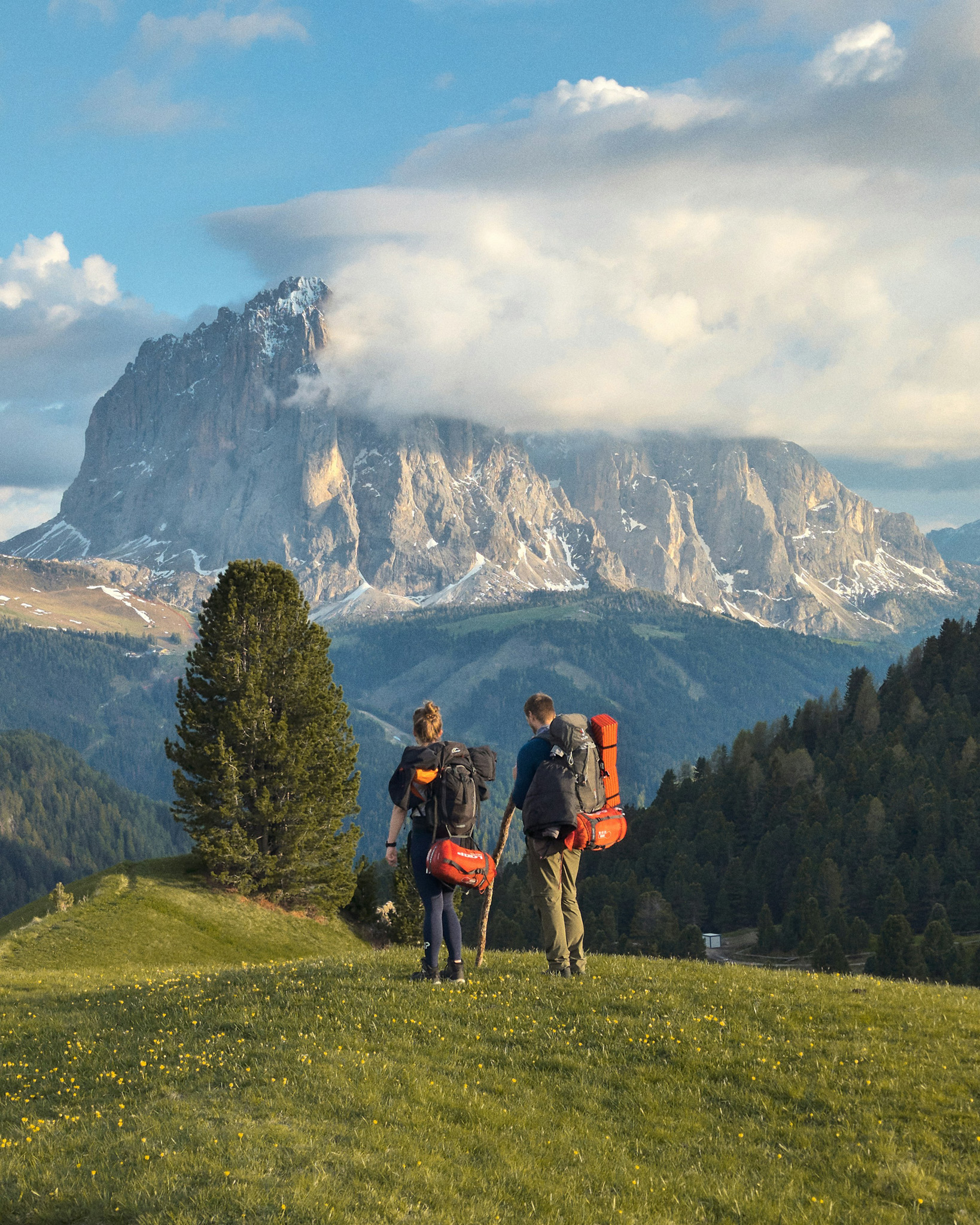
The Dolomites UNESCO – Destination Guide
Rising like a pale stone cathedral above the forests and meadows of northern Italy, the Dolomites are unlike any other range in the Alps. Their jagged spires, sheer limestone walls and ribboned plateaux glow soft pink at dawn and burn deep orange at dusk – a phenomenon the locals call enrosadira. UNESCO inscribed nine of these mountain systems as a World Heritage Site in 2009, recognising both their otherworldly beauty and their geological story, which stretches back more than 250 million years to a tropical reef that once stood where the peaks now rise.
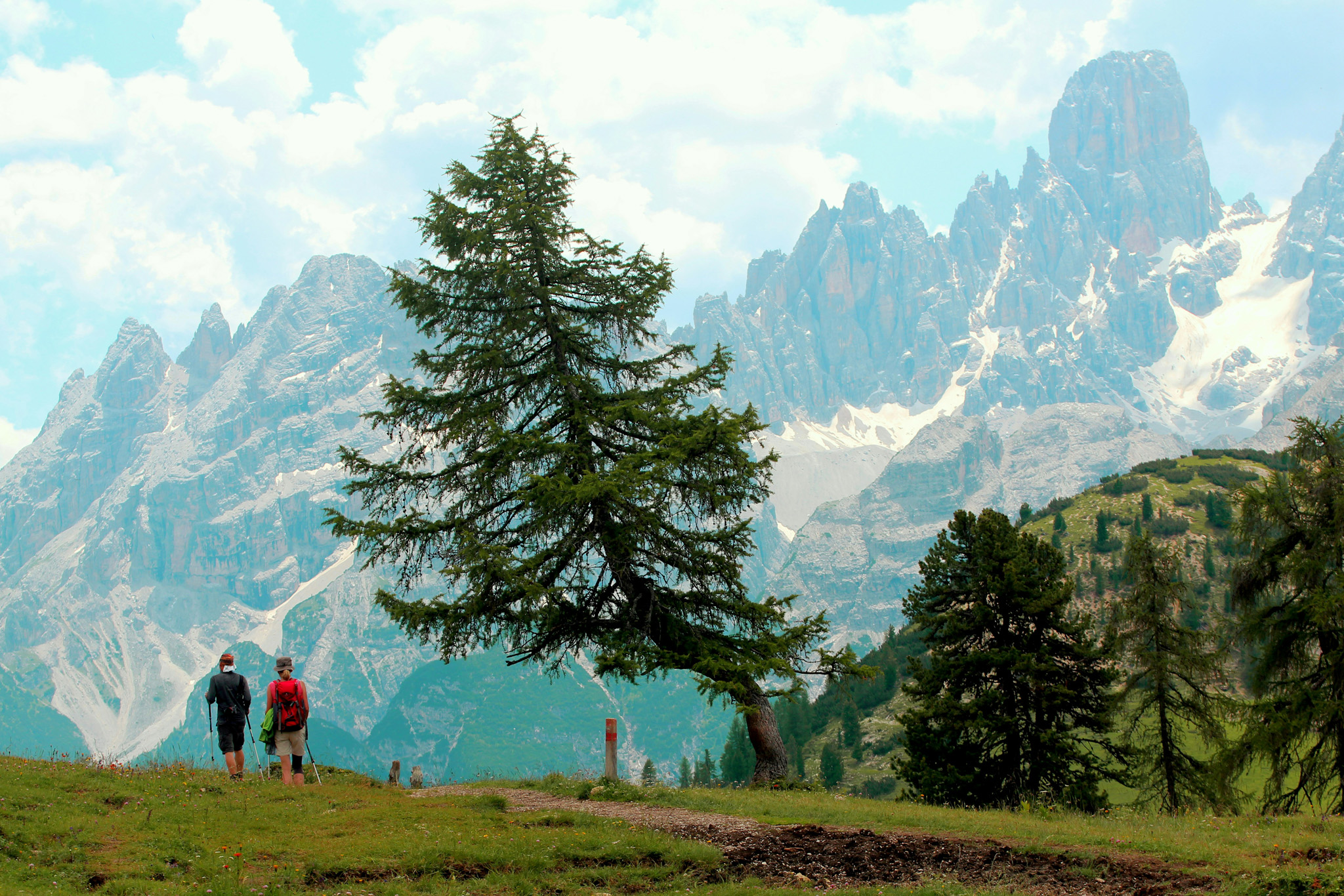
The region spans three Italian provinces – Trentino, South Tyrol (Alto Adige) and Belluno – with smaller pockets in Friuli, Pordenone and Udine. Each valley carries its own language and identity. You will hear Italian, German and the ancient Ladin tongue, often in the same village, and the food shifts just as quickly from speck and canederli in the north to polenta and game in the south. Wooden chalets, onion-domed churches and high alpine huts called rifugi are scattered through pastures grazed by cows whose bells ring through every hike.
This is a place to slow down, look up and feel small in the best possible way. Whether you come for the via ferrata routes carved into vertical rock, the long-distance Alta Via trails, the ski circuits of Sellaronda, or simply the chance to sit on a sunny terrace with a glass of Lagrein, the Dolomites reward every kind of traveller who turns up curious.
🗺️ Regions to Explore
South Tyrol (Alto Adige)
The German-speaking north, home to Bolzano, Val Gardena and the wide alpine plateau of Alpe di Siusi.
- Hike the meadows of Alpe di Siusi, Europe’s largest high-altitude pasture
- Drive the Great Dolomite Road from Bolzano to Cortina
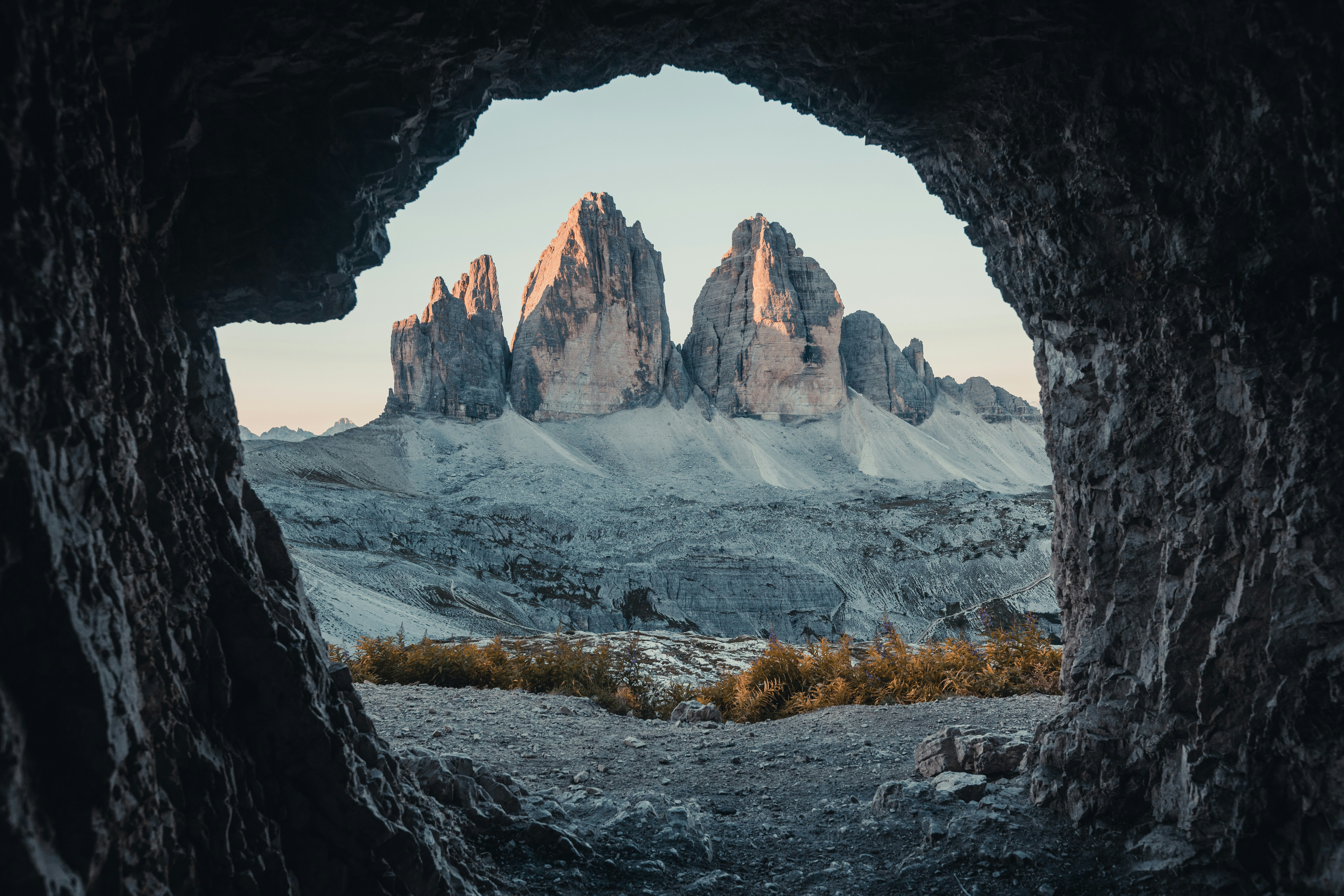
- Explore the Tre Cime di Lavaredo loop in the Sesto Dolomites
- Visit Ötzi the Iceman at the South Tyrol Museum of Archaeology in Bolzano
- Taste speck, schlutzkrapfen and apple strudel in a traditional gasthof
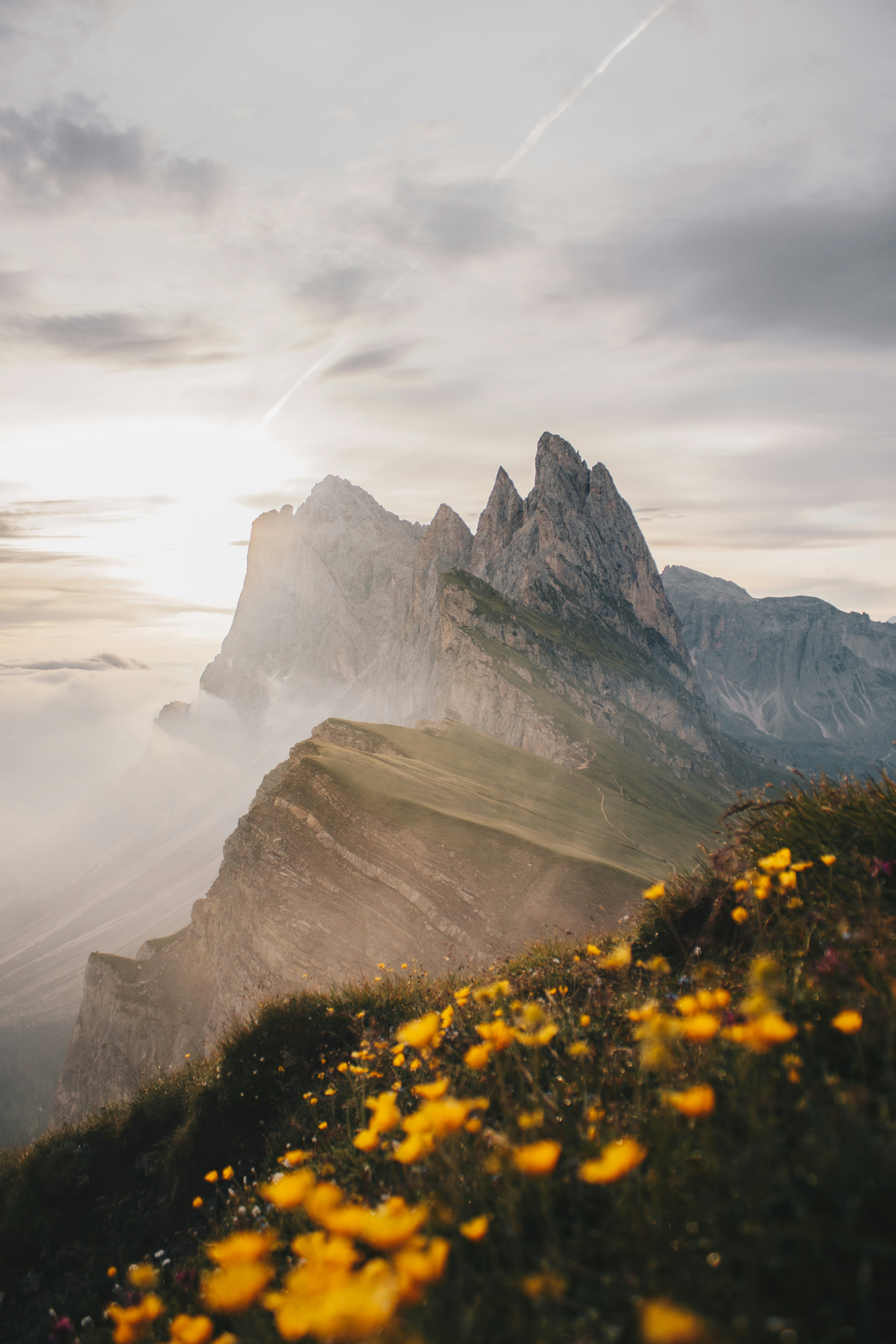
- Ride the cable cars up to Seceda for the iconic ridge view
Trentino
The Italian-speaking south, anchored by Trento and stretching to the Brenta Dolomites and the Pale di San Martino.
- Wander the lakeside town of Molveno beneath the Brenta peaks
- Hike or ski in the Madonna di Campiglio area
- Walk the high plateau of Pale di San Martino above San Martino di Castrozza
- Visit MUSE, Trento’s striking science museum designed by Renzo Piano
- Sample Trentino wines, including Teroldego and Trentodoc sparkling
- Spot brown bears (very rarely) in Adamello Brenta Nature Park
Belluno and the Veneto Dolomites
The most dramatic concentration of peaks, including Cortina d’Ampezzo, Marmolada and the Pelmo.
- Base yourself in Cortina d’Ampezzo, the celebrated resort town
- Climb or admire Marmolada, the highest peak in the Dolomites at 3,343 metres
- Trek the classic Alta Via 1 from Lago di Braies to Belluno
- Visit Lago di Sorapis, with its glacial milky-blue water
- Explore the Cinque Torri and its open-air World War I museum
- Drive the Giau Pass for one of the great alpine panoramas
Val Gardena and Alta Badia (Ladin Valleys)
The cultural heart of Ladin tradition, ringed by the Sella Group, Sassolungo and Puez-Odle.
- Ski or hike the legendary Sellaronda circuit around the Sella massif
- Watch artisans carve wooden sculptures in Ortisei
- Hike to Rifugio Firenze beneath the Odle peaks
- Try Ladin specialities like cajincí and turtres
- Take the cable car up to Col Raiser for high alpine walks
- Visit the Ladin Museum in San Martino in Badia
Friuli Dolomites and Oltre Piave
The wildest, quietest and easternmost system, mostly within the Friuli Dolomites Natural Park.
- Hike the lesser-trodden trails around Cimolais and Erto
- Visit the Vajont Dam memorial and museum
- Explore the protected forest of Val Cimoliana
- Spot chamois, eagles and marmots in near-total silence
- Stop in Friulian villages for prosciutto di San Daniele and Tocai wine
- Drive the scenic loop through Forni di Sopra and Sauris

🎒 Things To Do
- Hike a full or partial Alta Via long-distance trail (1 through 6)
- Ride cable cars to sunrise viewpoints like Seceda, Lagazuoi or Sass Pordoi
- Tackle a via ferrata route, with options for every level from beginner to expert
- Ski the Dolomiti Superski circuit, covering 12 resorts on one pass
- Spend a night in a mountain rifugio for sunset and a hearty alpine dinner
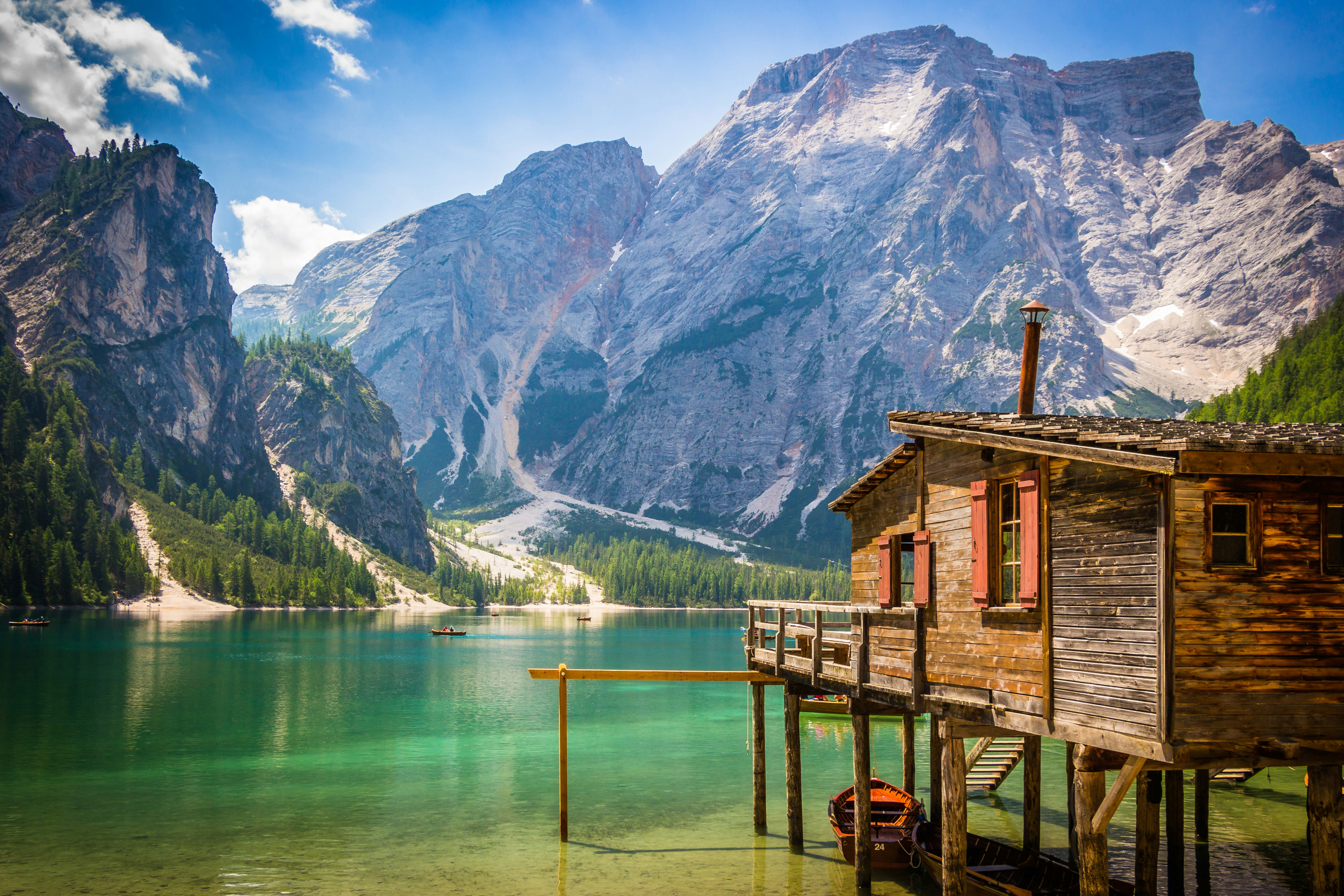
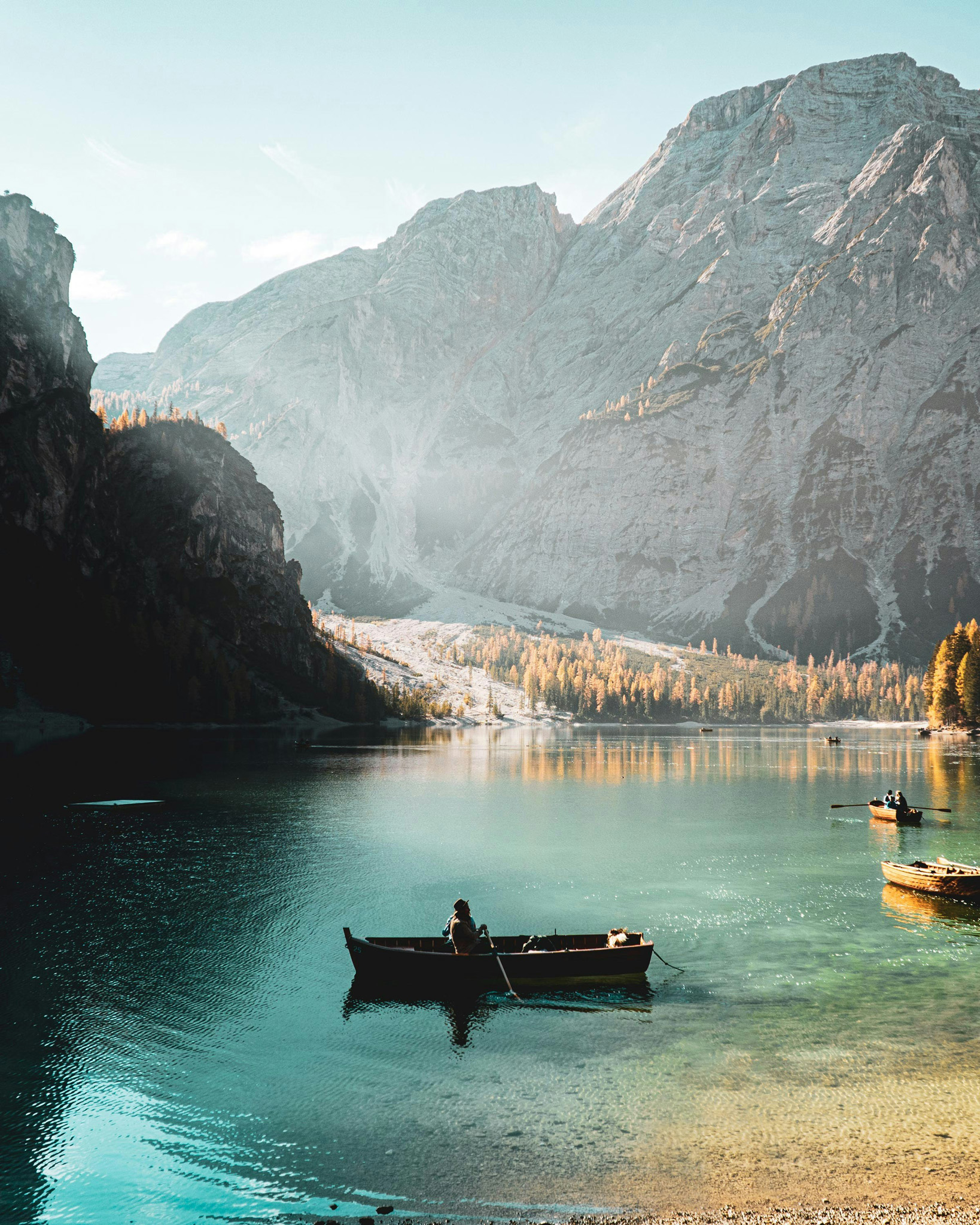
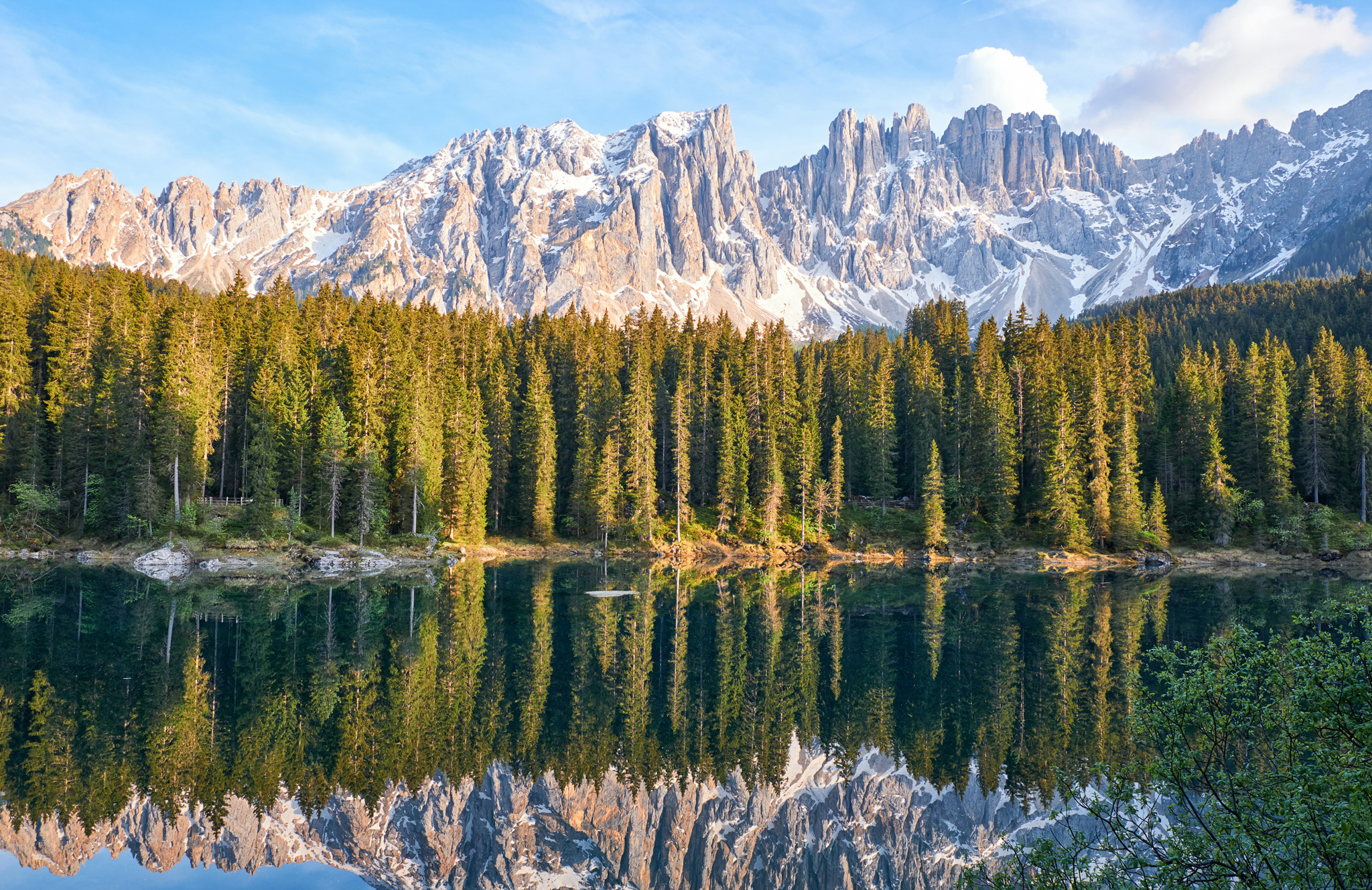
- Visit Lago di Braies and Lago di Sorapis for postcard alpine lakes
- Walk the WWI tunnels and trenches of Mount Lagazuoi and the Cinque Torri
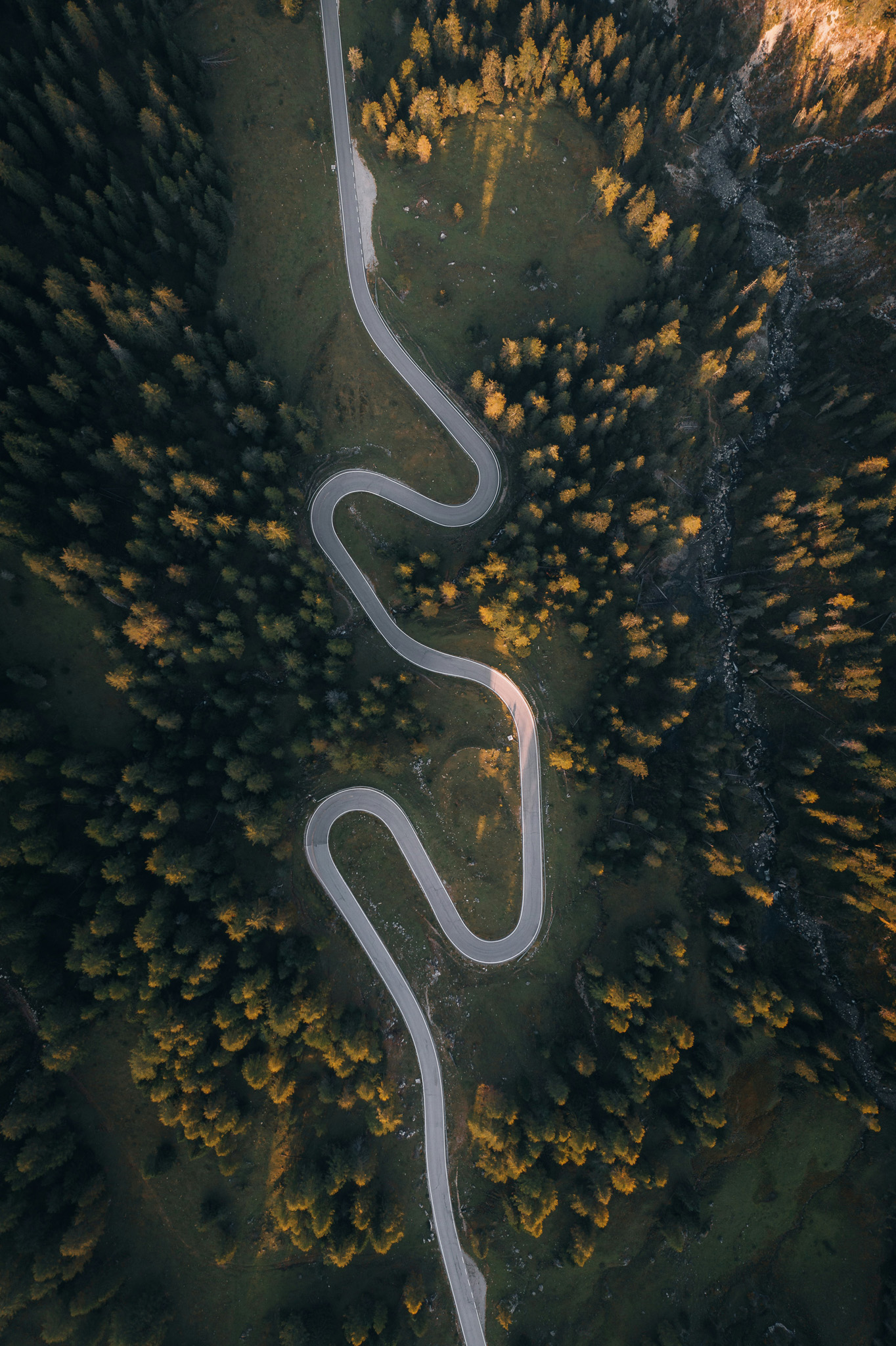
- Drive the Great Dolomite Road, a 110-kilometre route between Bolzano and Cortina
- Cycle the Sellaronda Bike Day or the long-distance Via Claudia Augusta
- Photograph the enrosadira (alpenglow) on the peaks at sunrise and sunset
🍽️ Food & Drink
Dolomite cuisine is a delicious collision of Italian, Austrian and Ladin influences, shaped by long winters and high pastures. Expect smoked meats, dumplings, mountain cheeses and hearty stews, balanced by world-class wines from the valley floors below.
- Speck Alto Adige, the smoked, cured ham of South Tyrol
- Canederli (knödel) – bread dumplings served in broth or with butter
- Schlutzkrapfen, half-moon ravioli stuffed with spinach and ricotta
- Polenta with game stew, mushrooms or melted cheese
- Strudel di mele and kaiserschmarrn for dessert
- Local wines like Lagrein, Gewürztraminer, Teroldego and Trentodoc
🌦️ Weather
The Dolomites have a true alpine climate, with four distinct seasons that bring very different conditions and activities. Weather can change in minutes at altitude, so layered clothing matters year-round.
- Summer (June – August): warm valleys at 20-28°C, cool peaks at 5-15°C
- Autumn (September – October): crisp, clear days at 10-20°C, cold nights
- Winter (December – March): cold, snowy, with valleys at -5 to 5°C and peaks well below freezing
- Spring (April – May): unpredictable, with lingering snow up high and mud in the valleys
- Afternoon thunderstorms are common in July and August at altitude
- Snow can fall at high elevation in any month of the year
📅 Best Time To Visit
June – September (Hiking Season)
- Long daylight hours and warm sunny weather in the valleys
- Cable cars, rifugi and high trails all open and accessible
- Mid-July to mid-August is busiest, particularly around Ferragosto (15 August)
- September offers cooler temperatures, golden larches and fewer crowds
December – March (Ski Season)
- Dolomiti Superski and Sellaronda circuits in full swing
- Reliable snow at altitude, with excellent grooming and infrastructure
- Christmas, New Year and February school holidays are peak and pricey
- Beautiful Christmas markets in Bolzano, Bressanone, Trento and Merano
October – November and April – May (Shoulder Seasons)
- Many rifugi, lifts and high-altitude restaurants close in these windows
- Quietest time of year, with peaceful villages and lower prices
- Lower trails and museums remain accessible, weather permitting
- A good choice for travellers seeking solitude over alpine action
🎒 Packing List
- Sturdy, broken-in hiking boots with ankle support
- Layered clothing including thermal base layers and a warm mid-layer
- Waterproof and windproof jacket and trousers
- Sun hat, sunglasses and high-SPF sunscreen for high-altitude UV
- Beanie, buff and gloves, even in summer
- Daypack with rain cover and 2-litre water capacity
- Trekking poles for long descents
- Insect repellent for lower forested trails in summer
- Headtorch for early starts and rifugio stays
- European power adapter (Type F / Type L)
- Personal medical kit including blister care and altitude-friendly pain relief
- Electrolytes for long hiking or via ferrata days
🛂 Visas & Entry Requirements
Italy is part of the Schengen Area, and most travellers can enter visa-free for short stays.
- Citizens of the UK, US, Canada, Australia and New Zealand can enter visa-free for up to 90 days in any 180-day period
- ETIAS, the EU’s new travel authorisation for visa-exempt visitors, is expected to launch in late 2026
- All travellers need a passport valid for at least three months beyond the date of departure from the Schengen Area
- Proof of onward travel and adequate funds may be requested at the border
- Visitors needing a Schengen visa must hold travel insurance covering at least €30,000 in medical expenses
Official information: https://vistoperitalia.esteri.it/home/en
💰 Money
- The currency is the Euro (EUR, €)
- Cards are widely accepted in hotels, restaurants, lifts and shops; contactless is the norm
- ATMs (bancomat) are common in towns but scarce in remote valleys, so carry some cash
- Tipping is not expected but appreciated; rounding up or leaving 5-10% in restaurants is generous
- Rifugi often prefer cash for drinks, snacks and overnight stays
- A coperto (cover charge) of €1.50-€3 per person is standard in restaurants
💸 Hotel & Tourist Taxes
Each of the three main Dolomite regions sets its own accommodation tax, paid directly to the property at check-in or check-out.
- South Tyrol (Alto Adige): €4.00 per adult per night from 1 January 2026, across all accommodation types
- Trentino: up to €3.00 per adult per night, scaled by property classification, capped at 10 consecutive nights
- Veneto (Cortina, Belluno province): typically €1.50-€5.00 per person per night depending on the comune and star rating
- Children under 14 are exempt across all three regions
- Taxes are usually paid in cash at the property and listed separately on your invoice
🌈 LGBTQIA+ Travellers
Italy has legal protections for LGBTQIA+ travellers, and the Dolomites are generally a welcoming destination, though attitudes can be more reserved in small mountain villages than in larger cities.
- Same-sex civil unions have been legally recognised in Italy since 2016
- Discrimination based on sexual orientation is prohibited under Italian law
- Larger towns like Bolzano, Trento and Cortina are openly accepting
- Public displays of affection may attract attention in conservative alpine villages
- Most hotels, rifugi and tour operators are professional and welcoming to all travellers
⚠️ Traveller Safety
The Dolomites are a very safe destination, with low crime rates and excellent emergency services. Most risks come from the mountain environment itself.
- Petty theft is rare but possible in busier towns like Bolzano and Cortina
- Mountain weather can change quickly; check forecasts before any high-altitude activity
- Stick to marked trails, carry a map and consider hiring a certified mountain guide for via ferrata or glacier travel
- Many trails involve exposure, scree and steep descents – choose routes that match your experience
- Cable cars and lifts are well maintained and safe, even for nervous travellers
- Emergency number is 112
💉 Vaccinations & Health
No special vaccinations are required for travel to Italy, though some routine precautions are sensible for alpine travel.
- No mandatory vaccinations for entry from any country
- Routine vaccinations such as MMR, tetanus and hepatitis A should be up to date
- Tick-borne encephalitis (TBE) is present in forested areas; consider vaccination for extensive hiking
- Altitude sickness is rare but possible above 2,500 metres – ascend gradually and stay hydrated
- The Italian healthcare system is excellent; pharmacies (farmacia) are common in every town
Official information: https://www.salute.gov.it/portale/home.html
🚗 Getting Around
- A car is by far the most flexible way to explore, with mountain passes and back roads linking valleys
- Many passes close in winter and reopen in late spring; check road conditions before driving
- Public buses connect main towns and lift stations, with Trentino Trasporti and SAD running reliable services
- Trains reach Bolzano, Trento, Bressanone and Belluno, with regional connections to smaller valleys
- Cable cars and gondolas are essential summer and winter transport in most resort areas
- Parking in villages and trailheads is often paid; arrive early in peak season
✈️ Airports
Venice Marco Polo Airport (VCE)
- The most popular gateway for the eastern Dolomites, including Cortina d’Ampezzo, with around 2 to 2.5 hours by car or shuttle.
Innsbruck Airport (INN)
- A small Austrian airport with excellent access to South Tyrol, around 1.5 to 2 hours by car to Bolzano and Val Gardena.
Verona Villafranca Airport (VRN)
- A handy entry point for Trentino and the southern and western Dolomites, around 1.5 to 2 hours by car to Trento or Madonna di Campiglio.
Milan Malpensa Airport (MXP)
- A major international hub, around 3 to 4 hours by car to the western Dolomites – useful for long-haul travellers needing direct flights.
🗣️ Language
Italian is the official language across all the Dolomite regions, but in South Tyrol, German is co-official and spoken as a first language by the majority. In the Ladin valleys of Val Gardena, Alta Badia, Val di Fassa, Livinallongo and Colle Santa Lucia, the ancient Ladin language is also officially recognised. English is widely understood in hotels, restaurants and ski schools, but a few words of Italian (or German in the north) are always appreciated.
Common Phrases
- Hello – Ciao (chow) / Salve (sahl-veh, more formal)
- Goodbye – Arrivederci (ah-ree-veh-dehr-chee)
- Please – Per favore (pehr fah-voh-reh)
- Thank you – Grazie (graht-see-eh)
- You’re welcome – Prego (preh-goh)
- Yes – Sì (see)
- No – No (noh)
- Excuse me – Scusi (skoo-zee)
- Sorry – Mi dispiace (mee dee-spyah-cheh)
- Do you speak English? – Parla inglese? (par-lah een-gleh-zeh)
- How much? – Quanto costa? (kwahn-toh koh-stah)
- Where is…? – Dov’è…? (doh-veh)
- Help – Aiuto (ah-yoo-toh)
- Cheers – Cin cin (cheen cheen) / Salute (sah-loo-teh)
- Enjoy your meal – Buon appetito (bwohn ah-peh-tee-toh)
ℹ️ Practical Info
Electricity
Type F and Type L plugs, 230V, 50Hz. A universal European adapter works for both.
Internet & WiFi
WiFi is reliable in hotels, restaurants and most rifugi in the lower valleys. Mobile data coverage is generally strong, though it weakens in remote alpine areas above the treeline.
Water
Tap water is safe to drink throughout the Dolomites. Many villages also have public fountains with cold, drinkable spring water.
Travel Insurance
Comprehensive personal travel insurance is strongly recommended, especially given the region’s hiking, skiing, via ferrata and high-altitude activities – check that your policy covers mountain rescue, helicopter evacuation and any specific sports you plan to undertake.
Connectivity SIM / eSIM
- Italian SIM cards are easy to buy at airports, supermarkets and phone shops with major providers including TIM, Vodafone and WindTre
- Using an eSIM is our recommended choice while travelling anywhere in the world, and our recommended provider is Holafly. For more information on eSIMs, check out this blog.

❤️ Why Visit The Dolomites
There are mountains, and then there are the Dolomites. Few places in the world offer this combination of vertical drama, gentle pastoral beauty and deep cultural texture – all set within a few hours’ drive of Venice, Milan or Innsbruck. The peaks rise like sculpture from green meadows, the valleys hum with three languages and centuries of tradition, and the food and wine pour straight from the alpine landscape onto your plate.
Whether you’re tracing a long-distance Alta Via, carving fresh snow on the Sellaronda, sipping espresso outside a centuries-old gasthof, or simply watching the enrosadira set the peaks alight, the Dolomites have a way of recalibrating your sense of scale and beauty. The geology is ancient, the air is bright, the hospitality is warm, and the views are very nearly unfair.
Come once, and you will spend the rest of your life planning the next visit. Few destinations earn their UNESCO status quite so completely.