The Philippines – Destination Guide
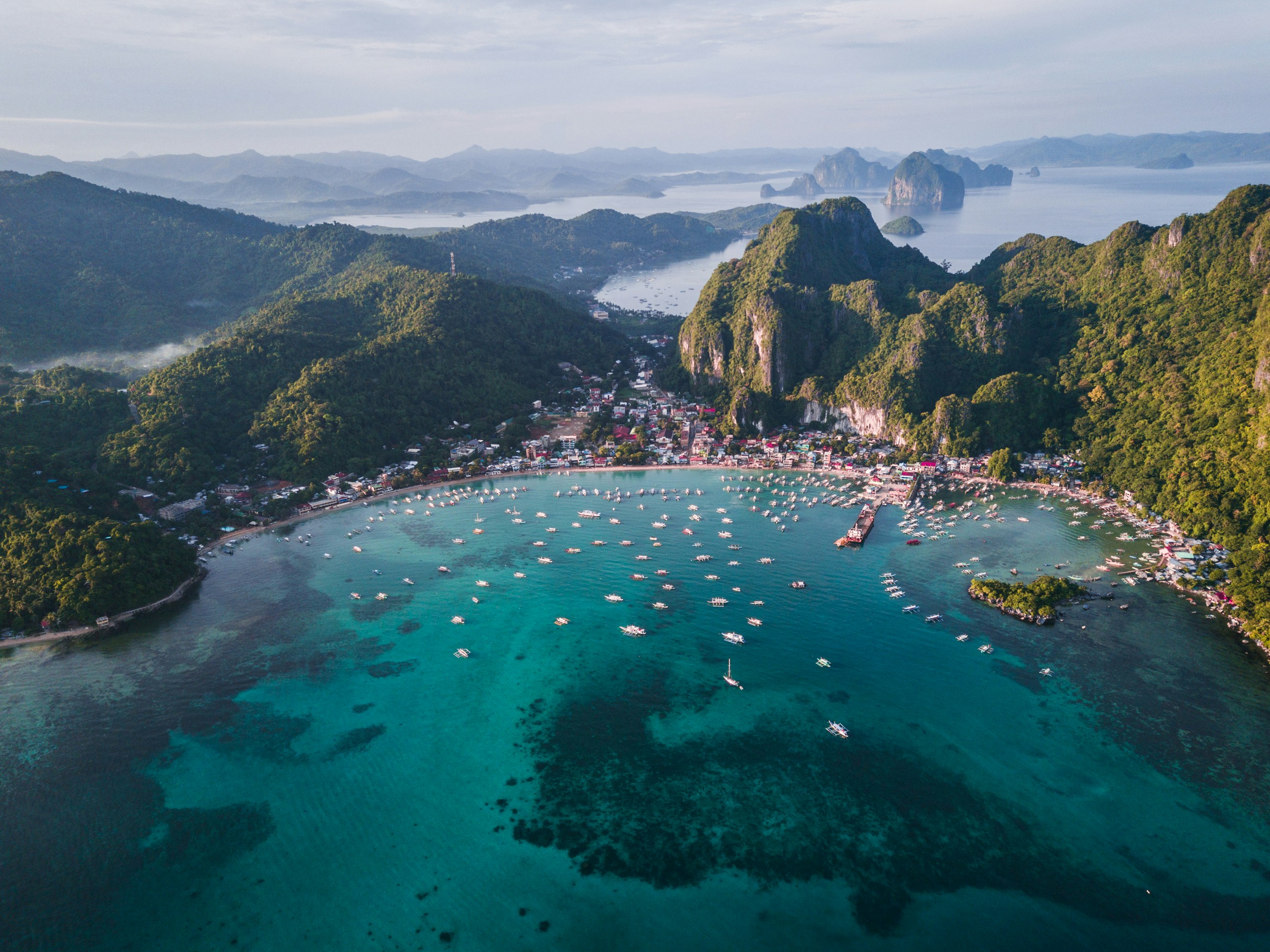
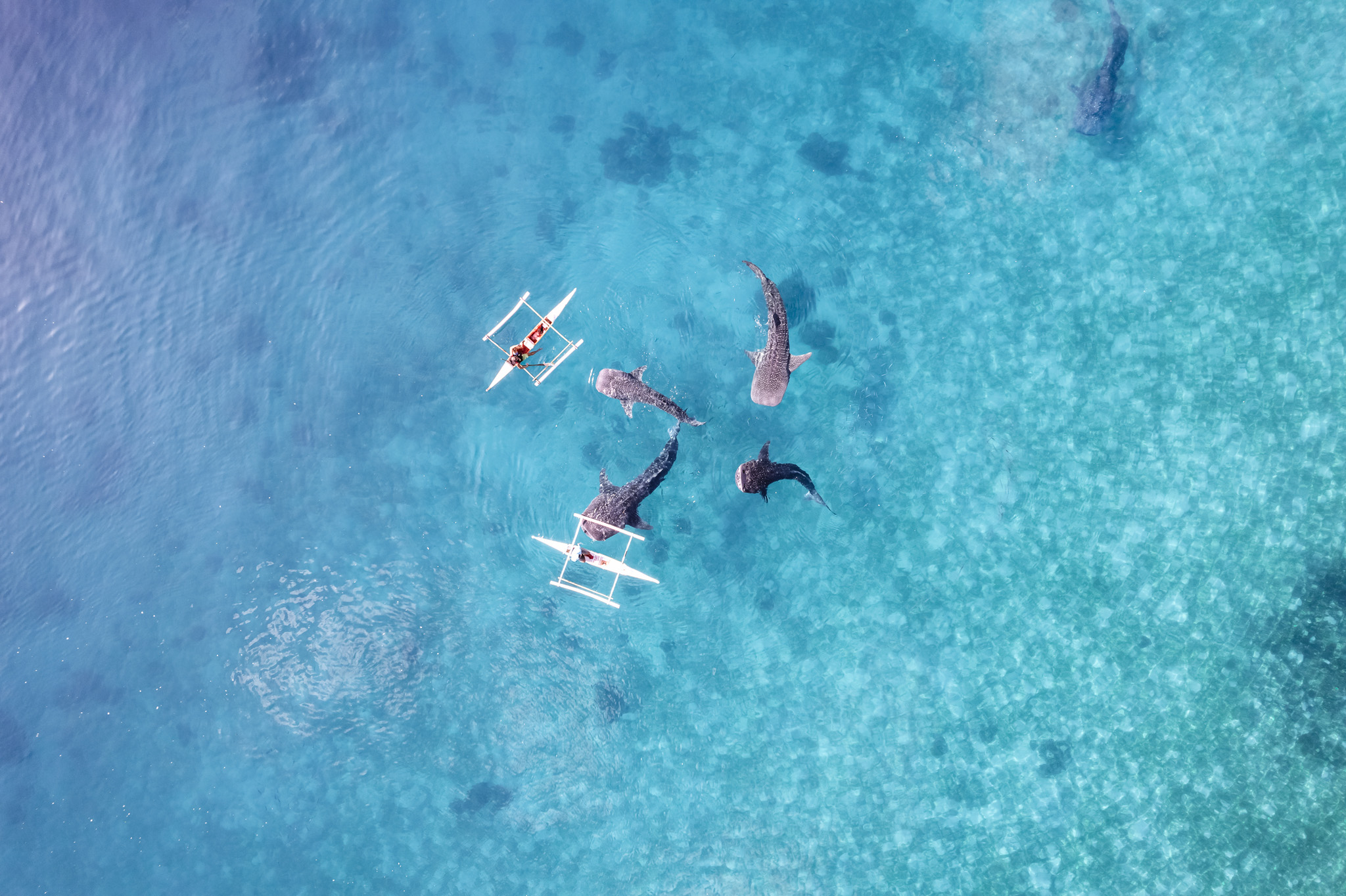
An archipelago of more than 7,000 islands scattered across the western Pacific, the Philippines is a country of staggering variety – turquoise lagoons and limestone cliffs, smoking volcanoes and emerald rice terraces, dense jungle and white-sand beaches that rank among the finest on earth. It is a place where you can dive with whale sharks in the morning, hike to a hidden waterfall by afternoon, and end the day with cold beer and grilled seafood as the sun drops into the sea.
What gives the Philippines its character, though, is its people. Filipinos are widely considered among the warmest and most hospitable in Asia, and English is spoken almost everywhere, making travel here remarkably easy. The culture is a layered blend of Malay roots, more than three centuries of Spanish influence, and a strong American imprint, all expressed through food, festivals, faith, and an irrepressible sense of fun.
From the otherworldly seascapes of Palawan to the surf breaks of Siargao and the cool highlands of the Cordillera, the Philippines rewards travellers who are willing to island-hop, slow down, and follow the rhythm of the sea. Few destinations pack this much beauty, adventure, and genuine warmth into a single trip.

🗺️ Regions to Explore
Palawan
Often called the most beautiful island in the world, Palawan is a long, slender province of jagged limestone karst, hidden lagoons, and impossibly clear water.
- Island-hopping around the lagoons and beaches of El Nido
- Kayaking the secret beaches and hidden coves of Bacuit Bay
- Exploring the Puerto Princesa Underground River, a UNESCO site
- Diving and snorkelling the WWII wrecks of Coron
- Swimming in the cool freshwater of Kayangan Lake
Cebu and the Visayas
The central islands of the Philippines combine heritage cities, dramatic waterfalls, and some of the country’s best marine encounters.
- Canyoneering through the turquoise pools of Kawasan Falls
- Snorkelling with thresher sharks off Malapascua
- Sardine runs and turtle sightings at Moalboal
- Exploring the Spanish colonial heart of Cebu City
- Day trips to the Chocolate Hills and tarsiers of Bohol

Siargao
A teardrop-shaped island in the southeast, Siargao has grown from a remote surf outpost into one of the country’s most loved island escapes.
- Surfing the legendary Cloud 9 reef break
- Island-hopping to Naked, Daku, and Guyam islands
- Swimming in the Magpupungko rock pools at low tide
- Exploring mangrove forests by stand-up paddleboard
- Soaking up the laid-back beach-town atmosphere
Luzon and the Cordillera
The largest island holds the capital, Manila, as well as the cool mountain north with its centuries-old rice terraces.
- Trekking the UNESCO-listed Banaue and Batad rice terraces
- Exploring the highland town of Sagada and its hanging coffins
- Visiting the Spanish colonial streets of historic Vigan
- Chasing waterfalls and pine forests around Baguio
- Surfing and slow beach days in La Union

Bohol
A compact island of rolling hills, river cruises, and gentle wildlife, Bohol is one of the easiest and most rewarding stops in the Visayas.
- Marvelling at the geological oddity of the Chocolate Hills
- Spotting the tiny, wide-eyed tarsiers in their sanctuary
- Cruising the Loboc River past riverside villages
- Relaxing on the white sand of Panglao Island
- Diving and snorkelling the reefs of Balicasag
Mindoro and Apo Reef
Just south of Luzon, Mindoro offers a quieter, less-trodden slice of the Philippines with world-class diving close by.
- Diving Apo Reef, the second-largest contiguous reef on earth
- Beach-hopping and diving courses in Puerto Galera
- Trekking inland to meet Mangyan highland communities
- Snorkelling colourful coral gardens and drop-offs
- Watching for sea turtles and reef sharks underwater

🎒 Things To Do
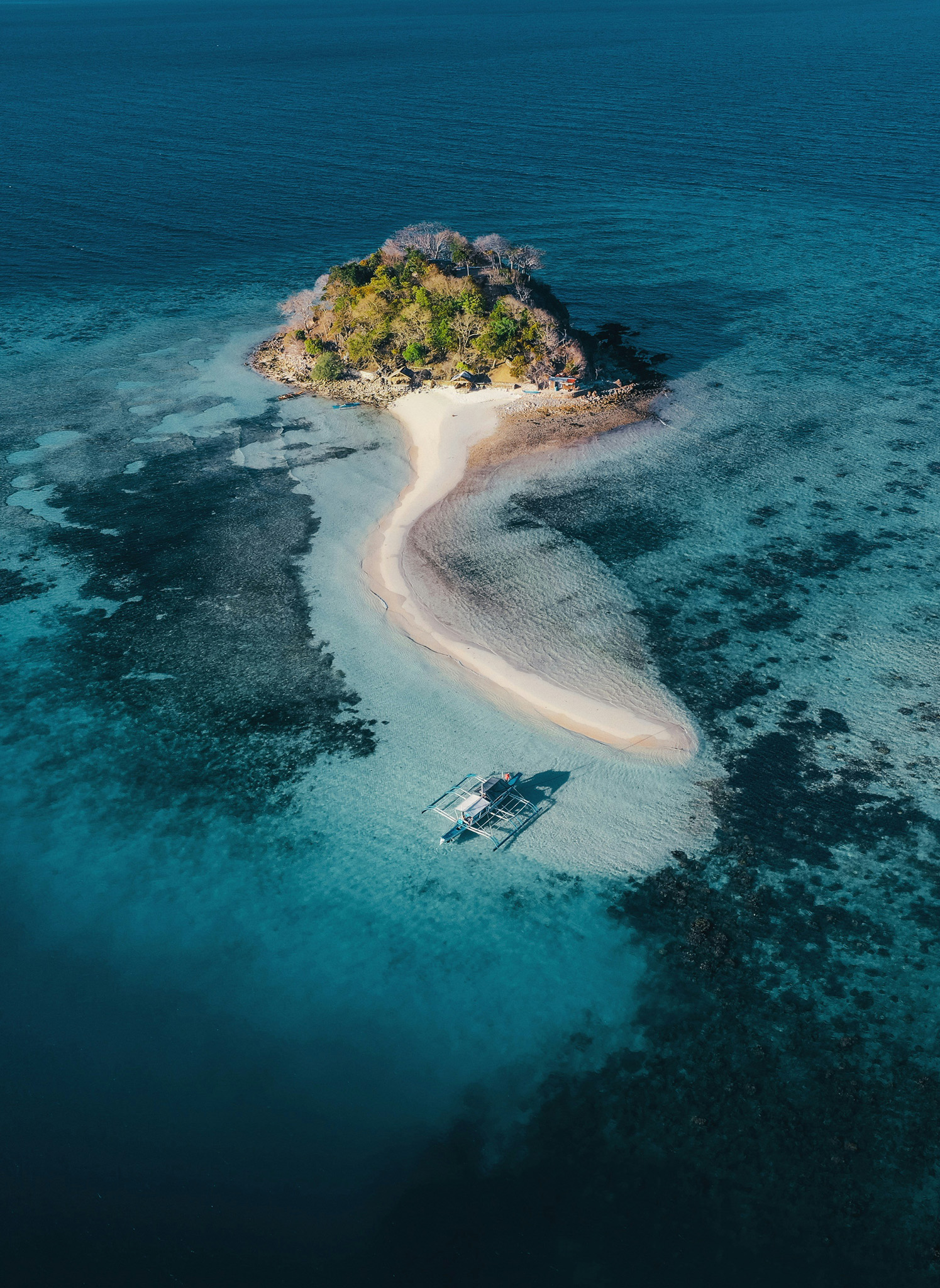
- Island-hop by boat through the lagoons and limestone islets of El Nido and Coron
- Swim or dive with whale sharks and thresher sharks in the Visayas
- Trek the ancient rice terraces of the northern Cordillera
- Learn to surf on the reef and beach breaks of Siargao and La Union
- Go canyoneering through the gorges and waterfalls of southern Cebu
- Explore Spanish colonial heritage in Vigan, Intramuros, and Cebu City
- Dive coral reefs and WWII wrecks across some of Asia’s richest waters
- Watch the sun set over the sea with grilled seafood and San Miguel beer
- Join a vibrant local fiesta with music, dancing, and street food
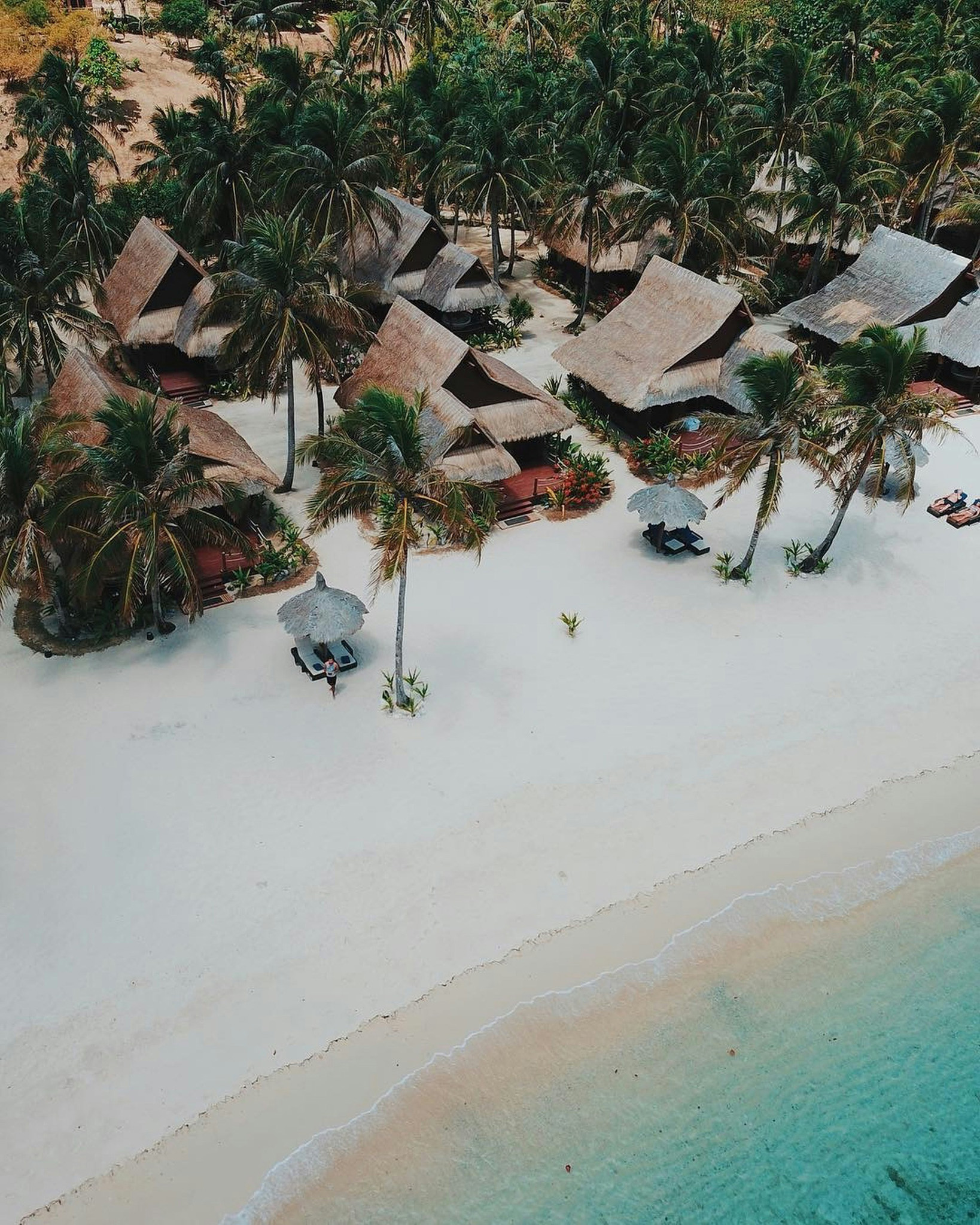
- Relax on powder-white beaches in Boracay, Bohol, and beyond
🍽️ Food & Drink
Filipino cuisine is bold, comforting, and built around the interplay of sour, salty, sweet, and savoury flavours. Meals are social and generous, often eaten family-style, and the abundance of seafood, tropical fruit, and rice reflects the country’s island geography.
- Adobo, the unofficial national dish of meat braised in soy, vinegar, and garlic
- Sinigang, a tangy tamarind-soured soup of pork, fish, or prawns
- Lechon, whole roast pig with crackling skin, a fiesta centrepiece
- Fresh seafood grilled at the beach or eaten as kinilaw, the local ceviche
- Halo-halo, a colourful shaved-ice dessert layered with fruit, beans, and ice cream
- San Miguel beer, fresh buko (coconut) juice, and locally grown coffee

🌦️ Weather
The Philippines has a tropical climate that stays warm year-round, with conditions shaped more by wet and dry seasons than by temperature swings. Weather can also vary noticeably between regions because of the country’s size and spread.
- Temperatures generally sit between 25-32°C across the lowlands all year
- The dry season runs roughly November – May, with the coolest months around December – February
- The wet season runs roughly June – October, bringing heavier rain and humidity
- Typhoons are most likely between July and October, mainly affecting Luzon and the eastern seaboard
- The Cordillera highlands are noticeably cooler, sometimes dropping below 15°C at night
- Palawan and the southern islands often stay drier and calmer than the north
📅 Best Time To Visit
November – February (Peak Season)
- The most reliable dry and relatively cool weather across most of the country
- Ideal conditions for island-hopping, diving, and beach time
- Expect higher prices and busier beaches, especially over Christmas and New Year
- Book accommodation and flights well in advance
March – May (Shoulder and Hot Season)
- Hot, dry weather with excellent water clarity for diving and snorkelling
- Great for surfing in some regions and for festivals such as Holy Week
- Beaches can be busy around Easter and the long summer break
- Carry plenty of sun protection and stay hydrated in the heat
June – October (Wet Season)
- Lower prices, fewer crowds, and lush green landscapes
- Frequent afternoon downpours rather than all-day rain in many areas
- Typhoon risk is highest, so build flexibility into ferry and flight plans
- Southern islands like Palawan and Siargao often remain very travel-friendly
🎒 Packing List
- Lightweight, breathable clothing for hot and humid days
- A light jumper or fleece for cool highland evenings and air-conditioned transport
- A rain jacket or compact umbrella, especially in wet season
- Swimwear, a quick-dry towel, and a rash guard for sun and reef protection
- Reef-safe sunscreen, sunglasses, and a wide-brimmed hat
- Sturdy sandals plus closed shoes for hiking and canyoneering
- Insect repellent for evenings and jungle or rural areas
- A universal power adapter and a portable power bank
- A basic medical kit with motion-sickness tablets for boat travel
- Electrolyte sachets to replace salts lost in the heat
- A dry bag to protect electronics on island-hopping boats
- Cash in small denominations for remote islands and local markets

🛂 Visas & Entry Requirements
Entry to the Philippines is straightforward for most travellers, with visa-free access available to many nationalities for short stays.
- Citizens of around 150-160 countries can enter visa-free for up to 30 days for tourism
- Australian passport holders receive visa-free entry for up to 30 days
- Your passport must be valid for at least six months beyond your date of arrival
- You must hold proof of onward or return travel
- All travellers must register on the free eTravel portal within 72 hours before arrival
- Official information: https://www.philippine-embassy.org.au
💰 Money
- The currency is the Philippine peso (PHP), often shown with the ₱ symbol
- Cash is essential, particularly on smaller islands and in rural areas
- Cards are accepted in cities, malls, and larger hotels and resorts
- ATMs are common in towns and cities but scarce or unreliable on remote islands
- Withdraw enough cash before heading to places like El Nido, Coron, or Siargao
- Tipping is appreciated but not obligatory; rounding up or 10% for good service is common
💸 Hotel & Tourist Taxes
The Philippines does not have a single nationwide tourist tax, but several local environmental fees and terminal charges apply at popular destinations.
- Many islands charge a small environmental or eco-tourism fee, often ₱100-₱300, collected on arrival
- El Nido and Coron levy an eco-tourism development fee that is valid for a set number of days
- Boracay charges a separate environmental fee on entry to the island
- Domestic airports and seaports may collect a small terminal fee, sometimes already included in your ticket
- Fees are usually paid in cash, so keep small peso notes on hand

🌈 LGBTQIA+ Travellers
The Philippines is generally one of the more socially tolerant countries in Southeast Asia, though attitudes and legal protections remain mixed.
- Same-sex relationships are legal, but same-sex marriage is not currently recognised
- There is no nationwide anti-discrimination law, though some cities have local ordinances
- Major tourist hubs and cities such as Manila, Cebu, and Boracay are visibly welcoming
- Rural and more conservative religious areas tend to be less openly accepting
- Public displays of affection are generally kept modest by travellers of all orientations
⚠️ Traveller Safety
The Philippines is a rewarding and generally safe destination for travellers who take normal precautions and follow local advice.
- Petty theft can occur in crowded city areas, so keep valuables secure and discreet
- Some regions of western and central Mindanao carry official travel warnings; check current advice before visiting
- Always book island-hopping and dive trips through reputable, well-equipped operators
- Take care with road and motorbike travel, as accident rates are high
- Emergency number is 911
💉 Vaccinations & Health
No vaccinations are mandatory for most travellers, but several are recommended for a safe and comfortable trip.
- A yellow fever certificate is required only if arriving from a country where yellow fever is present
- Ensure routine vaccinations are up to date, including measles, tetanus, and diphtheria
- Hepatitis A and typhoid are commonly recommended for most travellers
- Dengue fever is present year-round, so insect-bite prevention is important
- Malaria risk is low and limited to specific rural areas; seek advice if visiting them
- Official information: https://www.smartraveller.gov.au/destinations/asia/philippines

🚗 Getting Around
- Domestic flights are the fastest way to cover long distances between island groups
- Ferries and fast boats connect neighbouring islands, though schedules can shift with weather
- Tricycles and jeepneys are the colourful, inexpensive backbone of local transport
- Grab ride-hailing is widely available in larger cities for easy, metered travel
- Roads vary from good highways to rough rural tracks, so allow extra time
- Hiring a driver or joining guided transfers is recommended for comfort on longer routes
✈️ Airports
Ninoy Aquino International Airport (MNL)
- The country’s main international gateway in Manila, with the widest range of long-haul and domestic connections.
Mactan-Cebu International Airport (CEB)
- A modern second hub in the Visayas, ideal for reaching Cebu, Bohol, and the central islands.
Clark International Airport (CRK)
- A growing alternative gateway north of Manila, popular for budget and regional flights.
Francisco Bangoy International Airport (DVO)
- The main airport for Davao and the southern island of Mindanao.

🗣️ Language
The Philippines has two official languages, Filipino (based largely on Tagalog) and English, alongside more than 150 regional languages such as Cebuano, Ilocano, and Hiligaynon. English is widely spoken and used in business, education, and signage, so most travellers will have little trouble communicating. Learning a few words of Filipino, however, is always warmly received.
Common Phrases
- Hello – Kumusta (koo-moos-TAH)
- Goodbye – Paalam (pah-AH-lam)
- Please – Pakiusap (pah-kee-OO-sap)
- Thank you – Salamat (sah-LAH-mat)
- Yes – Oo (OH-oh)
- No – Hindi (hin-DEE)
- Excuse me – Paumanhin (pah-oo-MAN-hin)
- Sorry – Pasensya na (pah-SEN-sha nah)
- Do you speak English – Marunong ka bang mag-Ingles (mah-ROO-nong kah bang mag-ing-LESS)
- How much – Magkano (mag-KAH-no)
- Where is – Nasaan ang (nah-SAH-an ang)
- Help – Tulong (TOO-long)
- Cheers – Tagay (tah-GAI)
- Delicious – Masarap (mah-sah-RAP)
- Take care – Ingat (ee-NGAT)
ℹ️ Practical Info
Electricity
- Plug types A, B, and C are used, with a standard voltage of 220V.
Internet & WiFi
- WiFi is widely available in hotels, cafes, and resorts in towns and cities, though it can be slow or patchy on remote islands. Mobile data coverage is generally good in populated areas.
Water
- Tap water is not considered safe to drink. Stick to bottled or filtered water, which is cheap and widely available.
Travel Insurance
- Comprehensive personal travel insurance is strongly recommended for all travellers, with cover for medical treatment, evacuation between islands, and adventure activities such as diving, surfing, and canyoneering.
Connectivity SIM / eSIM
- Local SIM cards from providers such as Globe and Smart are inexpensive and easy to buy at airports and convenience stores.
- Using an eSIM is our recommended choice while travelling anywhere in the world, and our recommended provider is Holafly. For more information on eSIMs, check out this blog.

❤️ Why Visit Philippines
The Philippines is a destination that overwhelms in the best possible way. With thousands of islands to choose from, every trip becomes a personal adventure – one traveller’s perfect itinerary of diving and surf breaks looks nothing like another’s loop of rice terraces, heritage towns, and quiet beaches. The sheer scale of choice means the country never feels exhausted, no matter how many times you return.
Yet for all its natural drama, it is the warmth of the welcome that lingers longest. Filipinos meet visitors with genuine friendliness, easy humour, and a generosity that turns a holiday into something more memorable. Add the ease of travelling in a country where English is widely spoken, and the Philippines becomes one of Asia’s most rewarding and accessible destinations.
Whether you come to chase waves, drift through hidden lagoons, dive vivid reefs, or simply slow down on a perfect stretch of sand, the Philippines delivers beauty and adventure in equal measure. It is a place that asks you to island-hop, to linger, and to leave already planning your way back.