Vietnam – Destination Guide
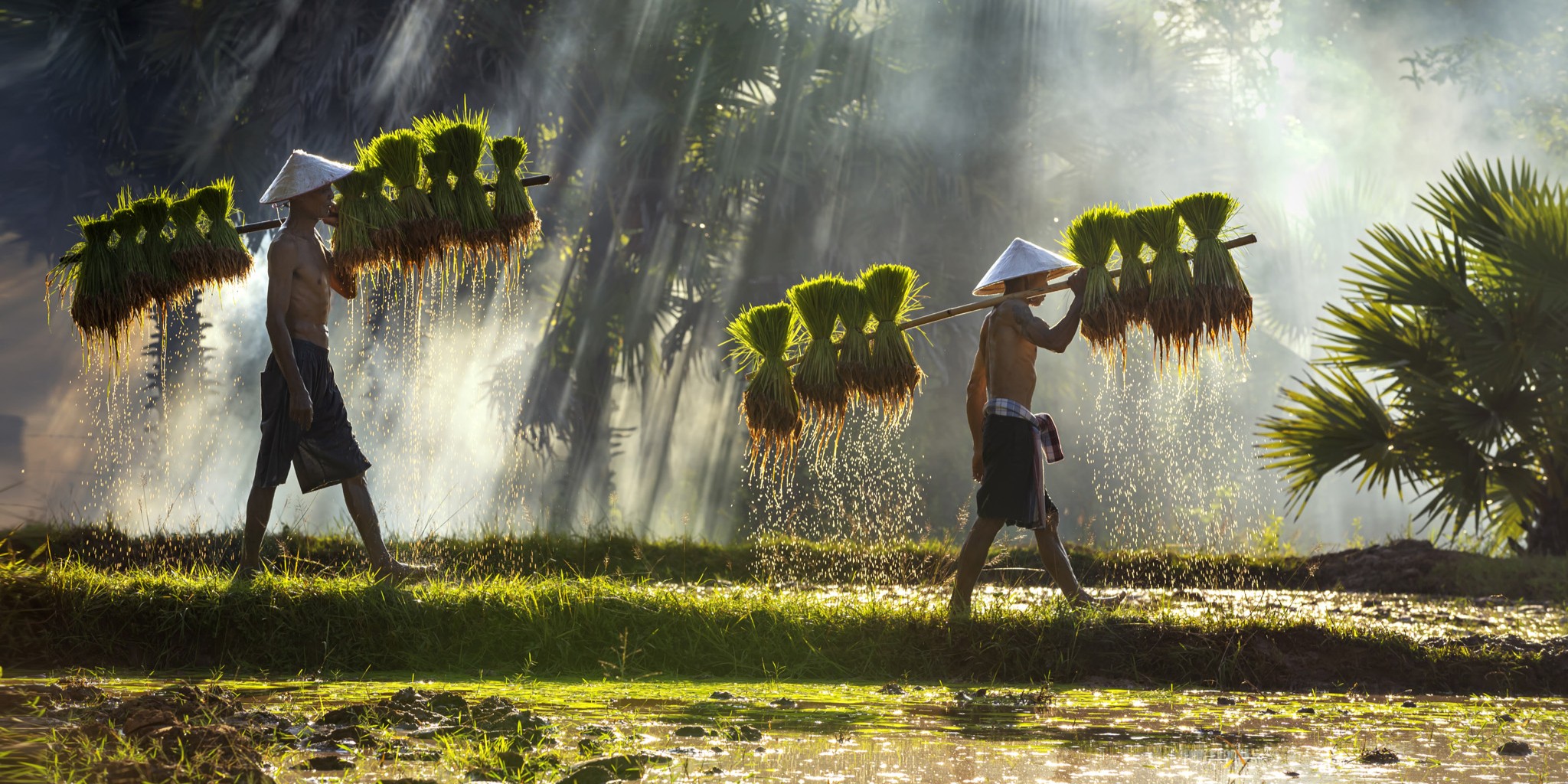
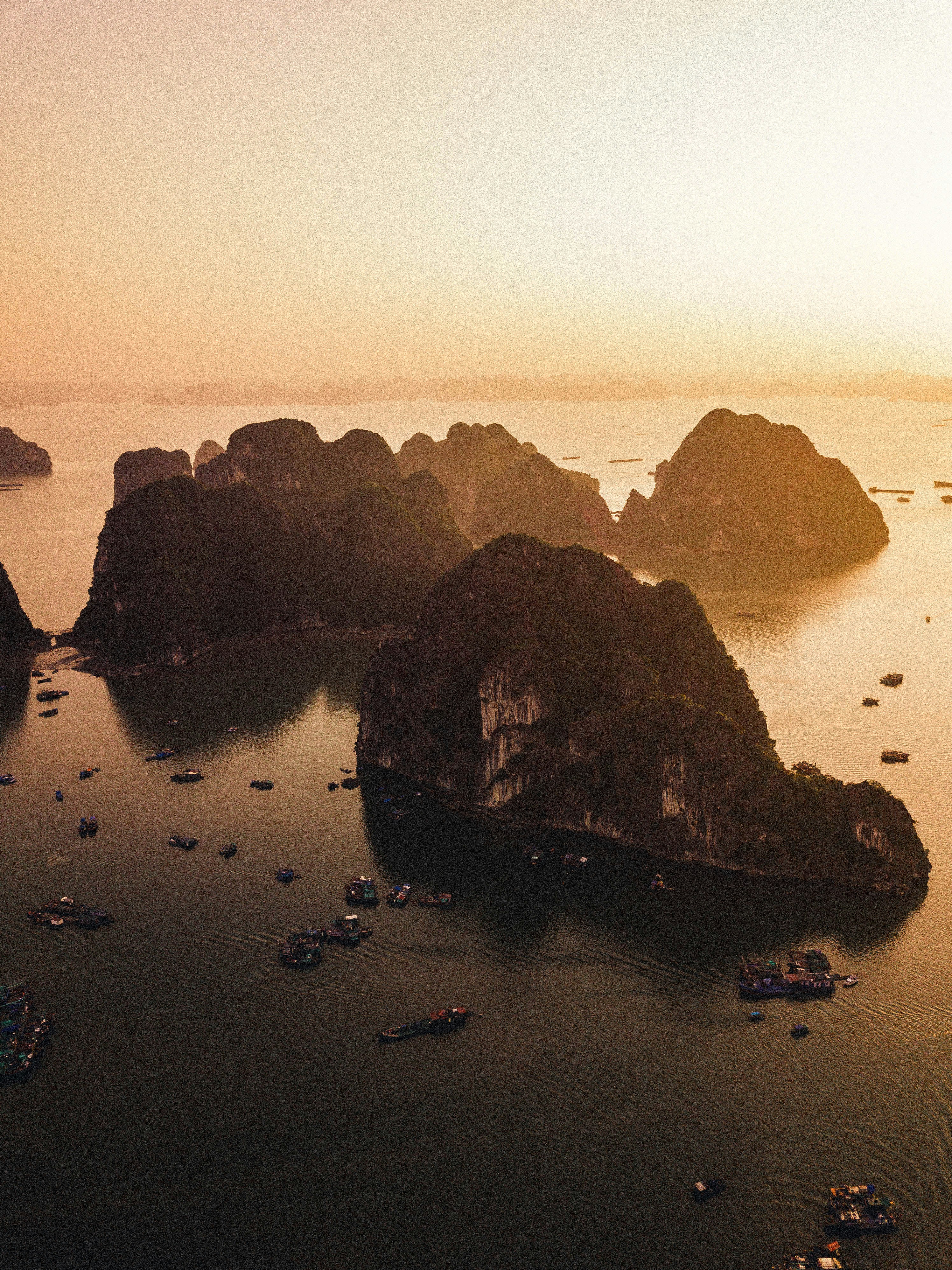
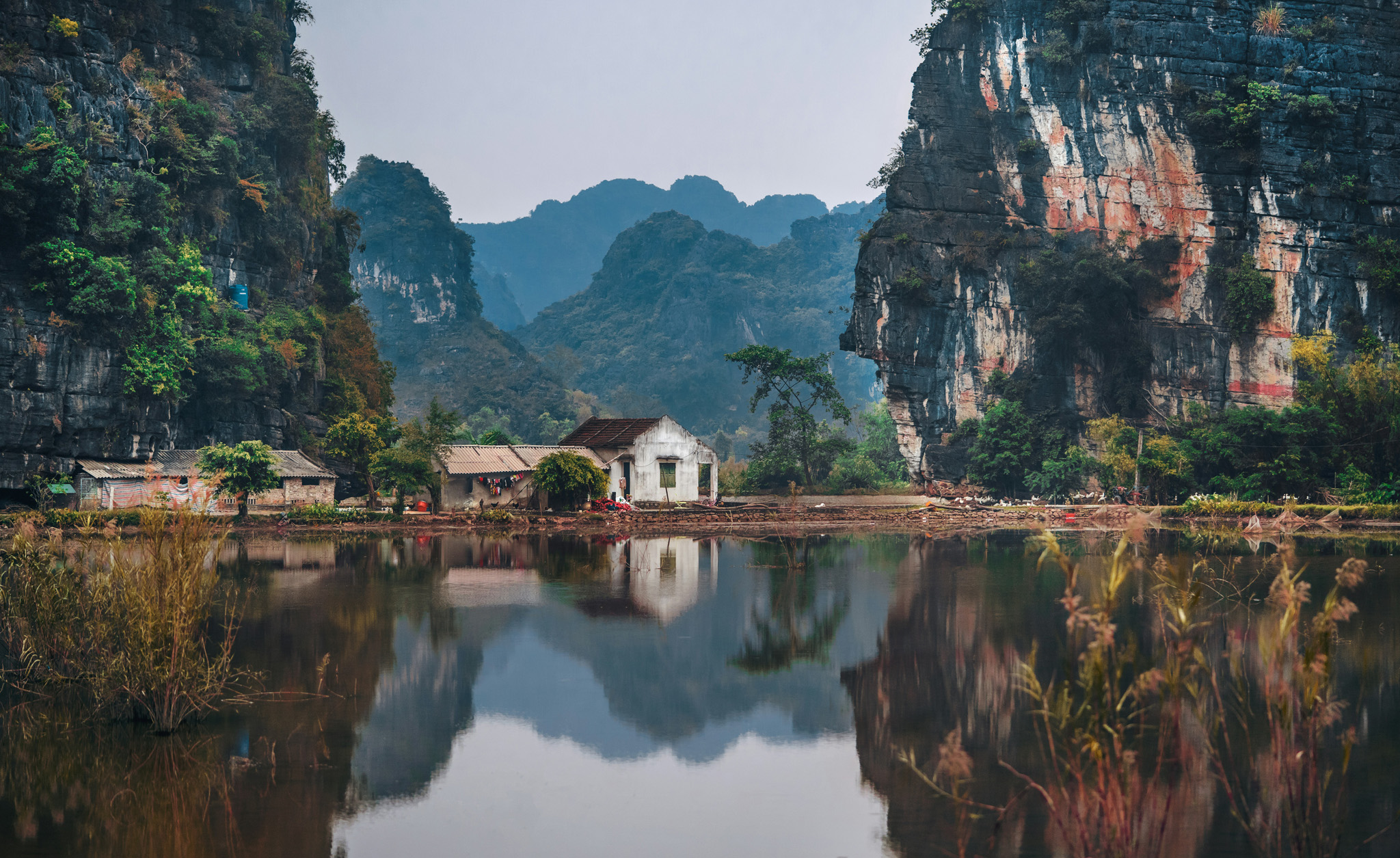
Vietnam unfolds like a long, narrow ribbon down the eastern edge of Southeast Asia, packing an astonishing range of landscapes and experiences into a single country. From the misty limestone karsts of Ha Long Bay and the emerald rice terraces of the northern highlands, to the tangle of waterways in the Mekong Delta and the powder-soft beaches of the central coast, few destinations offer this much variety within such reach.

This is a country that rewards the senses. Hanoi hums with motorbikes, street-food smoke, and centuries of layered history, while Ho Chi Minh City pulses with the energy of a place racing into the future. In between lie ancient towns lit by silk lanterns, imperial citadels, hill-tribe villages, and a coastline strung with fishing harbours and resort towns. The food alone is reason enough to visit, fresh, fragrant, and endlessly regional.
What makes Vietnam so memorable is the warmth of its people and the sense that every region tells a different story. Whether you are trekking through the north, cruising the south, or simply lingering over a bowl of pho on a plastic stool, Vietnam has a way of getting under your skin.
🗺️ Regions to Explore
Hanoi and the North
The political and cultural heart of the country, framed by dramatic mountains and famous bays.
- Wander the Old Quarter’s maze of narrow trading streets
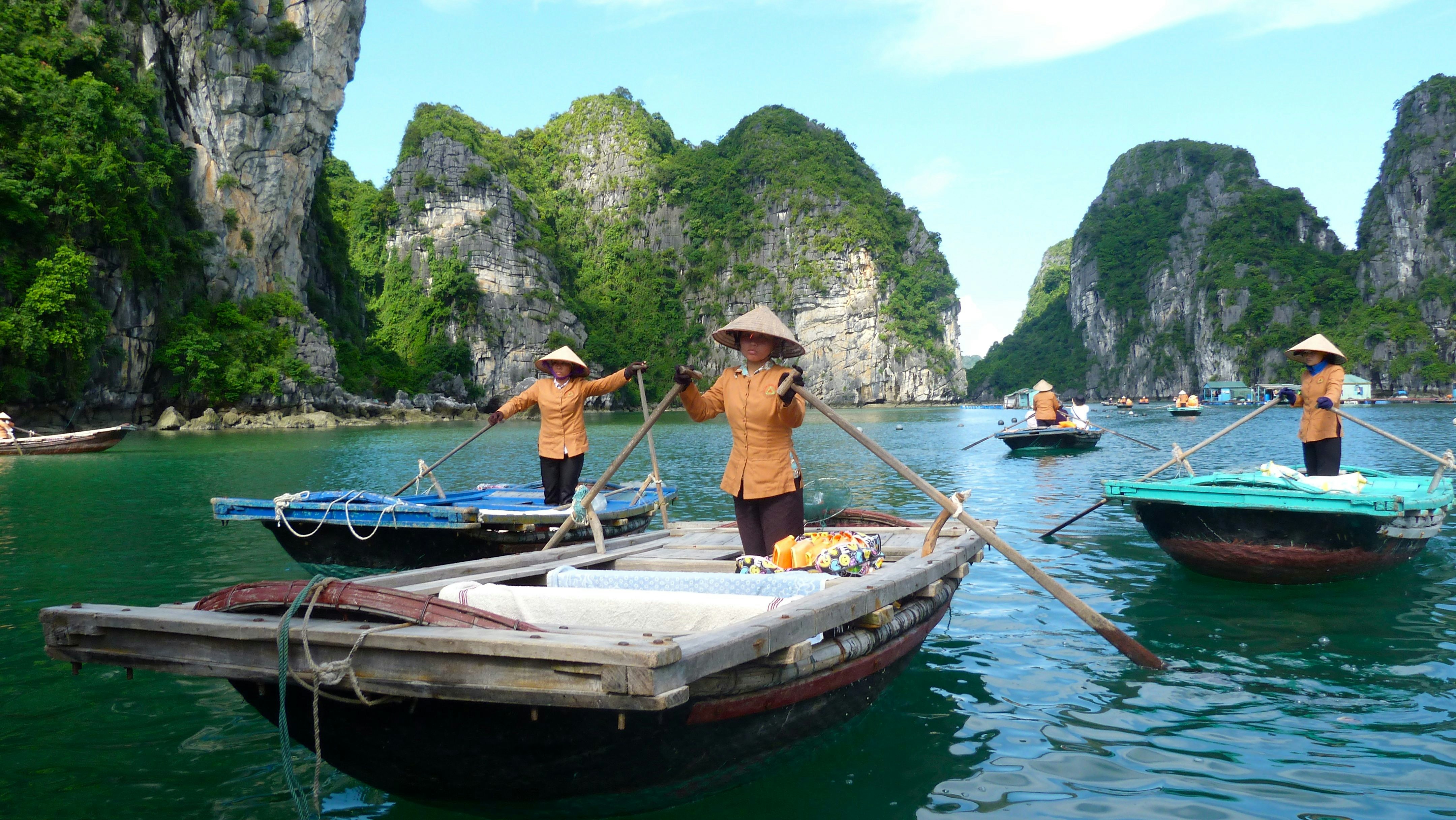
- Cruise the limestone karsts of Ha Long Bay or quieter Lan Ha Bay
- Trek rice terraces and meet hill-tribe communities around Sapa
- Explore the remote loops and passes of Ha Giang
- Visit the Imperial Citadel and Hoan Kiem Lake
Central Coast
A stretch of beaches, imperial history, and Vietnam’s most charming heritage town.
- Stroll the lantern-lit streets of Hoi An’s Ancient Town
- Explore the tombs and pagodas of imperial Hue
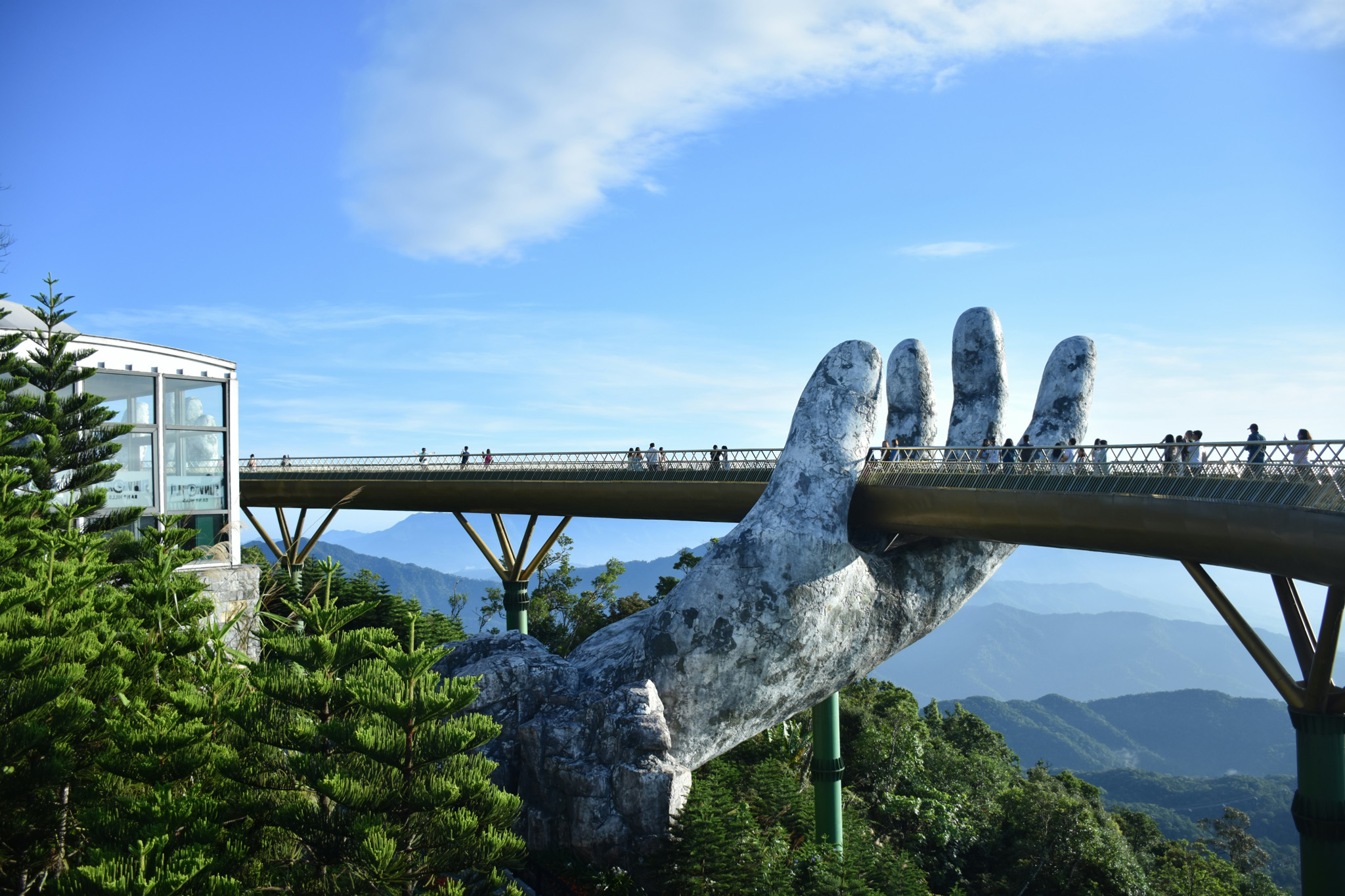
- Relax on the beaches around Da Nang
- Drive the spectacular Hai Van Pass
- Discover the cave systems of Phong Nha-Ke Bang National Park
Central Highlands
A cooler, greener interior of coffee plantations, waterfalls, and ethnic minority culture.
- Visit the coffee farms and lakes around Da Lat
- Hike to cascading waterfalls and pine forests
- Explore the markets and villages of Buon Ma Thuot
- Enjoy cooler temperatures and a more relaxed pace
- Sample some of the world’s best robusta coffee at the source
Ho Chi Minh City and the South
The commercial powerhouse, gateway to the Mekong Delta and southern islands.
- Experience the energy and nightlife of Ho Chi Minh City
- Learn the history of the Cu Chi Tunnels
- Cruise the canals and floating markets of the Mekong Delta
- Unwind on the beaches of Phu Quoc Island
- Explore French colonial architecture and rooftop cafes
🎒 Things To Do
- Cruise overnight among the karsts of Ha Long Bay or Lan Ha Bay
- Take a street-food tour through Hanoi’s Old Quarter
- Trek through rice terraces and stay with hill-tribe families in Sapa
- Ride the Ha Giang Loop by motorbike or with a guide
- Get tailored clothing made in Hoi An’s many tailor shops
- Explore the vast caves of Phong Nha-Ke Bang National Park
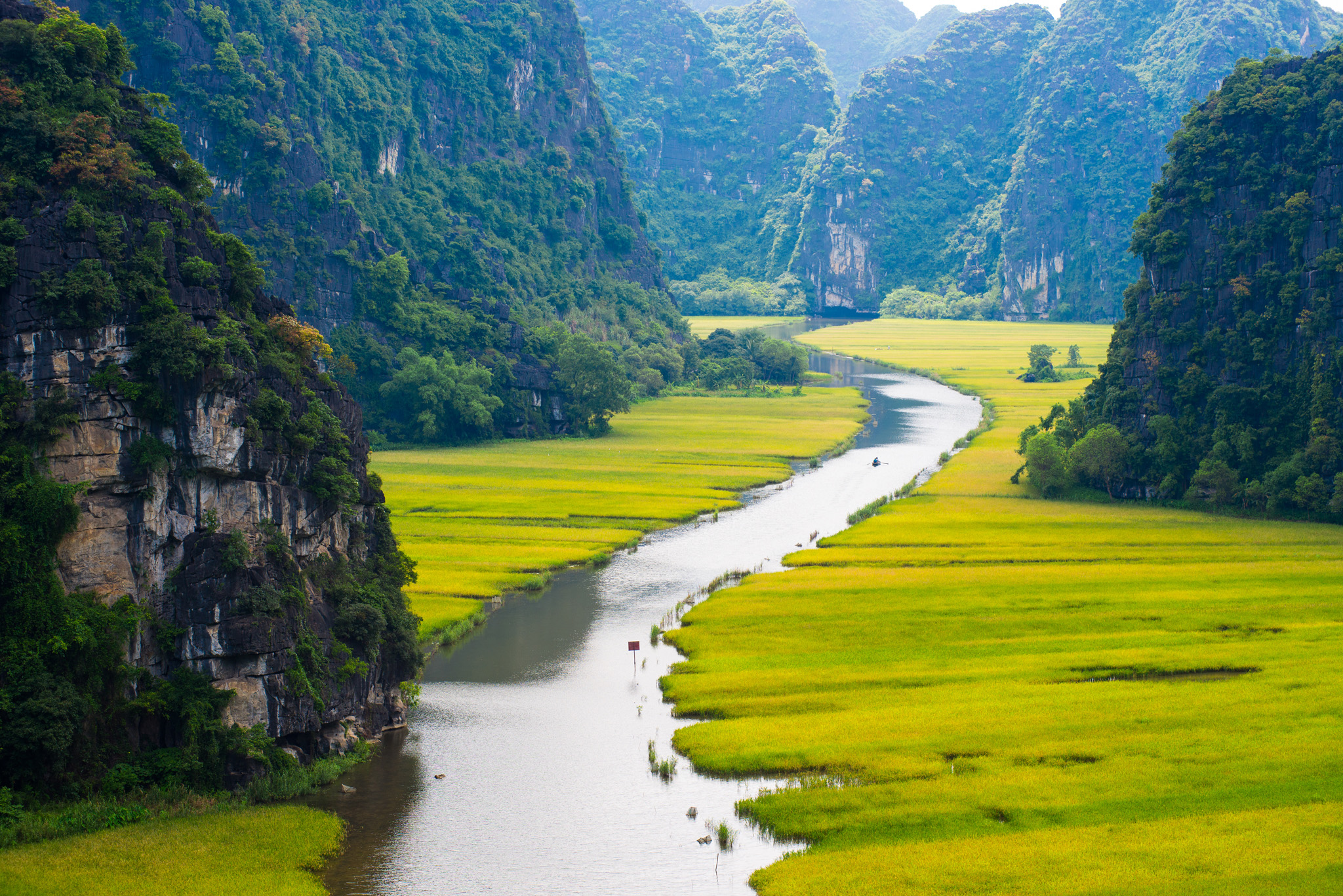
- Cycle through villages and rice paddies near Hoi An or Ninh Binh
- Cruise the Mekong Delta and visit a floating market
- Crawl through the Cu Chi Tunnels for a sobering history lesson
- Learn to cook Vietnamese dishes in a hands-on cooking class
🍽️ Food & Drink
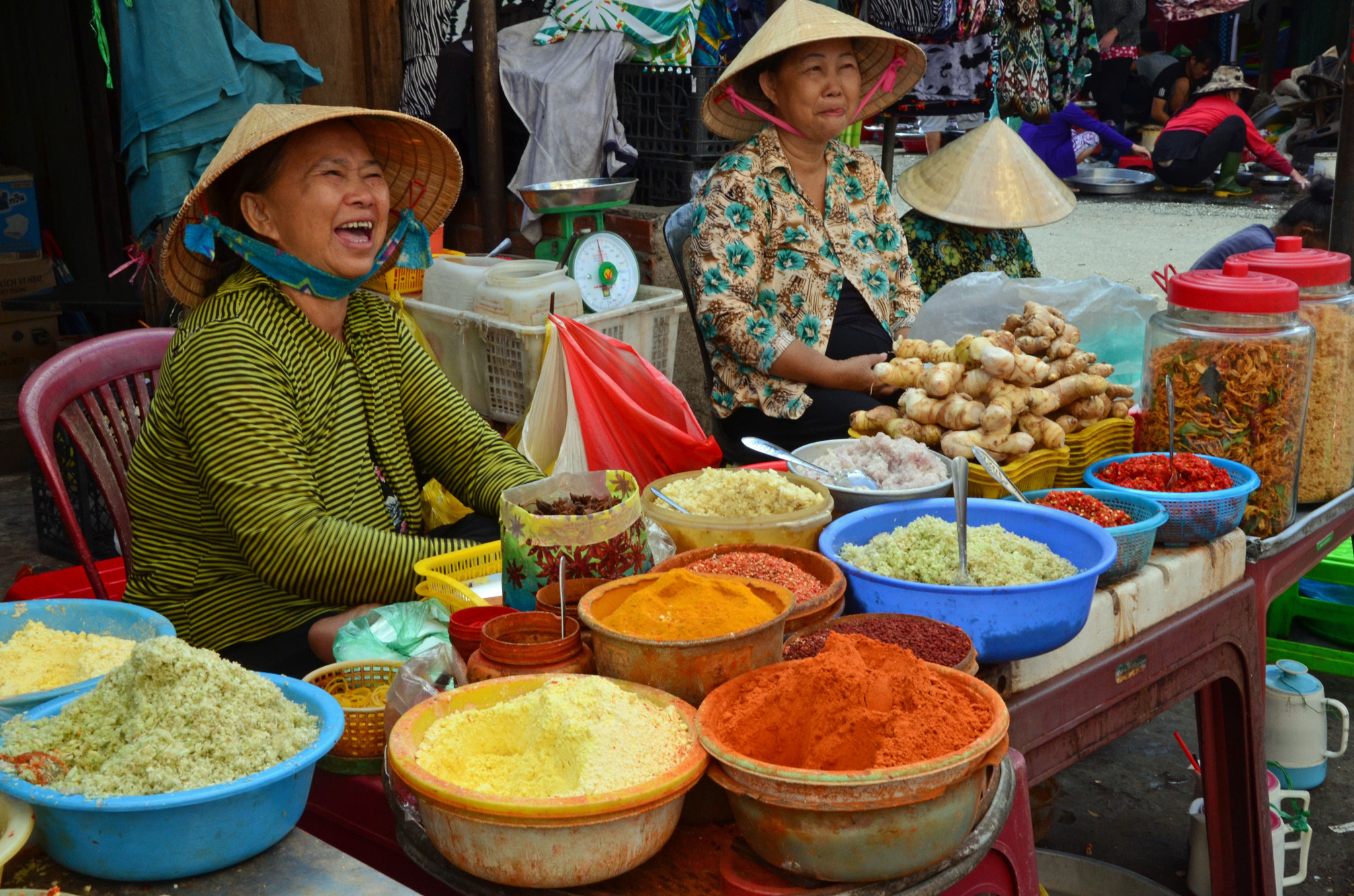
Vietnamese cuisine is celebrated worldwide for its balance of fresh herbs, bright flavours, and light, fragrant broths. Each region has its own specialities, so eating your way from north to south is a journey in itself.
- Pho, the iconic noodle soup, best enjoyed at a busy street stall
- Banh mi, a crisp baguette filled with pate, pickles, and herbs
- Bun cha, grilled pork with noodles and dipping sauce, a Hanoi classic
- Fresh and fried spring rolls served with herbs and dipping sauces
- Vietnamese coffee, served strong with condensed milk or as egg coffee
- Cao lau and white rose dumplings, specialities unique to Hoi An
🌦️ Weather
Vietnam’s long shape means the climate varies dramatically from north to south, and there is no single best season for the whole country at once. Conditions also shift with altitude in the highlands.
- The north has four distinct seasons, with cool winters and hot, humid summers
- The central coast is hottest from June to August and prone to typhoons later in the year
- The south is tropical year-round, with consistent temperatures of 25-35°C
- The dry season in the south runs roughly November to April
- The northern highlands can be cold in winter, occasionally near freezing
- Humidity is high across most of the country for much of the year
📅 Best Time To Visit
February – April (Spring)
- Generally pleasant and dry across much of the country
- Warm days in the south and mild conditions in the north
- A good window for combining north and central regions
May – August (Summer)
- Hot and humid, with the south entering its wet season
- Excellent for northern highland trekking and green rice terraces
- Beach resorts are popular, though afternoon downpours are common
September – November (Autumn)
- Cooler, comfortable conditions return to the north
- Risk of typhoons along the central coast, especially October
- Fewer crowds and lower prices outside major holidays
🎒 Packing List
- Lightweight, breathable clothing for hot and humid conditions
- Layers and a warm jacket for the northern highlands and winter months
- A waterproof jacket or compact rain poncho
- Comfortable walking shoes and sandals
- Modest clothing to cover shoulders and knees for temples and pagodas
- Sun protection including hat, sunglasses, and high-SPF sunscreen
- Insect repellent for evenings and rural areas
- A reusable water bottle, ideally with a filter
- A universal power adapter
- A basic medical kit with personal medications
- Electrolyte sachets to manage heat and humidity
- A small daypack for excursions and day trips
🛂 Visas & Entry Requirements
Most travellers will need either a visa exemption or an e-visa to enter Vietnam, depending on nationality.
- Vietnam’s e-visa is available to all nationalities, valid for up to 90 days, with single-entry or multiple-entry options
- A number of nationalities, including the UK, France, Germany, Italy, and Spain, are exempt from visas for stays of up to 45 days
- Travellers from countries such as the USA, Canada, Australia, and New Zealand typically require an e-visa
- Your passport must be valid for at least six months from your date of entry
- Apply for the e-visa only via the official government portal, and allow several working days for processing
- Proof of onward travel may occasionally be requested at busy airports
Official information: https://evisa.gov.vn
💰 Money
- The currency is the Vietnamese dong (VND)
- Cash is widely used, especially at markets, street stalls, and in rural areas
- Cards are accepted at hotels, larger restaurants, and shops in cities
- ATMs are common in towns and cities, though withdrawal limits and fees apply
- Tipping is not traditionally expected but is increasingly appreciated in tourism
- Carry small denominations for taxis, snacks, and everyday purchases
💸 Hotel & Tourist Taxes
Vietnam does not levy a separate nationwide tourist or accommodation tax on visitors, so there are no city taxes to budget for in the way some other destinations require.
- Accommodation rates generally include applicable VAT and service charges
- Some hotels and resorts add a service charge, usually shown on the final bill
- Entrance fees apply at many attractions, national parks, and heritage sites, paid locally
- Ha Long Bay cruises and similar excursions may include separate bay or park fees
🌈 LGBTQIA+ Travellers
Vietnam is one of the more relaxed destinations in Southeast Asia for LGBTQIA+ travellers, with attitudes generally tolerant and improving.
- Same-sex relationships are legal and not criminalised
- Same-sex marriage is not legally recognised, though there are no laws against same-sex activity
- Major cities such as Ho Chi Minh City and Hanoi have visible and welcoming LGBTQIA+ scenes
- Attitudes can be more conservative in rural areas, where discretion is advisable
- Public displays of affection are generally kept modest by all couples, regardless of orientation
⚠️ Traveller Safety
Vietnam is considered a safe destination for travellers, with violent crime against tourists rare.
- Petty crime such as pickpocketing and bag-snatching can occur in busy urban areas
- Take care with bags and phones near roads, as scooter-borne snatching happens
- Road traffic is chaotic, so cross streets slowly and predictably
- Use reputable operators for adventure activities such as caving, trekking, and motorbiking
- Emergency number is 113 for police, 114 for fire, and 115 for ambulance
💉 Vaccinations & Health
No vaccinations are mandatory for most travellers entering Vietnam, but several are recommended.
- A yellow fever certificate is required only if arriving from a country with risk of transmission
- Routine vaccinations should be up to date, including measles, tetanus, and diphtheria
- Hepatitis A and typhoid are commonly recommended for most travellers
- Malaria risk exists in some rural and remote areas, so seek advice on antimalarials
- Dengue fever is present, so insect-bite prevention is important year-round
- Official information: https://www.who.int/countries/vnm
🚗 Getting Around
- Domestic flights connect major cities and are quick for covering long distances
- The Reunification Express train runs the length of the country and is a scenic option
- Long-distance and sleeper buses are widespread and budget-friendly
- Ride-hailing apps such as Grab are convenient in cities for cars and motorbikes
- Private drivers and guided transfers offer comfort and flexibility for groups
- Motorbike travel is popular but best left to experienced riders, given heavy traffic
✈️ Airports
Noi Bai International Airport (HAN)
- The main gateway to Hanoi and northern Vietnam, serving Ha Long Bay and Sapa.
Tan Son Nhat International Airport (SGN)
- Vietnam’s busiest airport, serving Ho Chi Minh City and the southern regions.
Da Nang International Airport (DAD)
- The key hub for central Vietnam, including Hoi An and Hue.
🗣️ Language
The official language is Vietnamese, a tonal language with regional variations in accent and vocabulary between the north, centre, and south. English is increasingly spoken in tourist areas, hotels, and among younger people, though far less so in rural regions. Learning a few basic phrases is warmly received and goes a long way with locals.
Common Phrases
- Hello – Xin chào (sin chow)
- Goodbye – Tạm biệt (tam bee-et)
- Please – Làm ơn (lam un)
- Thank you – Cảm ơn (gam un)
- Yes – Vâng (vung)
- No – Không (khom)
- Excuse me – Xin lỗi (sin loy)
- Sorry – Xin lỗi (sin loy)
- Do you speak English – Bạn có nói tiếng Anh không (ban gaw noy tieng an khom)
- How much – Bao nhiêu tiền (bow nyew tien)
- Where is – Ở đâu (uh dow)
- Help – Cứu với (gew vuy)
- Cheers – Một hai ba dô (mot hai ba yo)
- Delicious – Ngon (ngon)
- No problem – Không sao (khom sow)
ℹ️ Practical Info
Electricity
- Plug types A, C, and F are used, with a standard voltage of 220V.
Internet & WiFi
- WiFi is widely available in hotels, cafes, and restaurants, and mobile data coverage is strong in populated areas.
Water
- Tap water is not safe to drink; stick to bottled or filtered water and avoid ice from unreliable sources.
Travel Insurance
- Comprehensive personal travel insurance is strongly recommended, with cover for medical treatment, evacuation, and adventure activities such as motorbiking, caving, and trekking.
Connectivity SIM / eSIM
- Local SIM cards are inexpensive and easy to buy at airports and shops, with good coverage from major providers.
- Using an eSIM is our recommended choice while travelling anywhere in the world, and our recommended provider is Holafly. For more information on eSIMs, check out this blog.

❤️ Why Visit Vietnam
Vietnam is a destination that gives back far more than you expect. Within a single trip you can drift past limestone islands at dawn, trek through terraced highlands, wander lantern-lit heritage streets, and feast on some of the best food in the world, all without ever feeling like you have run out of things to discover.
It is a country of contrasts that somehow holds together beautifully: ancient and modern, frantic and serene, mountainous and coastal. The history runs deep, the landscapes are extraordinary, and the value for money remains genuinely excellent for travellers.
But it is the people and the small everyday moments that linger longest, a shared meal on a tiny plastic stool, a smile from a market vendor, the hum of a city slowly waking up. Vietnam does not just impress you; it stays with you long after you have gone home.