Hawaii – Destination Guide
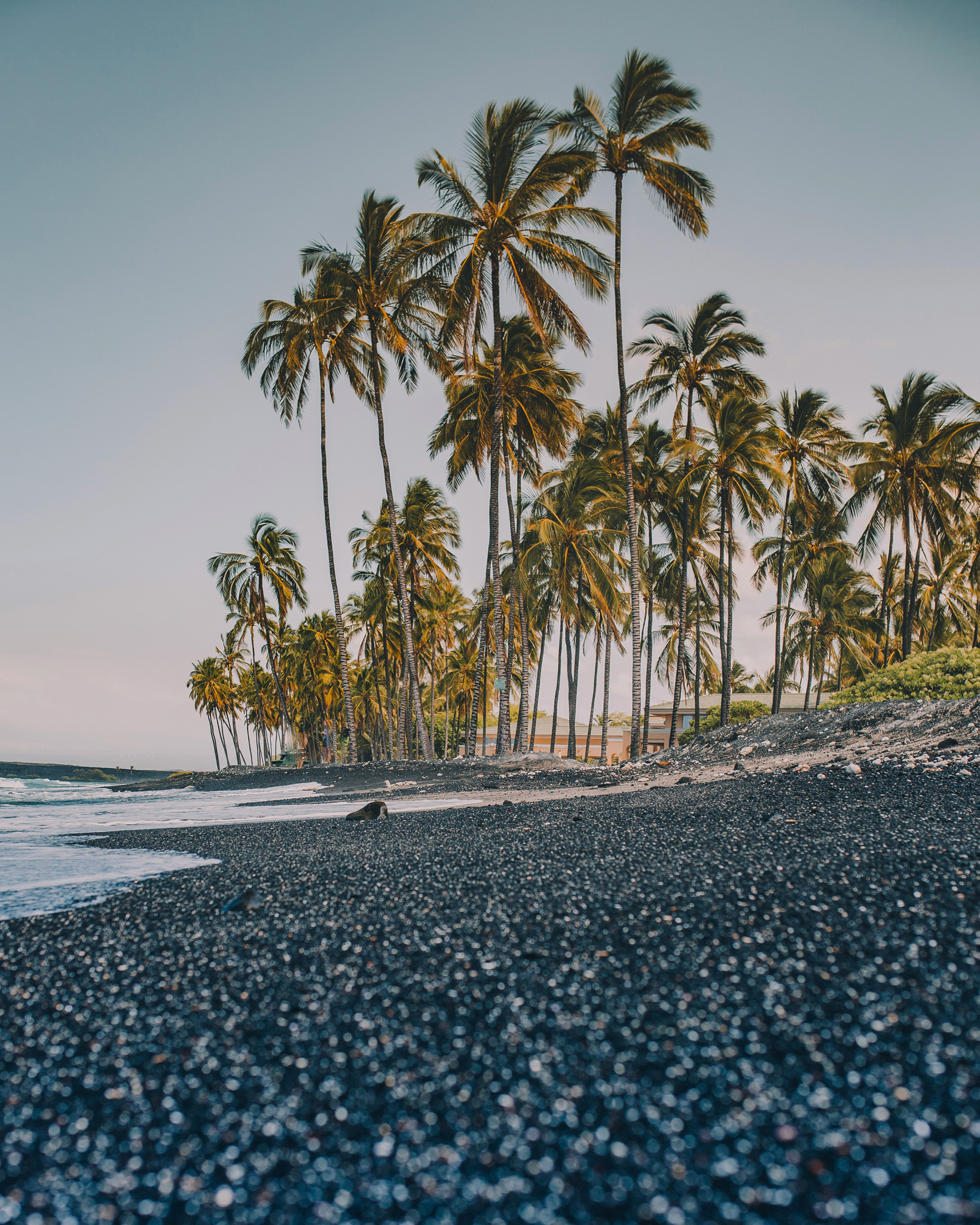
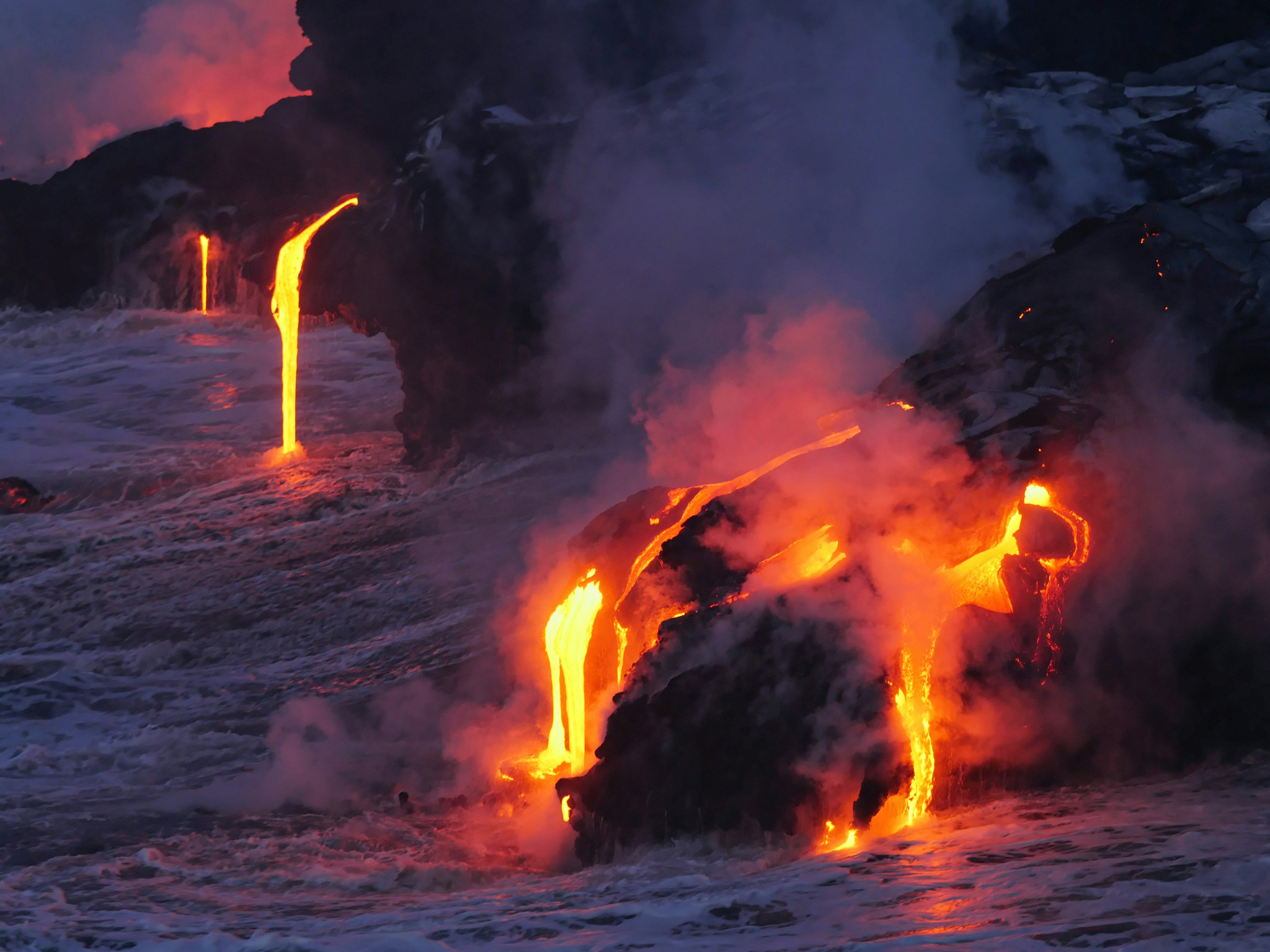
Strung across the Pacific like a chain of green jewels, Hawaii is a place where raw volcanic power and gentle island warmth exist side by side. Black sand beaches give way to emerald valleys, waterfalls tumble through rainforest, and lava still flows on the Big Island while surfers ride glassy swells just offshore. It is one of the most geographically dramatic places on earth, yet the overriding feeling is one of ease – the famous aloha spirit that shapes everything from how people greet you to the unhurried pace of island life.
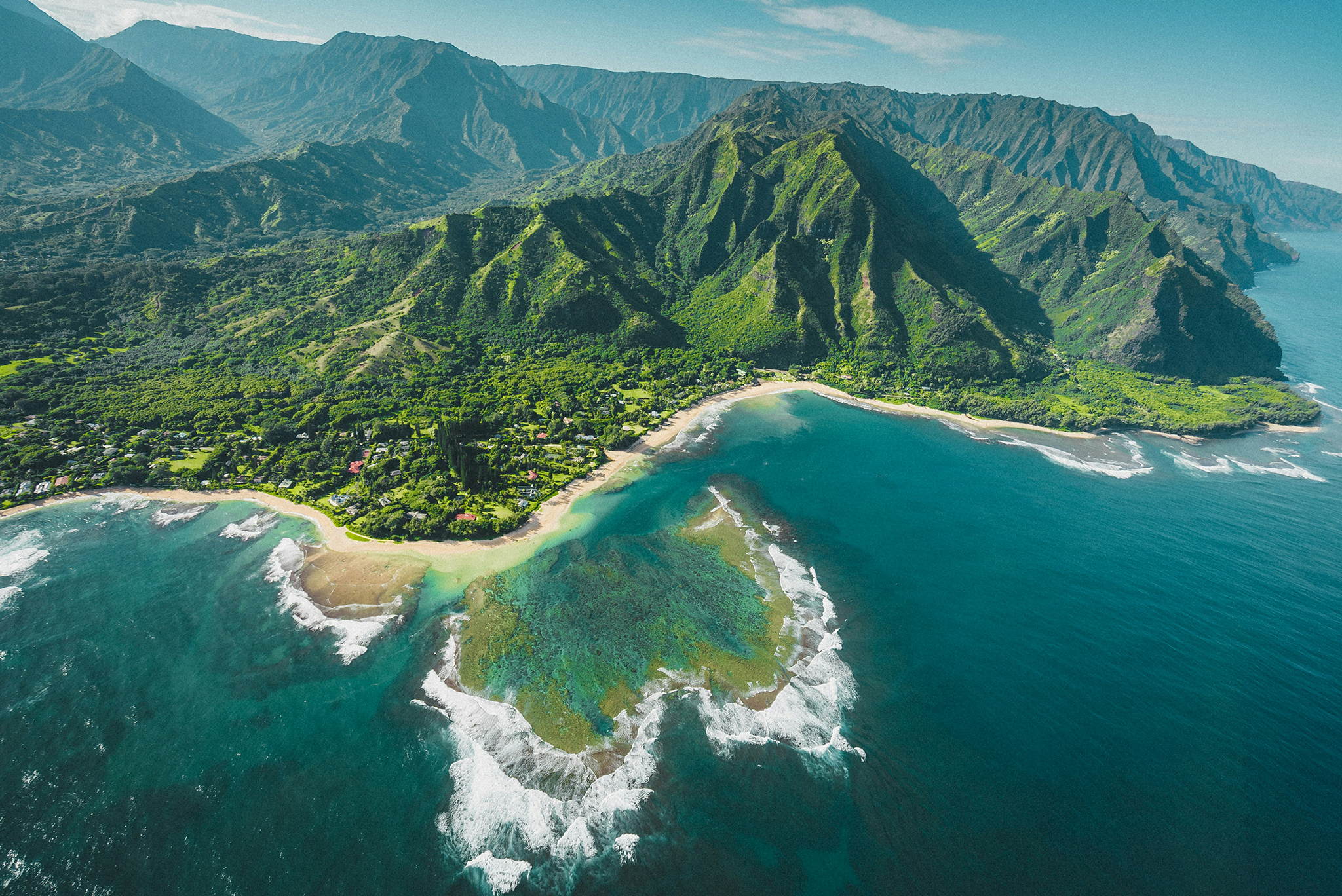
The archipelago is made up of six main visitor islands, each with its own personality. Oahu blends a buzzing city, legendary surf and deep cultural history. Maui is all sweeping beaches and the otherworldly road to Hana. Kauai is the lush, ancient one, cloaked in cliffs and canyons. The Big Island holds active volcanoes, snow-dusted summits and a dozen climate zones. Together they offer a remarkable range of experiences within a single trip.
What makes Hawaii so rewarding is the depth beneath the postcard image. Beyond the resorts lies a living Native Hawaiian culture, a fragile and extraordinary natural environment, and a sense that the land itself is something to be respected rather than simply consumed. Travellers who lean into that find a destination that stays with them long after the tan fades.
🗺️ Regions to Explore
Oahu
The most populous island, home to Honolulu and a rich mix of city life, history and world-class surf.
- Visiting Pearl Harbor and the USS Arizona Memorial
- Hiking Diamond Head crater for sweeping coastal views
- Surfing or watching big-wave action on the North Shore
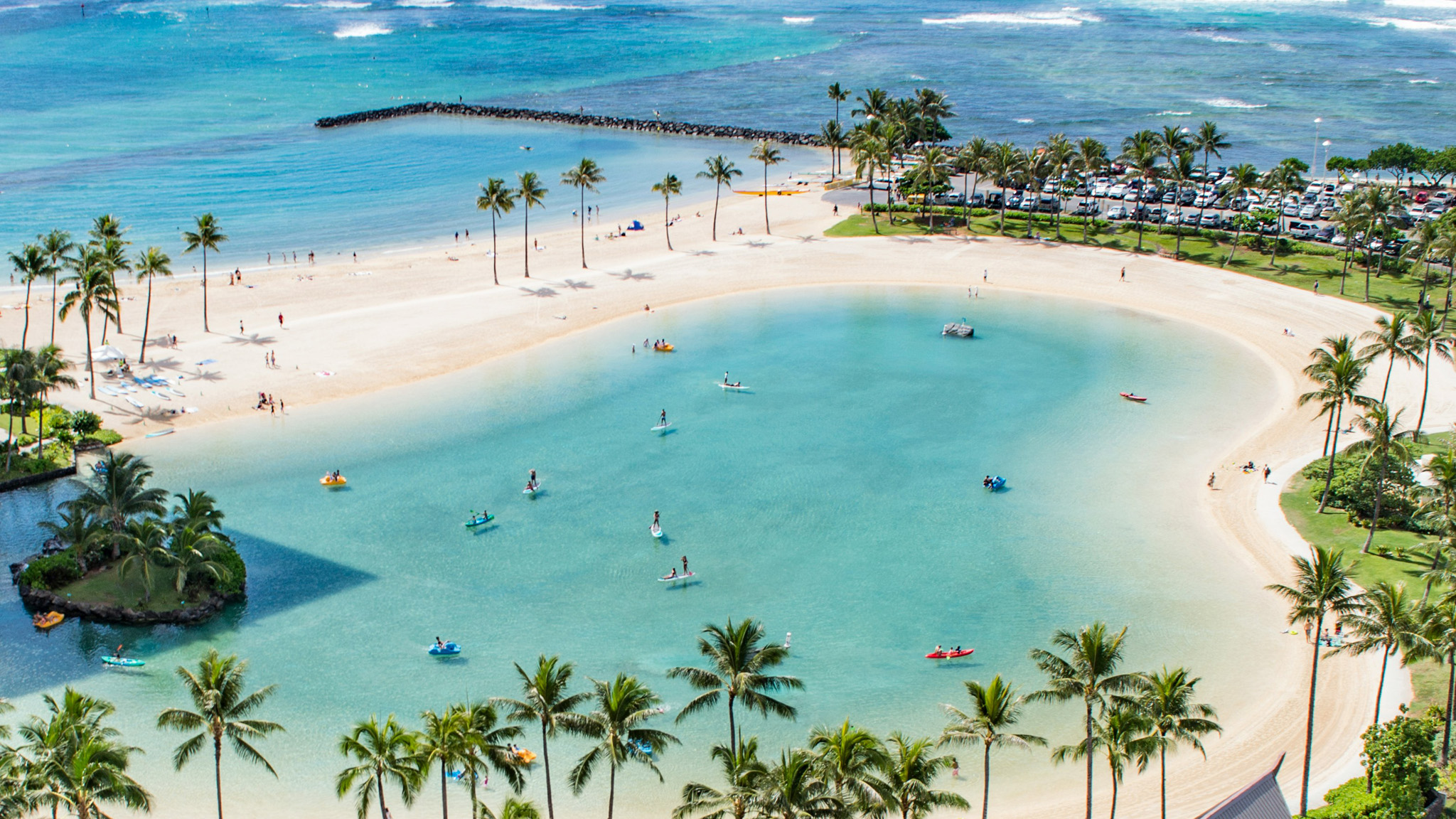
- Exploring Waikiki Beach and the dining scene of Honolulu
- Snorkelling the protected waters of Hanauma Bay
Maui
The Valley Isle, known for its beaches, scenic drives and the dramatic summit of Haleakala.
- Driving the winding Road to Hana through rainforest and waterfalls
- Watching sunrise above the clouds at Haleakala National Park
- Snorkelling at Molokini, a submerged volcanic crater
- Relaxing on the golden sands of Wailea and Kaanapali
- Whale watching in the channel between December and April
Kauai
The oldest and greenest main island, dominated by towering cliffs and deep canyons.
- Cruising the rugged Na Pali Coast by boat or kayak
- Hiking the trails of Waimea Canyon, the Grand Canyon of the Pacific
- Relaxing on the crescent of Hanalei Bay
- Spotting waterfalls and lush valleys across the island interior
- Exploring the laid-back towns of Hanalei and Poipu
The Big Island (Hawaii Island)
The largest and most geologically active island, spanning lava fields, rainforest and snow-capped peaks.
- Witnessing active volcanism at Hawaii Volcanoes National Park
- Stargazing from the high slopes of Mauna Kea
- Snorkelling and night diving with manta rays off Kona
- Visiting black and green sand beaches found nowhere else
- Exploring coffee farms in the Kona growing region
Lanai and Molokai
Two quieter islands offering a glimpse of a slower, more traditional Hawaii.
- Experiencing the remote luxury and red-rock landscapes of Lanai
- Visiting the historic settlement of Kalaupapa on Molokai
- Enjoying empty beaches with barely another visitor in sight
- Connecting with a strong sense of local community and culture
🎒 Things To Do
- Snorkel or dive among reef fish, sea turtles and manta rays
- Hike volcanic craters, rainforest trails and coastal cliff paths
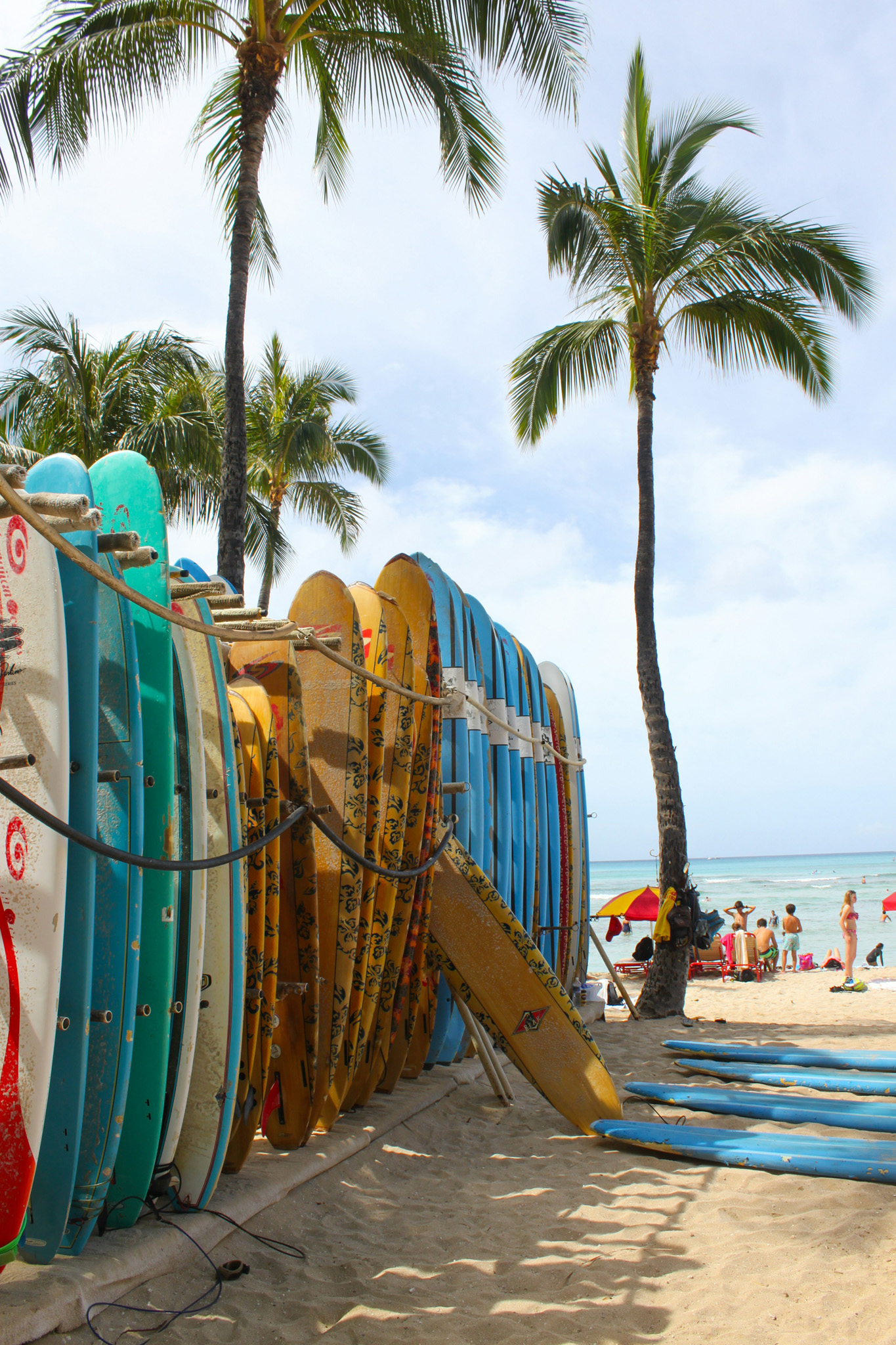
- Surf or take a lesson on some of the world’s most famous breaks
- Attend a luau for traditional food, music and hula
- Watch humpback whales during the winter migration season
- Drive scenic routes like the Road to Hana and the Kohala Coast
- Stargaze from high-altitude sites with exceptionally clear skies
- Visit Pearl Harbor and learn the islands’ wartime history
- Explore Native Hawaiian cultural sites, fishponds and heiau
- Relax on beaches of gold, black, green and white sand
🍽️ Food & Drink
Hawaiian cuisine is a flavourful melting pot, shaped by Native Hawaiian traditions and waves of immigration from Japan, China, the Philippines, Portugal and beyond. Fresh seafood, tropical fruit and a deep love of comfort food define the local table.
- Poke, cubed raw fish seasoned with soy, sesame and seaweed
- Plate lunch, a hearty mix of meat, rice and macaroni salad
- Kalua pork, slow-cooked in an underground imu oven
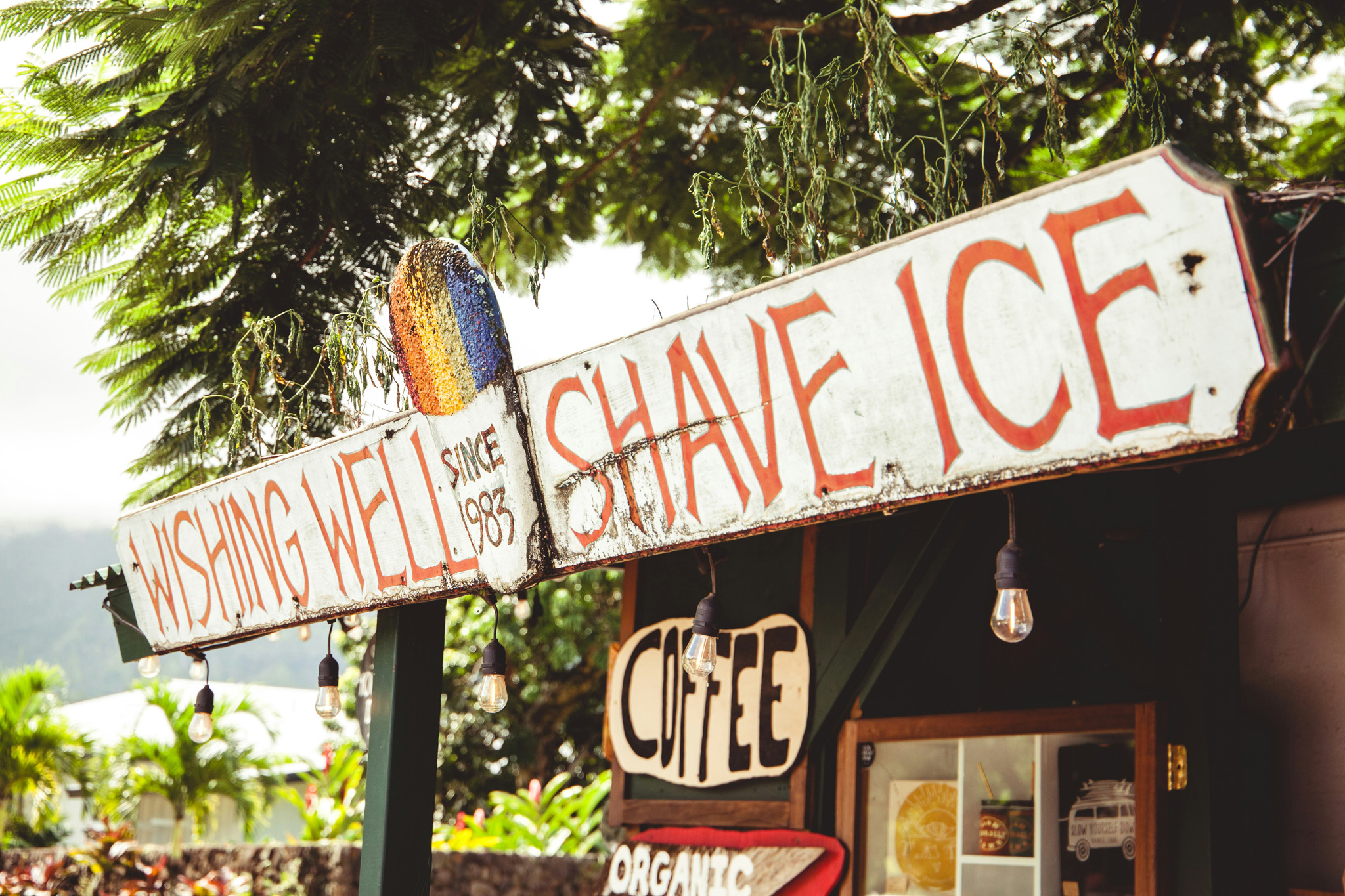
- Shave ice, finely shaved ice drenched in tropical syrups
- Loco moco, rice topped with a burger patty, egg and gravy
- Fresh pineapple, mango and locally grown Kona coffee
🌦️ Weather
Hawaii enjoys a warm, tropical climate year-round, with only two real seasons and far less variation than most destinations. Conditions can differ sharply across short distances thanks to the islands’ mountains.
- Temperatures generally sit between 24-31°C at lower elevations
- Summer (May – October) is warmer and drier
- Winter (November – April) is slightly cooler and wetter
- Windward (eastern) sides are greener and receive more rain
- Leeward (western) sides are drier, sunnier and ideal for beaches
- High-altitude summits like Mauna Kea can be cold and even snowy
📅 Best Time To Visit
April – June and September – November (Shoulder Seasons)
- Pleasant weather with fewer crowds than peak periods
- Lower accommodation and flight prices
- A good balance of sunshine, value and availability
June – August (Peak Summer Season)
- Warm, dry conditions ideal for beaches and water activities
- Busy with families travelling during school holidays
- Higher prices and the need to book well in advance
December – March (Winter and Whale Season)
- Cooler, wetter weather, especially on windward coasts
- Prime time for humpback whale watching and big-wave surf
- Busy and expensive around the Christmas and New Year period
🎒 Packing List
- Lightweight, breathable clothing for warm, humid days
- Swimwear and a quick-dry towel for beaches and snorkelling
- A light rain jacket or packable shell for passing showers
- A warm layer or fleece for high-altitude areas like Haleakala
- Sturdy walking shoes or hiking boots for trails and lava terrain
- Reef-safe sunscreen, as standard sunscreens are restricted
- A wide-brimmed hat and sunglasses for strong sun
- Insect repellent for rainforest and valley areas
- Reusable water bottle and electrolyte sachets for hot days
- A basic medical kit with any personal medications
- A power bank and US-style power adapter
- A dry bag to protect electronics on boats and at the beach
🛂 Visas & Entry Requirements
Hawaii is a US state, so entry is governed by United States immigration rules rather than any separate island requirements.
- Citizens of Visa Waiver Program countries (including Australia, the UK, New Zealand and most of the EU) can visit visa-free for up to 90 days with an approved ESTA
- An ESTA must be obtained online before travel, currently costs around US$40, and is generally valid for two years
- Travellers from non-VWP countries must apply for a B1/B2 visitor visa in advance
- Passports should be valid for the duration of your stay, and a machine-readable passport is required for VWP travellers
- US Customs and Border Protection officers make the final decision on entry, and agricultural checks apply when leaving Hawaii for the US mainland
Official information: https://travel.state.gov/content/travel/en/us-visas/tourism-visit/visa-waiver-program.html
💰 Money
- The currency is the US dollar (USD)
- Cards are accepted almost everywhere, including small vendors
- It is still useful to carry some cash for tips, markets and food trucks
- ATMs are widely available across all main islands
- Tipping is expected, with 15-20% standard in restaurants
- Tip a few dollars for drivers, guides, housekeeping and bar staff
💸 Hotel & Tourist Taxes
Hawaii applies significant taxes to accommodation, and these are typically added to your bill at check-out rather than included in advertised rates.
- The state Transient Accommodations Tax (TAT) rose to 11% from January 2026, partly to fund the new climate-focused Green Fee
- Each county adds its own surcharge of up to 3% on top of the state TAT
- The General Excise Tax of around 4-4.7% also applies to accommodation and most goods and services
- Combined, taxes on a hotel or vacation rental stay typically total around 18-19% before any resort fees
- Many hotels and resorts also charge a separate daily resort fee, which is not a government tax
🌈 LGBTQIA+ Travellers
Hawaii is widely regarded as one of the most welcoming and inclusive destinations in the United States for LGBTQIA+ travellers.
- Same-sex marriage is legal, and anti-discrimination protections are in place
- Social attitudes are generally relaxed, friendly and accepting
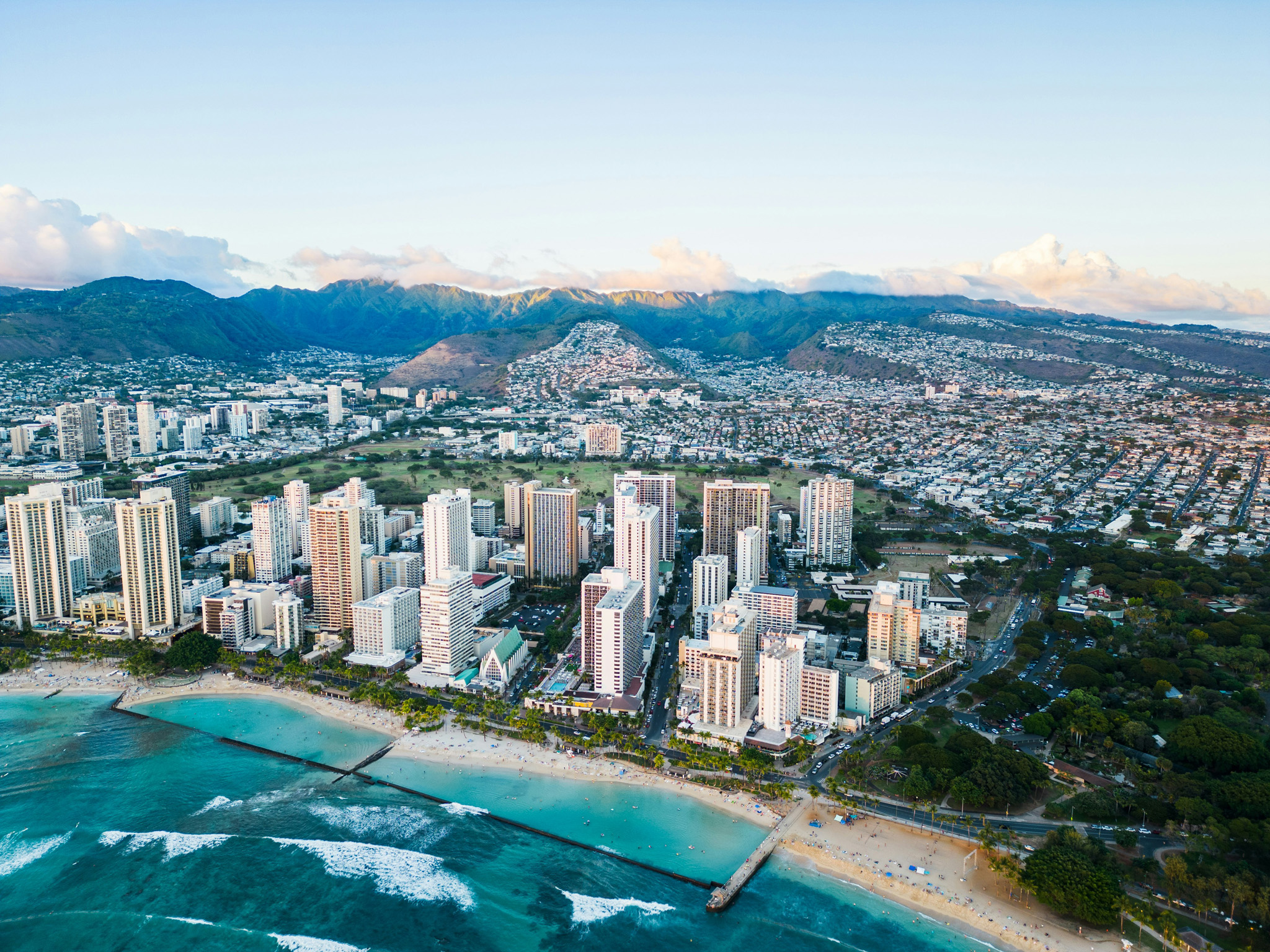
- Honolulu and Waikiki have an established LGBTQIA+ scene with bars and events
- Public displays of affection are unlikely to attract attention in most areas
- Rural and remote communities are still welcoming, though more conservative in feel
⚠️ Traveller Safety
Hawaii is a safe destination overall, with most concerns relating to the natural environment rather than crime.
- Crime levels are low, though petty theft from cars and beaches does occur
- Ocean conditions can be hazardous, with strong currents, shore breaks and rip tides
- Always heed lifeguard flags, posted warnings and local advice before entering the water
- Take care on volcanic terrain, near cliff edges and on unmarked trails
- Hawaii is generally safe at night, though normal city precautions apply in Honolulu
- Emergency number is 911
💉 Vaccinations & Health
No special vaccinations are required to enter Hawaii, but standard precautions are sensible.
- Routine vaccinations should be up to date before travelling
- There are no mandatory vaccination requirements for entry
- The main health risks come from sun exposure, dehydration and ocean conditions
- Mosquito-borne illness is rare but insect repellent is still recommended in lush areas
- Medical care is of a high standard, though costs are high, making insurance essential
Official information: https://wwwnc.cdc.gov/travel/destinations/traveler/none/united-states
🚗 Getting Around
- Each island is best explored by rental car, as public transport is limited
- Roads are generally good, though some scenic routes are narrow and winding
- Inter-island travel is by short flights between the main islands
- Oahu has the most developed public bus network, known as TheBus
- Rideshare services operate in urban areas, especially on Oahu and Maui
- Guided tours are a good option for places like the Road to Hana and volcano sites
✈️ Airports
Daniel K. Inouye International Airport (HNL)
- The main gateway to Hawaii, located in Honolulu on Oahu, handling most international and mainland flights.
Kahului Airport (OGG)
- The primary airport for Maui, serving direct mainland flights and inter-island connections.
Ellison Onizuka Kona International Airport (KOA)
- The main airport on the western side of the Big Island, serving Kona and the Kohala Coast.
Lihue Airport (LIH)
- The main airport for Kauai, mostly serving inter-island and selected mainland routes.
🗣️ Language
English is the primary language spoken throughout Hawaii and travellers will have no difficulty communicating. Hawaii is unusual within the United States in having two official languages, English and Hawaiian (ʻŌlelo Hawaiʻi), the Indigenous Polynesian language now undergoing a strong revival. You will see Hawaiian widely in place names, greetings and cultural settings, and a little goes a long way in showing respect. A local pidgin, Hawaiian Creole English, is also commonly heard in everyday conversation.
Common Phrases
- Hello / Welcome – Aloha (ah-LOH-hah)
- Goodbye – Aloha (ah-LOH-hah)
- Please – E ʻoluʻolu (eh oh-loo-OH-loo)
- Thank you – Mahalo (mah-HAH-loh)
- Thank you very much – Mahalo nui loa (mah-HAH-loh noo-ee LOH-ah)
- Yes – ʻAe (AH-eh)
- No – ʻAʻole (ah-OH-leh)
- Excuse me – E kala mai (eh kah-LAH my)
- Sorry – E kala mai iaʻu (eh kah-LAH my ee-AH-oo)
- Do you speak English? – English is widely spoken everywhere
- How much? – ʻEhia ke kumu kūʻai? (EH-hee-ah keh KOO-moo KOO-eye)
- Where is…? – Aia i hea…? (EYE-ah ee HEH-ah)
- Help – Kōkua (koh-KOO-ah)
- Cheers – Okole maluna (oh-KOH-leh mah-LOO-nah)
- Love / Affection – Aloha (ah-LOH-hah)
ℹ️ Practical Info
Electricity
- Hawaii uses US-style Type A and Type B plugs, with a standard voltage of 120V.
Internet & WiFi
- WiFi is widely available in hotels, cafes and public areas, and mobile data coverage is strong on the main islands, though patchy in remote valleys and on volcanic terrain.
Water
- Tap water is safe to drink throughout Hawaii, so a reusable bottle is the easiest and most sustainable option.
Travel Insurance
- Comprehensive personal travel insurance is strongly recommended, as US medical costs are very high, and your policy should cover water sports, hiking and any volcanic or adventure activities you plan to do.
Connectivity SIM / eSIM
- Local SIM cards from US carriers are available at airports and stores, though coverage and value vary.
- Using an eSIM is our recommended choice while travelling anywhere in the world, and our recommended provider is Holafly. For more information on eSIMs, check out this blog.

❤️ Why Visit Hawaii
Hawaii offers a rare combination of natural drama and genuine warmth. Few places on earth let you watch the sunrise above the clouds, snorkel with sea turtles, hike through a rainforest and stand beside an active volcano all within a single trip. The landscapes are extraordinary, but it is the feeling of the place – unhurried, generous and deeply connected to the land – that travellers remember most.
It is also a destination with real depth. Beneath the beaches and resorts lies a living Native Hawaiian culture, a fragile environment worth protecting, and a community that welcomes visitors who arrive with curiosity and respect. Travelling here mindfully turns a holiday into something more meaningful.
Whether you come to surf, hike, relax or simply slow down, Hawaii has a way of resetting your sense of what a holiday can be. Spend time here and you will understand why so many people leave already planning their return.