Bali – Destination Guide
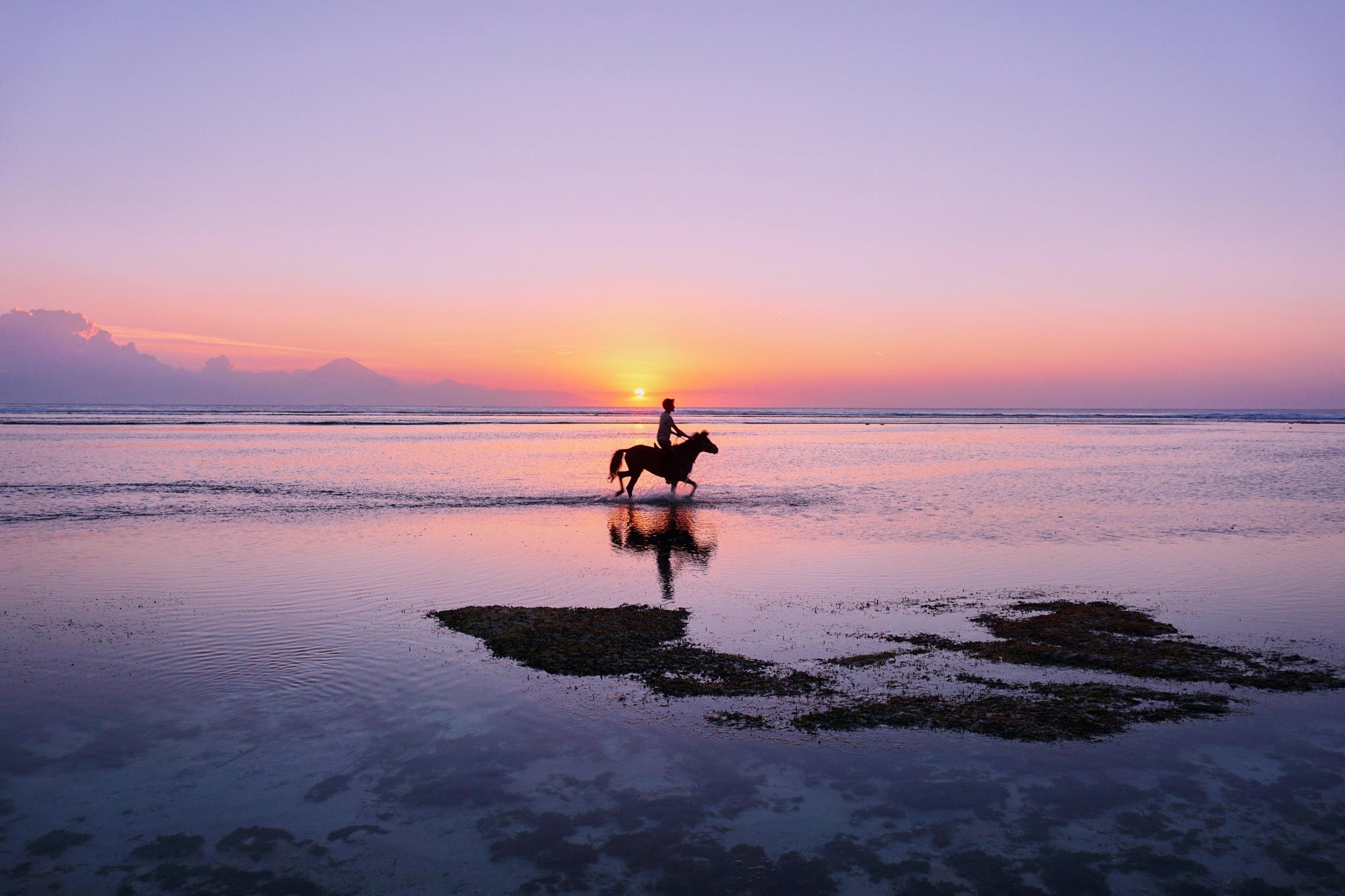
Bali is a single small island that somehow holds a dozen different worlds. Emerald rice terraces climb the hillsides of the centre, volcanic peaks rise through morning mist, and the coastline shifts from black-sand surf breaks to powder-white bays within the space of an afternoon’s drive. It is a place where the landscape and the spiritual life of its people are inseparable, where every doorway carries a daily offering and the rhythm of temple ceremonies shapes the calendar.
The island rewards travellers who slow down. Beyond the well-known beach clubs and sunset bars lies an interior of quiet villages, artisan workshops, sacred springs, and jungle valleys threaded with waterfalls. Ubud remains the cultural heart, the southern peninsula draws surfers and night owls, and the wilder north and east offer diving, trekking, and a far gentler pace.
What makes Bali endure as a destination is its warmth – both the tropical climate and the genuine openness of the Balinese people. Few places combine natural beauty, deep living culture, and ease of travel quite so generously, which is why so many visitors find themselves planning a return before they have even left.
🗺️ Regions to Explore
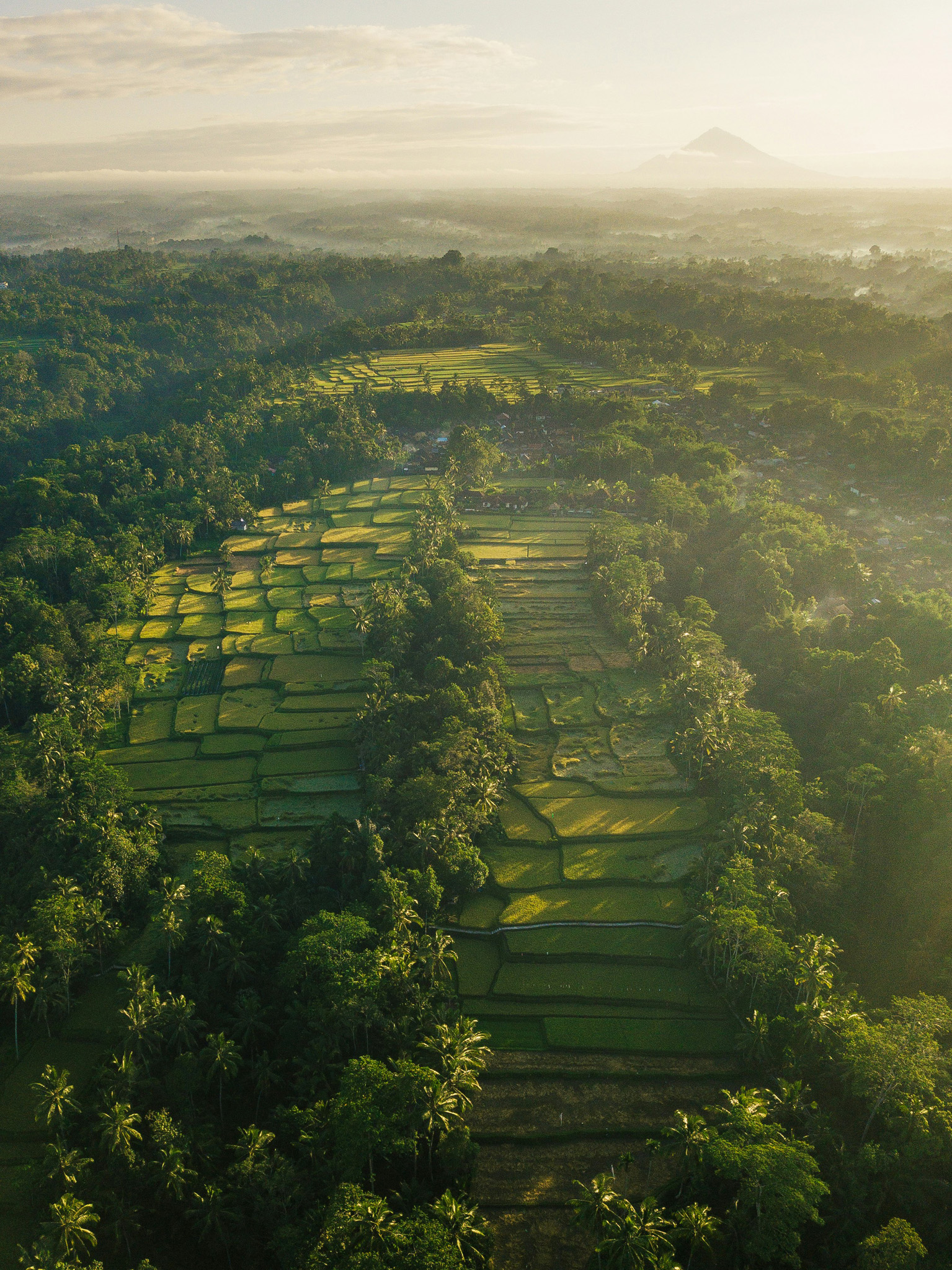
Ubud and the Central Highlands
The artistic and spiritual core of the island, set among rice terraces and river gorges.
- Walking the Tegallalang and Jatiluwih rice terraces
- Exploring temples, palaces, and the Ubud art market
- Visiting the Sacred Monkey Forest Sanctuary
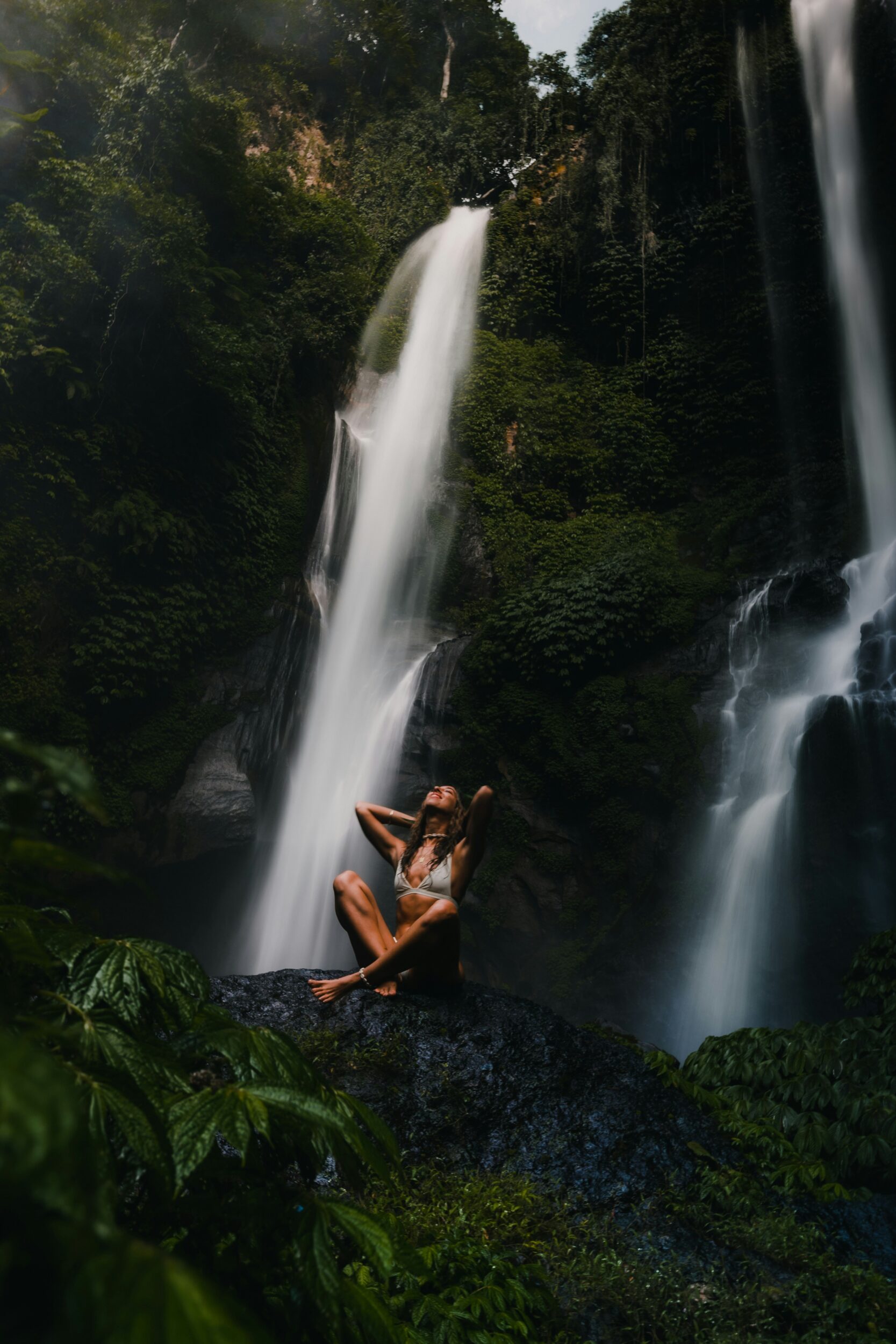
- Chasing waterfalls at Tegenungan and Tibumana
- Browsing woodcarving and silversmith villages
South Bali and the Bukit Peninsula
The busy, beach-focused south, home to surf breaks, beach clubs, and clifftop temples.
- Surfing at Uluwatu, Padang Padang, and Bingin
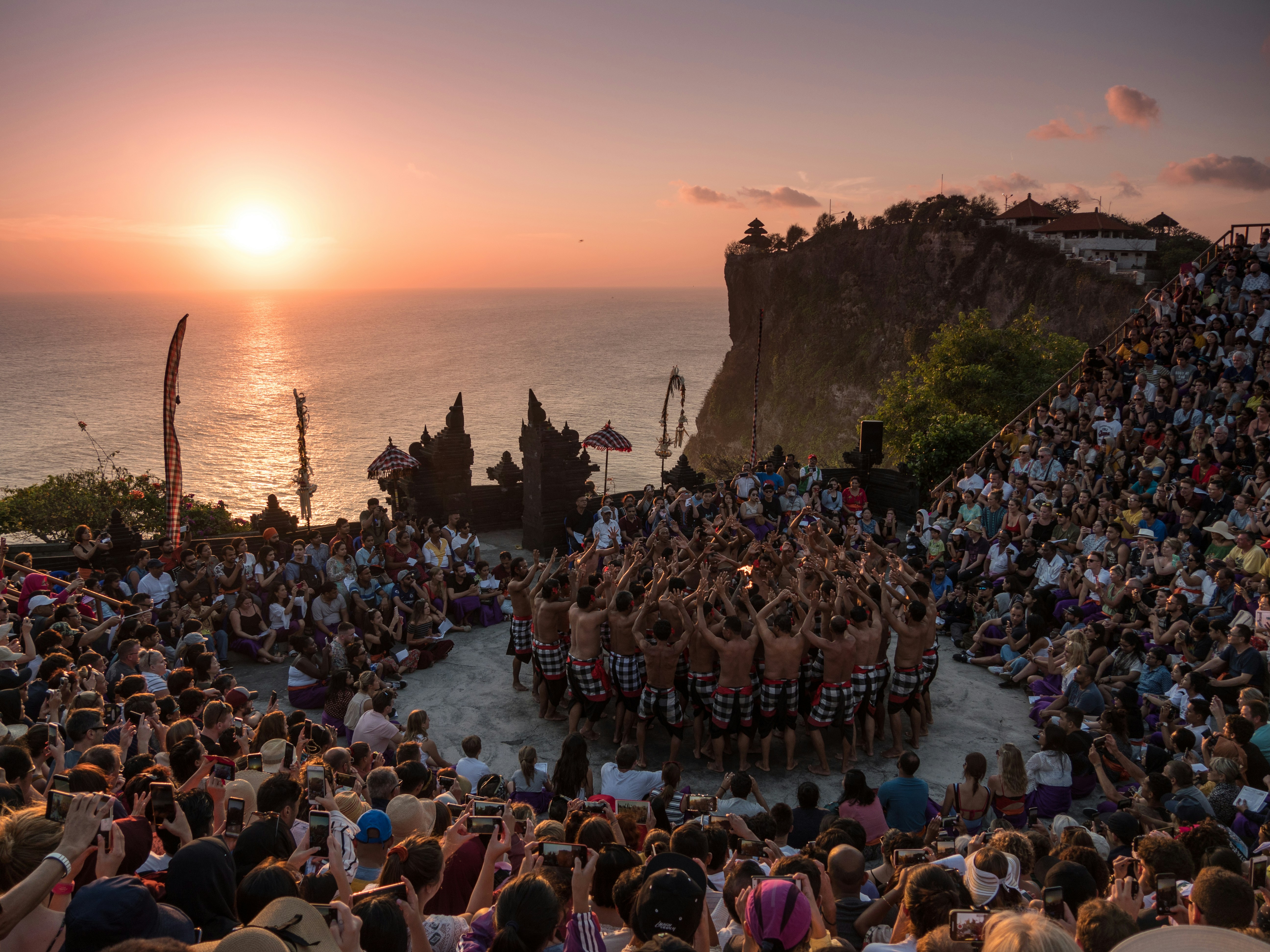
- Sunset at the clifftop Uluwatu Temple with a Kecak dance
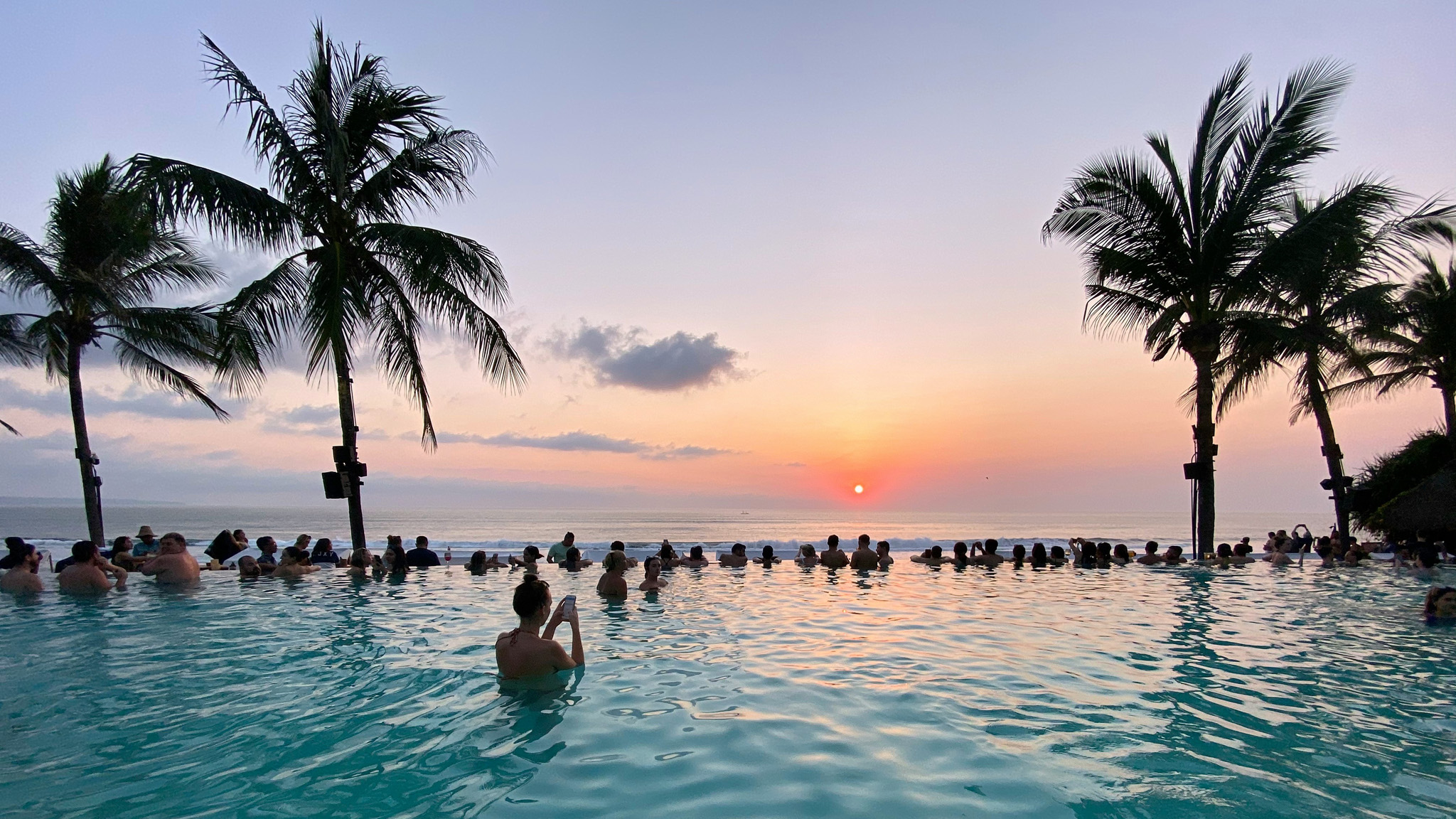
- Beach club days in Seminyak and Canggu
- Exploring the white-sand beaches of the Bukit Peninsula
- Shopping and dining across Seminyak and Berawa
East Bali
A quieter, more traditional region of volcanic slopes, old kingdoms, and coral reefs.
- Diving the USAT Liberty wreck at Tulamben
- Visiting the water palaces of Tirta Gangga and Taman Ujung
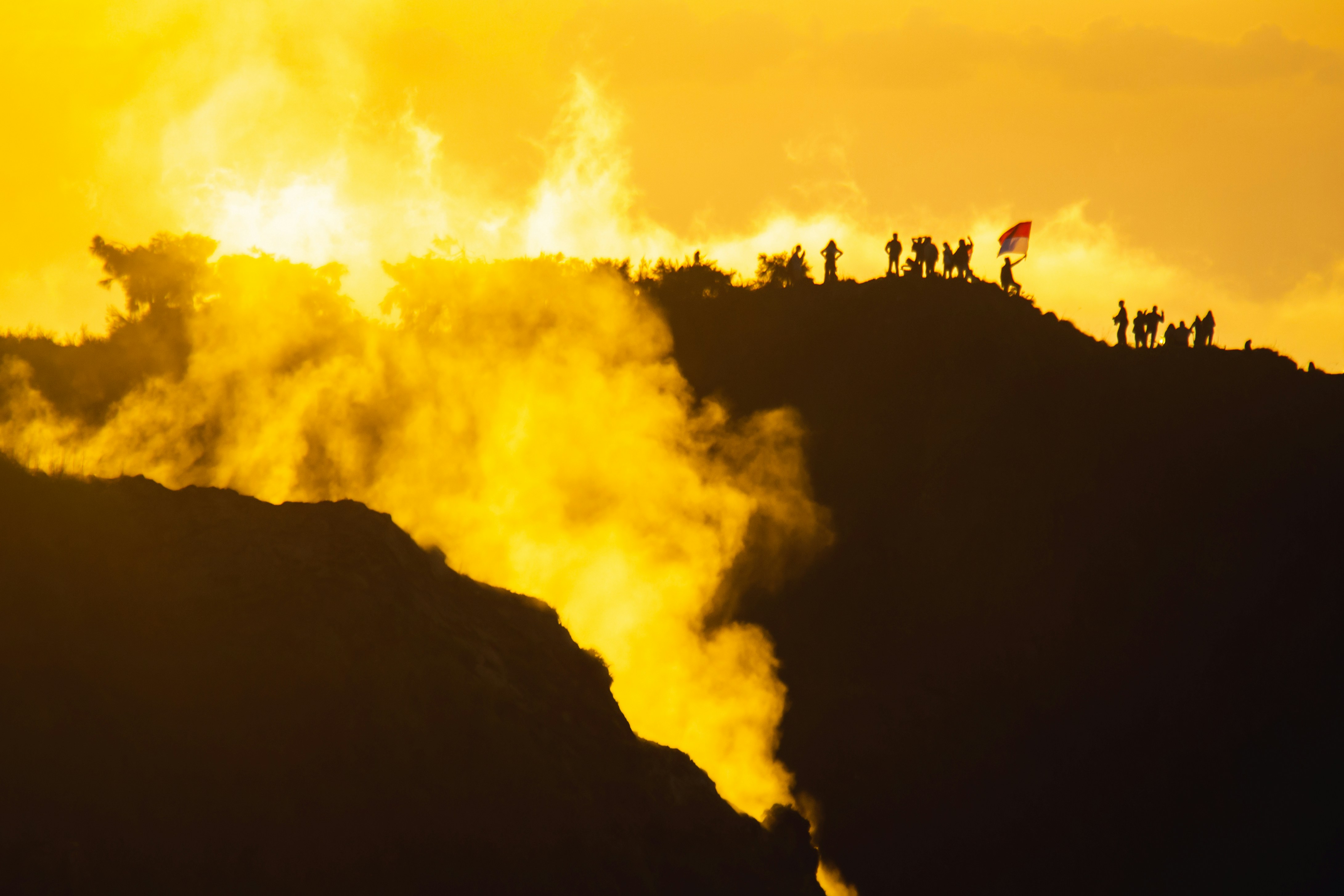
- Trekking the slopes of Mount Agung, Bali’s highest peak
- Exploring the ancient village of Tenganan
- Snorkelling and diving around Amed
North Bali
A laid-back coastline of black-sand beaches, hot springs, and inland jungle.
- Dolphin watching off Lovina Beach
- Soaking in the Banjar hot springs
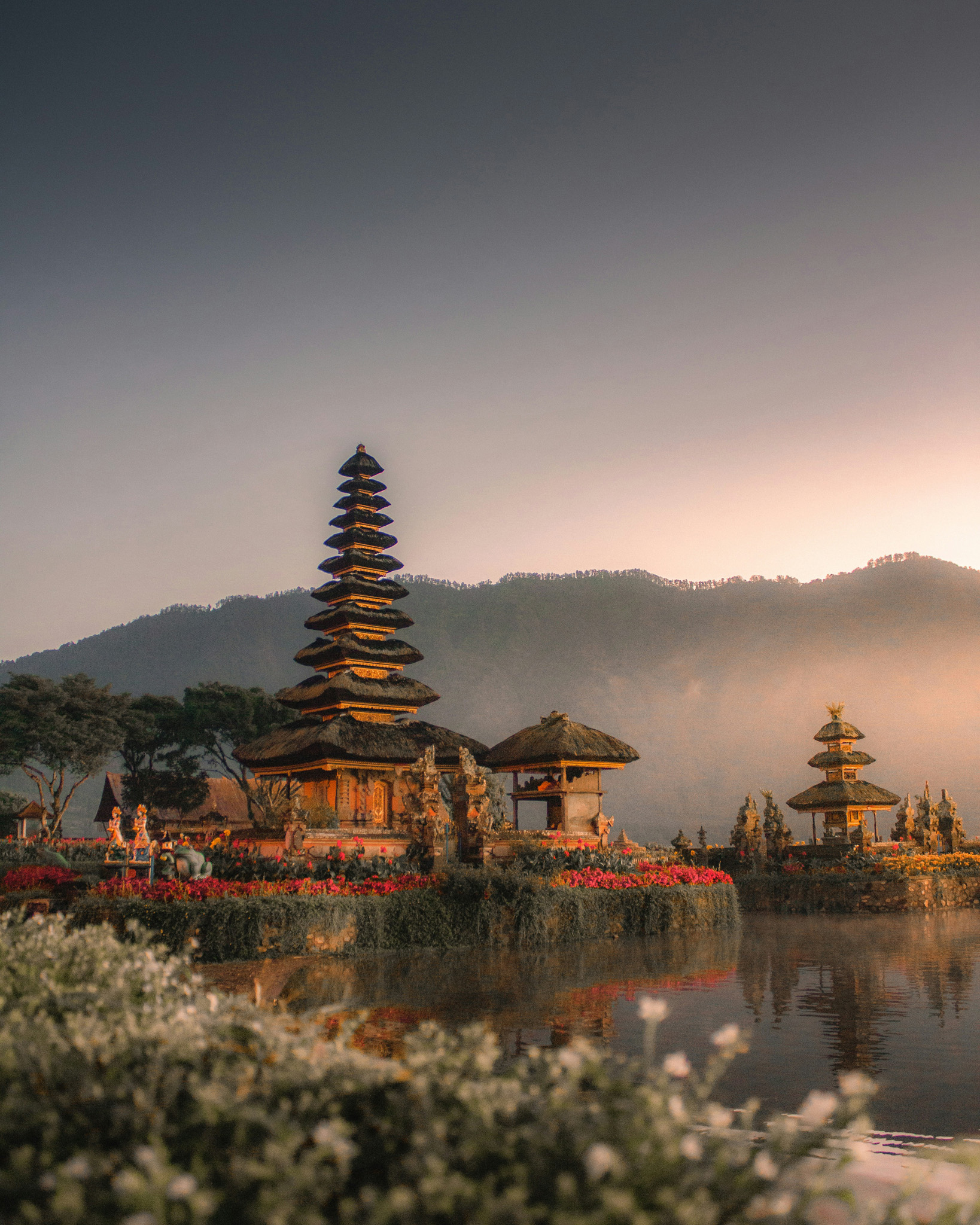
- Visiting the twin lakes and lakeside Ulun Danu Beratan Temple
- Trekking to Sekumpul, often called Bali’s most spectacular waterfall
- Exploring coffee plantations in the highlands
The Nusa Islands
A trio of islands off the southeast coast, reached by fast boat, with dramatic cliffs and clear water.
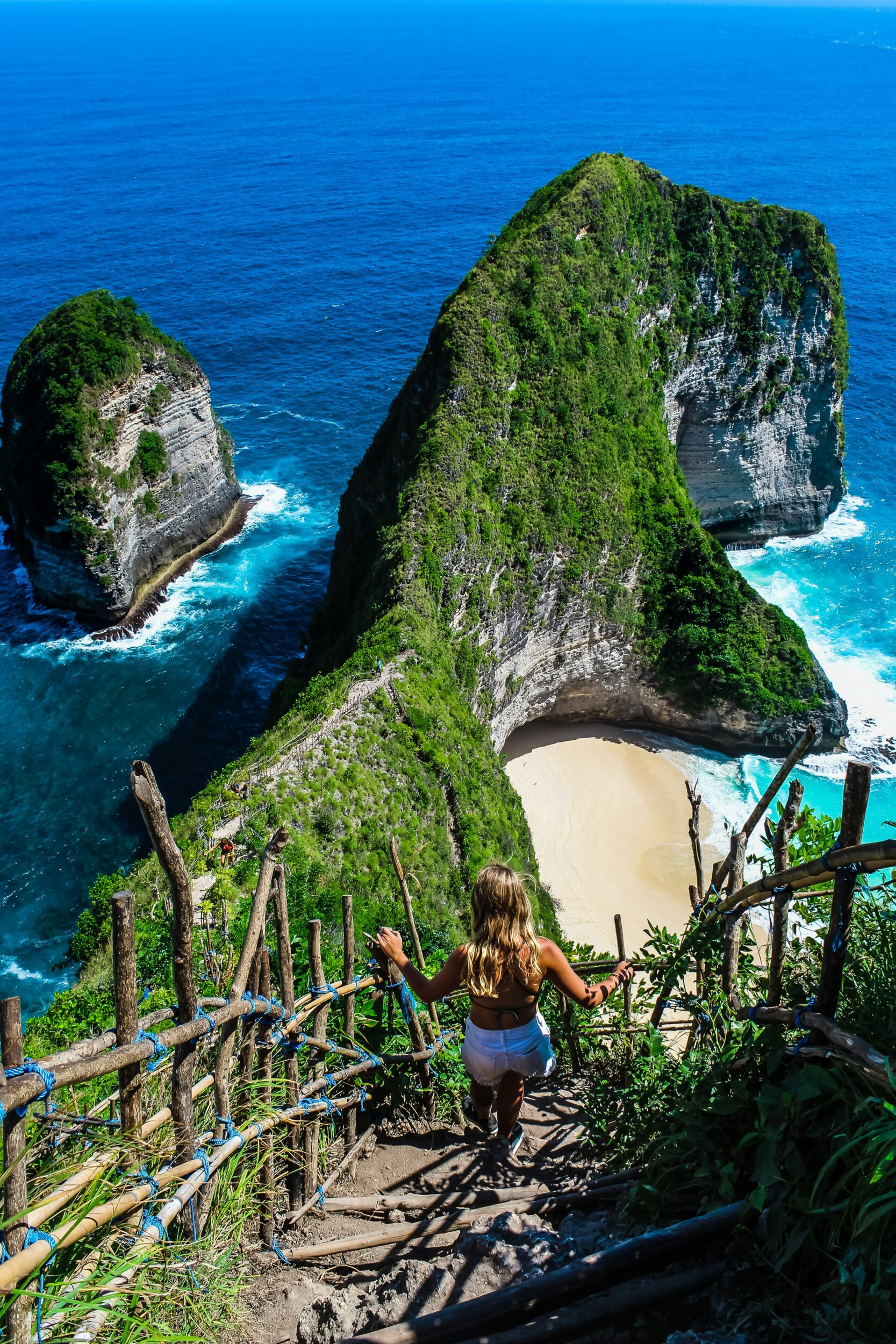
- Photographing the iconic Kelingking Beach viewpoint on Nusa Penida
- Snorkelling with manta rays and vibrant reefs
- Relaxing on the quiet beaches of Nusa Lembongan
- Crossing the Yellow Bridge to Nusa Ceningan
- Cliff jumping and exploring sea caves
🎒 Things To Do
- Watch a Kecak fire dance at sunset on the Uluwatu cliffs
- Take a sunrise trek up Mount Batur for views over the caldera
- Learn to surf at one of the beginner-friendly southern breaks
- Join a Balinese cooking class and visit a local market
- Cycle or walk through the rice fields around Ubud
- Snorkel or dive with manta rays around Nusa Penida
- Visit a working temple during a ceremony with a local guide
- Unwind with a traditional Balinese massage and spa treatment
- Chase waterfalls in the lush central and northern interior
- Explore artisan villages for woodcarving, silver, and batik
🍽️ Food & Drink
Balinese cuisine is fragrant, fresh, and built on a base of aromatic spice pastes, rice, and slow cooking. Beyond the local fare, the island has become one of Southeast Asia’s most exciting dining destinations, with everything from humble warungs to world-class restaurants.
- Babi guling, the famous Balinese spit-roast suckling pig
- Nasi campur, a plate of rice with an assortment of small dishes
- Bebek betutu, duck slow-cooked in banana leaf with spice paste
- Sate lilit, minced seafood or meat satay on lemongrass skewers
- Fresh tropical fruit and cold coconuts straight from the husk
- Balinese coffee and locally grown arabica from the highlands
🌦️ Weather
Bali has a tropical climate that stays warm year-round, with conditions defined by two main seasons rather than temperature swings. Humidity is consistently high and the days are long.
- Daytime temperatures generally sit around 27-32°C all year
- Nights are mild, rarely dropping below 22-24°C
- The dry season runs roughly April – October
- The wet season runs roughly November – March
- Highland areas around Ubud and the volcanoes are noticeably cooler
- Sea temperatures stay warm year-round at around 27-29°C
📅 Best Time To Visit
April – October (Dry Season)
- The most popular time, with sunny days and lower humidity
- Ideal for beaches, trekking, diving, and outdoor activities
- July and August are the busiest months, so book accommodation early
April – June and September (Shoulder Season)
- A sweet spot of good weather with fewer crowds
- Lush green landscapes following the rains
- Better value on accommodation and easier table bookings
November – March (Wet Season)
- Warm with short, heavy afternoon downpours rather than all-day rain
- Quietest period with the lowest prices
- Lively rice fields and waterfalls at their fullest
🎒 Packing List
- Lightweight, breathable clothing for hot and humid days
- A light layer or jacket for cooler highland evenings
- A sarong and modest top for visiting temples
- Swimwear, plus a rash guard for surfing or snorkelling
- A light rain jacket or compact umbrella
- Sturdy sandals and trainers for walking and treks
- Sun protection – high-SPF sunscreen, hat, and sunglasses
- Insect repellent for evenings and rural areas
- A universal power adapter
- A basic medical kit with any personal medication
- Electrolyte sachets to stay hydrated in the heat
- A reusable water bottle, ideally with a filter
🛂 Visas & Entry Requirements
Most nationalities can enter Bali easily, but it is worth confirming the latest rules before you travel.
- Visitors from around 97 countries, including Australia, can obtain a 30-day Visa on Arrival, extendable once for a total of 60 days
- An e-VoA can be arranged online before travel, allowing use of the automated e-gates
- All international arrivals must complete the All Indonesia e-Arrival Card online, ideally before departure
- Your passport must be valid for at least six months from your arrival date and be undamaged with blank pages
- Proof of onward or return travel may be requested at check-in or immigration
- A separate Bali tourism levy applies on arrival – see the Hotel & Tourist Taxes section below
- Official information: https://www.imigrasi.go.id
💰 Money
- The currency is the Indonesian rupiah (IDR)
- Cash is essential for markets, warungs, small shops, and rural areas
- Cards are accepted at hotels, larger restaurants, and established venues
- ATMs are widespread in tourist areas but can be scarce on the Nusa islands and in the north
- Tipping is appreciated but not obligatory; rounding up or leaving 5-10% is generous
- Many venues add a service charge and government tax, often shown as “++” on menus
💸 Hotel & Tourist Taxes
Bali applies both a one-off tourism levy for international visitors and standard taxes on accommodation and dining.
- The Love Bali tourism levy is a one-off charge of IDR 150,000 per person (around AUD 14 / USD 10)
- It is payable once per trip, online via the official Love Bali portal or app, or at designated counters on arrival
- Keep your QR code or receipt, as it may be checked at hotels and tourist sites
- Accommodation and restaurants typically add a combined service charge and government tax of around 15-21%
- Indonesian citizens and certain visa categories are exempt from the tourism levy
🌈 LGBTQIA+ Travellers
Bali is generally regarded as one of the more relaxed and welcoming destinations in Indonesia for LGBTQIA+ travellers.
- Same-sex relationships are not criminalised at the national level in Indonesia, with the exception of Aceh province
- Bali has a long-established and visible LGBTQIA+ scene, particularly around Seminyak
- Social attitudes are markedly more open in tourist areas than in conservative rural regions
- Public displays of affection are best kept discreet, as they are for all couples in local and religious settings
- Travellers are warmly received throughout the island’s hospitality and tourism community
⚠️ Traveller Safety
Bali is a safe destination for travellers, with most issues being minor and easily avoided with sensible precautions.
- Petty theft such as bag-snatching can occur in busy areas, so keep valuables secure
- Road safety is the main concern; ride scooters only if experienced, and always wear a helmet
- Ocean currents and surf can be strong, so heed warning flags and local advice
- Use reputable guides for volcano treks, diving, and water-based activities
- Emergency number is 112
💉 Vaccinations & Health
No vaccinations are mandatory for most travellers, but some are recommended for a trip to Bali.
- Ensure routine vaccinations are up to date, including measles, tetanus, and diphtheria
- Hepatitis A and typhoid are commonly recommended for travel to Indonesia
- A yellow fever certificate is required only if arriving from a country with risk of transmission
- Dengue fever is present, so use insect repellent and cover up at dawn and dusk
- Drink bottled or filtered water and be cautious with ice and uncooked food
- Official information: https://www.travelvax.com.au
🚗 Getting Around
- Private drivers are popular, affordable, and ideal for day trips and exploring the interior
- Ride-hailing apps such as Grab and Gojek operate widely for short trips and food delivery
- Scooter hire is common but only advisable for confident, licensed riders
- Roads can be narrow, congested, and slow-going, so allow extra time between destinations
- Fast boats connect the mainland with the Nusa islands and the Gili Islands
- Metered taxis are available, with Blue Bird the most reliable established operator
✈️ Airports
Ngurah Rai International Airport (DPS)
- Bali’s only airport, located near Kuta in the south, handling all domestic and international flights to the island.
🗣️ Language
The official language is Indonesian (Bahasa Indonesia), which is spoken across the island and used in schools, business, and media. Balinese is the traditional local language and is still widely spoken in homes and villages, though it is not commonly used with visitors. English is widely understood in tourist areas, hotels, and restaurants, so travellers will rarely struggle to communicate, though learning a few words of Indonesian is always warmly received.
Common Phrases
- Hello – Halo (HAH-loh)
- Goodbye – Selamat tinggal (suh-LAH-mat ting-GAL)
- Please – Tolong (TOH-long)
- Thank you – Terima kasih (tuh-REE-mah KAH-see)
- Yes – Ya (yah)
- No – Tidak (TEE-dak)
- Excuse me – Permisi (per-MEE-see)
- Sorry – Maaf (mah-AHF)
- Do you speak English? – Apakah Anda bisa bahasa Inggris? (AH-pah-kah AHN-dah BEE-sah bah-HAH-sah ING-grees)
- How much? – Berapa harganya? (buh-RAH-pah har-GAH-nyah)
- Where is…? – Di mana…? (dee MAH-nah)
- Help – Tolong (TOH-long)
- Cheers – Bersulang (ber-SOO-lang)
- One, two, three – Satu, dua, tiga (SAH-too, DOO-ah, TEE-gah)
- Delicious – Enak (EH-nak)
ℹ️ Practical Info
Electricity
- Plug types C and F, with a standard voltage of 230V
Internet & WiFi
- WiFi is widely available in hotels, cafes, and restaurants, and is generally reliable in tourist areas; mobile data coverage is strong across the south and centre
Water
- Tap water is not safe to drink; stick to bottled or filtered water and avoid ice from unreliable sources
Travel Insurance
- Comprehensive personal travel insurance is strongly recommended, and should specifically cover scooter use, surfing, diving, and volcano trekking if you plan to take part in these activities
Connectivity SIM / eSIM
- Local SIM cards from providers such as Telkomsel are inexpensive and easy to buy on arrival
- Using an eSIM is our recommended choice while travelling anywhere in the world, and our recommended provider is Holafly. For more information on eSIMs, check out this blog.

❤️ Why Visit Bali
Bali earns its reputation not through any single attraction but through the way everything comes together. In one trip you can surf at dawn, walk through rice terraces by mid-morning, watch a temple ceremony in the afternoon, and end the day with a clifftop sunset and a plate of food you will think about for years. Few destinations of its size offer such variety with so little effort.
Beneath the postcard scenery lies the real magic – a living Hindu culture woven into daily life, expressed in the offerings on every doorstep, the gamelan drifting from village halls, and the sincere hospitality of the Balinese people. It is this spiritual warmth that turns a beautiful holiday into something more meaningful.
Whether you come to surf, to dive, to trek, to eat, or simply to slow down and breathe, Bali meets you where you are. It is an island that gives generously and asks little in return, and that is exactly why travellers keep coming back.