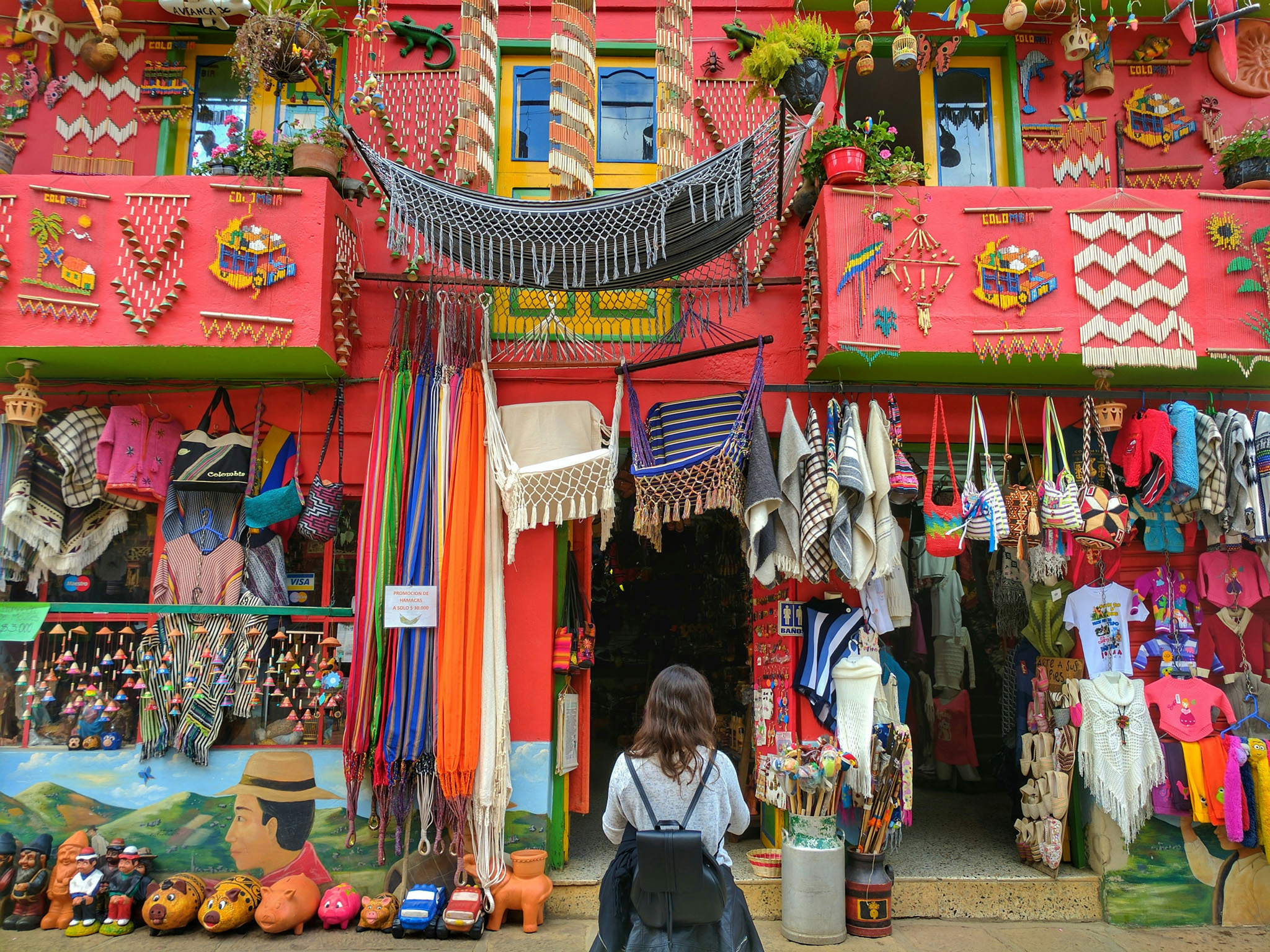
Colombia – Destination Guide
Colombia is a country of staggering range, where snow-dusted Andean peaks fall away into steaming Amazon rainforest, where two oceans wash colonial port towns, and where coffee-cloaked valleys roll out beneath a famously generous sun. After decades when its name carried a heavier reputation, Colombia has emerged as one of South America’s most rewarding and dynamic destinations, brimming with warmth, colour, and an irrepressible energy.
This is a place defined as much by its people as its landscapes. Colombians are quick to welcome, quick to dance, and fiercely proud of their regional identities, from the cumbia rhythms of the Caribbean coast to the buttoned-up sophistication of Bogotá. Cities pulse with street art, salsa, and a cafe culture built on some of the best coffee on earth, while the countryside offers everything from desert and glacier to palm-fringed Caribbean cays.
Few countries pack such variety into a single trip. Whether you come to trek lost cities, dive coral reefs, wander cobbled colonial streets, or simply linger over a tinto in a sunlit plaza, Colombia rewards curiosity at every turn.
🗺️ Regions to Explore
Bogotá and the Andean Highlands
Colombia’s high-altitude capital and the cool, mountainous heart of the country.
- Exploring the colonial streets and museums of La Candelaria
- Visiting the world-class Gold Museum
- Riding the cable car up Monserrate for sweeping city views
- Day-tripping to the underground Salt Cathedral of Zipaquirá
- Sampling Bogotá’s celebrated food and coffee scene
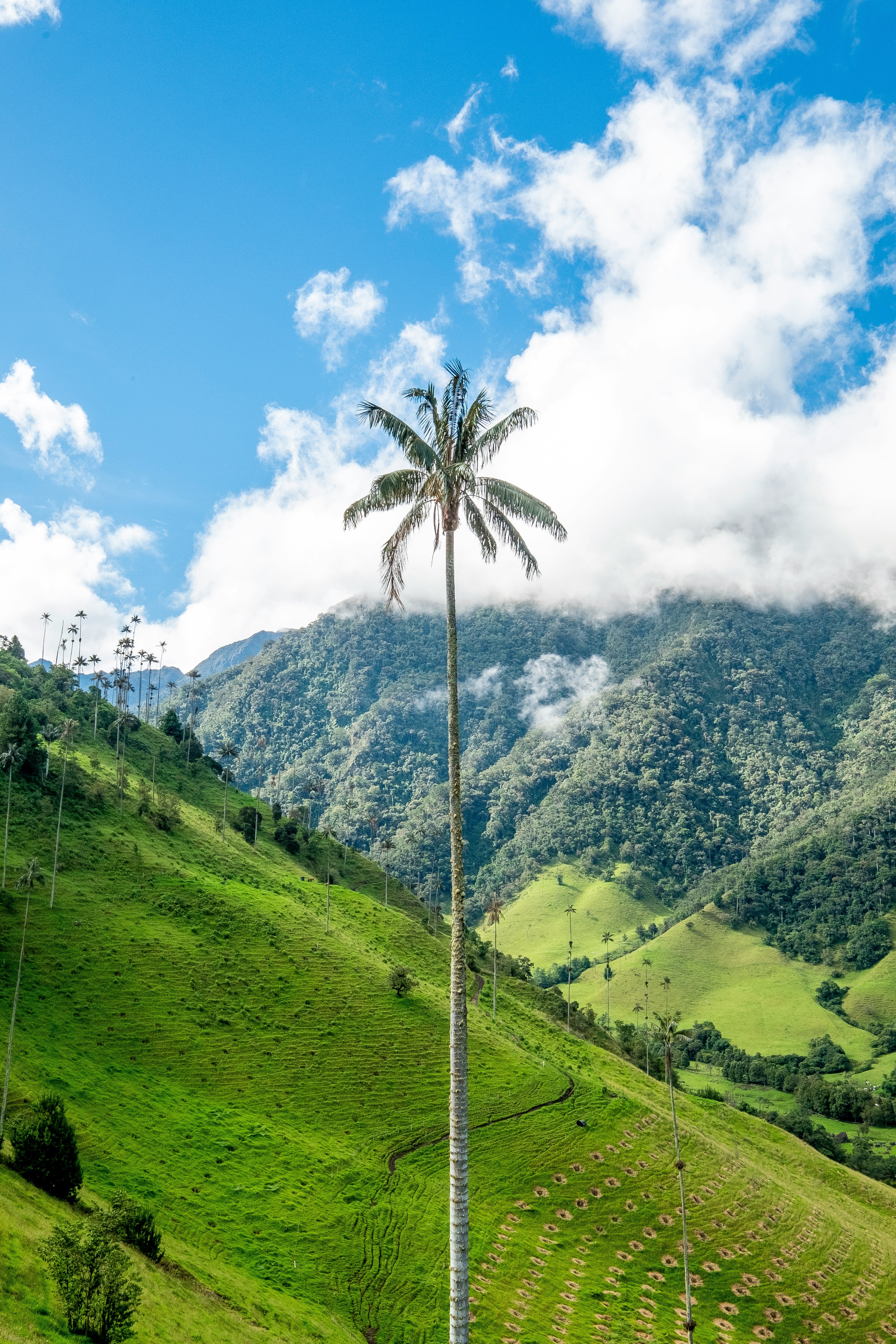
The Coffee Region (Eje Cafetero)
A UNESCO-listed landscape of emerald hills, coffee farms, and wax palm valleys.
- Touring a working coffee finca from bean to cup
- Hiking the towering wax palms of the Cocora Valley
- Wandering the brightly painted streets of Salento and Filandia
- Soaking in natural thermal springs near Santa Rosa de Cabal
- Spotting hummingbirds and orchids in cloud forest reserves
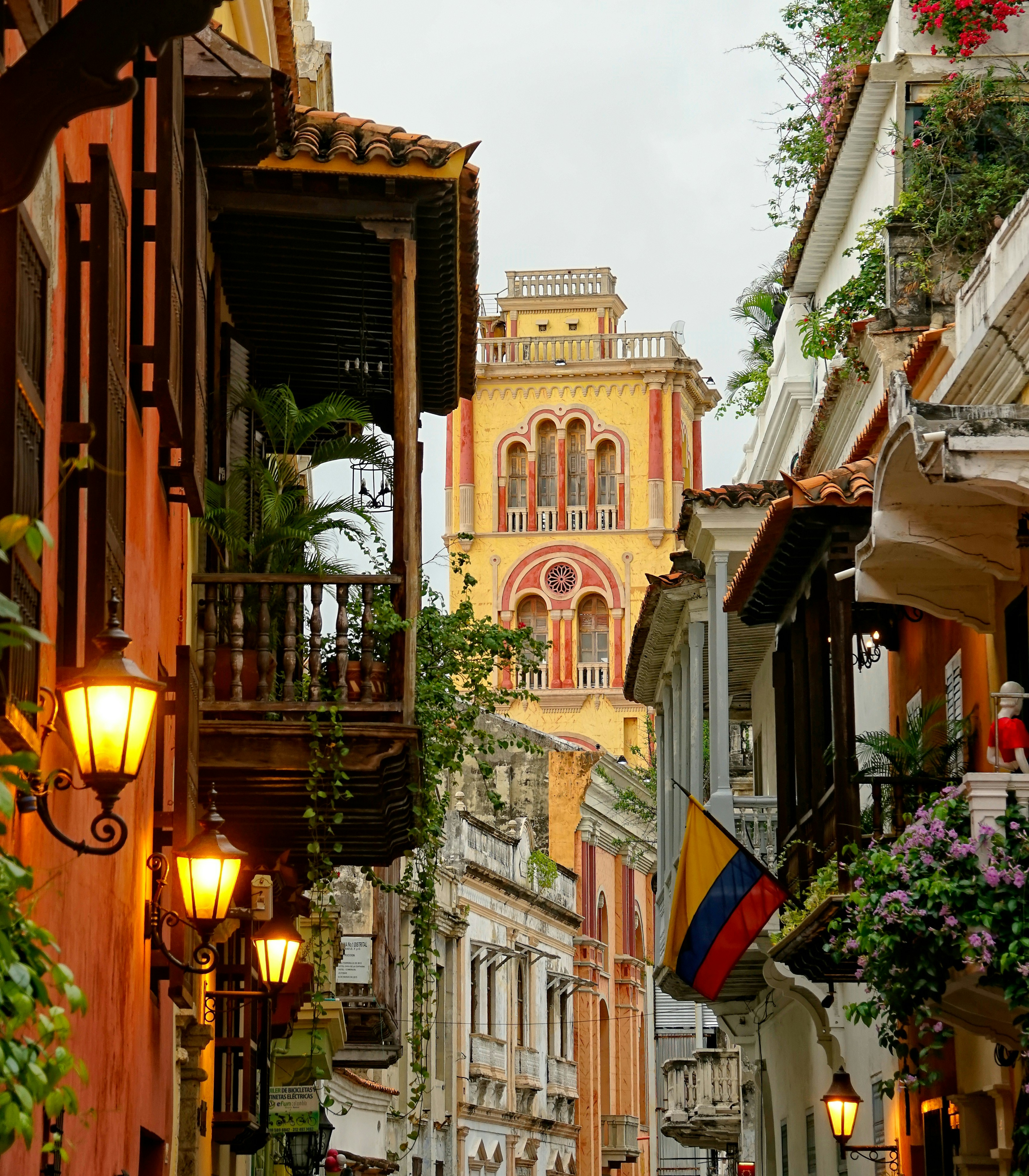
Cartagena and the Caribbean Coast
Colombia’s tropical coastline, where colonial grandeur meets turquoise sea.
- Strolling the walled old city of Cartagena at golden hour
- Island-hopping to the white sands of the Rosario Islands
- Relaxing in the laid-back beach town of Palomino
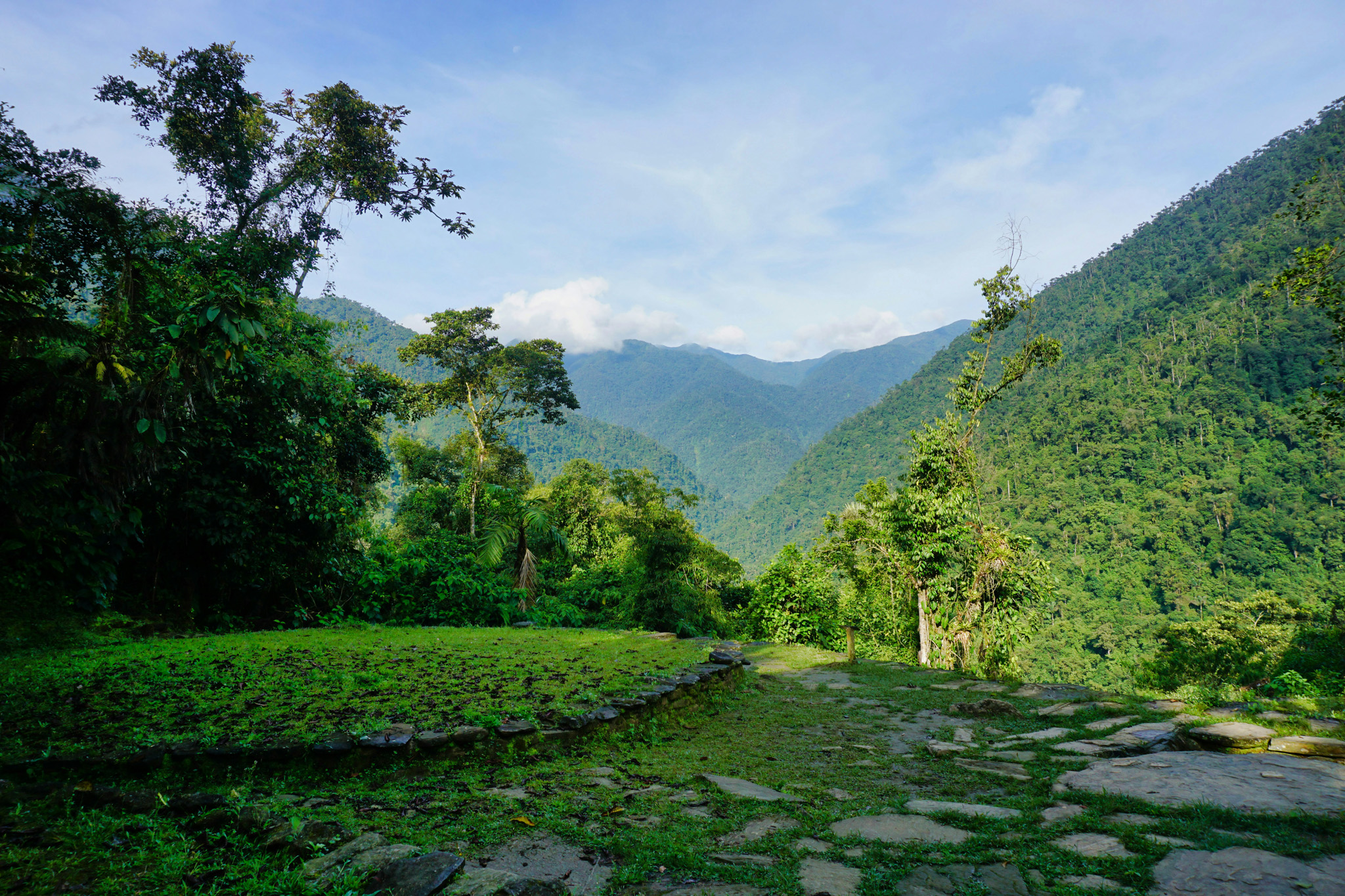
- Trekking to the Lost City (Ciudad Perdida) in the Sierra Nevada
- Exploring the chilled bohemian vibe of Minca in the hills
Medellín and Antioquia
The reinvented City of Eternal Spring and its lush surrounding mountains
- Riding the Metrocable for panoramic views over the city
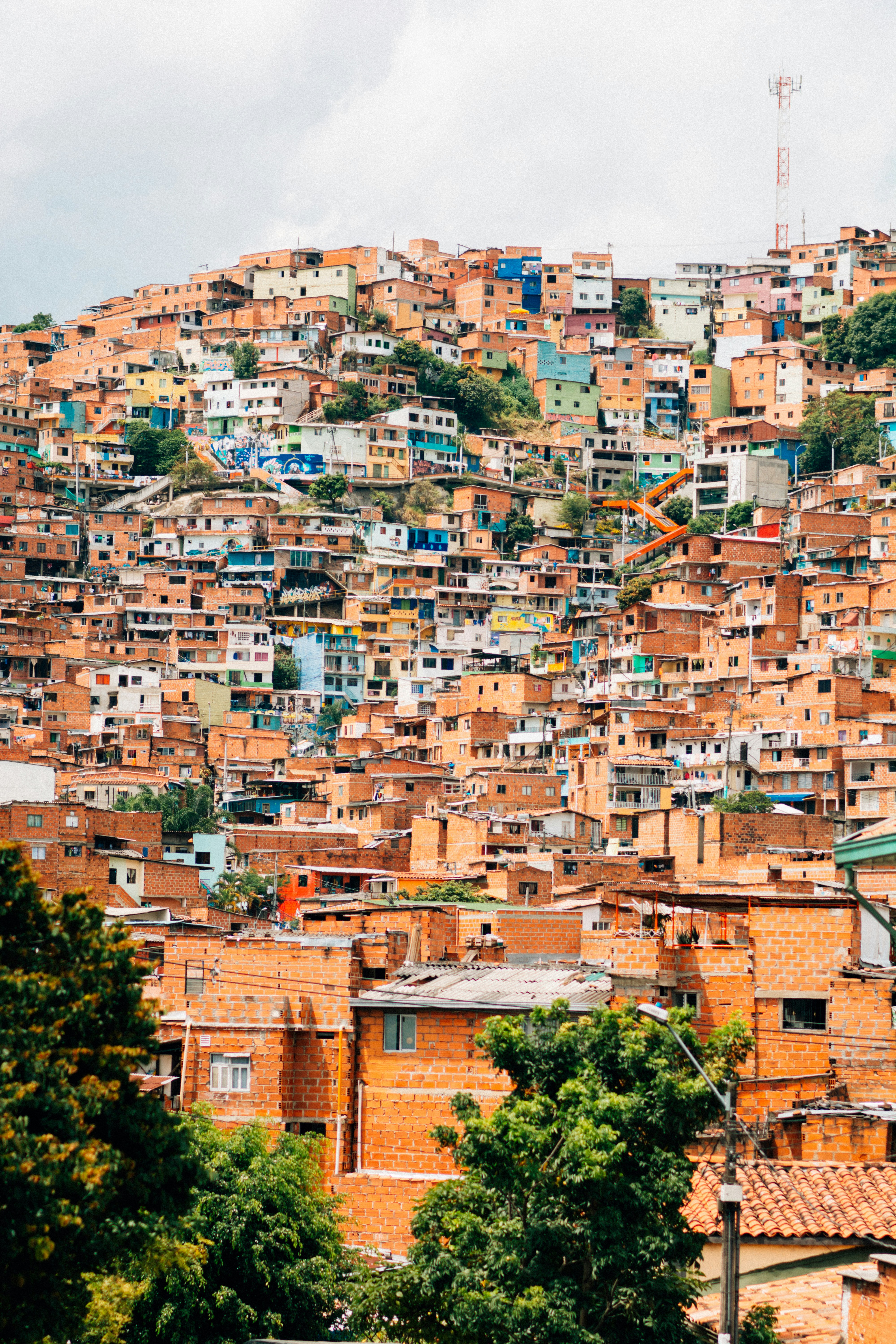
- Touring Comuna 13, a hillside neighbourhood transformed by street art
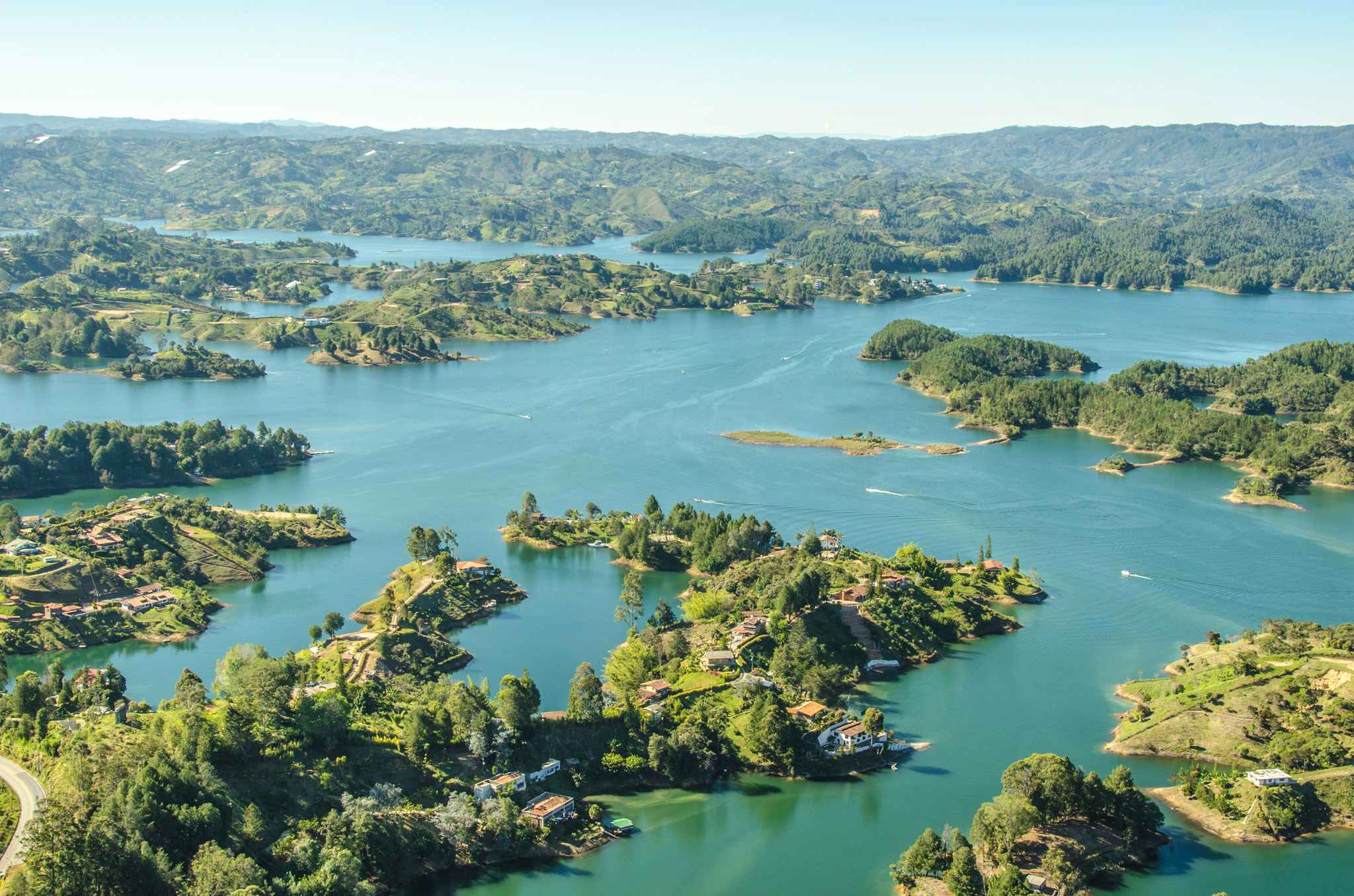
- Climbing the rock of El Peñol near Guatapé
- Wandering the colourful lakeside town of Guatapé
- Enjoying Medellín’s famously pleasant year-round climate
The Amazon and Southern Colombia
Remote rainforest and Indigenous culture in Colombia’s deep south.
- Cruising the Amazon River from the frontier town of Leticia
- Spotting pink river dolphins, monkeys, and exotic birds
- Staying in jungle lodges and learning from Indigenous guides
- Visiting the wildlife-rich waters of Tarapoto Lakes
- Experiencing the meeting point of Colombia, Peru, and Brazil
🎒 Things To Do
- Trek the multi-day jungle route to the Lost City of Ciudad Perdida
- Tour a coffee farm and learn the full bean-to-cup process
- Dive or snorkel the coral reefs around the Rosario Islands or San Andrés
- Hike beneath the giant wax palms of the Cocora Valley
- Take a salsa class in Cali, the world’s salsa capital
- Explore the street art and transformation story of Medellín’s Comuna 13
- Wander the walled colonial centre of Cartagena
- Visit the otherworldly desert landscapes of La Guajira
- Watch the Caño Cristales river run five colours in the wet season
- Sample arepas, fresh fruit, and street food at a bustling local market
🍽️ Food & Drink
Colombian cuisine is hearty, regional, and built around fresh produce, with dishes varying dramatically between the highlands, the coast, and the Amazon. It is less about heat and spice and more about comforting, generous plates and an astonishing variety of tropical fruit.
- Bandeja paisa, a vast platter of beans, rice, pork, plantain, egg, and avocado
- Arepas, grilled corn cakes eaten at any time of day across the country
- Ajiaco, a hearty Bogotá chicken and potato soup with corn and capers
- Fresh ceviche and coconut rice along the Caribbean coast
- Tinto, the small black coffee Colombians drink throughout the day
- Exotic fruits like lulo, guanábana, and mangostino, often blended into juices
🌦️ Weather
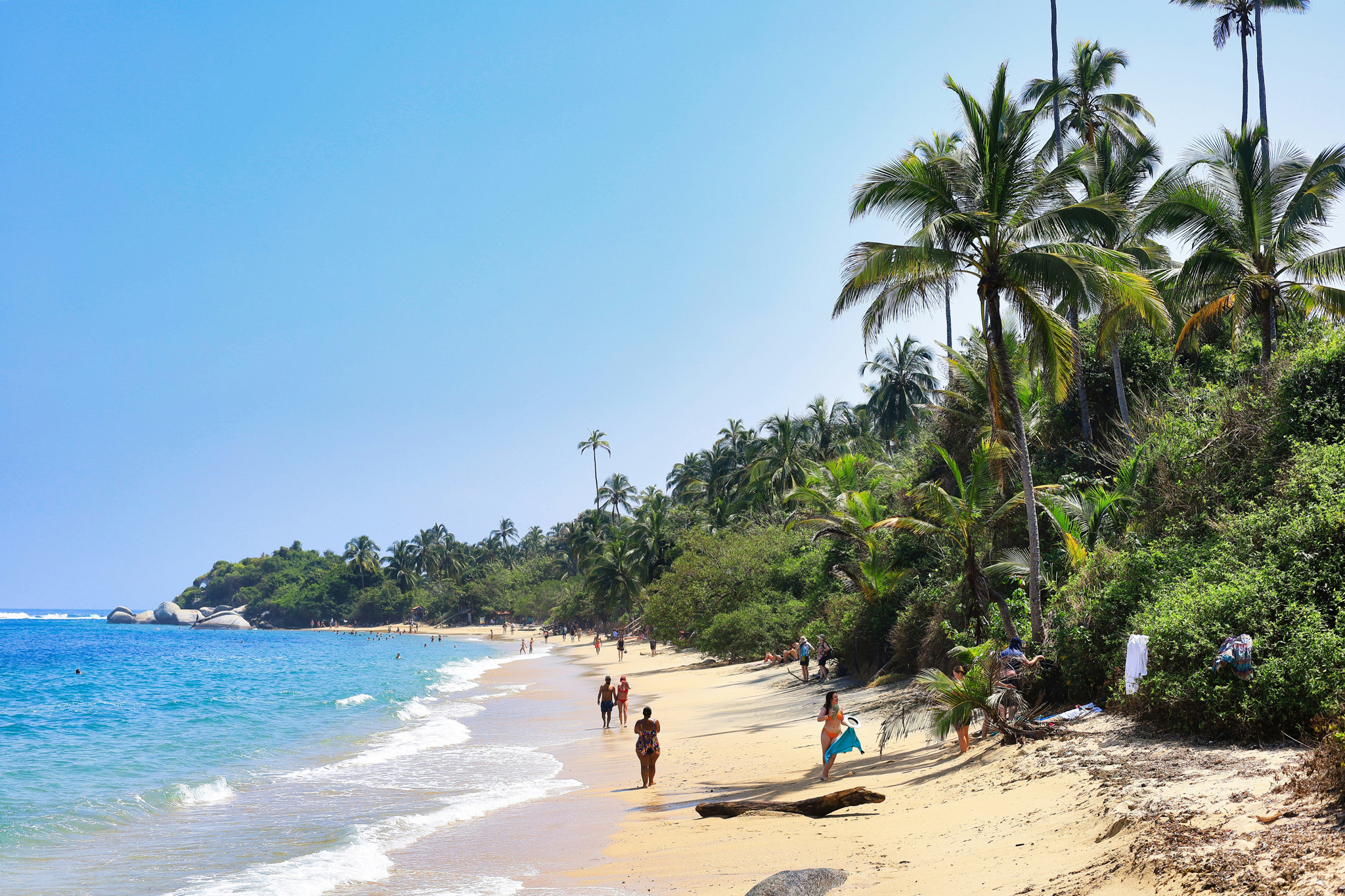
Colombia sits on the equator, so it has no true summer or winter. Instead, climate is dictated almost entirely by altitude, meaning you can experience tropical heat and alpine chill in the same day.
- Lowland and coastal areas are hot and humid, typically 28-34°C year-round
- The Andean cities sit much cooler, with Bogotá averaging 7-19°C
- Medellín enjoys a near-perfect spring-like climate around 16-28°C
- Rather than seasons, Colombia has drier and wetter periods that vary by region
- The Amazon and Pacific coast are humid and rainy for much of the year
- High-altitude weather changes fast, so layers are essential
📅 Best Time To Visit
December – March (Dry Season)
- The most popular window, with sunny, settled weather across most regions
- Ideal for the Caribbean coast, coffee region, and Andean trekking
- Expect higher prices and busier sites, especially around Christmas and New Year
July – August (Mid-Year Dry Spell)
- A second drier window, good for hiking and coastal travel
- Coincides with local school holidays, so popular spots can be lively
- Generally pleasant conditions in the highlands and on the coast
April – May and September – November (Green Season)
- Wetter months with afternoon downpours, but lush, vivid landscapes
- Fewer crowds and lower prices at hotels and tour operators
- The best time to see the Caño Cristales river in full colour is roughly June to November
🎒 Packing List
- Lightweight, breathable clothing for hot lowland and coastal regions
- Warm layers and a fleece for cool Andean cities and early mornings
- A waterproof jacket and quick-dry layers for sudden rain
- Comfortable, broken-in hiking shoes or boots
- Sandals or water shoes for beaches and boats
- Sun protection including a high-SPF sunscreen, hat, and sunglasses
- Insect repellent, especially for the Amazon, coast, and lowland areas
- A reusable water bottle, ideally with a filter
- A universal power adapter
- A basic medical kit with any personal medication
- Electrolyte sachets for heat, humidity, and altitude
- A daypack for hikes, city days, and excursions
🛂 Visas & Entry Requirements
Most Western travellers can enter Colombia visa-free for tourism, though all visitors must complete a mandatory online entry form before arrival.
- Citizens of Australia, the UK, the US, Canada, the EU, and many other countries can enter visa-free for tourist stays of up to 90 days
- The 90-day stay can usually be extended once for a further 90 days, up to 180 days per calendar year
- Passports should be valid for at least six months from your date of entry
- Immigration may ask for proof of onward or return travel and proof of sufficient funds
- All travellers must complete the free online Check-MIG form shortly before departure, and airlines often require the confirmation before boarding
- Official information: https://www.cancilleria.gov.co/en/procedures_services/visas
💰 Money
- The currency is the Colombian peso (COP)
- Cash is essential for small purchases, markets, taxis, and rural areas
- Cards are widely accepted in cities, hotels, and larger restaurants
- ATMs are common in towns and cities but scarce in remote areas, so withdraw before heading off the beaten track
- Tipping is appreciated but not always expected; a 10 percent service charge (propina) is often added to restaurant bills and you can choose whether to pay it
- Notify your bank before travel and favour ATMs inside banks or shopping centres for security
💸 Hotel & Tourist Taxes
Colombia applies a national sales tax to tourist accommodation, with the rate depending on your residency status.
- Foreign non-resident travellers are generally exempt from the 19 percent IVA (sales tax) on hotel stays, provided the hotel correctly applies the exemption
- To qualify, you typically need to show your passport and entry stamp at check-in
- Some hotels and regions apply a small additional insurance or registration fee per stay
- The city of Cartagena and some other municipalities may levy a modest local tourism contribution
- Always confirm exactly what is included when booking, as practice varies between properties
🌈 LGBTQIA+ Travellers
Colombia is among the more progressive countries in Latin America for LGBTQIA+ travellers, particularly in its larger cities.
- Same-sex marriage has been legal nationwide since 2016, and anti-discrimination protections exist
- Bogotá, Medellín, and Cartagena have visible LGBTQIA+ scenes, venues, and annual Pride events
- Attitudes are generally relaxed in cosmopolitan urban areas and tourist hubs
- Rural and conservative regions are less accustomed to open displays of affection, so discretion is sensible there
- Overall, LGBTQIA+ travellers report positive experiences, especially when sticking to well-touristed areas
⚠️ Traveller Safety
Colombia has transformed in recent decades and most tourist regions are welcoming and safe, though sensible precautions remain important.
- Petty crime such as pickpocketing and bag-snatching is the most common issue in cities, so keep valuables low-key
- Follow the local saying “no dar papaya” – do not give opportunists an easy target
- Use registered taxis or ride-hailing apps, especially at night, and avoid walking alone in unfamiliar areas after dark
- Stick to established routes and use reputable local guides for jungle treks, hikes, and remote regions
- Check current government travel advice, as some border and rural areas are still best avoided
- Emergency number is 123
💉 Vaccinations & Health
No vaccinations are mandatory for most travellers, but a few are strongly recommended depending on where you plan to go.
- A yellow fever vaccination is recommended (and sometimes required) for visits to the Amazon, lowland jungle, and certain coastal areas
- Routine vaccinations such as hepatitis A, typhoid, and tetanus should be up to date
- Malaria risk exists in low-lying jungle and some rural areas; discuss antimalarials with your doctor
- Dengue and Zika are present in tropical lowlands, so insect repellent and covering up are important
- Altitude sickness can affect visitors to Bogotá and high Andean areas, so acclimatise gradually
- Official information: https://wwwnc.cdc.gov/travel/destinations/traveler/none/colombia
🚗 Getting Around
- Domestic flights are the fastest way to cover Colombia’s long distances and rugged terrain
- Long-distance buses connect most towns and cities, ranging from basic to comfortable
- Major roads between cities are reasonable, though mountain routes are slow and winding
- Within cities, ride-hailing apps and registered taxis are convenient and affordable
- Medellín and Bogotá have efficient metro and rapid bus systems
- For remote regions like the Amazon, travel is often by boat, and a guided trip is recommended
✈️ Airports
El Dorado International Airport (BOG)
- Bogotá’s hub and Colombia’s busiest airport, the main gateway for international and domestic flights.
José María Córdova International Airport (MDE)
- Serving Medellín, located near Rionegro and a key entry point for the Antioquia region.
Rafael Núñez International Airport (CTG)
- Cartagena’s airport, the main arrival point for the Caribbean coast and beach destinations.
Alfonso Bonilla Aragón International Airport (CLO)
- Serving Cali, a useful gateway for the south-west of the country.
🗣️ Language
The official language of Colombia is Spanish, and Colombian Spanish is widely considered among the clearest and most neutral in Latin America. Numerous Indigenous languages are also spoken, particularly in the Amazon and remote regions. English is understood in upmarket hotels, tour agencies, and some restaurants in major cities, but is far less common elsewhere, so a little Spanish goes a long way.
Common Phrases
- Hello – Hola (OH-lah)
- Goodbye – Adiós (ah-DYOHS)
- Please – Por favor (por fah-VOR)
- Thank you – Gracias (GRAH-syahs)
- Yes – Sí (SEE)
- No – No (NOH)
- Excuse me – Perdón (per-DOHN)
- Sorry – Lo siento (loh SYEN-toh)
- Do you speak English? – ¿Habla inglés? (AH-blah een-GLES)
- How much is it? – ¿Cuánto cuesta? (KWAN-toh KWES-tah)
- Where is…? – ¿Dónde está…? (DON-deh es-TAH)
- Help – Ayuda (ah-YOO-dah)
- Cheers – Salud (sah-LOOD)
- Good morning – Buenos días (BWEH-nohs DEE-ahs)
- You’re welcome – Con gusto (kon GOOS-toh)
ℹ️ Practical Info
Electricity
- Colombia uses Type A and Type B plugs, with a standard voltage of 110V
Internet & WiFi
- WiFi is widely available in hotels, cafes, and restaurants in cities and towns; mobile data coverage is good in populated areas but patchy in the Amazon and remote regions
Water
- Tap water is generally safe to drink in major cities such as Bogotá and Medellín, but bottled or filtered water is recommended in rural areas, the coast, and the Amazon
Travel Insurance
- Comprehensive personal travel insurance is strongly recommended for Colombia, ideally with cover for medical care, evacuation, and adventure activities such as trekking, diving, and high-altitude excursions
Connectivity SIM / eSIM
- Local SIM cards from providers such as Claro, Movistar, and Tigo are inexpensive and easy to buy with your passport on arrival
- Using an eSIM is our recommended choice while travelling anywhere in the world, and our recommended provider is Holafly. For more information on eSIMs, check out this blog.

❤️ Why Visit Colombia
Colombia is a destination that rewrites expectations. A country once defined by a difficult past is now one of the most exhilarating places to travel in the Americas, offering a depth and diversity of experience that few rivals can match. In a single trip you can trek to a lost city in the jungle, sip coffee on the farm where it was grown, dance salsa until dawn, and watch the sun set over a colonial sea wall.
What stays with travellers most, though, is the spirit of the place. Colombians meet visitors with a warmth and pride that turns ordinary moments into highlights, whether it is a chat with a coffee farmer, a market vendor pressing fruit into your hand, or a stranger insisting you join the dance floor.
For travellers who want their journey to surprise and move them, Colombia delivers in full. Come for the landscapes and the history, and leave already planning your return.