Ireland & Northern Ireland – Destination Guide
Ireland is a land of dramatic coastlines, ancient castles, literary legends and warm pub culture. From the windswept cliffs along the Wild Atlantic Way to the cobbled streets of Dublin, this island delivers personality in spades. Expect cinematic landscapes, colourful villages, deep rooted history and evenings that end with live music in a cosy pub.
Compact, easy to navigate and endlessly scenic, Ireland is perfect for road trips, slow travel and meaningful cultural experiences.
🌍 Regions to Explore
🍀 Dublin & the East
- Explore Trinity College and the Book of Kells
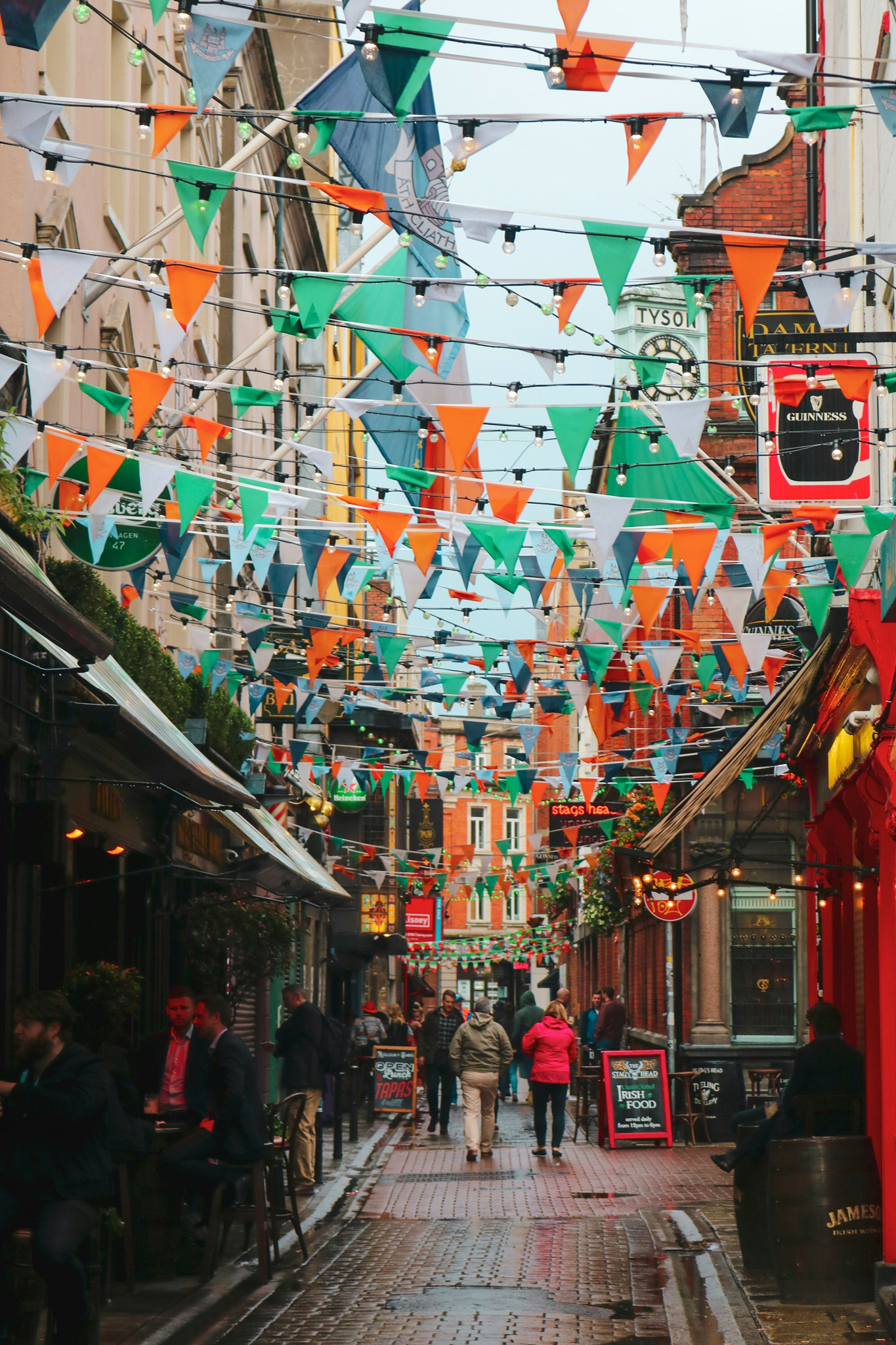
- Wander Temple Bar’s Cobblestone Lanes
- Visit Dublin Castle
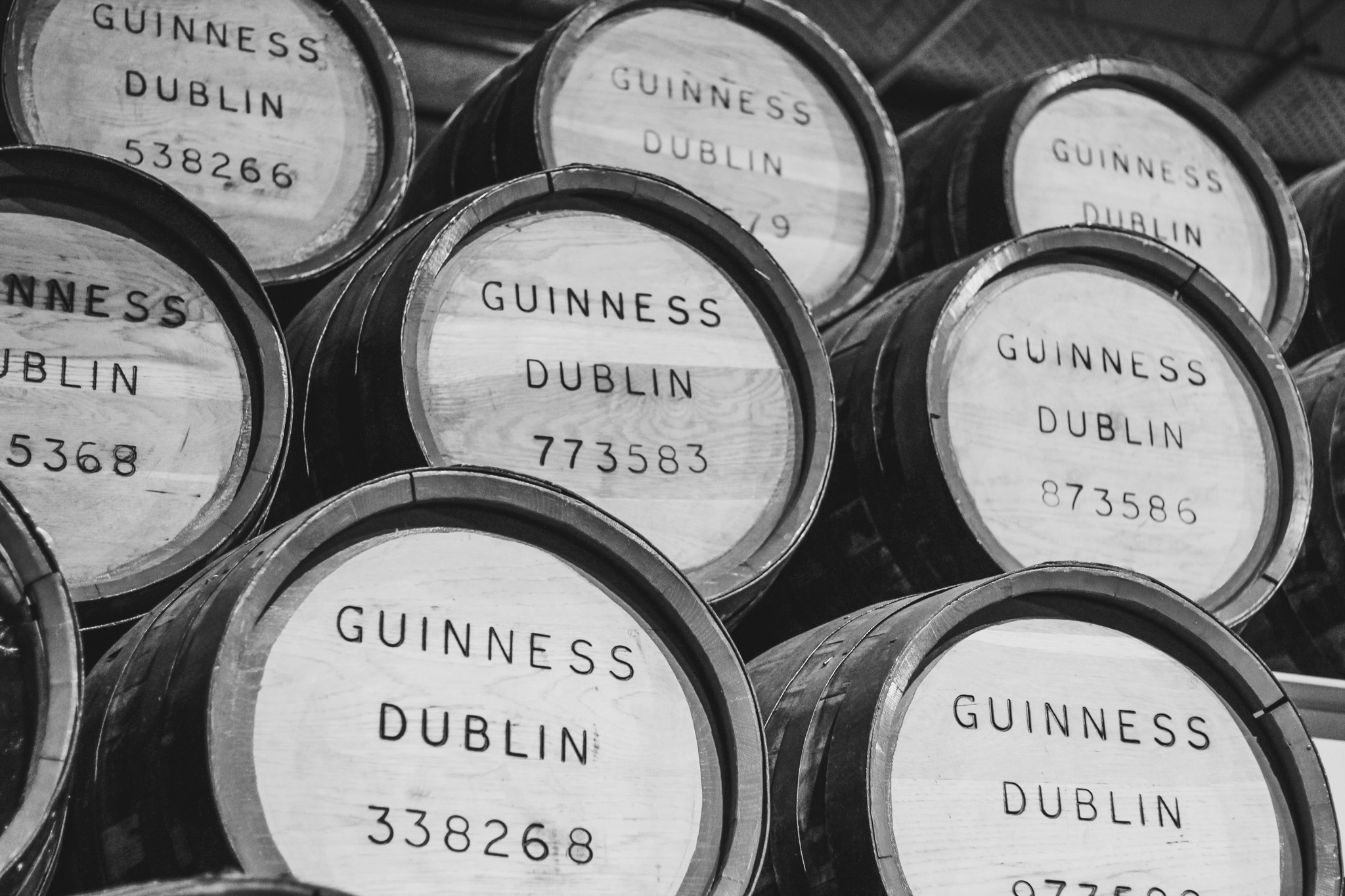
- Tour the Guinness Storehouse
- Discover the Wicklow Mountains
🌊 Wild Atlantic Way
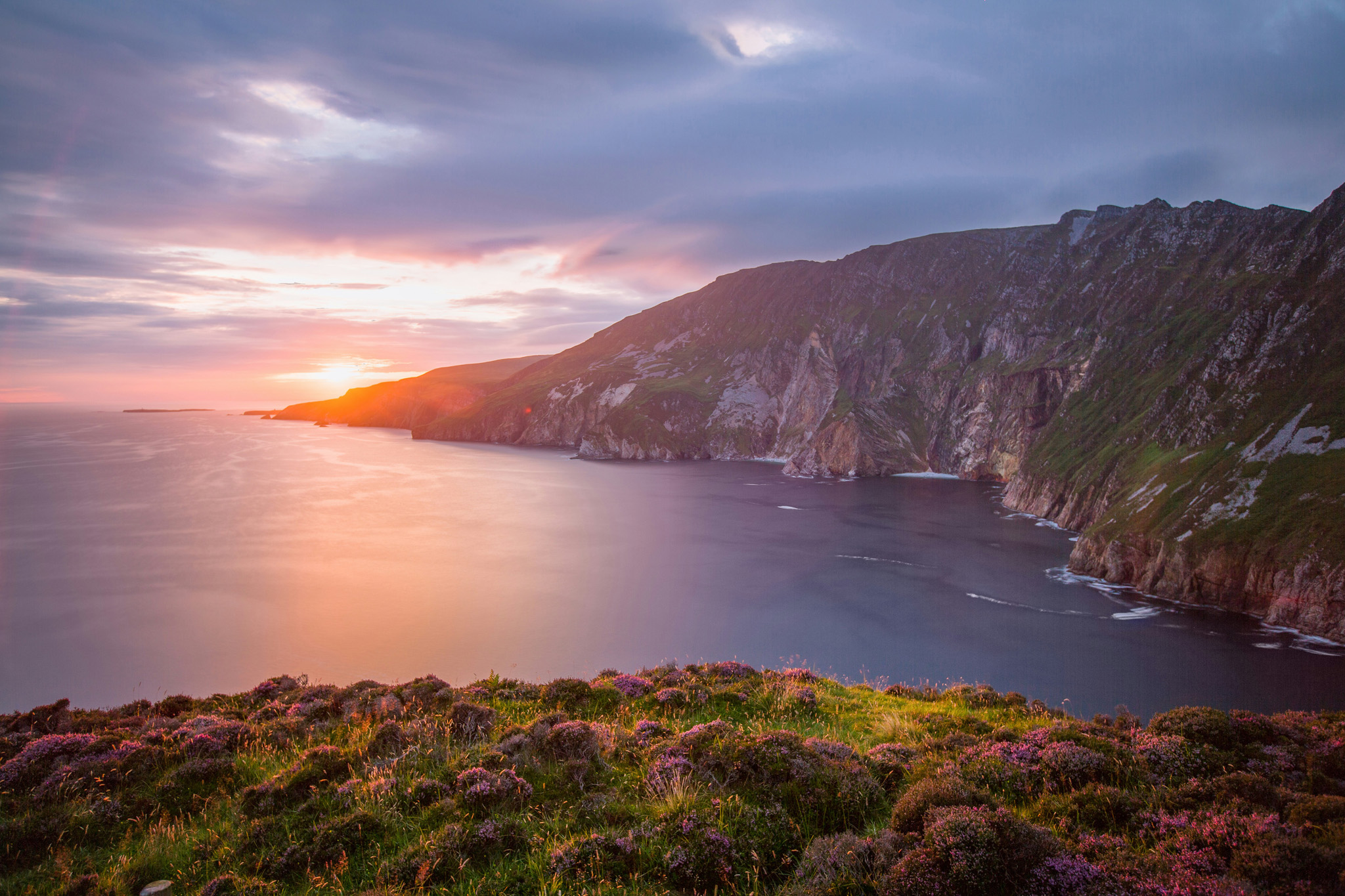
- Walk the Cliffs of Moher
- Drive the Ring of Kerry
- Explore the Dingle Peninsula
- Visit the Aran Islands
- Discover Connemara National Park
🏰 Northern Ireland
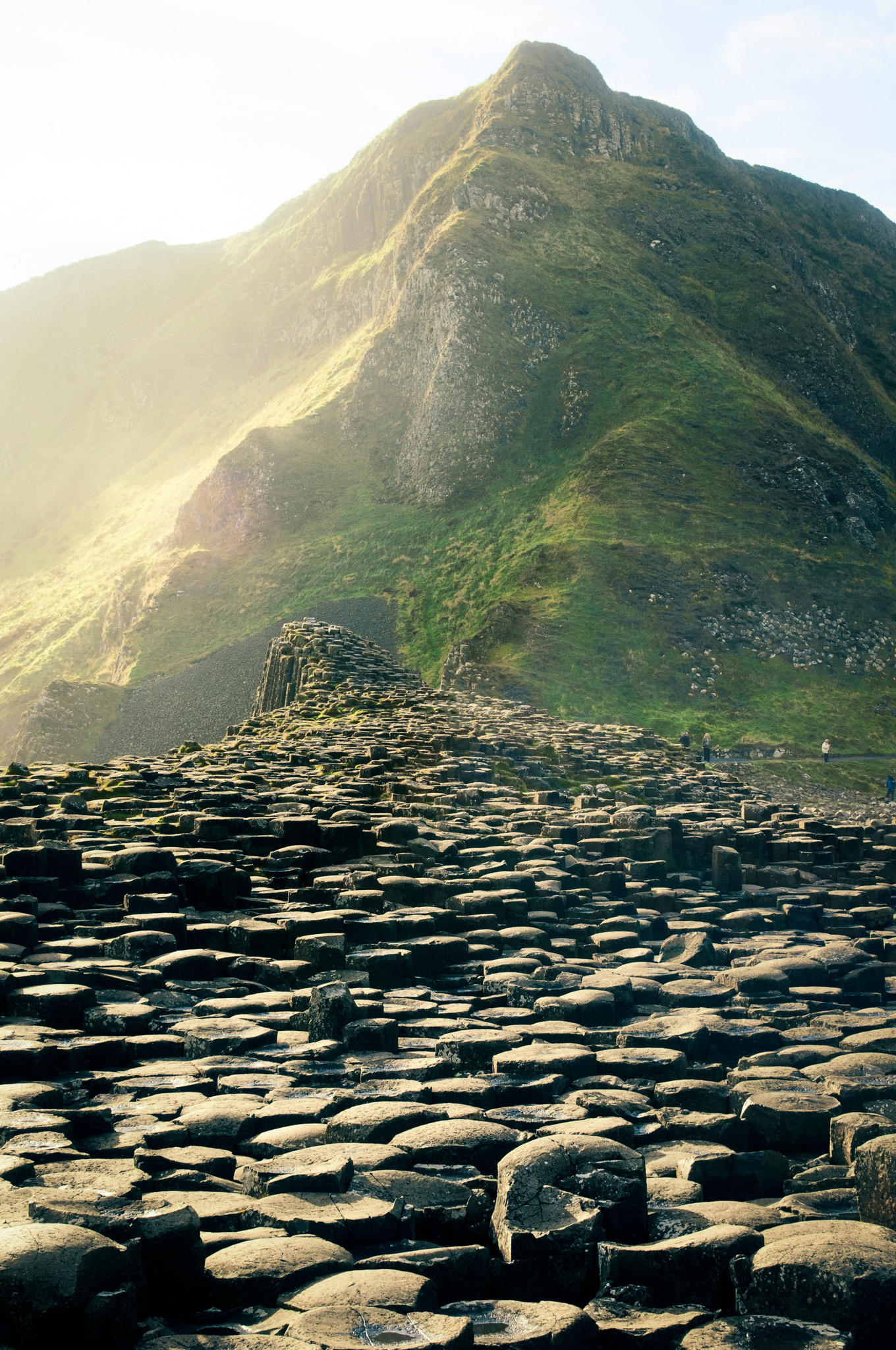
- See the Giant’s Causeway
- Drive the Causeway Coastal Route
- Explore Belfast’s Titanic Quarter
- Visit Dunluce Castle
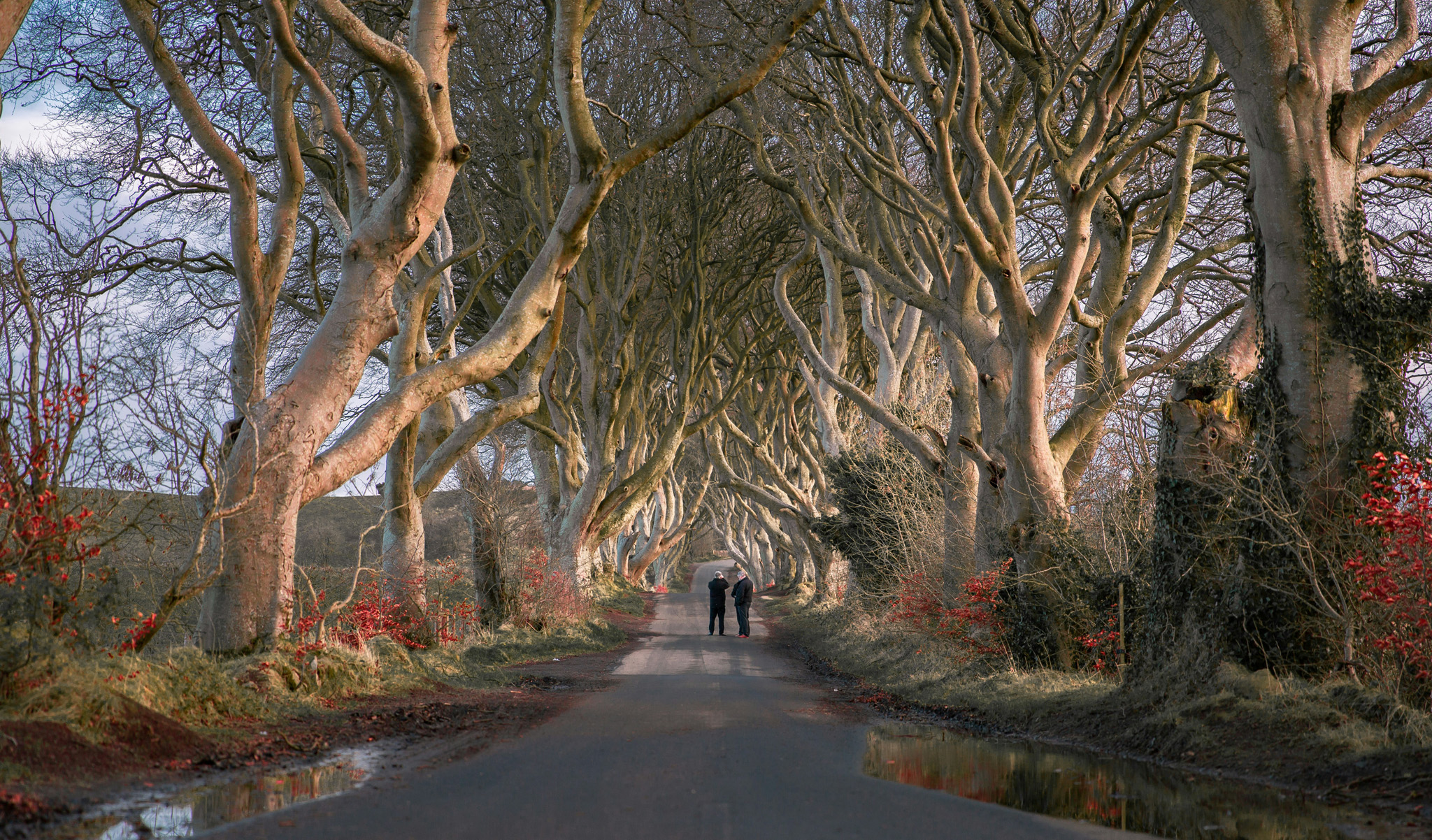
- Discover the Dark Hedges
🌄 Southern Ireland
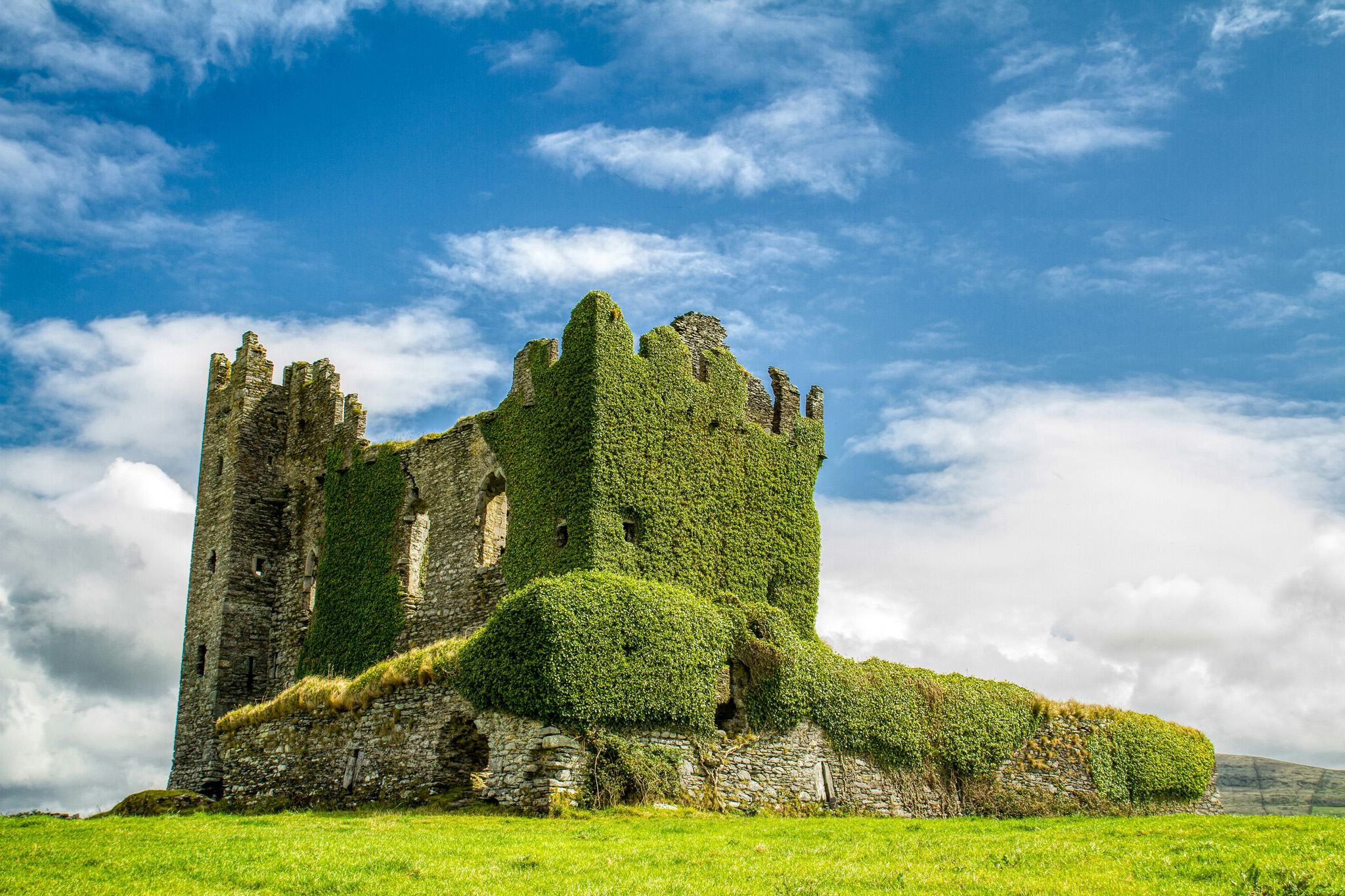
- Kiss the Blarney Stone at Blarney Castle
- Explore Killarney National Park
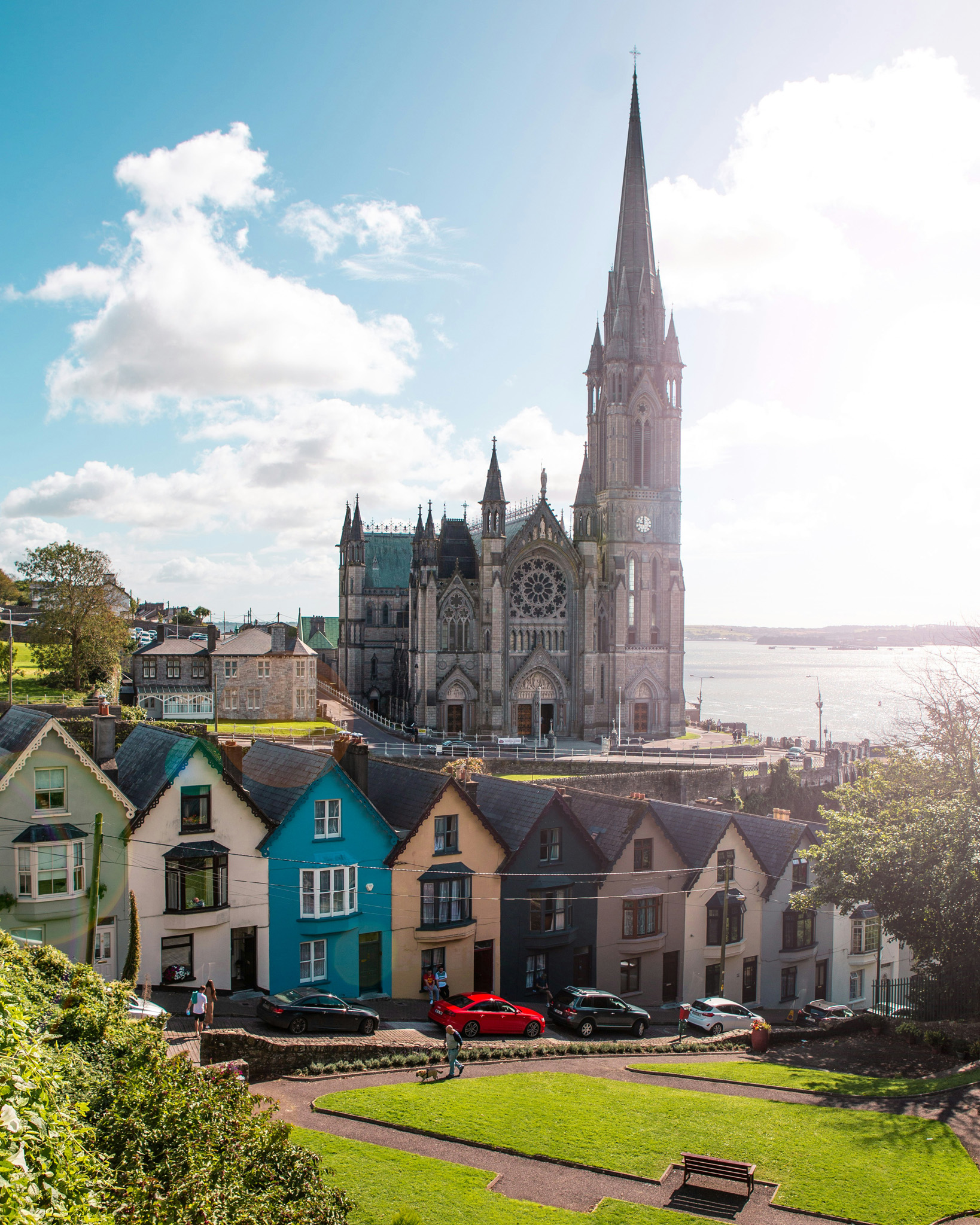
- Wander the Streets of Cork
- Visit the Rock of Cashel
- Tour Medieval Kilkenny
🍽️ Food & Drink
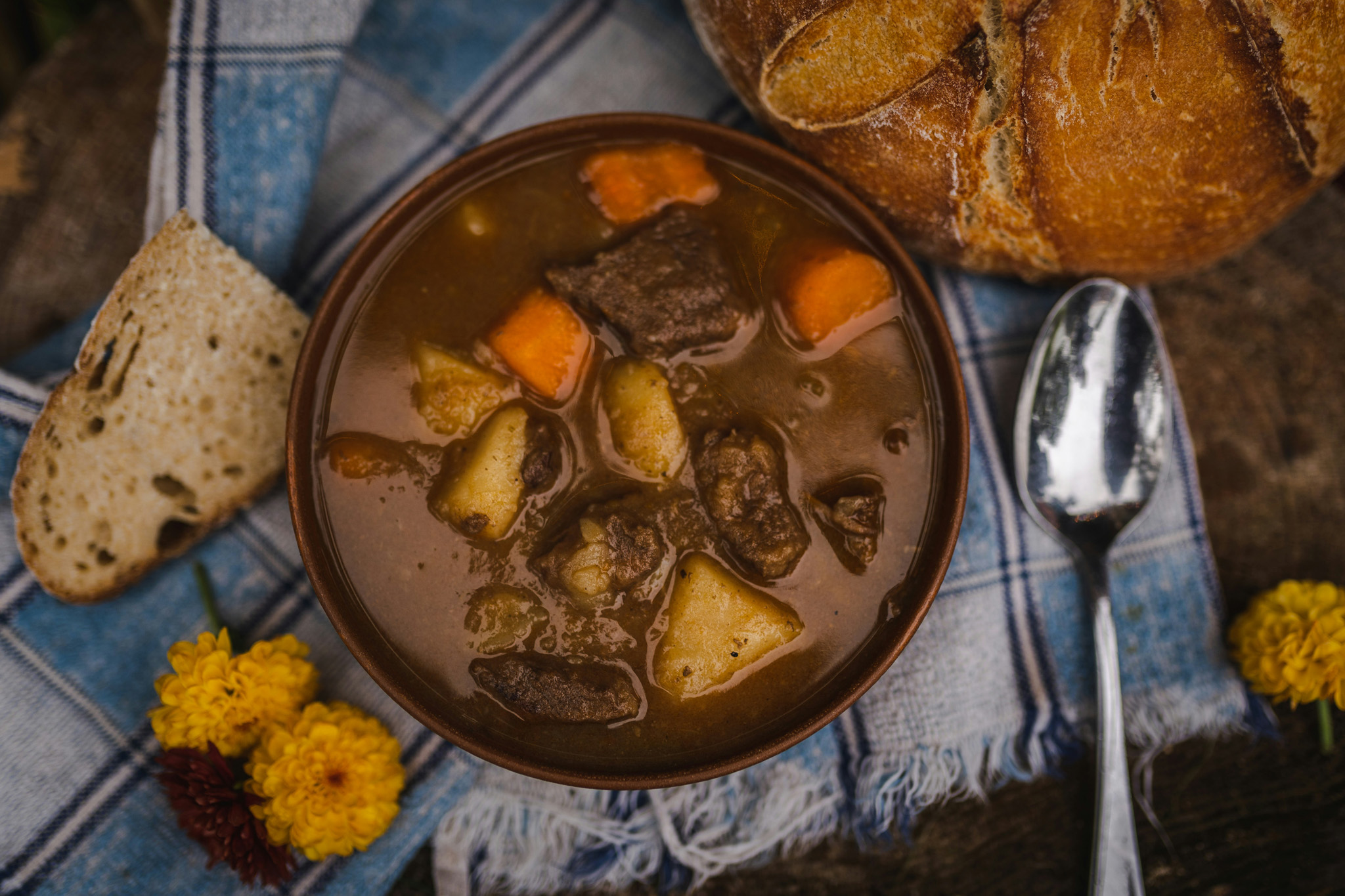
Irish cuisine is hearty, seasonal and grounded in excellent local produce. Think Atlantic seafood, grass fed beef, artisan cheeses and comforting pub classics. In recent years, Ireland’s food scene has evolved dramatically, blending tradition with modern creativity.
- Traditional Irish Stew
- Fresh Atlantic Seafood Chowder
- Full Irish Breakfast
- Soda Bread with Irish Butter
- Boxty Potato Pancakes
- Farmhouse Cheeses from Cork and Tipperary
Drinks to Try:
- Guinness or Local Craft Stout
- Irish Whiskey Tasting Experience
- Irish Coffee
- Small Batch Craft Gin
🛂 Visa & Entry Requirements
- Many nationalities enter visa free for short stays
- Passport must be valid for the duration of stay
- Proof of onward travel may be requested
Official visa information: https://www.irishimmigration.ie
If visiting Northern Ireland, UK entry rules apply: https://www.gov.uk/check-uk-visa
💰 Money, Costs & Tipping
- Currency – Euro EUR in the Republic of Ireland
- Currency – Pound Sterling GBP in Northern Ireland
- Credit and Debit Cards Widely Accepted
- Contactless Payments Very Common
Tipping:
- Restaurants – 10 to 15 percent if not included
- Taxis – Round up or add around 10 percent
- Hotel Staff – Small tips appreciated but not mandatory
Ireland is moderately expensive, particularly in Dublin and during peak summer.
🗣️ Language
English is the primary language of both Ireland and Northern Ireland. Irish (Gaeilge) is a co-official language in the Republic of Ireland and is spoken as a first language in Gaeltacht regions primarily along the west coast. A few useful Irish phrases below for cultural appreciation.
Common Irish (Gaeilge) Phrases
- Dia dhuit (dee-ah gwitch) – Hello (God be with you)
- Go raibh maith agat (guh rev mah agut) – Thank you
- Slán (slawn) – Goodbye
- Sláinte! (slawn-cha) – Cheers!
- Tá / Níl (taw / neel) – Yes / No
- Cad is ainm duit? (cad is an-im dwit) – What is your name?
- Conas atá tú? (kun-us ah-taw too) – How are you?
- Tá áthas orm bualadh leat (taw ah-hus or-um boo-lah lyat) – Nice to meet you
- Cá bhfuil an leithreas? (caw will un leh-russ) – Where is the bathroom?
- Go n-éirí an bóthar leat (guh nee-ree un boh-her lyat) – Safe travels
🧭 Practical Info
🔌 Electricity
- 230V
- Plug Type G
- UK Style Adapter Required
💧 Water
-
Tap water is safe to drink throughout Ireland
💉 Vaccinations
- No mandatory vaccinations
- Routine vaccines recommended
🧳 Travel Insurance
- Strongly recommended
- Essential if hiking, cycling or driving
🌦️ Weather
- Mild temperate climate influenced by the Atlantic Ocean
- Frequent rainfall possible in any month
- Four seasons possible in one day
- Long daylight hours in summer
- Short, cosy days in winter
Ireland’s weather is famously unpredictable. Even in summer, sunshine can quickly shift to mist or light rain, especially along the west coast. Layers are essential, and a light waterproof jacket is useful year round.
📶 Connectivity
- Strong mobile coverage across most of the country
- eSIM and local SIM cards widely available
- Popular providers include Vodafone and Three
- Using an eSIM is our recommended choice while travelling anywhere in the world, and our recommended provider is Holafly. For more information on eSIMs, check out this blog.

🏳️🌈 LGBTQIA+ Travellers
Ireland is progressive and welcoming, and consistently ranks as one of the most LGBTQIA+ friendly countries in Europe.
- Same sex marriage legal since 2015
- Strong anti discrimination protections
- Dublin has a vibrant LGBTQIA+ scene
- Rural areas may be more traditional but are generally safe
🛡️ Traveller Safety
Ireland is considered very safe for visitors.
- Low violent crime rates
- Usual urban precautions in cities
- Be mindful of weather when hiking coastal areas
- Drive carefully on narrow rural roads
- Emergency number – 112 or 999
🗓️ Best Time to Visit
- May to September – Long days and lively atmosphere
- July and August – Peak season and higher prices
- April and October – Fewer crowds, still scenic
- Winter – Cosy pub culture and shorter daylight hours
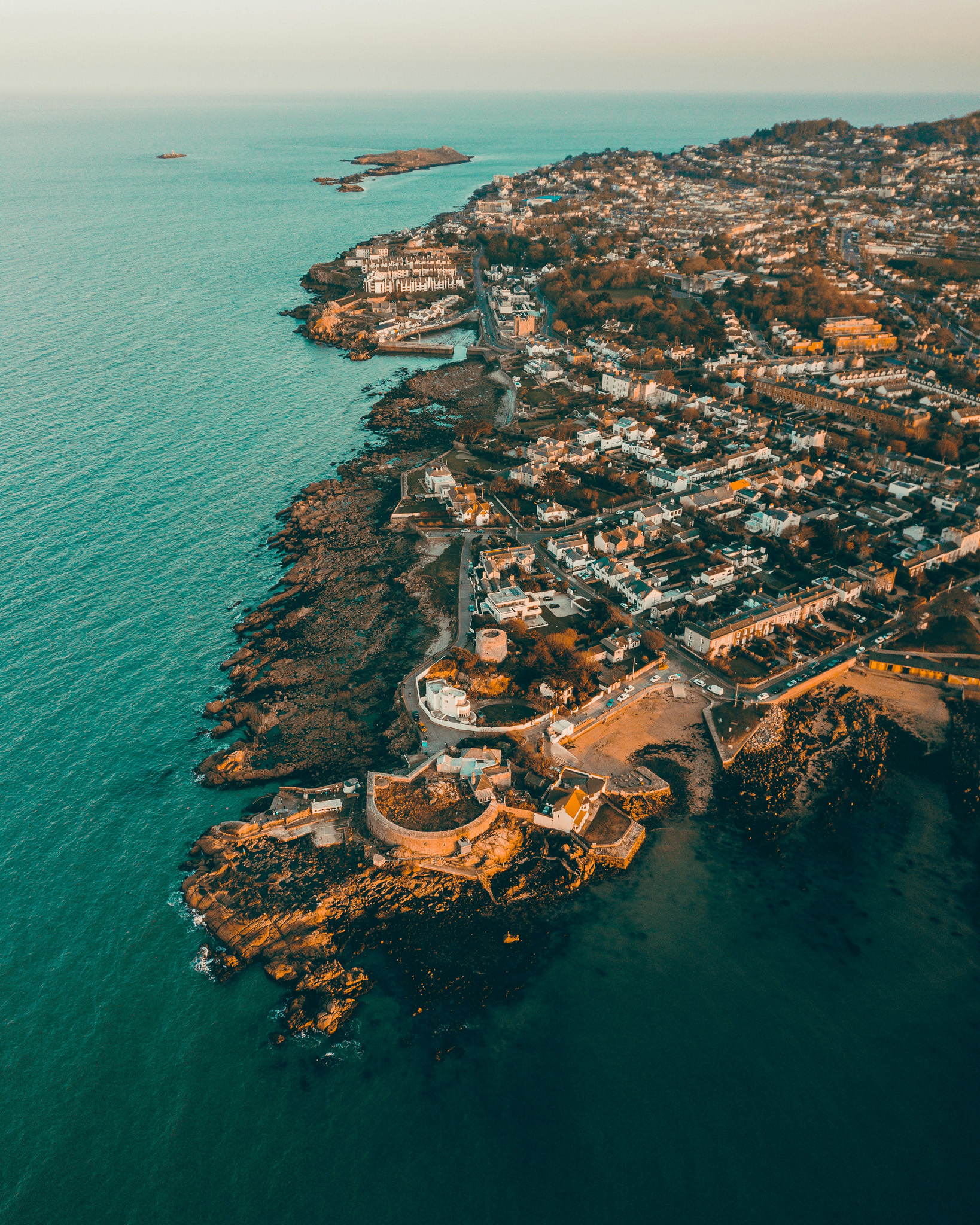
✨ Why Visit Ireland?
Ireland offers a rare balance of wild landscapes and intimate cultural moments. You can stand on a windswept cliff overlooking the Atlantic in the morning, explore a medieval castle in the afternoon and finish the day in a candlelit pub listening to live traditional music. It is a destination rich in storytelling, from ancient Celtic legends to literary greats and modern creative energy. The scenery is dramatic, the distances are manageable and the welcome is genuine.
If you want a trip that feels soulful, scenic and deeply memorable, Ireland delivers every time.