Mexico – Destination Guide
Mexico is a country of staggering contrasts, where ancient pyramids rise out of jungle, colonial cities glow in sun-baked pinks and yellows, and two long coastlines deliver everything from Pacific surf breaks to turquoise Caribbean shallows. It’s vast, varied, and rewards travellers who give it the time to unfold properly. One trip can take you from desert canyons in the north to misty cloud forests in the south, from sleepy fishing villages to one of the largest cities on the planet.
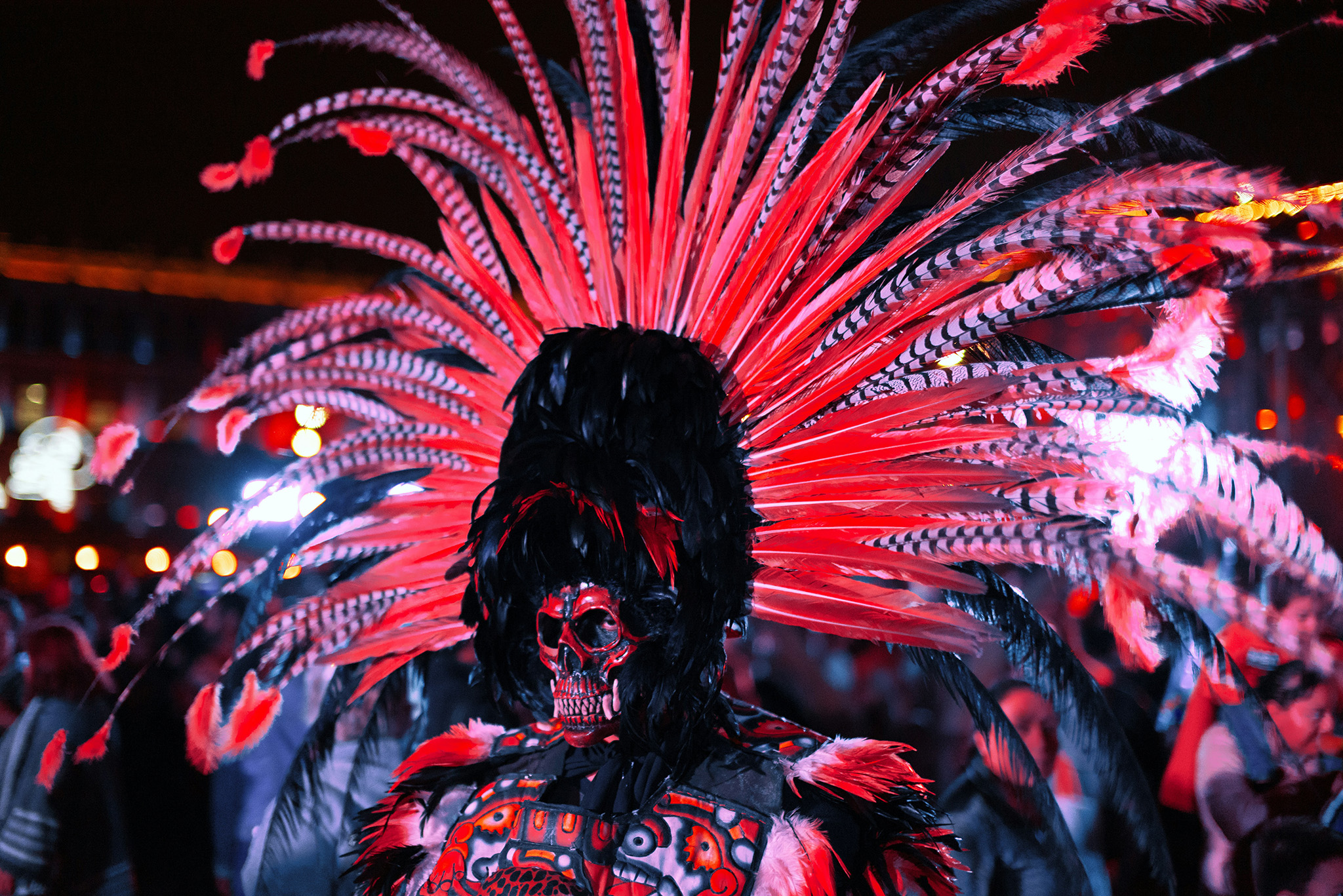
What sets Mexico apart is the depth and warmth of its living culture. Mayan and Aztec history sits alongside Spanish colonial architecture, Day of the Dead processions, mariachi bands, lucha libre, and one of the most influential food cultures in the world. Every region has its own dialect, its own dishes, its own festivals, and its own pace.
Whether you’re snorkelling cenotes in the Yucatán, eating your way through Oaxaca, hiking volcanoes around Mexico City, or watching whales off Baja, Mexico delivers texture, flavour, and stories at every turn.
🗺️ Regions to Explore
Yucatán Peninsula
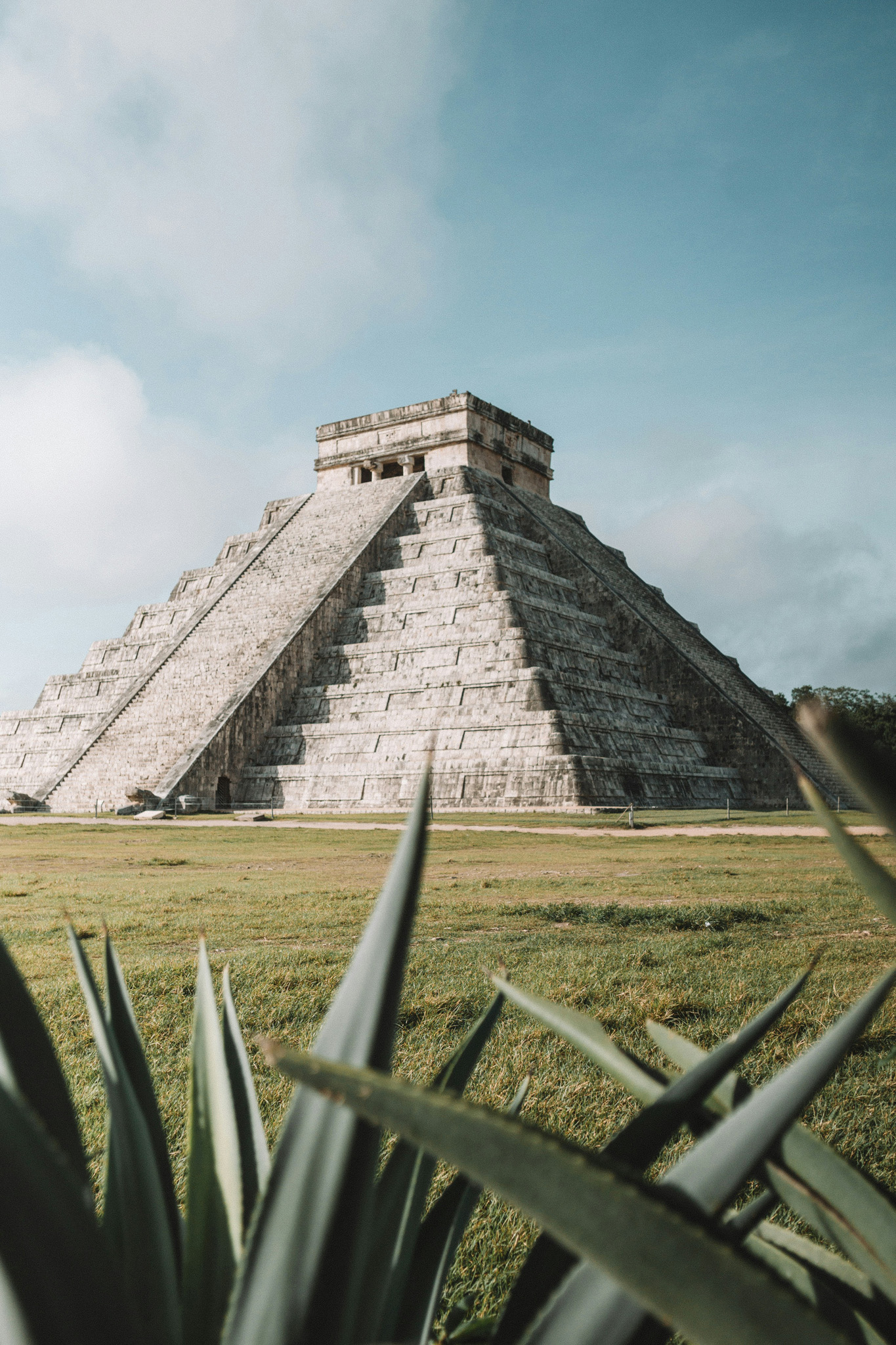
Flat jungle laced with cenotes, Mayan ruins, and a Caribbean coastline that runs from Cancún to the Belize border.
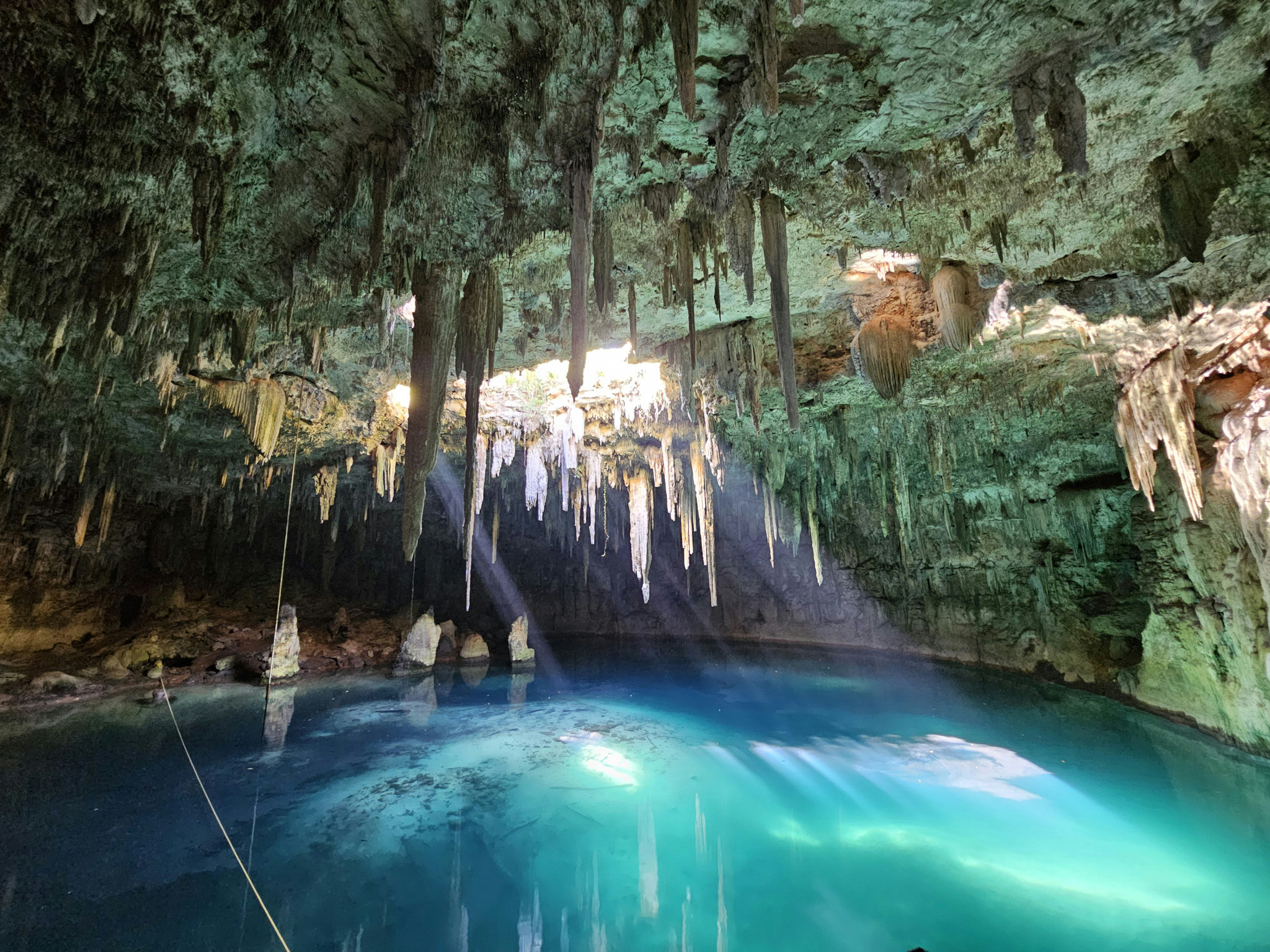
- Snorkelling and diving in cenotes around Valladolid and Tulum
- Exploring the ruins of Chichén Itzá, Uxmal, and Tulum
- Beach days along the Riviera Maya and Holbox
- Wandering colourful Mérida and its colonial streets
- Spotting flamingos at Río Lagartos and Las Coloradas
- Day trips to Isla Mujeres and Cozumel
Oaxaca
A culture-rich southern state known for its food, mezcal, textiles, and Pacific surf beaches.
- Eating mole, tlayudas, and tasting mezcal in Oaxaca City
- Visiting the Zapotec ruins at Monte Albán
- Surfing and beach hopping in Puerto Escondido and Mazunte
- Exploring weaving villages like Teotitlán del Valle
- Hiking through the Sierra Norte cloud forest
- Soaking in the petrified waterfalls at Hierve el Agua
Mexico City and Central Highlands
The cultural and political heart of the country, surrounded by volcanoes, colonial cities, and silver towns.
- Walking the historic centre and Frida Kahlo’s Casa Azul
- Day trips to the pyramids of Teotihuacán
- Bar and taco hopping in Roma and Condesa
- Visiting the colonial gems of Puebla, Guanajuato, and San Miguel de Allende
- Catching a lucha libre match at Arena México
- Floating through the canals of Xochimilco
Baja California
A long desert peninsula with two coastlines, world-class diving, and seasonal whale encounters.
- Whale watching in Magdalena Bay and Guerrero Negro from January to March
- Snorkelling with sea lions and whale sharks near La Paz
- Surfing and food crawling in Todos Santos and Ensenada
- Tasting wines in the Valle de Guadalupe
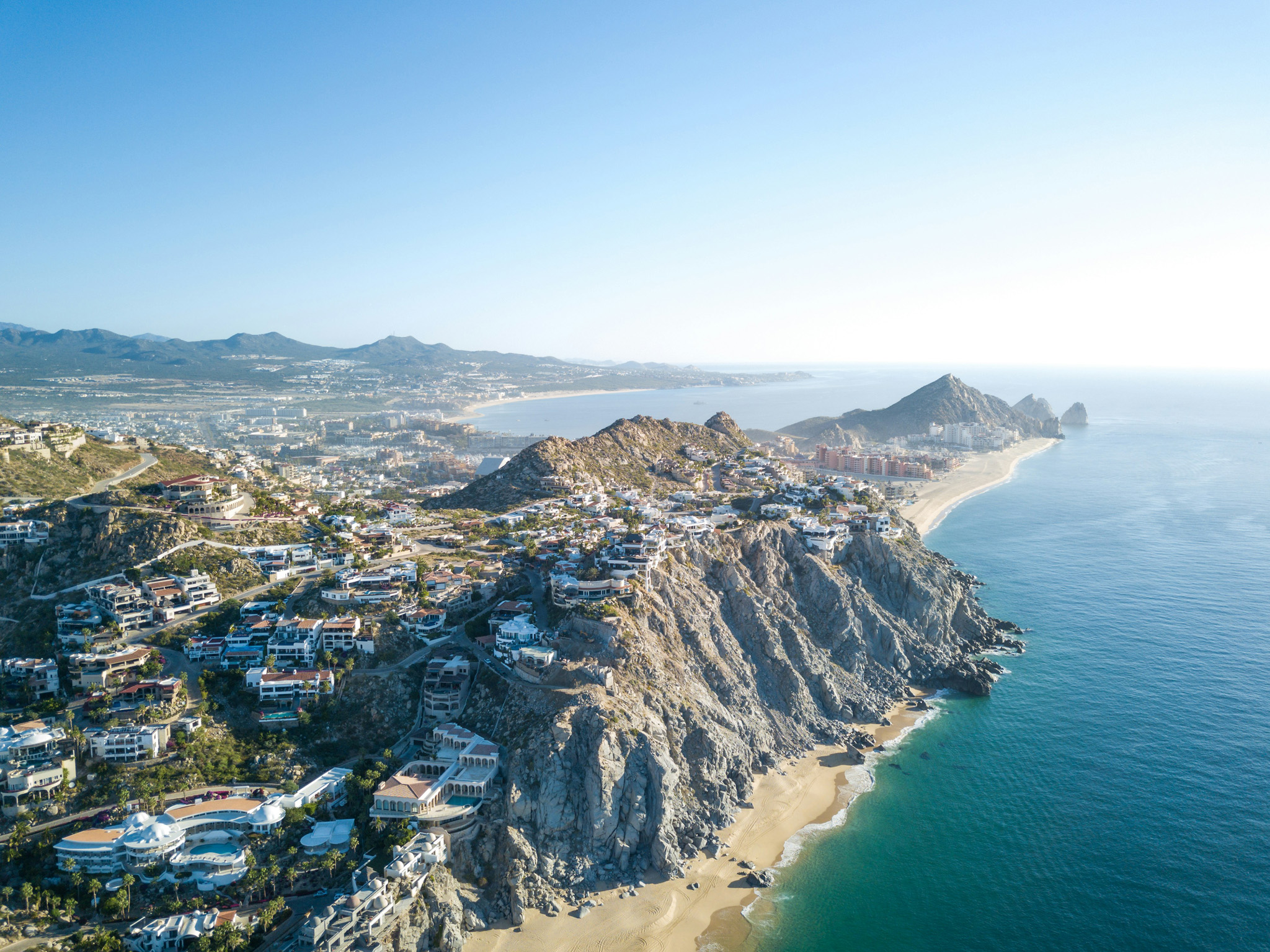
- Beach days around Cabo San Lucas and the East Cape
- Driving the Sea of Cortez coastline
Pacific Coast and Jalisco
Beach towns, mariachi, and the cultural pull of Guadalajara just inland.
- Surfing and dining in Sayulita and San Pancho
- Beach days in Puerto Vallarta and the Riviera Nayarit
- Boat trips to the Marietas Islands
- Tequila tasting in the town of Tequila
- Live music and cantinas in Guadalajara
- Quiet coastal escapes around Yelapa and Mismaloya
Chiapas and the Southern Highlands
Misty jungle, indigenous culture, and some of the most atmospheric ruins in the country.
- Exploring Palenque’s jungle-shrouded Mayan ruins
- Wandering the cobbled streets of San Cristóbal de las Casas
- Boat trips through the Sumidero Canyon
- Visiting indigenous villages around the highlands
- Swimming in the cascades at Agua Azul and Misol-Ha
- Birdwatching in El Triunfo Biosphere Reserve
🎒 Things To Do
- Explore Mayan ruins at Chichén Itzá, Tulum, Palenque, and Uxmal
- Snorkel and dive cenotes throughout the Yucatán Peninsula
- Eat your way through Mexico City, Oaxaca, and Puebla
- Whale watch off Baja California from January to March
- Surf both coasts from Sayulita to Puerto Escondido
- Visit colonial cities like San Miguel de Allende, Guanajuato, and Mérida
- Hike volcanoes around Mexico City and Puebla
- Experience Day of the Dead celebrations in late October and early November
- Catch a lucha libre match in Mexico City or Guadalajara
- Taste mezcal in Oaxaca and tequila in Jalisco
🍽️ Food & Drink
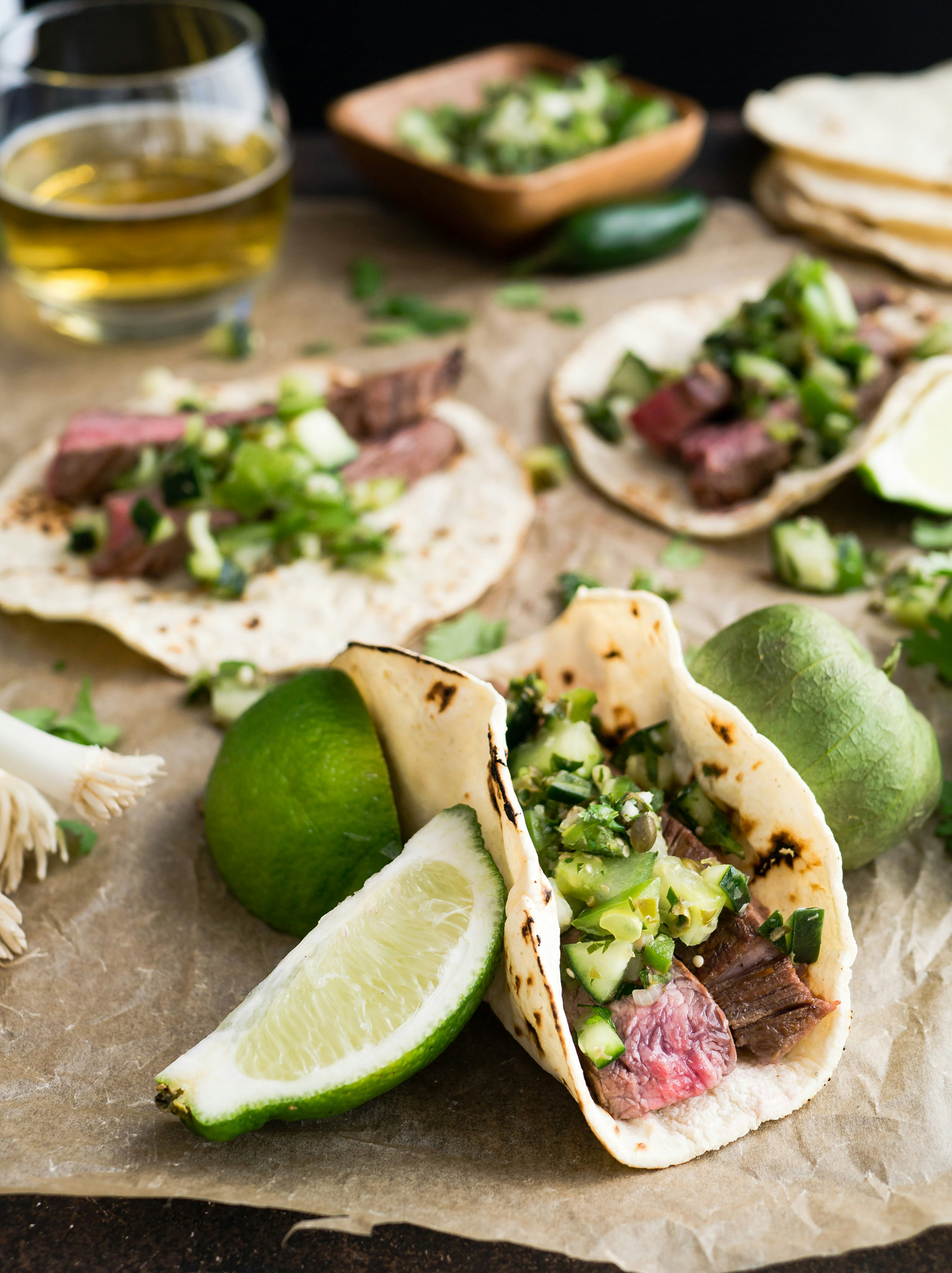
Mexican cuisine is one of the most varied and influential in the world, with each region offering its own dishes, salsas, and traditions. Expect bold flavours, fresh produce, and a strong street food culture where some of the best meals happen at plastic stools on the kerb.
- Tacos al pastor, carnitas, suadero, and barbacoa from city taquerías
- Mole negro, tlayudas, and tasajo in Oaxaca
- Cochinita pibil, sopa de lima, and papadzules in the Yucatán
- Chiles en nogada and mole poblano in Puebla
- Fresh ceviche, aguachile, and fish tacos along both coasts
- Mezcal, tequila, micheladas, and ice-cold horchata
🌦️ Weather
Mexico spans temperate, tropical, and desert climates, so conditions vary widely by region and altitude. The country has two broad seasons: a dry season from November to April and a wet season from May to October.
- Yucatán and Caribbean coast: hot and humid year round, 25-33°C
- Mexico City and central highlands: spring-like year round, 10-25°C
- Baja California: dry and warm, with cool winter nights
- Pacific coast: hot and humid in summer, dry and warm in winter
- Hurricane season runs from June to November on both coasts
- Rainy season showers are usually short, heavy, and in the late afternoon
📅 Best Time To Visit
November – April (Dry Season)
- Clear skies, low humidity, and the most reliable weather across the country
- Peak season for beach destinations like Cancún, Tulum, and Los Cabos
- Whale watching season in Baja from January to March
- Book accommodation early around Christmas, New Year, and Semana Santa
May – June and September – October (Shoulder Seasons)
- Fewer crowds and lower prices, especially in coastal areas
- Warm temperatures with occasional afternoon showers
- Best time for cultural travel in Mexico City, Oaxaca, and Puebla
- Day of the Dead celebrations fall in late October and early November
July – August (Summer and Rainy Season)
- Hot, humid, and prone to afternoon storms
- Domestic travel peaks during Mexican school holidays
- Lush green landscapes in the highlands and southern jungle
- Hurricane risk picks up along both coasts
🎒 Packing List
- Lightweight clothing for hot, humid days
- A light jumper or jacket for cool highland evenings and air-conditioning
- Rain jacket or compact poncho during wet season
- Comfortable walking shoes or trainers for cobbled streets and ruins
- Swimwear, quick-dry towel, and a sun shirt for beaches and cenotes
- Reef-safe sunscreen, sunglasses, and a wide-brimmed hat
- Insect repellent for jungle, cenotes, and coastal areas
- Reusable water bottle with a built-in filter
- Universal power adapter (Mexico uses Type A and B plugs)
- Personal medical kit with electrolytes, rehydration sachets, and basic first aid
- Daypack for day trips, hikes, and ruin visits
- Photocopies of your passport and travel insurance details
🛂 Visas & Entry Requirements
Most travellers can enter Mexico visa-free for tourism, though entry rules and length of stay are decided by immigration officers on arrival.
- Citizens of Australia, the UK, the US, Canada, the EU, and many other countries can enter visa-free for up to 180 days
- A Forma Migratoria Múltiple (FMM) tourist permit is issued on arrival, usually electronically at major airports
- Passport must be valid for the duration of your stay
- Proof of onward travel and accommodation may be requested at immigration
- Land border crossings and longer stays may require additional paperwork or a fee
Official information: https://www.gob.mx/inm
💰 Money
- Currency is the Mexican Peso (MXN), with banknotes in 20, 50, 100, 200, 500, and 1000
- Cards are widely accepted in cities, resorts, and larger restaurants
- Cash is essential for markets, street food, taxis, small towns, and tipping
- ATMs are common in cities and tourist areas, less so in remote regions
- Tipping is expected: 10-15% in restaurants, small change for taxis, and a few pesos for hotel staff and tour guides
- US dollars are accepted in many resort areas, but you will get a better rate paying in pesos
💸 Hotel & Tourist Taxes
Mexico has a mix of federal, state, and city-level taxes that travellers should be aware of, with the most well-known being the Quintana Roo Visitax for visitors to the Cancún and Riviera Maya region.
- Quintana Roo Visitax: around 285 MXN per person, payable online before travel or at the airport before departure, applies to Cancún, Tulum, Playa del Carmen, Cozumel, Isla Mujeres, and Bacalar
- Hotel environmental and lodging taxes: typically 30-80 MXN per room per night in Quintana Roo, varying by city and property
- Federal hotel tax (IVA) of 16% and a 3% lodging tax are usually included in published room rates
- Cruise passenger tax: currently around 5 USD per person, scheduled to rise to 10 USD in August 2026
- Activity-specific fees: small per-person taxes apply to swimming with dolphins, sport fishing, and some eco-park entries in Quintana Roo

🌈 LGBTQIA+ Travellers
Mexico is one of the more progressive countries in Latin America for LGBTQIA+ travellers, with strong legal protections and lively scenes in major cities and resort towns.
- Same-sex marriage is legal across all 32 states
- Discrimination based on sexual orientation and gender identity is prohibited under federal law
- Mexico City, Puerto Vallarta, Guadalajara, and Cancún have well-established LGBTQIA+ scenes
- Attitudes in smaller towns and rural areas can be more conservative, and public displays of affection may attract attention
- Travellers are generally welcomed warmly across tourist destinations
⚠️ Traveller Safety
Safety in Mexico varies significantly by region, with most tourist areas considered safe while certain border and inland states are best avoided. A bit of common sense goes a long way.
- Petty theft and pickpocketing are the most common issues in busy tourist areas
- Stick to recognised tourist zones, especially after dark in Mexico City, Cancún, and Tulum
- Avoid travel to high-risk states like Sinaloa, Tamaulipas, and parts of Michoacán
- Use registered taxis, hotel transfers, or ride-share apps like Uber and DiDi rather than hailing on the street
- Be cautious withdrawing cash at ATMs and prefer machines inside banks, shops, or hotels
- Emergency number is 911
💉 Vaccinations & Health
No vaccinations are mandatory for entry to Mexico, but a few are recommended depending on your itinerary and activities.
- Routine vaccinations should be up to date, including MMR, tetanus, diphtheria, and polio
- Hepatitis A and typhoid are commonly recommended for most travellers
- Hepatitis B and rabies may be recommended for longer stays or rural travel
- Dengue and Zika are present in tropical regions, so insect repellent and covered clothing help reduce risk
- Altitude sickness can affect travellers in Mexico City, Puebla, and the central highlands
Official information: https://wwwnc.cdc.gov/travel/destinations/traveler/none/mexico

🚗 Getting Around
- Domestic flights are quick and affordable for longer distances, with Aeroméxico, Volaris, and VivaAerobus the main carriers
- Long-distance buses are excellent, with comfortable ADO, ETN, and Primera Plus services connecting most major cities
- Car hire is great for Baja, the Yucatán, and Oaxaca, though city driving can be hectic
- Toll roads (cuotas) are safer and faster than free roads (libres) for intercity driving
- Uber and DiDi operate in most major cities and are usually cheaper and safer than street taxis
- Local colectivos and combi vans are cheap, useful, and often the only way to reach smaller towns
✈️ Airports
Mexico City International Airport (MEX)
- The country’s largest hub, handling most international long-haul flights and a huge domestic network.
Cancún International Airport (CUN)
- The main gateway to the Yucatán and Riviera Maya, with direct flights from across North America, Europe, and South America.
Guadalajara International Airport (GDL)
- A growing international hub for the Pacific coast and a key entry point for travellers heading to Jalisco and the surrounding region.
Los Cabos International Airport (SJD)
- The main airport for Baja California Sur, handling flights from across North America and seasonal long-haul services.
🗣️ Language
Spanish is the official language of Mexico and is spoken throughout the country, with a distinctive Mexican accent and plenty of regional slang. Mexico is also home to around 68 recognised indigenous languages, including Nahuatl, Maya, Zapotec, and Mixtec, which are still widely spoken in parts of the south. English is common in tourist areas, hotels, and resorts, but quickly becomes rare in smaller towns and rural regions, so a handful of Spanish phrases will go a long way.
Common Phrases
- Hello – Hola (OH-lah)
- Goodbye – Adiós (ah-DYOHS)
- Please – Por favor (por fah-VOR)
- Thank you – Gracias (GRAH-syahs)
- You’re welcome – De nada (deh NAH-dah)
- Yes – Sí (SEE)
- No – No (NOH)
- Excuse me – Disculpe (dees-KOOL-peh)
- Sorry – Lo siento (loh SYEN-toh)
- Do you speak English? – ¿Habla inglés? (AH-blah een-GLEHS)
- How much is it? – ¿Cuánto cuesta? (KWAN-toh KWES-tah)
- Where is…? – ¿Dónde está…? (DOHN-deh es-TAH)
- Help – Ayuda (ah-YOO-dah)
- Cheers – Salud (sah-LOOD)
- It’s delicious – Está delicioso (es-TAH deh-lee-SYOH-soh)

ℹ️ Practical Info
Electricity
- Plug types A and B, standard voltage 127V, 60Hz
Internet & WiFi
- WiFi is widely available in hotels, cafés, restaurants, and most tourist accommodation
- Mobile data coverage is strong in cities and along major tourist corridors, weaker in remote and mountainous regions
Water
- Tap water is not safe to drink anywhere in Mexico
- Stick to bottled or filtered water, including for brushing teeth in some regions, and avoid ice from unknown sources
Travel Insurance
- Comprehensive travel insurance is strongly recommended, with cover for medical treatment, evacuation, and any adventure activities like diving, surfing, or volcano hiking
Connectivity SIM / eSIM
- Local SIM cards are easy to buy from Telcel, AT&T, and Movistar at airports, convenience stores, and phone shops, usually requiring a passport
- Using an eSIM is our recommended choice while travelling anywhere in the world, and our recommended provider is Holafly. For more information on eSIMs, check out this blog.

❤️ Why Visit Mexico
Mexico is one of those rare countries that genuinely has something for every kind of traveller. You can spend a morning floating in a cenote, an afternoon climbing a Mayan pyramid, and an evening eating tacos at a street stall where the cook has been working the same corner for thirty years. Few destinations pack this much variety into a single trip.
It’s also a country where the welcome is real. Mexican hospitality, food, music, and family-driven traffic flow are at the heart of every region, and the longer you stay, the more layers you uncover. The colours feel brighter, the flavours bolder, and the history more present than almost anywhere else in the Americas.
Whether it’s your first visit or your fifth, Mexico has a way of pulling you back. Come for the beaches and ruins, stay for the food, the people, and the slow realisation that one trip is never going to be enough.