Scotland – Destination Guide
Scotland is a land of windswept moors, mirror-still lochs, granite peaks, and storybook castles, where every glen seems to hold a clan story and every coastline opens onto a wilder one beyond. The country compresses an astonishing range of landscapes into a small footprint – the rolling Borders, the gentle Lowlands and their two great cities, the wild interior of the Cairngorms, the cinematic drama of the Highlands, and the scattered island chains of the Hebrides, Orkney, and Shetland reaching toward the Arctic.
The character of the place is equally varied. Edinburgh feels almost theatrical with its volcanic crag and medieval Old Town, while Glasgow runs on music, design, and a working-class warmth that locals will swear is the real soul of the country. Beyond the cities, life slows. Single-track roads thread through empty straths, sheep outnumber people on entire islands, and pub fires still burn most evenings of the year. Hiking the West Highland Way, hopping ferries through the Inner Hebrides, sipping a dram at the still where it was made, or watching the Northern Lights from a Shetland headland are all experiences that feel rooted in something far older than tourism.
Scotland rewards travellers who slow down – who let the weather change three times in an afternoon, who linger over conversation, and who say yes when a stranger suggests a detour.
🗺️ Regions to Explore
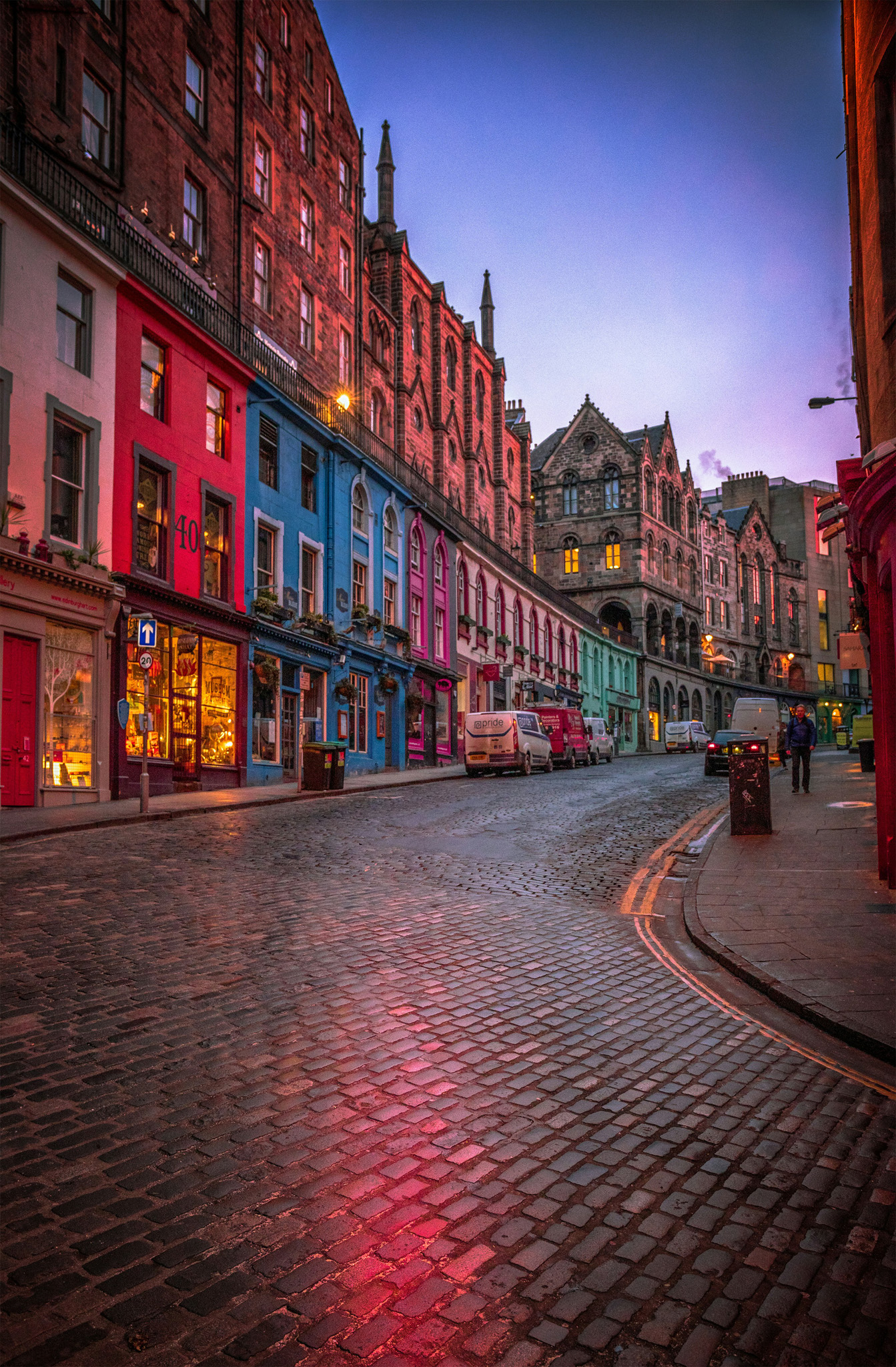
Edinburgh & The Lothians
Scotland’s capital and its surrounding coastline and countryside, layered with history, festivals, and walkable charm.
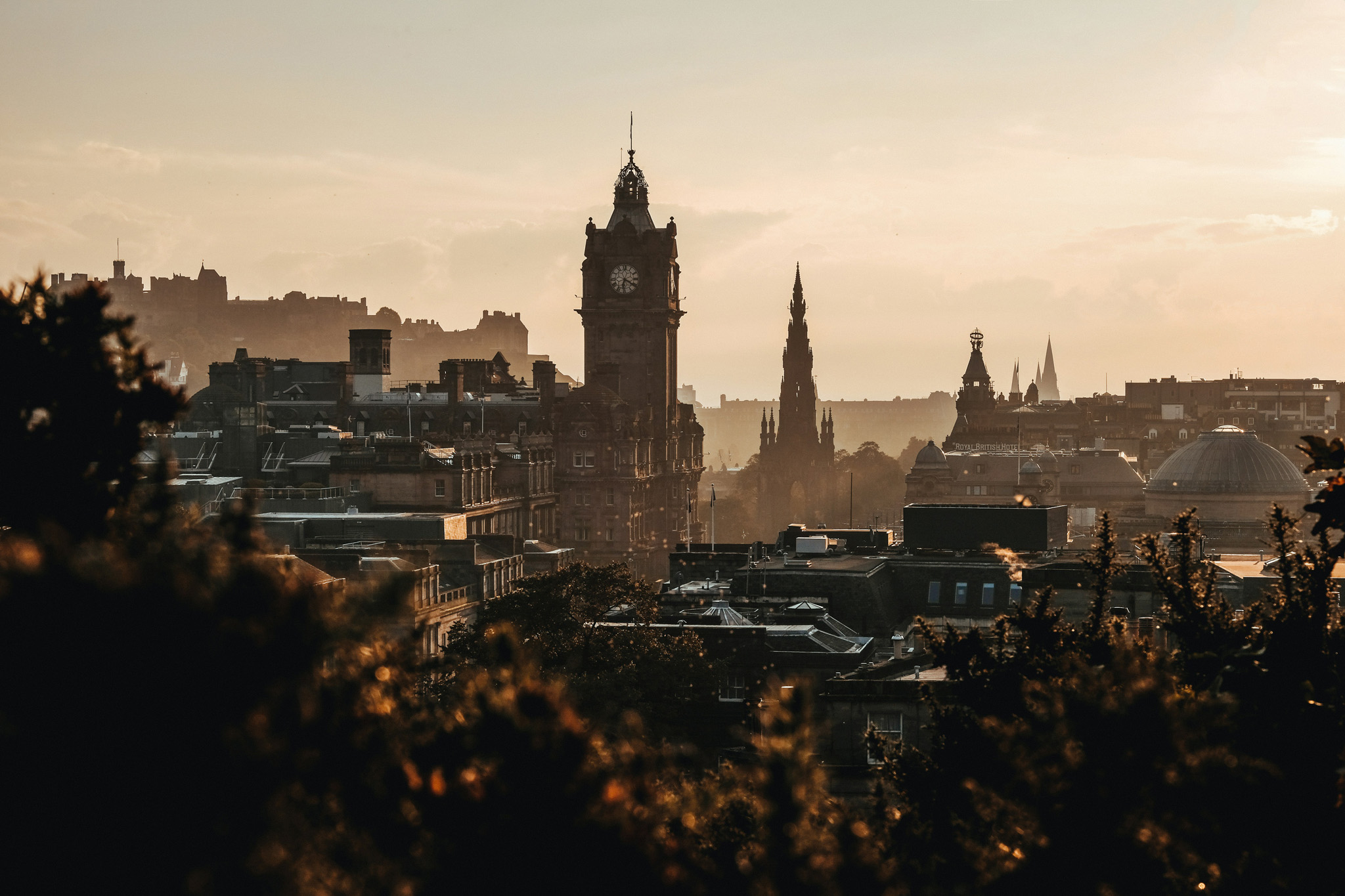
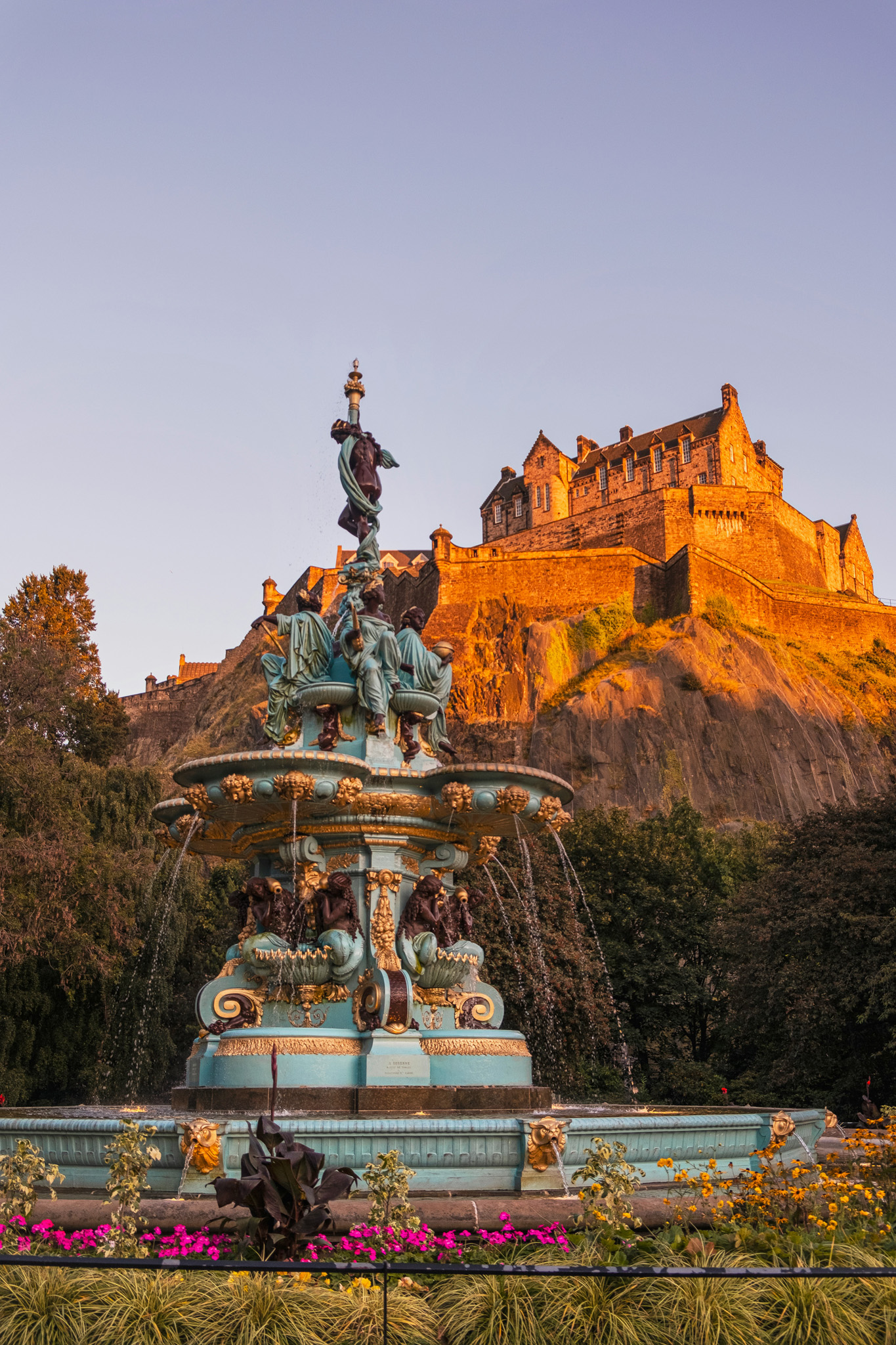
- Explore Edinburgh Old Town, the Royal Mile, and Edinburgh Castle
- Climb Arthur’s Seat at sunrise for panoramic city views
- Wander the Georgian elegance of New Town and Stockbridge
- Visit the seaside village of South Queensferry beneath the Forth Bridges
- Tour the historic harbour town of North Berwick and the Bass Rock
Glasgow & The Clyde
Scotland’s largest city, known for its Victorian architecture, music scene, and creative energy, with day trips into the Clyde estuary and lochs.
- Explore Glasgow’s West End and the Kelvingrove Art Gallery
- Catch live music in a Sauchiehall Street venue
- Wander the design heritage of Charles Rennie Mackintosh sites
- Cruise on Loch Lomond, less than an hour from the city
- Day trip to the seaside towns of Largs or Helensburgh
The Highlands
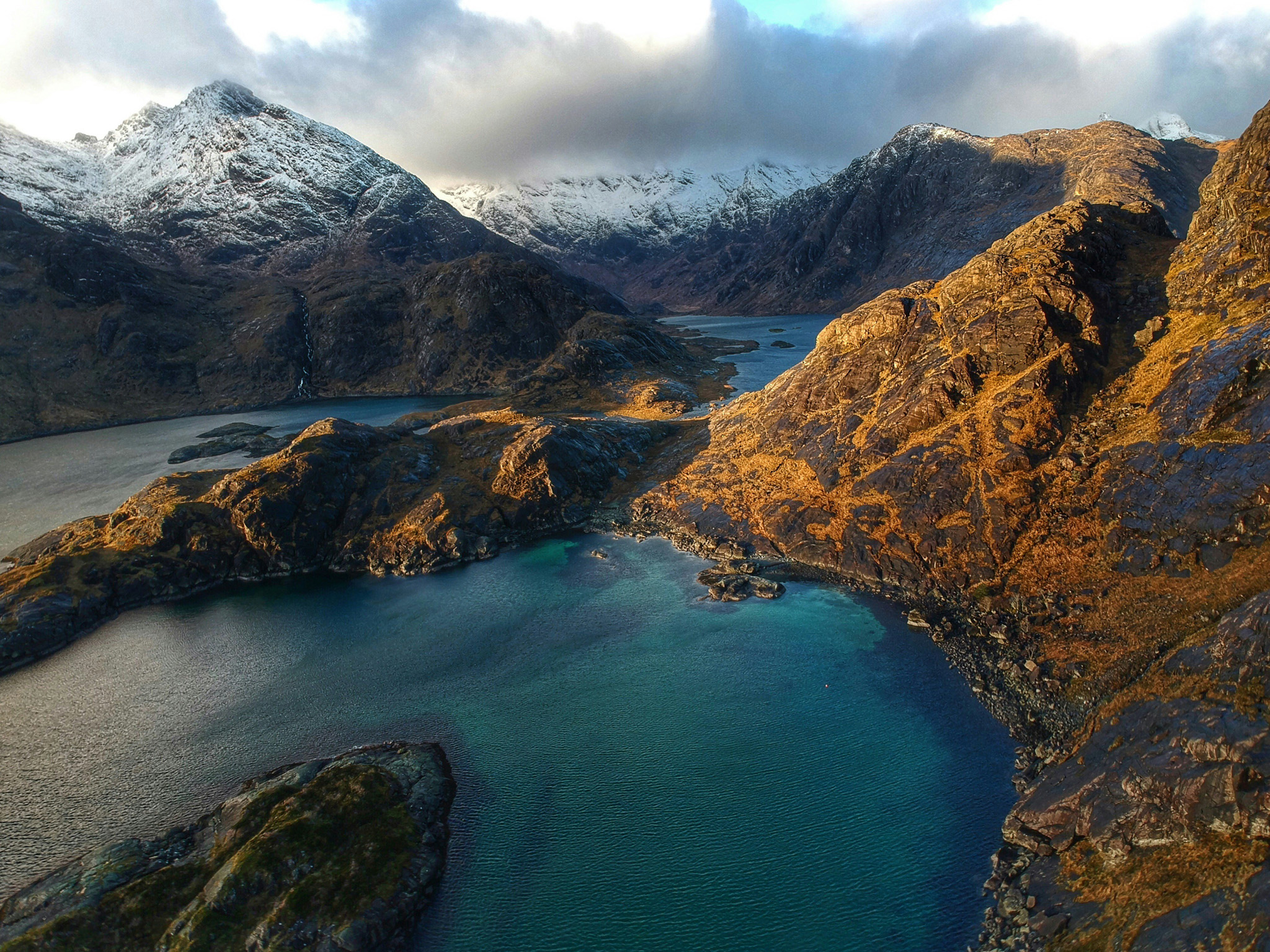
Scotland’s iconic wild north, defined by glens, lochs, mountains, and lonely roads that pull travellers further and further into the landscape.
- Drive the North Coast 500 route around the rugged northern tip
- Hike in Glencoe, one of the most cinematic valleys in Britain
- Visit Eilean Donan Castle on its tidal causeway
- Cruise Loch Ness and explore the ruins of Urquhart Castle
- Walk a stage of the West Highland Way through Rannoch Moor
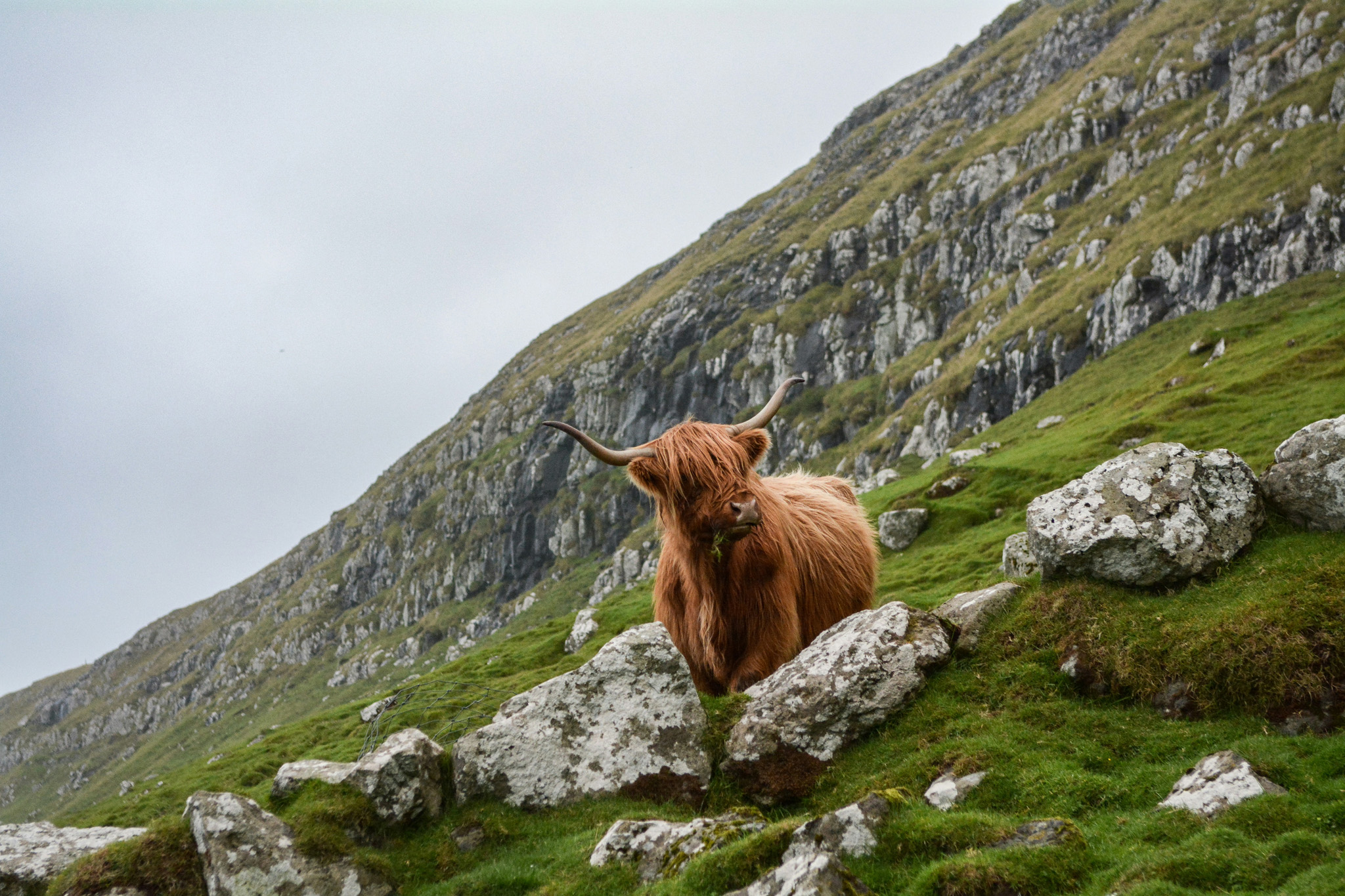
- Spot red deer, golden eagles, and wild salmon in Cairngorms National Park
The Inner & Outer Hebrides
A string of islands off the west coast, each with its own character, from whisky-soaked Islay to the white-sand beaches of Harris.
- Distillery hop on Islay, the smoky heart of Scotch whisky
- Sail to the Isle of Mull and onward to sacred Iona
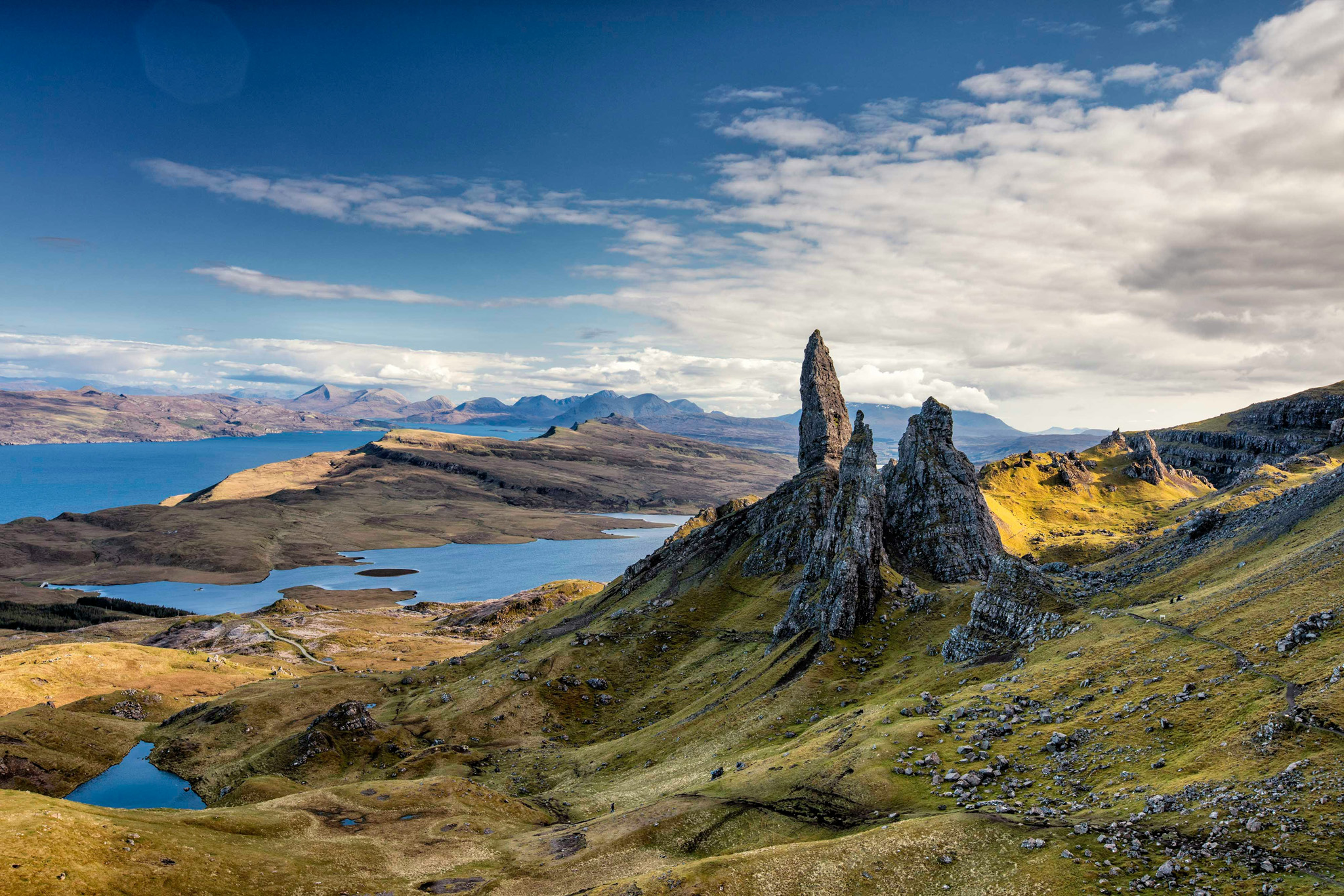
- Trek the Quiraing and Old Man of Storr on the Isle of Skye
- Lie on the turquoise beaches of Luskentyre and Scarista on Harris
- Visit the standing stones of Callanish on the Isle of Lewis
Orkney & Shetland
Scotland’s far northern archipelagos, closer to Norway than to London, layered with Neolithic, Viking, and seafaring history.
- Walk the 5,000-year-old village of Skara Brae on Orkney
- Stand inside the Ring of Brodgar at sunset
- Watch puffins nesting on Shetland’s sea cliffs in summer
- Visit Jarlshof, a Bronze Age to Viking settlement on Shetland’s southern tip
- Time a winter trip with the Up Helly Aa fire festival in Lerwick
The Cairngorms & Speyside
Scotland’s largest national park and the historic heart of single malt whisky country.
- Hike or ski in Cairngorms National Park
- Follow the Malt Whisky Trail through Speyside distilleries
- Spot reindeer in the Cairngorm herd, the only one in the UK
- Kayak on Loch Morlich beneath the Cairngorm plateau
- Ride the Strathspey Steam Railway through pine forest
🎒 Things To Do
- Walk a long-distance trail such as the West Highland Way or the Great Glen Way
- Tour a working distillery and learn how single malt is made
- Cruise the lochs of the Trossachs or Loch Lomond
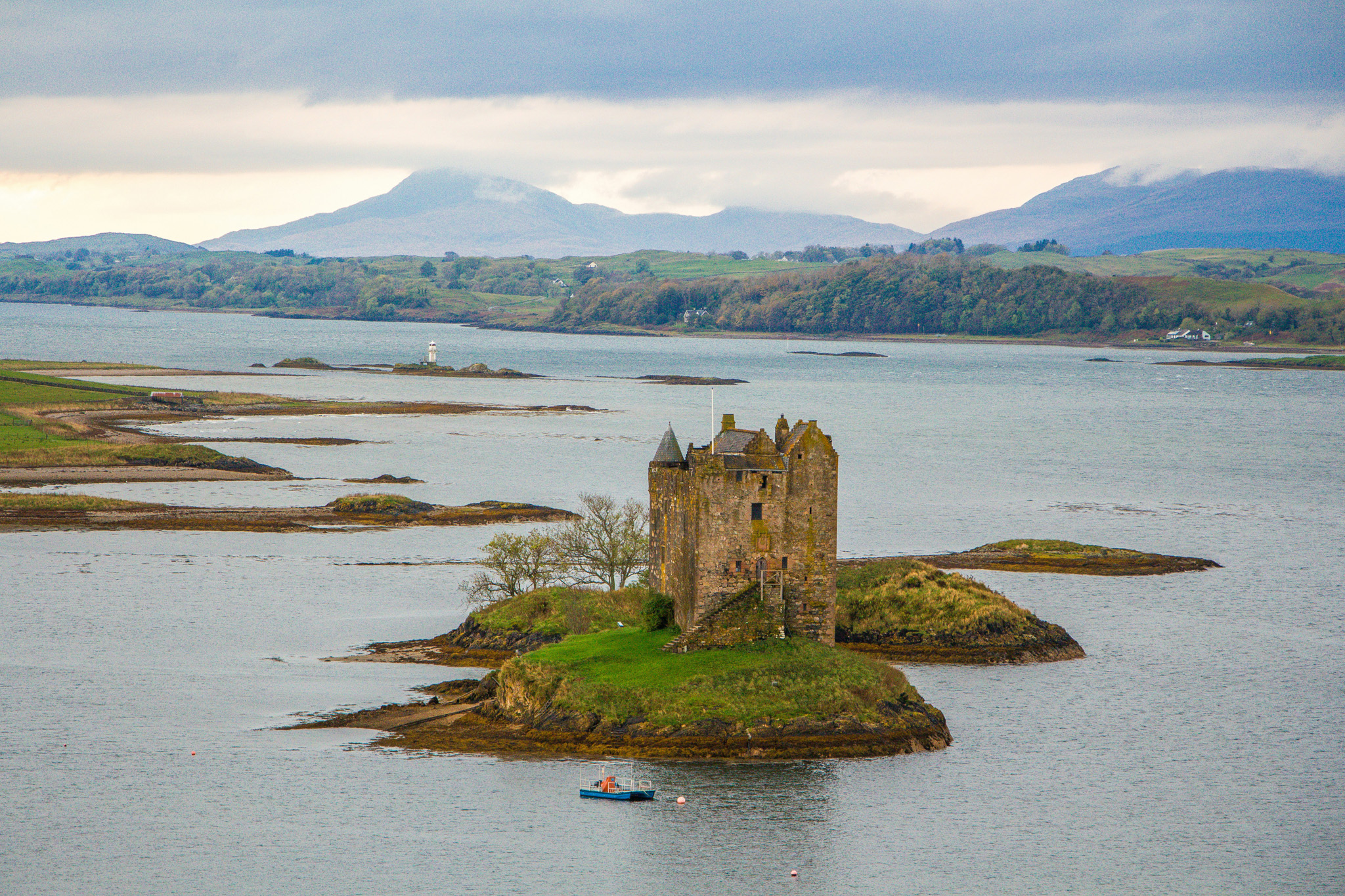
- Visit one of Scotland’s many castles, from Stirling to Dunnottar to Edinburgh
- Catch the Edinburgh Fringe in August, the world’s largest arts festival
- Take a ferry to a Hebridean island and stay at least one night
- Watch traditional Highland Games in summer, with caber toss and pipe bands
- Look for the Northern Lights in Shetland, Caithness, or the Cairngorms from autumn to early spring
- Wild swim in a Highland loch on a long summer evening
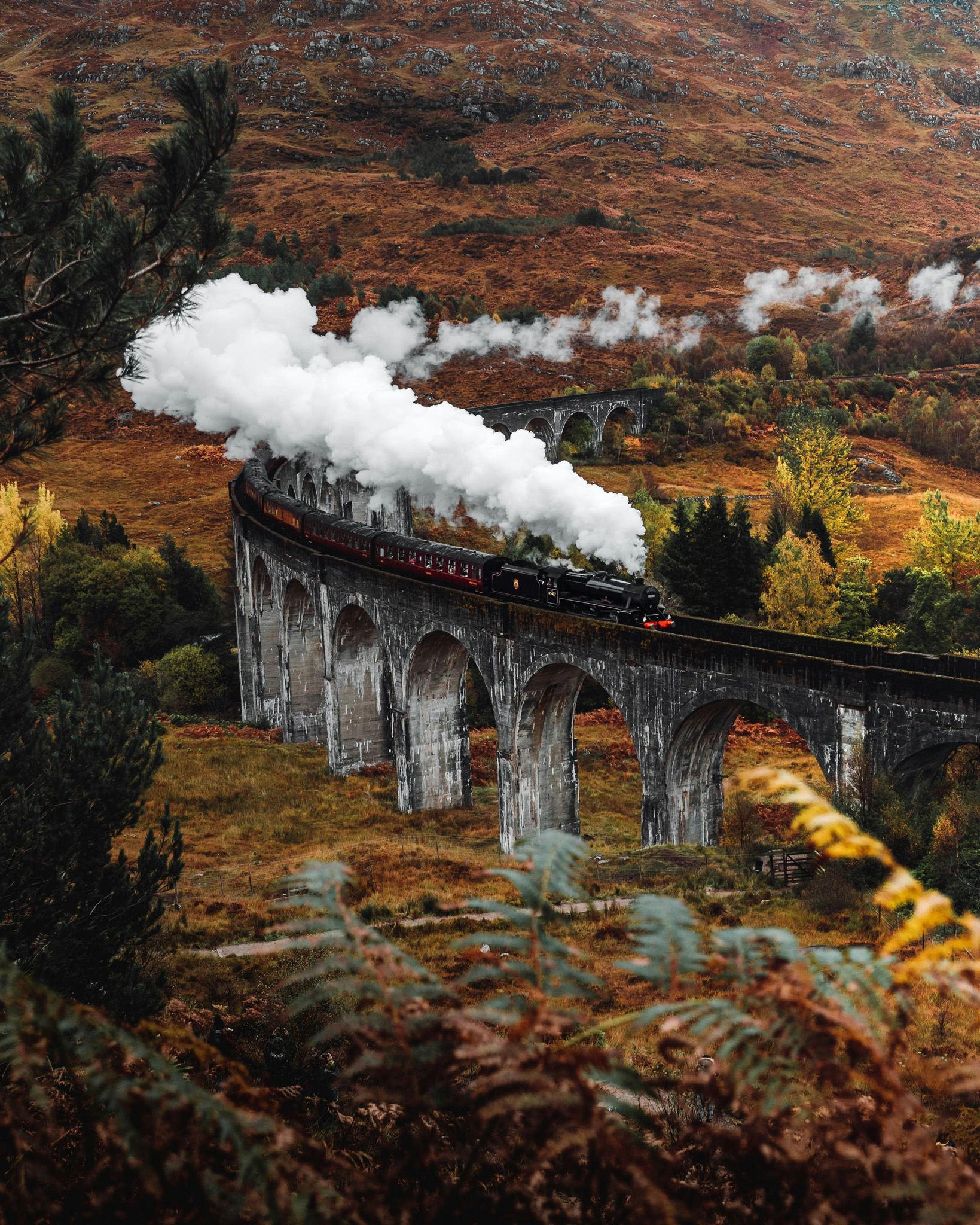
- Ride the Jacobite steam train across the Glenfinnan Viaduct
🍽️ Food & Drink
Scottish food has shed its reputation for being plain and has emerged as one of the most exciting larders in the UK, built on world-class seafood, grass-fed beef and lamb, foraged ingredients, and a deep whisky and craft beer culture. Expect generous portions, warming dishes, and a strong sense of place at the table.
- Try haggis, neeps and tatties, ideally on Burns Night or with a wee dram
- Tuck into Cullen skink, a smoked haddock and potato soup from the northeast
- Sample fresh langoustines, oysters, and scallops from the west coast
- Drink a single malt at the distillery where it was made
- Order a fish supper from a chippy, especially anywhere on the coast
- Finish a meal with cranachan, a layered dessert of cream, raspberries, oats, and whisky
🌦️ Weather
Scotland’s weather is famously changeable, with four seasons sometimes packed into a single day. Long summer days and short, dark winters define the year, and the west is wetter than the east thanks to Atlantic systems.
- Summer (June – August) averages 15-20°C in the south and slightly cooler in the Highlands
- Winter (December – February) ranges from 0-7°C, with snow likely in the hills and mountains
- The Highlands and west coast are noticeably wetter than Edinburgh and the east
- Daylight stretches to nearly 18 hours in midsummer in the far north
- Coastal areas are milder than inland; islands are windier than the mainland
- Midges (tiny biting insects) appear in the Highlands from late May to September, peaking in July and August
📅 Best Time To Visit
May – September (Peak & Shoulder Season)
- Warmest weather, longest days, and the festival calendar in full swing
- Best window for island hopping, hiking, and the North Coast 500
- Edinburgh in August is packed for Fringe and Tattoo – book accommodation months ahead
- Midges are at their worst in July and August in the Highlands
April & October (Quiet Shoulder)
- Fewer crowds, lower prices, and dramatic skies over an awakening or fading landscape
- Spring brings bluebells, lambing season, and longer daylight by April
- October delivers golden autumn colour in the Cairngorms and Trossachs
- Many remote attractions and ferries run reduced schedules
November – March (Off-Season)
- The quietest and most atmospheric time, with snow on the peaks and firelit pubs
- Best chance to see the Northern Lights in the north of Scotland
- Skiing and snowboarding possible in the Cairngorms and Glencoe in good years
- Daylight is short – around 7 hours in December – so plan activities accordingly
🎒 Packing List
- Waterproof jacket and waterproof overtrousers
- Sturdy walking shoes or hiking boots, well broken in
- Warm layers including a fleece or wool jumper, even in summer
- Quick-dry trousers and a few warmer pairs for evenings
- Hat, gloves, and a buff or scarf for cool mornings and exposed coasts
- Sunglasses and sunscreen (the sun is stronger than you’d expect)
- Insect repellent with DEET or picaridin for midge season
- UK plug adapter (Type G) and portable power bank
- Reusable water bottle – Scottish tap water is excellent
- Basic medical kit with blister plasters, painkillers, and any personal medication
- Electrolyte sachets for long walking days
- Daypack for hikes, with a rain cover
🛂 Visas & Entry Requirements
Scotland is part of the United Kingdom and follows UK-wide immigration rules. Most visitors do not need a visa for short stays but do need to arrange digital permission to travel before departure.
- Visitors from visa-exempt countries (including Australia, the US, Canada, the EU, EEA, and many others) need a UK Electronic Travel Authorisation (ETA) before travelling, currently £20 and valid for two years or until passport expiry
- The ETA allows multiple visits of up to 6 months at a time for tourism, family, business, or short study
- British and Irish citizens do not need an ETA; dual British citizens should travel on a British or Irish passport
- Passports should be valid for the duration of your stay
- ETAs are best applied for via the official UK ETA app or GOV.UK at least three working days before travel
Official information: https://www.gov.uk/eta
💰 Money
- The currency is the Pound Sterling (GBP, £), the same as the rest of the UK
- Scotland issues its own banknotes (Bank of Scotland, RBS, Clydesdale) – these are legal currency and accepted across the UK, though occasionally questioned in England
- Cards (including contactless and Apple/Google Pay) are accepted almost everywhere, including small cafes, taxis, and rural pubs
- ATMs are widely available in towns and cities; carry some cash for remote islands, small ferries, and Highland pubs
- Tipping is appreciated but not expected – around 10% in restaurants if service isn’t already included
- Round up taxi fares or leave small change at bars rather than tipping a percentage
💸 Hotel & Tourist Taxes
Scotland is in the process of introducing a Visitor Levy, with Edinburgh the first city to bring one in. Rules vary by local authority, so always check the latest before booking.
- From 24 July 2026, Edinburgh applies a 5% Visitor Levy on the cost of paid overnight accommodation, capped at the first 5 nights of any stay
- The levy applies to bookings made on or after 1 October 2025 for stays from 24 July 2026 onwards
- It covers hotels, B&Bs, guest houses, self-catering apartments, short-term rentals, hostels, and campsites
- Other Scottish councils (including Stirling and Highland) are developing their own schemes for 2027 onwards – check locally before booking
- The levy is charged before VAT and collected at the accommodation, usually at check-in or check-out
- There is no separate departure tax for travellers leaving Scotland
🌈 LGBTQIA+ Travellers
Scotland is one of the most LGBTQIA+ friendly destinations in the world, with strong legal protections and visible community life, particularly in the cities.
- Same-sex marriage has been legal in Scotland since 2014, and discrimination on grounds of sexuality or gender identity is unlawful
- Edinburgh and Glasgow have well-established LGBTQIA+ scenes, with bars, clubs, and annual Pride events
- Public displays of affection are generally accepted in cities and most towns
- Rural and island communities are typically warm and welcoming, though the visible scene is smaller
- Useful resources include LGBT Health and Wellbeing Scotland for information and support
⚠️ Traveller Safety
Scotland is a very safe country to travel in, with low rates of violent crime and a strong tradition of helpful locals. Most risks relate to weather and outdoor activities rather than personal safety.
- Petty theft can happen in tourist hotspots like Edinburgh’s Royal Mile – keep an eye on bags
- Hiking in the Highlands carries real risk: weather changes fast, mobile signal is patchy, and rescues are not always quick – tell someone your route
- Single-track roads and animals on the road (sheep, deer) demand careful driving, especially at dawn and dusk
- City centres are safe to walk at night, but use common sense around late-night nightlife areas
- Always check ferry and weather forecasts before island travel; cancellations are common in winter
- Emergency number is 999 (or 112)
💉 Vaccinations & Health
No specific vaccinations are required to enter Scotland, and the country has excellent medical infrastructure.
- Routine vaccinations (MMR, tetanus, diphtheria, polio) should be up to date
- No malaria or tropical disease risk
- Tick bites are possible in the Highlands and islands from spring to autumn – check for ticks after walks, as Lyme disease is present but uncommon
- Visitors are entitled to emergency NHS treatment but should not rely on this in place of travel insurance
- Pharmacies (chemists) are widely available and pharmacists can advise on minor ailments
Official information: https://www.nhsinform.scot/
🚗 Getting Around
- Trains link the main cities and many scenic routes (the West Highland Line is one of the world’s great rail journeys) – ScotRail is the main operator
- Long-distance buses (Citylink, FlixBus) reach most towns affordably and reliably
- Renting a car is the best way to explore the Highlands and islands; expect single-track roads with passing places
- Driving is on the left; an international or full home licence is accepted for short stays
- CalMac ferries connect the west coast islands; NorthLink ferries serve Orkney and Shetland – book vehicle spaces well ahead in summer
- City public transport is excellent in Edinburgh and Glasgow, with trams, buses, and the Glasgow Subway
✈️ Airports
Edinburgh Airport (EDI)
- Scotland’s busiest airport and the main international gateway, with strong connections across Europe, the Middle East, and North America.
Glasgow Airport (GLA)
- A major hub for transatlantic and European routes, well placed for the Highlands, Loch Lomond, and the west coast.
Aberdeen International Airport (ABZ)
- The main airport for northeast Scotland and Speyside, with European links and frequent flights to the northern isles.
Inverness Airport (INV)
- The gateway to the Highlands and the North Coast 500, with UK and limited European routes.
🗣️ Language
The primary language of Scotland is English, spoken by virtually everyone you will meet. You will also encounter Scots, a sister language to English with its own vocabulary and pronunciation, and Scottish Gaelic, the Celtic language historically spoken across the Highlands and still alive in parts of the Hebrides. Visitors travelling in Gaelic-speaking areas (especially the Outer Hebrides) will notice bilingual signage and may want to learn a few phrases as a sign of respect.
Common Phrases (Scottish Gaelic)
- Hello – Halò (HA-loh)
- Goodbye – Mar sin leat (mar shin lat)
- Please – Mas e do thoil e (mas eh doh hol eh)
- Thank you – Tapadh leat (TA-pa lat)
- Yes – Tha (ha)
- No – Chan eil (chan yel)
- Excuse me – Gabh mo leisgeul (gav mo lesh-kul)
- Sorry – Tha mi duilich (ha mee DOO-leech)
- Do you speak English? – A bheil Beurla agad? (a vil BYAR-la AK-ut)
- How much? – Dè a’ phrìs? (jay a freesh)
- Where is…? – Càit a bheil…? (kahtch a vil)
- Help – Cuideachadh (KOO-juch-uh)
- Cheers – Slàinte mhath (SLAHN-cha vah)
- One, two, three – Aon, dà, trì (urn, dah, tree)
- Welcome – Fàilte (FAHL-cha)
ℹ️ Practical Info
Electricity
UK Type G three-pin plugs, 230V standard voltage. Bring a Type G adapter.
Internet & WiFi
WiFi is widely available in hotels, cafes, pubs, and on most trains. Mobile data coverage is strong in cities and patchy in remote Highland and island areas – download offline maps before heading off-grid.
Water
Tap water is safe, excellent quality, and famously soft – bring a reusable bottle.
Travel Insurance
Comprehensive travel insurance is strongly recommended for all visitors. Make sure your policy covers hiking, hill walking, and any winter or watersports activities you plan to do, as well as medical evacuation from remote areas.
Connectivity SIM / eSIM
- UK SIM cards (EE, O2, Vodafone, Three) are easy to buy at airports, supermarkets, and high street shops
- Using an eSIM is our recommended choice while travelling anywhere in the world, and our recommended provider is Holafly. For more information on eSIMs, check out this blog.

❤️ Why Visit Scotland
Scotland is one of those rare places that manages to feel both intimately small and impossibly vast. You can wake in Edinburgh, walk the same cobbles where philosophers and writers shaped modern thought, and by evening be standing on a Highland ridge with not another soul in sight. Few countries thread their history, landscape, and culture together so tightly – a single afternoon can take in a ruined castle, a working distillery, and a stretch of empty white-sand beach.
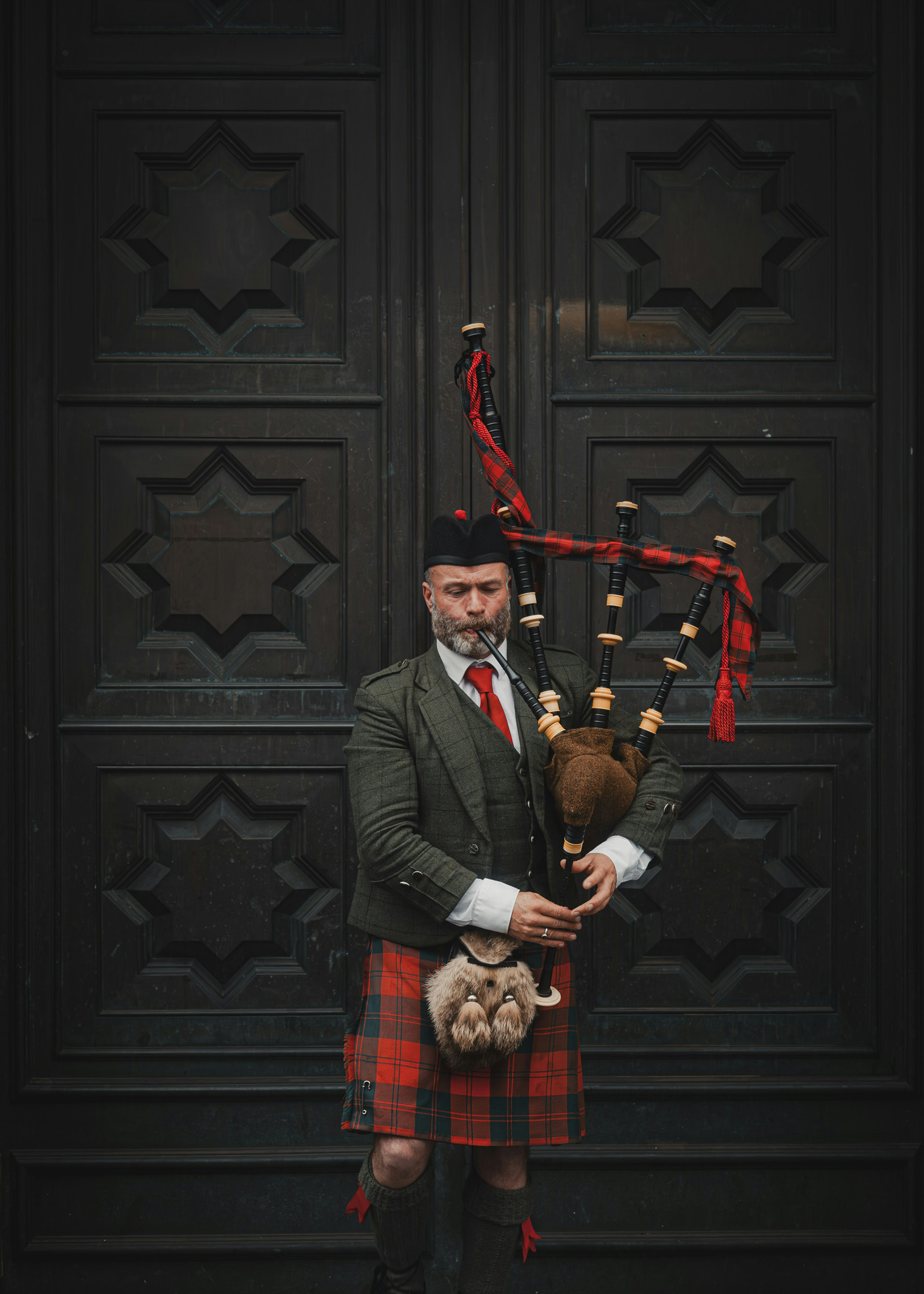
What lingers most for travellers is rarely the headline sights, though those are spectacular. It is the warmth of a pub conversation that turns into directions, then a story, then an invitation. It is the changing light on a sea loch. It is the unexpected pause when a single piper plays at the foot of a glen. Scotland’s beauty is rugged and unfussy, and its hospitality has a directness that feels genuinely earned rather than performed.
Come for the castles, the whisky, and the wild places, and stay because the country has a way of slowing you down and making you pay attention. Scotland does not try to dazzle – it simply opens its doors, pours you a dram, and lets the landscape do the talking.