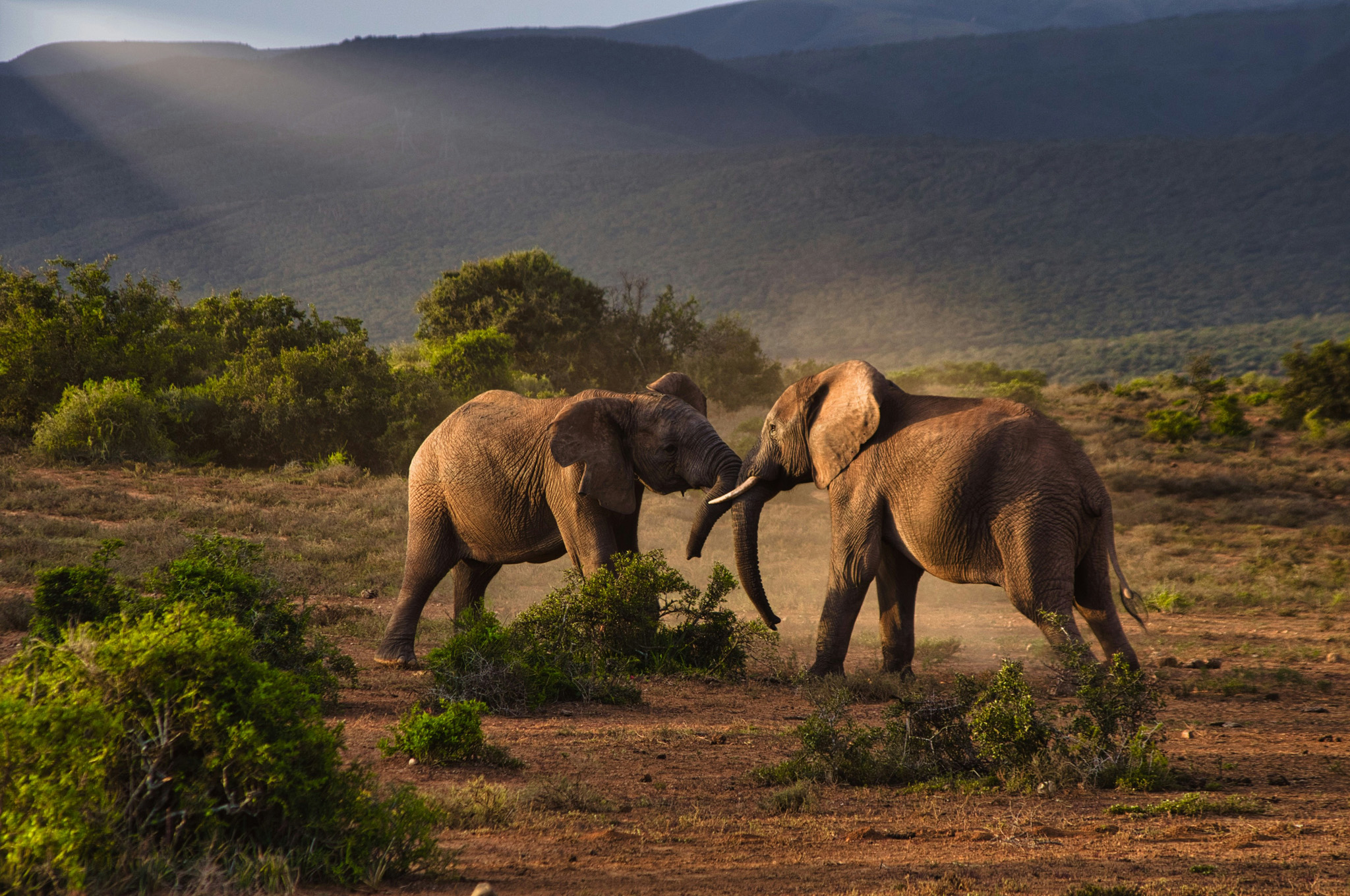
South Africa – Destination Guide
South Africa is a country of staggering range, where a single trip can take you from the wildlife-rich bushveld of the Kruger to the wind-scoured cliffs of the Cape Peninsula, and from cosmopolitan cities to vineyards folded into mountain valleys. Few destinations pack so much variety into one set of borders – dramatic coastline, semi-desert, subtropical forest, high grassland, and some of the best safari country on the continent.
The character of the place is shaped as much by its people as its landscapes. Eleven official languages, a layered and often difficult history, and a creative, resilient culture give South Africa a depth that rewards travellers who slow down and engage. Cities like Cape Town and Johannesburg buzz with food, art, and music, while small towns along the Garden Route and in the winelands offer a gentler pace.
It is a destination that delivers both the iconic and the unexpected, and one that consistently leaves travellers planning their return before they have even left.
🗺️ Regions to Explore
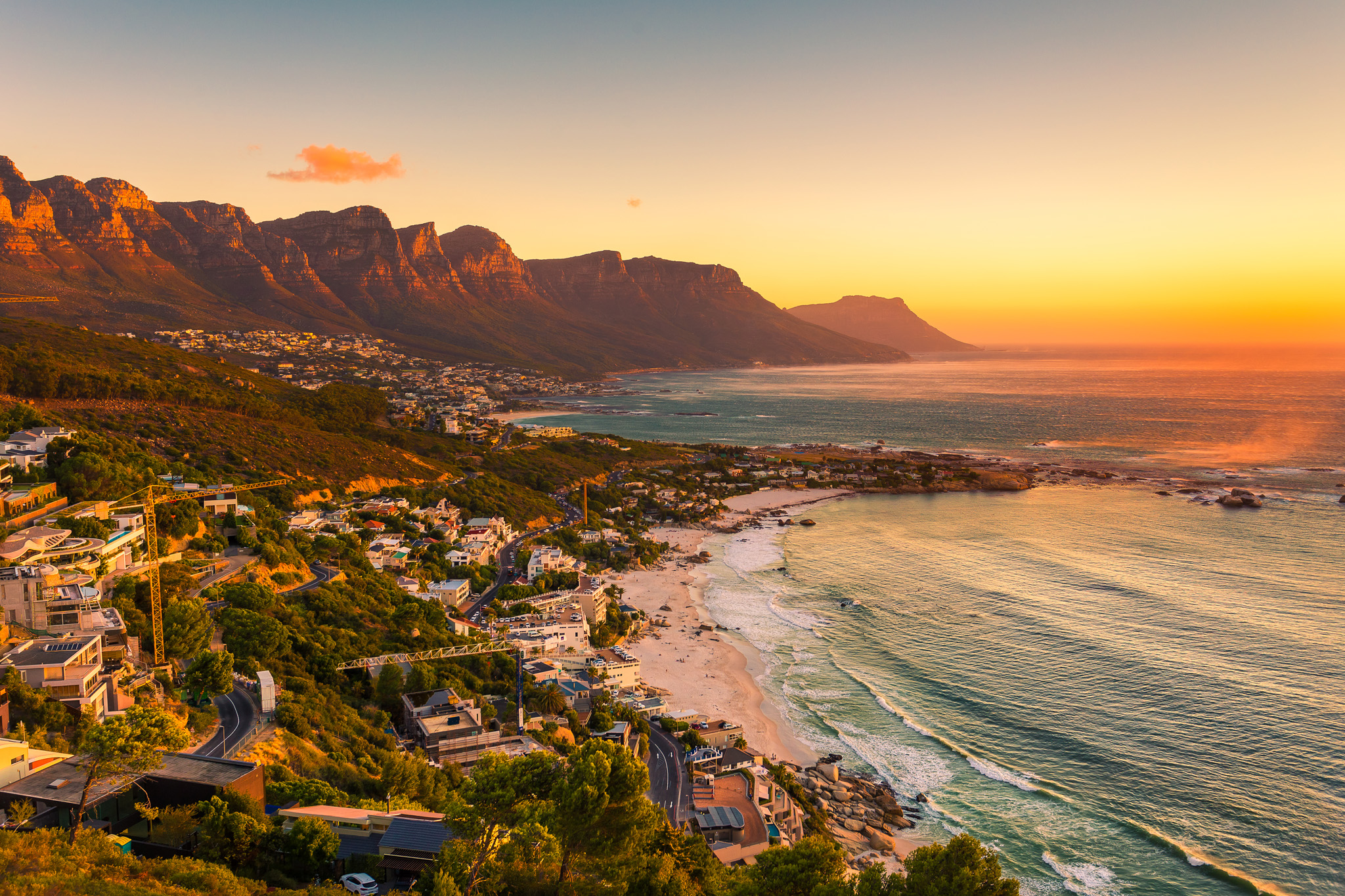
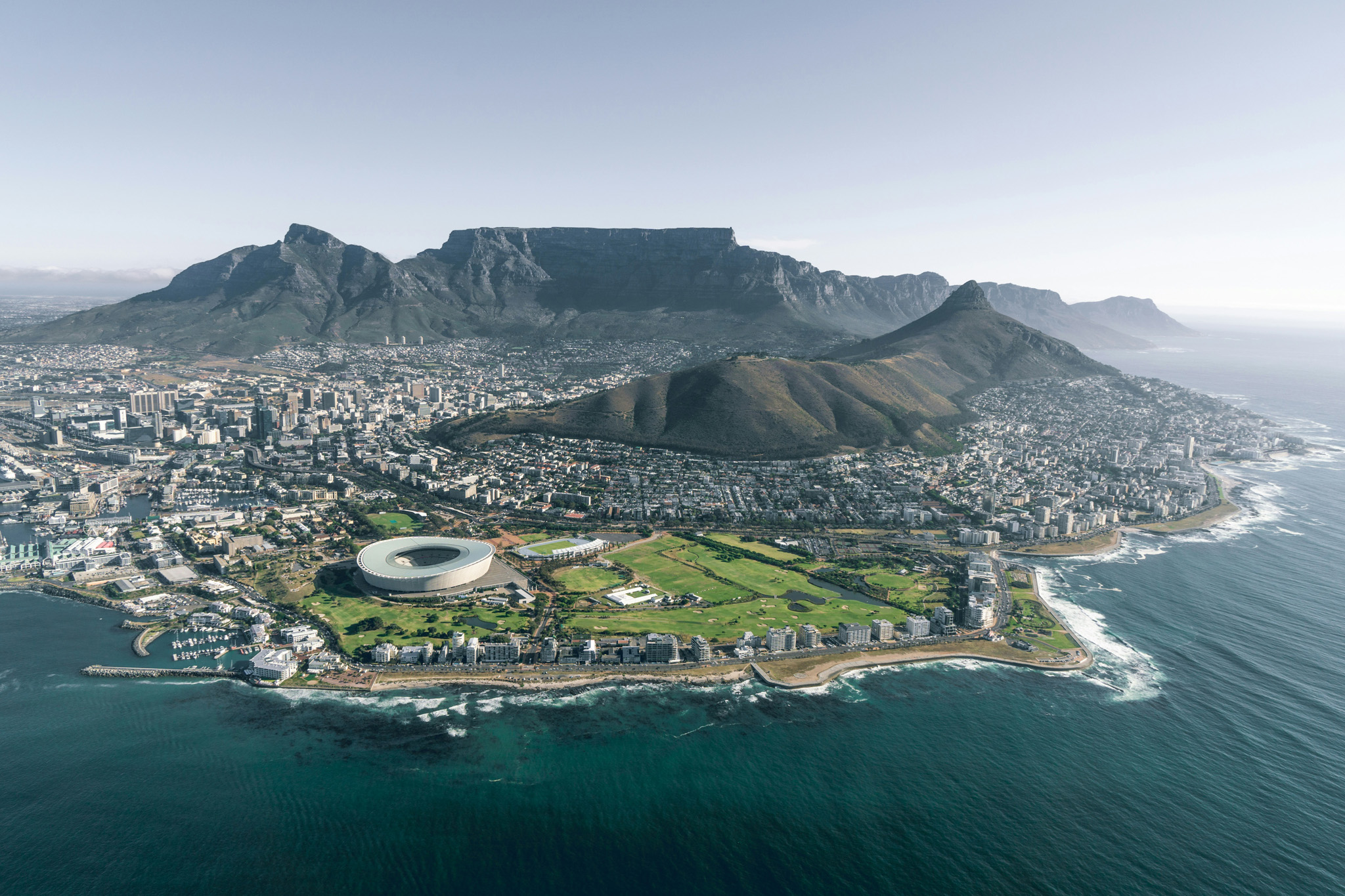
Cape Town & the Cape Peninsula
The Mother City wraps around Table Mountain and stretches down a peninsula of beaches, fishing villages, and cliff-hugging roads.
- Ride the cableway up Table Mountain for sweeping city and ocean views
- Visit Cape Point and the Cape of Good Hope at the peninsula’s tip
- See the African penguin colony at Boulders Beach
- Explore the V&A Waterfront and take a boat to Robben Island
- Drive the Chapman’s Peak coastal road
- Wander the colourful streets of the Bo-Kaap
The Winelands
A patchwork of historic towns and estates set among the mountains just inland from Cape Town.
- Taste award-winning wines in Stellenbosch and Franschhoek
- Tour Cape Dutch estates with cellar visits and food pairings
- Ride the Franschhoek wine tram between vineyards
- Sample farm-to-table dining in valley restaurants
- Walk or cycle through the vineyards in the cooler months
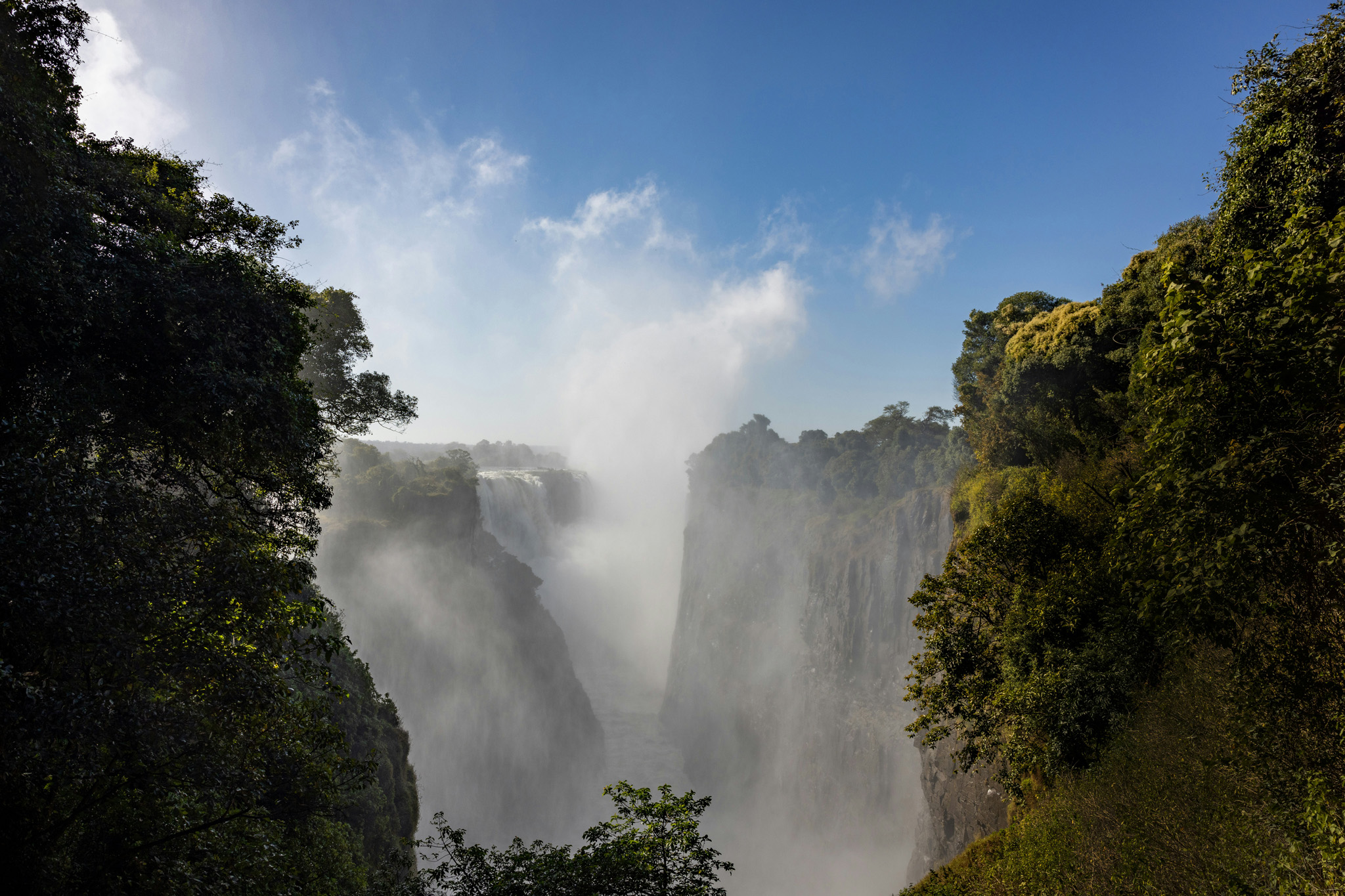
The Garden Route
A scenic coastal stretch of forest, lagoons, and beaches running between Mossel Bay and Storms River.
- Walk forest trails in Tsitsikamma National Park
- Spot dolphins and whales from the coastal lookouts
- Visit the wildlife sanctuaries near Plettenberg Bay
- Try bungee jumping from Bloukrans Bridge
- Kayak the lakes and estuaries around Wilderness
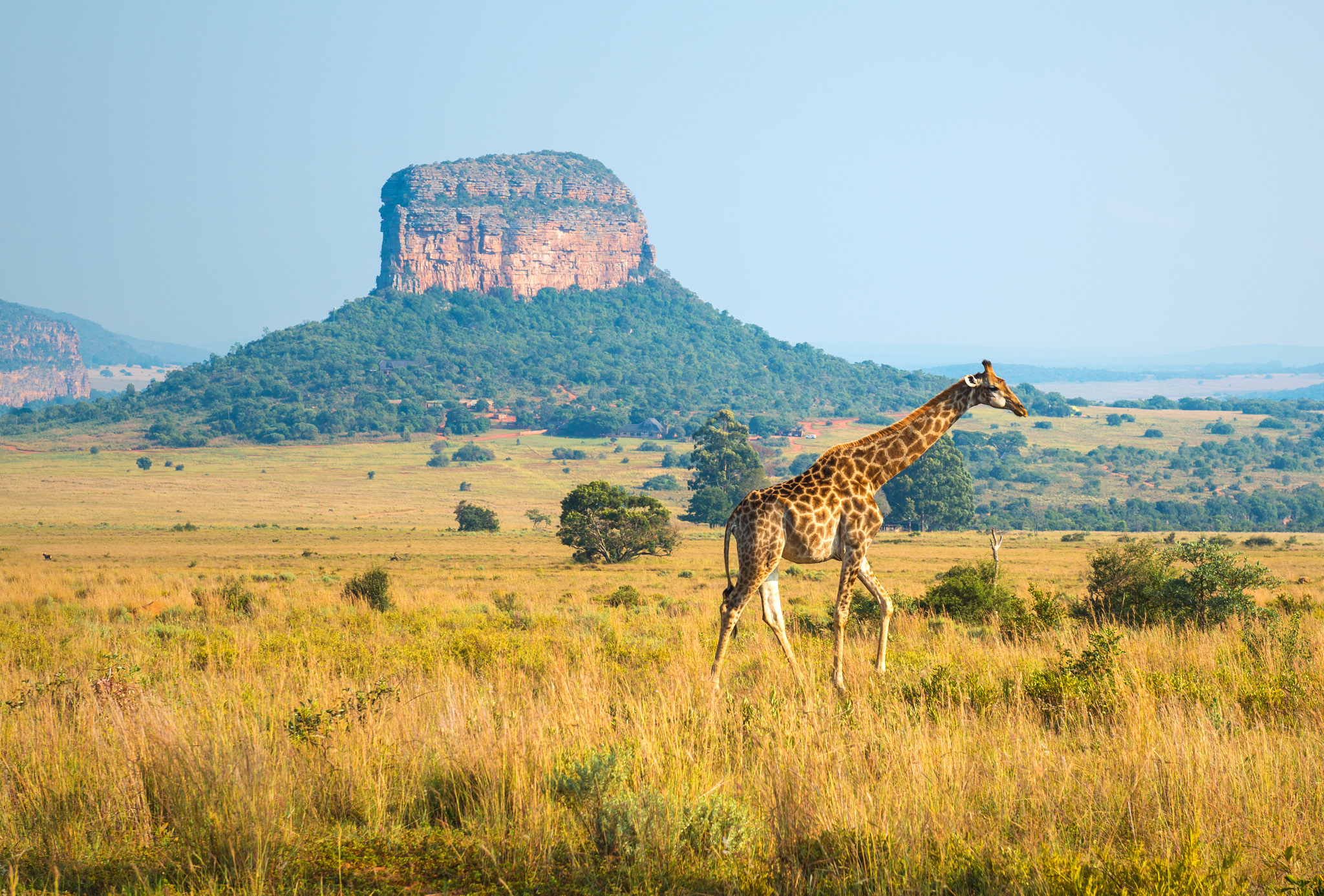
Kruger National Park & the Lowveld
South Africa’s flagship safari region, a vast wilderness of bushveld in the country’s northeast.
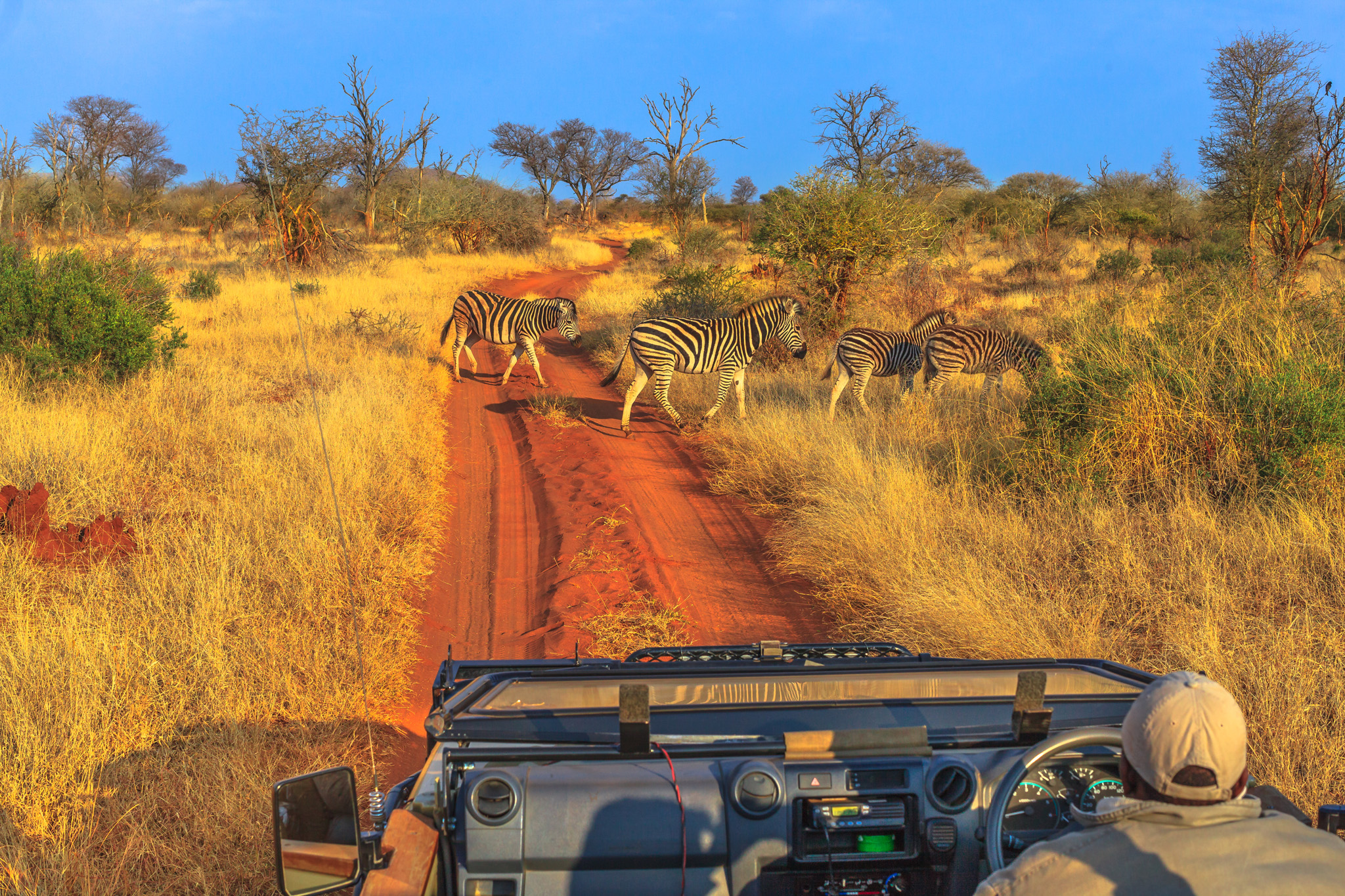
- Track the Big Five on game drives and guided walks
- Stay in private reserves bordering the park for exclusive sightings
- Watch the Blyde River Canyon and Panorama Route on the way in
- Take an open-vehicle dawn safari for the best wildlife activity
- Combine the park with luxury lodges or self-drive camps
Johannesburg & the Cradle of Humankind
The country’s largest city, energetic and fast-moving, with deep historical and cultural sites nearby.
- Visit the Apartheid Museum and Constitution Hill
- Take a guided tour through Soweto
- Explore the fossil sites of the Cradle of Humankind
- Discover the galleries and markets of Maboneng and Braamfontein
- Use the city as a gateway to Kruger and beyond
KwaZulu-Natal & the Drakensberg
A subtropical eastern province of beaches, mountains, and Zulu heritage.
- Hike the soaring peaks and amphitheatres of the Drakensberg
- Relax on the warm Indian Ocean beaches around Durban
- Explore the wetlands and wildlife of iSimangaliso
- Learn about Zulu history at battlefield and cultural sites
- Snorkel and dive the reefs of the Sodwana Bay area
🎒 Things To Do
- Track the Big Five on a safari in Kruger or a private game reserve
- Ride the cableway or hike up Table Mountain in Cape Town
- Taste your way through the Stellenbosch and Franschhoek winelands
- Drive the Garden Route between Cape Town and Port Elizabeth
- Visit Robben Island and the Apartheid Museum to understand the country’s history
- Walk among penguins at Boulders Beach
- Hike the dramatic peaks and gorges of the Drakensberg
- Take a township tour in Soweto with a local guide
- Watch whales from the cliffs of Hermanus in season
- Bungee jump from Bloukrans Bridge on the Garden Route
🍽️ Food & Drink
South African cuisine reflects its mix of cultures, drawing on indigenous, European, Malay, and Indian influences. Meals are often social, generous, and built around the grill, with world-class wine never far away.
- Braai, the South African barbecue and a cornerstone of social life
- Boerewors, a coiled farmhouse sausage usually cooked on the braai
- Bobotie, a spiced minced meat bake with an egg-based topping
- Biltong and droewors, air-dried cured meat snacks
- Cape Malay curries and bunny chow, a Durban curry served in a hollowed loaf
- South African wines from the Cape, plus craft beers and rooibos tea
🌦️ Weather
South Africa has a generally mild, sunny climate, though conditions vary widely between regions and the seasons are reversed from the northern hemisphere.
- Summer runs roughly November – March, with warm to hot days
- Winter runs roughly June – August, cooler and drier in most regions
- Cape Town has a Mediterranean climate with wet winters and dry summers
- The Kruger and Lowveld are hot and humid in summer, mild and dry in winter
- The Drakensberg can be cold with occasional snow on the peaks in winter
- Coastal areas stay relatively temperate year-round, with warm seas on the east coast
📅 Best Time To Visit
May – September (Dry Season)
- Best time for safari, with thin vegetation and animals gathering at water
- Cool, dry, and comfortable in the bushveld and interior
- Cape Town is in its wet winter, so pair this with the east and north
October – November & March – April (Shoulder Seasons)
- Pleasant weather across most of the country and fewer crowds
- Good value on lodges and accommodation
- Spring wildflowers in the Cape and lush green landscapes after the rains
December – February (Summer Peak)
- Peak season for Cape Town and the coast, with warm, sunny beach weather
- Busy and more expensive, especially over the festive period
- Hot and humid in the Kruger, with afternoon thunderstorms common
🎒 Packing List
- Lightweight, breathable clothing for warm days
- Warm layers and a fleece for cool mornings, evenings, and the Drakensberg
- A waterproof jacket or rain shell
- Neutral-coloured clothing for safari game drives
- Comfortable walking shoes and sandals
- Sun protection – hat, sunglasses, and high-SPF sunscreen
- Insect repellent, especially for malaria-risk areas
- A small medical kit with any personal medication
- Electrolyte sachets for hot days and active travel
- A universal power adapter for South African sockets
- A reusable water bottle
- Binoculars and a camera with a zoom lens for wildlife

🛂 Visas & Entry Requirements
Entry requirements depend on your nationality, and South Africa is in the process of digitising its system.
- Citizens of many countries, including Australia, the UK, the US, Canada, and most of the EU, can enter visa-free for stays of up to 90 days
- South Africa is rolling out an Electronic Travel Authorisation (ETA), an online pre-clearance system being expanded to more nationalities and ports of entry through 2026
- Travellers from countries that require a visa should apply in advance through VFS Global, an embassy, or the eVisa platform
- Passports should be valid for at least 30 days beyond your intended departure date and have at least two blank pages
- Be prepared to show proof of onward or return travel and sufficient funds
- Official information: http://www.dha.gov.za
💰 Money
- The currency is the South African Rand (ZAR)
- Cards are widely accepted in cities, towns, restaurants, and most lodges
- Carry some cash for markets, tips, small vendors, and rural areas
- ATMs are common in cities and towns, though shield your PIN and use machines in secure locations
- Tipping is customary – around 10-15% in restaurants, and small amounts for petrol attendants, car guards, and porters
- Notify your bank of travel plans and keep an eye out for card-skimming scams
💸 Hotel & Tourist Taxes
South Africa does not have a nationwide tourist tax, but some accommodation charges may apply.
- A 1% Tourism Levy is added to room rates at many hotels and graded establishments
- VAT of 15% generally applies and is usually included in quoted accommodation prices
- Some city or local levies and conservation fees may apply at certain lodges and reserves
- National park entry is charged through a daily conservation fee, separate from accommodation
- Charges are typically settled at check-in or check-out by card or cash
🌈 LGBTQIA+ Travellers
South Africa has the most progressive legal framework for LGBTQIA+ people on the continent.
- Same-sex marriage has been legal since 2006, and the constitution explicitly prohibits discrimination based on sexual orientation
- Cape Town is widely regarded as a welcoming and vibrant destination, with an established scene and an annual Pride event
- Major cities are generally accepting, though attitudes can be more conservative in rural and township areas
- Public displays of affection are best judged by setting, as they would be anywhere
- South Africa hosts several Pride celebrations through the year, with Cape Town and Johannesburg the largest
⚠️ Traveller Safety
South Africa is rewarding to visit but does have notable crime in some areas, so sensible precautions matter.
- Crime rates vary widely by area – stay aware in cities and avoid displaying valuables
- Use registered taxis or ride-hailing apps rather than walking alone, particularly after dark
- On safari, always follow the instructions of guides and rangers and never approach wildlife
- Keep car doors locked and windows up in urban traffic, and avoid leaving items visible in vehicles
- Use reputable, licensed tour operators and guides for excursions and transfers
- Emergency number is 112
💉 Vaccinations & Health
No vaccinations are mandatory for most travellers, but some are recommended depending on your itinerary.
- A yellow fever certificate is required if arriving from or transiting a country with yellow fever risk
- Routine vaccinations should be up to date, and hepatitis A and typhoid are commonly recommended
- Malaria is a risk in parts of the northeast, including the Kruger and the Lowveld, so consider antimalarial medication
- Tap water is safe in most cities, but take care in remote areas
- Private healthcare in cities is of a high standard, but treatment must usually be paid for upfront
- Official information: https://wwwnc.cdc.gov/travel/destinations/traveler/none/south-africa
🚗 Getting Around
- Domestic flights efficiently connect Johannesburg, Cape Town, Durban, and other hubs
- Self-driving is popular and well-suited to the Garden Route and winelands, with good main roads
- South Africa drives on the left, and an international driving permit is recommended
- Long-distance bus services connect major cities and towns
- Ride-hailing apps operate in the main cities and are a convenient way to get around
- Guided tours and transfers are a good option for safari areas and unfamiliar regions
✈️ Airports
O. R. Tambo International Airport (JNB)
- The country’s largest airport, in Johannesburg, and the main international gateway
Cape Town International Airport (CPT)
- The principal airport for Cape Town, the winelands, and the Garden Route
King Shaka International Airport (DUR)
- Serves Durban and the KwaZulu-Natal coast, with some international routes

🗣️ Language
South Africa has eleven official languages, including English, Afrikaans, Zulu, and Xhosa. English is widely spoken in cities, tourism, and business, and is the most common language for travellers to get by in. Zulu and Xhosa are among the most widely spoken first languages, and a few words in a local language are always warmly received. The phrases below are given in Zulu.
Common Phrases
- Hello – Sawubona (sah-woo-BOH-nah)
- Goodbye – Hamba kahle (HAM-bah GASH-leh)
- Please – Ngiyacela (ngee-yah-CEH-lah)
- Thank you – Ngiyabonga (ngee-yah-BON-gah)
- Yes – Yebo (YEH-boh)
- No – Cha (chah)
- Excuse me – Uxolo (oo-KAW-law)
- Sorry – Ngiyaxolisa (ngee-yah-kaw-LEE-sah)
- Do you speak English? – Uyakhuluma isiNgisi? (oo-yah-koo-LOO-mah ee-see-NGEE-see)
- How much? – Yimalini? (yee-mah-LEE-nee)
- Where is…? – Iphi…? (EE-pee)
- Help – Siza (SEE-zah)
- Cheers – Halala (hah-LAH-lah)
- One, two, three – Kunye, kubili, kuthathu (KOO-nyeh, koo-BEE-lee, koo-TAH-too)
- How are you? – Unjani? (oon-JAH-nee)
ℹ️ Practical Info
Electricity
- South Africa mainly uses Type M, Type N, and Type C plugs, with a standard voltage of 230V
Internet & WiFi
- WiFi is widely available in hotels, lodges, cafes, and restaurants in cities and towns; mobile data coverage is good in populated areas but can be patchy in remote regions
Water
- Tap water is generally safe to drink in major cities, but bottled or filtered water is advised in rural and remote areas
Travel Insurance
- Comprehensive personal travel insurance is strongly recommended, and should cover medical care, evacuation, and adventure activities such as safaris, hiking, and bungee jumping, as private healthcare must be paid for upfront
Connectivity SIM / eSIM
- Local SIM cards are inexpensive and available at airports and mobile shops, though registration requires your passport
- Using an eSIM is our recommended choice while travelling anywhere in the world, and our recommended provider is Holafly. For more information on eSIMs, check out this blog.

❤️ Why Visit South Africa
South Africa is one of those rare destinations that satisfies almost every kind of traveller. Wildlife enthusiasts can track the Big Five at dawn, food and wine lovers can spend days in the Cape winelands, hikers can lose themselves in the Drakensberg, and city travellers can dive into the art, music, and history of Cape Town and Johannesburg – often within the same trip.
What stays with most visitors, though, is the feeling of the place. It is a country that has lived through enormous change, and that history is woven into everything from its museums to its music to the warmth of the people you meet along the way. There is depth here, and a sense of a nation still writing its story.
For travellers who want landscape, wildlife, culture, and adventure in equal measure, few places deliver as completely. South Africa does not just give you a holiday – it gives you a reason to come back.