Sweden – Destination Guide
Sweden stretches long and lean down the eastern flank of Scandinavia, a country where deep pine forest, glassy lakes and a coastline of thousands of islands give way, in the far north, to Arctic tundra and mountains lit by the midnight sun. It is a place of striking contrasts – the polished design and café culture of Stockholm sit only a few hours from silent wilderness where you might paddle for a day without seeing another soul.
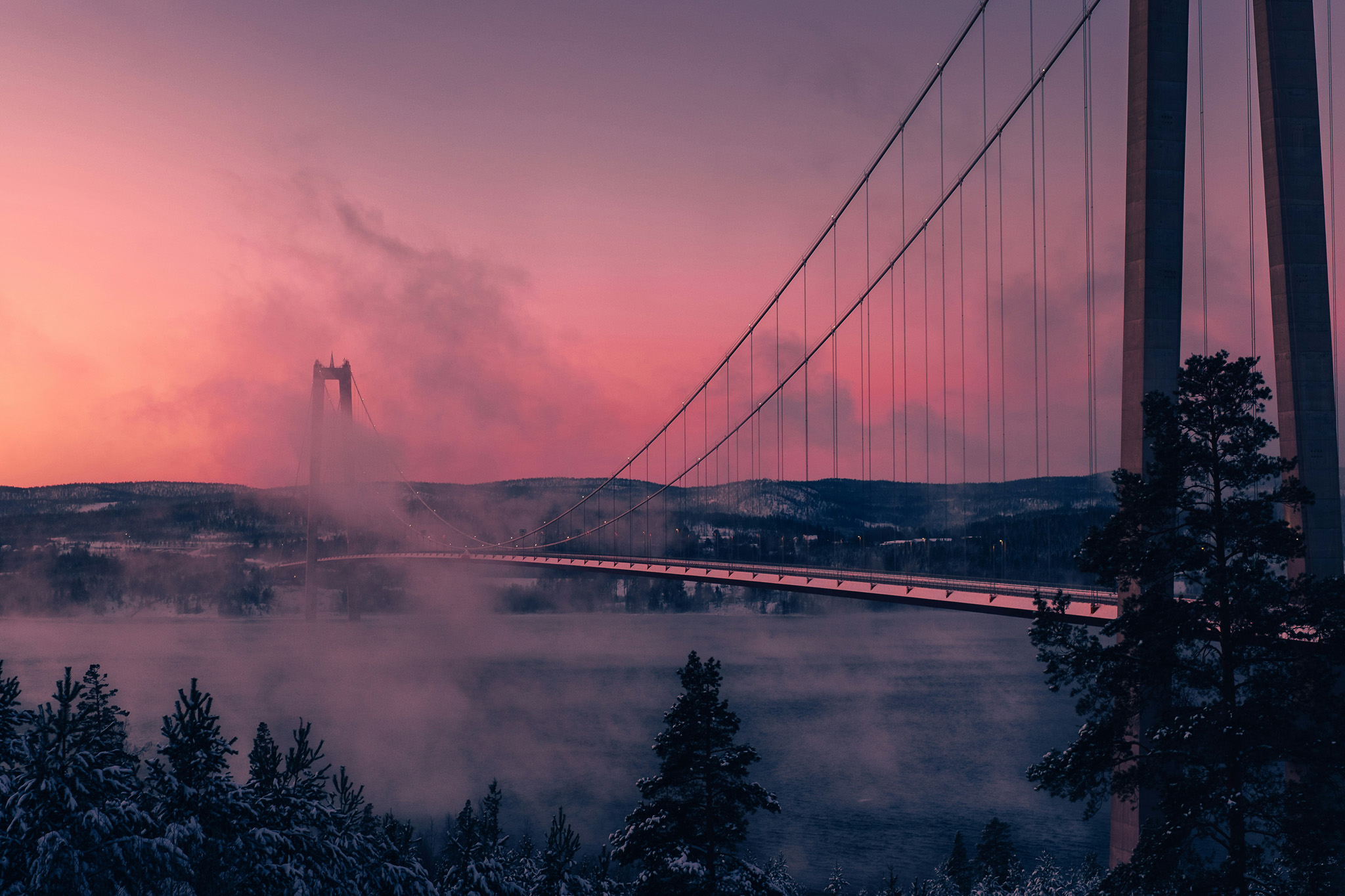
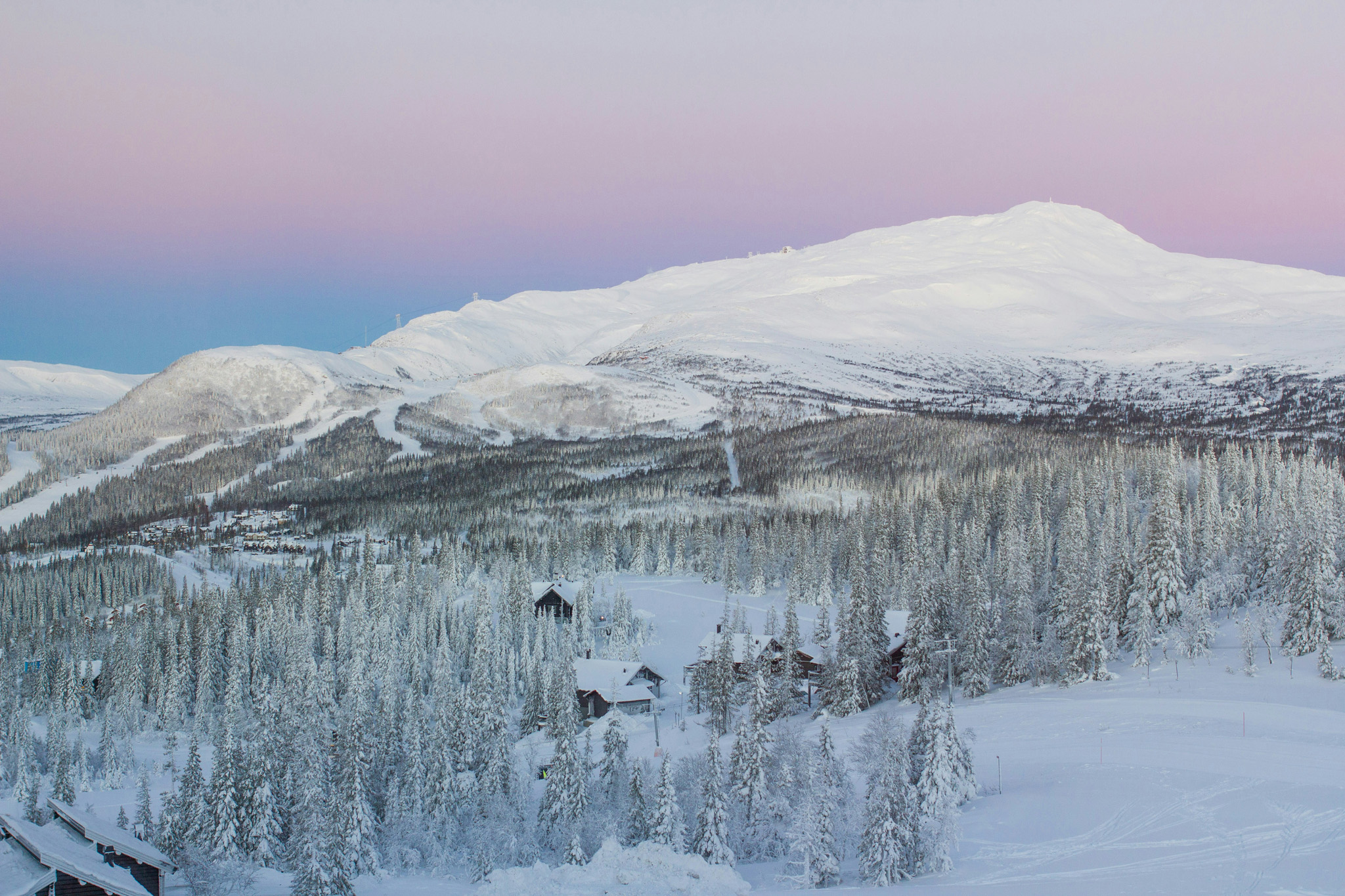
This is a destination built for slow travel and quiet wonder. In summer the days barely end, with light lingering past midnight and locals decamping to red-painted cottages by the water. In winter the country turns to a hushed white, the perfect stage for dog sledding, ice hotels and the green ripple of the aurora overhead. Sweden does seasons with full commitment, and each one offers a completely different trip.
What ties it all together is a national gift for balance – between city and nature, between modern and traditional, between effort and rest. Few places make it so easy to feel both adventurous and entirely at ease, and that combination is what makes Sweden so rewarding.
🗺️ Regions to Explore
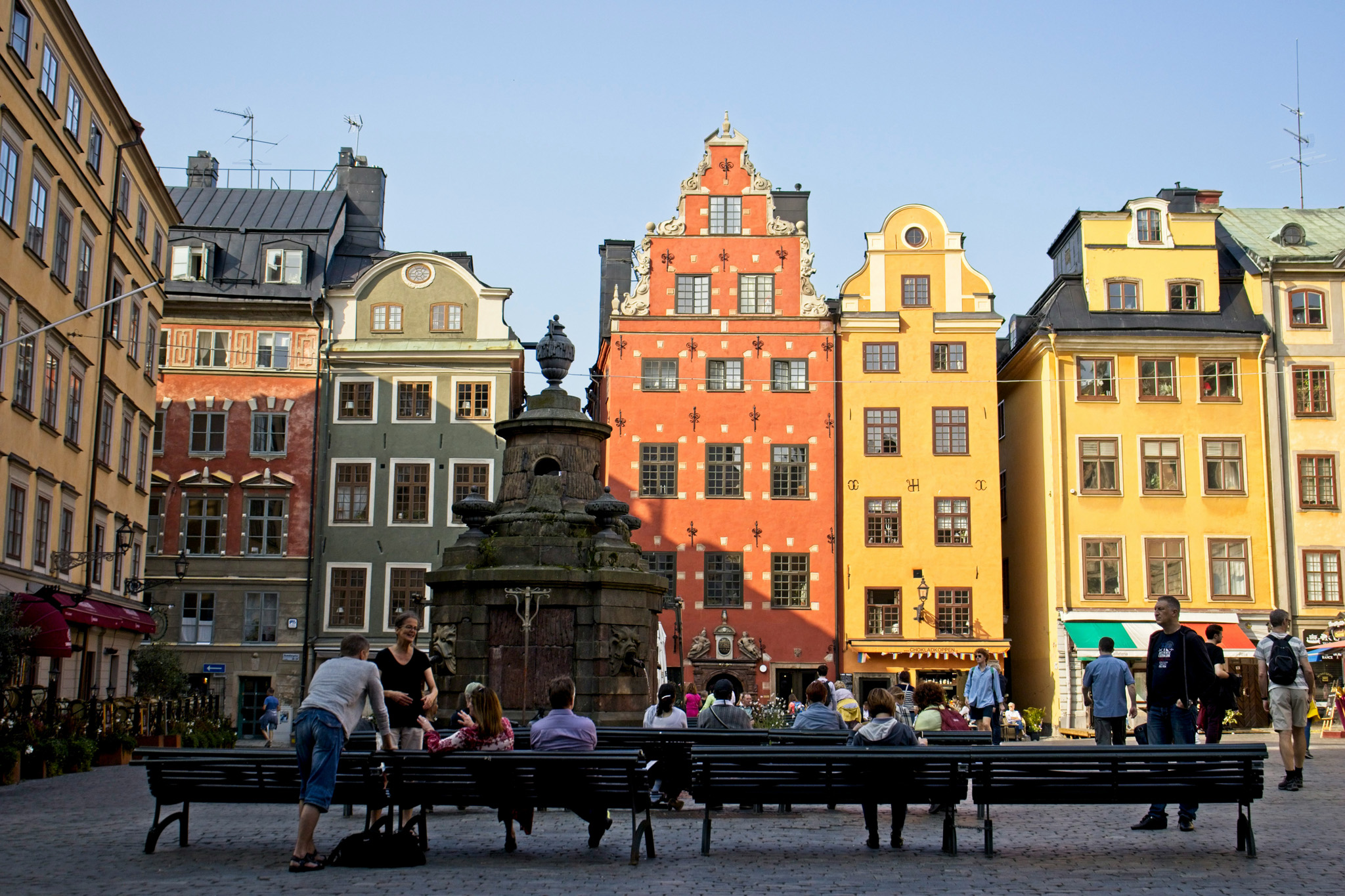
Stockholm and the Archipelago
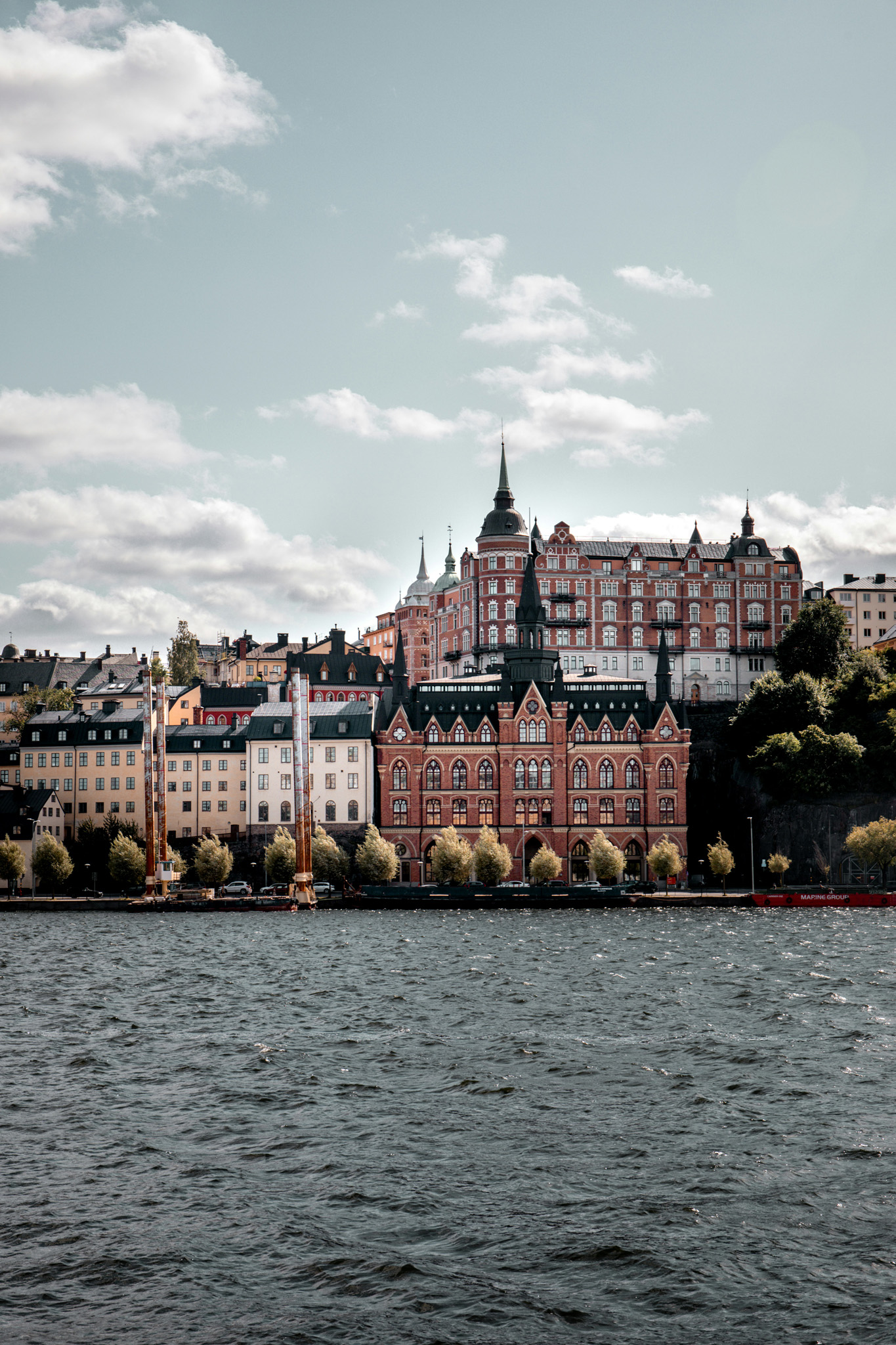
The capital spreads across fourteen islands, with a watery archipelago of thousands more fanning out into the Baltic.
- Wandering the cobbled lanes of Gamla Stan, the old town
- Visiting the Vasa Museum and its salvaged 17th century warship
- Island hopping by ferry through the Stockholm archipelago
- Browsing design boutiques and concept stores in Södermalm
- Swimming and kayaking from rocky islets in summer
Swedish Lapland
The Arctic north is a vast wilderness of tundra, forest and mountain, and the heartland of Sámi culture.
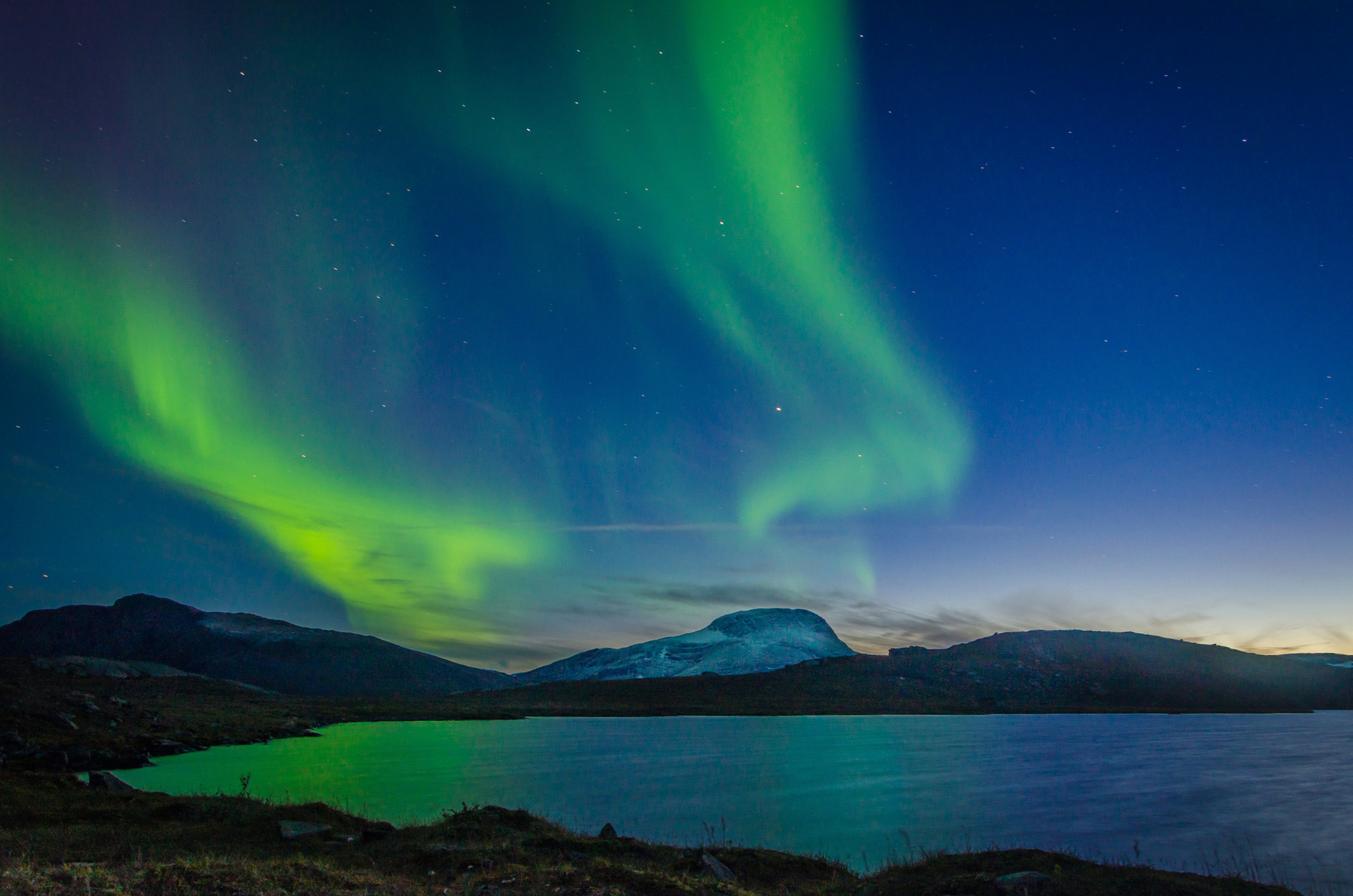
- Chasing the northern lights between September and March
- Staying at the ICEHOTEL in Jukkasjärvi
- Dog sledding and snowmobiling across frozen landscapes
- Experiencing the midnight sun in summer
- Learning about Sámi reindeer herding traditions
Gothenburg and the West Coast
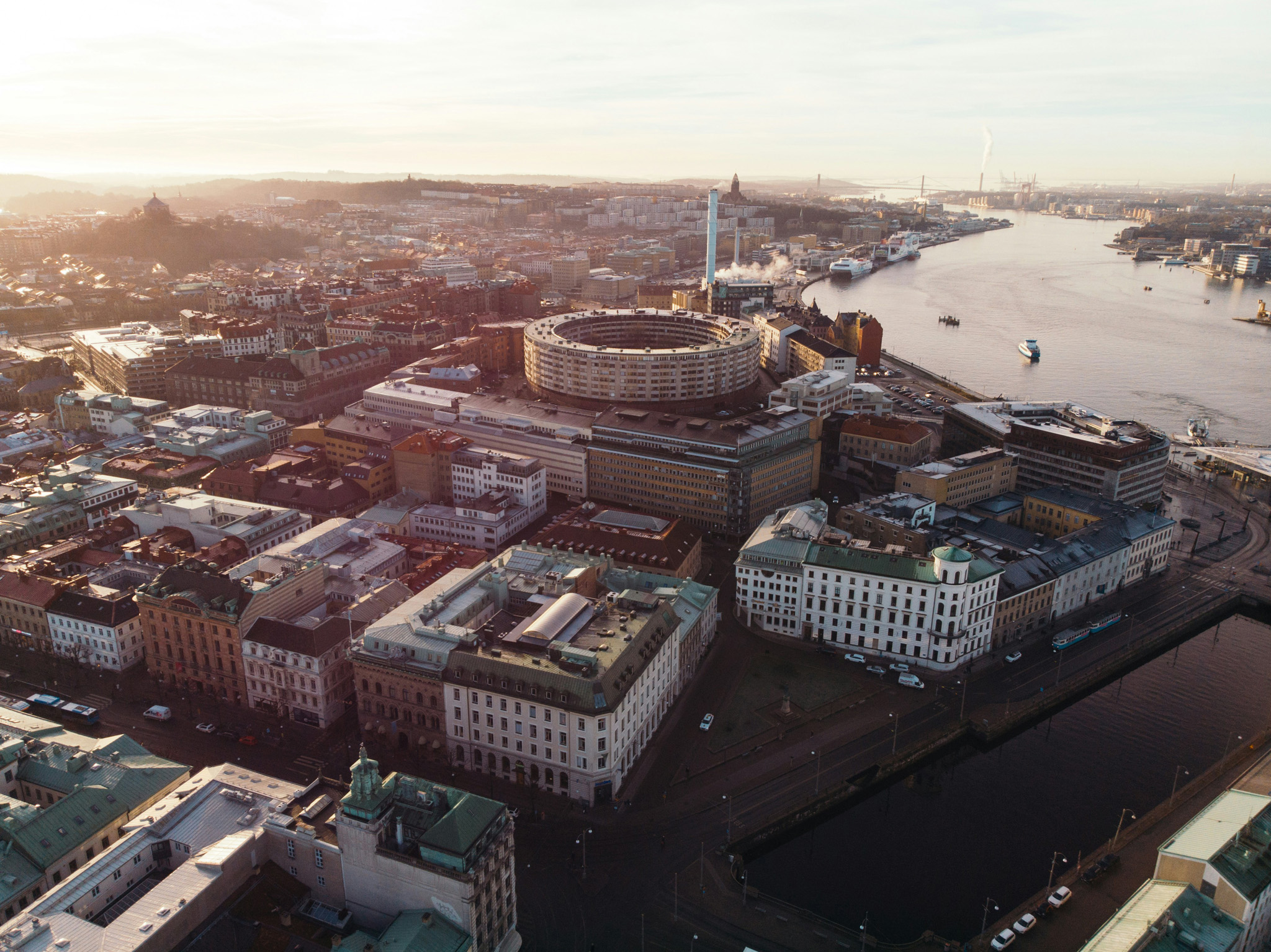
Sweden’s second city is a relaxed, seafaring place fringed by a rugged coastline of granite and fishing villages.
- Eating fresh seafood at the Feskekôrka fish market
- Exploring the Bohuslän coast and its smooth pink rocks
- Riding the rides at the Liseberg amusement park
- Sampling the city’s renowned café and food scene
- Taking a boat to the car-free southern archipelago
Skåne and the South
The southern tip of the country is gentle and pastoral, with rolling farmland, castles and a Danish-influenced character.
- Crossing the Öresund Bridge between Malmö and Copenhagen
- Visiting the medieval cathedral city of Lund
- Cycling the flat, easy country lanes and coastline
- Exploring castles and manor houses set among fields
- Tasting the produce of Sweden’s most fertile region
Dalarna and the Lake District
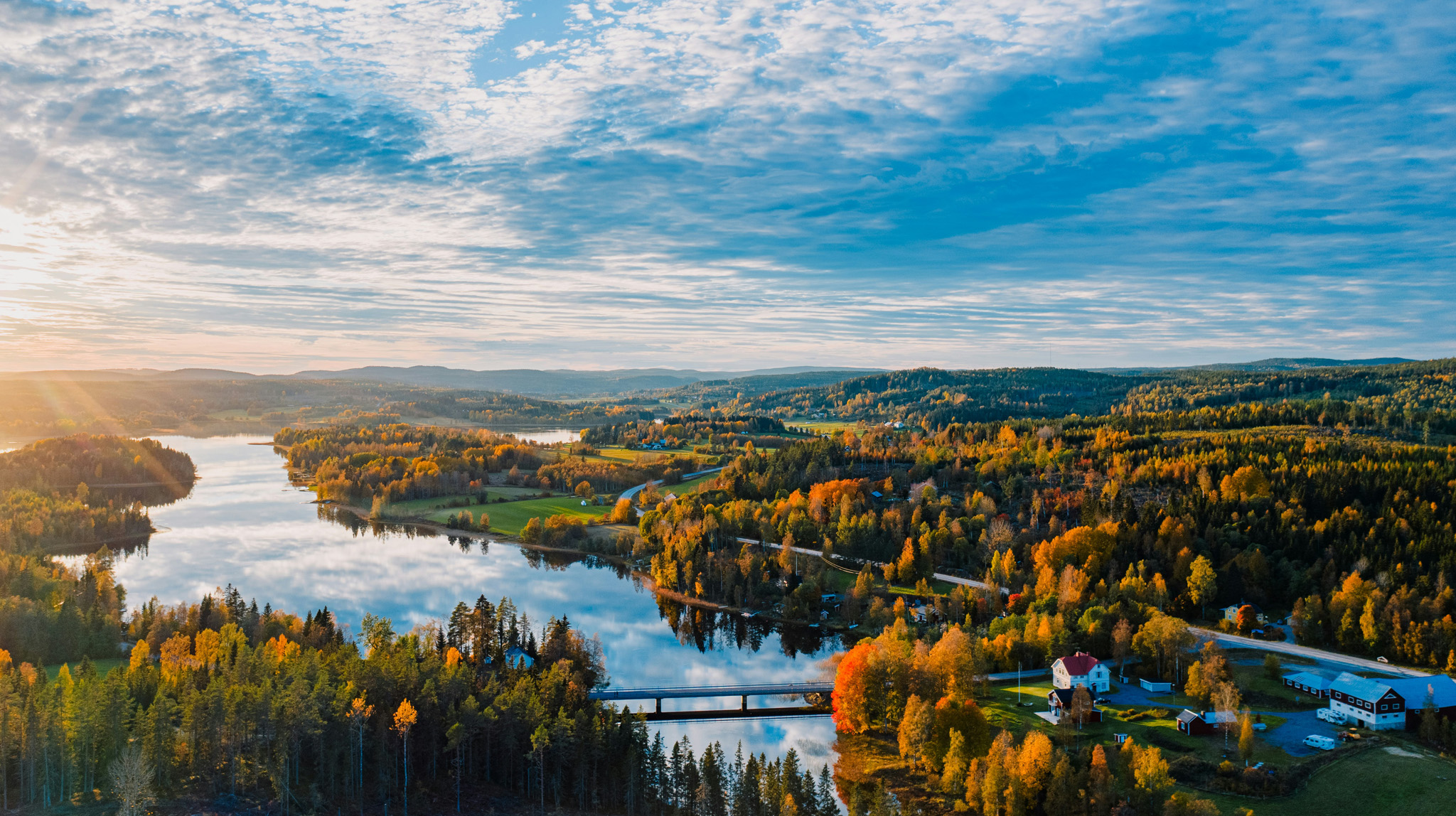
The classic image of rural Sweden – red cottages, midsummer poles and forested hills around the great lakes.
- Joining midsummer celebrations in traditional villages
- Buying a hand-painted Dalecarlian horse in Nusnäs
- Walking and cycling around Lake Siljan
- Exploring folk museums and old timber farmsteads
- Watching long-distance ski and skating events in winter
🎒 Things To Do
- Watch the northern lights dance over the Arctic sky in Lapland
- Experience the midnight sun on a summer trip above the Arctic Circle
- Spend a night in a room carved entirely from ice and snow
- Island hop through the Stockholm archipelago by ferry
- Take part in a midsummer celebration with flowers, food and dancing
- Hike a stretch of the Kungsleden, Sweden’s great northern trail
- Go dog sledding or snowmobiling across frozen forest
- Spot moose, reindeer and seabirds on a wildlife safari
- Embrace fika, the daily ritual of coffee and pastry with friends
- Explore world-class design, fashion and food in Stockholm and Gothenburg
🍽️ Food & Drink
Swedish cuisine is honest, seasonal and built around the larder of forest and sea – berries, game, fish and dairy feature heavily, and there is a deep cultural attachment to the daily coffee break. Modern Swedish cooking has also earned international acclaim, balancing tradition with a clean, contemporary style.
- Köttbullar, the classic meatballs served with lingonberry and cream sauce
- Gravlax and pickled herring, cured fish eaten across the seasons
- Smörgåsbord, a generous spread of cold and hot dishes
- Cinnamon and cardamom buns, the stars of any fika
- Surströmming, the famously pungent fermented Baltic herring
- Lingonberry, cloudberry and other wild foraged berries
🌦️ Weather
Sweden has a varied climate that grows colder and more extreme the further north you travel, with long summer days and short, dark winter ones. The seasons are sharply defined, and conditions differ greatly between the temperate south and the Arctic north.
- Summer (June – August) is mild and pleasant, generally 15-25°C in the south
- Winter (December – February) is cold, often -5 to 5°C in the south and far colder in the north
- Northern Sweden experiences the midnight sun in summer and polar night in winter
- Spring and autumn are short, crisp and changeable
- Snow cover is reliable in the north and common across the country in winter
- Daylight varies dramatically, from near-endless summer light to brief winter days
📅 Best Time To Visit
June – August (Summer Peak)
- Warmest weather, long daylight and the full midnight sun in the north
- Busiest season for festivals, archipelago trips and outdoor life
- Best time for hiking, swimming and island hopping
September – March (Northern Lights Season)
- Prime window for aurora viewing, snow activities and ice hotels
- Cold, dark and atmospheric, especially north of the Arctic Circle
- Quieter cities and lower prices outside the Christmas period
April – May and Late Autumn (Shoulder Season)
- Cool, changeable weather and fewer visitors
- Spring brings longer days, blossom and reawakening landscapes
- Good value, though some seasonal attractions may be closed
🎒 Packing List
- Warm layers including thermal base layers, especially for the north
- A windproof and waterproof jacket
- Insulated coat, hat, gloves and scarf for winter travel
- Sturdy waterproof walking shoes or boots
- Lighter clothing and a swimsuit for summer trips
- Sunglasses and sun protection, useful even in snow glare
- Insect repellent for summer, particularly in the north and around lakes
- A reusable water bottle
- A universal power adapter
- A personal medical kit with any regular medication
- Electrolytes for long hikes and active days
- A daypack for excursions and city exploring
🛂 Visas & Entry Requirements
Sweden is part of the Schengen Area, and entry rules depend on your nationality.
- Many nationalities can enter visa-free for short stays of up to 90 days within any 180 day period
- Visa-exempt travellers will need an approved ETIAS authorisation once the system launches, expected in late 2026
- Other nationalities must apply for a Schengen visa in advance, which requires proof of travel medical insurance
- Passports should be valid for at least three months beyond your planned departure
- Proof of onward travel, accommodation and sufficient funds may be requested on arrival
- Official information: https://www.migrationsverket.se
💰 Money
- The currency is the Swedish Krona (SEK)
- Sweden is one of the most cashless societies in the world, and cards are accepted almost everywhere
- Contactless payment and mobile payments are the norm, even for small purchases
- ATMs are available but cash is rarely needed and some businesses do not accept it
- Tipping is not expected, though rounding up or leaving around 5-10% for good service is appreciated
- Notify your bank of travel plans to avoid card issues abroad
💸 Hotel & Tourist Taxes
Sweden is unusual in Europe in that it does not levy a tourist or accommodation tax.
- There is currently no city tax, lodging tax or per-night visitor charge anywhere in Sweden
- Hotel prices already include VAT, charged at a reduced rate on accommodation
- No departure tax or one-off entry fee applies to visitors
- Rules can change, so it is worth confirming current charges when booking
🌈 LGBTQIA+ Travellers
Sweden is widely regarded as one of the most welcoming and progressive countries in the world for LGBTQIA+ travellers.
- Same-sex marriage has been legal since 2009 and anti-discrimination protections are strong
- Social attitudes are open and accepting across most of the country
- Stockholm, Gothenburg and Malmö have visible and active LGBTQIA+ communities
- Pride events are held nationwide, with Stockholm Pride among the largest in Scandinavia
- Travellers can expect to feel safe and comfortable, including in smaller towns
⚠️ Traveller Safety
Sweden is a very safe country with low levels of serious crime and excellent infrastructure.
- Petty crime such as pickpocketing is rare but can occur in busy tourist areas
- Outdoor and Arctic activities carry weather and terrain risks, so check conditions and dress accordingly
- Use licensed guides for snowmobiling, dog sledding and remote wilderness trips
- Cities are generally safe at night, with normal sensible precautions advised
- Emergency number is 112
💉 Vaccinations & Health
No special vaccinations are required for travel to Sweden, and the country has an excellent healthcare system.
- Ensure routine vaccinations such as MMR, tetanus and diphtheria are up to date
- No malaria or major tropical disease risk exists in Sweden
- Tick-borne encephalitis is present in some forested areas, so consider precautions if hiking in summer
- Pharmacies are widely available and well stocked in towns and cities
- Official information: https://www.folkhalsomyndigheten.se
🚗 Getting Around
- Trains are fast, comfortable and the best way to travel between major cities
- An extensive long-distance bus network reaches smaller towns and rural areas
- Domestic flights are useful for covering the long distances to the far north
- Roads are well maintained, though winter tyres are mandatory from December to March
- Watch for moose and reindeer when driving in rural and northern areas
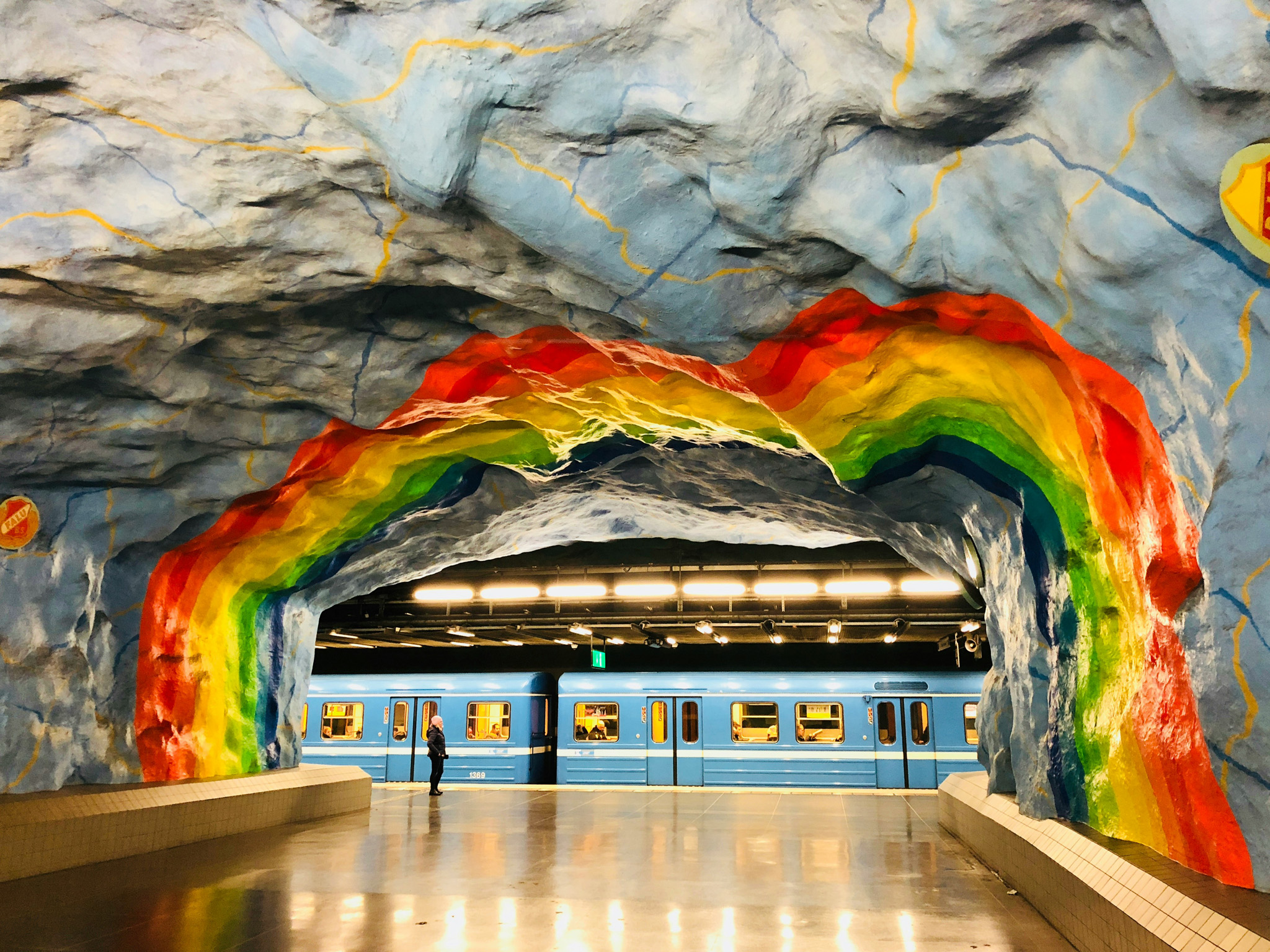
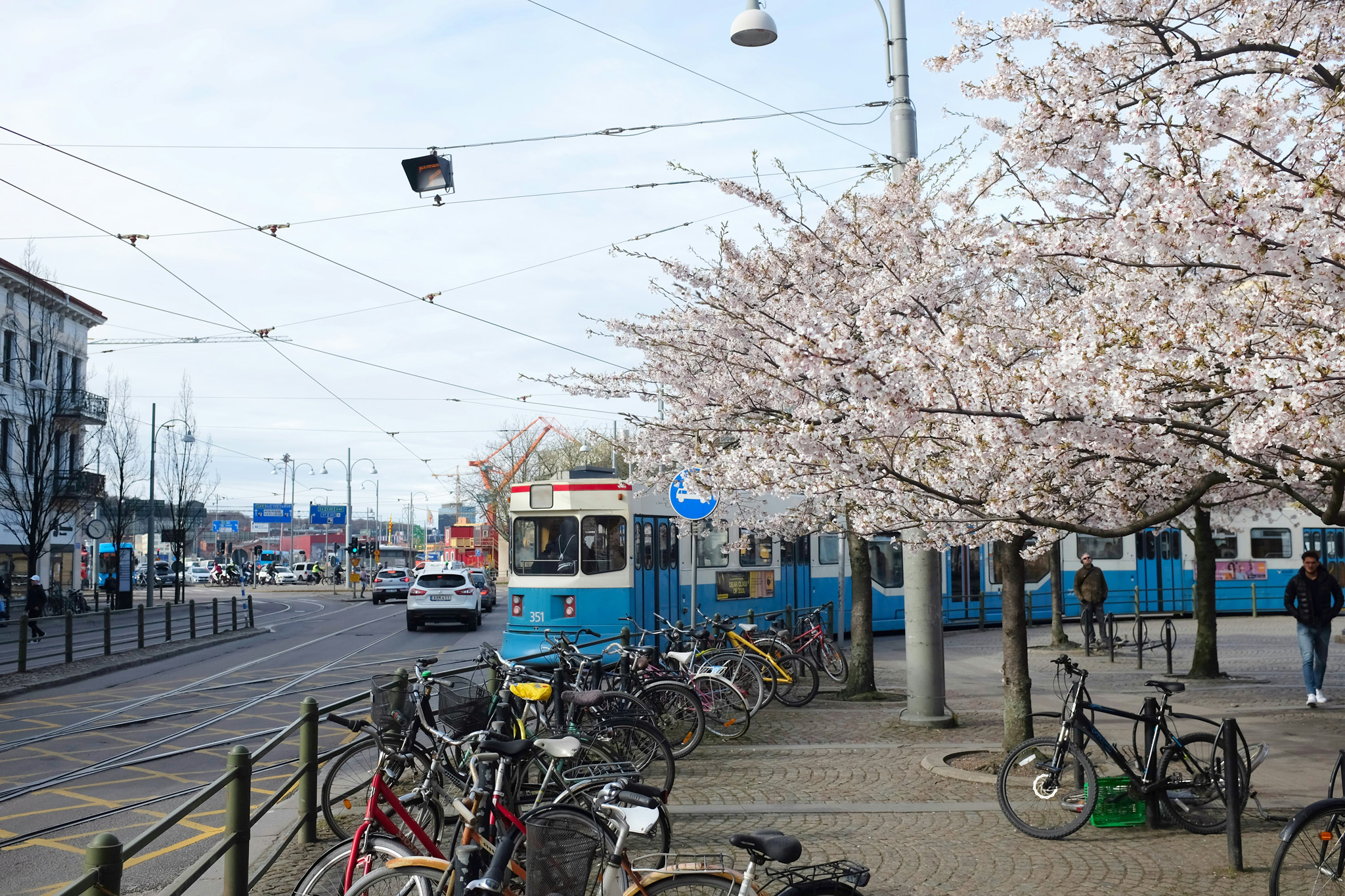
- Cities have efficient public transport, including Stockholm’s metro and tram networks
✈️ Airports
Stockholm Arlanda Airport (ARN)
- The country’s main international gateway, located north of Stockholm
Gothenburg Landvetter Airport (GOT)
- The principal airport for western Sweden and the west coast
Malmö Airport (MMX)
- Serves the south, with Copenhagen Airport also a popular gateway via the Öresund Bridge
Luleå Airport (LLA)
- The key hub for accessing Swedish Lapland and the Arctic north
🗣️ Language
The official language is Swedish, with five recognised minority languages including Finnish and Sámi, the latter spoken in the north. English is spoken to a very high standard across the country, and travellers will have little trouble communicating in cities, towns and tourist areas. Learning a few Swedish words is still warmly appreciated by locals.
Common Phrases
- Hello – Hej (hey)
- Goodbye – Hej då (hey doh)
- Please – Tack (tahk)
- Thank you – Tack (tahk)
- Yes – Ja (yah)
- No – Nej (nay)
- Excuse me – Ursäkta (oor-shek-ta)
- Sorry – Förlåt (fur-loht)
- Do you speak English? – Talar du engelska? (tah-lar doo eng-el-ska)
- How much? – Hur mycket? (hoor mee-ket)
- Where is? – Var är? (var air)
- Help – Hjälp (yelp)
- Cheers – Skål (skohl)
- One, two, three – Ett, två, tre (et, tvoh, tray)
- You’re welcome – Varsågod (var-sho-good)
ℹ️ Practical Info
Electricity
- Plug types C and F are used, with a standard voltage of 230V
Internet & WiFi
- WiFi is fast and widely available in hotels, cafés and public spaces, and mobile data coverage is excellent
Water
- Tap water is clean, safe and of excellent quality throughout the country
Travel Insurance
- Comprehensive personal travel insurance is strongly recommended, with cover for winter sports and remote wilderness activities if you plan to undertake them
Connectivity SIM / eSIM
- Local SIM cards are easy to buy from network providers and convenience stores in cities and at airports
- Using an eSIM is our recommended choice while travelling anywhere in the world, and our recommended provider is Holafly. For more information on eSIMs, check out this blog.

❤️ Why Visit Sweden
Sweden rewards travellers who want both polish and wilderness in a single trip. You can spend the morning among the design studios and coffee houses of Stockholm and the same evening watching the sun refuse to set over a silent lake. Few countries offer such an easy, comfortable doorway into genuine wild nature.
It is also a place that does atmosphere better than almost anywhere – the green shimmer of the aurora over Lapland, the long golden light of a midsummer night, the hush of a snow-covered forest. These are the kinds of experiences that stay with you long after the trip ends.
Above all, Sweden is a country at ease with itself, and that calm is contagious. Whether you come for the adventure, the design, the food or simply the space to breathe, Sweden offers a trip that feels restorative and quietly extraordinary in equal measure.