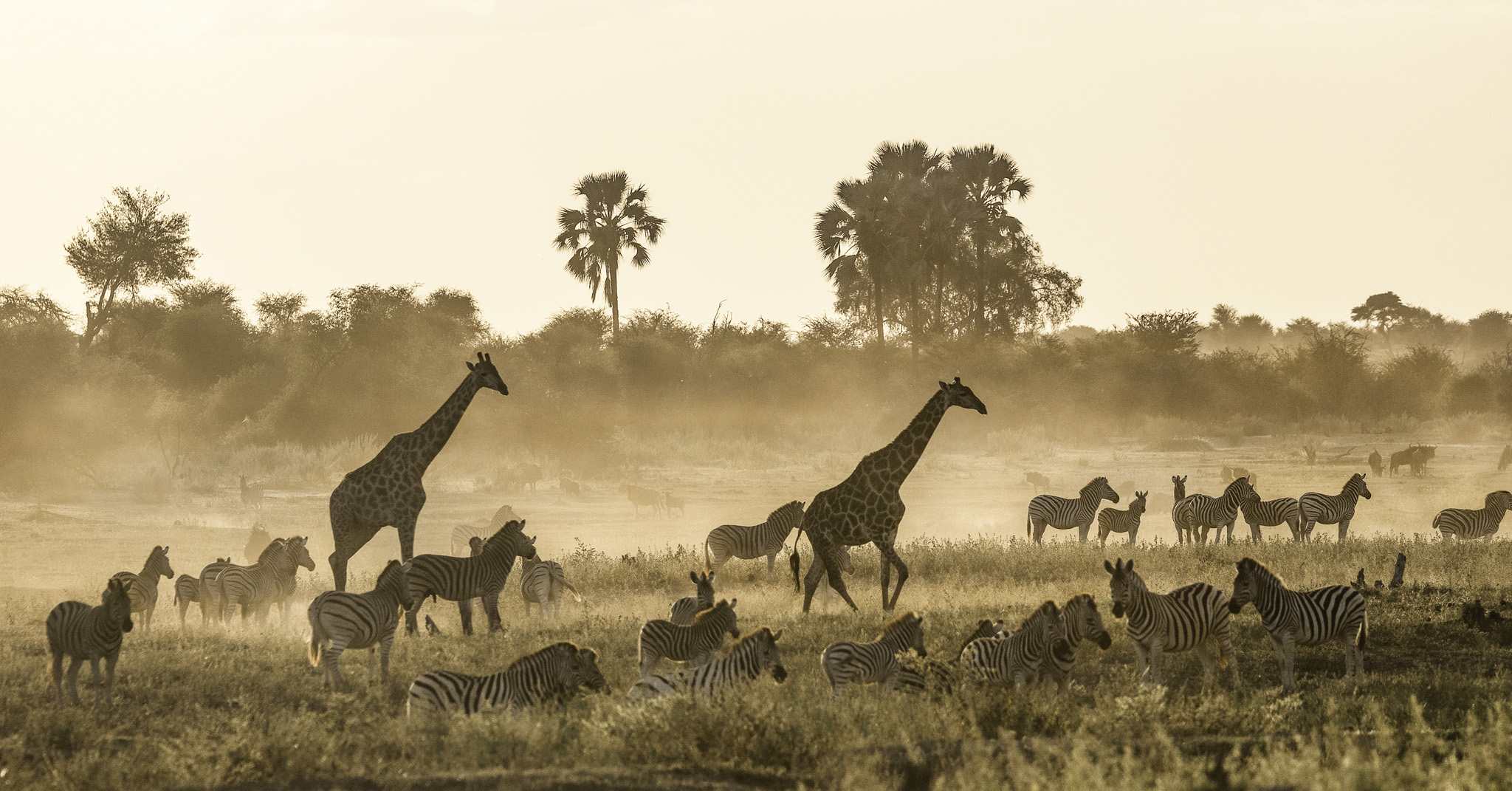
Tanzania & Zanzibar – Destination Guide
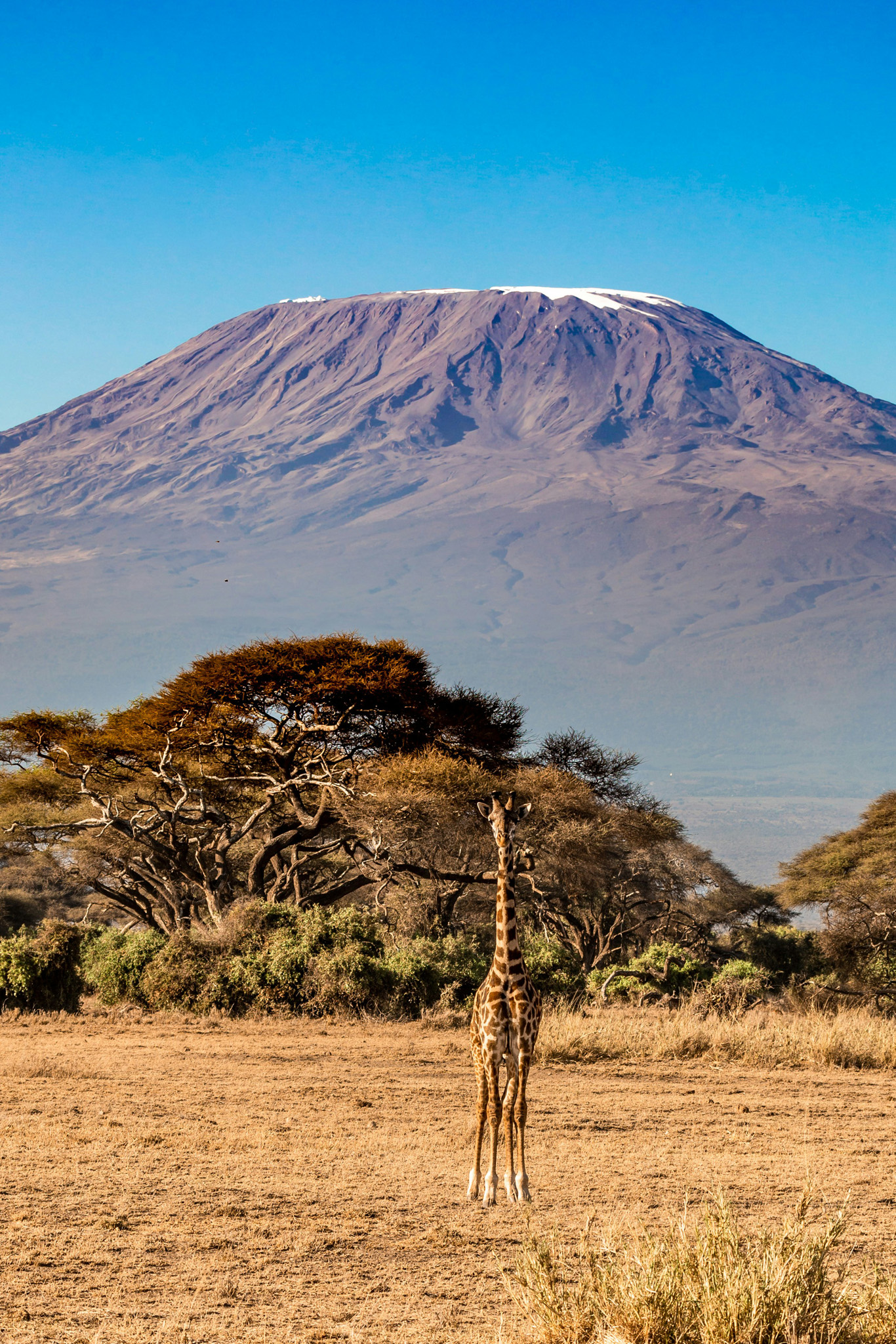
Tanzania is East Africa at its most cinematic – a land of endless savannah, snow-capped volcanoes, and herds that move across the plains in patterns older than memory. It’s home to the Serengeti, the Ngorongoro Crater, and Kilimanjaro, the highest peak on the continent, alongside lesser-known wildernesses like Ruaha and the Selous where the landscapes feel untouched. Add to this the warmth of Swahili culture, the rhythm of coastal life, and a coastline that fades into some of the clearest water in the Indian Ocean, and you have a destination that rewards travellers many times over.
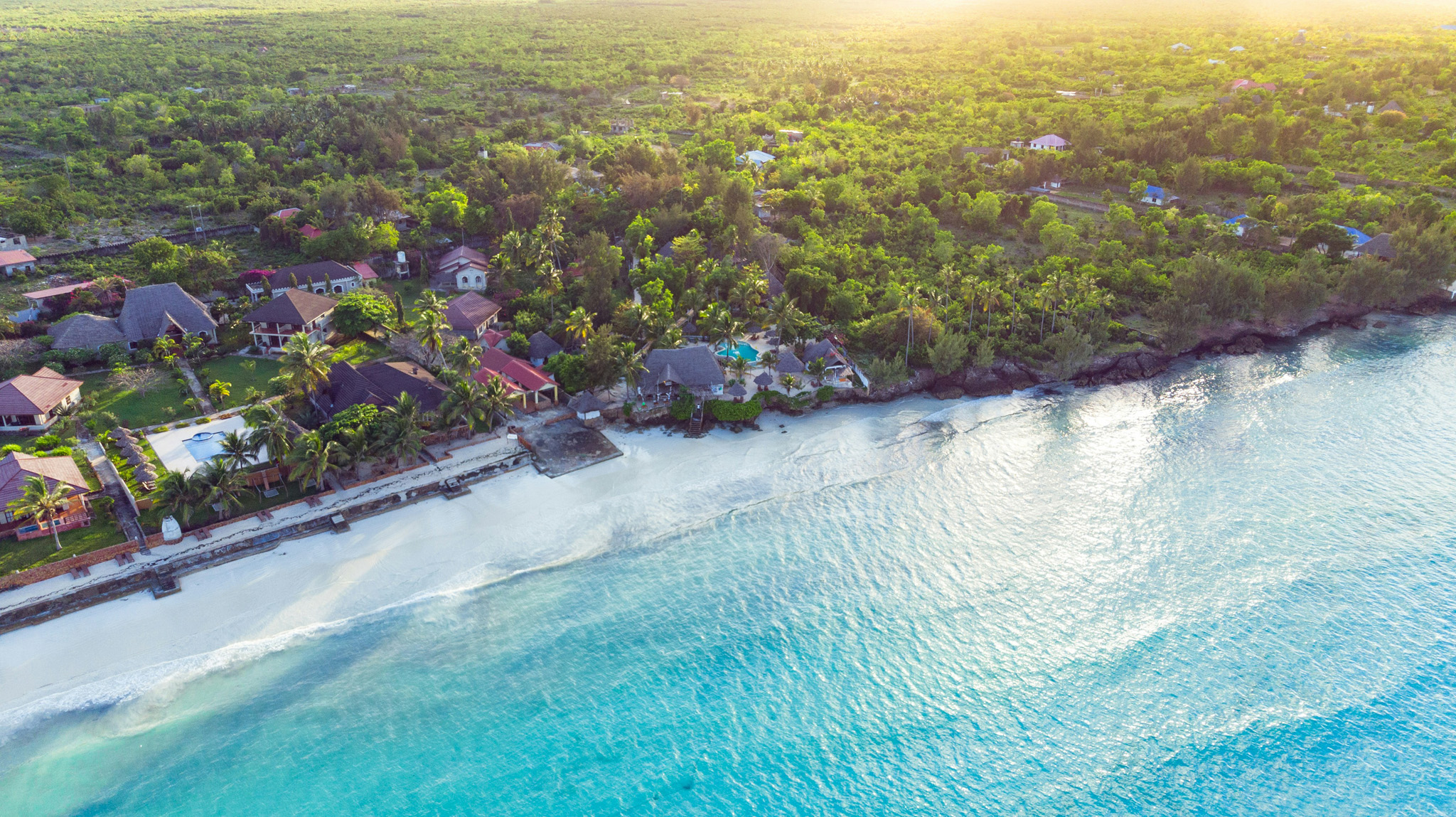
Just offshore lies Zanzibar, a spice-scented archipelago of whitewashed alleyways, dhow-dotted harbours, and powder-soft beaches. Stone Town hums with centuries of Arab, Indian, Portuguese, and African influence, while the island’s east coast offers some of the most relaxed beach days you’ll find anywhere. The pairing of mainland safari and island unwind has become one of Africa’s most beloved travel combinations – and for good reason.
Whether you’re tracking lions at dawn, climbing through cloud forest, sipping cardamom coffee in a coral-stone courtyard, or floating over a coral reef, Tanzania and Zanzibar deliver the kind of experiences that recalibrate what travel can feel like.
🗺️ Regions to Explore
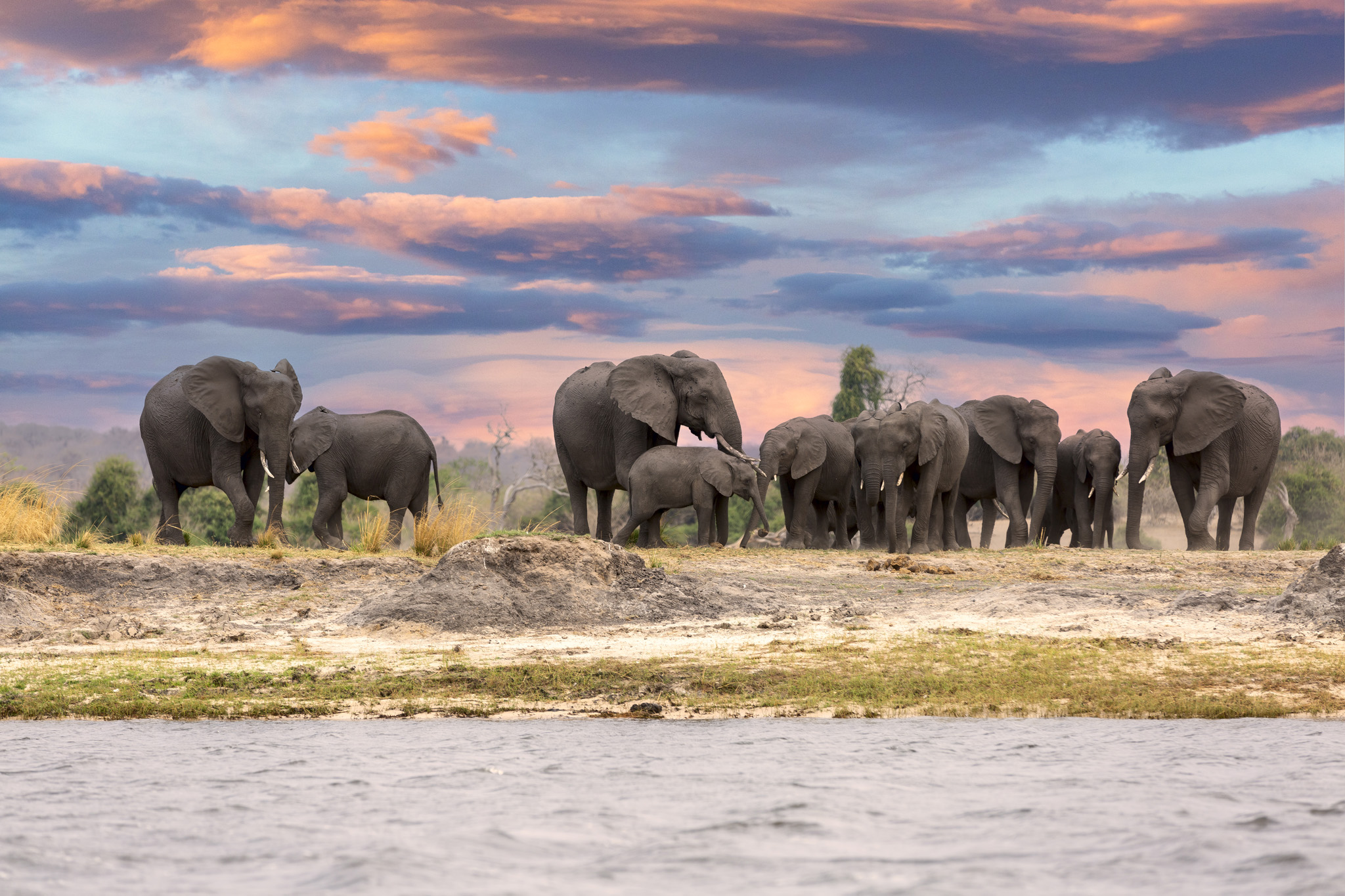
Northern Safari Circuit
The most famous safari region in Africa, home to vast plains and the Great Migration.
- Game drives in the Serengeti
- Witness the wildebeest migration
- Descend into Ngorongoro Crater
- Walking safaris in Lake Manyara
- Cultural visits with Maasai communities
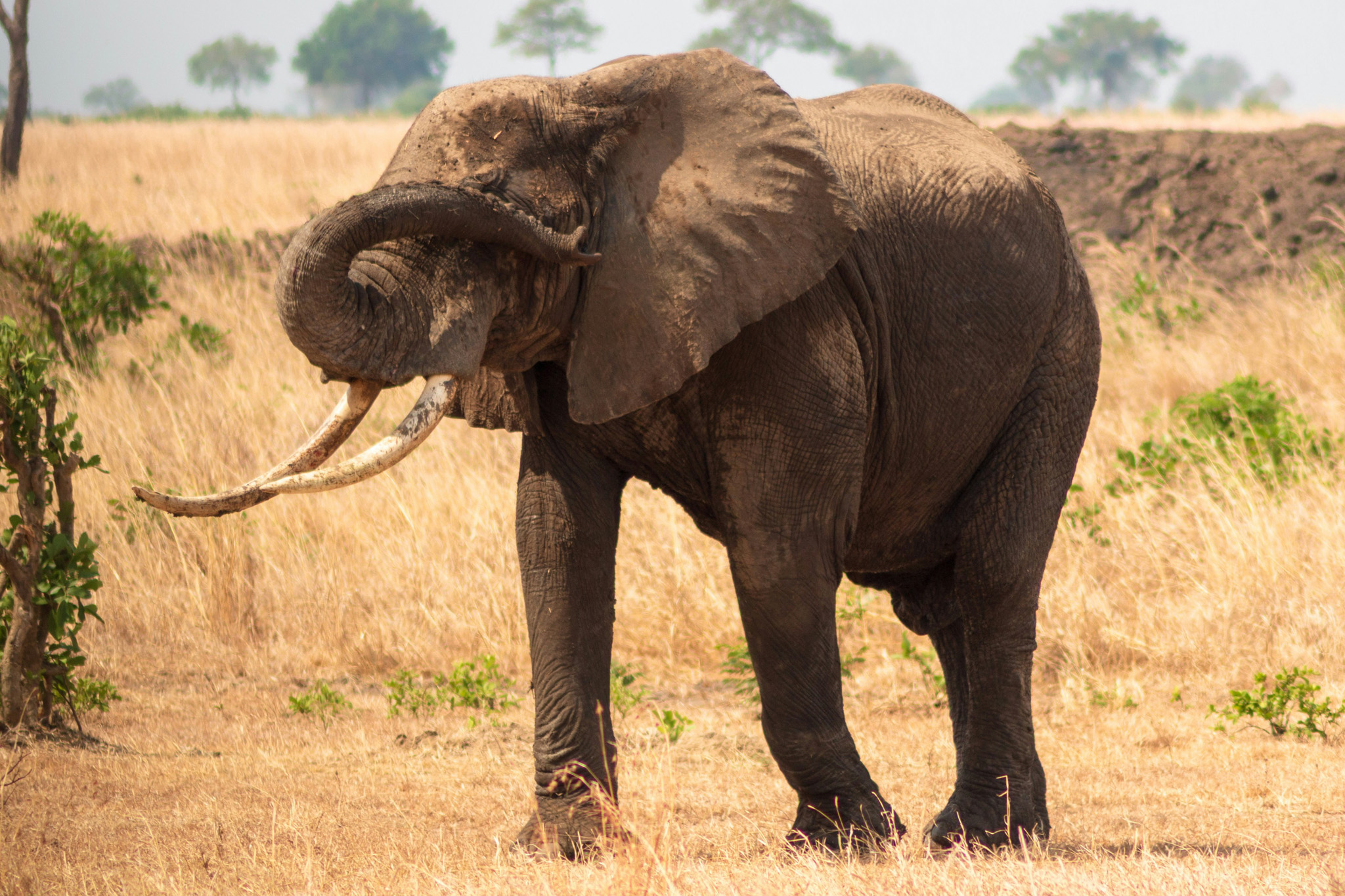
- Tarangire National Park for elephant herds
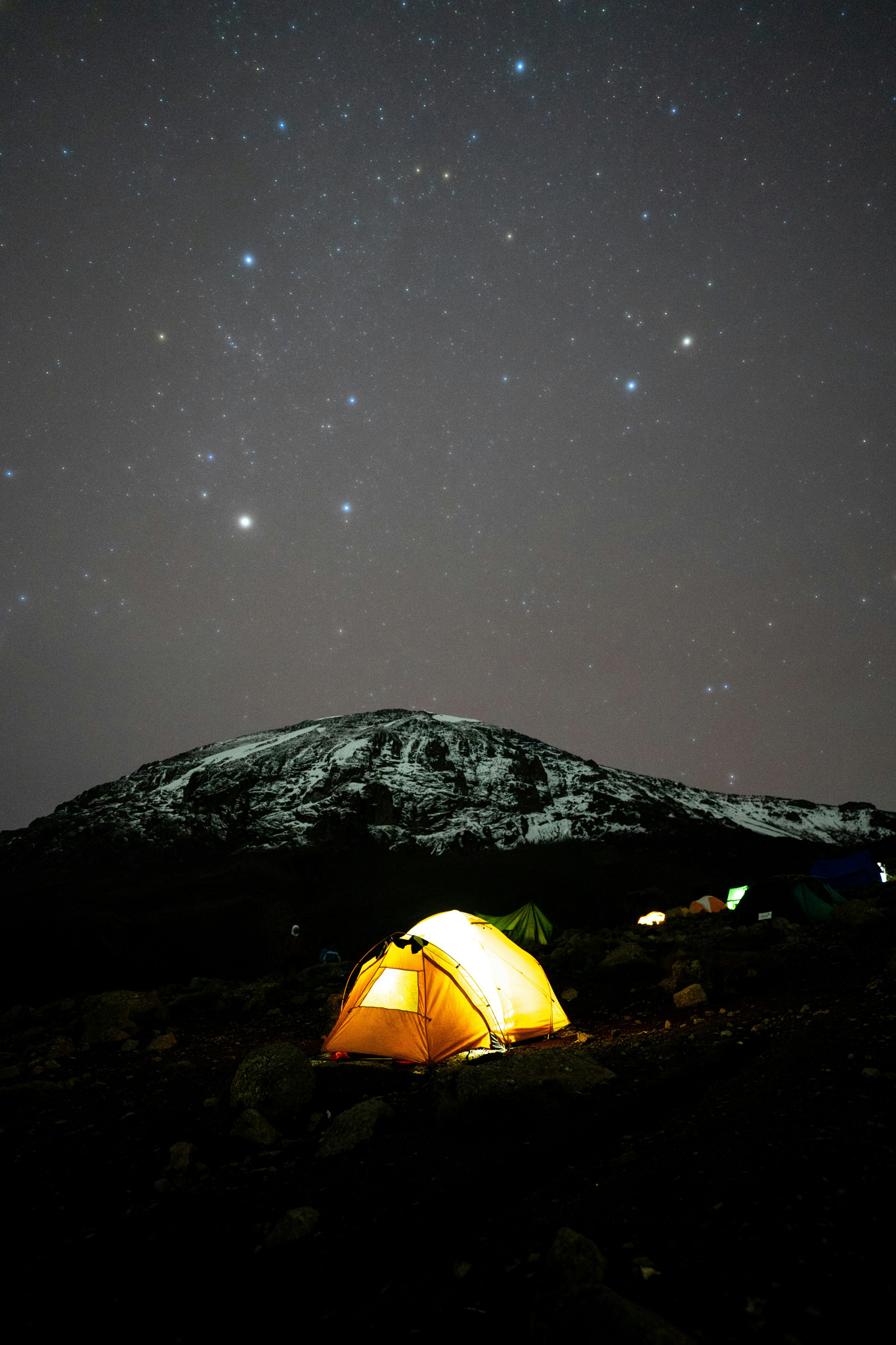
Kilimanjaro & Arusha
The gateway to the north and the base for trekking Africa’s tallest mountain.
- Summit Kilimanjaro via Machame or Lemosho routes
- Day hikes on the lower slopes
- Coffee farm tours around Moshi
- Markets and museums in Arusha
- Visit Lake Duluti for canoeing
- Cultural tourism in Mto wa Mbu
Southern Circuit
Wilder, quieter, and far less visited – for travellers chasing solitude.
- Boat safaris in Nyerere (Selous)
- Predator sightings in Ruaha
- Fly-camping under the stars
- Walking safaris with armed rangers
- Wild dog tracking
- Remote bush lodges and tented camps
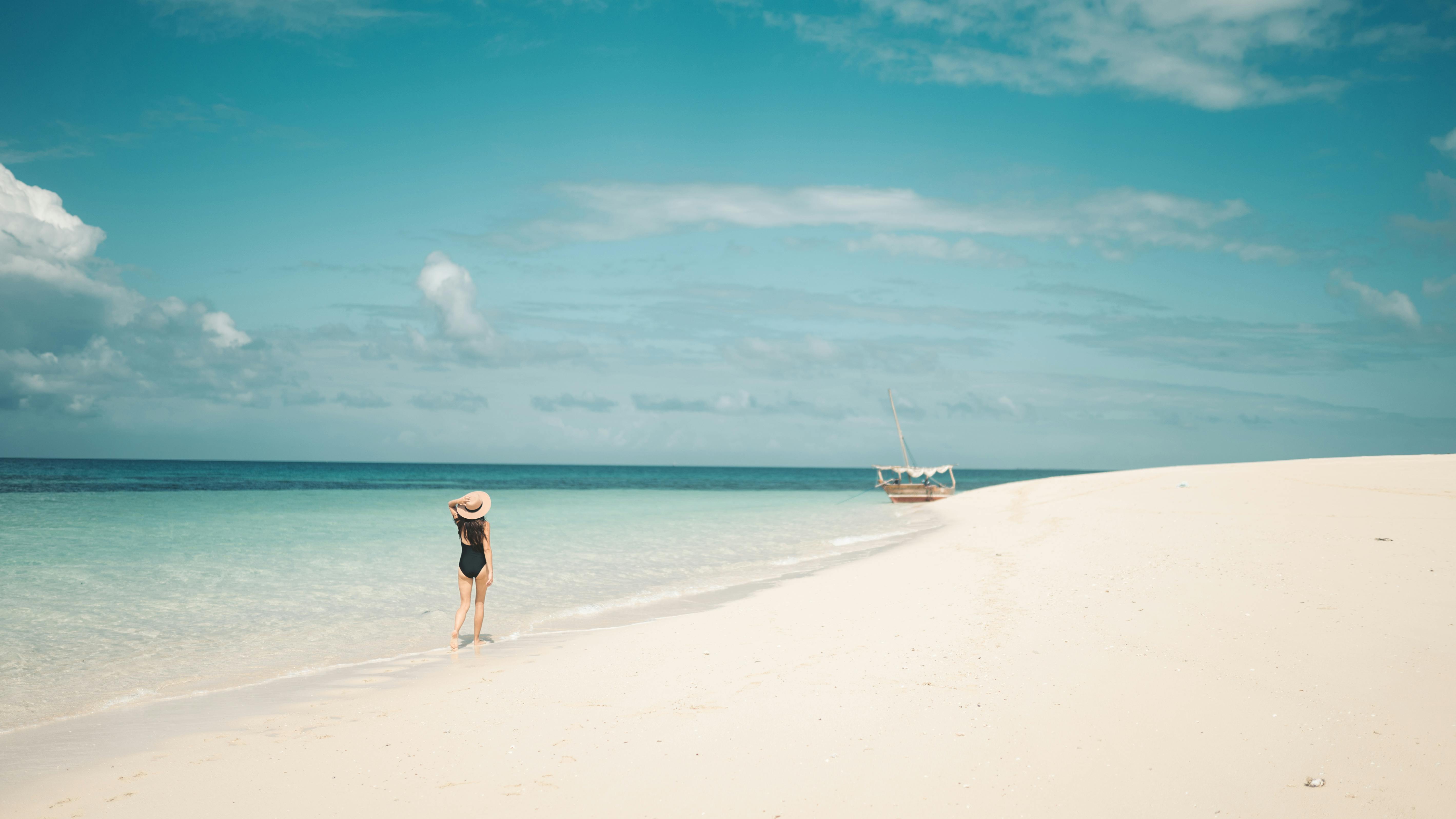
Zanzibar Archipelago
A spice island steeped in Swahili history with beaches at every turn.
- Wander Stone Town’s alleyways
- Spice farm tours in the interior
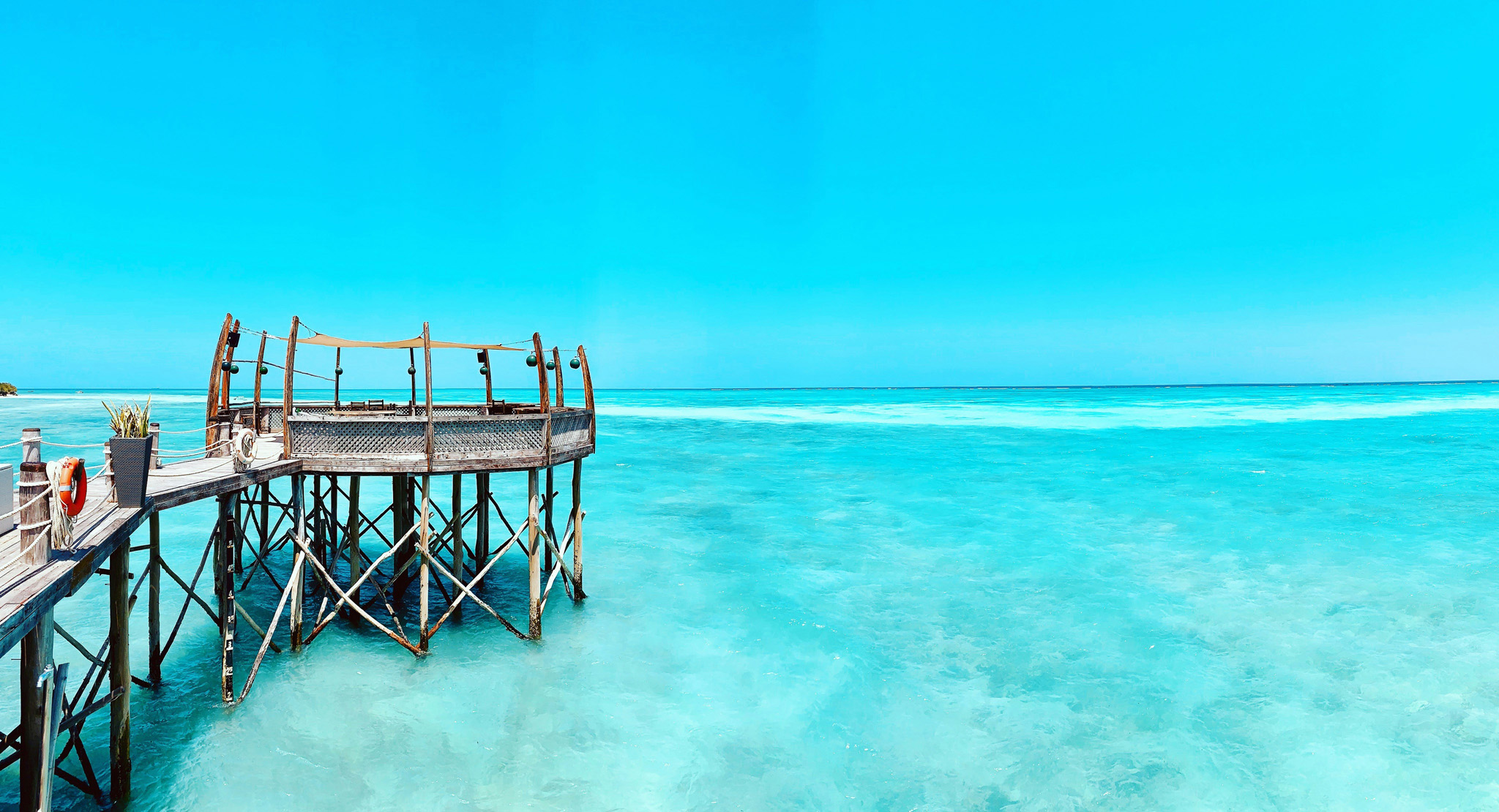
- Snorkel and dive at Mnemba Atoll
- Sunset dhow cruises
- Visit Jozani Forest for red colobus monkeys
- Beach days on Nungwi, Kendwa, or Paje
Pemba & Mafia Islands
Tanzania’s lesser-known islands, prized for marine life and slow travel.
- Dive untouched reefs around Pemba
- Snorkel with whale sharks off Mafia (Oct-Mar)
- Stay in remote eco-lodges
- Mangrove kayaking
- Sea turtle nesting beaches
- Traditional fishing village visits
Lake Victoria & Western Tanzania
Remote, wild, and home to some of the planet’s last chimpanzee strongholds.
- Chimpanzee trekking in Mahale Mountains
- Gombe Stream’s primate research history
- Lake Tanganyika beach days
- Cultural visits around Mwanza
- Sport fishing on Lake Victoria
- Rubondo Island National Park

🎒 Things To Do
- Track the Great Migration across the Serengeti
- Climb Mount Kilimanjaro
- Spend a day inside Ngorongoro Crater
- Snorkel or dive at Mnemba Atoll
- Wander the alleyways of Stone Town
- Take a spice tour in rural Zanzibar
- Walking safari in Ruaha or Selous
- Sail a traditional dhow at sunset
- Trek to see chimpanzees in Mahale
- Spend a night fly-camping under the stars
🍽️ Food & Drink
Tanzanian cuisine reflects centuries of trade and migration, with Swahili coastal cooking, Indian spice influences, and hearty inland staples coming together in flavourful, comforting dishes. Zanzibar’s food scene leans heavily into seafood, coconut, and the island’s famous spices.
- Ugali – maize porridge served with stews and grilled meats
- Nyama choma – slow-grilled meat, usually beef or goat
- Pilau and biryani – fragrant spiced rice dishes
- Zanzibar pizza – a street food staple at Forodhani night market
- Mandazi – sweet fried dough perfect with chai
- Fresh coconut water and sugarcane juice
🌦️ Weather
Tanzania sits just south of the equator, with warm temperatures year-round and distinct wet and dry seasons that shape the best times to travel.
- Daytime temperatures generally range from 20-30°C
- Coastal and island regions are humid and warm year-round
- Highland areas like Ngorongoro and Kilimanjaro are much cooler
- Long rains fall from March to May
- Short rains arrive in November
- Dry season (June-October) brings cool mornings and dust-dry plains
📅 Best Time To Visit
June – October (Dry Season)
- Peak safari season with excellent game viewing
- Cooler temperatures and minimal rain
- Wildebeest migration river crossings in the northern Serengeti
- Busiest and most expensive period – book early
January – February (Calving Season)
- Wildebeest calving in the southern Serengeti
- Predator action is exceptional
- Warm, mostly dry conditions
- Great for first-time safari travellers
March – May (Long Rains)
- Lush, green landscapes and dramatic skies
- Lower prices and far fewer crowds
- Some camps and roads may close
- Best for photographers and budget-conscious travellers
🎒 Packing List
- Lightweight neutral-coloured safari clothing
- Warm fleece or jacket for early game drives
- Waterproof shell for unexpected rain
- Sturdy walking shoes and sandals
- Wide-brim hat and high-SPF sunscreen
- Strong insect repellent with DEET
- Reusable water bottle with filter
- Universal power adapter (Type D/G)
- Binoculars and camera with zoom lens
- Medical kit with anti-diarrhoea tablets and antiseptic
- Electrolytes and rehydration salts
- Swimwear and a quick-dry towel for Zanzibar

🛂 Visas & Entry Requirements
Most travellers require a visa to enter Tanzania, with options for visa on arrival or eVisa in advance.
- eVisa available online and recommended in advance
- Visa on arrival available at major airports (USD 50, or USD 100 for US citizens)
- Passport must be valid for at least six months beyond entry
- Proof of onward travel may be requested
- Yellow fever certificate required if arriving from a risk country
- Mandatory inbound travel insurance applies to both mainland Tanzania and Zanzibar – see the dedicated section below
Official information: https://eservices.immigration.go.tz
🛡️ Mandatory Inbound Travel Insurance
Both Zanzibar and mainland Tanzania now require all foreign visitors to purchase a local inbound travel insurance policy before arrival. These are government-run schemes that exist alongside (not in place of) your own comprehensive travel insurance. They are checked at immigration, and travellers without proof of cover may be denied entry.
A common point of confusion – if you are visiting both the mainland and Zanzibar on the same trip, you currently need both policies. They are administered by separate insurers and each only covers travel within its own jurisdiction.
Zanzibar – ZIC Inbound Travel Insurance
In effect since 1 October 2024 and administered by the Zanzibar Insurance Corporation (ZIC), a government-owned insurer.
- USD 44 per adult, USD 22 per child aged 3-17, free for children under 3
- Valid for up to 92 days from arrival, with unlimited entries and exits during that period
- Covers emergency medical expenses up to USD 50,000, emergency evacuation and repatriation, compulsory quarantine, and adventure activities including scuba diving and kitesurfing
- Coverage applies only within the Zanzibar archipelago
- Purchase online before travel at the official portal, save the QR code, and present it at Zanzibar immigration alongside your visa
- Airport purchase is available as a backup but pre-purchase is strongly recommended to avoid queues
Official portal: https://visitzanzibar.go.tz
Mainland Tanzania – NIC Mandatory Inbound Travel Insurance
Introduced under Section 134A of the Insurance Act (Cap 394) as amended by the Finance Act 2025, with implementation commencing January 2026. Administered by the National Insurance Corporation (NIC).
- USD 44 per visitor, valid for up to 92 days from date of entry
- Applies to all foreign visitors entering through airports, seaports, or land border points
- Covers emergency medical care, emergency evacuation and repatriation, personal accidents, rescue services, and compensation for lost or delayed baggage
- Citizens of East African Community (EAC) member states are exempt, and Southern African Development Community (SADC) exemptions are under consideration
- Coverage applies only within mainland Tanzania – a separate ZIC policy is still required for Zanzibar
Official information: https://www.nic.co.tz
Important:
- Both policies are basic safety nets and do not replace comprehensive personal travel insurance – keep your own cover for trip cancellation, flight disruption, lost luggage value above the local limits, and any activities like high-altitude trekking on Kilimanjaro
- Tour operators generally cannot purchase these policies on your behalf – each traveller must apply individually using their own passport details
- Always check both official portals close to your departure date, as fees, exemptions, and implementation details may change
💰 Money
- Currency is the Tanzanian Shilling (TZS)
- US dollars widely accepted at hotels, parks, and safari operators (bills dated 2013 or later)
- Cash is essential in rural areas and on Zanzibar
- ATMs available in major towns but unreliable in remote areas
- Tipping is customary – guides, drivers, and porters rely on it
- Cards accepted at upmarket hotels and restaurants but rarely elsewhere
💸 Hotel & Tourist Taxes
Tanzania applies a few tourism-related taxes and fees, with most national park fees built into safari packages but worth confirming.
- Tourism Development Levy of USD 1 per person per night at hotels
- VAT of 18% usually included in hotel rates
- National park entry fees range from USD 50-80 per person per day (often included in safari packages)
- Zanzibar infrastructure tax of USD 1 per person per night, collected at check-in
- Departure taxes are typically included in international flight tickets
🌈 LGBTQIA+ Travellers
Tanzania has conservative laws and social attitudes regarding LGBTQIA+ travellers, and discretion is strongly advised.
- Same-sex relationships are criminalised under Tanzanian law
- Public displays of affection between same-sex couples should be avoided
- Zanzibar is more conservative than the mainland due to its Muslim-majority culture
- Tourist-facing hotels and safari camps are generally welcoming and discreet
- Most LGBTQIA+ travellers visit without incident by exercising standard caution
⚠️ Traveller Safety
Tanzania is generally safe for travellers, with most visits passing without incident, though standard precautions apply.
- Petty theft can occur in cities like Dar es Salaam and Arusha
- Always travel with a licensed safari guide in wildlife areas
- Avoid walking alone after dark, especially in urban areas
- Stone Town is safe but stay alert in quiet alleys at night
- Road travel can be hazardous – use reputable drivers
- Emergency number is 112
💉 Vaccinations & Health
A few vaccinations and health precautions are essential for travel to Tanzania, particularly for safari and coastal regions.
- Yellow fever vaccination required if arriving from a risk country
- Routine vaccinations should be up to date (MMR, tetanus, hepatitis A and B)
- Typhoid and rabies vaccinations often recommended
- Malaria prophylaxis essential – speak to your doctor before travel
- Drink only bottled or filtered water throughout your trip
Official information: https://wwwnc.cdc.gov/travel/destinations/traveler/none/tanzania
🚗 Getting Around
- Domestic flights are the fastest way to cover long distances between parks and Zanzibar
- Safari travel is almost always by 4WD with a guide
- Public buses (dala-dalas) are cheap but crowded and not recommended for visitors
- Taxis and ride-hailing apps like Bolt operate in Dar es Salaam and Arusha
- Ferries connect Dar es Salaam to Zanzibar (around 2 hours)
- Roads outside major routes can be rough and slow – pad your travel times
✈️ Airports
Julius Nyerere International Airport (DAR)
- The country’s largest airport, located in Dar es Salaam and the main gateway for international arrivals.
Kilimanjaro International Airport (JRO)
- The closest hub to the northern safari circuit and Mount Kilimanjaro, just outside Arusha.
Abeid Amani Karume International Airport (ZNZ)
- Zanzibar’s international airport, served by direct flights from Europe, the Middle East, and East Africa.
Mwanza Airport (MWZ)
- A regional hub serving Lake Victoria, the western parks, and chimpanzee trekking gateways.
🗣️ Language
Tanzania’s official languages are Swahili and English, with Swahili functioning as the everyday language of communication across the country and the wider East African region. English is widely spoken in tourism, business, and government settings, so travellers can generally get by without learning Swahili. That said, even a handful of Swahili phrases will earn warm smiles and open up far richer interactions with locals.
Common Phrases
- Hello – Jambo (JAHM-boh)
- How are you? – Habari? (hah-BAH-ree)
- Goodbye – Kwaheri (kwah-HEH-ree)
- Please – Tafadhali (tah-fah-DHAH-lee)
- Thank you – Asante (ah-SAHN-teh)
- Thank you very much – Asante sana (ah-SAHN-teh SAH-nah)
- Yes – Ndiyo (n-DEE-yoh)
- No – Hapana (hah-PAH-nah)
- Excuse me – Samahani (sah-mah-HAH-nee)
- Sorry – Pole (POH-leh)
- Do you speak English? – Unaongea Kiingereza? (oo-nah-on-GAY-ah kee-een-geh-REH-zah)
- How much? – Bei gani? (BAY GAH-nee)
- Where is…? – Iko wapi…? (EE-koh WAH-pee)
- Help – Msaada (m-SAH-ah-dah)
- No worries / no problem – Hakuna matata (hah-KOO-nah mah-TAH-tah)
ℹ️ Practical Info
Electricity
- Plug types D and G, standard voltage 230V
Internet & WiFi
- WiFi available at most hotels, lodges, and cafes in towns
- Mobile data is fast and reliable in cities and reasonable on the coast
- Connectivity is patchy or absent in remote safari areas
Water
- Tap water is not safe to drink anywhere in Tanzania
- Stick to bottled or filtered water, including for brushing teeth
- Most lodges and camps provide filtered drinking water
Travel Insurance
- Comprehensive travel insurance is strongly recommended, including cover for high-altitude trekking on Kilimanjaro, safari activities, water sports in Zanzibar, and emergency medical evacuation.
Connectivity SIM / eSIM
- Local SIM cards from Vodacom, Airtel, or Halotel are cheap and widely available with passport registration
- Using an eSIM is our recommended choice while travelling anywhere in the world, and our recommended provider is Holafly. For more information on eSIMs, check out this blog.

❤️ Why Visit Tanzania & Zanzibar
Few destinations deliver the sheer range of Tanzania and Zanzibar. In a single trip you can stand on the rim of one of the world’s largest volcanic craters, watch a million wildebeest thunder across the plains, climb above the clouds on Kilimanjaro, and end your days with toes in the sand and the call to prayer drifting across the rooftops of Stone Town.
It’s a destination that doesn’t just check boxes – it shifts something. The scale of the wilderness, the warmth of the people, and the depth of the cultures along the coast leave a long-lasting impression. Swahili hospitality is genuine, the landscapes are humbling, and the wildlife encounters feel like a privilege every time.
Whether you’re here for a once-in-a-lifetime safari, a long-anticipated mountain summit, a slow island unwind, or all three rolled into one, Tanzania and Zanzibar reward travellers willing to slow down and pay attention. This is travel at its most expansive – and once you’ve been, you’ll understand why so many people find themselves planning their return before they’ve even left.