The Komodo Islands – Destination Guide
Located in the heart of Indonesia’s stunning archipelago, the Komodo Islands are a true natural wonder. Famous for their rugged beauty, rich biodiversity, and the world-renowned Komodo Dragons, this UNESCO World Heritage site offers travelers the perfect combination of adventure, wildlife, and relaxation. Whether you’re hiking to catch sight of the mighty Komodo dragon, snorkeling in crystal-clear waters, or exploring remote beaches, the Komodo Islands offer a once-in-a-lifetime experience.
Main Locations
-
Komodo Island
The largest island in the archipelago, Komodo Island is famous for its namesake – the Komodo Dragon. Here, you can explore rugged landscapes, walk along volcanic beaches, and embark on guided treks to witness the giant reptiles in their natural habitat. Komodo Island is also home to lush forests and stunning viewpoints. -
Rinca Island
A smaller island that is often less crowded than Komodo, Rinca offers the same opportunity to encounter Komodo dragons but in a more tranquil setting. The island is also home to diverse wildlife, including wild boars, water buffalo, and various bird species. -
Padar Island
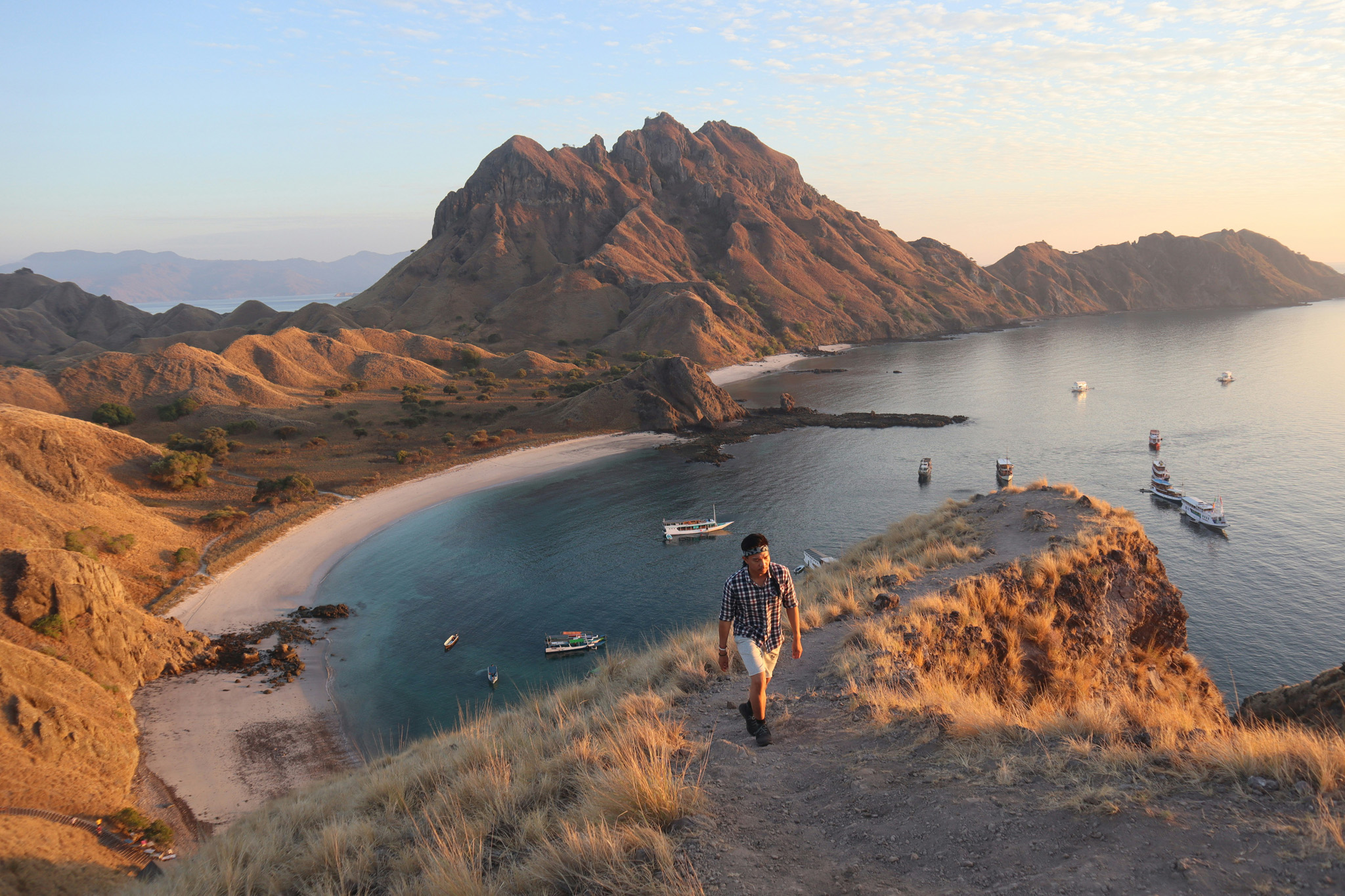
Known for its dramatic landscapes, Padar Island is a must-visit for stunning panoramic views and breathtaking hiking trails. Its unique crescent-shaped beaches are a sight to behold, and its rugged hills provide one of the best viewpoints in the Komodo archipelago. -
Labuan Bajo
The gateway to the Komodo Islands, Labuan Bajo is a bustling port town located on the western tip of Flores Island. It’s the perfect base for exploring the Komodo Islands, with a range of accommodations, restaurants, and services available. -
Pink Beach (Padar Island)
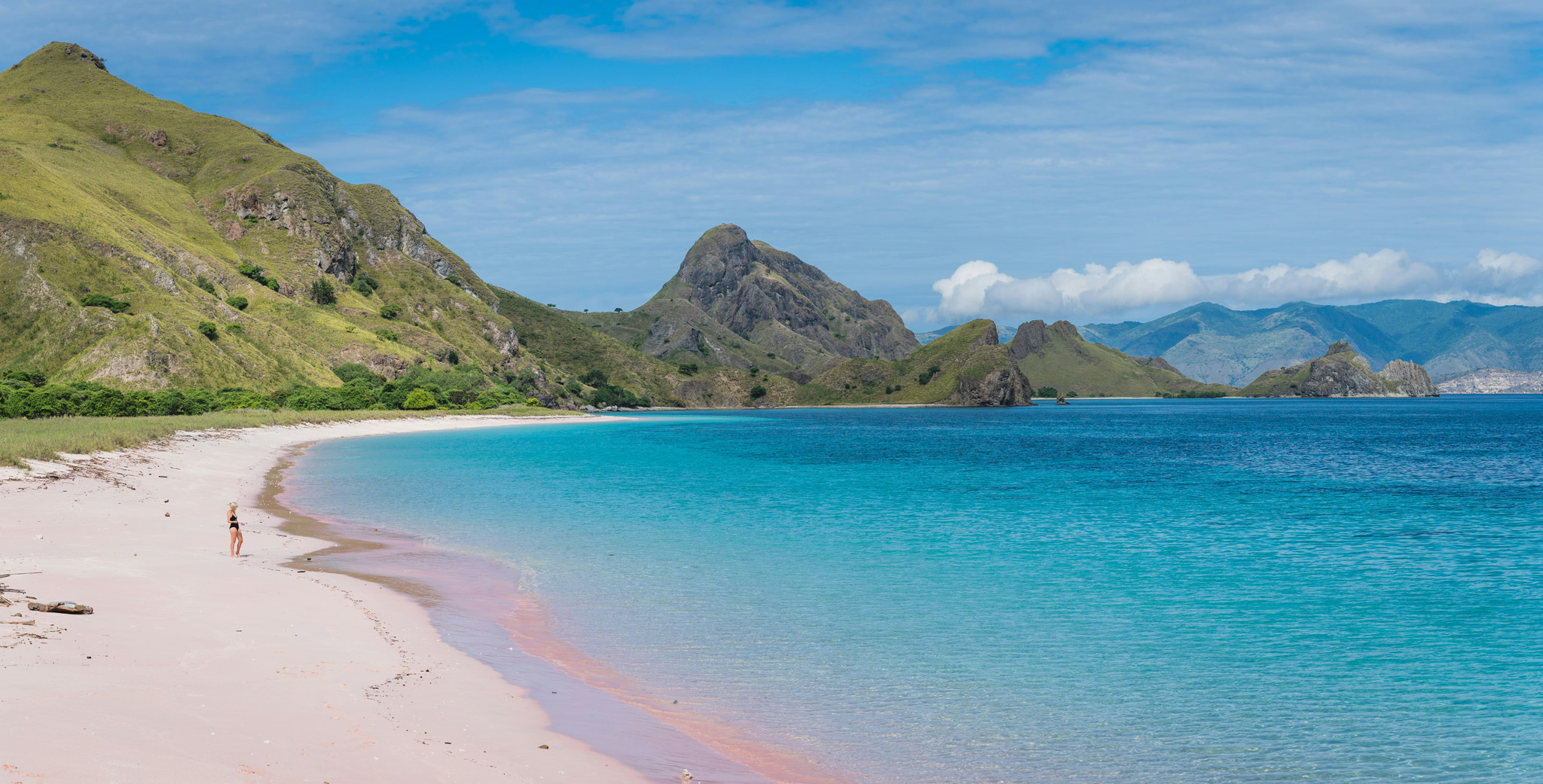
One of the most unique beaches in the world, Pink Beach is famous for its soft pink sand, which is created by the combination of red coral fragments and white sand. It’s a beautiful spot for swimming, snorkeling, and relaxing by the sea.
Highlights
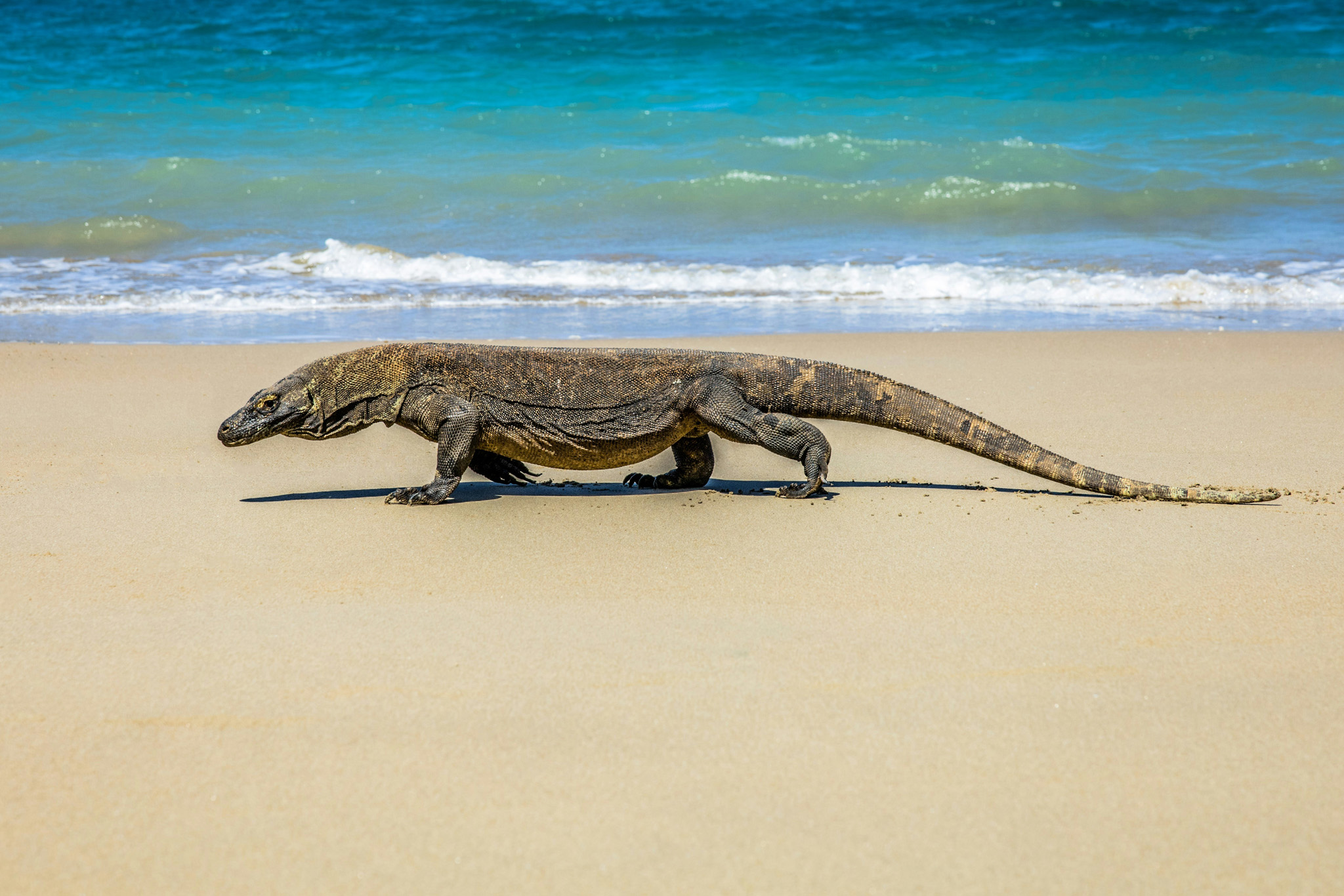
- Komodo Dragons: The most famous attraction of the Komodo Islands, the Komodo Dragon is the world’s largest living lizard, and seeing one in the wild is an unforgettable experience. Guided treks on Komodo and Rinca islands will give you the chance to spot these majestic creatures up close.
- Snorkeling and Diving: The waters surrounding the Komodo Islands are some of the best for snorkeling and diving, home to vibrant coral reefs, manta rays, turtles, and a variety of fish species. The area is part of the Coral Triangle, which boasts an incredible marine biodiversity.
- Hiking to Viewpoints: The islands offer some fantastic hiking opportunities, with stunning views of turquoise bays, rugged cliffs, and dramatic landscapes. The trek to the top of Padar Island’s viewpoint is one of the most iconic.
- Pink Beach: This stunning beach is a perfect spot for snorkeling, where you can swim with tropical fish and enjoy the unusual pink sands that make it a unique destination.
- Island Hopping: With several islands to explore, you can enjoy boat trips around the archipelago, stopping to visit secluded beaches, snorkel in crystal-clear waters, and hike to panoramic views.
Arrival Airports & Transport
- Komodo Airport (LBJ): Located in Labuan Bajo on Flores Island, this is the primary gateway for travelers visiting the Komodo Islands. The airport has regular flights from Bali and other major Indonesian cities. From Labuan Bajo, you can take boat rides to the nearby islands or arrange guided tours.
- Transportation: Boats are the main form of transport between the islands. Daily boat trips, liveaboard dive boats, and private charters are available for island hopping and exploring the archipelago. There are also local tours offering guided trekking and snorkeling excursions.
- Taxis/Grab: Local taxis are available, but we recommend using the Grab app (similar to Uber for South East Asia). Download the app here: https://www.grab.com/sg/
National Park & Drone Permits
A National Park permit is required to visit any of the islands in the Komodos. Pricing for this can change, so it is best to ask your boat operator or local operators for the latest fees. To fly a drone in the Komodo National Park requires a permit, and this is priced per day. Again, prices can fluctuate. An application may also need to be submitted to obtain the drone permit, so we recommend planning this in advance as much as possible with your local operator.
Practical Information
- Currency: Indonesian Rupiah (IDR)
- Cash vs. Card: Cash is preferred in most places, especially for smaller transactions or in remote areas. ATMs are available in Labuan Bajo, but it’s always a good idea to carry cash when heading to the islands. Credit cards are accepted in some hotels and restaurants.
- Languages: The official language is Bahasa Indonesia, but many people in tourist areas also speak basic English. Learning a few phrases in Bahasa Indonesia can enhance your experience and is appreciated by locals.
- Tipping: Tipping is not mandatory but is appreciated for good service. In restaurants, a 10% service charge may be added to the bill, but it’s customary to round up or leave a small tip.
- Power Outlets: Indonesia uses Type C and Type F plugs (230V, 50Hz). Be sure to bring the appropriate adapter if you’re traveling with electronics.
- SIM/eSIM: Coverage on the islands can be patchy. Local SIM cards for mobile data are available at the airport or in Labuan Bajo. eSIM services may also be an option depending on your phone. Using an eSIM is our recommended choice while travelling anywhere in the world, and our recommended provider is Holafly. For more information on eSIMs, check out this blog.

🛂 Visa Information
Many travellers can get a Visa on Arrival (VOA) for 30 days, which can be extended once. This visa can be organised in advance online, which we highly recommend doing to avoid queues at the airport. In addition, all travellers are required to fill out an online All Indonesia Arrival Card before arrival at https://allindonesia.imigrasi.go.id/ . Make sure that you check the current requirements before travelling. For the most accurate and up-to-date information, please refer to the official Indonesian immigration website: https://evisa.imigrasi.go.id/front/info/evoa

Food/Cuisine
Indonesian cuisine is diverse, flavorful, and features fresh ingredients, with influences from Chinese, Indian, and native traditions.
- Nasi Goreng: A beloved Indonesian fried rice dish, often served with fried eggs, vegetables, and a variety of meats or seafood.
- Mie Goreng: A noodle version of the fried rice dish, typically made with stir-fried noodles, vegetables, and meats.
- Sate: Skewered and grilled meat (often chicken or beef), served with a rich peanut sauce.
- Ikan Bakar: Grilled fish, often served with a spicy sambal sauce.
- Gado-Gado: A salad made with mixed vegetables, tofu, boiled eggs, and a peanut dressing.
- Fresh Seafood: Being surrounded by the ocean, the Komodo Islands offer a wide variety of fresh seafood, including fish, squid, and prawns, often grilled or served in a rich coconut milk sauce.
Why Visit?
The Komodo Islands are a must-see destination for nature lovers, adventure seekers, and those eager to explore one of the most unique places on earth. With a chance to witness Komodo dragons, snorkel among stunning marine life, hike through breathtaking landscapes, and relax on pristine beaches, a trip to this archipelago will leave you with memories to last a lifetime. Whether you’re looking for adventure or tranquility, the Komodo Islands deliver a perfect balance of both.